Last Updated on: 27 Apr 2026
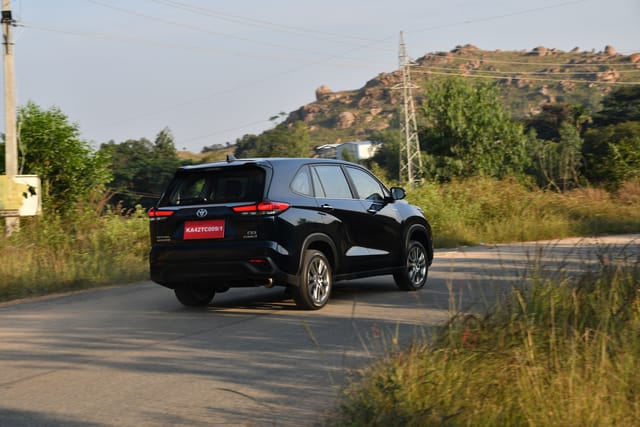
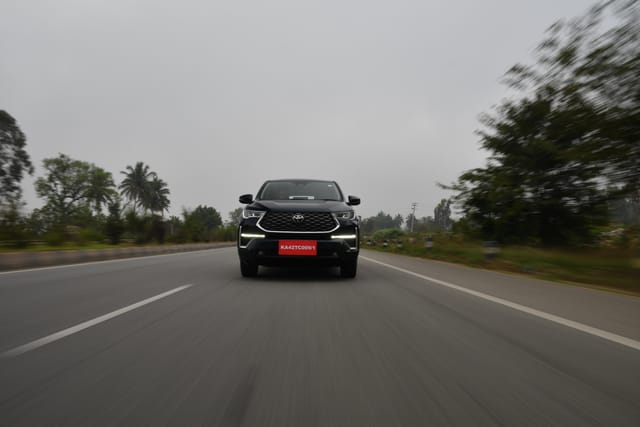
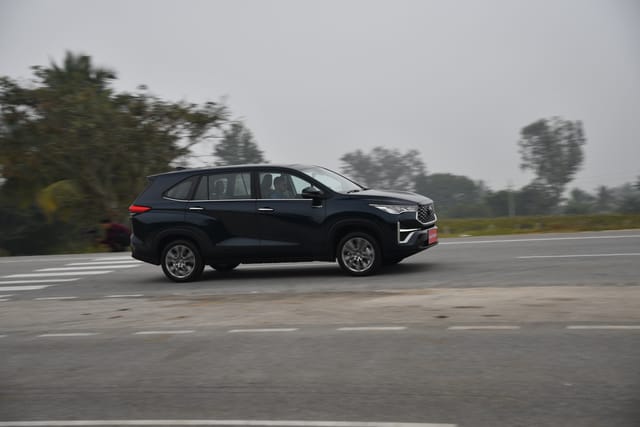
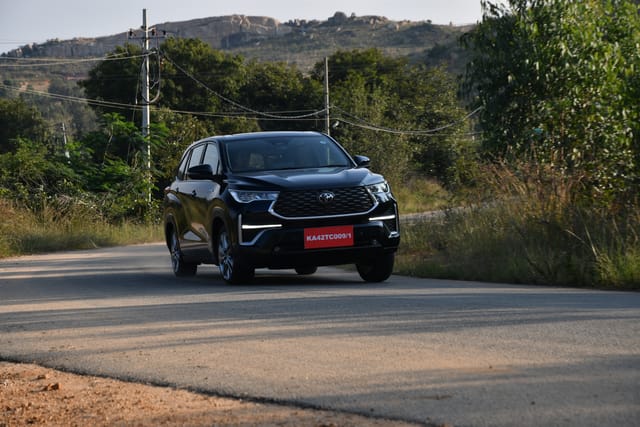
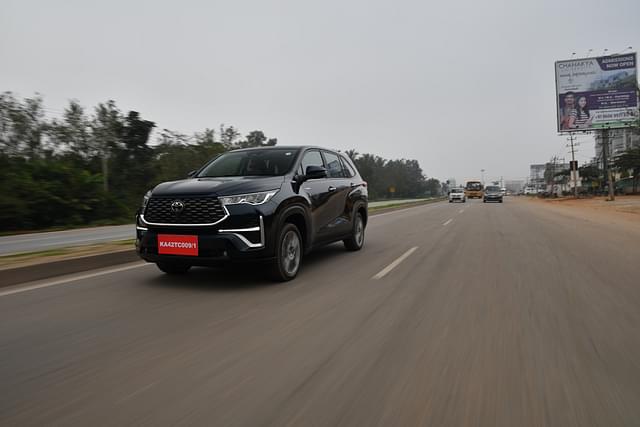
Toyota Innova HyCross price in Kamjong
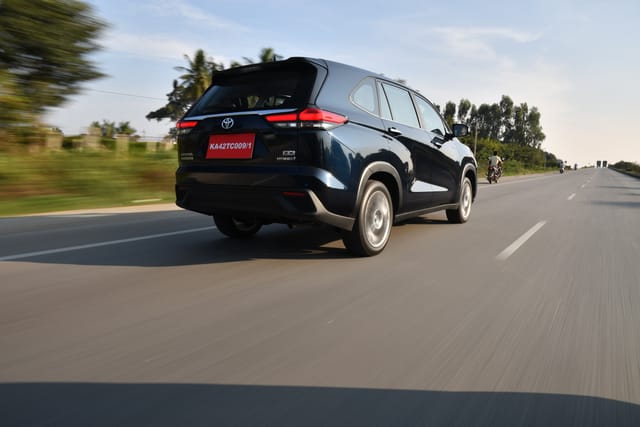
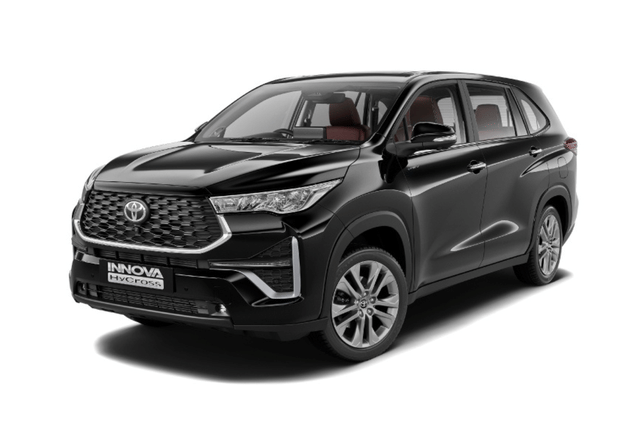
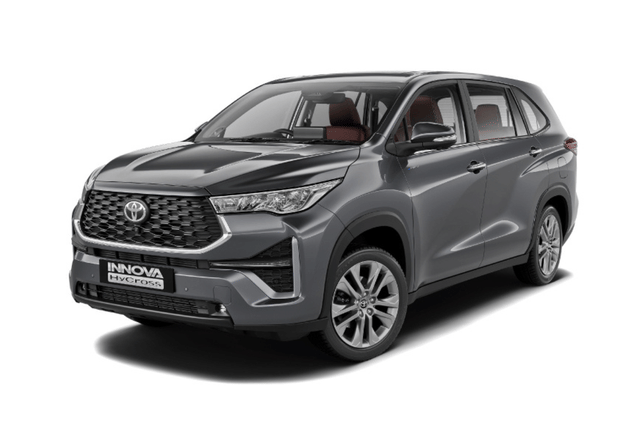
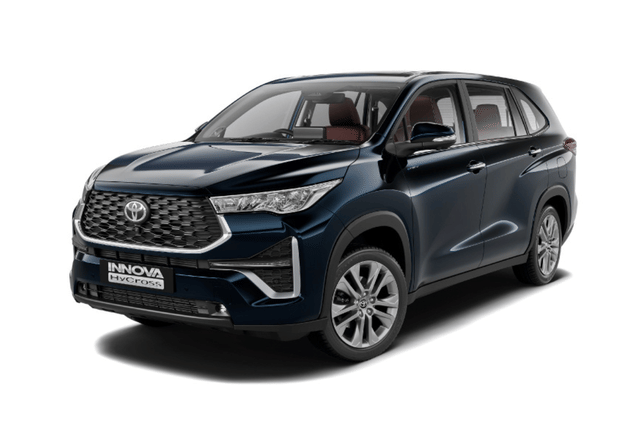
The Innova Hycross price in Kamjong starts from Rs 18.33 lakh and goes up to Rs 31.30 lakh (ex-showroom). Toyota offers variants of the Innova Hycross, with Petrol G 7 seat as the entry-level and Hybrid ZX (O) 7 seat as the top trim. The Innova Hycross on road price in Kamjong ranges between Rs 20.50 lakh and Rs 35.06 lakh, depending on the variant.
Toyota Innova Hycross price list in Kamjong 2026 (ex-showroom)
Innova Hycross Petrol CVT price range: Rs 18.33 lakh to Rs 20.97 lakh
Innova Hycross Hybrid price range: Rs 26.76 lakh to Rs 31.30 lakh
Toyota Innova HyCross price & variants
Price of Toyota Innova HyCross alternatives
Toyota Innova HyCross news
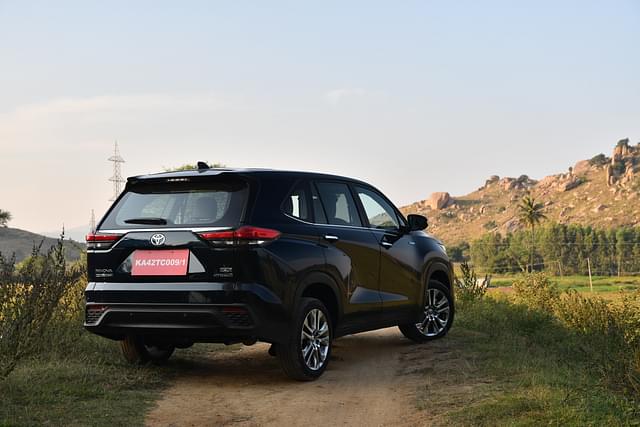
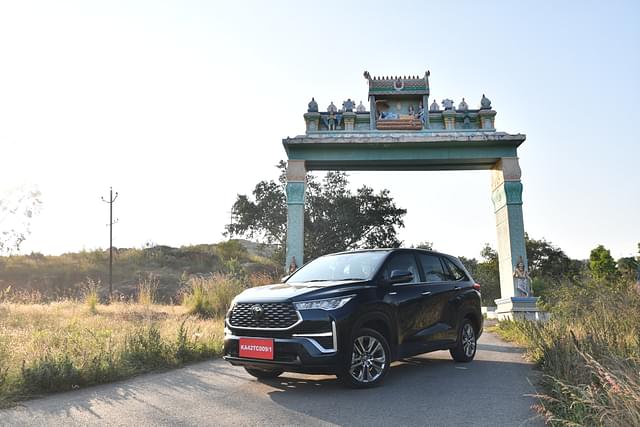
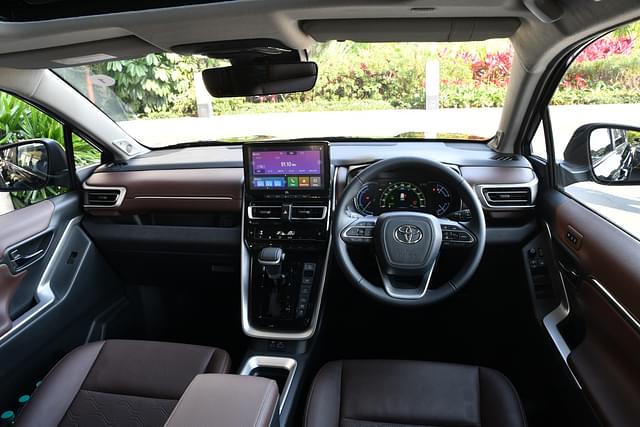
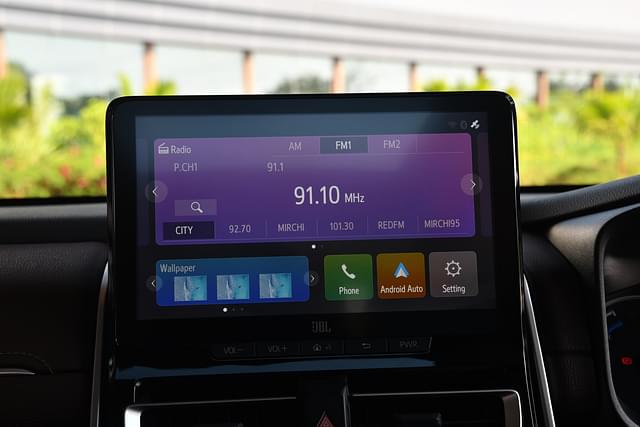
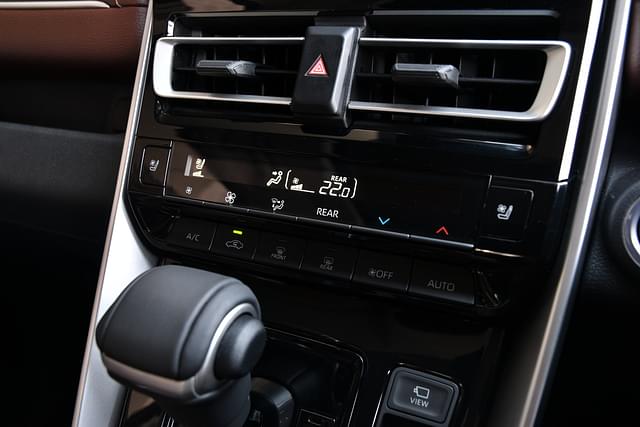
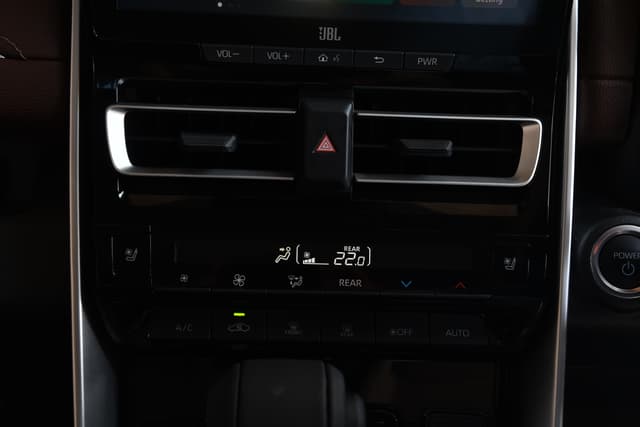
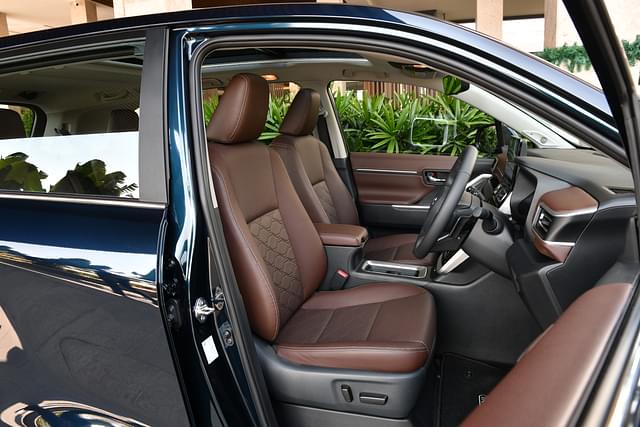
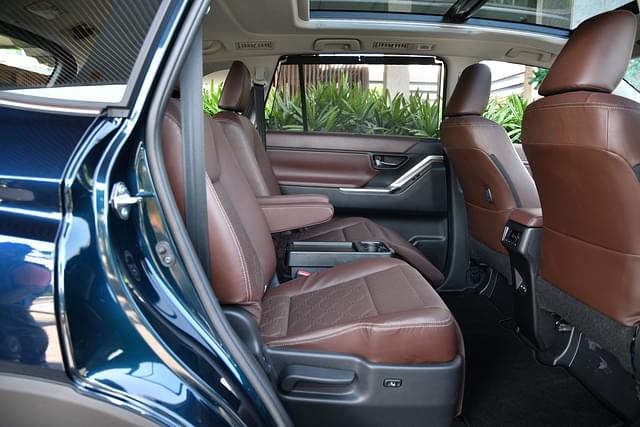
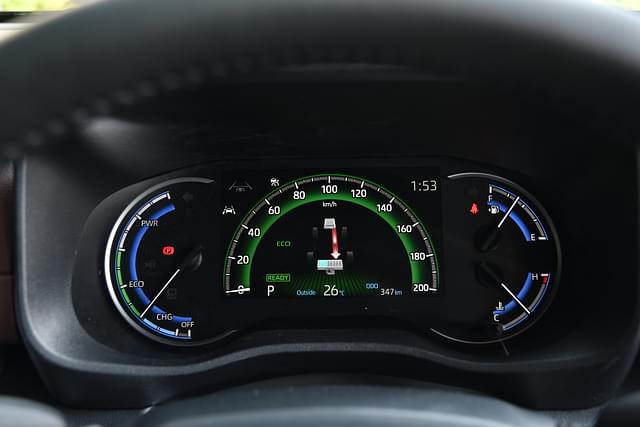
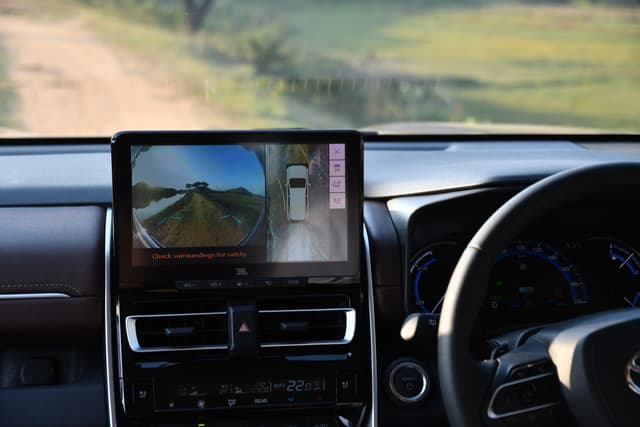
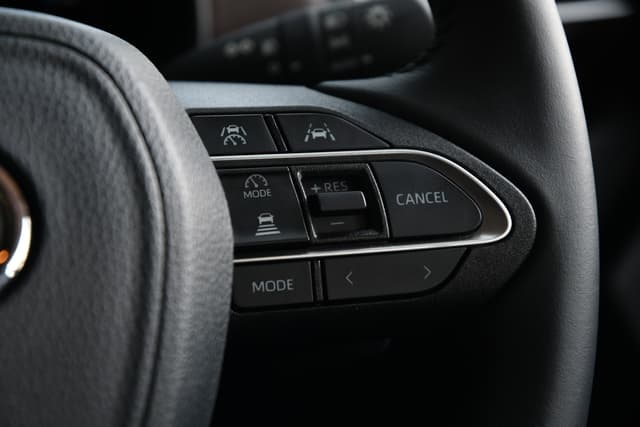
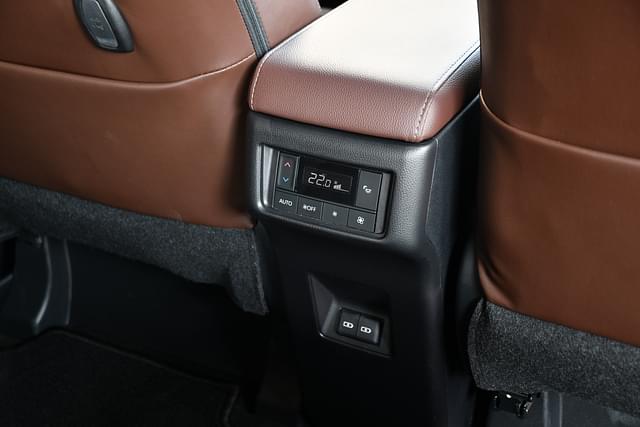
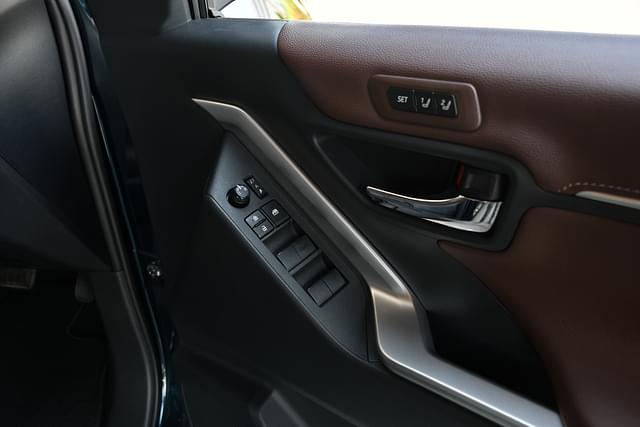
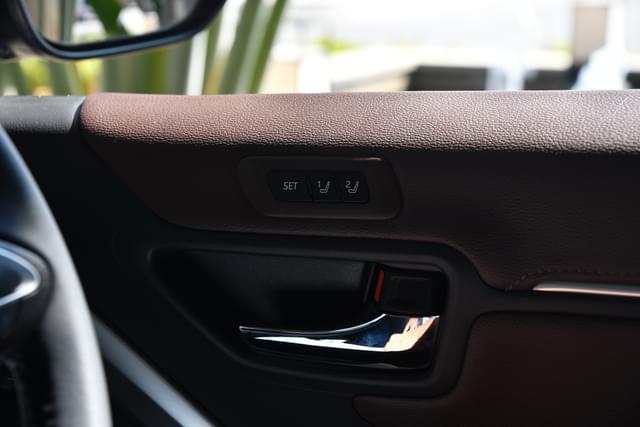
Toyota Innova HyCross Images
Toyota Innova HyCross videos

.png?w=640&q=75)

Toyota Innova HyCross Colours
Toyota Innova HyCross FAQs
The Innova Hycross price starts at Rs 18.33 lakh in Kamjong.
The Innova Hycross top model (Toyota Innova HyCross Hybrid ZX (O) 7 seat) is the most expensive variant in Kamjong, priced at Rs 31.30 lakh ex-showroom.
The Innova Hycross on road price in Kamjong starts at Rs 20.50 lakh to Rs 35.06 lakh.
The Innova Hycross hybrid price in Kamjong starts at Rs 26.30 lakh and extends to Rs 31.30 lakh (ex-showroom).
The Innova Hycross base model price in Kamjong is Rs 18.33 lakh (ex-showroom).
The Innova Hycross top model price in Kamjong is Rs 31.30 lakh (ex-showroom).
The Innova Hycross base model on road price in Kamjong is Rs 20.50 lakh.
The Innova Hycross top model on road price in Kamjong is Rs 35.06 lakh.
Questions you may find useful
Scientist
•2dI am planning to buy an SUV for myself and my family. My daily driving will be around 80 km, and I plan to do occasional off-roading once a month. My average monthly driving is about 2,000 km. I am looking for a powerful, safe, and secure vehicle with 7 seats that is also economical. I am open to electric, hybrid, petrol, and diesel options, but not CNG. Since I have high running, I am also looking for low running costs. Please suggest, as I plan to make the purchase within the next 2 months.

Autocar India
Go for a diesel 7-seater SUV or MPV, and shortlist the Kia Carens Clavis or Toyota Innova HyCross depending on your budget. These are the most practical and economical choices for your usage.The Kia Carens Clavis diesel is the most practical starting point. It is comfortable, easy to drive daily and efficient for long distances. The diesel engine is well suited for your high running, and this Kia car is stable enough on highways while remaining manageable in the city. It is also one of the most sensible family 7-seaters available today.If you can stretch your budget, the Toyota Innova Hycross hybrid is the best overall choice. It offers excellent comfort, much better space across all three rows and very low running cost for a large vehicle thanks to its hybrid system, which delivers high efficiency for city and highway use. It is also among the most reliable long-term ownership options.Now, since you mentioned occasional off-roading, you need to be realistic. Cars like the Carens Clavis and Hycross are not meant for serious off-roading. If your off-road use is mild, like rough roads or trails, they will manage. If you want proper off-road capability, then something like the Mahindra Scorpio N diesel is the better fit. It is rugged, has strong torque and proper SUV capability, while still being usable daily.The trade-off is clear. The Scorpio N is tougher and more capable off-road, but less comfortable and less efficient than the Carens or Hycross.
Naveen
•3dI own a ecosport tdi 2017 Pre facelift with 60,000 km on the odometer after 9 years. I plan to keep it for city use and buy another car mainly for highway drives, as we take long trips twice a year. I am considering an EV or a diesel but am open to suggestions. We are a family of six, including two senior citizens.

Autocar India
Your requirement is clear. You already have the EcoSport for city use, and now you want a comfortable, dependable long-distance car for a family of six including senior citizens. That means space, ride comfort and ease of ingress matter more than anything else.The Kia Carens Clavis is the most sensible starting point. It is a proper 6 or 7 seater, easy to drive, and far more comfortable than compact SUVs. The ride is soft, the seating is flexible and the cabin feels modern and airy. It is also positioned as a more premium, updated version of the Carens with better interiors and features, which suits family usage well. For highway trips, this Kia car is stable enough and the diesel automatic option works very well if you want efficiency.If you want the best possible comfort and willing to spend more, the Toyota Innova HyCross is in a different league. It offers far better ride quality, more space in all three rows and a much more relaxed driving experience. It is also extremely reliable and easy to own long term. For senior citizens, the ease of getting in and out, and the overall comfort level, are clearly superior.Compared to EVs, your usage does not strongly justify one. Long highway trips are still more convenient in petrol or diesel cars, especially in remote areas where charging infrastructure can be inconsistent.
David
•4dI am planning to buy a new car by the end of the year, and my current top choice is the Mahindra XUV7X0 (AX7 petrol automatic variant). Earlier, I was considering the Kia Seltos and Hyundai Creta, but I no longer like their current exterior designs, so I have shifted my focus. For context, I currently own a Maruti Suzuki Ertiga (petrol + CNG), which is almost 10 years old and has been driven only around 50,000 km. My usage is quite low. The office is about 13 km away (around 30 km round trip), but I often use public transport. I mainly use the car on weekends, roughly 2-3 times a week, and my monthly running is around 400-450km. My priorities for the new car are: strong road presence and mass appeal, comfortable and premium interior, good reliability, reasonable service and maintenance costs (I am used to Maruti-level affordability), suitable for family trips. Given my low usage and requirements, would the XUV7X0 petrol automatic be a good choice, or should I consider other options?

Autocar India
Low monthly use, mostly weekend family trips, and you want strong road presence with a premium feel, in that brief, the Mahindra XUV 7XO petrol automatic is the right fit, and it’s the one we would pick for you. It lines up with your goals for three clear reasons. First, presence and space: it looks big, sits high, and feels like a big step up from your Maruti Ertiga. Five adults ride in real comfort, and with the third row folded, you get a huge boot for family trips. Second, the petrol motor feels smooth and strong at low speeds and on the highway, so city gaps and quick passes are easy without effort. Third, the cabin feels premium for the price, with a clean screen layout and a quiet ride that your family will like.A few trade-offs to note, given your context: service will not be Maruti-affordable, and the car will use more fuel than your Ertiga CNG. It’s also a large car, so tight parking will need care, and Mahindra’s software still throws the odd small glitch.If the budget allows, the Toyota Innova HyCross hybrid brings top comfort and very low city fuel use, but it is pricier. Overall, for your low running and desire for presence and a premium feel, the XUV 7XO petrol automatic fits best.
Manvik
•5dHi, i have a kia sonet 2020. I am looking to upgrade to a car under 35 lakhs. I want a 7-seater car with all the features of the Sonet (top variant) and more. We were comfortable enough with the space and comfort of the car. So our main priority is features and technology. The third row will mostly be used by kids. Our yearly driving is less than 10000 km. We are also open to EV options, since our trips are mostly a maximum of 400km with chargers at the destination. Also, note that I won't have tax on EVs since I live in Telangana.

Autocar India
Given your focus on features, limited running, and openness to EVs, the Mahindra XEV 9S is a strong fit. It feels like a clear upgrade from your Kia Sonet in terms of tech and safety, with features like an HD triple-screen setup, a panoramic sunroof, a 360-degree camera and ADAS. It is smooth, quiet and effortless in city use, with plenty of performance for the highway. The first two rows are very comfortable and spacious, though the third row is tight for adults. Since you will mostly use it for your kids, it should work fine.If you want to stick with an ICE vehicle, then look at the Toyota Innova HyCross Hybrid VX (O) 7 seat. It is very quiet and easy to live with, and the third row is a touch better, but at this budget, you may miss some of the fancier tech that Mahindra offers. If you'd like to stay with Kia, then the Carens Clavis EV is also an excellent alternative. It isn’t as big as the Mahindra car, but it still has a better third row.
Gopal
•6dHi Autocar, I want to buy a 7-seater car that is low-cost, low-maintenance, and suitable for long-term ownership. Around 90% of my driving is on highways. I want a safe and comfortable car for my family, with a budget of up to ₹25 lakh. I really like the Innova HyCross in this segment. Please guide me.

Autocar India
The Toyota Innova Hycross GX (O) petrol automatic 7-seater is the one that fits you best. It is very easy to live with, it stays steady at high speed on long drives, and all three rows of seats are comfortable for hours. The automatic gearbox means it is convenient to drive, especially in traffic and Toyota’s proven reliability and wide service network help keep maintenance low over many years.For your highway focus, the HyCross also rides well over bad patches and feels calm at cruising speeds. Toyota’s build and safety features in the HyCross also give good peace of mind, and the cabin is genuinely spacious.A couple of things to note. In your budget, you will be looking at the non-hybrid petrol, which is smooth but will not be as fuel-efficient as the strong-hybrid. Also, with all three rows up, the boot is small.
Prithvi Singh
•6dI am considering purchasing a car within the ₹25-30 lakh budget range. My daily commute is approximately 60-80 km between Noida and Delhi, along with occasional outstation trips every 3-4 months. I am currently unsure whether to choose an electric vehicle (EV), a petrol vehicle, or a petrol-hybrid. Given my high daily running, an EV appears to be the most cost-efficient option. However, concerns regarding charging infrastructure and range anxiety; especially during outstation travel, make it less convenient compared to petrol or hybrid vehicles, which offer greater flexibility for long-distance journeys. On the other hand, petrol or hybrid vehicles would be more expensive to operate in the long run. I would consider buying a diesel car, but due to the 10-year usage limit, I am hesitant. The Toyota Innova HyCross seems like a strong option, but its larger size may not be ideal for predominantly city driving. Additionally, since this will be my primary vehicle, I am hesitant to rely entirely on an EV at this stage, as it is still not as widely adopted or universally convenient as traditional alternatives.

Autocar India
With 60-80 km of daily driving, you are absolutely right that an EV would be the cheapest to run and very smooth in city traffic. However, since this is your primary car and you also take outstation trips, the need for charging planning and dependence on infrastructure can become inconvenient over time, especially on longer drives. It is usable, but not completely effortless yet.A strong hybrid fits your usage better. It gives you EV-like smoothness and excellent efficiency in city driving, while also delivering very good efficiency on highways, something modern hybrids now do surprisingly well. At the same time, you retain the full flexibility of a petrol car, eliminating any range anxiety or planning concerns. What’s even more impressive is that despite its size, it’s very easy to drive with great visibility, though its length can make parking in tight spots a bit challenging.We would have recommended you the Toyota Urban Cruiser Hyryder Hybrid instead, but considering you currently own the Honda City, the Toyota Urban Cruiser Hyryder may not feel like a meaningful upgrade in terms of space. This is where the HyCross makes a stronger case. It offers a clear step up in space, comfort and long-distance usability, while still delivering the efficiency benefits of a hybrid.A petrol-only SUV in this budget will feel simpler to own, but with your running, fuel costs will be significantly higher, which reduces long-term value.
Munikiran
•1wHi, I am planning to purchase a new 7‑seater vehicle and have shortlisted two options: Mahindra XUV 700 AX7 Diesel Automatic and Toyota Innova HyCross Hybrid VX(O). Personally, I am more inclined towards the XUV 700 due to its superior features and overall ride quality. However, I am concerned about the discussions on social platforms suggesting that diesel vehicles may face restrictions or bans starting in 2030, which could potentially impact usability and resale value, especially since I plan to purchase the car under a car lease policy and typically replace vehicles every 5-6 years. While I am open to the Innova HyCross Hybrid, I am not fully convinced by the features it offers compared to the XUV 700. Could you please guide me on whether it would be advisable to go ahead with the XUV 700 diesel, considering the long‑term outlook, or if opting for the HyCross Hybrid would be a safer choice under these circumstances? Thanks in advance for your guidance.

Autocar India
For a 7-seater on a company lease that you’ll replace in 5-6 years, and with your worry about policy risk and resale, I’d lean to the Toyota Innova HyCross Hybrid VX(O). It is the safer long-term pick for your plan because hybrids are not under any talk of future limits, they draw wider demand in the used market, and in daily traffic, the hybrid’s smooth, quiet pull and lower fuel use make city runs easy on you and your wallet. It also offers a more useful third row and boot when all seats are up, which matters if you often have six or seven on board.Your pull towards the Mahindra is very understandable. The XUV 7XO (earlier sold as XUV700) AX7 Diesel Automatic still makes sense if you love its features and strong highway feel. For a 5-6 year horizon, there is no confirmed 2030 diesel ban across India today, and outside NCR, the main limit is usually 10 years, so usability should be fine, and resale should hold if you maintain it well.Do note two things for your use: if most of your driving is short city trips, modern diesels can be fussy with their exhaust filter and may need regular highway runs to stay healthy. And policy in big cities can tighten faster than we expect, which can nudge resale.So, if you want the least-risk choice for a lease cycle and you value smooth city driving and space, pick the Innova Hycross VX(O). If features and a stronger drive matter more and you are not in NCR, the XUV remains a confident buy.
Mahaveer
•1wIs there any better car than the Innova Crysta and Innova Hycross? Which one is better between the two considering my usage is 2,500–3,000 km per month for city and highway driving.

Autocar India
With 2,500-3,000 km a month split between city and highway, the Toyota Innova HyCross Hybrid VX is the stronger fit for you. It is easier to live with every day because it is automatic and it is quieter as well as smoother in traffic, and the hybrid is very fuel efficient in city use. On long runs it cruises calmly, the seats are comfortable and supportive. Cabin of this Toyota car is spacious that can comfortably accommodate your family.The Toyota Innova Crysta still has two clear strengths. If you often carry seven adults plus luggage, or drive on rough roads a lot, the Crysta’s diesel engine feels more relaxed with a full load and the body-on-frame feels very tough. However, it is now only available with a manual gearbox, so driving in stop-start city traffic can get tiring. Trade-offs with the HyCross: the hybrid costs more upfront than a Crysta.
Sunil Naths
•1wI have a Scorpio, a diesel Dzire, and a Tata Zest, all Euro 4, and all running fine without any problems. I want to buy a family car as I have to travel to New Delhi with my family two or three times a month. Which SUV would you suggest?

Autocar India
Trips to New Delhi with family two or three times a month call for a roomy, safe, easy long-distance car that stays steady at highway speeds. For that use, we would pick the Toyota Innova HyCross VX Hybrid. It suits this job best because it rides comfortably over bad patches, has a very spacious second row, and with the third row folded, it swallows all the luggage a family carries. The hybrid runs on petrol with help from an electric motor, so it feels very smooth and quiet in traffic and uses less fuel on those long runs. The automatic gearbox makes the Delhi traffic parts far less tiring, and Toyota’s good service network is another plus.Two things to keep in mind. The Toyota Innova HyCross is priced on the higher side, and there can be a waiting period in some cities. Also, it is not as rough-road tough as your old Scorpio, so if you do a lot of broken village roads, drive it and see if the ground clearance and comfort work for you.If you prefer a diesel with strong pull and a higher driving view, look at the Mahindra XUV 7XO diesel automatic. It is more comfortable and modern than your older Scorpio and feels steady at highway speeds. Another good diesel family SUV is the Tata Safari automatic, which has a big cabin, a more spacious third row than the 7XO and a comfy ride.Overall, for frequent Delhi runs with family, the Innova Hycross VX Hybrid lines up best. If you want a diesel feel, the XUV 7XO or Safari will suit you better.
Soumen
•1wI am planning to buy a 7-seater car that has low recurring maintenance costs and offers good comfort. I am considering the XEV 9S, but I am not very confident due to the uncertain future of EVs in India. Will there be good resale value after 5-7 years, and how do we see the future of EVs given the rapidly evolving technology?

Autocar India
If you are considering the Mahindra XEV 9S, it really comes down to how you balance running cost benefits versus long-term certainty.On one hand, electric cars make a lot of sense today for daily use. They offer very low running and maintenance costs, a smooth and quiet driving experience, and are well-suited to city driving. Over a 5 to 7 year period, you will likely save a meaningful amount on fuel and routine upkeep compared to petrol or diesel cars. At the same time, your concern about resale is valid. The EV market in India is still evolving, and while adoption is growing steadily, resale values are not as predictable as those of diesel or petrol cars yet. A big factor is battery health, and while manufacturers are offering long warranties, the used car market is still figuring out how to value older EVs, especially as newer models keep improving quickly.Looking ahead, EVs will almost certainly become more mainstream over the next few years, which should improve resale confidence, but it is also true that rapid technology changes could make older models feel outdated sooner than traditional cars. So the decision is more about your comfort level.If you plan to keep the car for the full 5 to 7 years and prioritise low running costs and a modern driving experience, the XEV 9S can work well. If resale value and long-term predictability matter more, a diesel car like the Mahindra XUV 7XO or a hybrid 7-seater like the Toyota Innova HyCross will still feel like the safer choice today.
Toyota Innova HyCross price in India
Toyota Cars