Last Updated on: 20 Feb 2026
Tata Punch EV price in Noida
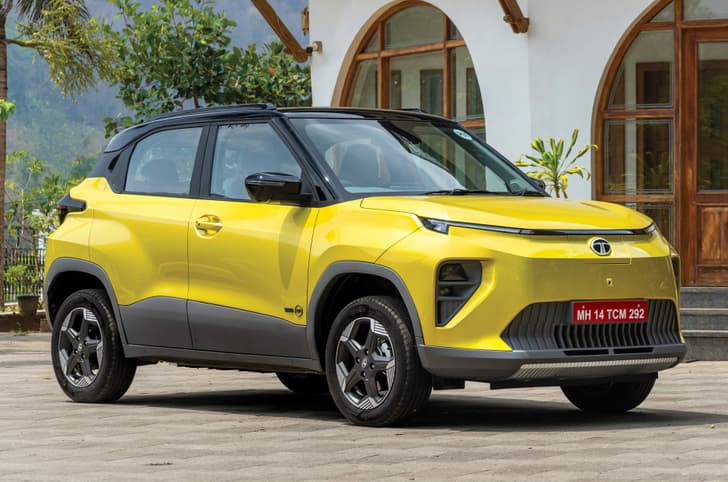
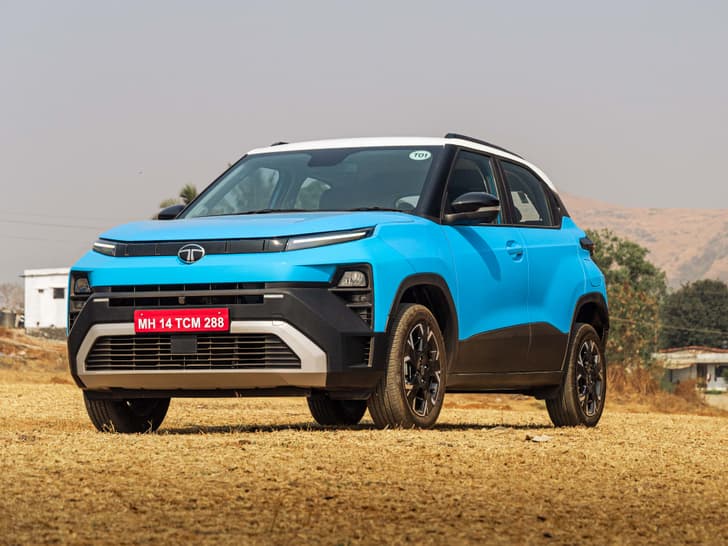
The Tata Punch EV price in Noida starts at ₹10.28 lakh for the Smart 30 base variant, including all taxes, RTO fees and insurance. In comparison, the Tata Punch EV Empowered + S 40 top model price in Noida is ₹13.38 lakh.
Tata Punch EV price & variants
Price of Tata Punch EV alternatives
Tata Punch EV news
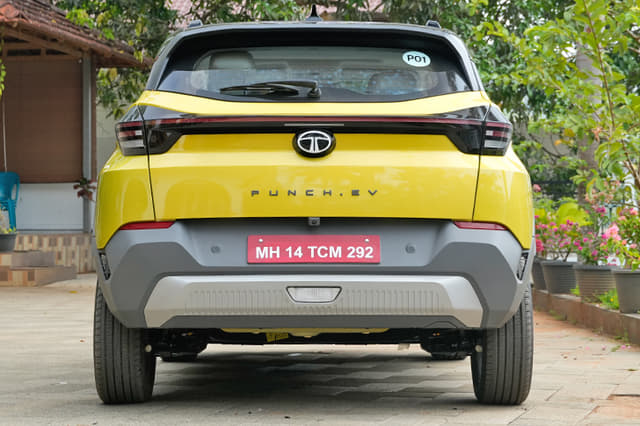
Tata Punch EV Images
Tata Punch EV videos

Tata Punch EV Colours
Tata Punch EV FAQs
The Tata Punch EV price in India starts at ₹9.69 lakh and goes up to ₹12.59 lakh, ex-showroom.
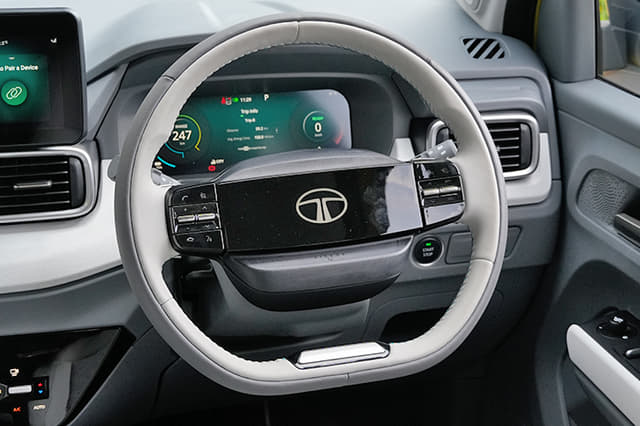
The base-spec Tata Punch EV Smart 30 price is ₹9.69 lakh, ex-showroom.
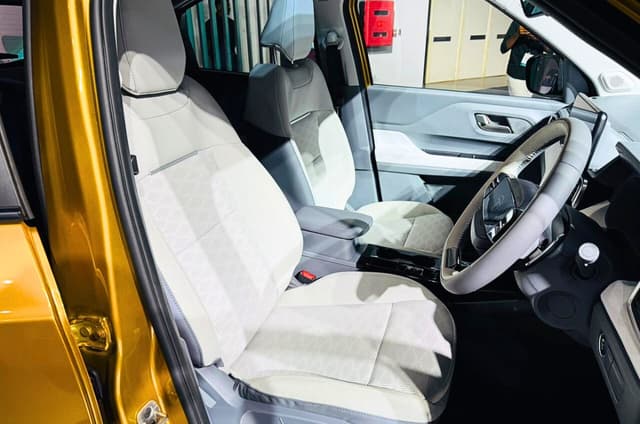
The base-spec Tata Punch EV Smart 30 on road price in Noida is ₹10.28 lakh.
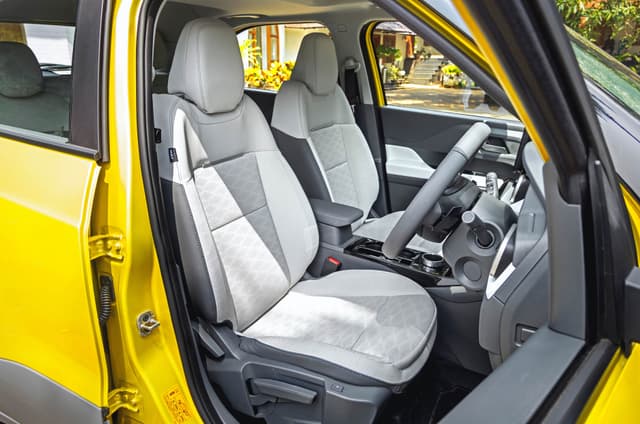
The Tata Punch EV Adventure 40 price is ₹11.59 lakh, ex-showroom.
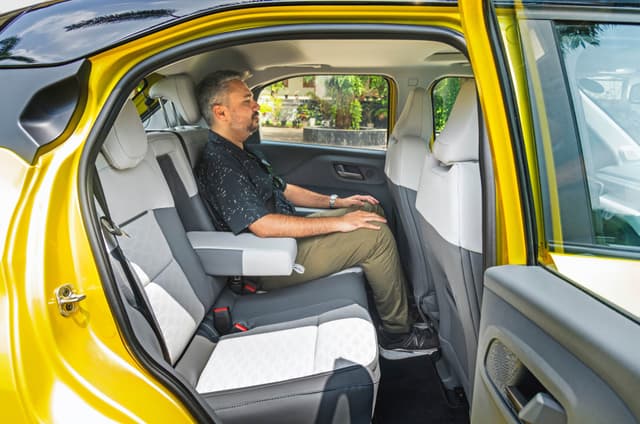
The Tata Punch EV Adventure 40 on road price in Noida is ₹12.33 lakh.
The top-spec Tata Punch EV Empowered + S 40 price is ₹12.59 lakh, ex-showroom.
The top-spec Tata Punch EV Empowered + S 40 on road price in Noida is ₹13.38 lakh.
Trending Questions on Tata Punch EV - Answered by Autocar Experts
I travel approximately 85 km daily and am considering the Tata Punch EV 2026, specifically the Adventure 40 kWh variant. Given my daily usage, would it be better to purchase the vehicle with the battery included or opt for the BAAS (Battery as a Service) model? Which option would make more financial sense in the long run?
I am an NRI based in Dubai, looking to purchase an automatic SUV for my home in Kasaragod, Kerala. I will be using when I visit couple of times in a year and the car will be primarily used by my sister for local shopping and local commutes, but will also remain idle sometimes. Between the Skoda Kylaq Prestige Plus (1.0 TSI with 6-speed Torque Converter) and the Hyundai Venue HX8 (1.0 Turbo with 7-speed DCT), which powertrain is more mechanically durable for a 10-year ownership cycle? Is buying new punch ev also makes sense? I’m open to other suggestions as well.
All modern cars today, if maintained well, are engineered to last 10 years or more. Over that period, you should budget for both scheduled services and some wear-and-tear replacements. Given your usage pattern with limited annual running and long idle periods, the way the powertrain behaves when used sparingly becomes more important. Since most of your trips are short and local in Kasaragod, outright performance is less critical than smooth and reliable operation.
Between the Skoda Kylaq Prestige Plus (1.0 TSI with 6-speed torque converter) and the Hyundai Venue HX8 (1.0 Turbo with 7-speed DCT), both should serve you well if maintained properly. However, purely from a mechanical durability standpoint, a conventional torque converter automatic, like the one in the Kylaq, is generally more tolerant of stop-go driving and long-term ownership than a dual-clutch transmission (DCT).
DCTs offer quicker shifts and better efficiency, but they are more complex and can be sensitive to heat and crawling traffic. This is something your sister is likely to encounter in town driving. Over a 10-year horizon, especially with intermittent usage and possible long idle periods, the simpler torque converter setup is typically the safer bet.
That said, both cars use small turbo-petrol engines. Modern turbo engines are reliable, but they are inherently more complex than naturally aspirated (NA) engines. It is due to additional components like the turbocharger and intercooler. If absolute long-term peace of mind is your priority, you could also consider the Maruti Suzuki Brezza, which comes with a 1.5-litre naturally aspirated petrol engine paired to a 6-speed torque converter. An NA engine is mechanically simpler and, in theory, better suited to low annual running and long ownership.
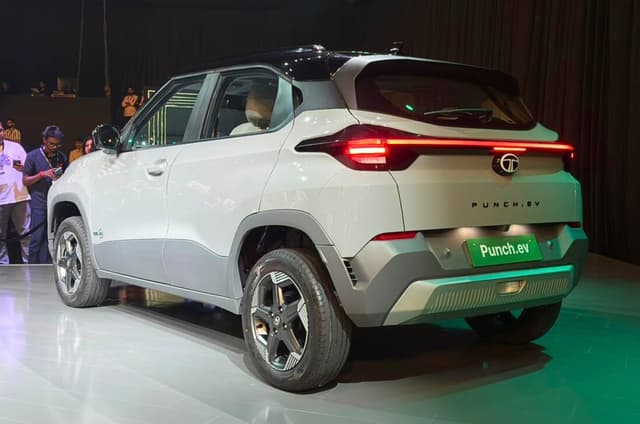
As for the Tata Punch EV, it is an excellent value for money as an EV. However, in your specific case, it may not make complete sense. Your annual usage appears limited, so you won’t significantly benefit from the lower running costs of an EV.
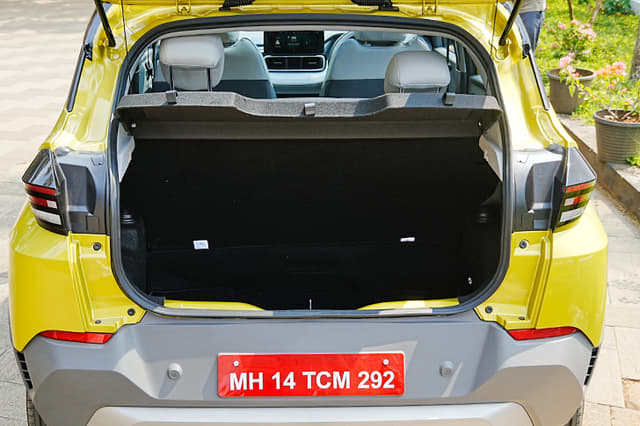
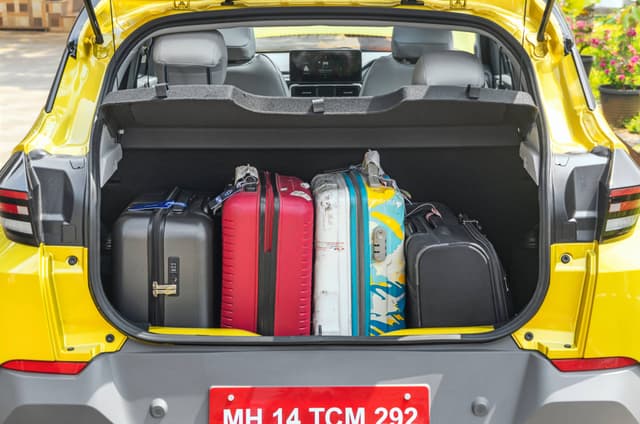
Additionally, the Punch EV is compact with a smaller boot, which may restrict practicality during family visits. Long idle periods are also not ideal for EVs unless the battery state of charge is managed carefully.
I am using a petrol MT EcoSport for my daily office commute and travel about 500-600 km a month. Should I go for an EV or a petrol IVT for city usage? Please share options based on your recommendation.
I am planning to buy a Punch.ev but I’m confused with other EVs like the MG Windsor EV, Tata Nexon EV, and Hyundai e-Vitara. I have to travel about 75 km daily, and I also go out occasionally with my family. Which one is the better choice?
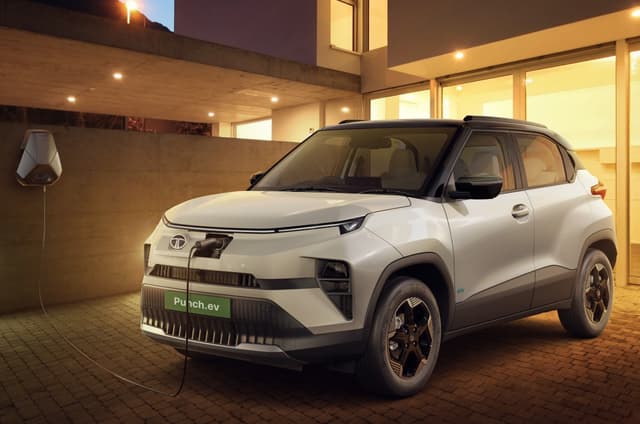
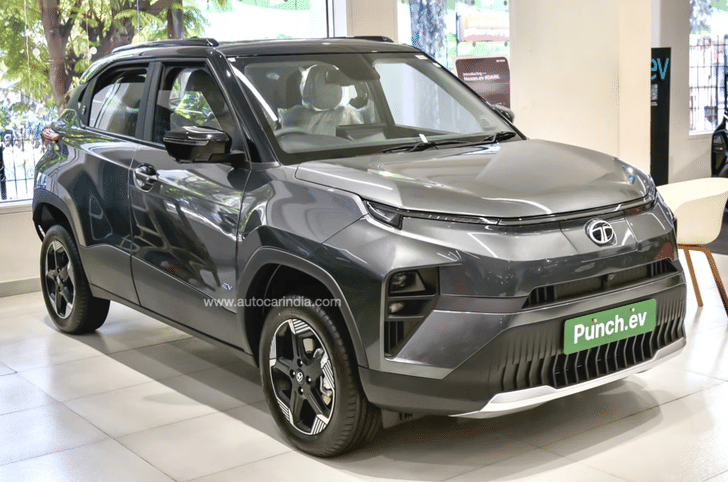
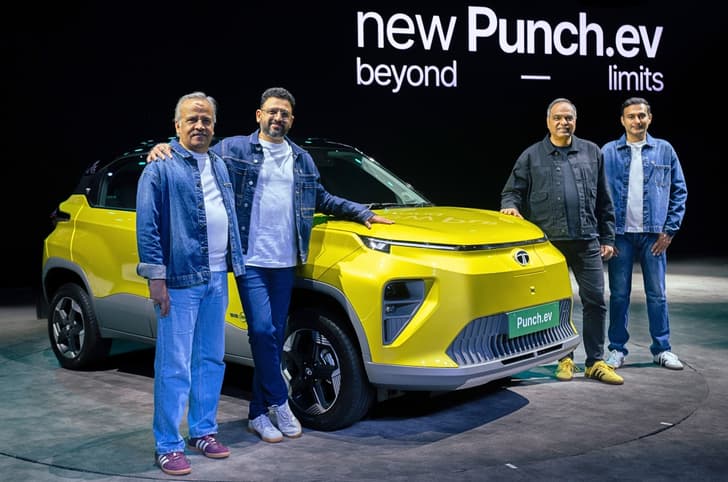
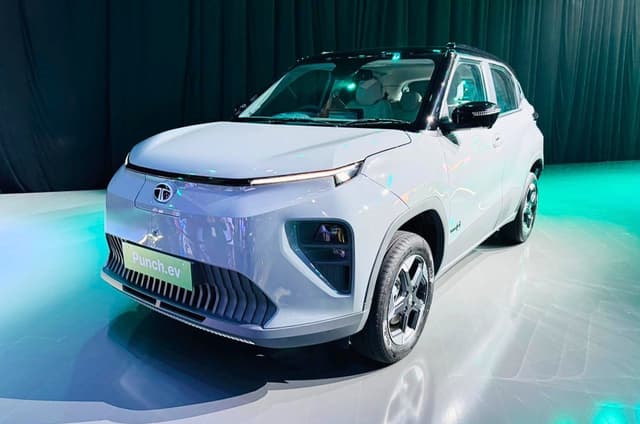
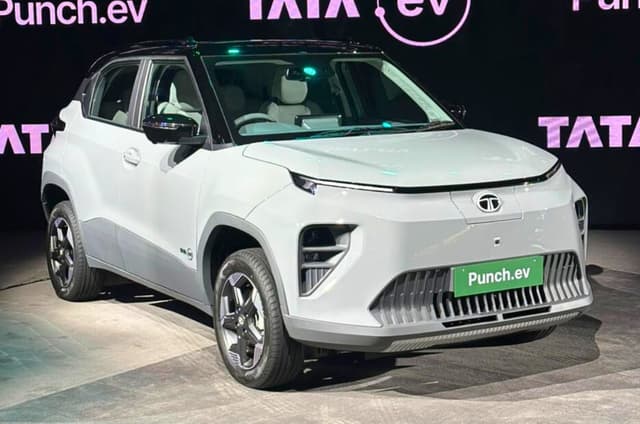
The new Tata Punch EV facelift, which has been recently launched, is hard to fault. It now offers improved range, strong performance and an excellent ride. What makes it even more attractive is the pricing. Tata Motors has launched it at a starting price of Rs 10.3 lakh (on-road), which makes it an exceptional value and even more competitive than before.
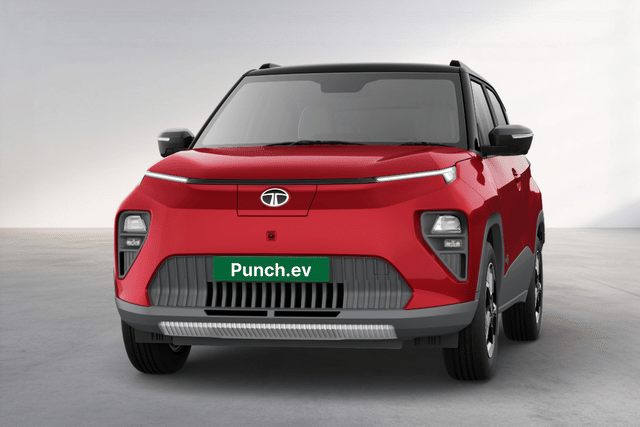
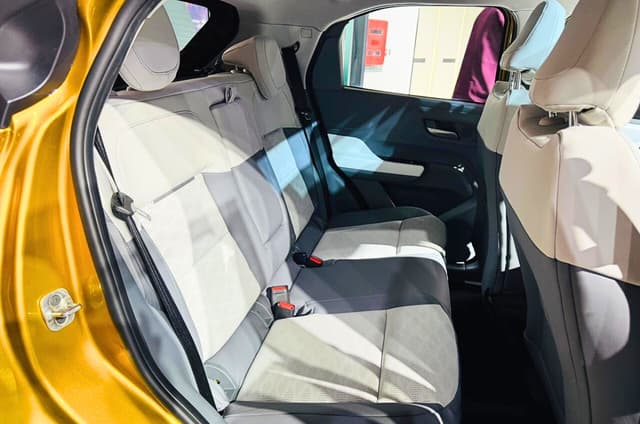
The only real weakness of the Punch EV is the cramped back seat, which may not be ideal for regular family outings. If your daily 75km commute is the priority and your family can tolerate the tighter rear space occasionally, then you can go for the Punch EV without a second thought.
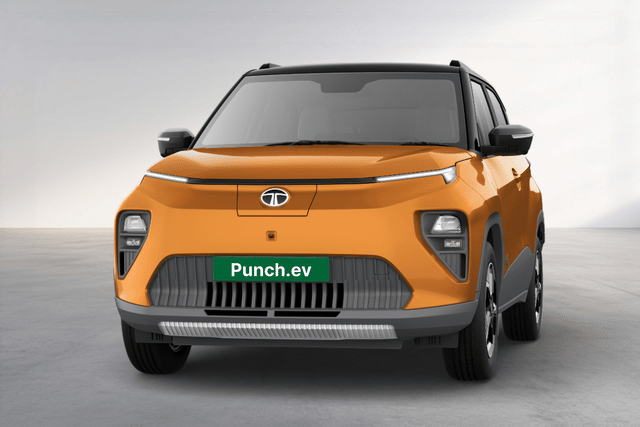
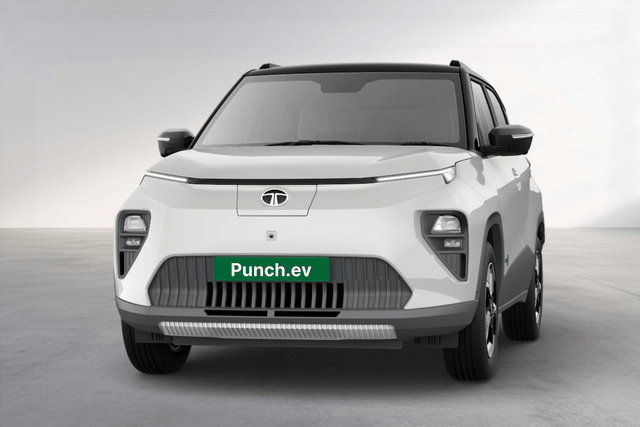
However, if cabin space is critical for you, then the MG Windsor EV is the better option. It has a far more spacious and comfortable cabin, making it better suited for family use, though it is not as nice to drive as the Punch EV.
I am a first-time car buyer. My wife and I will be driving it. It will be used mostly for city driving and sometimes for outstation outings, with a weekly run of about 100 km. My budget is around ₹10-12 lakh, and safety is a priority. Which cars should we be looking at? Is the BAAS a good option?
Given your query regarding BaaS (battery as a Service), we assume it's an EV that you are looking at. The best option within your budget is the Tata Punch EV, which is incidentally fresh from an update. Tata Motors has enhanced the powertrain for more range and faster charging. The Punch EV Adventure with the larger 40kWh is the pick for you.
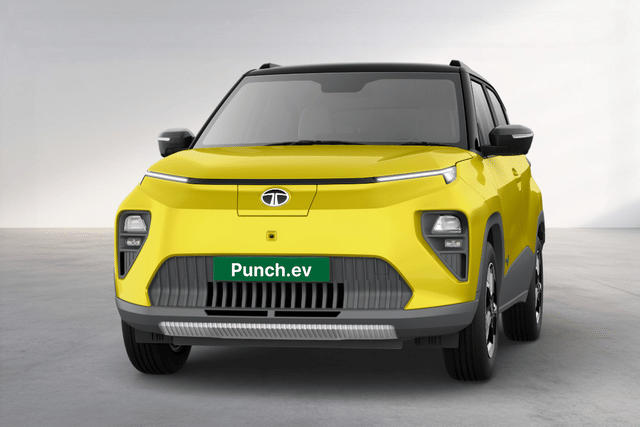
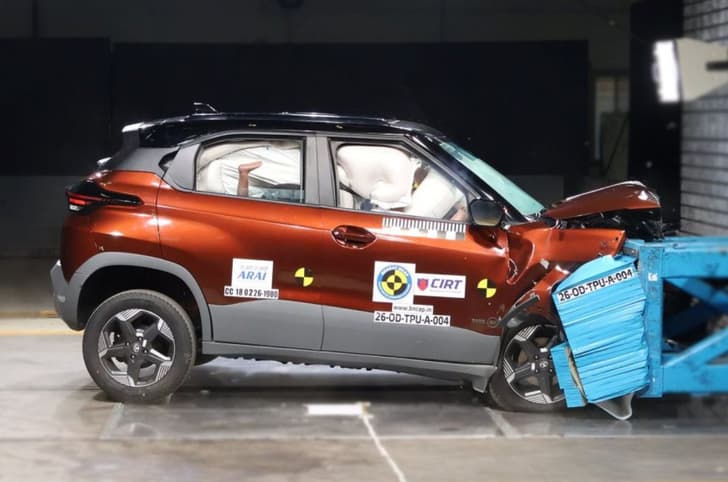
It's very smooth to drive in the city and has also got enough punch (pun intended) for highway drives. Also, the Punch EV is a tough car and boasts good safety (though a Bharat NCAP score for the latest one is awaited).
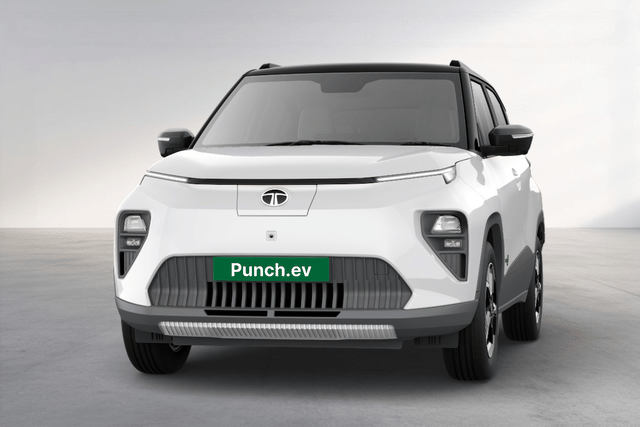
Battery as a Service (BaaS) is a unique approach to ownership in which you pay for the car and 'rent' the battery. The option reduces the car's upfront cost greatly. But if you look at the fine print, you will find fees and fixed minimum payments for the battery that need to be made irrespective of your usage. For your limited running, BaaS might not be the best option.
Hi, my daily running is about 20 km, and I am confused between petrol and EV options. I don’t want to buy a Maruti, Hyundai, or Mahindra. I want a fuel-efficient and easy-to-maintain car. Please suggest.
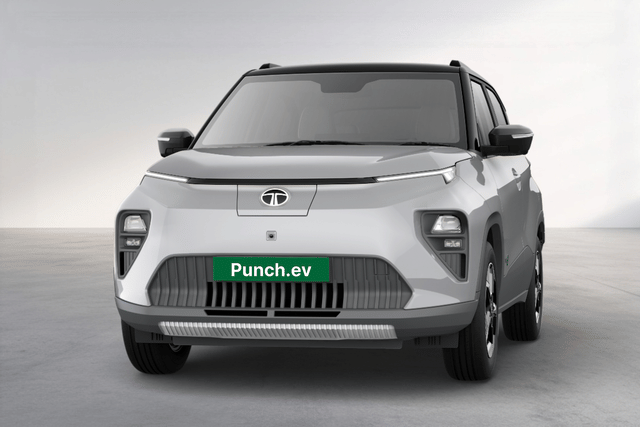
Since your running is about 20kms daily, we assume this is basically urban driving. Thus, you can consider an EV. However, make sure you have a provision to charge at home or your place of work, as relying completely on public charging is not convenient at all.
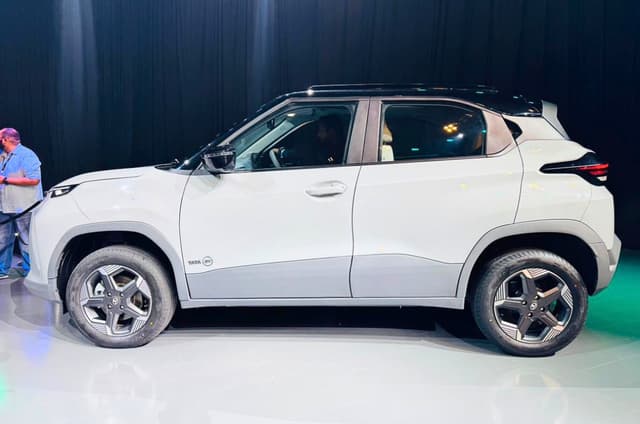
Look at the Tata Punch EV, the car is compact and easy to manage in tight spaces, but is fairly spacious enough for a family of four.
The new Punch is also now cheaper than the previous car and offers a larger range and more slightly more power from the motor. Since your driving is quite low, and if you do not plan on longer weekend or highway trips, opt for the smaller 30kWh battery unit.
Hi Autocar team! My driving is almost 80% in the city (about 30-40 km/day) with a 1,000 km highway run once every 3 months. I’m confused between the Maruti Baleno AMT and the Tata Punch EV. Please suggest which one I should pick between these two.
If you have the option to install an EV charger at your home or office or have easy access to EV charging, we'd suggest you go for the Tata Punch EV. It makes for a very good city car, with highlights being smoothness and refinement made possible by the EV powertrain.
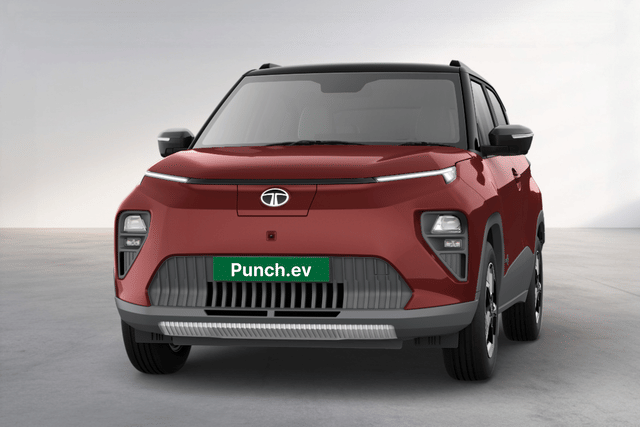
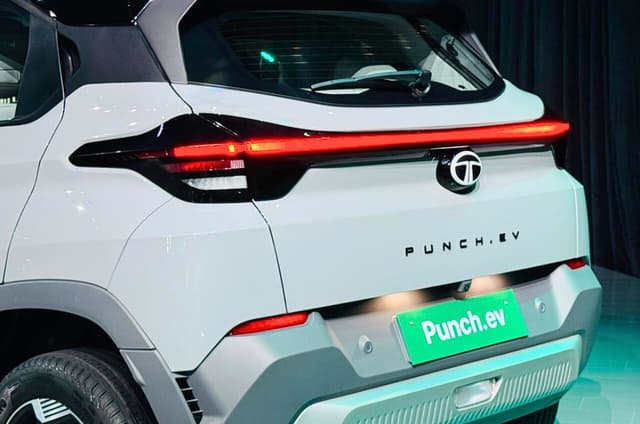
The Punch's relatively small size also makes it easier to drive and park, in case that's a consideration. The Punch EV 40kWh also has the power for your highway journeys. Also, you would need to work your route around the availability of chargers.
The Maruti Suzuki Baleno is a larger car and makes more sense if rear seat space is a priority. It's a good city car with impressive ride comfort. However, the AMT gearbox will not deliver Punch EV-rivalling smoothness.
I have a diesel car and I want to buy a car for city driving. Should I go for an EV or a petrol compact SUV? My daily driving distance in the city is about 25 km. Please suggest an EV and which one to choose, and if petrol is better then which petrol compact SUV to consider.
Within your Rs 15 lakh budget, the Tata Punch EV stands out as a very strong option. The recently launched Punch EV is a clear step up over the older version when it comes to real-world range, thanks to the larger battery pack.
Despite the facelift, added features and bigger battery, it is almost ₹2 lakh more affordable than before, which makes it an excellent value for money. As a second car meant mainly for city use, it fits the brief well because it is compact, easy to drive and simple to park in tight urban spaces. Performance is also effortless, with the strong electric motor delivering quick acceleration and making city driving stress-free.
I am planning to buy the new Punch EV, but am confused between the Windsor EV Base and the Punch EV top models. Which one should I go for?
It really comes down to what you value more from your EV. The Tata Punch EV is a size smaller and, after the recent facelift and near Rs 2 lakh price correction on the top variants, it has become significantly more affordable. As a result, the top spec Punch EV now undercuts the base MG Windsor EV by over a lakh, while offering a lot more equipment for the money.
From a technical and usability point of view, even though we have not yet driven the facelifted version, the Tata Punch EV has a clear advantage in range. Its larger 40 kWh battery pack should deliver a better real-world driving range than the base variant of the MG Windsor EV, which uses a 38 kWh battery. Being smaller and lighter also helps the Punch extract more efficiency from its battery. In top spec form, it is very well equipped, and if most of your driving involves one or two adults. It will feel easier to live with, simpler to drive in traffic and much easier to park in tight city spaces thanks to its compact dimensions.
The Windsor EV, however, plays to a completely different strength. If you want a larger car with an outstanding sense of space, it is hard to beat even when compared to cars from a segment above. In comparison, while the Punch EV’s rear seat is adequate, it can start to feel cramped for adults on longer drives.
In simple terms, pick the Punch EV top variant if you want better range, more features for the price and a compact, city-friendly EV that will mostly carry two people. Choose the Windsor EV if cabin space and rear seat comfort matter more to you than features and outright range.
Amaze CVT, Tata Altroz DCA, Tata Punch EV, and Citroën C3 Turbo Automatic. I am 5.4 ft tall and currently have a family of four members, which will become five after marriage. I work from home, so my usage will mainly be city driving, with one vacation trip every month. From my perspective, the Honda Amaze CVT feels reliable with a good engine and ADAS, but the CVT rubber-band effect and engine noise during hard acceleration concern me. The Altroz DCA offers strong safety and premium interiors, but the engine feels underpowered, the bonnet is not visible, and the thick A-pillar creates blind spots. The Citroën C3 Turbo Automatic has a strong engine and good performance, but the interiors are basic and rear legroom feels slightly cramped. The Punch EV feels smooth and well-rounded overall, but the higher cost and charging concerns are drawbacks. In terms of visibility, I can clearly see the bonnet in the Amaze and C3, but not at all in the Altroz. The Altroz feels more spacious, the C3 has the most powerful engine, and the Punch EV offers the best smoothness. My main concern is whether the bonnet visibility issue gets resolved with regular driving experience, or if I should prefer a car with clear bonnet visibility from the beginning. Based on my usage and concerns, which car would be the best choice for me?
If you're open to an electric, the Tata Punch EV is an excellent option. As you've rightly pointed out, its elevated seated position results in good frontal visibility. If you opt for a variant with seat height adjustment, you can crank up the seat further to get a clearer view of the bonnet. Performance is strong, and being an EV, it is much smoother and more refined than all the ICE vehicles you've listed above. Also, ground clearance is ample, and it confidently glides over bad roads.
An ICE option we'd recommend you check out is the Nissan Magnite 1.0 Turbo-petrol-CVT. The powertrain is smooth, and the seating is high. If you have a Nissan touchpoint around you, this is worthy of consideration.