Last Updated on: 04 Sep 2026
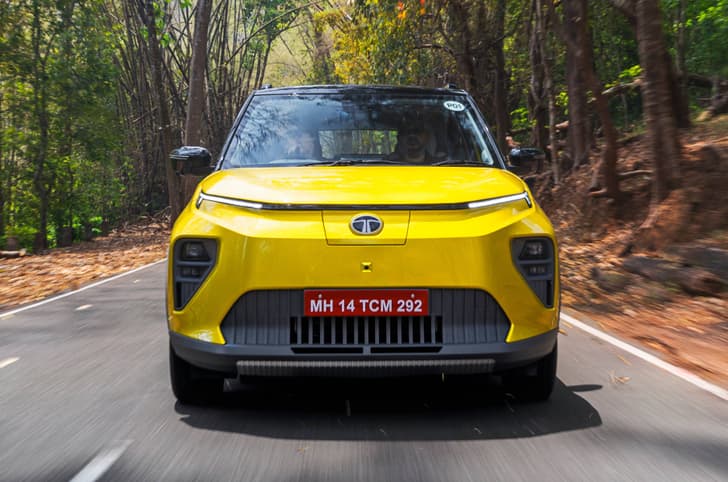
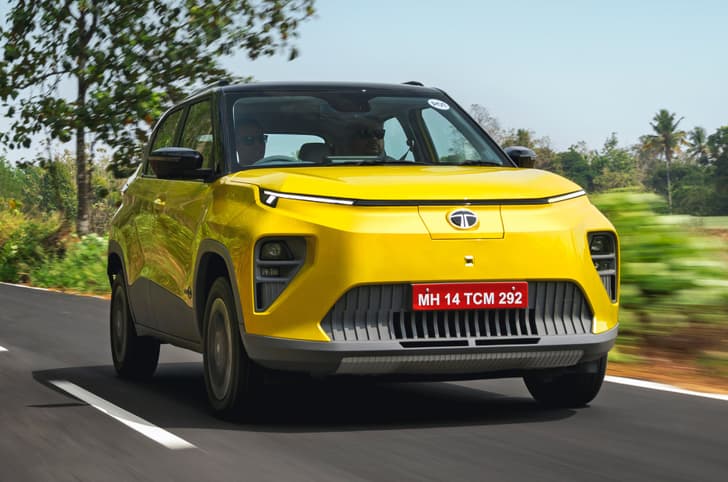
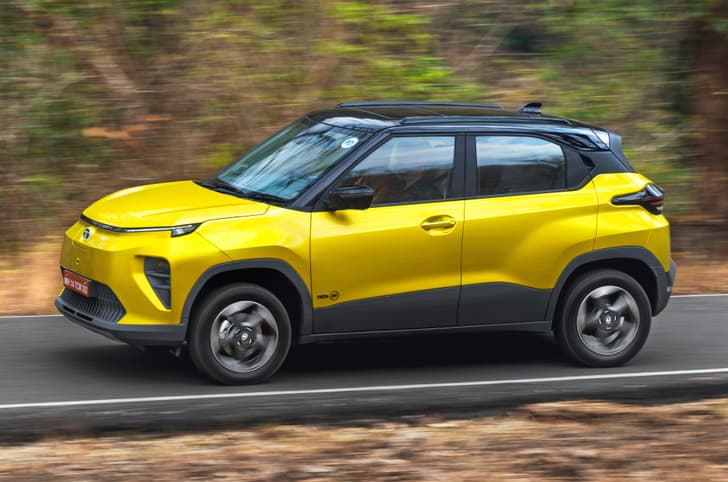
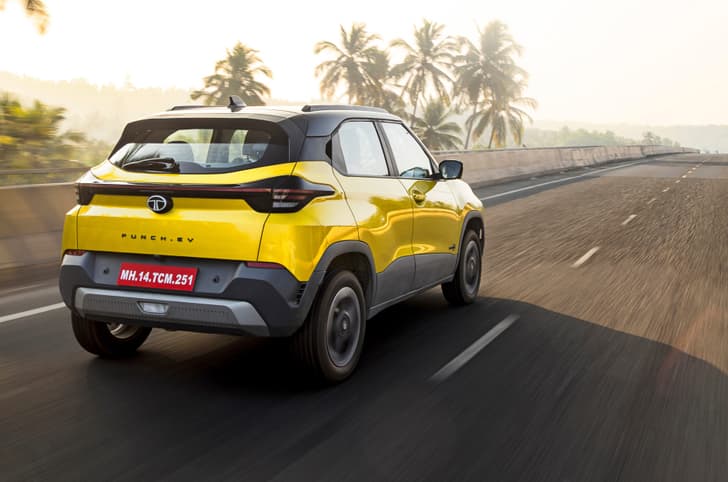
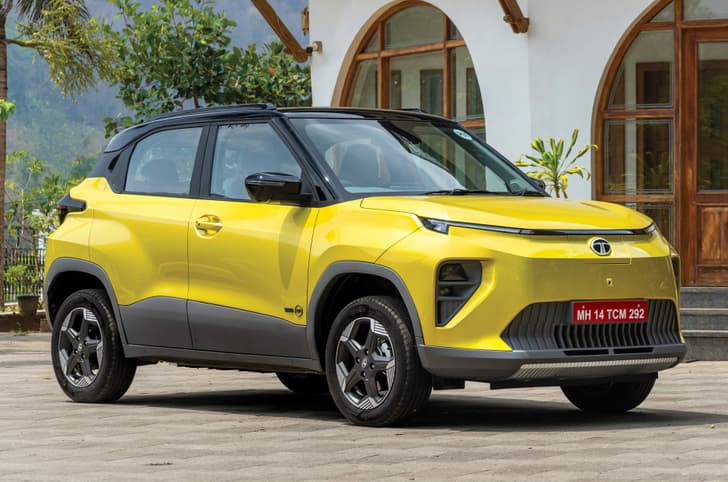
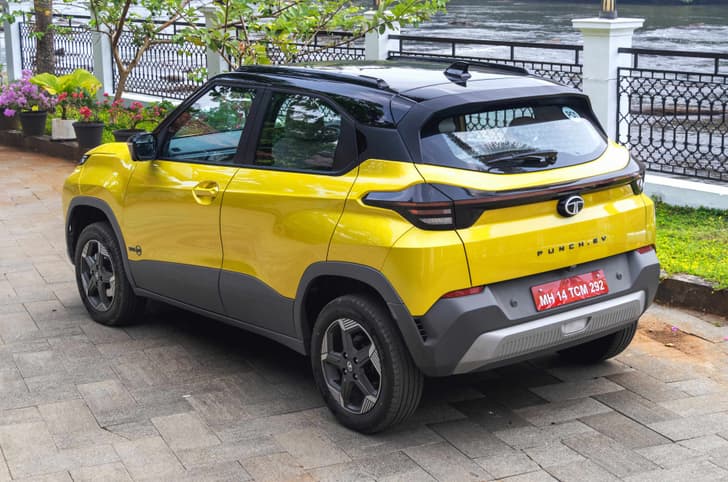
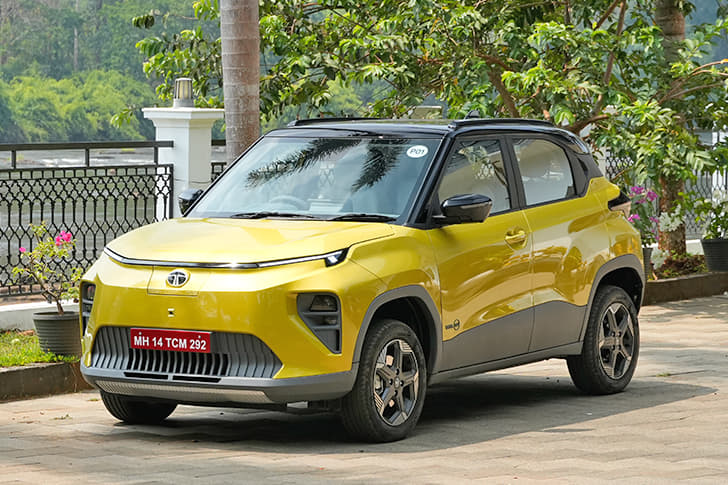
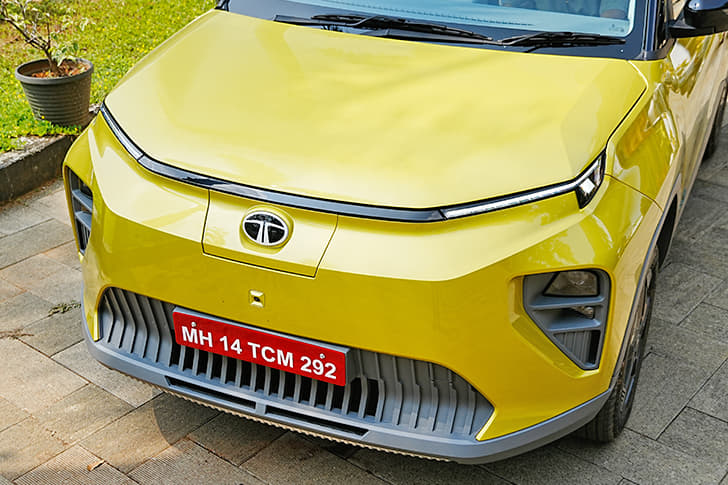
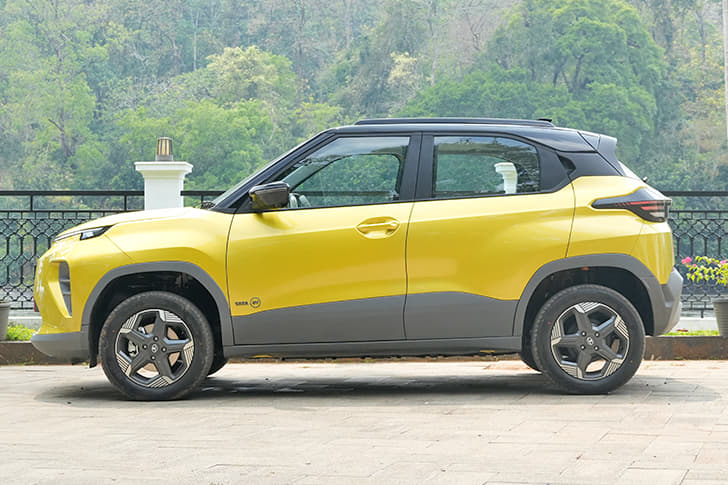
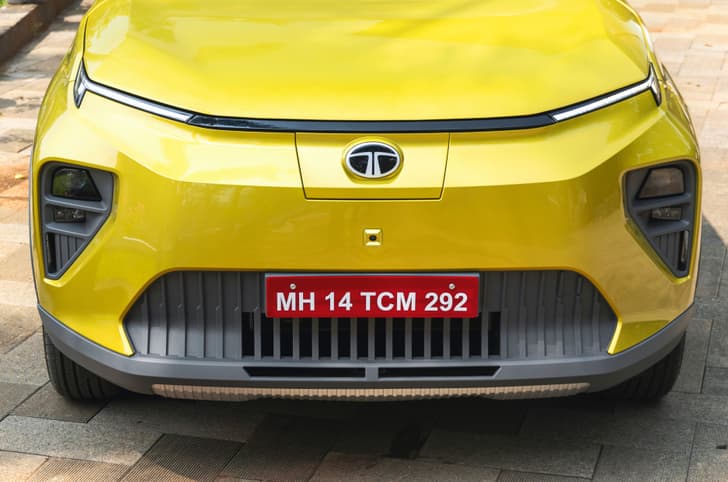
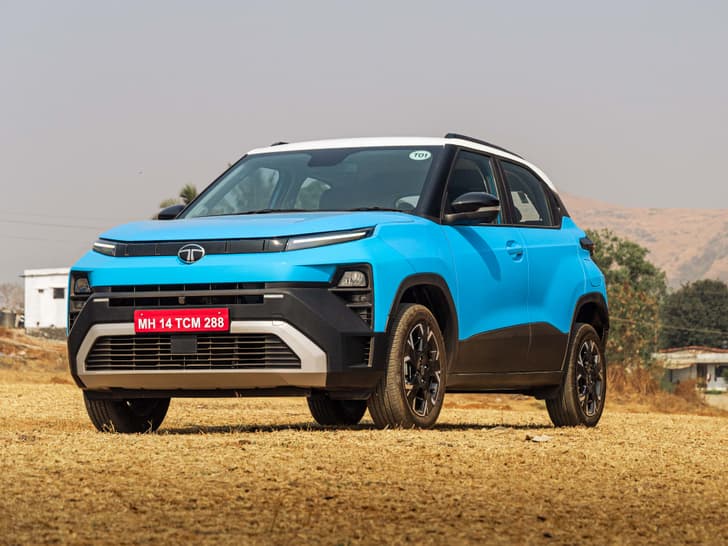
Tata Punch EV Smart + 30
Tata Punch EV Smart + 30 Key Features
- Front and Rear Power Windows
- Phone-based Satellite Navigation
- Wired Android Auto
- Wired Apple CarPlay
Tata Punch EV Smart + 30 specifications
Engine & Transmission
Fuel Type/ Propulsion | Electric |
Motor Type | Permanent Magnet Synchronous Motor |
Number of Motors | 1 |
Pure Electric Driving Mode | Yes |
Gearbox Type | Auto |
Number of Gears | 1 |
Drive Layout | Front Wheel Drive |
Lockable Differential/s | No |
Max Motor Power | 88.4 hp |
Max Motor Torque | 154 Nm |
Fuel & Performance
Drive Mode Types | Multiple |
Terrain Modes | No |
Battery Capacity | 30 kWh |
Charging Time | 4.5hrs 10%-100%(7.2kW AC), 30min 10%-80%(65kW DC) |
Claimed Range | 365-375 km |
Suspension & Steering
Front Suspension Type | Independent, MacPherson Strut |
Front Springs | Coil Springs |
Rear Suspension Type | Non-independent, Torsion Beam |
Rear Springs | Coil Springs |
Damper Control | No |
Ride Height Adjust | No |
Type of Power Assist | Electric |
Steering Adjust type | Manual |
Steering Adjust | Tilt |
Turning Radius | 5 m |
Front Brakes | Disc |
Rear Brakes | Drum |
Wheel Size | 15 inches |
Front Tyre Size | 185/70 R15 |
Rear Tyre Size | 185/70 R15 |
Wheels | Steel Rims with Wheel Covers |
Spare Wheel | No |
Dimensions
Length | 3880 mm |
Width | 1742 mm |
Height | 1622 mm |
Wheelbase | 2445 mm |
Ground Clearance | 195 mm |
Chassis Type | Monocoque |
Boot Capacity | 366 litres |
Doors | 5 |
Tata Punch EV Smart + 30 features
Comfort
| Power Windows with One Touch-Down | |
| Cooled Glovebox | |
| Cooled Storage | |
| Cruise Control | |
| Cup Holders | |
| Rear Power Outlet |
Safety
| Side Airbag | |
| Automatic Wipers | |
| Blind Spot Monitor | |
| Brake Assist (BA) | |
| Central Locking | |
| Child Safety Lock |
Exterior
| LED DRLs | |
| Cornering Foglamps | |
| Follow Me Home Headlamps | |
| Front Fog Lamps | |
| LED headlamps | |
| LED fog lamps |
Interior
| Average Fuel Consumption | |
| Average Speed | |
| Distance to Empty | |
| Low Fuel Level Warning | |
| Trip Meter | |
| Gear Indicator |
Entertainment
| Rear Entertainment Screens | |
| Wireless Phone Charging | |
| Satellite Navigation | Phone-based |
| Web Browser | |
| Voice Commands | |
| Steering Audio Controls |
Tata Punch EV variants
 Electronic Stability ControlDriving ModesRear Seat Backrest FoldLED headlampsTraction ControlElectronic Parking BrakeFront and Rear Power WindowsPhone-based Satellite NavigationWired Android AutoRear Parking CameraHill Descent ControlCruise ControlSequential Turn IndicatorsPhone-based Satellite NavigationLED fog lampsBlind Spot MonitorVoice Assisted SunroofWireless Android AutoFront Seat ArmrestRoof RailsSingle Pane SunroofWireless Phone ChargingFront Only Ventilated SeatsProjector HeadlampsBlind Spot Monitor
Tata Punch EV comparison
Questions you may find useful
I am using MG Hector plus Savvy pro CVT April,2023 model but its mileage is coming down to 7 to 8 on highway due to E 20 fuel, company is also saying that yr vehicle is E 20 compliant and need not worry about engine but during my highway trip to Delhi journey, my car stopped on flyover while running and did not take start, i have to call RSA and car went to service centre by towing. In service centre they told me that while cleaning engine tank white color substance found due to this fuel injection line choked and did not take start due to E 20 petrol. Now I want to switch to EV of either MG windser or TATA punch EV or Maruti E vitara. which is suitable as safety and price wise and range and charging price. My budget is 15 lac.
I like Mahindra vision s .I recently book tata punch ev but I like Mahindra vision s more than tata punch ev.i just want to know that is this car coming in Ev.
Hi Autocar Team, I currently own a 2016 Maruti Suzuki Ciaz diesel, which I plan to keep for highway trips, long-distance travel and as a backup vehicle. I am looking to buy a second car purely as a city EV for Chennai, with a budget of around Rs 15 lakh on-road, though I can stretch slightly if justified. My typical usage includes daily city driving, client meetings, airport runs and occasional family outings. I drive around 10,000km per year and usually keep my cars for 7-9 years or until they reach around 1 lakh kilometres. My priorities are: ride comfort and suspension, reliability over 7-9 years, battery warranty and long-term ownership confidence, service network and availability of parts, ease of driving and parking in city traffic, resale value after 7-9 years, and real-world range of at least 300km. I have already test-driven several EVs, including the Mahindra BE 6, Hyundai Creta EV, Kia Carens EV, MG ZS EV, Maruti e Vitara and VinFast VF 6. While I liked the Mahindra and VinFast products, I am now wondering whether a smaller and more affordable EV makes more sense since I already have the Ciaz for highway duties. Which EV would you recommend as the best secondary city car for long-term ownership in India today? Would you choose the Tata Punch EV, Nexon EV, Tiago EV, MG Windsor EV or another option altogether? Looking forward to your advice.

 Tata Nexon EVTata Punch EVTata Tiago EVMG Windsor
I am planning to upgrade from the Grand i10 to a more fuel-efficient and comfortable car. I am confused between the Maruti Fronx and the Tata Punch EV. My budget is below Rs 10 lakh. Usage is mainly in the city, with occasional long drives of around 500 km one way.
Maruti Suzuki FronxTata Punch EVI currently own a 2021 Maruti Suzuki Ertiga petrol, which has covered around 85,000 km and delivers approximately 7-8 km/l in city driving. Due to rising fuel costs, I am considering switching to a CNG car. I plan to sell my Ertiga before buying the new car. Since my children are now in college, I no longer need a 7-seater. I am specifically looking for a CNG + AMT combination, as I am 48 years old and feel an automatic transmission would make frequent city driving less tiring. The cars I am considering are: Tata Punch Adventure S CNG AMT, Tata Altroz Creative S CNG AMT, Maruti Suzuki Brezza ZXi CNG, and Maruti Suzuki Baleno Zeta CNG The Tata Punch is currently my preferred choice. I also considered the Brezza, but its lack of a proper spare wheel concerns me, as I have experienced several tyre punctures in the past. My maximum budget is Rs. 14 lakh. I am also unsure whether an EV would suit me within this budget, as I do not want to deal with range anxiety at this stage. Based on your road tests, which car would you recommend? Is the Tata Punch Adventure S CNG AMT the best choice for my requirements, or should I consider another option?
Tata PunchTata Punch EVTata Punch EV price in India
Upcoming Cars
Tata Cars
Trending Cars

Latest Cars