Kyalq vs Punch EV: Which to Buy?



Last Updated on: 16 Sep 2026
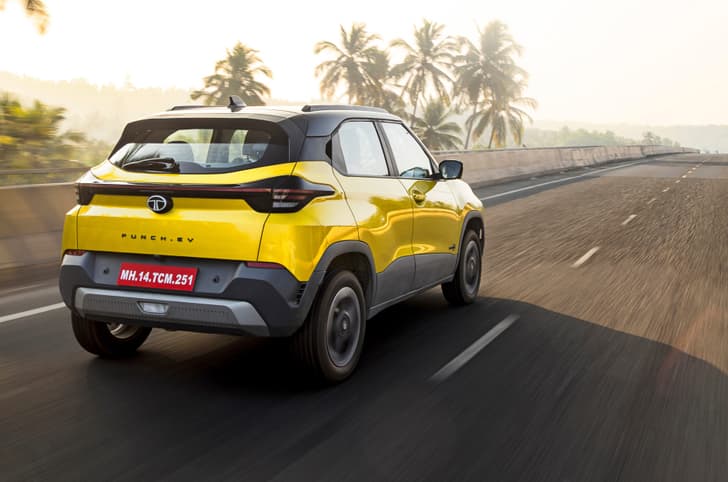
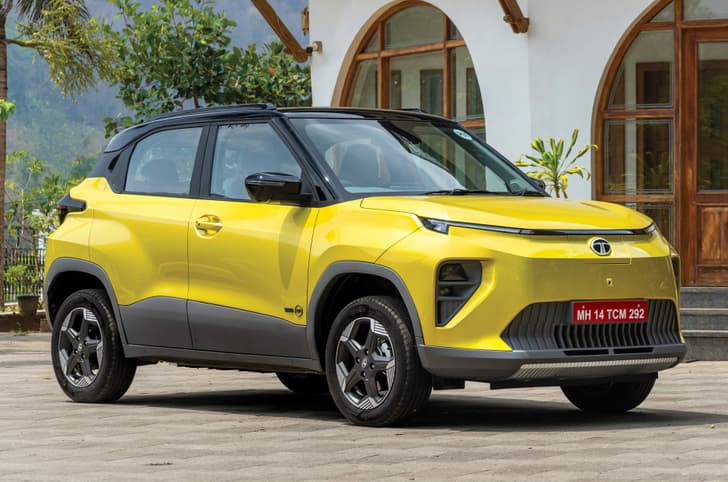
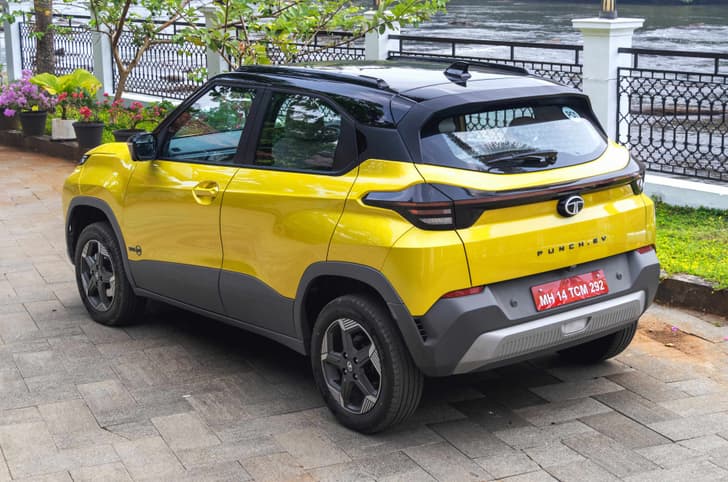
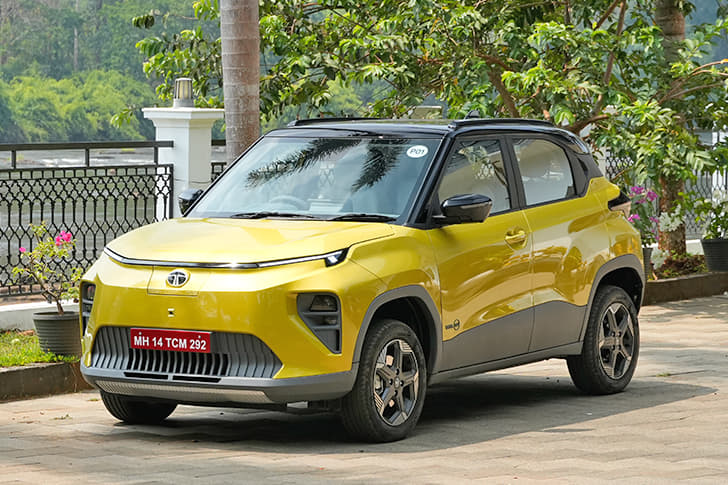
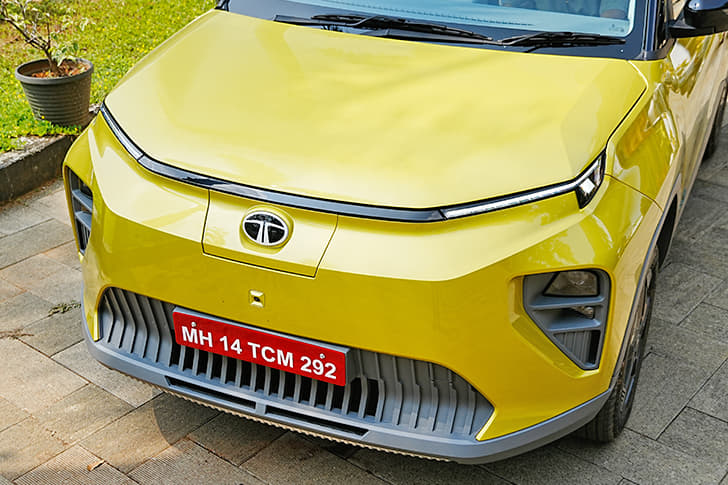
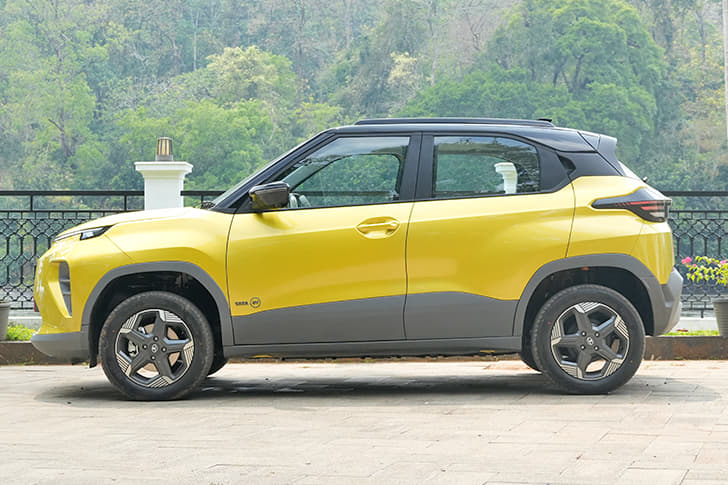
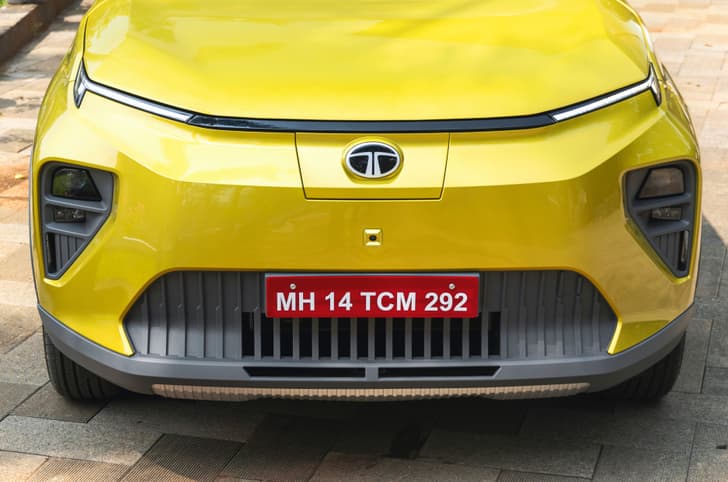
Fuel Type/ Propulsion | Electric |
Motor Type | Permanent Magnet Synchronous Motor |
Number of Motors | 1 |
Pure Electric Driving Mode | Yes |
Gearbox Type | Auto |
Number of Gears | 1 |
Drive Layout | Front Wheel Drive |
Lockable Differential/s | No |
Max Motor Power | 88.4 hp |
Max Motor Torque | 154 Nm |
Drive Mode Types | Multiple |
Terrain Modes | No |
Battery Capacity | 30 kWh |
Charging Time | 4.5hrs 10%-100%(7.2kW AC), 30min 10%-80%(65kW DC) |
Claimed Range | 365-375 km |
Front Suspension Type | Independent, MacPherson Strut |
Front Springs | Coil Springs |
Rear Suspension Type | Non-independent, Torsion Beam |
Rear Springs | Coil Springs |
Damper Control | No |
Ride Height Adjust | No |
Type of Power Assist | Electric |
Steering Adjust type | Manual |
Steering Adjust | Tilt |
Turning Radius | 5 m |
Front Brakes | Disc |
Rear Brakes | Drum |
Wheel Size | 15 inches |
Front Tyre Size | 185/70 R15 |
Rear Tyre Size | 185/70 R15 |
Wheels | Steel Rims with Wheel Covers |
Spare Wheel | No |
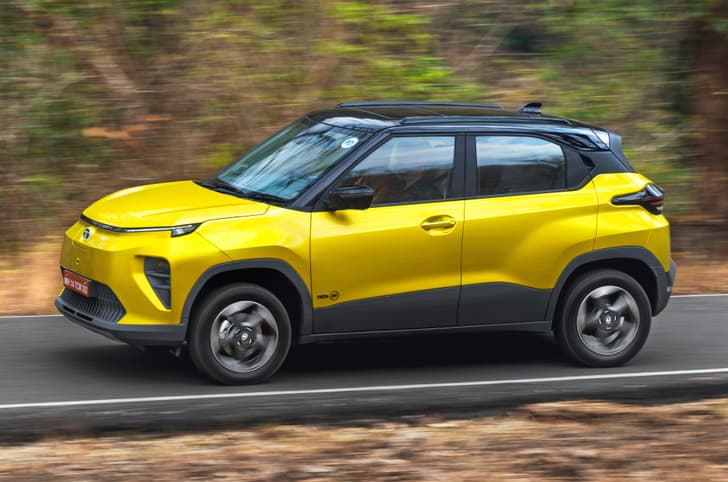
Length | 3880 mm |
Width | 1742 mm |
Height | 1622 mm |
Wheelbase | 2445 mm |
Ground Clearance | 195 mm |
Chassis Type | Monocoque |
Boot Capacity | 366 litres |
Doors | 5 |
| Power Windows with One Touch-Down | |
| Cooled Glovebox | |
| Cooled Storage | |
| Cruise Control | |
| Cup Holders | |
| Rear Power Outlet |
| Side Airbag | |
| Automatic Wipers | |
| Blind Spot Monitor | |
| Brake Assist (BA) | |
| Central Locking | |
| Child Safety Lock |
| LED DRLs | |
| Cornering Foglamps | |
| Follow Me Home Headlamps | |
| Front Fog Lamps | |
| LED headlamps | |
| LED fog lamps |
| Average Fuel Consumption | |
| Average Speed | |
| Distance to Empty | |
| Low Fuel Level Warning | |
| Trip Meter | |
| Gear Indicator |
| Rear Entertainment Screens | |
| Wireless Phone Charging | |
| Satellite Navigation | |
| Web Browser | |
| Voice Commands | |
| Steering Audio Controls |
 Electronic Stability ControlDriving ModesRear Seat Backrest FoldLED headlampsTraction ControlElectronic Parking BrakeFront and Rear Power WindowsPhone-based Satellite NavigationWired Android AutoRear Parking CameraHill Descent ControlCruise ControlSequential Turn IndicatorsPhone-based Satellite NavigationLED fog lampsBlind Spot MonitorVoice Assisted SunroofWireless Android AutoFront Seat ArmrestRoof RailsSingle Pane SunroofWireless Phone ChargingFront Only Ventilated SeatsProjector HeadlampsBlind Spot Monitor
Join the Discussions
Hi Autocar Team, I'm looking for some guidance on whether I've made the right decision or whether I should reconsider before delivery. My current car is Toyota Etios Liva V Petrol, which has been extremely reliable but now it delivers only around 10-12 kpl for my usage. This results in high running costs. My monthly driving is approximately 1,200-1,500 km that consists of daily commute and occasional highway trips. My initial plan was to keep costs under control and I had booked the Tata Punch EV Empowered+ 40 kWh, largely to restrict my budget to around Rs. 15 lakh on-road. However, while researching alternatives up to approximately Rs. 20 lakh ex-showroom in Kerala, I ended up booking the Kia Syros EV X-Line. The Syros EV appeals to me because of significantly better rear-seat space and cabin width as compared to my Etios Liva, more premium interior and features, better long-term family comfort, larger battery and range as well as better overall sense of upgrade from my current car. However, I'm still feeling anxious about whether I'm overspending. The jump in EMI from the Punch EV to the Syros EV is substantial and will have a noticeable impact on my monthly finances. While I can manage it, I want to be sure that the additional expenditure is genuinely justified and not merely an emotional decision. Based on my monthly running of 1,200-1,500 km, could you please advise if the Syros EV worth the additional cost over the Punch EV 40 kWh? From a value-for-money perspective, would you proceed with the Syros EV or step back to the Punch EV? Are there any other EVs under Rs. 20 lakh ex-showroom that I should seriously consider instead? I am not interested in the MG Windsor EV due to its styling, so alternatives apart from the Windsor would be appreciated. If you were in my position and were planning to keep the vehicle for 8-10 years, which option would you choose and why? Looking forward to your expert opinion.

 Kia Syros EVTata Punch EV
Hi, I’m confused between the Skoda Kylaq and Tata Punch EV and would like some advice on which one to buy. The car will primarily be used for city driving, with occasional highway trips. The budget is Rs 10-14 lakh on-road. I previously owned a Volkswagen Polo GT TDI, so I’m looking for a car that can offer a similar level of driving satisfaction while also being practical for everyday use. I’m currently confused between these two options and would appreciate some guidance.
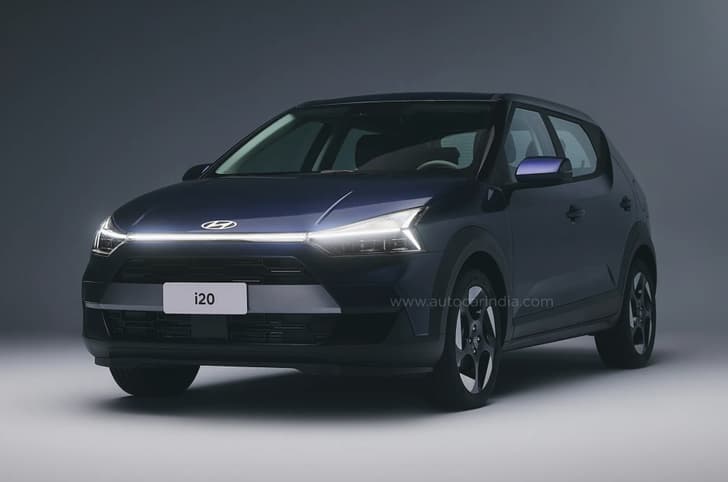
Skoda KylaqTata Punch EVI am looking to buy the top-spec Punch EV, but I am willing to wait for Hyundai's upcoming compact EV if it is priced in a similar bracket. Is it worth waiting, or is the Hyundai likely to exceed the Rs 15 lakh price bracket?
Tata Punch EVTata Nexon EVHyundai Creta ElectricKia Syros EVMahindra XUV 3XO EVI am using MG Hector plus Savvy pro CVT April,2023 model but its mileage is coming down to 7 to 8 on highway due to E 20 fuel, company is also saying that yr vehicle is E 20 compliant and need not worry about engine but during my highway trip to Delhi journey, my car stopped on flyover while running and did not take start, i have to call RSA and car went to service centre by towing. In service centre they told me that while cleaning engine tank white color substance found due to this fuel injection line choked and did not take start due to E 20 petrol. Now I want to switch to EV of either MG windser or TATA punch EV or Maruti E vitara. which is suitable as safety and price wise and range and charging price. My budget is 15 lac.