Last Updated on: 16 Sep 2026
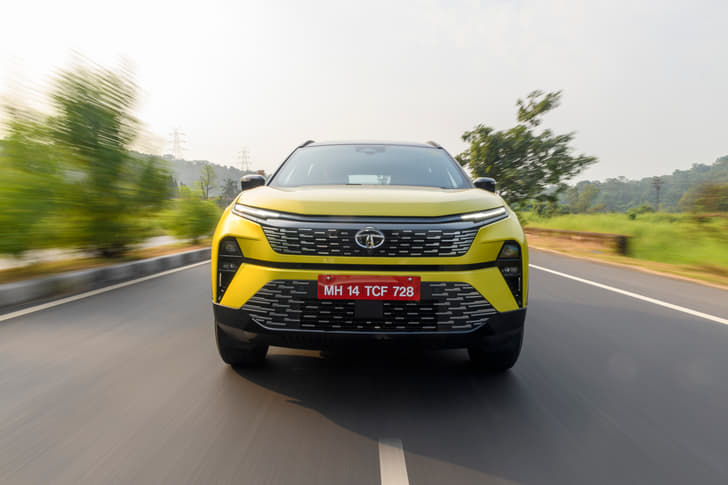
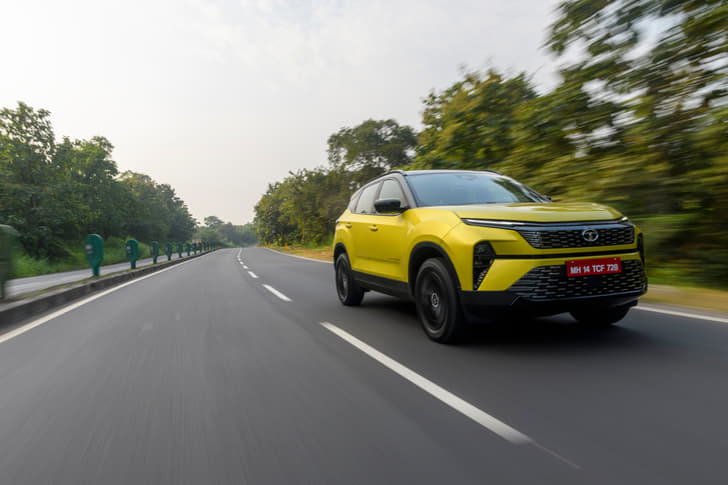
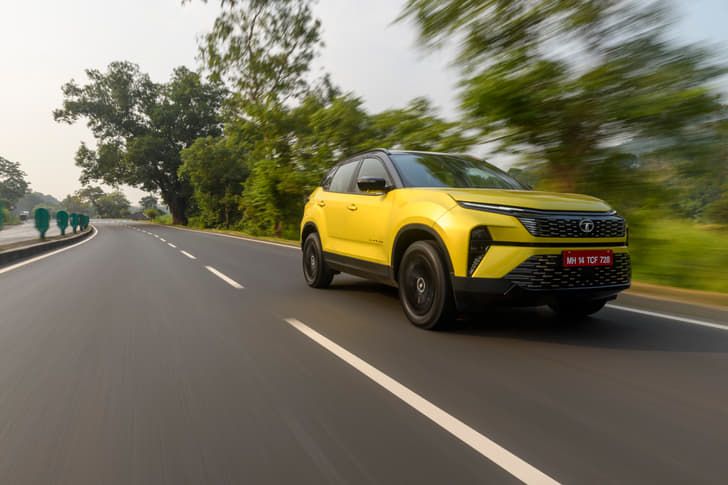
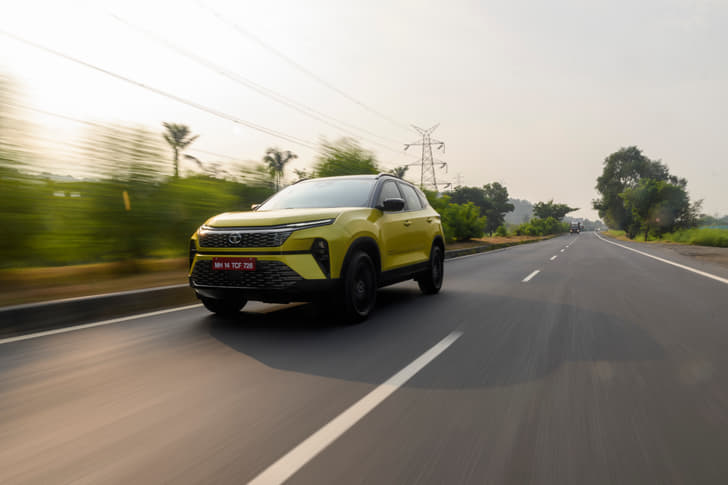
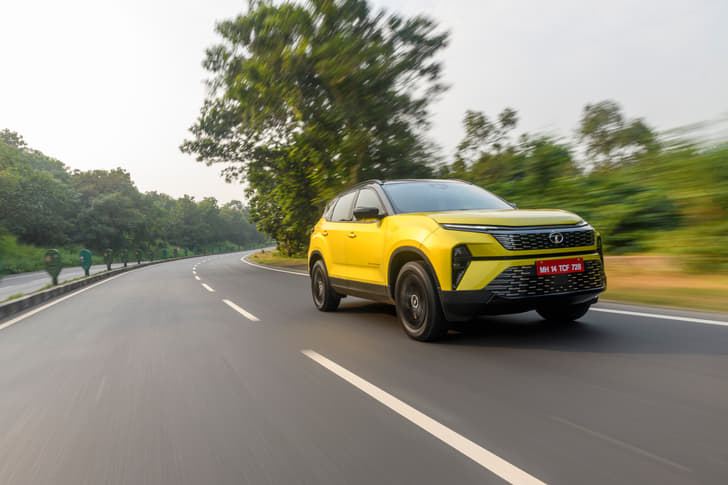
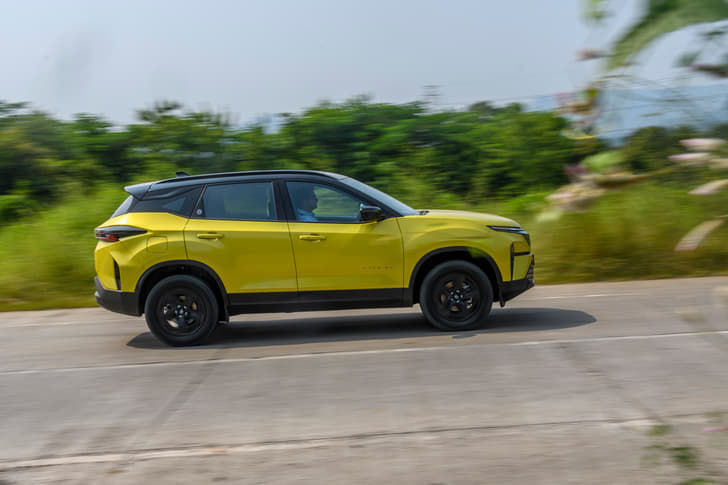
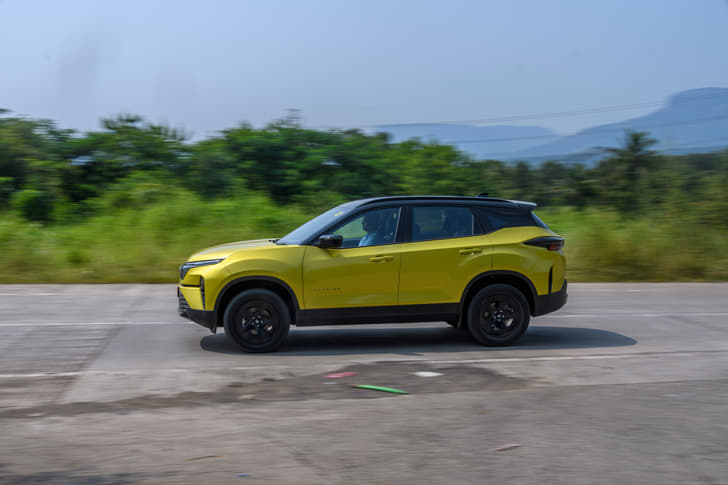
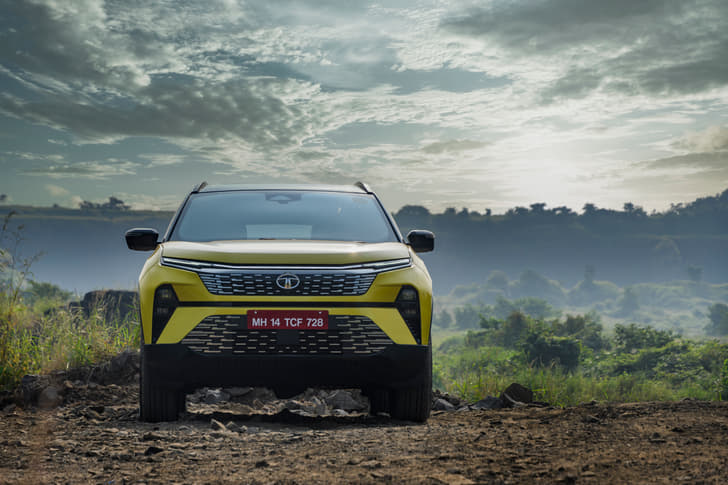
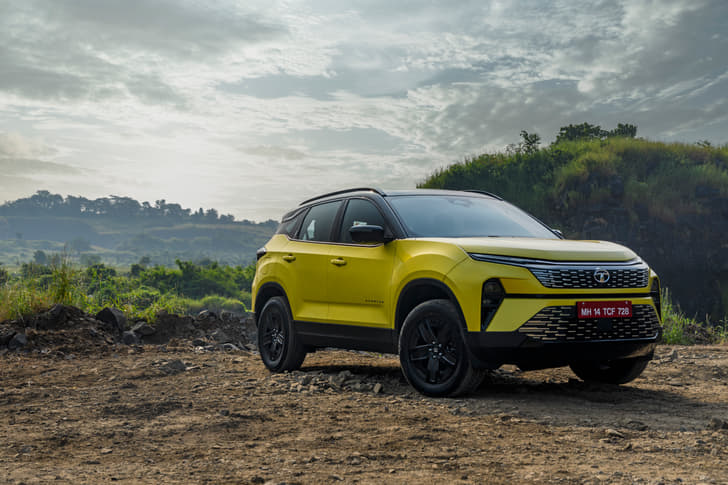
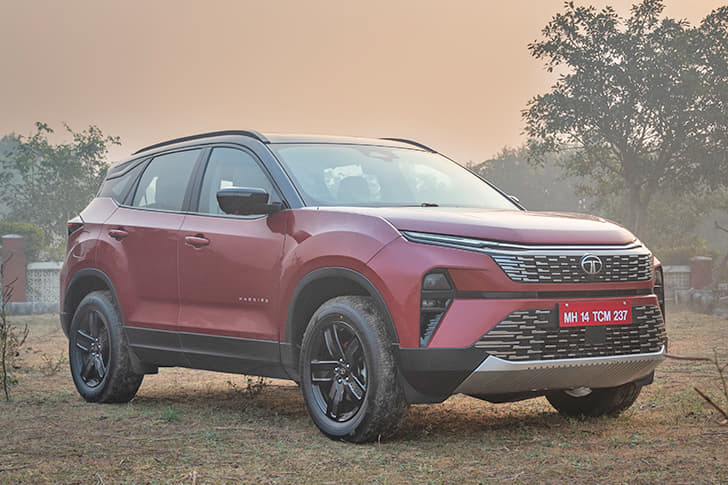
Tata Harrier Smart 2.0 Diesel MT
Tata Harrier Smart 2.0 Diesel MT Key Features
- Driver Airbag
- Passenger Airbag
- Side Airbag
- Fully Digital Digital Instrument Cluster
- Cabin Boot Access
Tata Harrier Smart 2.0 Diesel MT specifications
Engine & Transmission
Engine Type | Turbocharged |
Engine Displacement | 1956 cc |
Number of Cylinders | 4 |
Engine Installation | Front |
Fuel Type/ Propulsion | Diesel |
Pure Electric Driving Mode | No |
Gearbox Type | Manual |
Number of Gears | 6 |
Drive Layout | Front Wheel Drive |
Lockable Differential/s | No |
Max Engine Power | 170 hp at 3750 rpm |
Max Engine Torque | 350 Nm at 1750 - 2500 rpm |
Fuel & Performance
Fuel Supply System | Common Rail |
Emission Standard | Bharat Stage VI |
Terrain Modes | No |
Official Fuel Economy | 16.8 kmpl |
Autocar Tested City Mileage | 10.8 kmpl |
Autocar Tested Highway Mileage | 15.3 kmpl |
Fuel Tank Capacity | 50 litres |
Autocar Tested Mileage | 13.05 kmpl |
User Reported Mileage | 16.04 kmpl |
Suspension & Steering
Front Suspension Type | Independent, MacPherson Strut |
Front Springs | Coil Springs |
Rear Suspension Type | Non-independent, Torsion Beam |
Rear Springs | Coil Springs |
Ride Height Adjust | No |
Type of Power Assist | Electric |
Steering Adjust type | Manual |
Steering Adjust | Tilt and Telescopic |
Front Brakes | Discs |
Rear Brakes | Drums |
Wheel Size | 17 inches |
Front Tyre Size | 235/65 R17 |
Rear Tyre Size | 235/65 R17 |
Wheels | Alloys |
Dimensions
Length | 4605 mm |
Width | 1922 mm |
Height | 1718 mm |
Wheelbase | 2741 mm |
Boot Capacity | 445-815 litres |
Doors | 5 |
Tata Harrier Smart 2.0 Diesel MT features
Comfort
| Power Windows | Front and Rear |
| Cabin Boot Access | |
| Rear Parcel Tray | |
| Bluetooth Connectivity | |
| Trunk Light | |
| Driver rear view monitor (DRVM) |
Safety
| Crash Test Rating | 5 |
| Heads Up Display | |
| Lane Departure Avoidance | |
| Seat Belt Warning | |
| Dual Tone Horn | |
| Driver Airbag |
Exterior
| Body Coloured Bumpers | |
| Outside rear view mirror (ORVM) | |
| Headlight Height Adjuster | |
| Integrated Washer Jets with Wiper | |
| Stop Lamp | |
| LED DRLs |
Interior
| Speedometer | Analog |
| Tachometer | Digital |
| Trip Meter | |
| Average Fuel Consumption | |
| Average Speed | |
| Distance to Empty |
Entertainment
| Audio System | |
| Speakers | |
| Branded Music System | |
| CD Player | |
| USB Input | |
| AUX Input |
Connected Car Features
| Find and Book Parking Slot | |
| Driving Analytics | |
| Find My Car | |
| Digital Key | |
| Check Vehicle Status via App | |
| Emergency Call Button |
Tata Harrier variants
 Electronic Stability ControlFully Digital Digital Instrument ClusterNo SpeakersAnti Theft ImmobilisationFabric Seat Material360 degree Parking CameraPanoramic SunroofHarman/Kardon Branded Music SystemOver the air (OTA) updatesDriver's Seat Height Adjust360 degree Parking CameraPanoramic SunroofHarman/Kardon Branded Music SystemOver the air (OTA) updatesDriver's Seat Height AdjustWith Display Tyre Pressure Monitoring SystemDriving ModesElectric Adjust for Driver's SeatBody Coloured Door Handle FinishPanoramic SunroofWith Display Tyre Pressure Monitoring SystemDriving ModesElectric Adjust for Driver's SeatBody Coloured Door Handle FinishPanoramic SunroofAdaptive Cruise ControlExterior Mirrors Electric Fold with Power FoldingPanoramic SunroofBlind Spot MonitorHarman/Kardon Branded Music SystemVideo PlayerAdaptive Cruise ControlPanoramic SunroofHarman/Kardon Branded Music SystemOver the air (OTA) updatesAutomatic Day Night Interior Mirror2-zone Climate ControlJBL Branded Music SystemFront Only Ventilated SeatsConnected LEDPowered Tailgate with Gesture ControlAdaptive Cruise ControlPanoramic SunroofJBL Branded Music SystemFront Only Ventilated SeatsLane Departure AvoidanceHands-free Boot OpeningHarman/Kardon Branded Music SystemAlexa CompatibilityElectric Adjust for Front Passenger's Seat
Tata Harrier comparison
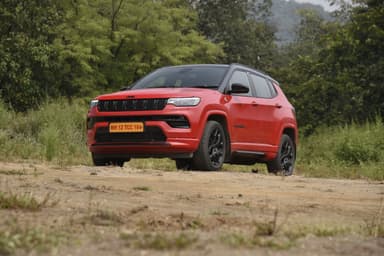

Questions you may find useful
Hi, Between the Tata Harrier Petrol MT Smart and Pure X variants, which one is better if I leave out the sunroof option? My usage is only around 200-400 km per month, but I want to have a bigger vehicle.

 Tata Harrier
I am planning to upgrade to an SUV, preferably Tata Harrier. My driving is very less within city and more on highways. Please suggest.
Tata HarrierMahindra XUV 7XOI’m looking for a car in the Rs 22-24 lakh budget. My daily usage is around 30km, with about 75 percent of the driving in the city. My priorities are safety, driving comfort, mileage and an automatic gearbox. I was initially looking for a 5-seater and liked the Harrier Petrol Automatic, but I am now also considering a 7-seater. Should I choose between the Harrier, Safari and XUV 7XO, and would petrol or diesel be more suitable for my usage? I’m also open to other suggestions that fit these requirements.
Mahindra XUV 7XOTata HarrierTata SafariI have a budget of Rs. 30 lakh and want to buy a diesel automatic car with good performance on highways that has decent mileage along with good safety, space and comfort. My usage is mostly on highways and I drive less within the city. I am considering Harrier, Jeep Compass and MG Hector. Among these, which would be a better highway car and fulfil all my requirements?
Tata HarrierJeep CompassMG HectorSuggest me a 5-7 seater automatic petrol car considering my budget is between Rs. 22-24 lakh. My priorities are safety, driving comfort with good suspension and decent mileage. My daily city driving is approximately 30km with 75% driving within the city. I have tested Kia Seltos but did not like its suspension. I liked Harrier and Safari but am bit taken aback by the issues highlighted on social media about Tata. Please suggest a suitable car for my priorities among Harrier, Safari and 7XO and also, whether a diesel car will make sense?
Mahindra XUV 7XOTata SafariTata HarrierTata Harrier price in India
Upcoming Cars
Tata Cars
Trending Cars



Latest Cars