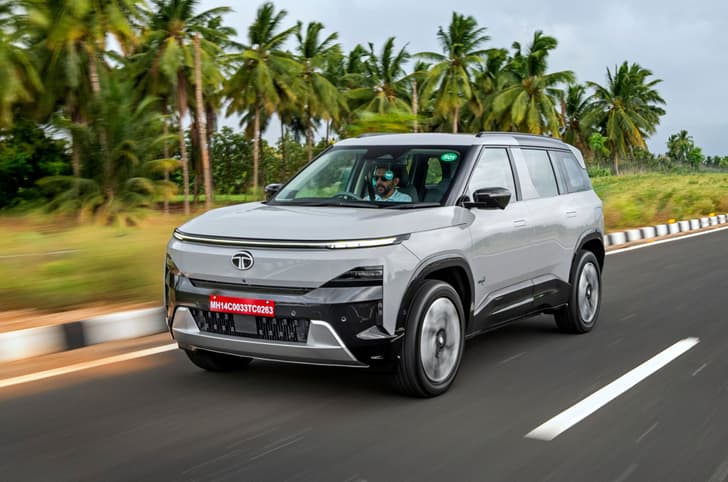
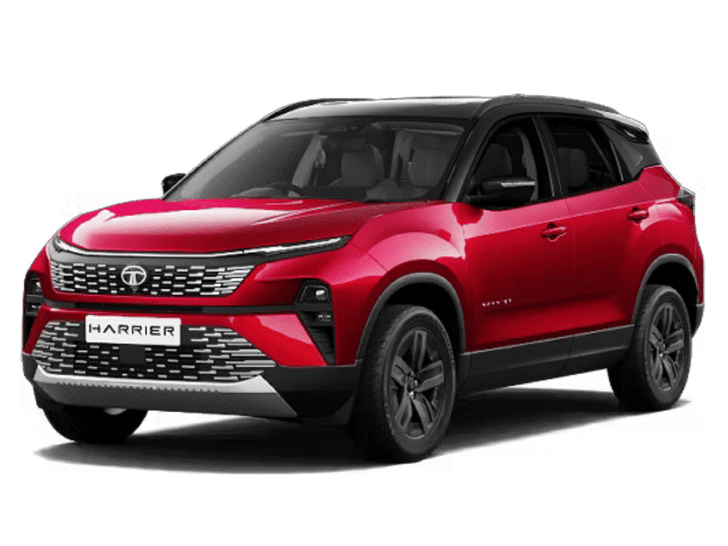
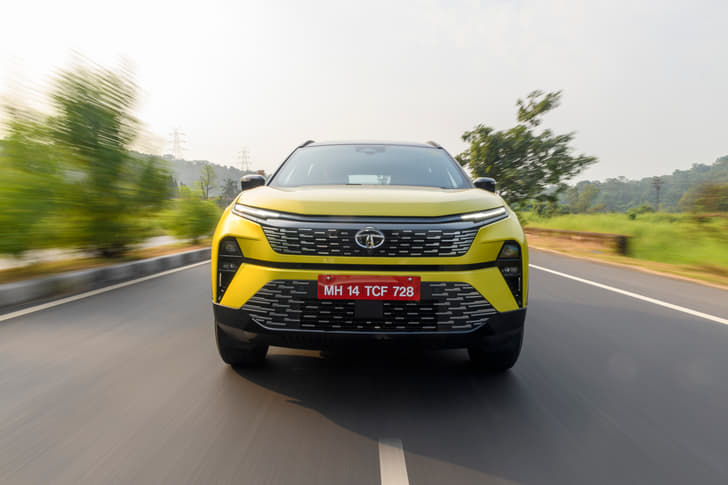
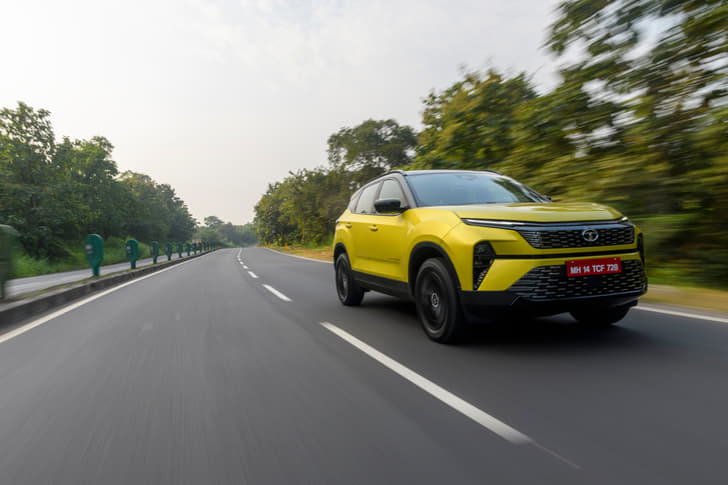
Tata Harrier: Mileage Review


Last Updated on: 12 Oct 2026
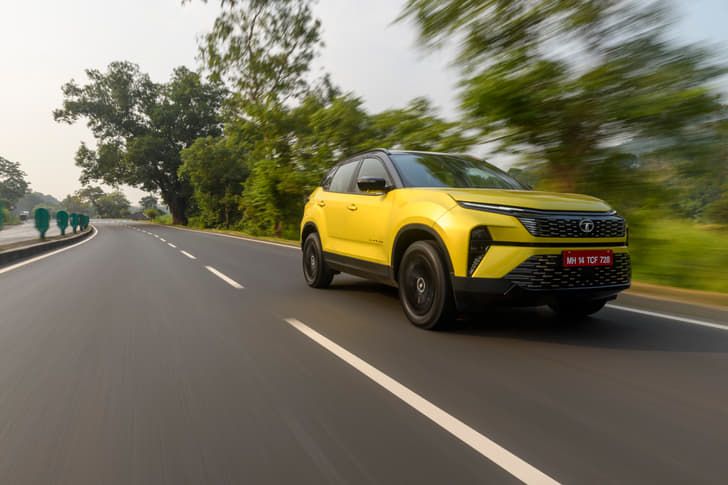
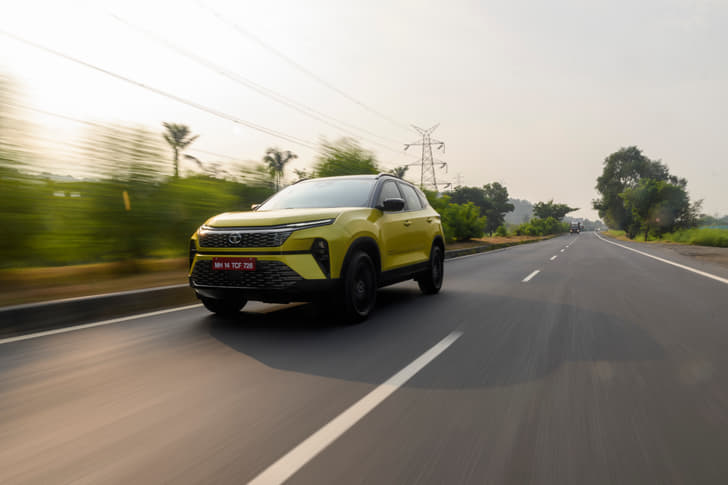
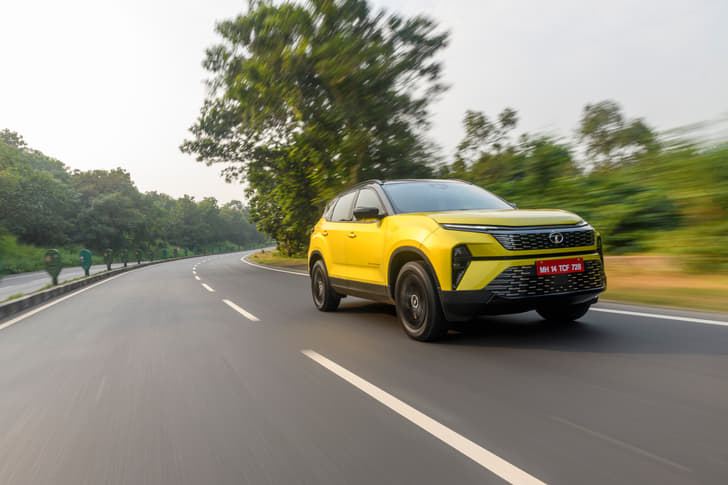
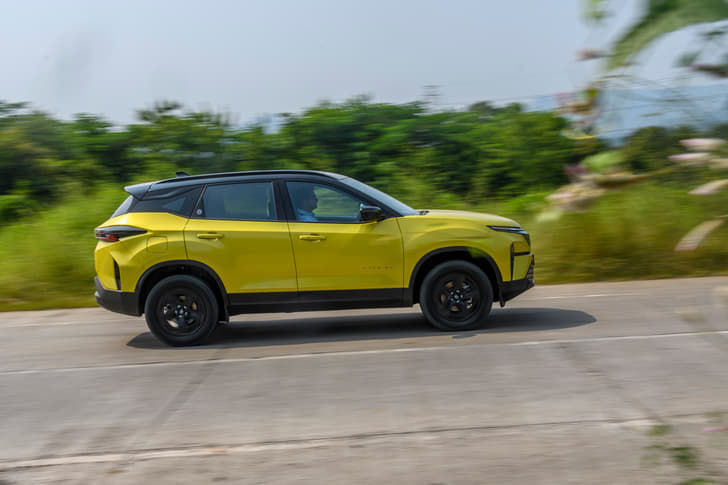
 Electronic Stability ControlFully Digital Digital Instrument ClusterNo SpeakersAnti Theft ImmobilisationFabric Seat Material360 degree Parking CameraPanoramic SunroofHarman/Kardon Branded Music SystemOver the air (OTA) updatesDriver's Seat Height Adjust360 degree Parking CameraPanoramic SunroofHarman/Kardon Branded Music SystemOver the air (OTA) updatesDriver's Seat Height AdjustWith Display Tyre Pressure Monitoring SystemDriving ModesElectric Adjust for Driver's SeatBody Coloured Door Handle FinishPanoramic SunroofWith Display Tyre Pressure Monitoring SystemDriving ModesElectric Adjust for Driver's SeatBody Coloured Door Handle FinishPanoramic SunroofAdaptive Cruise ControlPanoramic SunroofBlind Spot MonitorHarman/Kardon Branded Music SystemOver the air (OTA) updatesAdaptive Cruise ControlPanoramic SunroofBlind Spot MonitorHarman/Kardon Branded Music SystemOver the air (OTA) updatesAutomatic Day Night Interior Mirror2-zone Climate ControlJBL Branded Music SystemFront Only Ventilated SeatsConnected LEDPowered Tailgate with Gesture ControlAdaptive Cruise ControlPanoramic SunroofJBL Branded Music SystemFront Only Ventilated SeatsLane Departure AvoidanceHands-free Boot OpeningHarman/Kardon Branded Music SystemAlexa CompatibilityElectric Adjust for Front Passenger's SeatFront & Rear Parking Sensors2-zone Climate ControlJBL Branded Music SystemAdaptive Cruise ControlPanoramic SunroofFront Collision AvoidanceDriver rear view monitor (DRVM)10 SpeakersRemote Engine Start/StopSoft Touch DashboardPowered TailgateOn-board Satellite NavigationFront Seat ArmrestAdaptive Cruise ControlPanoramic Sunroof
Tata Harrier Official Brochure
Download the complete brochure with specs, features, and variants.
Join the Discussions



Hi, I am about to book Tata Harrier petrol automatic as my running is less but I am confused between Adventure X and Adventure X+ and there is only 35 to 45,000 rupees difference between these two variants in the showroom from where I am about to book the car.

 Tata Harrier
I purchased a Kia Sonet 1.0 iMT in 2024 after owning Maruti Suzuki Dzire for around 11 years. I was so bored of driving it for more than a decade that I rushed to change. I wanted a compact SUV as an upgrade but settled for a sub-compact SUV due to budget constrain or may be due to lack guidance and understanding. Soon after buying it, I realized that this is not the car that I want to drive. I want a vehicle that looks and feels rugged but at the same time, is usable for daily commute with 80 - 90% city drive. I want to feel the same way I feel when I drive my Royal Enfield (strong and rugged). In less than 3 years, I am looking for a change again but this is time I don't want to make the same mistake. I have a few cars in mind but I am not sure which one should I go for. I have shortlisted Renault Duster Hybrid (upcoming), Tata Harrier AT (diesel), Thar Roxx AT (diesel), Toyota Hyryder Hybrid and Hyundai Creta AT (Diesel or Petrol). I drive around 1000 to 1200 km per month, mostly in the city but when I plan for long drives to mountains in Himachal, Uttarakhand or even Leh, I shouldn't have to worry about it. My budget is between 17 to 19 lakh (ex-Showroom). Please advise.
Renault DusterToyota Urban Cruiser HyryderTata HarrierMahindra Thar RoxxMahindra Thar OGHyundai CretaI am currently driving Maruti Suzuki Swift Dzire VDi (2013) diesel manual. I want to decide between Tata Harrier Adventure X Plus DK and Tata Sierra accomplished (both diesel). On Harrier, I am getting discount of approximately 1.6 lakh and on Sierra, I am getting approximately 70,000 discount. Which one should I prefer? My daily driving is approximately 70km with 80% driving on state highway and 20% in city. There is no budget constraint.
Tata HarrierTata SierraI’m looking for a car in the Rs 22-24 lakh budget. My daily usage is around 30km, with about 75 percent of the driving in the city. My priorities are safety, driving comfort, mileage and an automatic gearbox. I was initially looking for a 5-seater and liked the Harrier Petrol Automatic, but I am now also considering a 7-seater. Should I choose between the Harrier, Safari and XUV 7XO, and would petrol or diesel be more suitable for my usage? I’m also open to other suggestions that fit these requirements.
Mahindra XUV 7XOTata HarrierTata SafariTata Harrier Diesel Automatic Adventure Plus Dark Edition or new Kia Seltos Diesel Automatic GTX with ADAS? Both fall in the same price range. Which would be the better buy for long-term ownership? I may keep the car for at least 10 years, and most of my usage will be on highways. The Harrier is bigger and more powerful, but I have some concerns about Tata's overall quality, especially the electricals, service and small niggles. Which of the two would be the better choice?
Kia SeltosTata Harrier