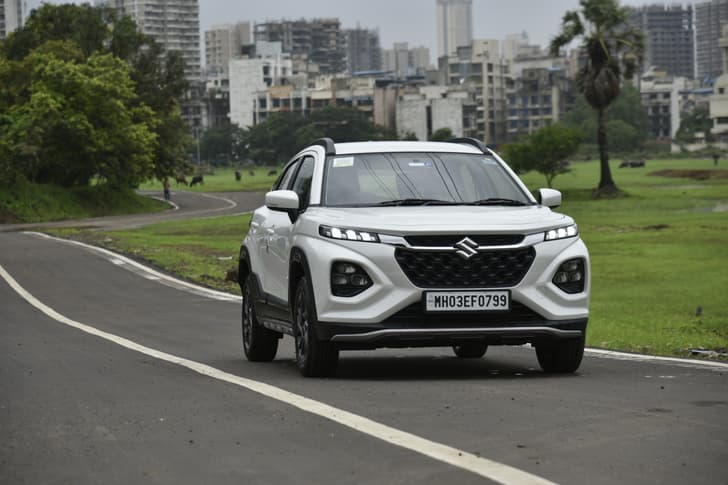
3XO EDGE vs Brezza VXI: Engine


Last Updated on: 30 Oct 2026
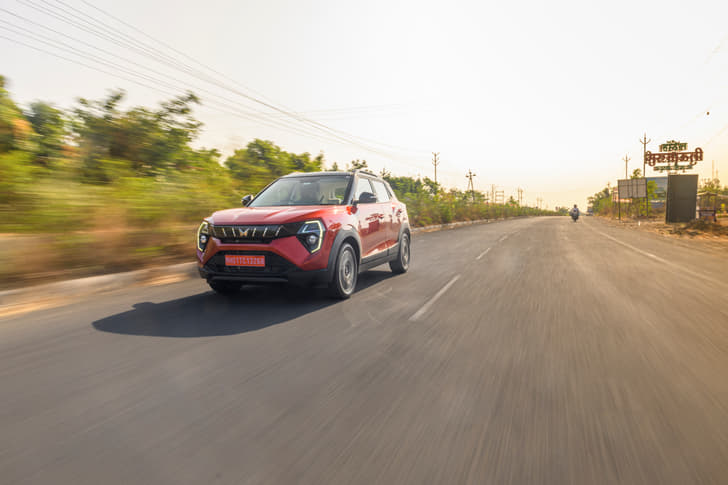
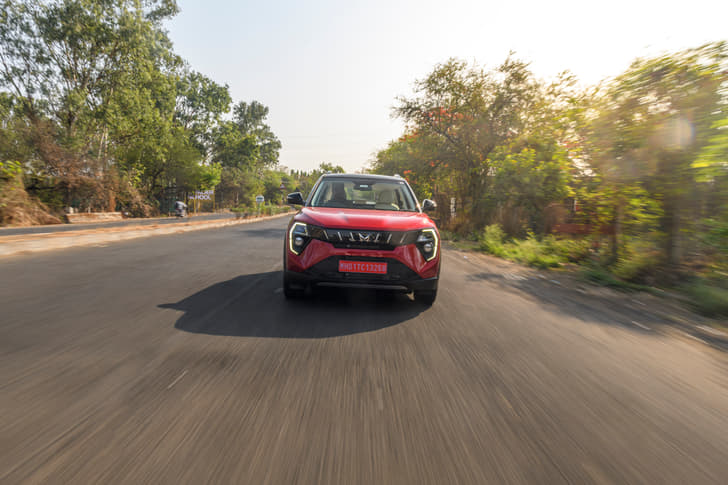
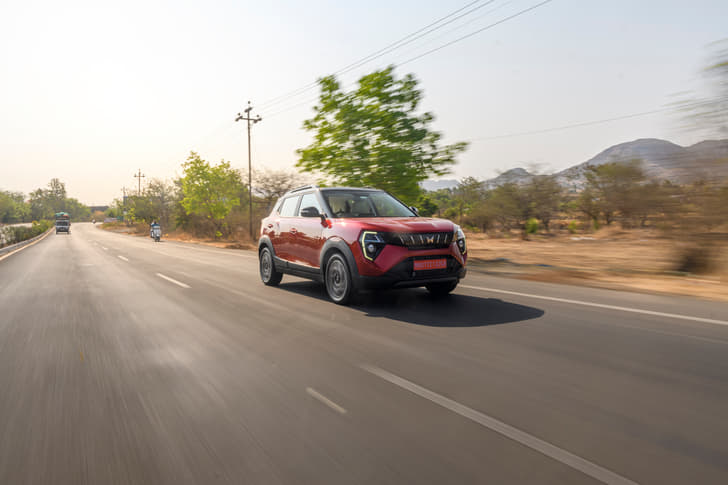
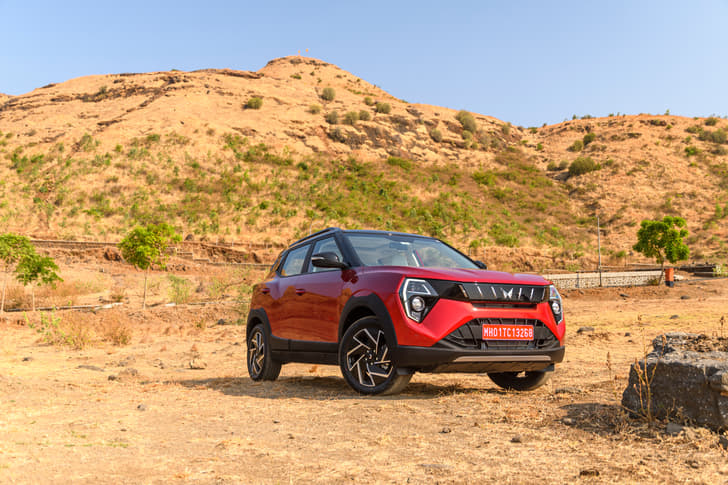
Engine Type | Turbocharged |
Engine Displacement | 1197 cc |
Number of Cylinders | 3 |
Engine Installation | Front |
Fuel Type/ Propulsion | Petrol |
Gearbox Type | Torque Converter |
Number of Gears | 6 |
Manual Shifts via Gear Lever on Automatic Gearbox | Yes |
Paddle Shifters for Automatic Gearbox | No |
Sport Mode for Automatic Gearbox | Yes |
Drive Layout | Front Wheel Drive |
Max Engine Power | 130.5 hp at 5000 rpm |
Max Engine Torque | 230 Nm at 1500 - 3750 rpm |
User Reported Mileage | 15.86 kmpl |
Fuel Supply System | Direct Injection |
E20 Compatibility | Yes |
Emission Standard | Bharat Stage VI |
Drive Mode Types | Multiple |
Terrain Modes | No |
Auto Start/Stop | Yes |
Official Fuel Economy | 18.2 kmpl |
Fuel Tank Capacity | 42 litres |
Front Suspension Type | McPherson Strut |
Front Springs | Coil Springs |
Rear Suspension Type | Twist Beam |
Rear Springs | Coil Springs |
Damper Control | No |
Ride Height Adjust | No |
Type of Power Assist | Electric |
Steering Adjust type | Manual |
Steering Adjust | Tilt |
4 Wheel Steer | No |
Turning Radius | 5.3 m |
Front Brakes | Disc |
Rear Brakes | Disc |
Wheel Size | 16 inches |
Front Tyre Size | 205/65 R16 |
Rear Tyre Size | 205/65 R16 |
Wheels | Alloys |
Spare Wheel | Space Saver |
Length | 3990 mm |
Width | 1821 mm |
Height | 1647 mm |
Wheelbase | 2600 mm |
Ground Clearance | 201 mm |
Chassis Type | Monocoque |
Boot Capacity | 364 litres |
Doors | 5 |
| Exterior Mirrors Electric Adjust | |
| Driver rear view monitor (DRVM) | |
| Voice Assisted Sunroof | |
| Front Seatback Pockets | |
| UV Cut Glass | |
| Remote Locking |
| Crash Test Rating | |
| Anti-Lock Brakes (ABS) | |
| Brake Assist (BA) | |
| Electronic Brakeforce Distribution (EBD) | |
| Traction Control | |
| Electronic Stability Control |
| Body Coloured Bumpers | |
| Headlight Type | LED |
| Projector Headlamps | |
| Daytime Running Lights | LED |
| Front Fog Lamps | |
| Integrated Washer Jets with Wiper |
| Speedometer | Digital |
| Tachometer | Digital |
| Trip Meter | |
| Average Fuel Consumption | |
| Average Speed | |
| Distance to Empty |
| Audio System | |
| CD Player | |
| USB Input | |
| AUX Input | |
| Bluetooth Audio Streaming | |
| Bluetooth Telephone Function |
| Live Traffic Updates On App | |
| Emergency Call Button | |
| Find My Car | |
| App Details | |
| Vehicle Tracking Via App | |
| Smart Drive Information |
 Electronic Stability ControlPart Digital / Part Analogue Digital Instrument ClusterType C Front USB portLow Battery WarningFabric Seat MaterialKeyless EntryPhone-based Satellite NavigationLeatherette Seat MaterialFollow Me Home HeadlampsWired Android AutoSingle Pane SunroofPhone-based Satellite NavigationDriving ModesLeatherette Seat MaterialFollow Me Home HeadlampsRear Parking CameraDriving ModesWireless Android AutoLeatherette Seat MaterialPhone-based Satellite NavigationFabric Seat MaterialPhone-based Satellite NavigationKeyless EntryFollow Me Home HeadlampsWired Android AutoAutomatic HeadlampsPanoramic SunroofRoof RailsPhone-based Satellite NavigationDriving Modes1-zone Climate ControlType C Front USB portWireless Android AutoCruise ControlRear Parking CameraWith Display Tyre Pressure Monitoring SystemSingle Pane SunroofOn-board Satellite NavigationRemote Engine Start/StopLeatherette Seat MaterialPanoramic SunroofLED headlampsFully Digital Digital Instrument ClusterRemote Engine Start/StopOn-board Satellite NavigationAdaptive Cruise ControlSingle Pane SunroofLED headlampsBlind Spot MonitorFully Digital Digital Instrument Cluster
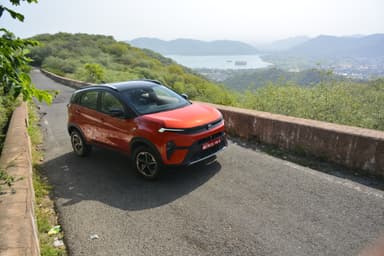
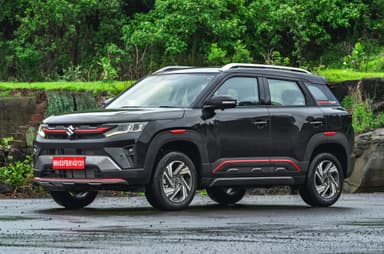
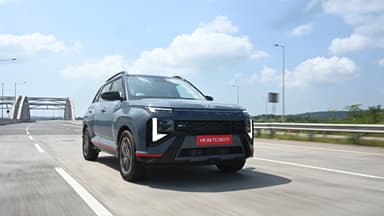
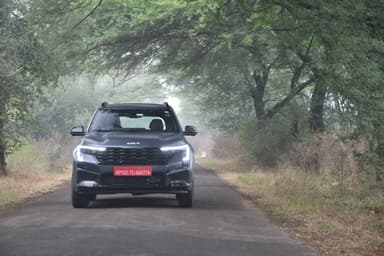

With reference to my previous query, could you please advise how the Mahindra XUV 3XO diesel-AMT compares with the XUV 3XO EV for a monthly running of approximately 2,000km, primarily on hilly roads (80% highway and 20% city driving)? Which would be the better choice within the same budget of Rs 9-14 lakh, considering running costs, performance, practicality and long-term ownership?

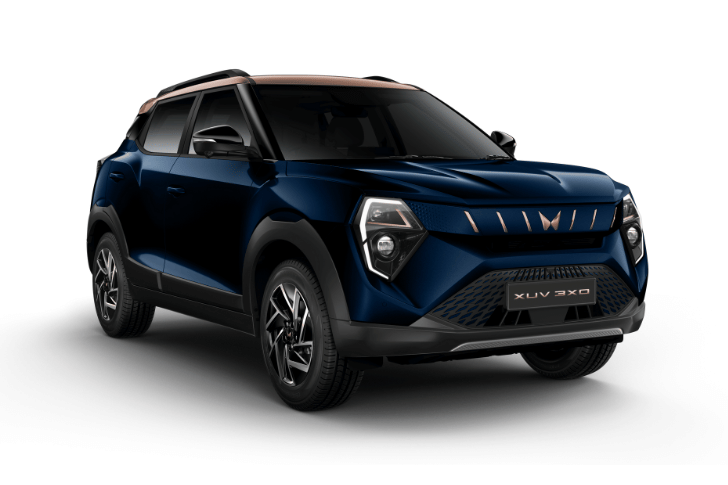
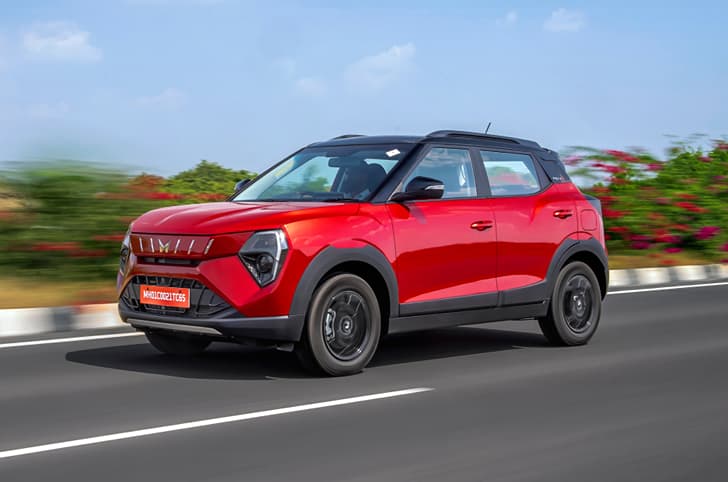
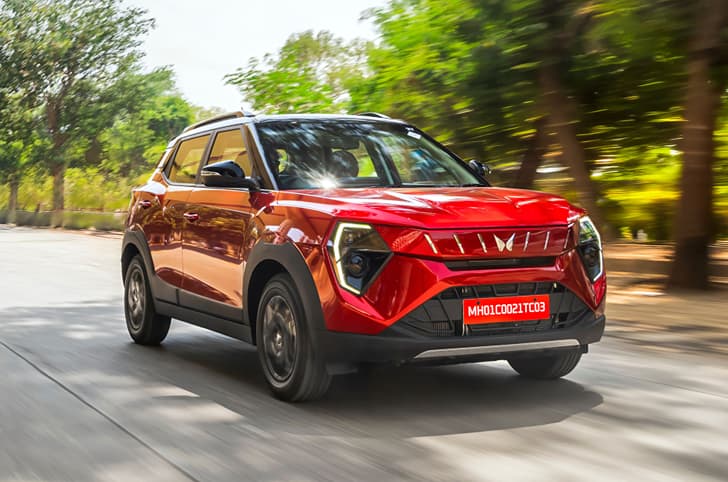
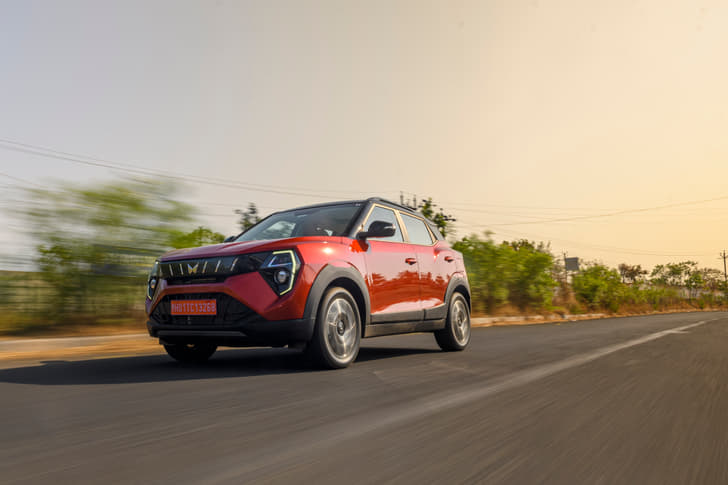
 Mahindra XUV 3XO EVMahindra XUV 3XO
I'm planning to buy a new car for daily use (we already have a Ciaz diesel at home), and I've been going back and forth for a while, so I'd really appreciate some expert opinions. I started with the Brezza, then widened it to the Nexon, XUV 3XO and a few others. My running is high, about 20,000 km (In total, 2 cars) a year (well over 15,000 km at the least), so I figured a diesel makes more sense than petrol. I liked the 3XO MX2 diesel the most. If I go ICE, it will be a manual only. Now the Kia Syros EV is on my shortlist too. On-road prices as I see them: 3XO MX2 about Rs 11 lakh, Syros EV about Rs 15 lakh, so a Rs 4 lakh gap. My rough numbers: - 3XO diesel at around 18 km/l and about Rs 98/litre works out to roughly Rs 1.09 lakh a year in fuel. - Syros EV charged at home (42 kWh pack, 320 km claimed, maybe 250 km in real life) works out to roughly Rs 30,000 a year in electricity. - Including lower servicing for the EV, I'm getting a payback of about 4.5 to 5 years. I'm also considering a home solar plant (about Rs 2.25 lakh). Other points: I can charge at home every day, and I rarely do trips above 300 km (and the Ciaz is there for any long trips). I also hear the Hyundai HE1i is coming around the end of this year or early next year, so I'm wondering whether to wait for it. So, what would you do? Is the Syros EV worth the extra Rs 4 lakh at this running, or should I stick to the 3XO diesel? Anything I'm missing, like battery warranty, resale value, or real-world range and service experience? Thanks in advance!
Kia Syros EVMahindra XUV 3XOHi Autocar team, I am planning to buy a new car for daily use, as we already have a Maruti Suzuki Ciaz at home. I drive at least 15,000km a year, and probably closer to 20,000km, so I initially considered diesel options such as the Mahindra XUV 3XO MX2 diesel manual. The Kia Syros EV is also on my shortlist. The on-road price of the 3XO is around Rs 11 lakh, while the Syros EV costs about Rs 15 lakh, a difference of Rs 4 lakh. I estimate annual fuel costs of around Rs 1.09 lakh for the diesel and electricity costs of Rs 30,000 for the EV, with a payback period of roughly 4.5-5 years after accounting for lower servicing costs. I can charge at home daily, rarely travel more than 300km in one trip, and can use the Ciaz for longer journeys. I am also considering installing a home solar system for around Rs 2.25 lakh. Should I buy the Syros EV, stick with the 3XO diesel or wait for the upcoming Hyundai compact EV? What should I consider regarding battery warranty, resale value, real-world range and service experience?
Kia Syros EVMahindra XUV 3XO