Last Updated on: 04 Sep 2026
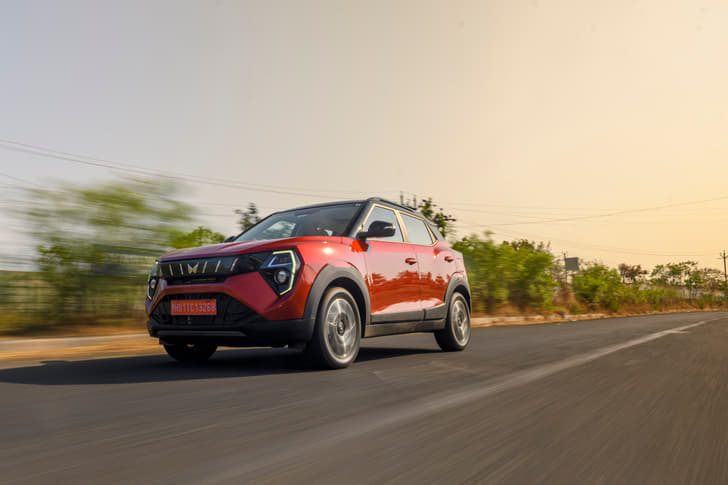
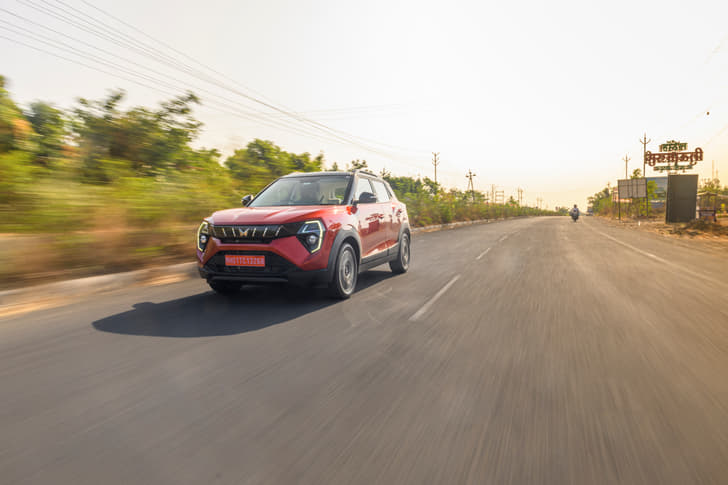
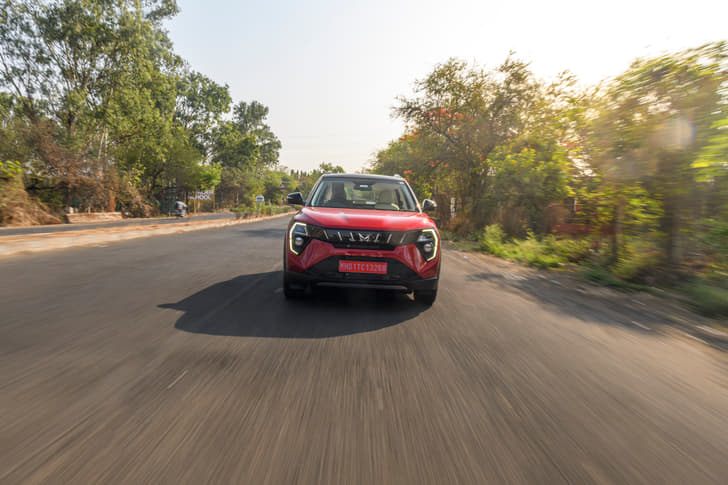
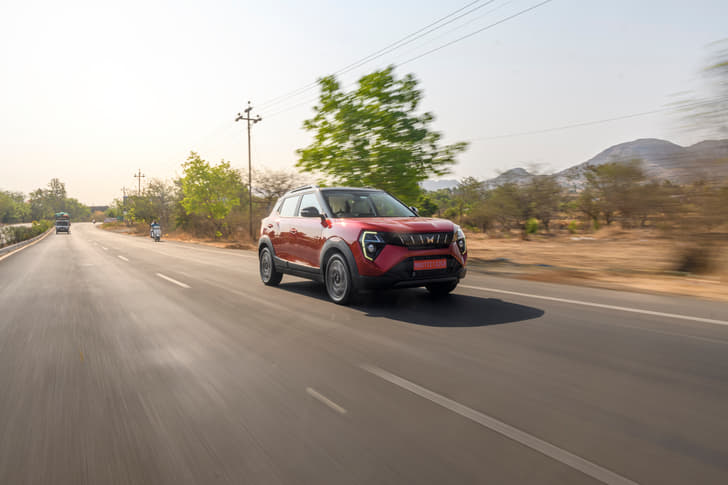
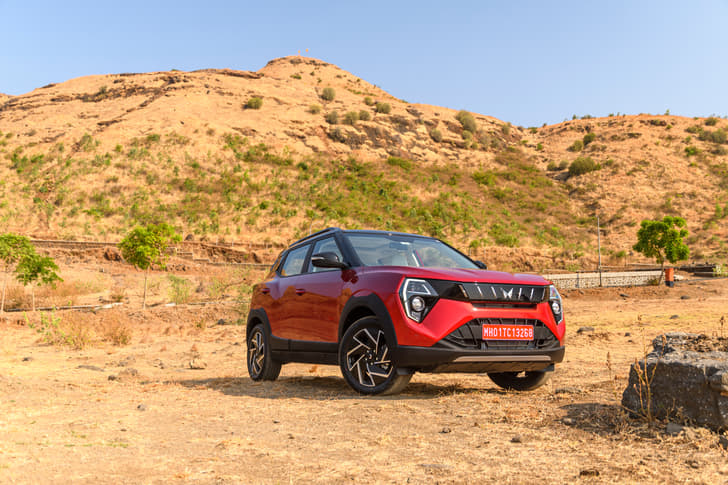
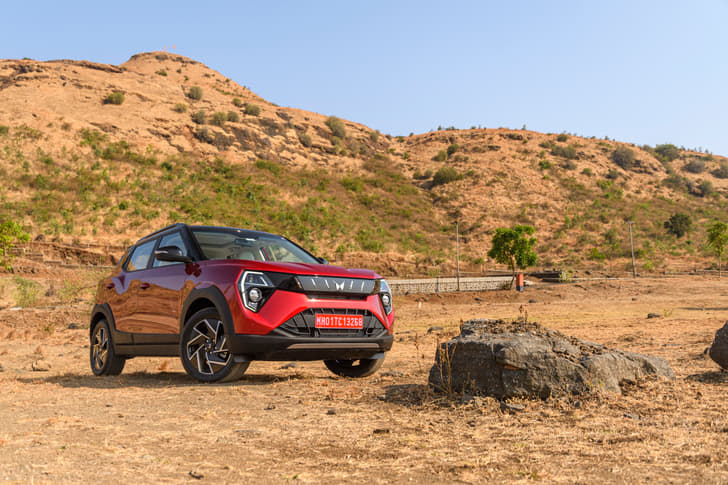
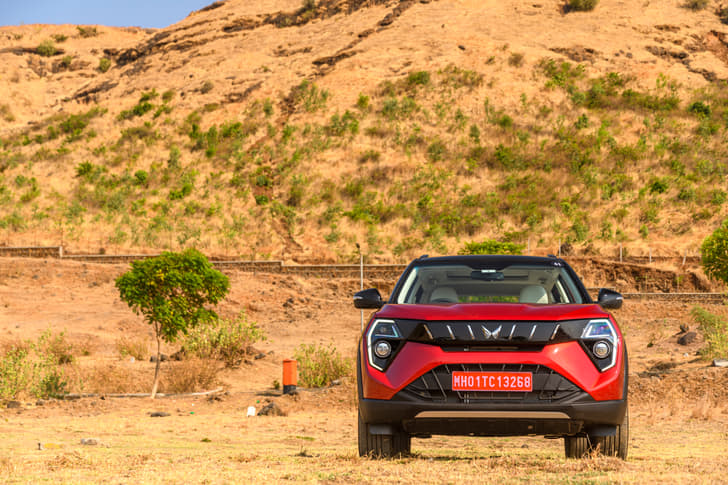
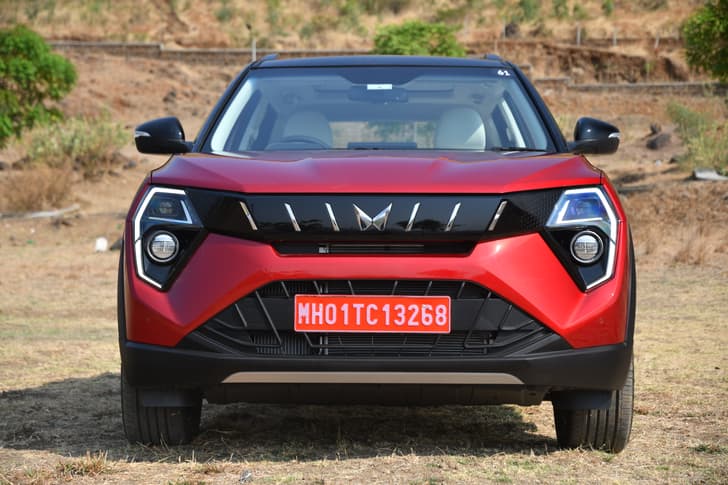
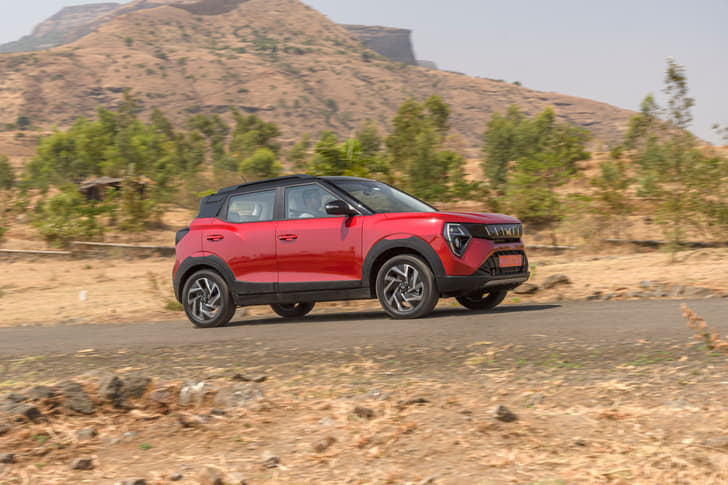
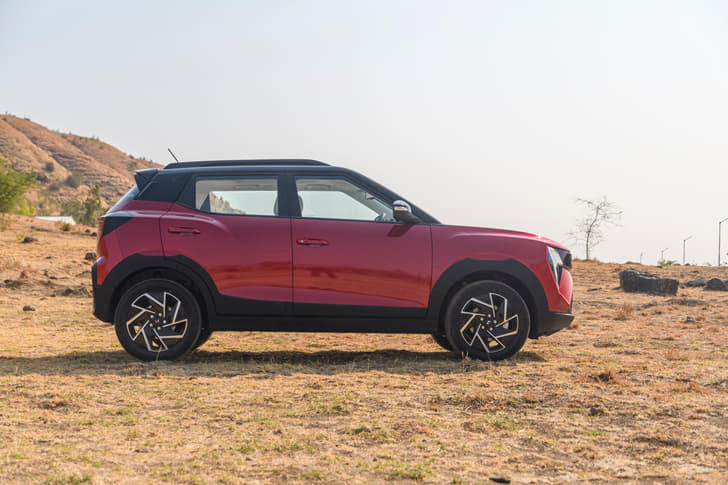
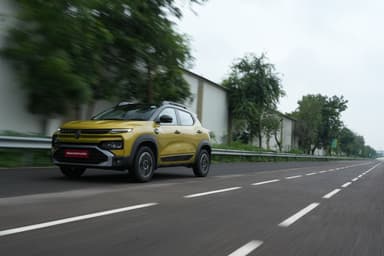
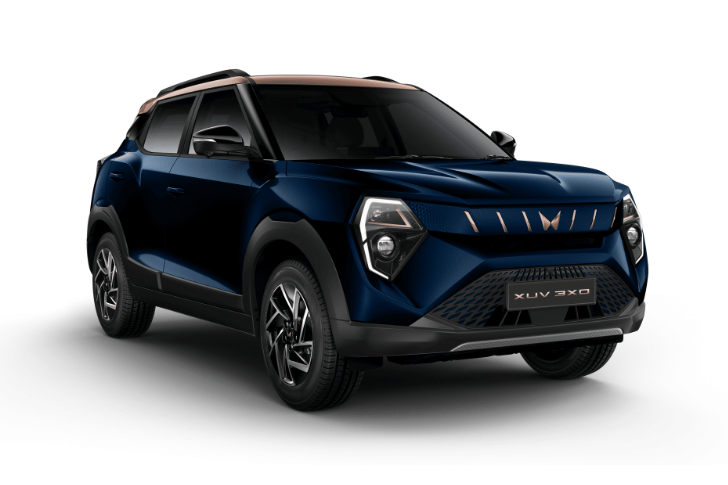
Mahindra XUV 3XO MX2 Pro 1.2 Petrol MT
Mahindra XUV 3XO MX2 Pro 1.2 Petrol MT Key Features
- Electronic Stability Control
- With Display Tyre Pressure Monitoring System
- Anti-Lock Brakes (ABS)
- Part Digital / Part Analogue Digital Instrument Cluster
- Driving Modes
Mahindra XUV 3XO MX2 Pro 1.2 Petrol MT specifications
Engine & Transmission
Engine Type | Turbocharged |
Engine Displacement | 1197 cc |
Number of Cylinders | 3 |
Engine Installation | Front |
Fuel Type/ Propulsion | Petrol |
Gearbox Type | Manual |
Number of Gears | 6 |
Sport Mode for Automatic Gearbox | No |
Drive Layout | Front Wheel Drive |
Lockable Differential/s | No |
Max Engine Power | 111 hp at 5000 rpm |
Max Engine Torque | 200 Nm at 1500 - 3500 rpm |
Fuel & Performance
Fuel Supply System | MPFI |
E20 Compatibility | Yes |
Emission Standard | Bharat Stage VI |
Terrain Modes | No |
Auto Start/Stop | No |
Official Fuel Economy | 18.89 kmpl |
Fuel Tank Capacity | 42 litres |
Suspension & Steering
Front Suspension Type | Independent, MacPherson Strut |
Front Springs | Coil Springs |
Rear Suspension Type | Non-independent, Torsion Beam |
Rear Springs | Coil Springs |
Damper Control | No |
Ride Height Adjust | No |
Type of Power Assist | Electric |
Steering Adjust type | Manual |
Steering Adjust | Tilt |
4 Wheel Steer | No |
Turning Radius | 5.3 m |
Front Brakes | Discs |
Rear Brakes | Discs |
Wheel Size | 16 inches |
Front Tyre Size | 205/65 R16 |
Rear Tyre Size | 205/65 R16 |
Wheels | Steel rims with wheel covers |
Spare Wheel | Space Saver |
Dimensions
Length | 3990 mm |
Width | 1821 mm |
Height | 1647 mm |
Wheelbase | 2600 mm |
Chassis Type | Monocoque |
Boot Capacity | 364 litres |
Doors | 5 |
Mahindra XUV 3XO MX2 Pro 1.2 Petrol MT features
Comfort
| Power Windows | Front and Rear |
| Powered Tailgate | |
| Bluetooth Connectivity | |
| Bottle Holder in Doors | |
| Roof Grab Handles | |
| Cooled Cup Holders |
Safety
| Crash Test Rating | 5 |
| High Beam Assist | |
| Traffic Sign Recognition | |
| Driver Airbag | |
| Rear Cross Traffic Collision Avoidance | |
| Dashcam |
Exterior
| Body Coloured Bumpers | |
| Follow Me Home Headlamps | |
| LED fog lamps | |
| LED headlamps | |
| Wheel Arch Cladding | |
| LED taillights |
Interior
| Speedometer | Analog |
| Tachometer | Analog |
| Trip Meter | |
| Average Fuel Consumption | |
| Average Speed | |
| Distance to Empty |
Entertainment
| Audio System | |
| Front Passenger Screen | |
| Front USB port | Type A and Type C |
| Speakers | 4 |
| Second Row USB port | Type C |
| Branded Music System |
Connected Car Features
| Live Location Sharing | |
| SOS Button | |
| Live Traffic Updates On App | |
| Over the air (OTA) updates | |
| Vehicle Tracking Via App | |
| Alexa Compatibility |
Mahindra XUV 3XO variants
 Electronic Stability ControlPart Digital / Part Analogue Digital Instrument ClusterType C Front USB portFabric Seat MaterialLED headlampsHill Start AssistManual Climate ControlPhone-based Satellite NavigationLeatherette Seat MaterialFollow Me Home HeadlampsDriving ModesVideo PlayerFabric Seat MaterialPhone-based Satellite NavigationFollow Me Home HeadlampsHill Start AssistPanoramic SunroofWireless Android AutoLeatherette Seat MaterialPhone-based Satellite NavigationElectronic Stability ControlSingle Pane SunroofPhone-based Satellite NavigationFabric Seat MaterialLED headlampsElectronic Stability ControlPart Digital / Part Analogue Digital Instrument ClusterPhone-based Satellite NavigationFabric Seat MaterialLED headlampsSingle Pane SunroofWireless Android AutoConnected LEDPhone-based Satellite NavigationLED DRLsHill Descent ControlFully Digital Digital Instrument ClusterOn-board Satellite NavigationRemote Engine Start/StopDriver's Seat Height AdjustPanoramic SunroofLeatherette Seat MaterialFully Digital Digital Instrument ClusterRemote Engine Start/StopOn-board Satellite Navigation
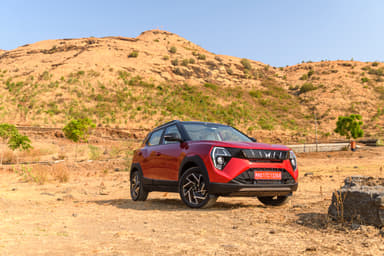
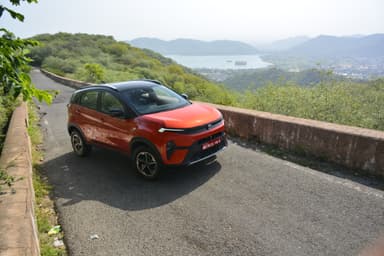
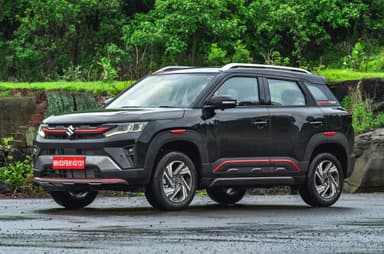
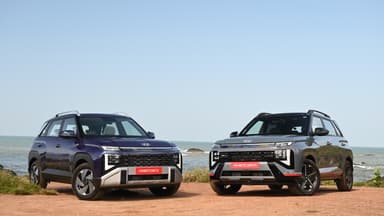
Mahindra XUV 3XO comparison
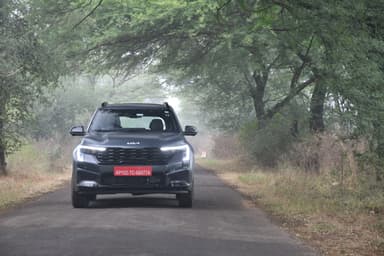
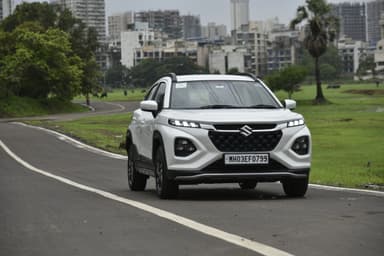
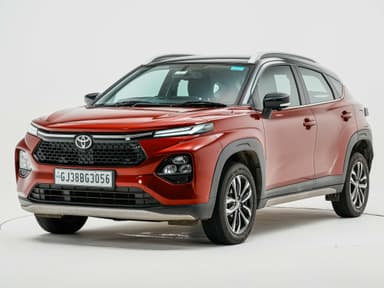
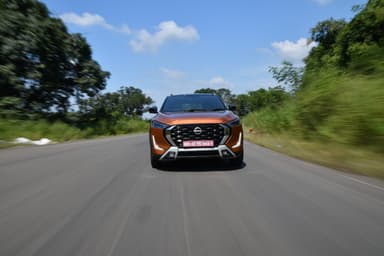

Questions you may find useful
Hi, I am facing a persistent gear-shifting issue with my Mahindra XUV 3XO manual transmission, specifically when shifting between 1st and 2nd gear. When shifting between 1st and 2nd, both while upshifting and downshifting, the gear lever feels momentarily stuck or hitched before moving into place. I can also feel a slight downward movement or pull from the base of the gear shifter inside the cabin when shifting from 1st to 2nd. All higher gears, from 3rd to 6th, shift smoothly without any resistance. During the first service, the service centre adjusted the shift cables under the bonnet, but the problem has persisted. I am now taking the car in for its 20,000km service. What could be causing this issue, and what should I specifically ask the service advisor to inspect?

 Mahindra XUV 3XO
I am looking to buy my first car and am confused between the Mahindra XUV 3XO AX5L and Honda Elevate V CVT. I would appreciate some advice. I am 6 ft 2 in tall, while my wife is 5 ft 3 in. Neither of us has much driving experience apart from driving school and occasional driving, so a 360-degree camera would be very useful. My budget is Rs 14.5 lakh on-road under the BH series, which is already stretched by around Rs 2 lakh. I am looking for an automatic with good safety, a reliable engine and reasonable service costs. I do not want a sunroof, as the additional headroom would be more useful. My annual running will be around 3,000-5,000 km, with 60% city and 40% highway use. I plan to keep the car for around 15 years. My main considerations are: Mahindra XUV 3XO AX5L * I need to keep the seat almost at its lowest setting, although it slides back sufficiently. * The 360-degree camera is a major advantage. * My main concern is long-term reliability. How well will the turbo-petrol engine and torque converter automatic combination age over 15 years? Honda Elevate V CVT * I also need to keep the seat almost at its lowest setting, but it does not slide back as much as the 3XO's. * The 360-degree camera will be dealer-installed. * The naturally aspirated engine and CVT combination give me more confidence regarding long-term reliability. As I have limited driving experience, it is difficult for me to judge from a short test drive whether either seating position could cause fatigue during occasional 300-400 km journeys. For my usage, which would you choose: the XUV 3XO AX5L or the Elevate V CVT?
Honda ElevateMahindra XUV 3XOI’m 38 years old, earn more than Rs 1.5 lakh per month, and this will be my first car. I’m considering the Maruti Brezza, Fronx, Mahindra XUV 3XO, Kia Seltos, Hyundai Creta, and Honda Elevate. I’m currently planning to go for the Kia Seltos automatic IVT. Which car would be the most suitable for me? I’ll mainly use the car for monthly trips, with a running of around 500-1,000 km per month or every one and a half months.
Kia SeltosHyundai CretaMaruti Suzuki BrezzaMaruti Suzuki FronxMahindra XUV 3XOI am a bit confused about choosing between a manual and an automatic. My usage will be 60% city and 40% highway, including long road trips. I am considering the Mahindra XUV 3XO and Skoda Kylaq. My only concern with the Mahindra is its small boot space. Which one would you recommend?
Skoda KylaqMahindra XUV 3XOHello everyone, I’m planning to buy my first car with a budget of around Rs. 15 lakh (on-road). I’ve shortlisted the Mahindra XUV 3XO AX5 AT and the newly launched Tata Nexon Camo DCA. The updated Nexon now comes with a factory-fitted 360° dashcam, which is a nice addition. I’m planning to buy an automatic, but a few colleagues who own cars have suggested that the Nexon DCA has had reliability concerns and recommended going with the torque converter automatic in the XUV 3XO instead. I’d love to hear opinions from owners and experts. Which one would you recommend for long-term ownership in terms of reliability, driving experience, maintenance, and overall value? Note: I’m from Bangalore and travel to my native place in Andhra Pradesh twice a year, which is roughly 600 km from Bangalore.
Mahindra XUV 3XOTata NexonMahindra XUV 3XO price in India
Upcoming Cars
Mahindra Cars

Trending Cars

Latest Cars