Last Updated on: 25 Apr 2026
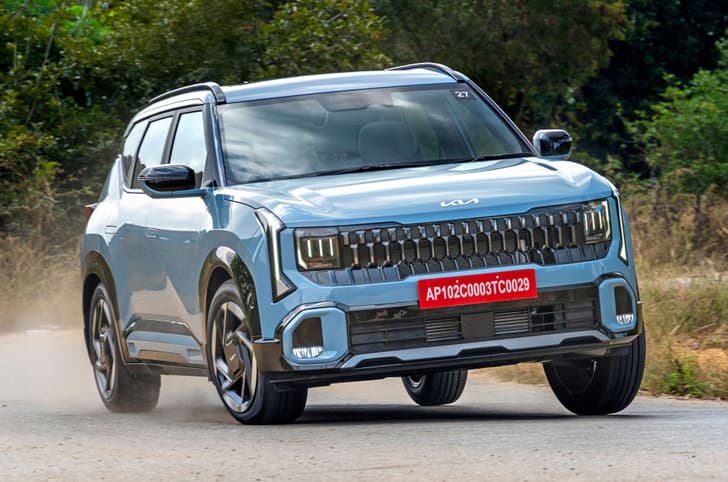
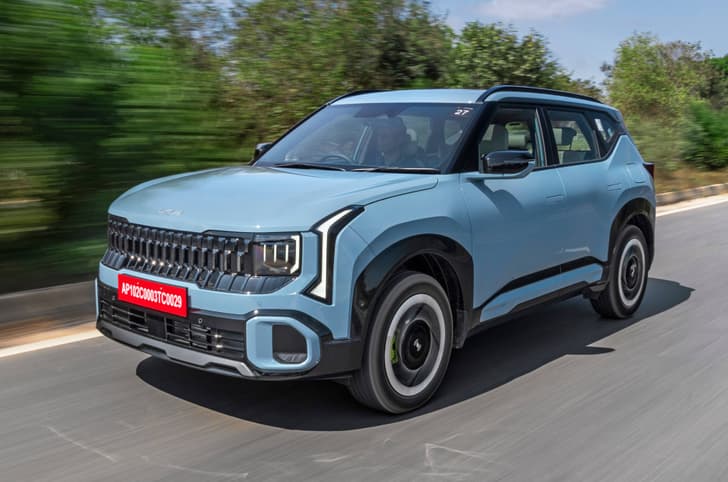
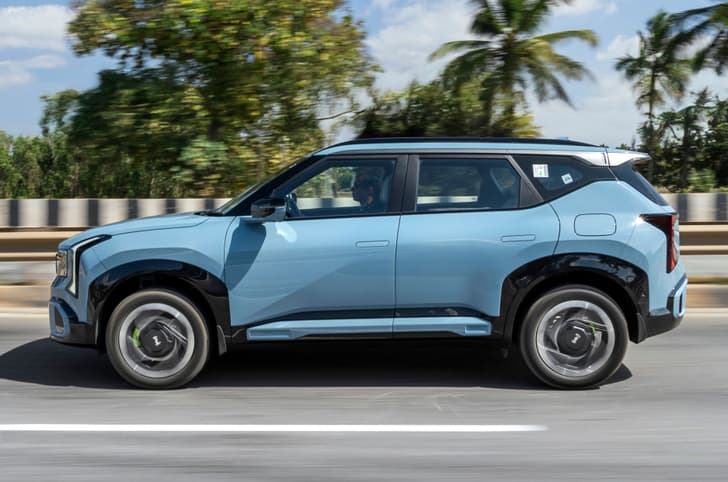
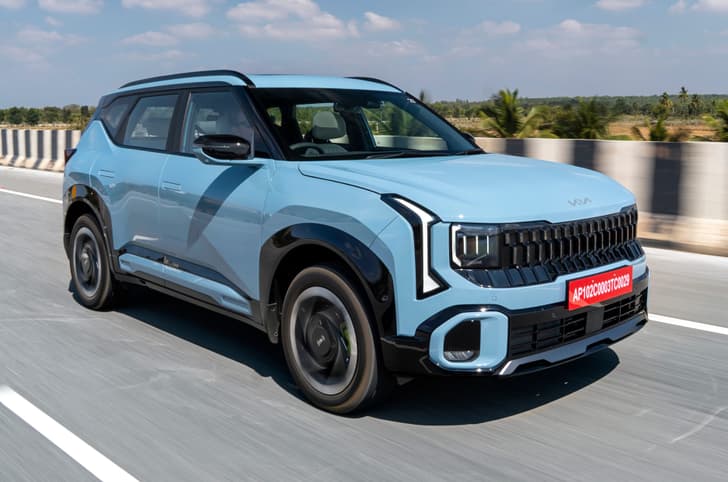
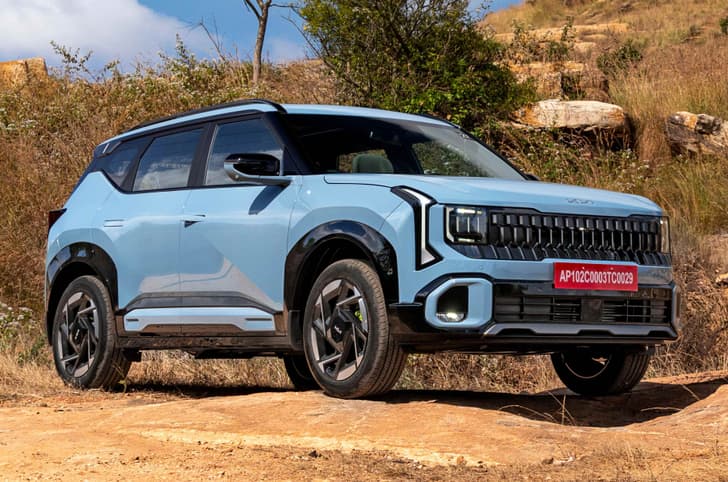
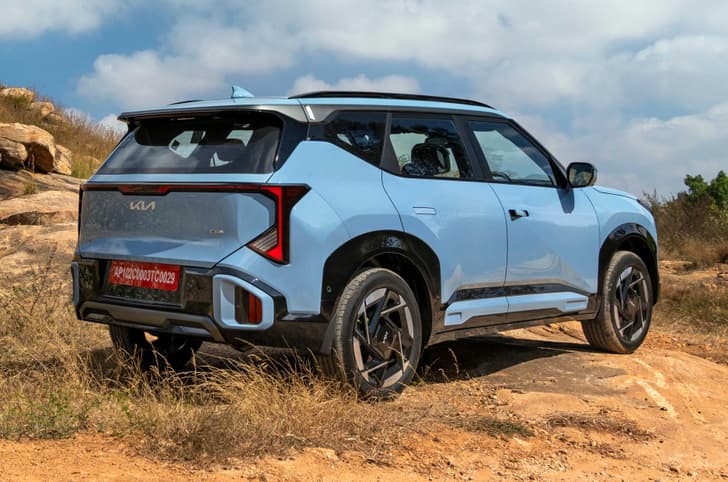
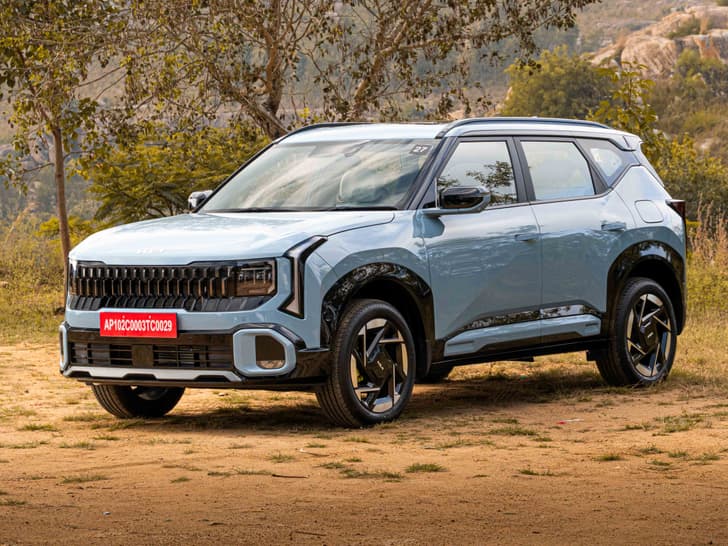
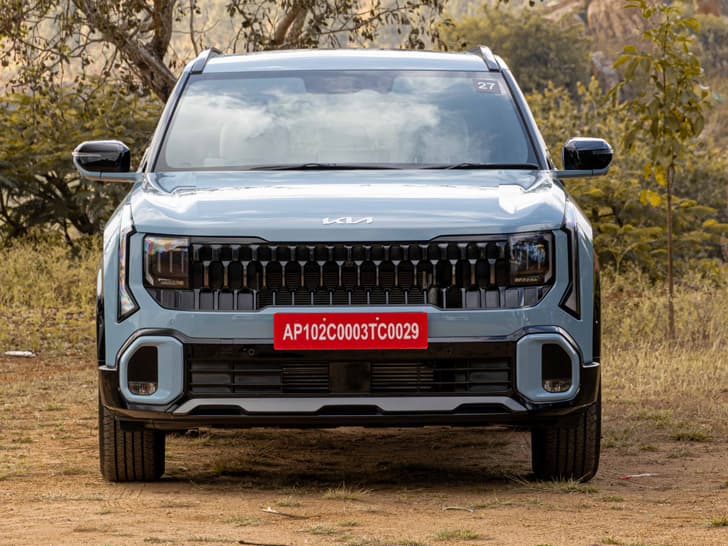
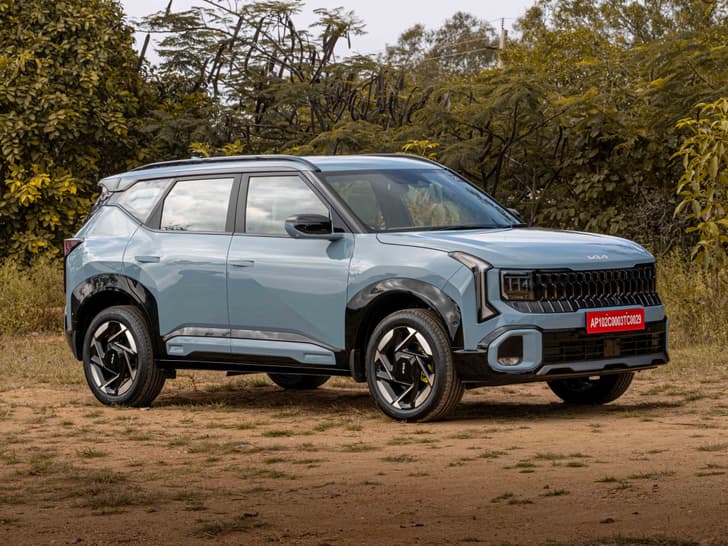
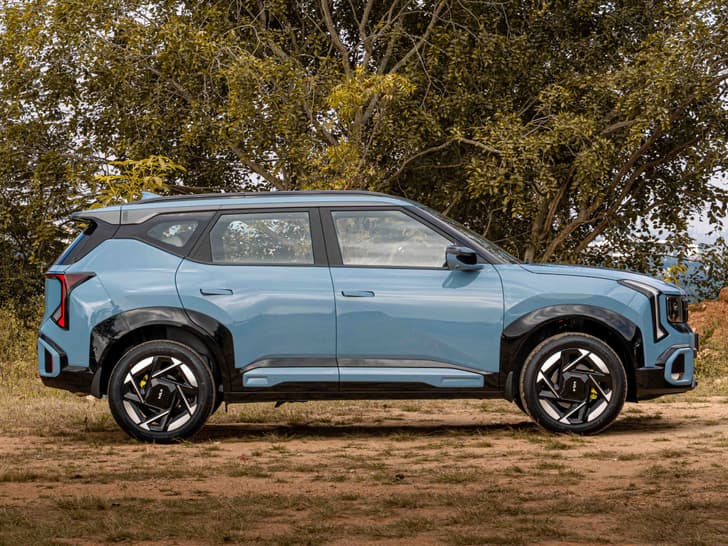
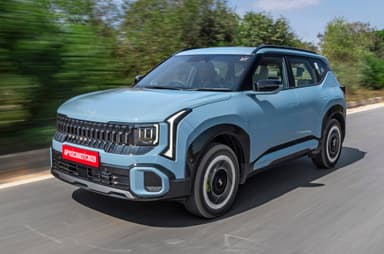
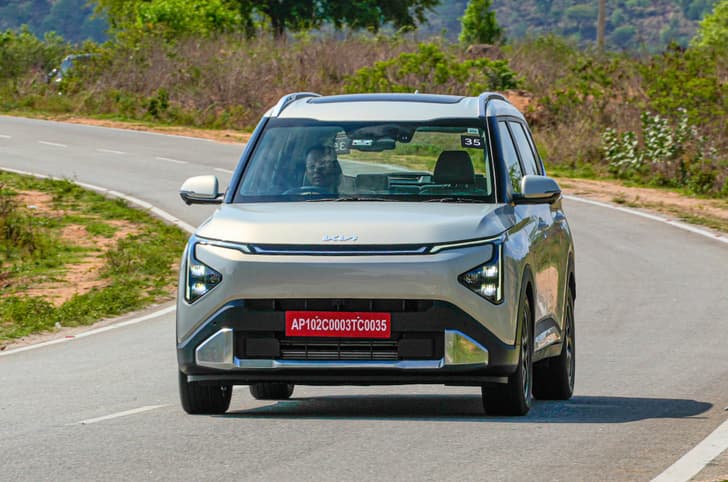
Kia Seltos HTX(A) Diesel AT
The Kia Seltos HTX(A) Diesel AT variant is priced at ₹19.59 lakh. The HTX(A) Diesel AT variant offers key features like Electronic parking brake, 360 view camera, Adaptive cruise control, Ambient interior lighting, Cruise control. Explore complete specifications, and features below.
Kia Seltos HTX(A) Diesel AT specifications
Engine & Transmission
Fuel Type/ Propulsion | Diesel |
Max Engine Power | 116 hp at 4000 rpm |
Max Engine Torque | 250 Nm at 1500 - 2750 rpm |
Number of Cylinders | 4 |
Engine Type | Turbocharged |
Engine Installation | Front |
Engine Displacement | 1493 cc |
Sport Mode for Automatic Gearbox | Yes |
Gearbox Type | Torque Converter |
Lockable Differential/s | No |
Drive Layout | Front Wheel Drive |
Manual Shifts via Gear Lever on Automatic Gearbox | Yes |
Paddle Shifters for Automatic Gearbox | Yes |
Number of Gears | 6 |
Fuel & Performance
Terrain Modes | Yes |
Fuel Tank Capacity | 47 litres |
Fuel Supply System | Common Rail |
Emission Standard | Bharat Stage VI |
Suspension & Steering
Rear Brakes | Disc |
Front Brakes | Disc |
4 Wheel Steer | No |
Type of Power Assist | Electric |
Steering Adjust type | Manual |
Steering Adjust | Tilt and Telescopic |
Damper Control | No |
Front Suspension Type | Independent, MacPherson Strut |
Rear Springs | Coil Springs |
Rear Suspension Type | Non-independent, Torsion Beam |
Ride Height Adjust | No |
Front Springs | Coil Springs |
Front Tyre Size | 215/60 R17 |
Spare Wheel | Space Saver |
Rear Tyre Size | 215/60 R17 |
Wheel Size | 17 inches |
Wheels | Alloys |
Dimensions
Width | 1830 mm |
Boot Capacity | 447 litres |
Chassis Type | Monocoque |
Wheelbase | 2690 mm |
Doors | 5 |
Height | 1635 mm |
Length | 4460 mm |
Kia Seltos HTX(A) Diesel AT features
Comfort
| Cup Holders | |
| Bottle Holder in Doors | |
| Flat Bottom Steering Wheel | |
| Exterior Mirrors Electric Fold | Yes with power folding |
| Exterior Mirrors Electric Adjust | |
| Push Button Start |
Safety
| Adaptive Cruise Control | |
| Day/Night Interior Mirror | Auto |
| Day Night Interior Mirror | Automatic |
| Dashcam | |
| Curtain Airbag | |
| BNCAP Rating | 5 |
Exterior
| Stop Lamp | |
| Wheel Arch Cladding | |
| Pop-Out Door Handle | Auto |
| Outside rear view mirror (ORVM) | |
| Headlight Type | LED |
| Antenna | Shark Fin |
Interior
| Speedometer | Digital |
| Distance to Empty | |
| Shift Indicator | |
| Average Speed | |
| Average Fuel Consumption | |
| Tachometer | Digital |
Entertainment
| Second Row USB port | 2 Type C |
| Wireless Phone Charging | |
| Web Browser | |
| Voice Commands | |
| Rear Entertainment Screens | |
| Satellite Navigation | On-board |
Connected Car Features
| Over the air (OTA) updates | |
| Live Location Sharing | |
| Live Traffic Updates On App | |
| Driving Analytics | |
| Find My Car | |
| Remote Car Lock/Unlock via App |
Kia Seltos variants
Kia Seltos comparison


Questions you may find useful
Annesha Chakraborty
•1dI am looking to buy an automatic petrol car within a budget of ₹18 lakh. My requirements are: 5-star safety, comfort for family use, mostly city driving, and occasional trips outside the city. I have explored the Skoda Kushaq, Slavia, and Tata Nexon, but I do not want to go with Tata as I already own a Tiago. I am open to options from Toyota, Hyundai, and Kia, provided they meet my safety requirements. Please advise.

Autocar India
On a Rs 18 lakh budget, for your requirements, the Hyundai Verna HX6+ IVT automatic is a good pick because it meets your 5-star safety needs and feels the most relaxed in traffic. The IVT, a CVT by another name, is a type of automatic that does not shift in steps, so it feels very smooth at low speeds, which makes stop-and-go driving easy. The back seat is roomy, the ride is comfortable over rough patches, and Hyundai’s wide service network adds peace of mind on those occasional trips out of town. The latest Verna has a 5-star Global NCAP crash test rating in India, so you are not compromising on your main ask. You could stretch to the HX8 variant if you want more features and your budget is flexible.Two things to keep in mind with the Verna: it sits lower than a taller car like the Skoda Kushaq, so you need a bit more care on big speed breakers, and the rear seat is set a little low, so elderly family members who prefer a higher seat may not love it. If you want a higher seating position and more ground clearance without giving up 5-star safety, go for the Kia Seltos HTK(O) Petrol CVT, which recently got a 5-star Bharat NCAP rating. Though you might sacrifice some features in this variant on your budget.
Nitesh
•1dI’m planning to buy a new car, and I’m currently confused between the Mahindra XUV 3XO AX5 (Petrol Manual), Hyundai Venue HX5 Turbo Petrol, and Kia Seltos 2026 base petrol variant. My usage: 60% city, 25% highway, 15% mountains (3 trips every year). Other requirements: annual running: ~8,000–10,000 km, primary use: family car, but I do enjoy driving occasionally, good ground clearance is important (roads in my hometown in the mountains are quite bad). I am planning to keep the car for 10+ years. Budget: ₹12 lakh (can stretch to ₹13 lakh if it’s truly worth it). My question is: Which of these would be the best fit for my usage? Is it worth stretching for the Seltos base model over the other two? Are there better alternatives in this budget that I should consider? Would really appreciate your suggestions. Thanks in advance!

Autocar India
With mostly city use, a few highway runs, and some mountain trips on broken roads, the Mahindra XUV 3XO AX5 petrol manual fits your brief best. It rides tough over bad patches, has good ground clearance, and its turbo petrol pulls well at low speeds, which helps on steep hill sections and in slow city traffic. It is also one of the nicer cars to drive in this price range, so when you want to enjoy a winding road, it will put a smile on your face, and the AX5 gives you a good mix of safety and comfort features without blowing the budget.Two trade-offs to note. If you often carry a full load of luggage, the boot is not very large, and at low speeds, the steering is not as light as most other SUVs in the class. Is it worth stretching to the base Seltos? Only if you really need the extra space. The base Kia Seltos skimps on features, and its non-turbo petrol will feel weaker on mountain climbs with a full family. Also check on-road pricing in your city, as it may push past Rs 13 lakh.The Hyundai Venue HX5 Turbo Petrol is also a good option and a great all-rounder, with a bigger boot, but given your needs, the better-riding, more enjoyable to drive XUV will suit you better. If you want another option to check out, look at the Maruti Suzuki Brezza, which is unexciting but offers hassle-free long-term ownership.
Uma shankar A
•1dI am looking to buy an all-rounder automatic diesel car within a ₹20 lakh budget. I will use the car equally in the city and on highways. Please suggest the most suitable option.

Autocar India
Equal city and highway use with a strict ₹20 lakh cap and diesel automatic requirement, points to the Hyundai Creta S (O) diesel automatic. It fits your brief best because the 6-speed automatic is smooth in stop-go traffic, and the diesel has a strong pull at low speeds, so you do not need to push the engine or change gears often. Out on the highway it sits steady, the ride is comfortable on rough patches, and the size is just right for parking in the city while still giving good back-seat space and a useful boot for trips. Hyundai’s service reach is also wide, which makes life easier over the years.A couple of things to note. The S(O) trim skips a few fancy items you may see in top trims, and the diesel is a touch louder at idle than a petrol. Depending on your city, the on-road price of this Hyundai car may edge a bit over ₹20 lakh, so do check current offers.Alternatively, look at the Kia Seltos HTK (O) diesel automatic, which is a more modern, more spacious SUV. However, as it is a larger, heavier car using the same diesel engine as the Creta, it won't feel as effortless, especially out on the highway. Overall, for your mixed use and budget, the Creta S (O) diesel automatic lines up best.
Amit
•2dI am planning to purchase a mid-segment SUV. The options I have tested include the Tata Harrier, Tata Sierra, and Kia Seltos. My budget is around ₹20 lakh. My driving will be primarily in the city, with occasional highway use. I am looking for the best option that offers steady performance along with good power. Additionally, I would like guidance on whether a diesel or petrol variant would be more suitable for my usage.

Autocar India
Pick the Kia Seltos petrol IVT if you are considering the naturally aspirated options. It is the best fit for your usage.The Seltos’ petrol engine feels more usable and refined, and the IVT gearbox is very smooth in city driving. It is easy to live with, consistent in traffic and suits your primarily urban usage perfectly. The power delivery is linear and predictable, which gives you the steady performance you are looking for without feeling stressed or jerky.Coming to the Tata Sierra, the naturally aspirated petrol is not a great match. It is a larger and heavier SUV, and the engine feels flat and underpowered for its size, especially in city conditions. However, if you are open to the turbo petrol version, the Sierra becomes a better option. The turbo engine feels stronger and more responsive, and the torque converter automatic is smoother and more robust for everyday use compared to a DCT.Between the Sierra and the Harrier, we would suggest going for the Sierra. It is the newer car, feels nicer to drive and offers the same turbo petrol engine with a smoother torque converter automatic option.
Marivel Murugan
•2dI currently drive a 2014 Honda City diesel and am planning an upgrade. I am 60, so ease of driving and parking is important. We are considering the Grand Vitara / e-Vitara and the new Seltos, but I am concerned that the Seltos may feel too large for city use (wider body and larger ORVMs). Would it be difficult to manoeuvre and park? Alternatively, would you suggest waiting for the Sierra EV or BYD Atto 2, or are they also likely to be similarly large? I find the Creta and Hyryder well balanced for narrow roads and easy driving (due to their relatively smaller ORVMs). I would appreciate your recommendation.

Autocar India
Given your mostly city use and the need for easy driving and parking, the Maruti Suzuki Grand Vitara or Toyota Urban Cruiser Hyryder Strong Hybrid fits you best from your list. They offer a slightly higher seating position than your 2014 City, so getting in and out is easier, and in traffic the hybrid often moves on electric power first, which makes it very smooth and calm to drive. The size feels friendly in narrow lanes, the mirrors are not bulky, and the steering is light, so slotting into tight spots is simple. If you pick a trim with a 360-degree camera and front sensors, it takes the stress out of parking.On your Seltos worry: in real life it is not meaningfully wider than Creta or Hyryder, and its steering is easy too. The mirrors do look larger, but once you set them and use auto-fold, they don’t get in the way. That said, since you already find the Hyryder comfortable on narrow roads, it (or the Grand Vitara) will feel more comfortable, as it is a bit smaller.Two things to note about these SUVs: the boot is smaller than the petrol-only versions, and when you press hard the engine gets a bit loud and quick highway passes need some planning. As for the Sierra EV, it is larger than all these, while the launch timeline of the BYD Atto 2 is still uncertain.
prasad shiraskar
•2dI’m planning to buy the new Kia Seltos 2026, but I’m confused between the petrol NA IVT and the turbo petrol DCT options. My usage will mainly be office commute in Navi Mumbai, around 900-1200 km per month, and city driving. So good mileage and ease of driving in traffic are important, but at the same time, I don’t want the car to feel underpowered or sluggish. Please suggest to me which variant would suit my needs, or if there's any other car in the same segment.

Autocar India
For mostly city runs in Navi Mumbai and 900-1200 km a month, the Kia Seltos 1.5 petrol with the IVT automatic fits your needs better than the 1.5 turbo with the DCT. The IVT is a type of automatic that prioritises smoothness, so it feels calm in stop-and-go traffic and usually uses less fuel in the city than the turbo DCT. It also edges forward smoothly at low speed, which makes bumper-to-bumper driving less tiring.In the city, using 1.5 petrol does not feel slow. It keeps up with traffic and climbs flyovers without stress. The steering is light, and the power delivery is smooth, so daily commuting is simple. The turbo DCT will feel quicker if you often need sudden bursts, but in heavy traffic, the DCT can feel a bit hesitant and clunky at crawling speeds, can run hotter in long jams, and will likely use more fuel in the city.The trade-off with the IVT is that when you press hard for a quick overtake, the engine gets loud and the pull is steady rather than instant. If you do frequent fast highway trips with a full load, the turbo will feel stronger. That said, the 115hp, 1.5-litre engine feels more than adequate and not underpowered. Overall, for your daily office run and focus on ease and mileage, pick the Seltos 1.5 IVT.
Tarun Kumar
•2dHi, I booked the new Seltos HTK (O) IVT variant last week. However, today the official ARAI mileage figures were released, and they show that the DCT has higher mileage than the IVT. How is that possible? The showroom salesperson had told me that the IVT would give around 11kpl in city driving, while the DCT would give around 6-7kpl. My usage is 95% city driving, with around 15 km daily running, so I do not really need the extra power. My question is: should I switch my booking to the DCT variant if the test results are so good? I do not mind spending ₹70-80k more for those 5% drives on the highways if the city mileage is similar. If real-world mileage is the same, I would prefer the DCT. I am not sure how to interpret these mileage numbers, so I would appreciate your guidance.

Autocar India
Stick with the Kia Seltos IVT. It is still the better choice for your usage, and those ARAI numbers do not reflect real-world city driving.The key point is how these gearboxes behave in traffic. The IVT is tuned for smooth, steady driving and low-speed efficiency, which is exactly what your 95% city usage demands. It keeps the engine relaxed, avoids unnecessary revs and delivers consistent mileage in stop-and-go conditions. The DCT, on the other hand, is designed for performance. Even though the official numbers may look better, in real-world city traffic, it tends to run hotter, shift more frequently and can drop efficiency, especially in slow-moving conditions.This is where your salesman’s input was directionally correct. In dense city use, the IVT will usually return better and more consistent mileage, while the DCT can dip significantly if you are crawling or constantly accelerating and braking.Also, turbo-petrol engines like the one paired with the DCT are very sensitive to accelerator inputs. Drive gently, and they can be efficient, but even slightly aggressive inputs cause the turbo to spool up, fuel consumption rises quickly and mileage drops. In daily city driving, it is hard to maintain that discipline all the time.Compared to the IVT, the DCT will feel quicker and more responsive, especially on highways, and is more enjoyable to drive when you push it. But that advantage matters only for your occasional highway runs, not your everyday usage.
PC
•3dI was using a Hyundai i20 N-Line iMT 2023 model, which I purchased in 2023. I have now sold it due to low mileage and heating issues. I am currently confused between the XUV 7XO AX7T petrol automatic (₹27.32 lakh), MG Hector petrol CVT (₹23.5 lakh), and Kia Seltos IVT GTX+ (₹24 lakh). I will be using the car with my wife and 3-year-old child, driving twice a week to office in the city and taking a road trip once every 3 months.

Autocar India
Do keep in mind that none of the models that you've shortlisted are particularly fuel efficient. Among these, the Kia Seltos IVT is likely to be the most fuel efficient, delivering approximately 10.3kpl in the city and 14.22kpl on the highway, while the petrol-automatic versions of XUV 7XO and MG Hector are likely to return fuel efficiency in single digits.Additionally, the interior of Seltos feels upmarket. This Kia car is spacious and for a family of three, it feels the right size. Sure, performance isn't as strong as the XUV 7XO, however for leisurely drives with the family its 1.5-petrol IVT combination works well.
Chhaya Vora
•3dIs the Seltos 2026 automatic petrol IVT worth purchasing for Mumbai traffic? I have heard that the 1.5 IVT lags. My monthly running is 500–600 km in the city.

Autocar India
Your usage involves low monthly running, mostly city, and heavy traffic. In this scenario, the Seltos IVT works in your favour. This is smooth, creep-friendly and very easy to drive in stop-go conditions. There are no jerks, no clutch fatigue and very light controls, which makes daily driving stress-free. In real-world use, this engine-gearbox combo is known to be refined and well-tuned for everyday driving rather than outright performance.Now about the “lag” you’ve heard. It’s not exactly lag, it’s typical CVT behaviour. When you accelerate hard, the engine revs rise first and speed builds gradually, which can feel like a delay. But in city driving, where inputs are gentle and speeds are low, this is barely noticeable. This Kia car only feels weak if you expect quick overtakes or sporty response. The upside is that Kia has tuned it well, so the rubber-band effect is limited compared to older CVTs.Compared to alternatives, the turbo petrol DCT version is quicker and more fun, but in Mumbai traffic it can feel jerky and less reliable in long term. The IVT is the safer, smoother and more relaxed choice. Compared to something like a Creta CVT, the experience is very similar, but the Seltos feels a bit more premium inside.
Puneet Jain
•3dI have booked the new Seltos HTE, but I'm confused. Should I upgrade to HTK or HTK(O)? Does that extra money I'll put make sense? My job is WFH, but I would use this car for 60% city and 40% highway for some long tours. I earn well, money is not an issue here, but I want to spend wisely.

Autocar India
With 60% city use and 40% highway trips in mind, I’d move your booking up to the Kia Seltos HTK(O). It suits your mix better because it adds the everyday things that cut stress on long drives and make city life easier, without going overboard on price.Compared to the HTE, the HTK(O) brings in useful bits, such as auto-folding mirrors, a rear wiper and defogger, smart key with push-button start, and front parking sensors. It also has niceties like a panoramic sunroof and leatherette seats with ventilation (only on the automatic). The HTK(O) will generally feel more premium inside and out, with better trim and alloy wheels, which can also help at resale.If you want to keep the spending tighter, the HTK is the sensible minimum upgrade, but since that is not an issue, the HTK(O) is the sweet spot. Overall, for your use and outlook, that’s the wise spend.