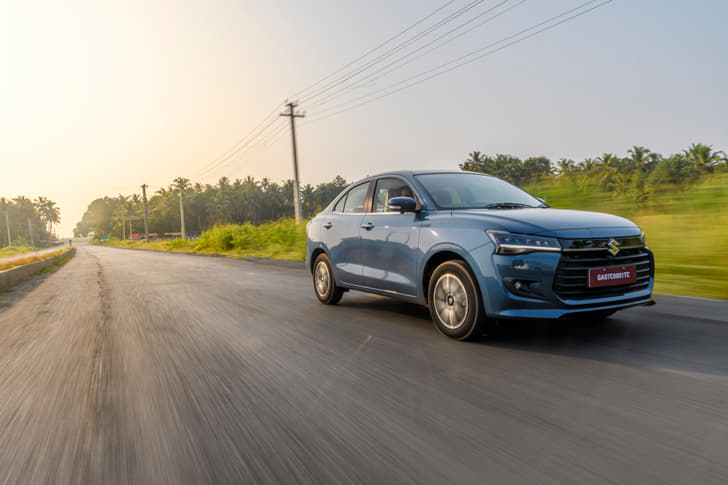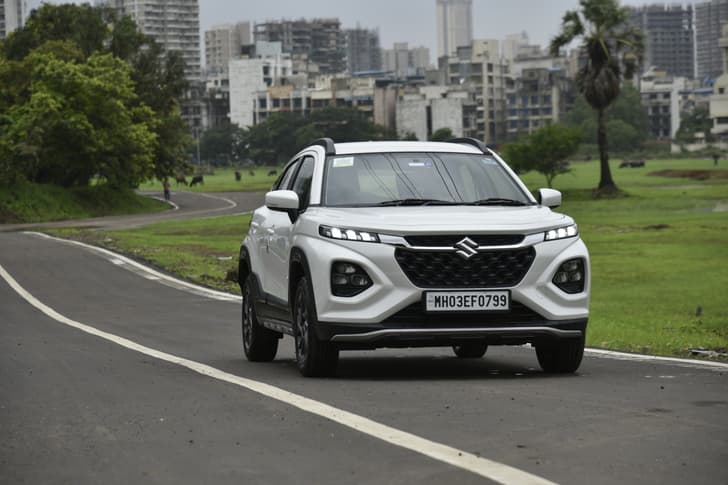

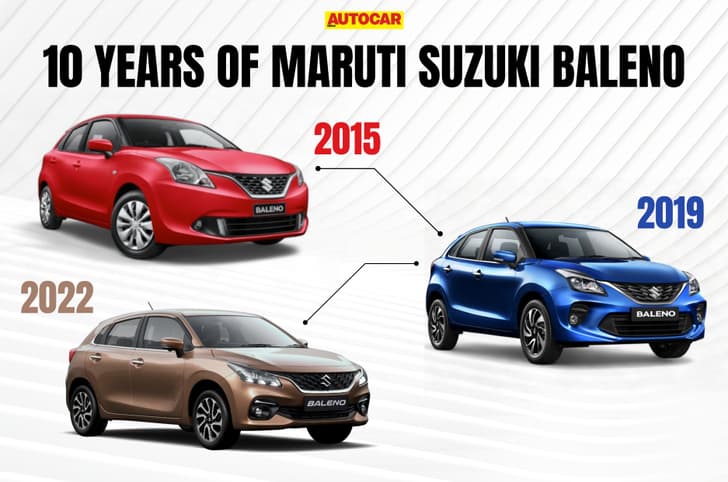
Even a decade after its launch, the Maruti Suzuki Baleno remains one of India’s top-selling premium hatchbacks. Built in India and sold globally, it has crossed 2 million units in sales and continues to attract buyers looking for a mix of practicality, efficiency and features. Regular upgrades have helped Maruti keep the Baleno relevant in a rapidly changing market.
2015: Maruti steps into the premium hatchback space
The Baleno was made in India and exported globally
Launched in October 2015 with ex-showroom prices starting at Rs 4.99 lakh, the Baleno marked Maruti Suzuki’s entry into the premium hatchback space. While the Baleno name had earlier appeared on a sedan and estate in the 2000s, the 2015 hatchback was a completely new model for a different segment.
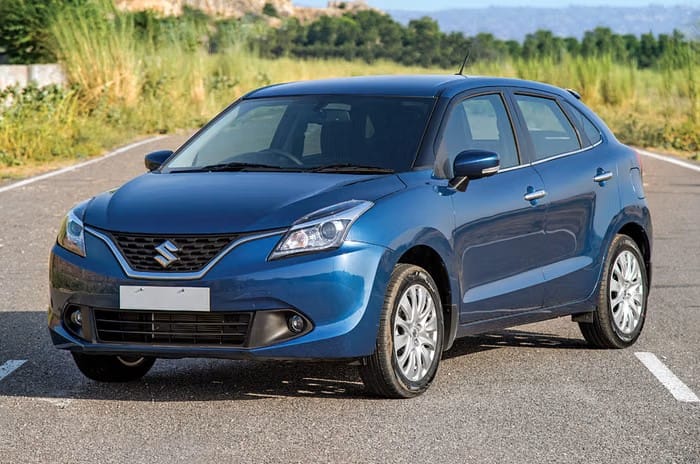
It was built exclusively in India for global markets and became the first India-made car exported to Japan, a big step for Maruti’s global plans. The 2015 Baleno was also the second model to be sold through Maruti Suzuki’s more premium Nexa outlets, entering a space then dominated by the Hyundai i20 and Honda Jazz.

Unlike the Swift, which targeted younger buyers with its sporty appeal, the Baleno took a more practical and premium approach. Built on the new Heartect platform, it was lighter and more efficient, improving both fuel economy and ride comfort, traits that resonated with a wider audience. Standard safety kit included dual airbags and ABS with EBD, which wasn’t common in the segment back then.
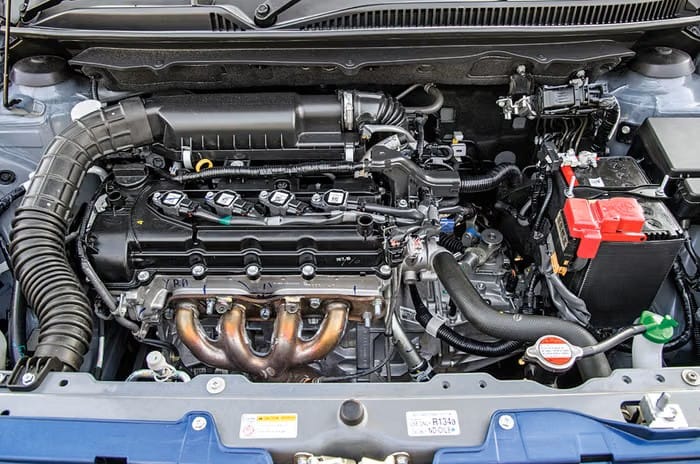
Power came from a 1.2-litre petrol and a 1.3-litre diesel, both with 5-speed manuals, while the petrol also offered a CVT. The top variant introduced Apple CarPlay, another segment first.
In 2017, Maruti launched the Baleno RS with a 1.0-litre BoosterJet turbo-petrol engine, a sportier version that was discontinued later due to low demand. After strong early success, the Baleno saw its first major update in early 2019.
Adapting to the new era: Facelift and BS6 transition
Mild styling updates and a new Dualjet petrol engine
By 2019, the Baleno had become one of the most popular cars in its class, but rivals were catching up fast. Maruti rolled out a mid-cycle update to keep it fresh. The changes were mild. Revised front bumpers, LED projector headlamps and new alloy wheels gave it a neater look. Inside, the update brought blue accents and an infotainment system with a cleaner interface.
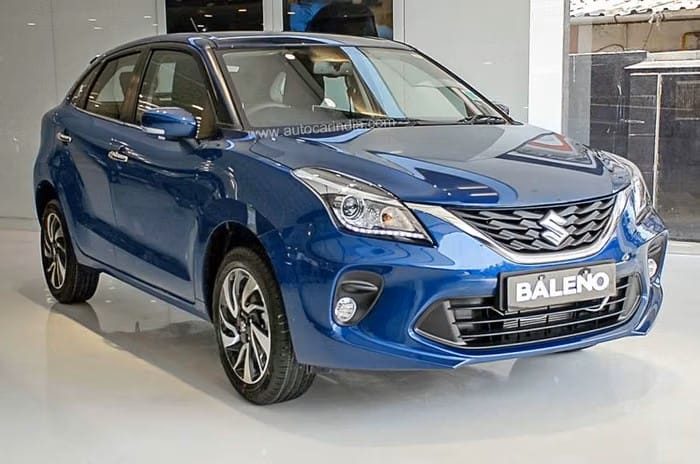
The bigger change came under the bonnet. With the BS6 emission norms taking effect in 2020, Maruti dropped the long-running 1.3-litre diesel engine and focused entirely on petrol. The 1.2-litre Dualjet engine replaced the older unit, bringing higher efficiency and lower emissions.
To keep its mileage edge, Maruti also added the Smart Hybrid system to select variants. The mild-hybrid setup used an integrated starter generator and dual batteries for torque assist and idle start-stop. It made the Baleno the first premium hatchback to offer hybrid tech, helping it stay one of the most fuel-efficient cars in its segment until the next-gen model arrived.
2022 Baleno: Second gen debuts with key upgrades
All-new design, upgraded tech and a stronger focus on safety
The new-generation Baleno featured a sharper front end with LED projector headlamps, a wider stance and a more planted look. Inside, the layered dashboard, improved materials and tighter fit-and-finish elevated the cabin ambience. The new 9-inch infotainment system, digital MID and segment-first additions, such as a head-up display and a 360-degree camera, made the car feel modern and well-equipped.
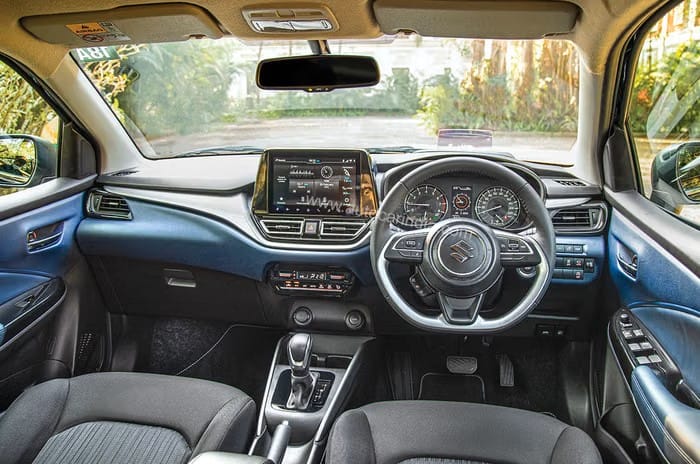
Safety was finally given due weight, with six airbags on higher trims and platform reinforcements for improved crash protection. Maruti also switched from the earlier CVT to a more cost-effective AMT, which improved efficiency but lacked the smoothness of the outgoing transmission.
A decade later, Baleno still driving Nexa’s numbers
A steady performer in a changing hatchback market
Since its launch, the Baleno has accounted for 51 percent of Nexa’s sales, underlining its importance in Maruti’s premium portfolio. It also spawned the Toyota Glanza, a badge-engineered version sold through Toyota’s network. Over time, the Heartect platform went on to underpin several other Maruti models, including the Ertiga, Brezza and Fronx.
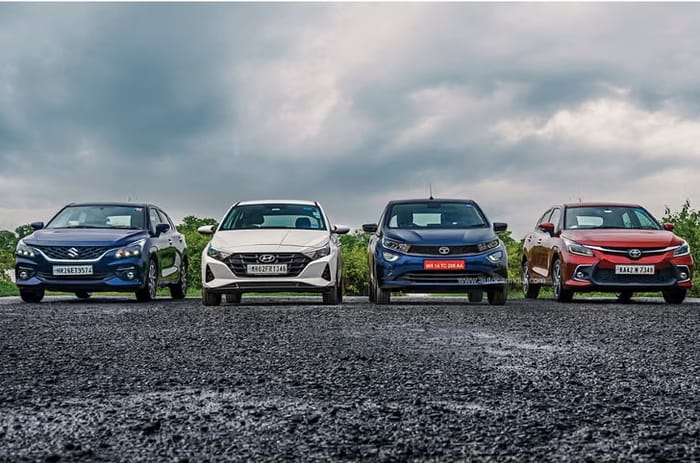
In the segment, the Baleno continues to face competition from the Hyundai i20 and Tata Altroz, while models like the Volkswagen Polo and Honda Jazz have bowed out of the market.
Despite changing rivals and tighter competition, the Baleno remains one of India’s most consistent-selling premium hatchbacks.
Ten years, two million milestone: Baleno’s sales story
A decade of steady demand and reach for Maruti’s premium hatch
Sales of the Maruti Suzuki Baleno have crossed 2 million units, with 1.69 million units in India and about 0.4 million units exported.
Its best year came in FY2019 with over 2.1 lakh units sold, before a brief slowdown after Maruti’s diesel exit. The second-gen Baleno in 2022 revived demand, again crossing the 2-lakh mark in FY2023.
Sales have since stabilised, placing the Baleno as India’s third bestselling car in FY2025, behind only the Wagon R and Swift. From a million units in six years to two million in under a decade, the Baleno remains one of Maruti’s most consistent performers in the premium hatchback segment.
With inputs from Ajit Dalvi


 Uday Singh

 Glenn Noronha
 Dipan Sur