


video|30 Aug 2025
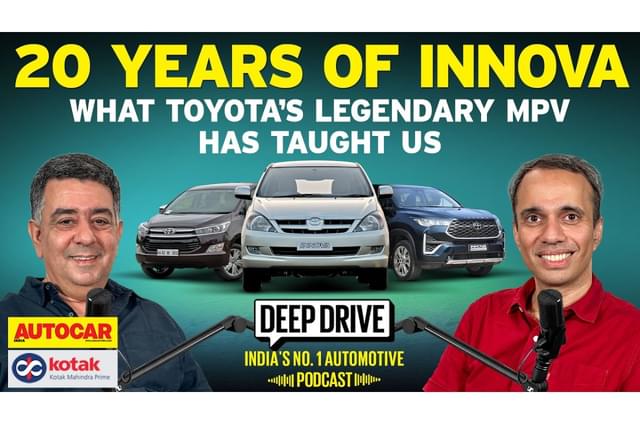
Deep Drive Podcast: How the Innova built Toyota in India

Last Updated on: 29 Mar 2026
.png?w=640&q=75)
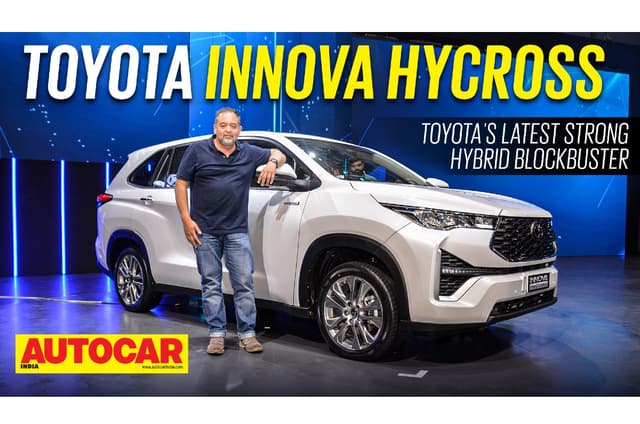
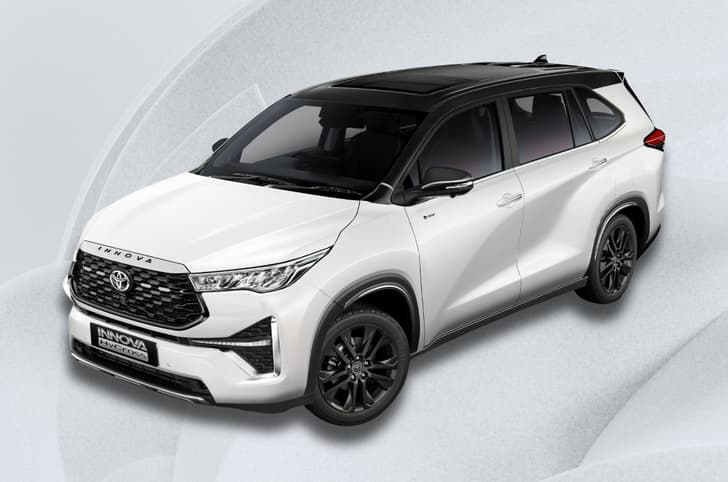
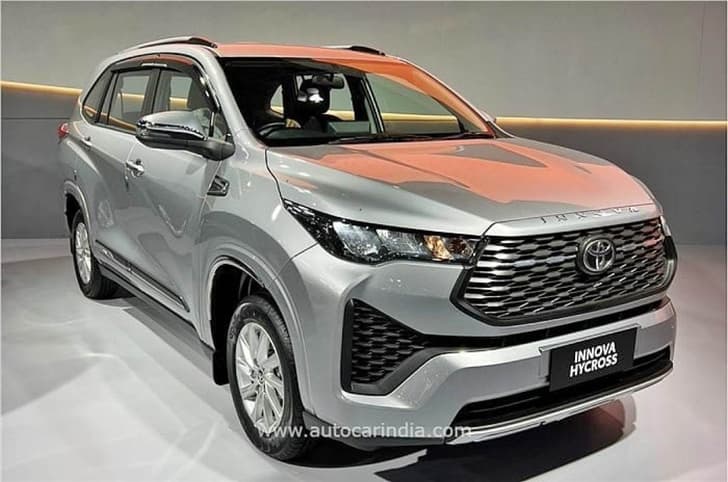
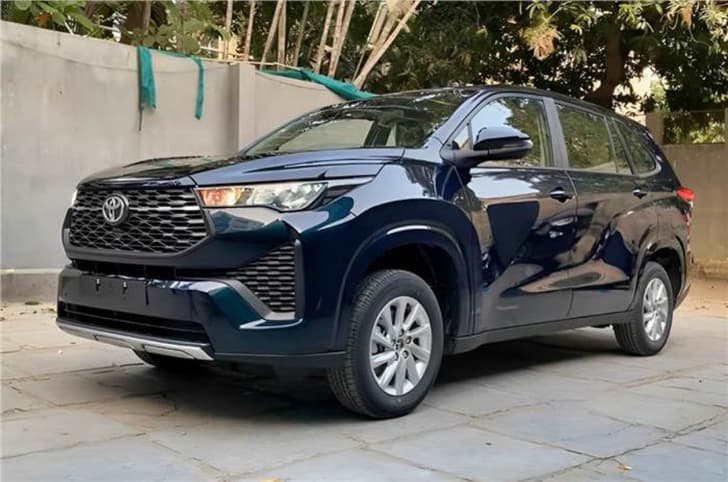
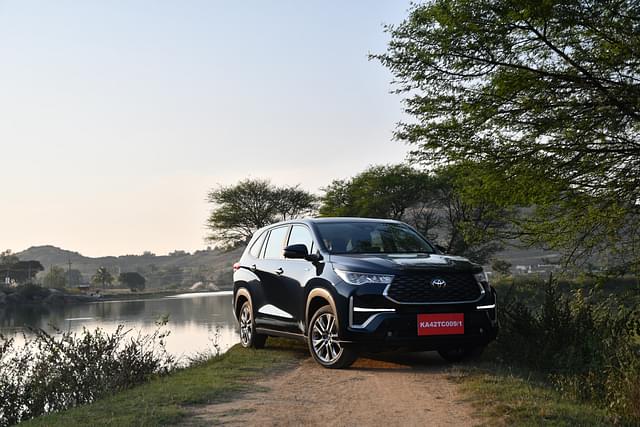
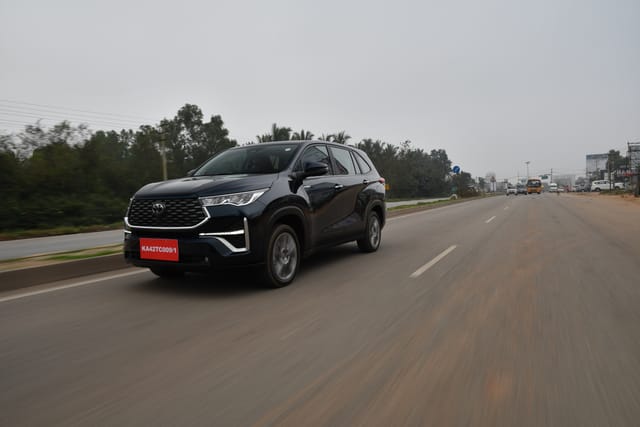
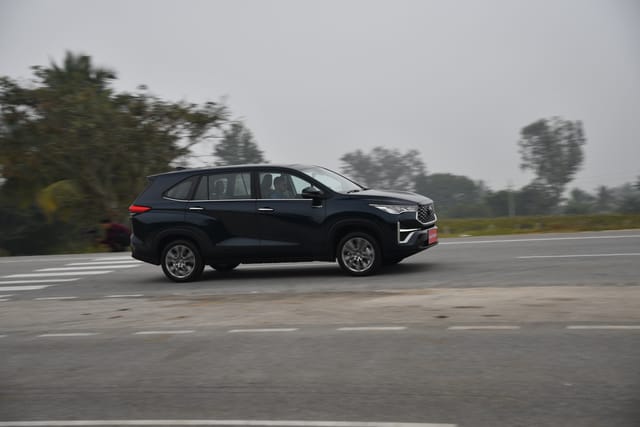
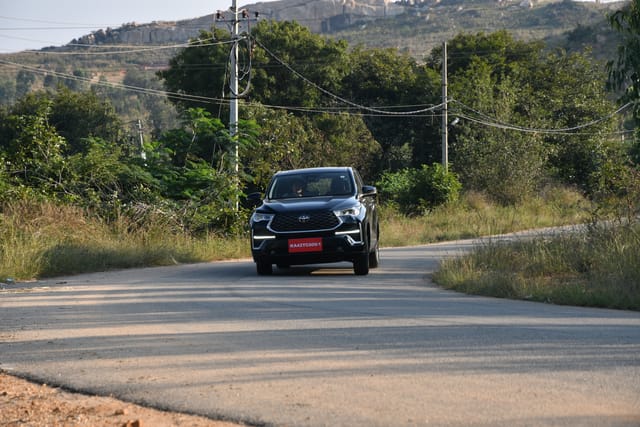
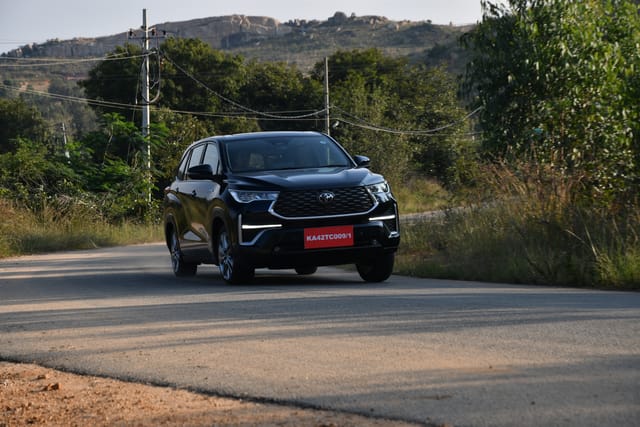
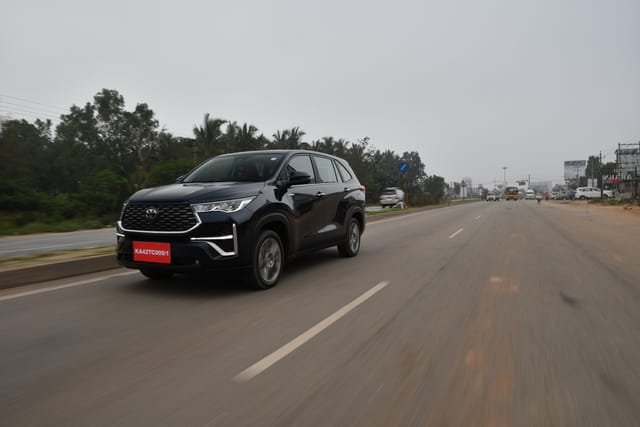
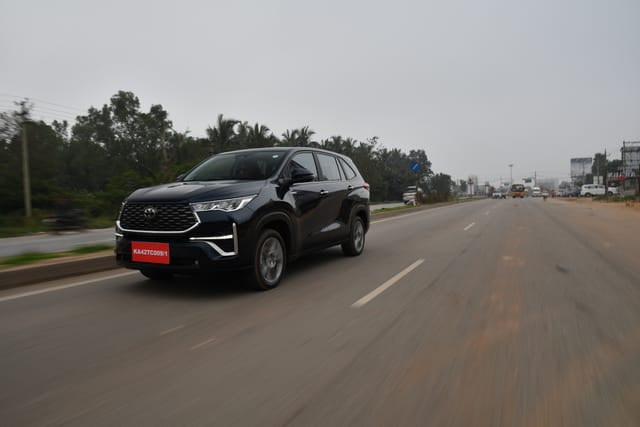
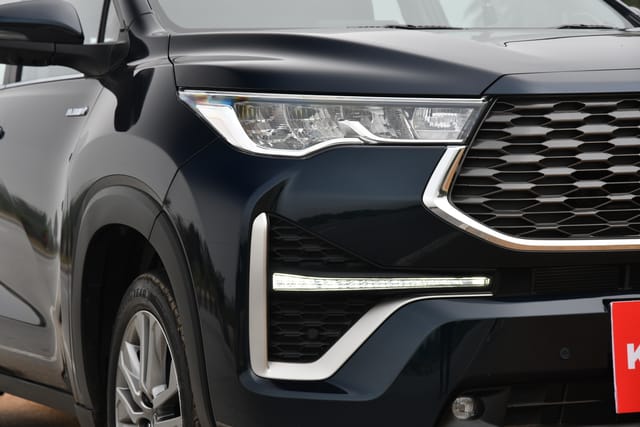
Toyota Innova Hycross price starts at Rs 19.94 lakh in India.
The Toyota Innova Hycross ZX(O) Hybrid is the most expensive variant, priced at Rs {{top_ex_showroom_price}}.
The Innova Hycross VX(O) is the most popular variant currently.
The Innova Hycross G and GX does not come with hybrid setup.
The Innova Hycross is more expensive thanks to its fuel efficient petrol hybrid powertrain.
The new Toyota Innova Hycross price in Delhi starts at Rs 21.24 lakh.
The Toyota Innova Hycross hybrid price starts at Rs 25.90 lakh and extends to Rs {{top_ex_showroom_price}} (ex-showroom).
The Toyota Innova Hycross base model price is Rs 18.33 lakh (ex-showroom).
The Toyota Innova Hycross top model price is Rs 31.30 lakh (ex-showroom).
The Toyota Innova Hycross base model on road price in Delhi is Rs 21.24 lakh (ex-showroom).
The Toyota Innova Hycross top model on road price in Delhi is Rs 36.31 lakh (ex-showroom).
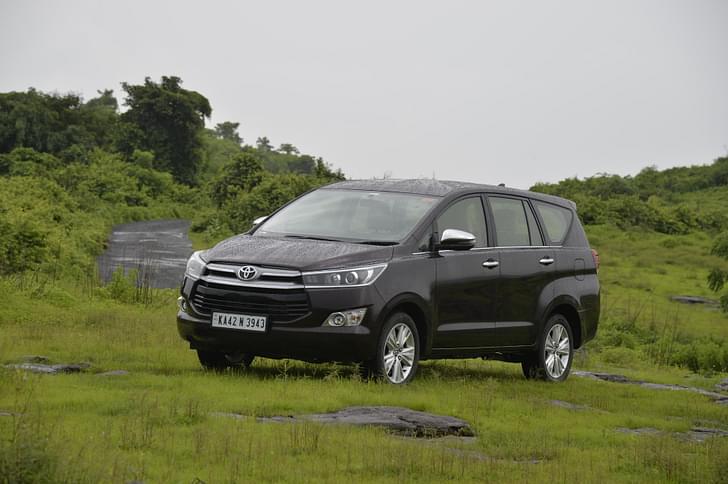
For your usage of just 400-500 km a month, it makes more sense to hold on to your Toyota Innova Crysta diesel automatic. It already offers the space, comfort and reliability you are looking for, and with such low running, you are unlikely to benefit financially from switching to a new car. The cost of upgrading will be significantly higher than any savings or advantages you gain, especially since your current car is still relatively new.
That said, with low usage and mostly short drives, you should ensure the car gets an occasional longer run to keep everything in good condition.
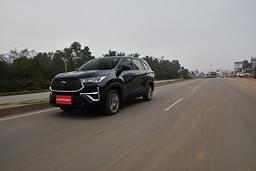
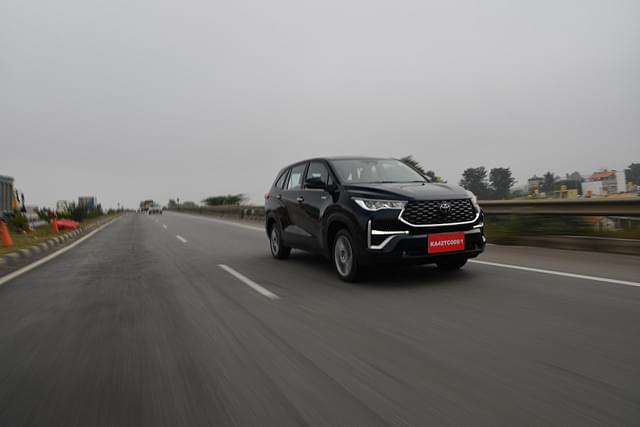
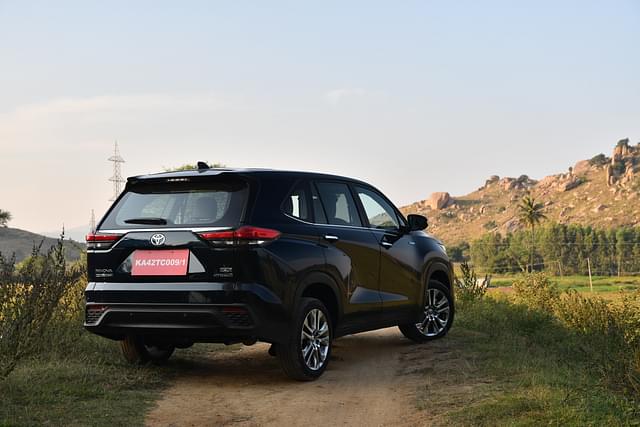
If you are still considering a change, it should be more for a different experience rather than a direct replacement. The Toyota Innova Hycross hybrid is the closest alternative in terms of size and practicality, while offering a more modern cabin and a smoother petrol-hybrid driving experience that suits low running better.
So, unless you specifically want newer features or a different driving experience, it is best to continue with the Crysta, as it already fits your needs very well.
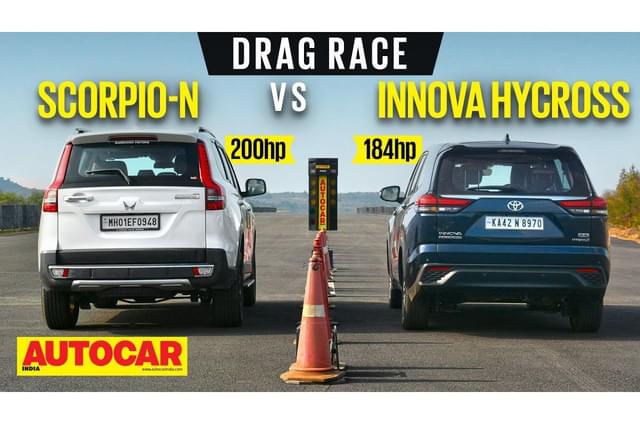
The right choice essentially boils down to your priorities. If the driving experience and general feel-good factor are important to you, the Mahindra XUV 7XO AX7 L has more to offer. The 200hp petrol engine is strong and refined, and delivers an enjoyable drive experience. The 6-speed AT gearbox that's well in tune with the engine's character and well-balanced ride and handling also easily makes the XUV 7XO a better driver's car. Mahindra has also gone to town with features on the XUV 7XO, and elements like the triple screen layout do add a wow factor to the cabin.
On the flipside, the 7XO isn't the best vehicle for 6/7 passengers. The middle row seats don't slide fore and aft, so there's no way to balance space for the third row of occupants. Space in the last row is tight, and there's also very limited luggage room with all seats up.
The Toyota Innova Hycross with the 2.0-litre petrol engine does little to excite. Sure, engine refinement is good, and performance is pleasant, but the CVT gearbox really takes away from the experience. Fuel economy is also very poor (to be fair, the XUV 7XO petrol is also poor on efficiency). Also, the GX(O) is a mid-spec variant of the Hycross.
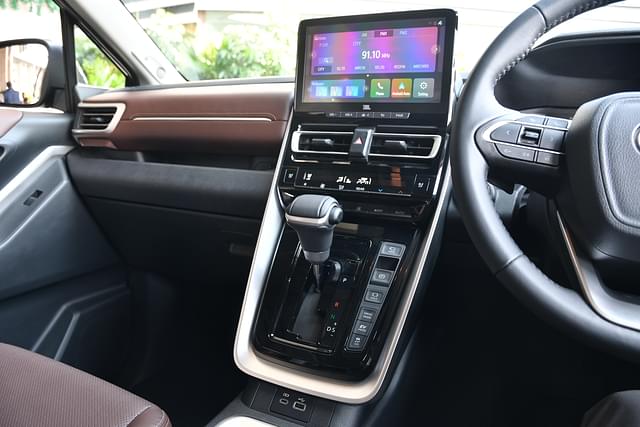
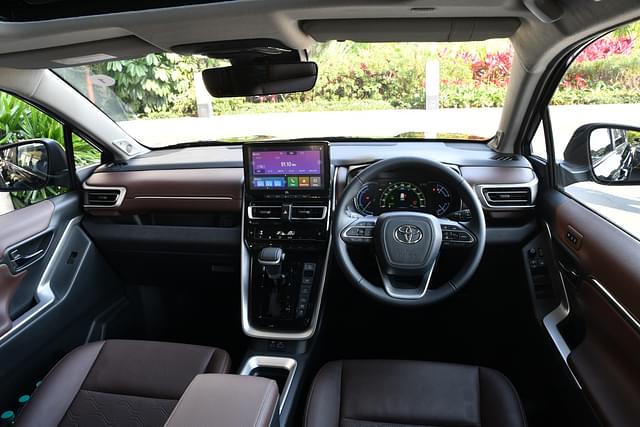
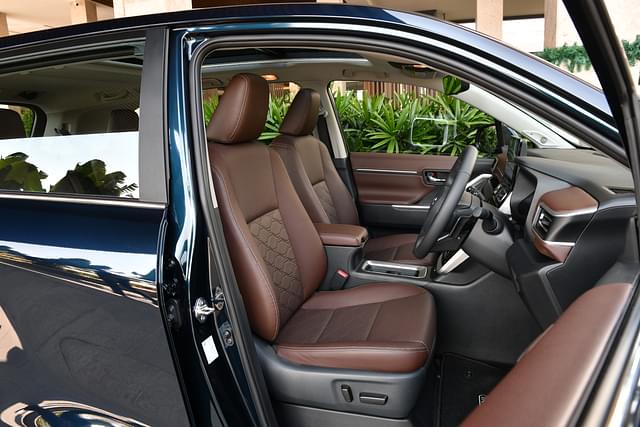
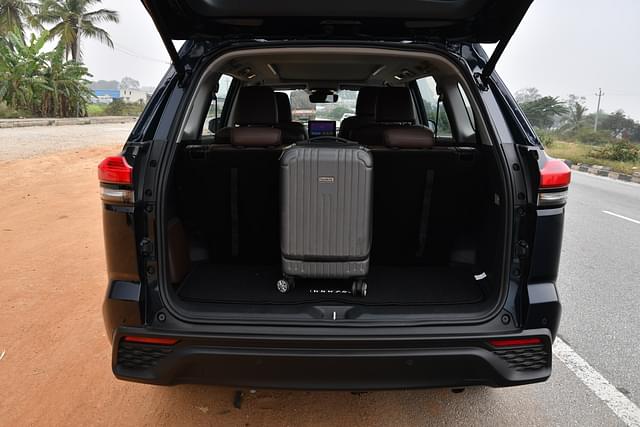
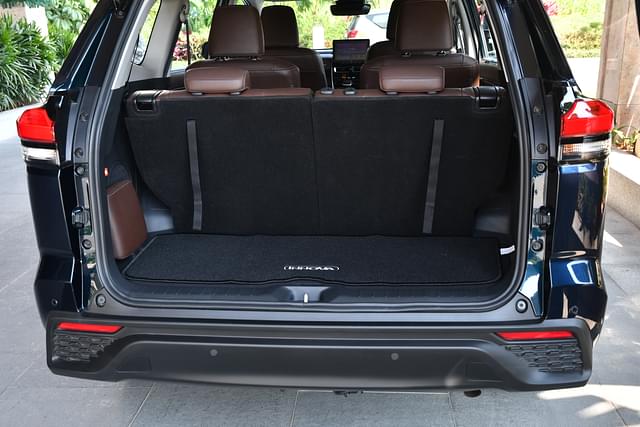
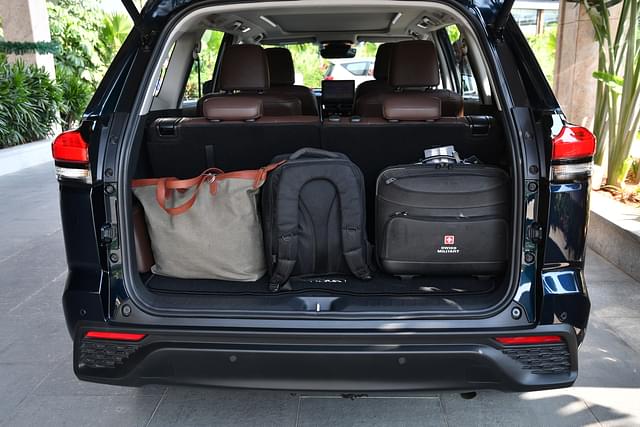
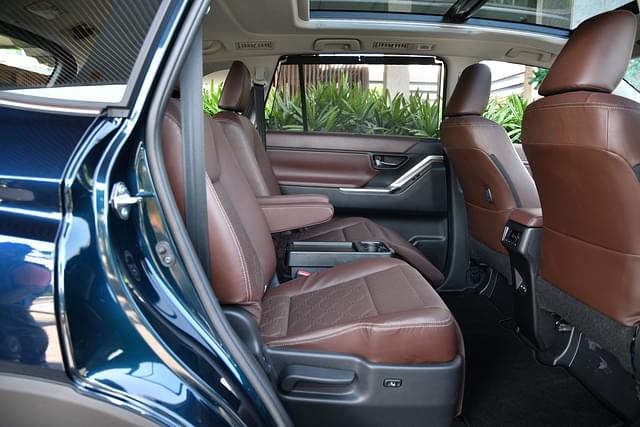
The interior looks and the fabric upholstery are not in keeping with a vehicle of this price. Where the Innova Hycross excels is in seating comfort and space. The second row is flexible, and there's loads of room even in the last row. It's easily the comfiest vehicle on long distance journeys. Further, the Hycross also offers reasonable space for luggage with all seats up.
An alternative you could consider is the all-electric Mahindra XEV 9S. It has all the wow factor of the XUV 7XO and also adds in seating flexibility with sliding middle row seats. Other highlights include refinement and strong power. The XEV 9S offers more than enough range for your daily drives and, if you choose a route with ample charging stations on the way, can also be used as a long-distance vehicle.
The Hyundai Creta is actually a very good car and is very comfortable for the mid-size SUV segment, but when you compare it to something like the Innova Crysta, you are always going to feel a drop in comfort. The Crysta is a larger people mover, built primarily for comfort, whereas the Creta’s strengths are being more compact, easier to drive and more feature-rich.
If comfort is your top priority, then it does make sense to go back to an Innova. In your budget, we would suggest looking at the Innova Hycross GX(O) automatic.
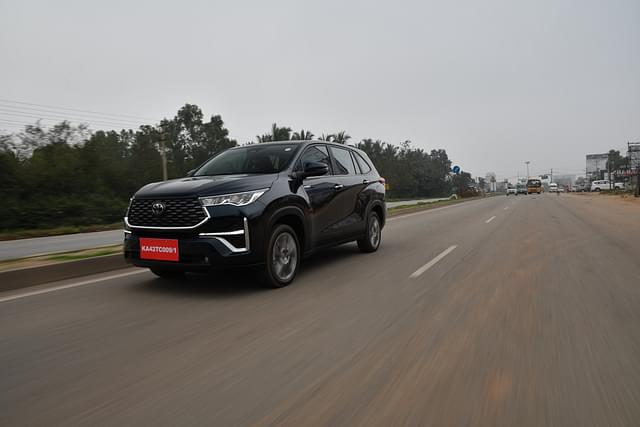
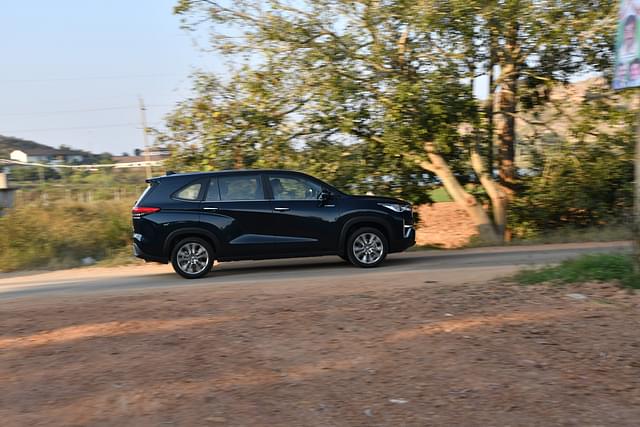
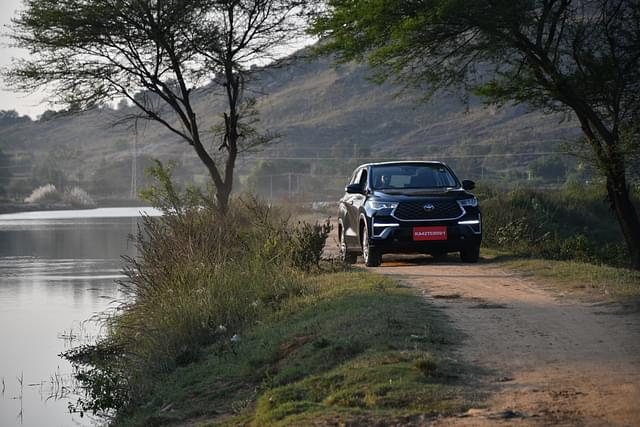
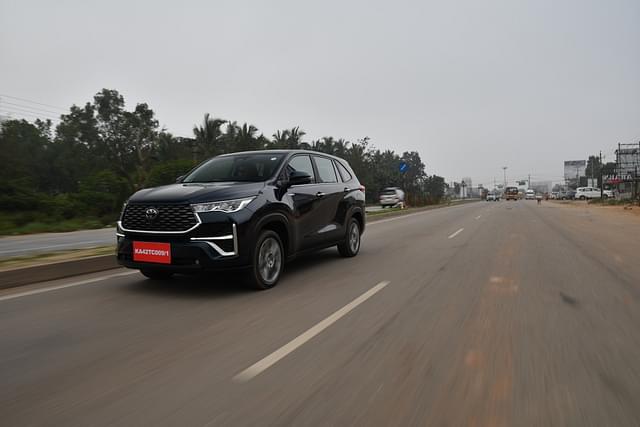
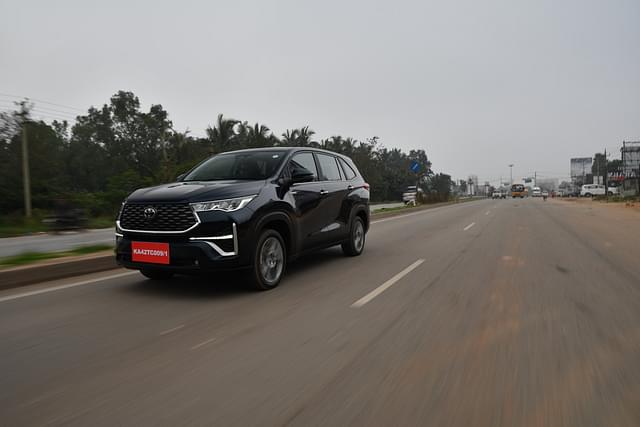
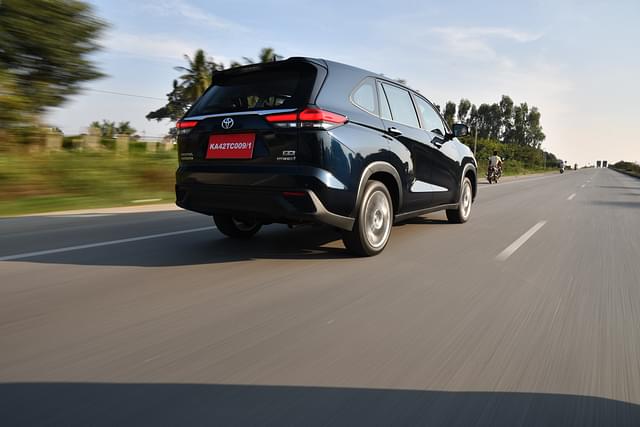
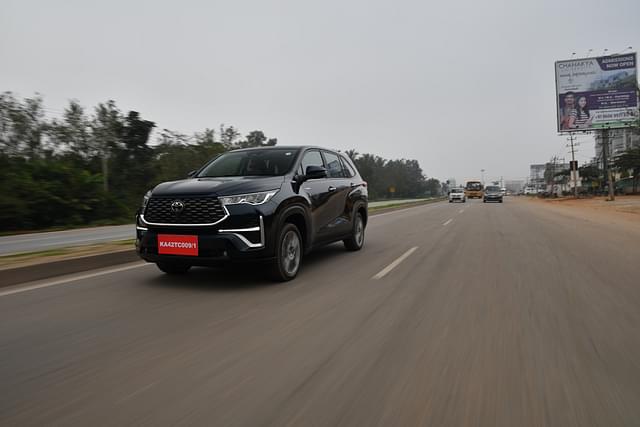
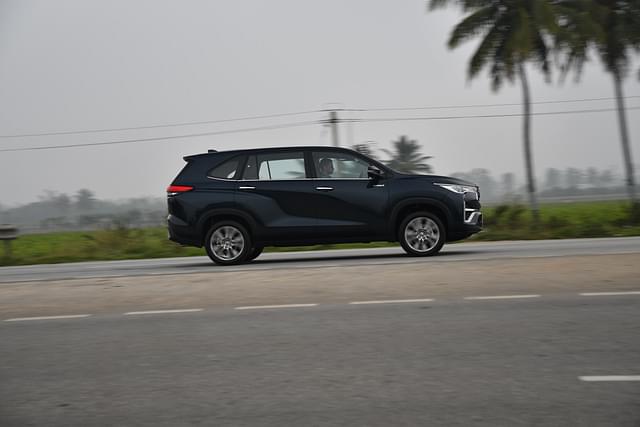
The Toyota Innova Hycross feels more car-like to drive compared to the Crysta, thanks to its monocoque construction. It has lighter steering, a smooth CVT gearbox and a comfortable ride, which makes it easier to use in the city as well. The naturally aspirated petrol engine is smooth and responsive enough for both city and highway driving.
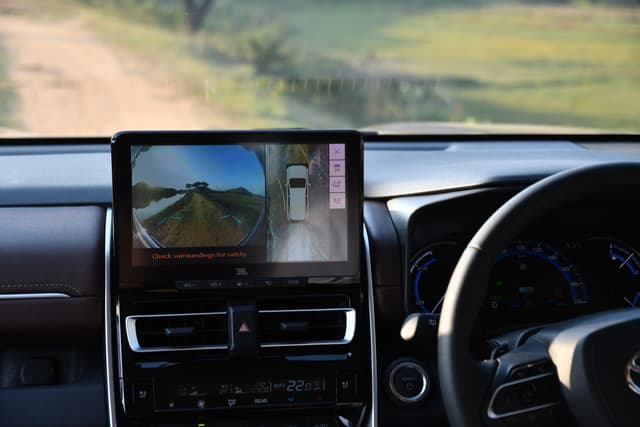
More importantly, there is a lot of space inside the cabin, and overall comfort is on another level compared to mid-size SUVs like the Creta. The GX(O) variant is not very feature-loaded, but it has all the essentials. Since your priority is comfort, that shouldn’t be a deal breaker.
For your requirement, we would suggest going ahead with the Innova Hycross Hybrid.
It will feel very familiar coming from your Innova Crysta, and since you kept your previous car for around 7 years, your usage clearly points towards long-term ownership. In that context, the Hycross makes a lot more sense because it offers the same space, comfort and practicality, along with a more modern, efficient powertrain.
EVs can suit your usage as well, especially for city driving, but considering your moderate running, the cost benefits won’t be very significant. You will also have to deal with charging and trip planning, which may not be ideal if you want a simple, hassle-free ownership experience.
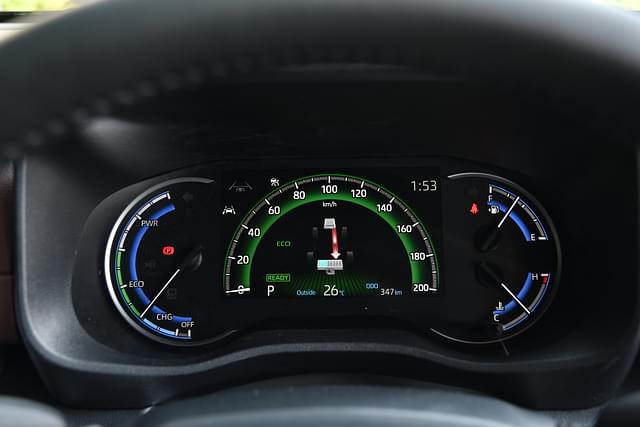
On the topic of efficiency, the Hycross Hybrid is often misunderstood. It may not deliver extremely high mileage figures like smaller cars, but for a large 7-seater, it is actually quite impressive. You can realistically expect 15 kpl+ in both city and highway conditions, which is very good for a car of this size. In fact, similarly priced petrol or diesel SUVs often struggle to consistently deliver even double-digit efficiency in real-world conditions.
Overall, the Hycross Hybrid gives you the best balance of familiarity, space, efficiency and long-term peace of mind. An EV is a good option if you are specifically inclined towards it, but for your usage and expectations, the hybrid is the more sensible and practical choice.