Autocar India

Suv Diesel Cars Under 10 Lakh in India (8)
Discover the best Suv Diesel Cars Under 10 Lakh. Our comprehensive guide covers detailed specifications, expert reviews, pricing information, and buying advice for Suv Diesel Cars Under 10 Lakh. Find the perfect cars that matches your requirements and budget.

Show more
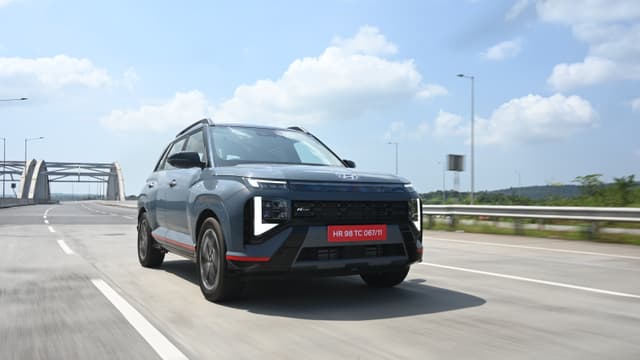
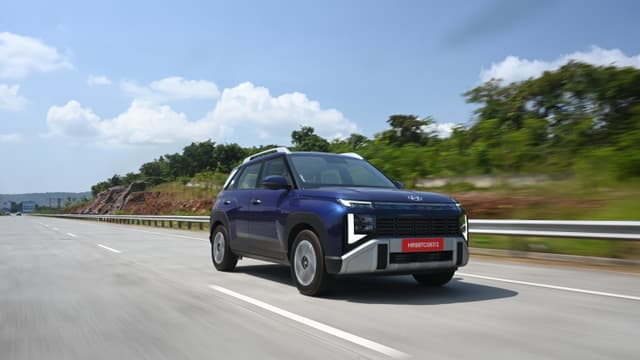
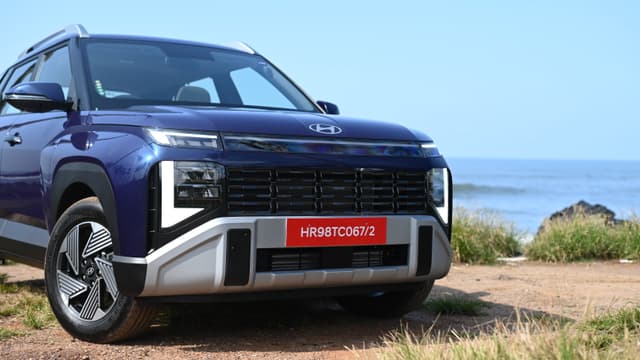
Hyundai Venue
Hyundai Venue
Hyundai Venue
Hyundai Venue
Hyundai Venue
8
17.5-24.2 kmpl
Petrol, Diesel
Automatic, Manual
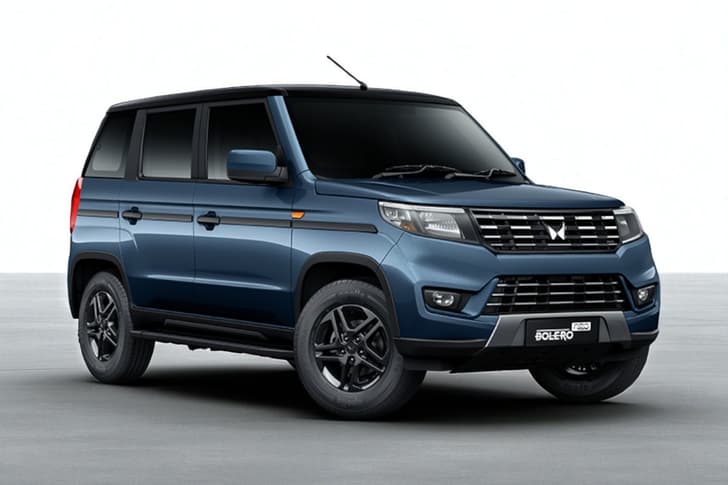
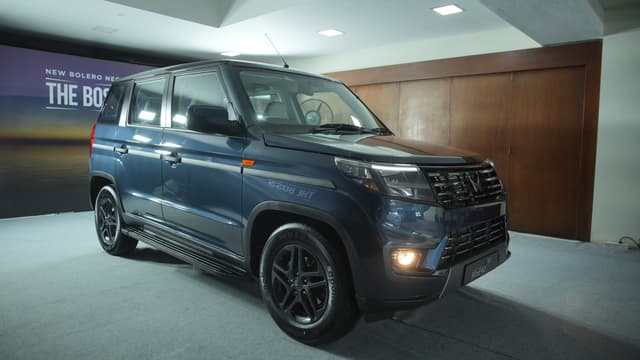
Mahindra Bolero Neo
Mahindra Bolero Neo
Mahindra Bolero Neo
Mahindra Bolero Neo
Mahindra Bolero Neo
6
18.0 kmpl
Diesel
Manual
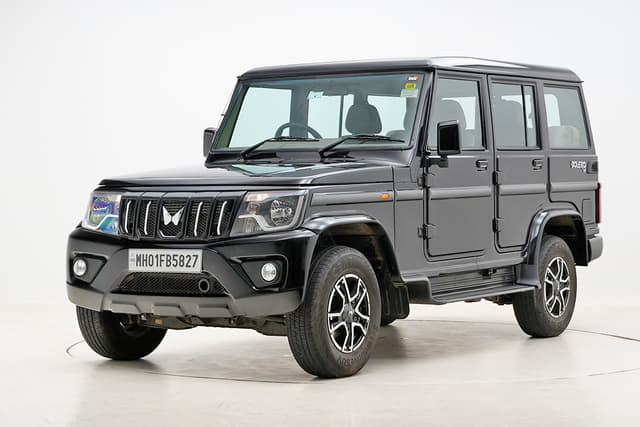
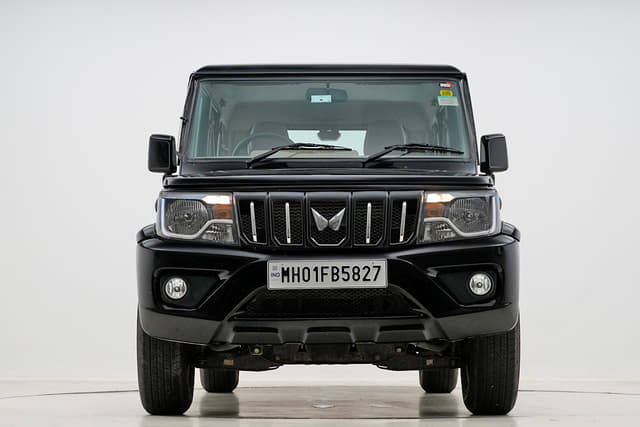
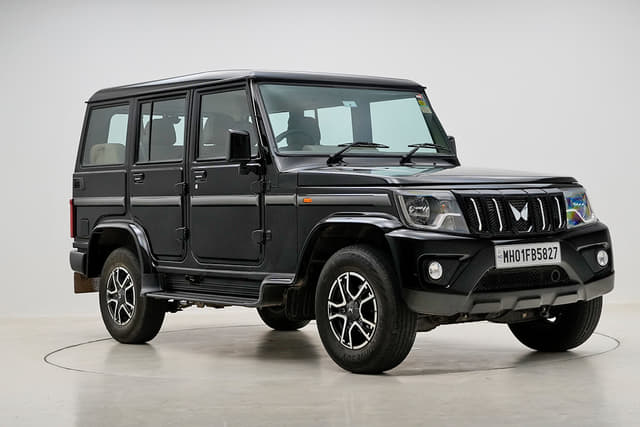
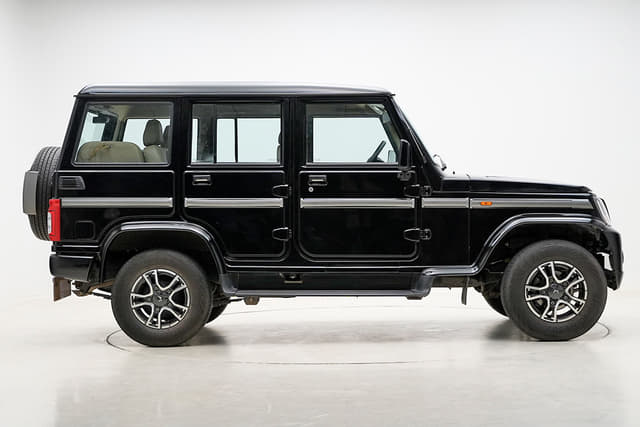
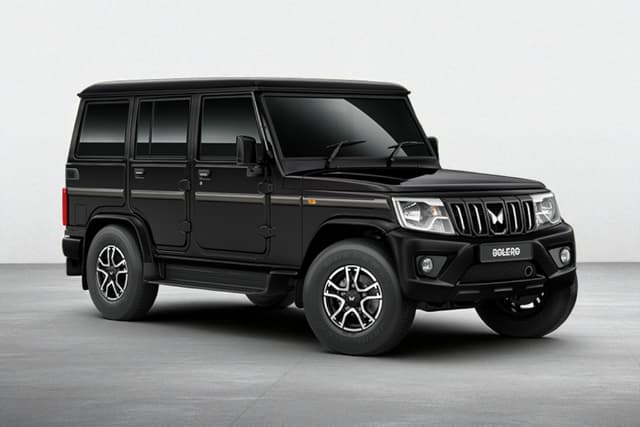
Mahindra Bolero
Mahindra Bolero
Mahindra Bolero
Mahindra Bolero
Mahindra Bolero
6
16.5 kmpl
Diesel
Manual
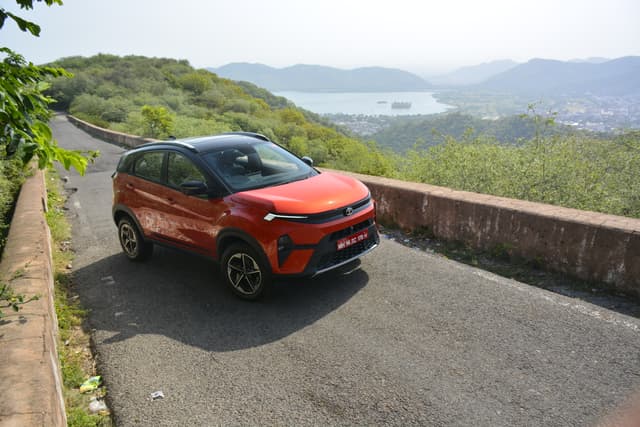
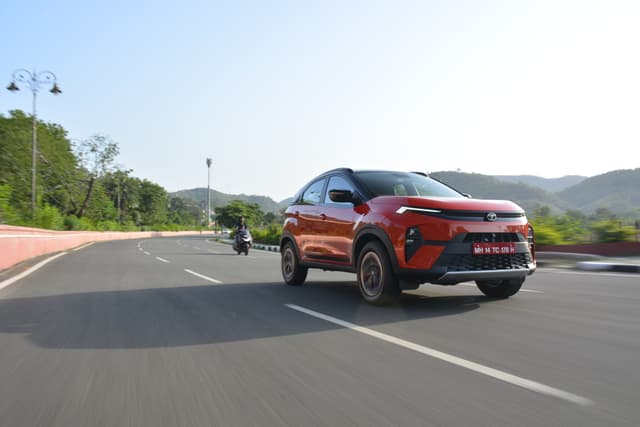
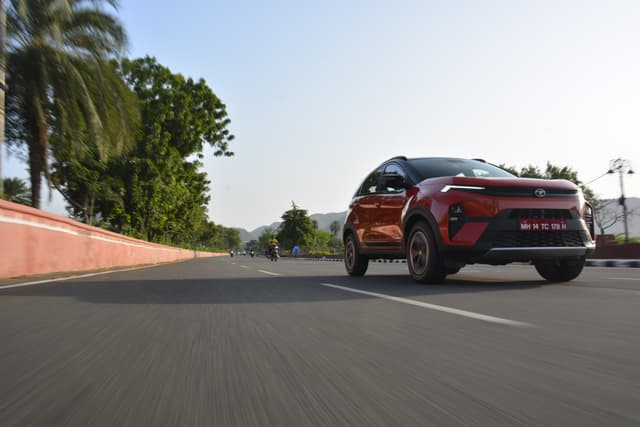
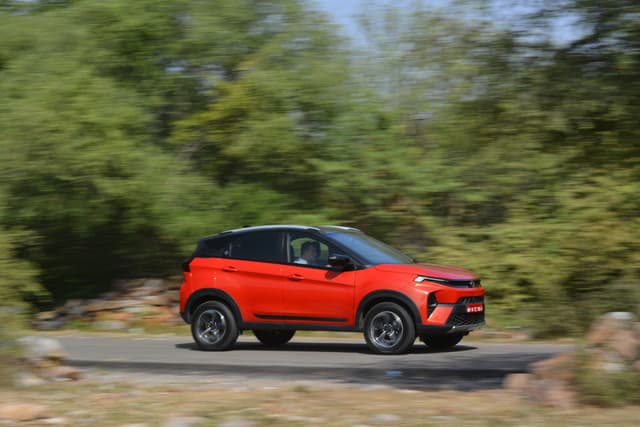
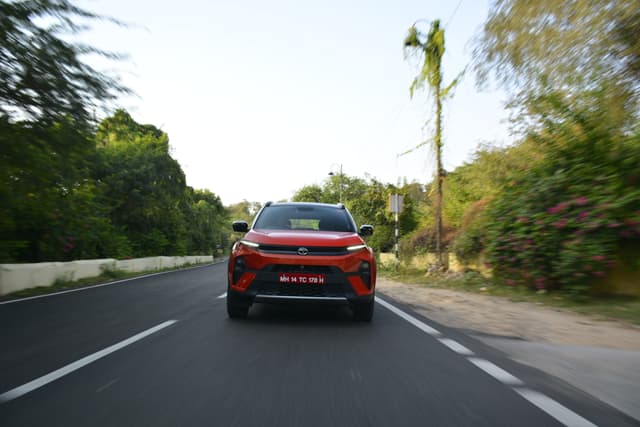
Tata Nexon Front Right Three Quarter
Tata Nexon Front View
8
17.0-24.0 kmpl
Petrol, Diesel, CNG
Automatic, Manual
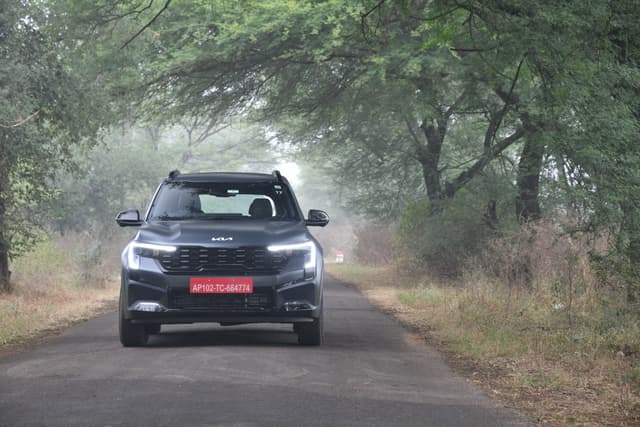
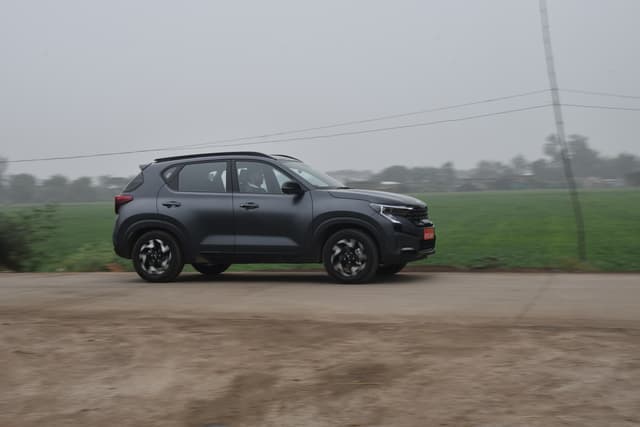
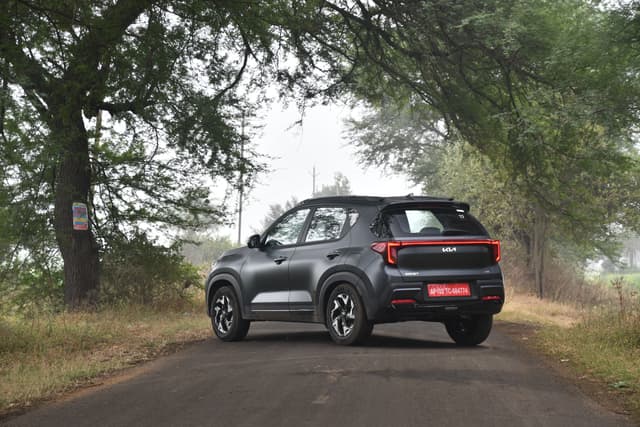
Kia Sonet Front View
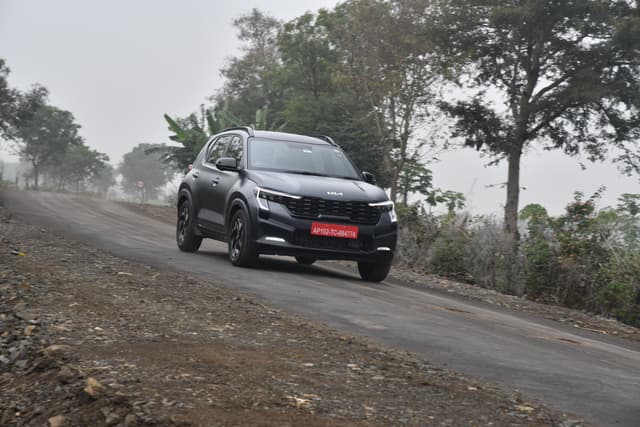
Kia Sonet Front Right Three Quarter
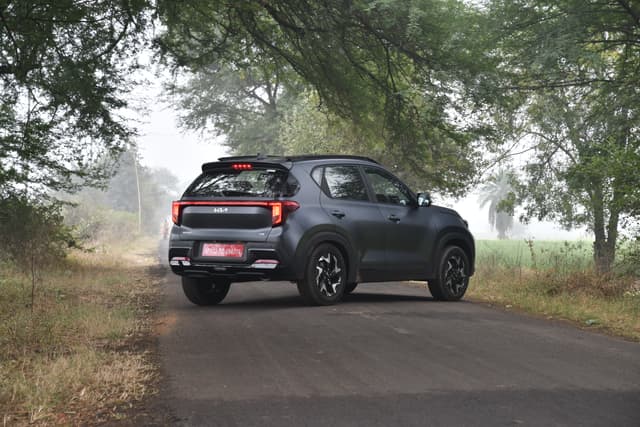
Kia Sonet Rear View
Kia Sonet Front Right Three Quarter
Kia Sonet Rear View
8
18.6-24.1 kmpl
Petrol, Diesel
Automatic, Manual
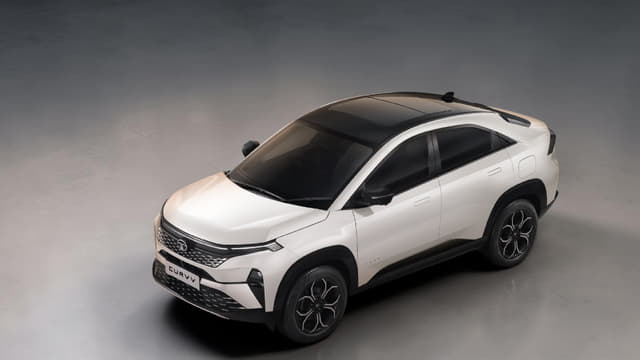
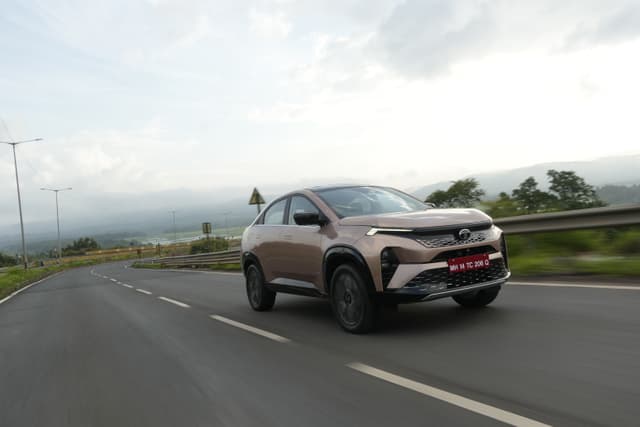
Tata Curvv Front Right Three Quarter
Tata Curvv Color Light Pink
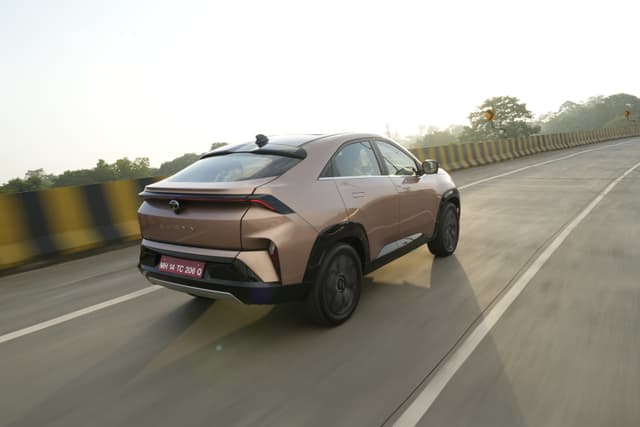
Tata Curvv Rear View
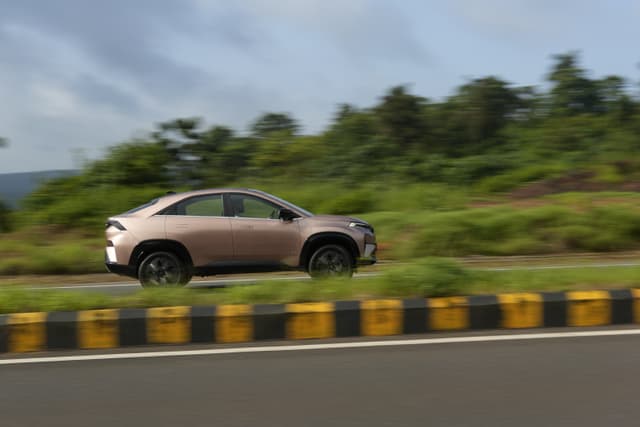
Tata Curvv Front Right Three Quarter
6
Diesel, Petrol
Automatic, Manual
5 seater
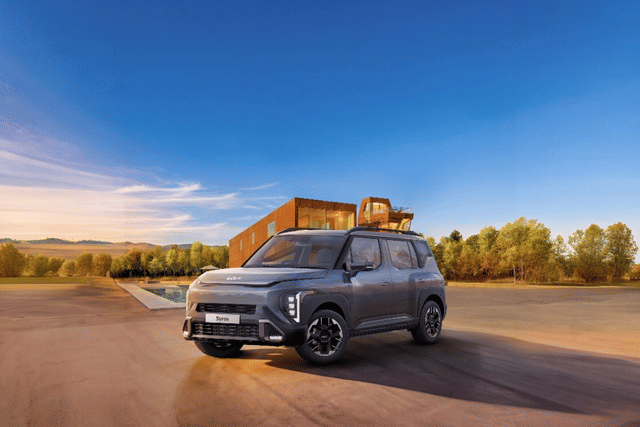
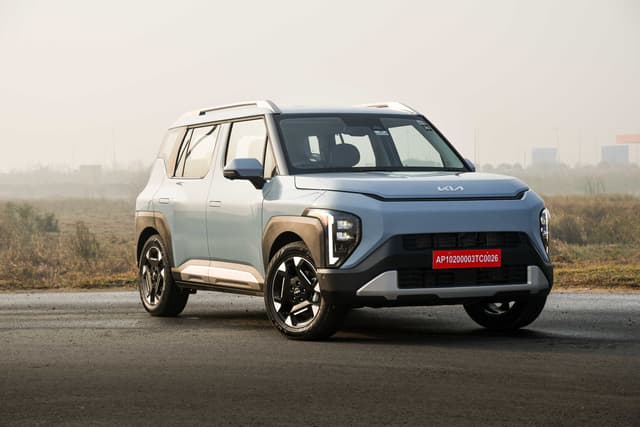
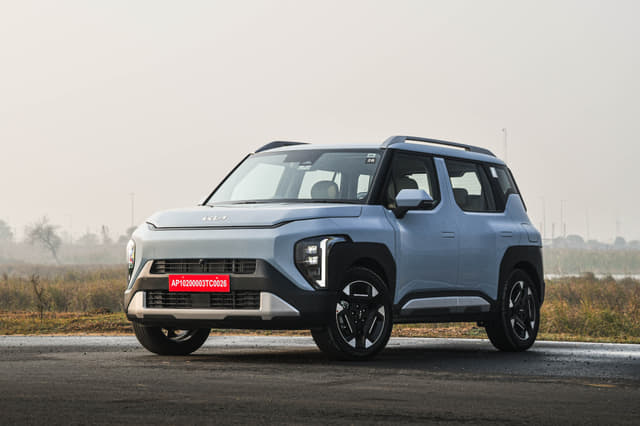
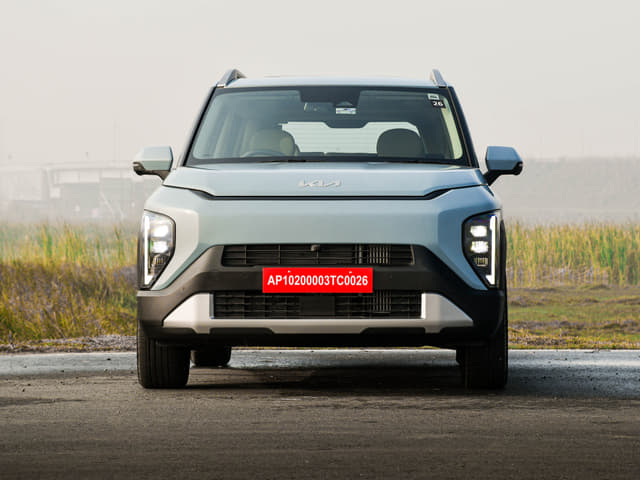
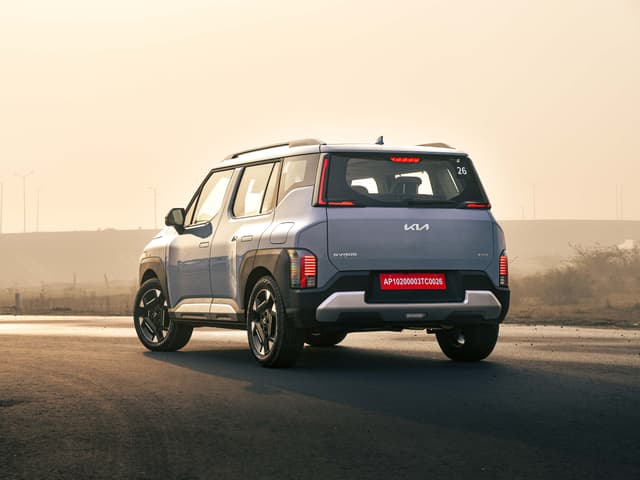
Kia Syros
Kia Syros
Kia Syros
Kia Syros
Kia Syros
9
17.6-20.8 kmpl
Petrol, Diesel
Automatic, Manual
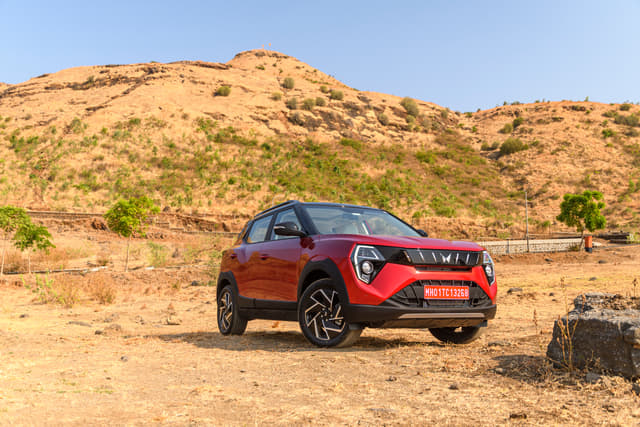
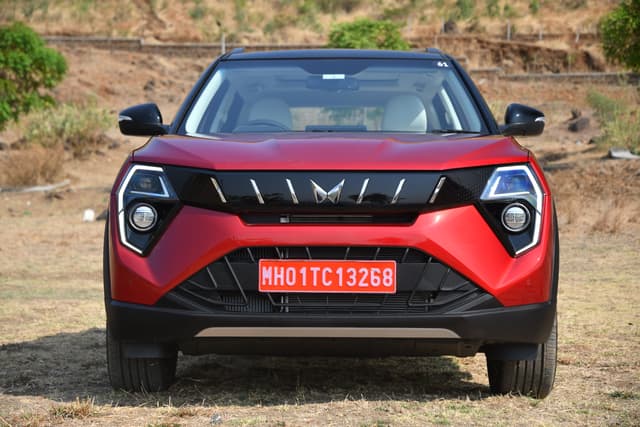
Mahindra XUV 3XO Front Left Three Quarter
Mahindra XUV 3XO Front View
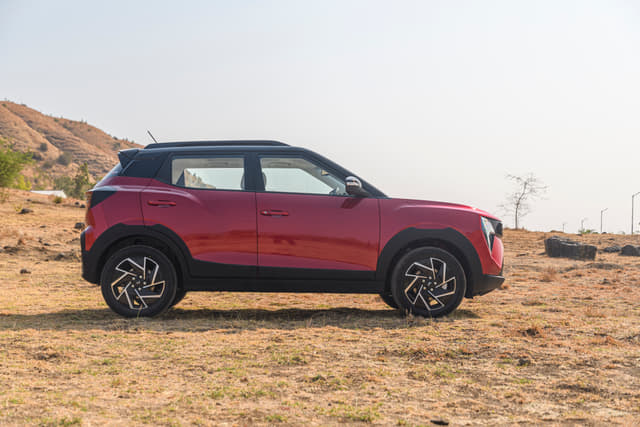
Mahindra XUV 3XO Alloy Wheels
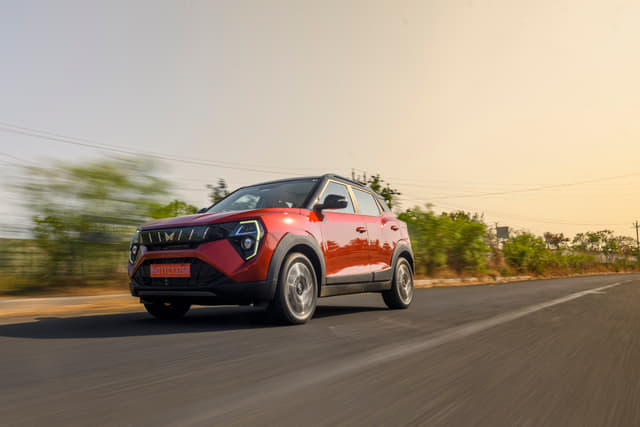
Mahindra XUV 3XO Front Right Three Quarter
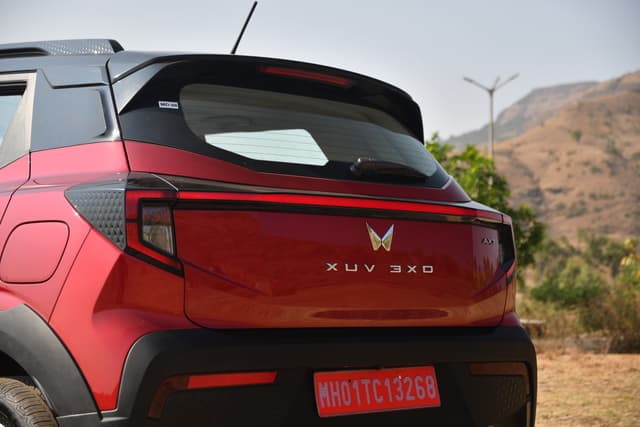
Mahindra XUV 3XO Rear Logo
8
18.0-21.2 kmpl
Diesel, CNG, Petrol
Automatic, Manual

Trending Questions on Cars - Answered by Autocar Experts

14w

Hi Autocar Team, I am planning to buy a used SUV in Pune with a budget of up to ₹10 lakh and would really appreciate your suggestions. We are a family of four, and I am the only driver. I am 6’2” and slightly on the heavier side, so cabin space, seat comfort, and good driving ergonomics are very important to me. My usage includes a daily office commute of around 20 km, along with regular weekend trips and frequent drives to Konkan. Because of this, good ground clearance, ride comfort, and highway stability are essential requirements. My priorities are: Safety Comfort Reliability Low maintenance costs Decent fuel efficiency Good boot space Could you please advise on the following: Best used SUVs under ₹10 lakh for my requirements Whether petrol or diesel would suit my usage better Manual vs automatic transmission Ideal model year/age of vehicle to target Which models or engines should be avoided in the used car market Reliable platforms to buy from, such as Spinny, Cars24, CarDekho, etc. Important things to inspect before finalising a used SUV purchase Looking forward to your advice. Thanks!

Verified
13w

City commute plus frequent Konkan runs, a family of four, and a tall driver - in this brief, a used Hyundai Creta diesel is the best-fit car under Rs 10 lakh. It rides well over broken roads, stays steady at highway speeds, has a big boot, and the wide seat and upright driving position suit a 6’2” frame well. The diesel is reliable and uses less fuel on long trips.A strong alternative, if you don’t find a clean Creta, is the Renault Duster diesel manual for its comfy seats and torquey engine.On petrol vs diesel: a petrol would be better with just a 20km daily commute, but since you are frequently heading out of town with family in tow, a diesel car makes more sense. Manual vs automatic: an automatic eases Pune traffic, and the Creta's smooth torque-converter auto is the reliable pick in this price range.Target 2018-2021 cars with under 70,000km. Buy from reliable sources like Spinny with inspection and return/warranty. Check the full service history, accidental/flood signs, clutch and suspension health, tyre age, underbody rust, A/C, electricals, and do an OBD scan. Ensure the driver's seat adjusts far enough back for you.

VehicleHyundai Creta
14w

Hi Autocar team, I’m planning to buy a compact SUV, but I am a little confused between the Mahindra XUV 3XO MX2 Diesel and the Hyundai Venue HK5 Petrol. My budget is strictly ₹10 lakh. I need a car that offers good mileage and is fun to drive. Please suggest which one would be the better choice.

Verified
14w

If your priorities are better mileage and a fun-to-drive experience, we would recommend the Mahindra XUV 3XO MX2 diesel, provided your running is healthy enough to justify a diesel. Its 1.5 diesel has strong low-end punch, an effortless mid-range, and feels more muscular than the Venue’s 1.0 turbo petrol, especially on highways and overtakes. Fuel efficiency of the Mahindra car will also be clearly better.That said, the Hyundai Venue HX5 1.0 turbo petrol is the more polished and easier car to live with. The turbo petrol is genuinely peppy, refinement is better, and Hyundai’s ownership experience tends to feel more consistent. If your running is not particularly high and you mostly do shorter city trips, the Venue is actually the smarter long-term choice.So if mileage is your absolute top priority and your usage suits diesel, pick the XUV 3XO. If you want a more fuss-free and still fun turbo petrol package, the Venue is the better fit. The Hyundai Venue price starts at Rs 8.00 lakh and goes up to Rs 15.65 lakh (ex-showroom, Delhi).

VehicleMahindra XUV 3XO
VehicleHyundai Venue
6d

I’m 52 years old and have been driving a Maruti Ciaz ZXI for the last 10 years. It has covered only around 83,000km. I’m now looking for a 5 to 7-seater SUV with a budget of around Rs 20 lakh, with a 10 percent flexibility. I’m confused about whether to choose an automatic or manual, and whether petrol, diesel or a strong-hybrid powertrain would be more suitable. My priorities are good ground clearance, comfortable ride quality, well-finished interiors, a good infotainment system, strong safety features and reasonable maintenance costs. Please suggest a suitable vehicle based on these requirements.

Verified
1d

Given your usage pattern of 83,000 km over 10 years, your annual running is relatively low, so a petrol car or hybrid car makes the most sense. Diesel is best avoided as the cost premium and potential DPF-related issues are not justified at your running. Between automatic and manual, we would strongly recommend an automatic since it makes city driving far easier and modern automatics are reliable and refined.For your requirements, the Maruti Suzuki Victoris Hybrid is the most sensible recommendation. It offers good ground clearance, a comfortable ride, a spacious and practical cabin, and a strong focus on reliability and low maintenance costs. The hybrid powertrain delivers excellent fuel efficiency in city driving, and the car is easy to live with over the long term. The infotainment system is modern and user-friendly, and safety features are well covered, including a 5-star Bharat NCAP rating.If you want a 7-seater, the Kia Carens is worth considering. It offers a more flexible seating arrangement and a comfortable ride, but the Victoris Hybrid remains the more efficient and lower-maintenance option.

VehicleMaruti Suzuki Victoris
VehicleKia Carens
1w

I currently own a 2016 Mercedes E250 CDI Edition E. The car is soon to complete 10 years, and we are looking for an upgrade. We are interested in buying the GLS. The car will run in a city and on a highway mix. We are not interested in the petrol engine, considering the low mileage. So the 450D becomes the natural option for us. But does it make sense to spend 1.6 crore on a diesel engine car in 2026, considering future conditions and also the possibility of a significant decrease in resale value if govt brings out some stringent policies on diesel cars?

Verified
1w

The Mercedes-Benz GLS 450d is a superb upgrade from your E250 CDI, offering a significant step up in space, comfort and luxury. Given your city and highway mix, the diesel engine is actually the right choice – it delivers strong torque, effortless cruising and better efficiency than the petrol, especially in a large SUV like the GLS.The bigger question is the long-term outlook for diesel. The 10-year rule applies only to Delhi-NCR, and there is currently no nationwide policy restricting diesel ownership or resale. The GLS 450d uses Mercedes’ latest diesel technology, which is Euro 6 compliant and among the cleanest diesel engines available. It is unlikely that the government will suddenly ban or heavily penalise such modern, clean diesels.That said, diesel is not completely risk-free. Policy direction can change, and diesel cars generally depreciate faster than petrol or hybrid equivalents. At Rs 1.6 crore, that is a significant consideration.If you are planning to keep the car for 7-10 years, the GLS 450d still makes sense. You will get the full benefit of the car’s capabilities, and depreciation becomes less of a concern over a longer ownership period. If you typically change cars every 3-5 years, the potential for faster depreciation is a bigger factor.The GLS 450d is the right car for your usage, but be realistic about depreciation and ownership period.

VehicleMercedes-Benz GLS
1w

Hi Team, I’ve finally decided to go ahead with the Tata Harrier Adventure X+ Diesel AT instead of the petrol variant. I was previously a WagonR owner, and for the last three years, I’ve been driving a VW Taigun 1.5 MT Petrol. My only concern with switching to a diesel is the DPF (Diesel Particulate Filter). My running is around 500 km per week, so I believe that should be sufficient, but I’m still not entirely clear about the DPF requirements. Does a diesel car need to be driven every day, or is regular weekly running of around 500 km enough to keep the DPF healthy? I’d also like to know about real-world experiences with diesel cars, particularly regarding DPF regeneration and maintenance. I’d really appreciate any suggestions or experiences you can share. Also, I’m a big fan of the Harrier. I did consider the 7-seater, but honestly, it feels a bit too long for my preference and has more of a “taxi” feel to it. The 5-seater Harrier looks much more proportionate and suits my taste better. Looking forward to hearing about your experiences.

Verified
1w

With 500km a week, you are well above the threshold where DPF becomes a concern. The DPF is designed to capture soot from the exhaust and then burn it off during a process called regeneration. This regeneration typically happens automatically when the engine reaches operating temperature and is held there for a sustained period, usually during a 15-20 minute drive at steady speeds. Your weekly running is more than sufficient for this.You do not need to drive the car every day. What matters is that the car gets regular runs where the engine is warm and running at a consistent speed. Short, stop-start city trips are what cause issues, not the frequency of use. As long as your usage includes some highway or longer stretches, the DPF will regenerate as intended.In real-world experience, modern Diesel cars are far less fussy about DPF than people fear. The issues tend to arise only with very low-mileage, purely urban cars. With your usage, the Tata Harrier Adventure X Diesel AT is a perfectly sensible choice. It is a strong, refined engine with good long-distance capability, and the automatic gearbox is well suited to both city and highway driving.The Harrier is also the right choice from a proportion and feel perspective. The Tata Safari is a good car, but if you do not need the third row, the Harrier is the more balanced and better-looking option.Go for the Harrier diesel without hesitation. Your usage is exactly what modern diesels are designed for.

VehicleTata Harrier
VehicleTata Safari

Last Updated on: 24 Aug 2026