Diesel Cars Under 20 Lakh in India (28)
Discover the best Diesel Cars Under 20 Lakh. Our comprehensive guide covers detailed specifications, expert reviews, pricing information, and buying advice for Diesel Cars Under 20 Lakh. Find the perfect cars that matches your requirements and budget.


Filter your search


Filter your search


Filter your search


Find cars by transmission


Trending Questions on Cars - Answered by Autocar Experts
Hi Autocar team, I am planning to buy a new car for daily use, as we already have a Maruti Suzuki Ciaz at home. I drive at least 15,000km a year, and probably closer to 20,000km, so I initially considered diesel options such as the Mahindra XUV 3XO MX2 diesel manual. The Kia Syros EV is also on my shortlist. The on-road price of the 3XO is around Rs 11 lakh, while the Syros EV costs about Rs 15 lakh, a difference of Rs 4 lakh. I estimate annual fuel costs of around Rs 1.09 lakh for the diesel and electricity costs of Rs 30,000 for the EV, with a payback period of roughly 4.5-5 years after accounting for lower servicing costs. I can charge at home daily, rarely travel more than 300km in one trip, and can use the Ciaz for longer journeys. I am also considering installing a home solar system for around Rs 2.25 lakh. Should I buy the Syros EV, stick with the 3XO diesel or wait for the upcoming Hyundai compact EV? What should I consider regarding battery warranty, resale value, real-world range and service experience?

Go for the Kia Syros EV. With your running of 20,000 km a year, home charging and a solar plant planned, the maths works in your favour. Your payback calculation of 4.5-5 years is realistic, and with solar, your running costs drop even further. The Syros EV is a well-rounded EV with a comfortable ride, good space and a smooth powertrain. Your usage pattern is ideal for an EV: daily charging at home, predictable running and the Ciaz available for longer trips.The Mahindra XUV 3XO diesel is a strong product and makes sense for high-mileage highway users, but your usage is city-heavy, and the EV will be far cheaper to run. The Hyundai compact EV is worth waiting for only if you are not in a hurry, but the Syros EV is already a very competent product. The only thing to keep in mind is resale value, which is still evolving for electric cars in India. But with your running and ownership period, the savings will more than offset that. Go for the Syros EV and enjoy the savings.
Kindly suggest me a car under a budget of Rs. 15-16 lakh running of around 4000km per month. I am confused between EV or diesel. Also, please let me know which car is reliable for maintainence?
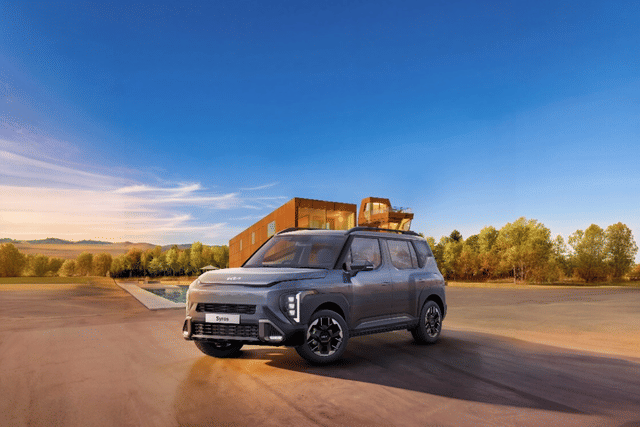
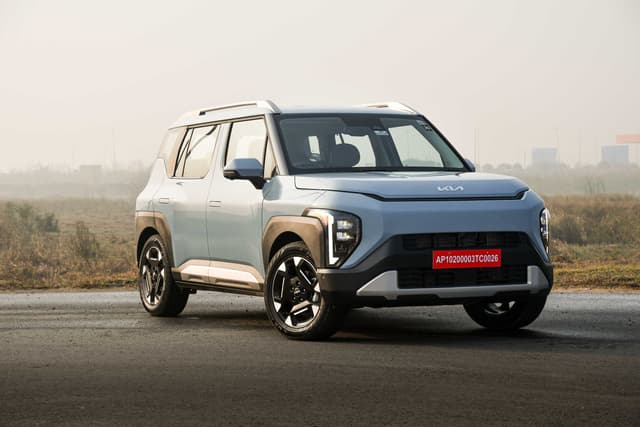
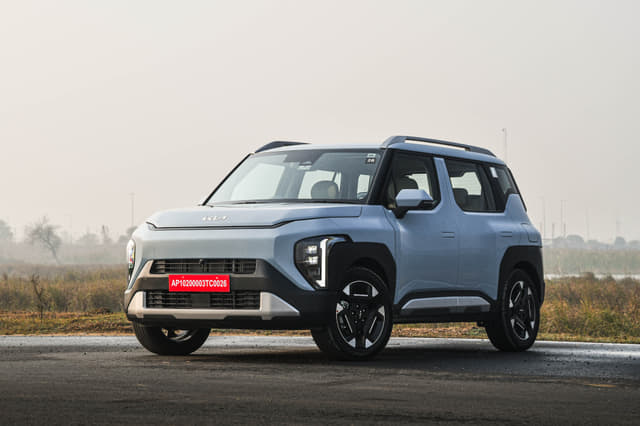
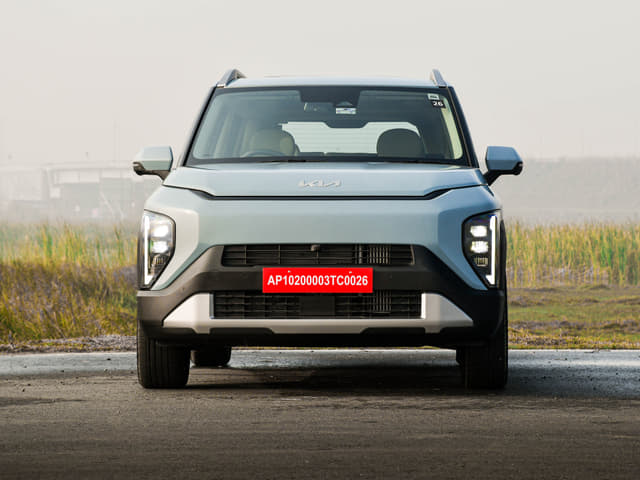
With 4,000km a month, your running is extremely high, so low running costs become the top priority. The question is, do you have reliable home charging. If the answer is yes, then an EV is your best bet, with running costs being around Re 1 per km.Within your Rs 16 lakh on-road budget your best options are the MG Windsor EV Excite 38kWh, Kia Syros EV HTK Plus 42kWh and Nexon EV Creative 45kWh. Out of these, the MG Windsor is the biggest car with the roomiest cabin and largest boot. With a 38kWh battery, its real-world range will be the lowest between 260-310km. The Kia Syros EV is a surprisingly spacious EV, with high quality interiors, a sophisticated ride-handling balance and smooth, zippy performance. Its motor is very efficient, hence you can expect 320-340km of range. If you don't mind the way it looks, this is an EV you must seriously consider.The Tata Nexon EV has the largest battery pack and its real-world range of around 350km is the most too. It has been around for a while, and over the years, Tata has polished it and ironed out most inconsistencies, making it a mature offering.
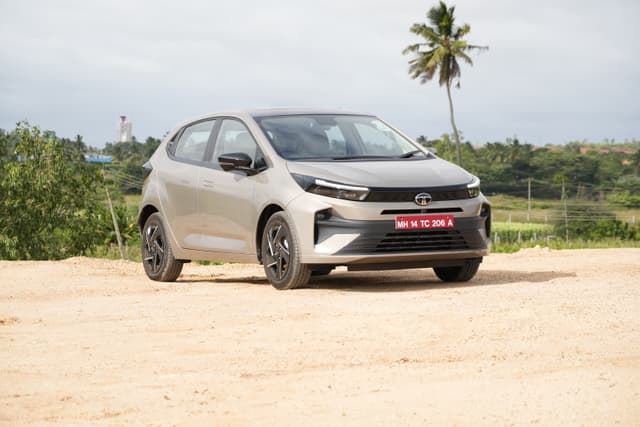
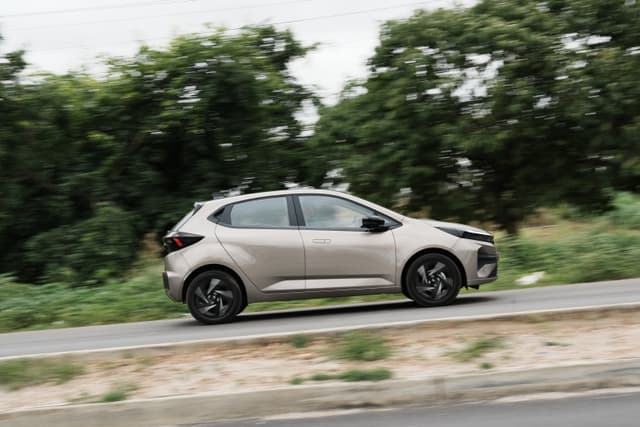
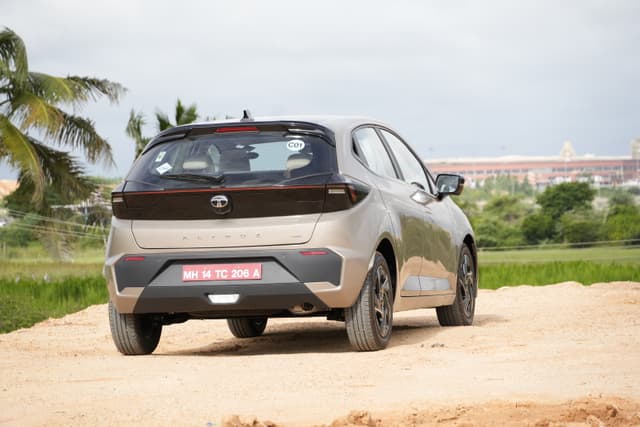
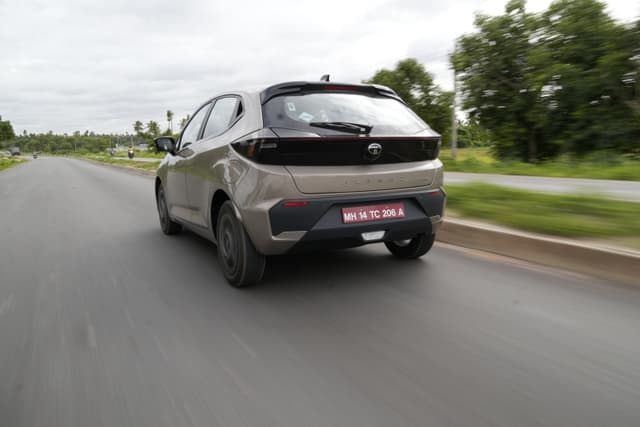
I am planning to upgrade from my Hyundai i10. My daily commute is around 40 km in Chennai city, and I drive approximately 600 km on the highway once a month. I am considering the Tata Altroz diesel, with a budget of around Rs. 11 lakh. I am looking for a reliable diesel car with good mileage and low maintenance costs. I prefer a practical car without unnecessary fancy features. Please suggest the best options for my usage.
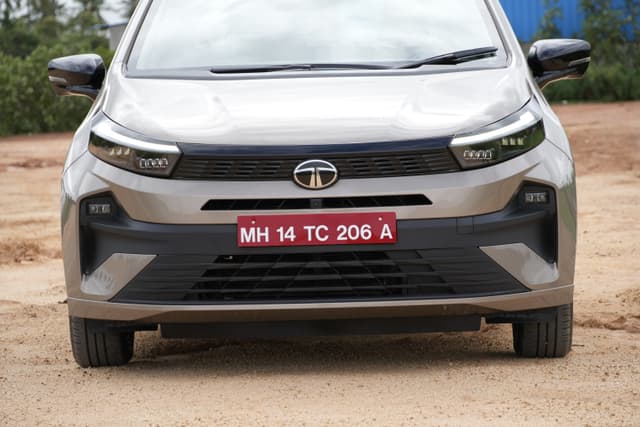
Given your usage pattern of 40 km daily city driving and a 600 km highway run every month, diesel does make sense, and the Tata Altroz diesel is a solid choice. It offers good fuel efficiency, a comfortable ride and a well-built cabin, and it is one of the few diesel hatchbacks still available in the market. The Altroz diesel remains a sensible option, but do keep in mind that Tata's service experience can be inconsistent depending on the dealership. If you are open to stretching your budget slightly, the Mahindra XUV 3XO diesel is worth considering. It offers a more powerful diesel engine, better highway performance and a more robust ownership experience. If you are strictly sticking to the Rs 11 lakh budget, the Altroz diesel is the best fit for your requirements. It is practical, efficient and well-suited to your usage pattern. Just make sure you are comfortable with your local Tata service centre before making the final decision.
I am planning to upgrade from my Hyundai i10. My daily commute involves around 40km of driving in Chennai city, and I cover approximately 600km on the highway once a month. My budget is around Rs 13 lakh, and I want a reliable diesel car with good mileage and low maintenance costs. I prefer something practical without too many unnecessary features. Which options would suit my usage?
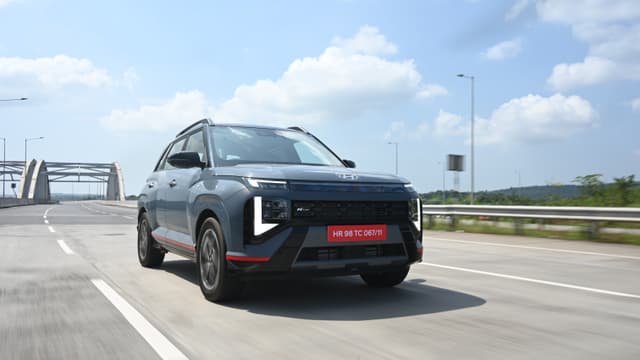
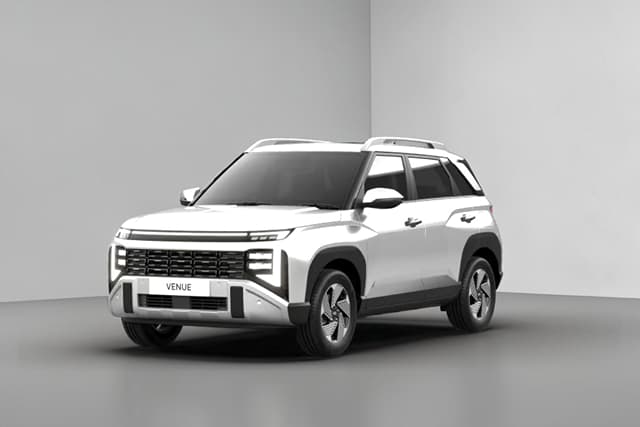
Given your usage pattern of 40 km daily city driving and a 600 km highway run every month, a diesel car makes sense from a running cost perspective. If you're keen on getting a manual car, opt for the Mahindra XUV 3XO diesel for its strong engine and excellent highway manners. If you'd like to remain within the Hyundai service network, the Venue diesel manual is also a sensible, user-friendly, modern option with a smooth, refined and efficient diesel engine and light controls.The Mahindra XUV 3XO is available in multiple variants, while the Venue price also falls below Rs 13 lakh. You can choose between them based on your budget and the features you need.If you want a smooth diesel-automatic option, the Kia Sonet HTE O and HTK O variants are available within Rs 13 lakh on-road. The Kia Sonet diesel-automatic is an excellent choice if you're looking for a polished compact SUV.
Namaste Autocar Team, I am from Kolkata and am considering two cars within a budget of Rs. 15 lakh on-road: the Hyundai Venue HX7 diesel manual and the Kia Syros HTK+ (O) diesel manual. My monthly running is around 1,500-1,750 km, with a 90:10 split between city and highway driving. I mostly drive in the city, and my 2017 petrol Hyundai i20 is becoming expensive to run. Hence, I am considering a diesel car, although I am not interested in an EV at the moment. Which of these two cars would be a more practical and reliable choice for long-term ownership, considering a 10-year ownership period, service costs, comfort and mileage? I am tempted by the new Venue, but the Syros offers slightly more rear-seat and boot space, which is important for my family of four. I would appreciate your honest opinion and observations.
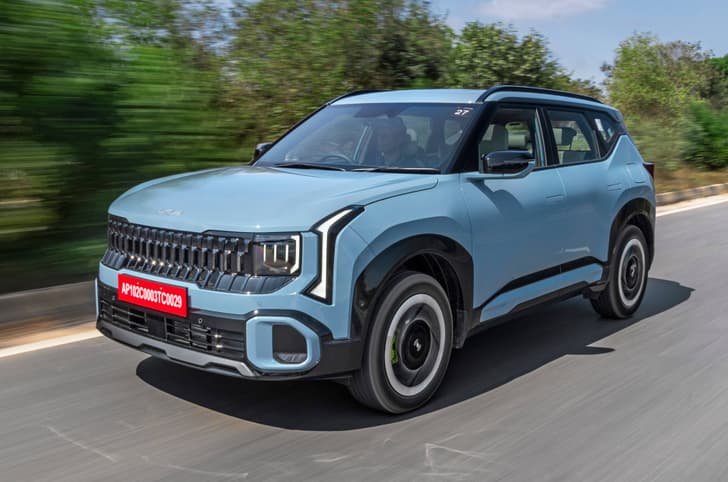
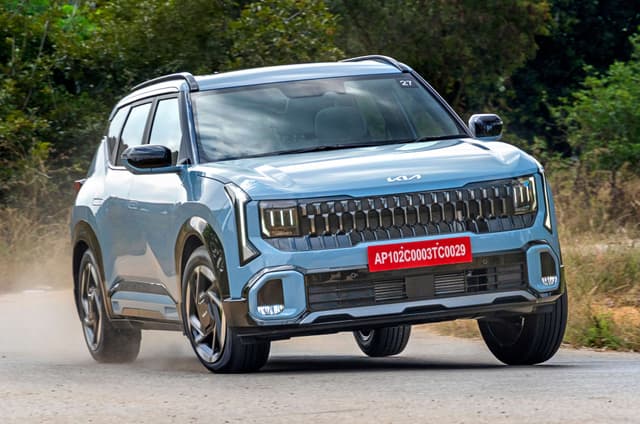
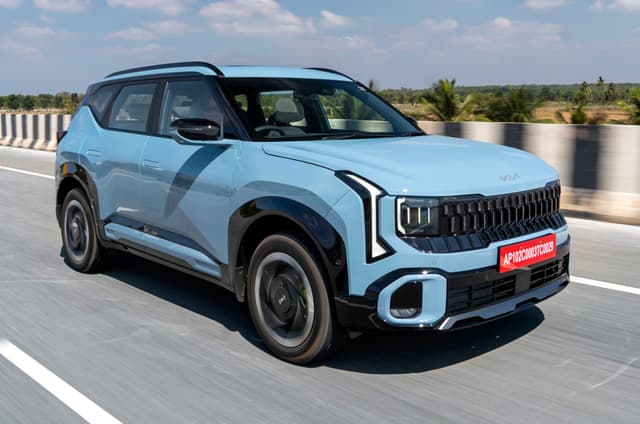
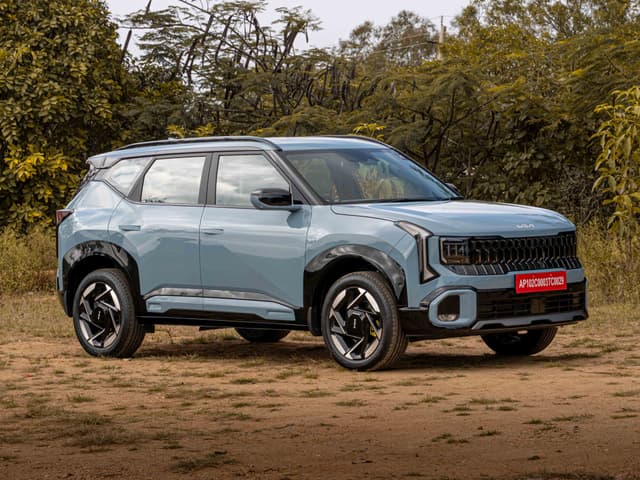
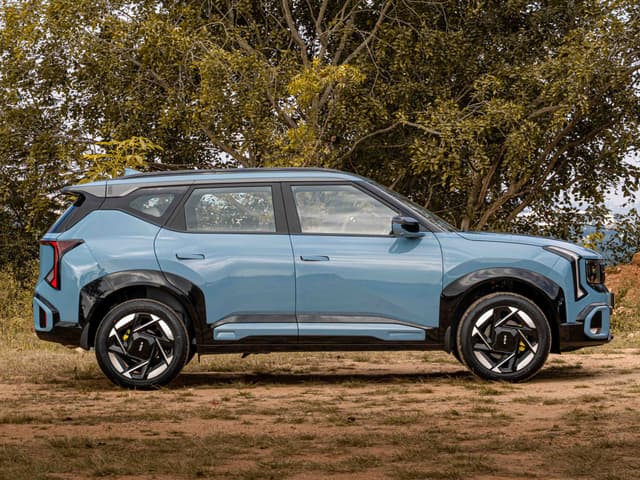
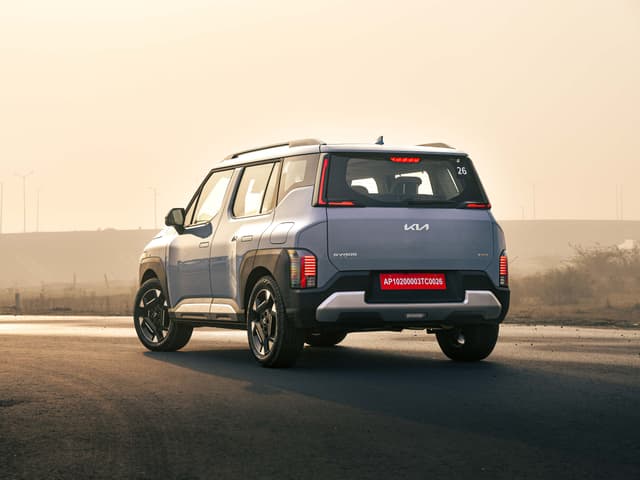
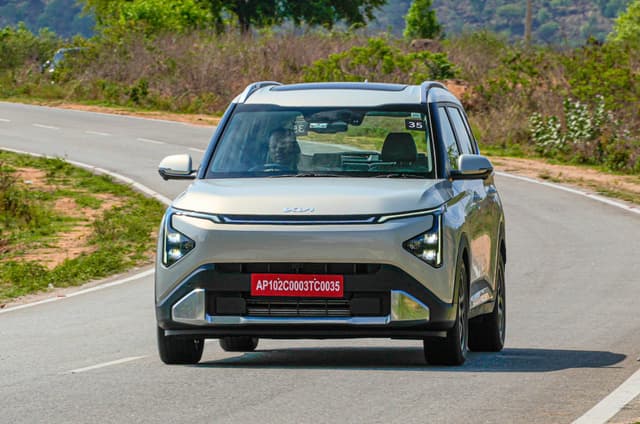
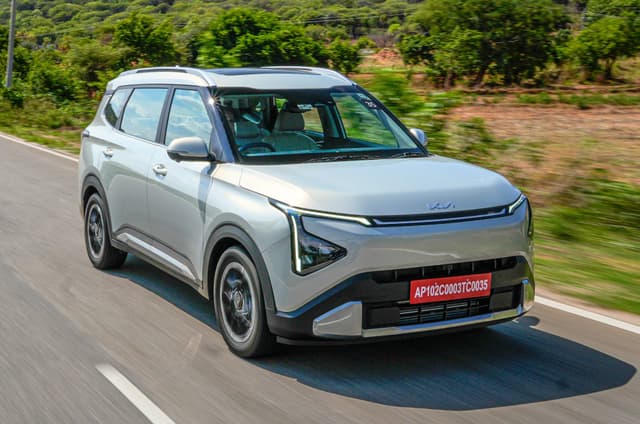
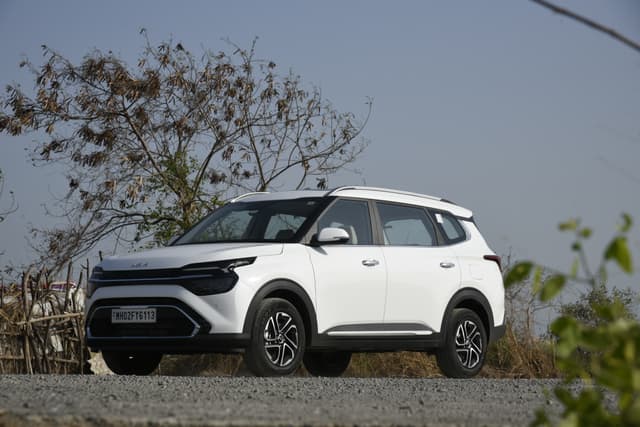
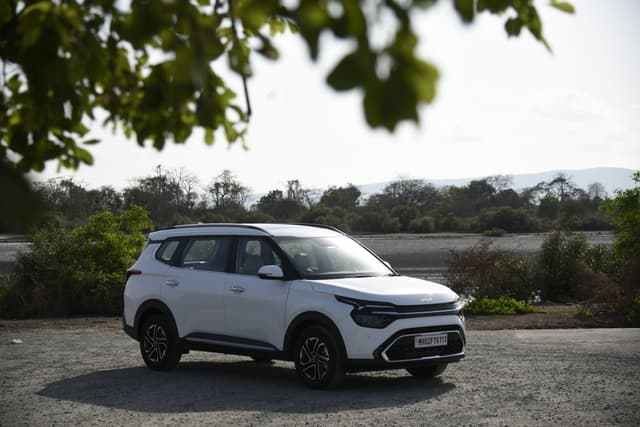
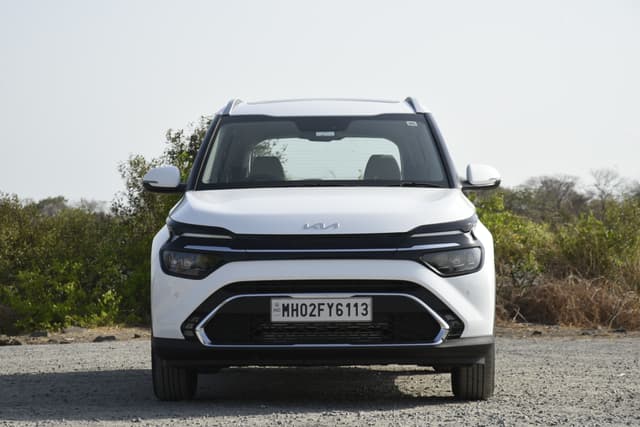
The Kia Syros HTK+O diesel manual is an excellent option. For your usage, a diesel car makes sense, and the Syros is the more practical long-term choice. Thanks to its boxy cabin and adjustable rear seats, it gives you the flexibility to free up more rear seat space for passengers or increase boot space. Its cabin experience also feels more premium than the Venue. The Syros and Venue share their 1.5 diesel powertrain, but do keep in mind that since your usage is mainly in the city, you will have to periodically drive the car at high engine speeds for 20-30 minutes to ensure the diesel particulate filter doesn't clog up.Hyundai has a wider service network than Kia, and its ownership costs are likely to be a bit lower, if not similar, to the Kia's. However, the cost difference is only going to be marginal. Overall, the Syros is a good family car, and if you like its design, it is a sensible choice.
Last Updated on: 27 Oct 2026