

Hatchback Cars Under 20 Lakh in India (20)
Filter your search
Filter your search
Filter your search













Trending Questions on Cars - Answered by Autocar Experts
I have been driving a Hyundai Santro Xing for the past 21 years and am now looking to replace it with a similarly sized petrol hatchback. I need an automatic car that will be used mainly for city driving in Bangalore. My budget is around Rs. 10 - 12 lakh. Which cars currently available in India would you recommend?

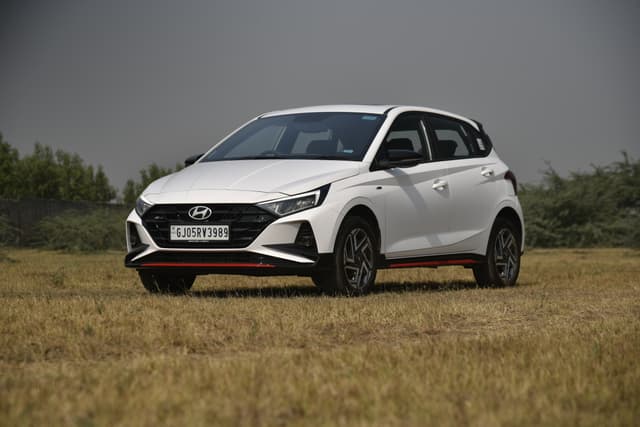
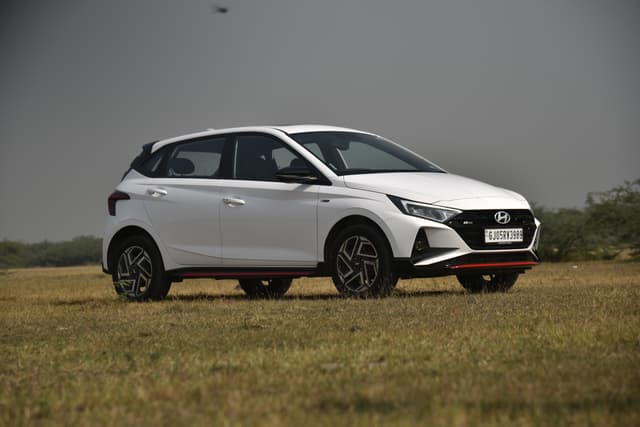
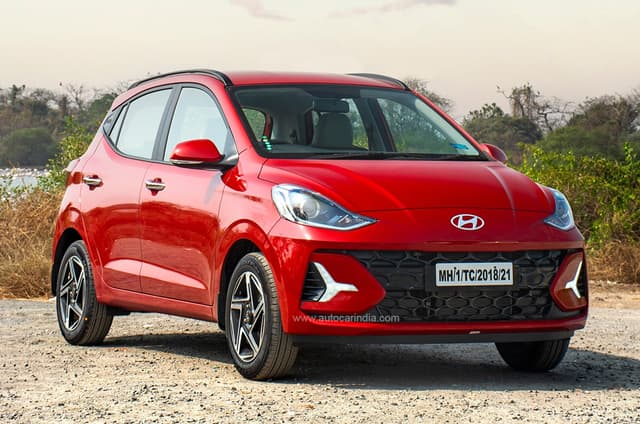
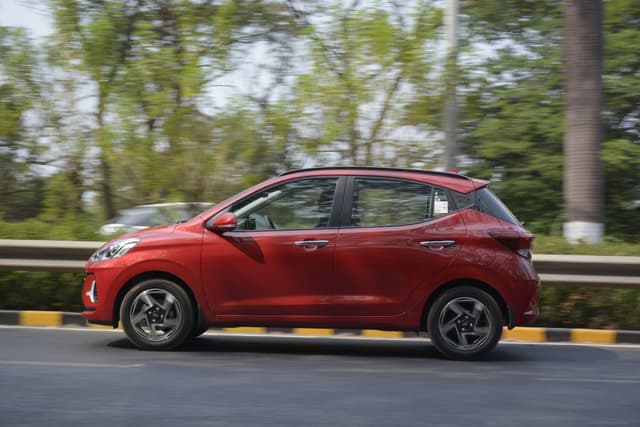
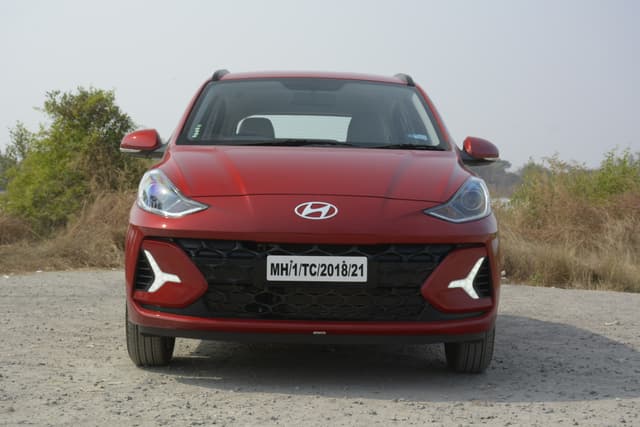
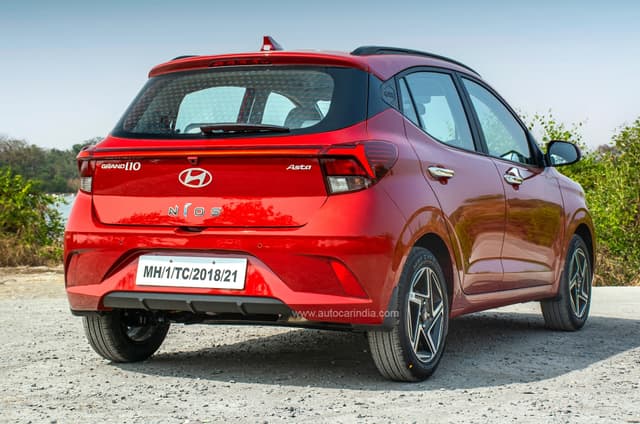
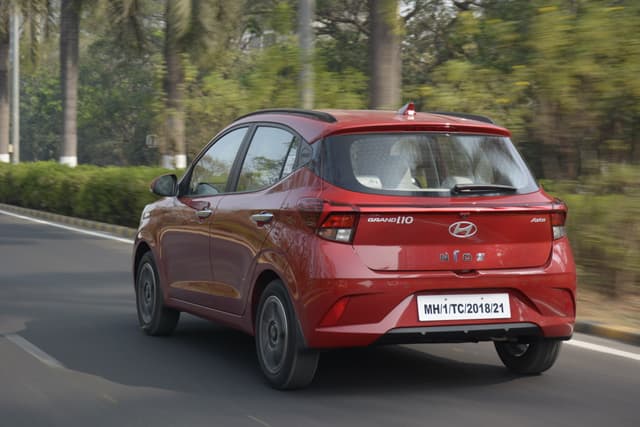
 Hyundai i20Hyundai Grand i10 Nios
I want to replace my manual transmission Swift hatchback with an automatic hatchback within a budget of Rs. 8 lakh. My usage is mostly in the city, often in dense traffic, so good fuel economy is a priority. Please suggest the best options.
Maruti Suzuki CelerioMaruti Suzuki SwiftHyundai Grand i10 NiosWe are planning to buy a car and are confused between the Hyundai i20 Asta Optional and the Hyundai Venue HX6T 1.2-litre NA petrol. Our budget is up to Rs. 12.5 lakh, and we drive around 8,000km annually, mostly in the city with light to moderate traffic. We occasionally take highway trips. We currently own a 2015 Wagon R VXi. The quoted prices are Rs. 10.44 lakh for the i20 and Rs. 12.7 lakh for the Venue. What makes more sense, a small hatchback or a Venue?
Hyundai i20Hyundai VenueI (a 39-year-old man) am planning to buy a new car for the first time. I don’t know how to drive yet. I work 12 hours a day and won’t need the car for commuting to the office. I will drive an average of 200km per month. Also, I may plan 400 km-long trips every 2-3 months after learning to drive. I want good mileage as well. My budget is Rs 15 lakh on-road, with approximately Rs 5 lakh as a down payment. Should I buy a diesel, petrol, CNG, or EV? Should I opt for a naturally aspirated engine or a turbo one? I plan to keep the car for around 8-10 years. I am looking for recommendations for May 2026. Should I buy a compact SUV, hatchback, or sedan?
Maruti Suzuki BalenoToyota GlanzaHonda AmazeTata PunchHi Autocar team, I need your help in choosing an automatic family car that is reliable, safe and builds confidence in a new driver. I am planning to replace my 2017 Maruti Baleno Alpha petrol as it feels flimsy and dents very easily. Further, it no longer inspire confidence on highways and its braking confidence is also not great. I would appreciate your recommendations for another car. I am currently based in Pune and have planned for BH registration because there is a reasonable possibility of moving to another state in the future (most likely among Madhya Pradesh, Bangalore or Delhi). I will be primarily using it for city driving (90%) with occasional highway trips that may be very long (up to 1,000 km) sometimes. I usually travel with 2 adults and 1 child. I am looking for a car that can comfortably accommodate 4 adults and 1 child whenever required. My annual running is currently under 8,000 km, but it could increase significantly because there will be two drivers and an automatic car is likely to be used more. There will be one experienced driver who is comfortable with car of any size. Second driver is relatively new and gets intimidated by judging front-left corner and vehicle dimensions. I am looking for features such as rear camera that can help in significantly building confidence. I want to first look for a car in Rs. 10 lakh on-road mark but am comfortable with spending around Rs. 14 to 16 lakh if the car offers more safety, confidence and better ownership experience. I am looking for the best overall fit rather than trying to maximize budget. My priorities are reliability and hassle-free ownership, safety, easy maneuverability and confidence in city traffic. I value predictable ownership, service quality and peace of mind more than outright performance. I am comfortable with either petrol, hybrid or EV car with automatic transmission. EV seems interesting because I have a dedicated parking and home charging is possible. My area has mostly good roads with occasional monsoon-related road damage. We have taken test-drives of a few hatchbacks and compact SUVs with automatic transmissions. One thing that has became clear to me is that commanding seating position and a clearer view of road ahead significantly increase confidence, especially for the newer driver. However, we are still unsure whether this benefit alone justifies moving up from a hatchback to an SUV. Initially I thought a small hatchback would be ideal because I could pass it on to my parents after 3-5 years. However, if a slightly larger vehicle offers better safety, comfort and confidence, I would rather keep it for 5-10 years and later buy my parents a separate car. Based on the above requirements, what would be your top 5 recommendations and in what order? More importantly, which body style would you choose among premium hatchback, compact SUV, midsize SUV, hybrid SUV or EV? Which popular models you will not choose despite their popularity, and why? How much importance should I give to reliability versus crash safety while choosing a family car that will mostly be driven in the city but I make take it occasionally for long highway trips? Also, will I regret staying with a hatchback, or moving a segment up, the more sensible long-term decision for my use case?
Hyundai VenueTata Nexon EVSkoda KylaqLast Updated on: 22 Jul 2026