Last Updated on: 16 Sep 2026
Maruti Suzuki e Vitara User Reviews
Tell us about your experience
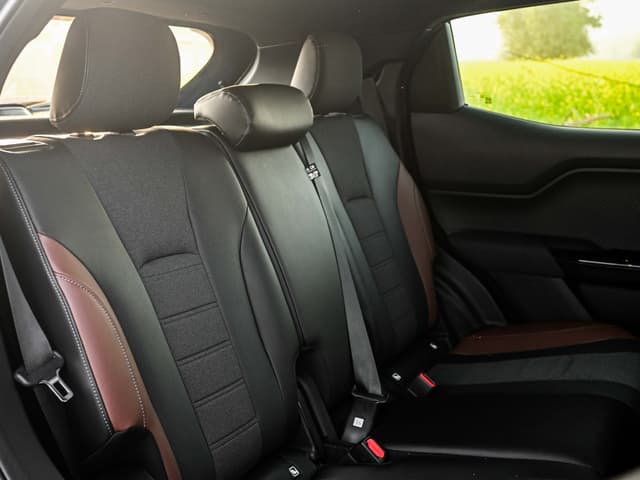
Well built electric SUV by Maruti Suzuki. The BYD Blade battery and BMS are spot on and range calibration is perfect. Usually I get 400-420 kms of range. The rear seat experience in this car is quite poor and is more like a 2 seater with a rear seat that can be used occasionally when needed akin to many 7 seater SUVs. The suspension is not tuned well for Indian roads. To sum it up, as a car the E vitara is a mediocre one whereas for the battery and EV power train, its one of the best under 20 lakhs.
The Maruti Suzuki E Vitara is also solid, but the Punch feels more modern with better features.
DO NOT BUY THIS CAR!! Hardly get a range of 225km to 250km per charge (61kwh model) using charge from 100% down to less than 10%!! claimed ranges are 400km 450km etc I am really saddened by this experience.. Will now look out for a car with bigger range like BYD and sell this car at a loss!
I think you should go with E-Vitara. It fits well in your budget and it is practical and safer with family. Its claimed range is around 550 km, but you can easily expect it to be 350-400 in real life. It is comfortable and Maruti has extensive service network all over India, so maintenance won't be an issue.
I feel e Vitara is a great car with its compact size and decent range. It also has good features.
I would suggest the Maruti e Vitara. It promises a practical package with Maruti's extensive service network and is expected to be a strong long-term ownership choice.
The e-Vitara is a new EV from Maruti. It benefits from Suzuki's vast service network, though it's a newbie in the EV segment.
Maruti Suzuki e Vitara Expert Reviews
We like
Easy to drive
Smooth and progressive powertrain
We don't like
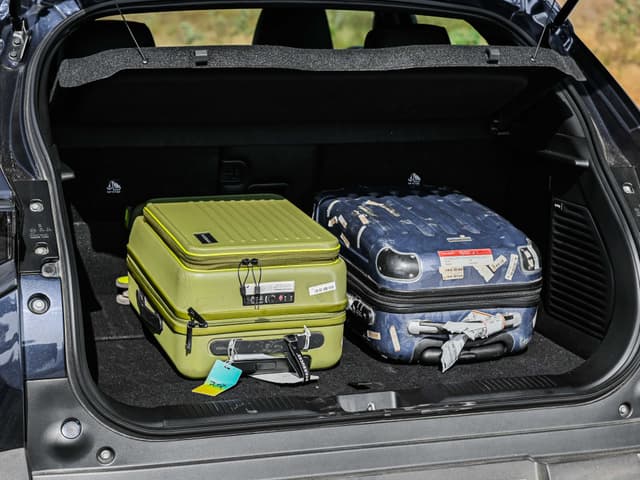
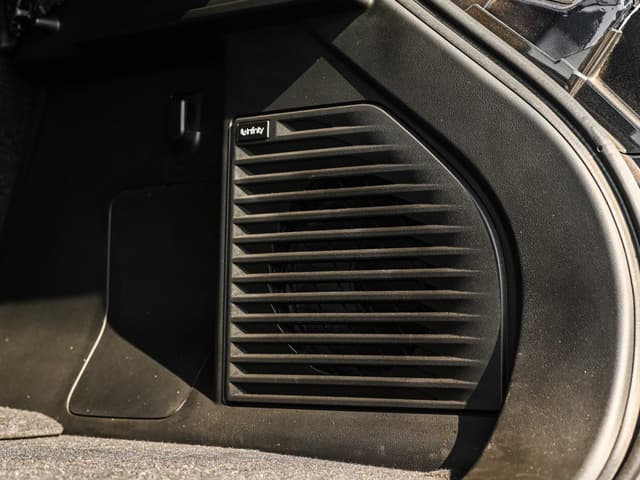
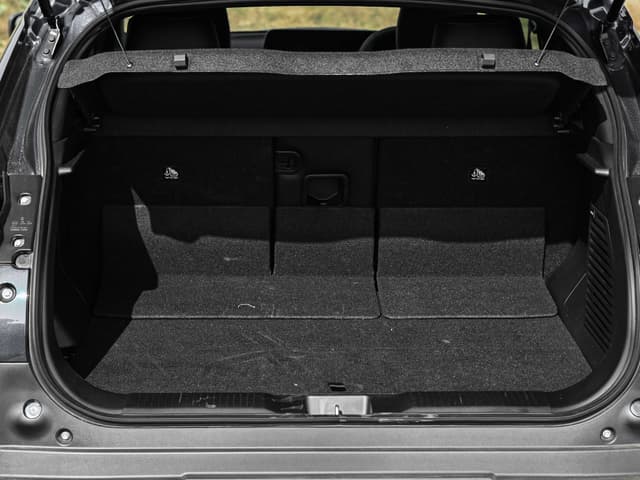
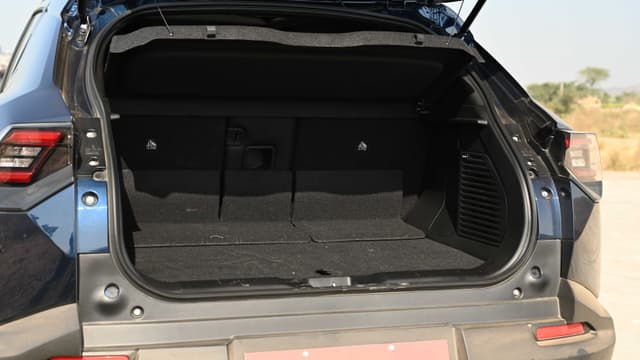
Limited rear seat headroom and boot space
Busy ride
Evident road and wind noise
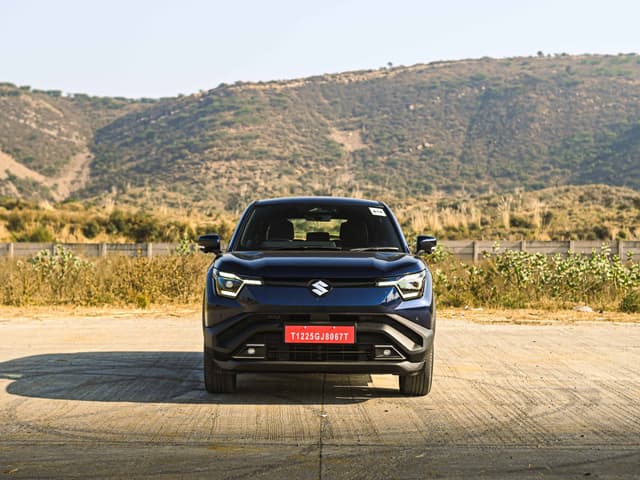
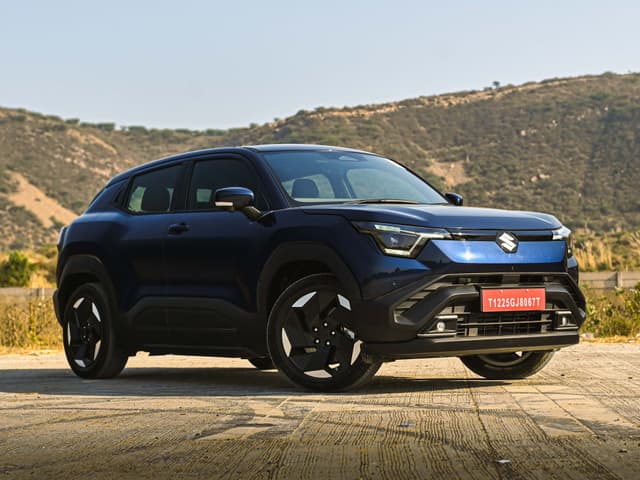
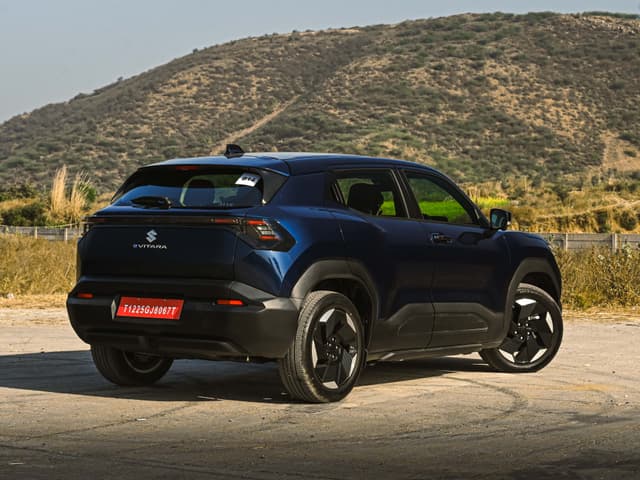
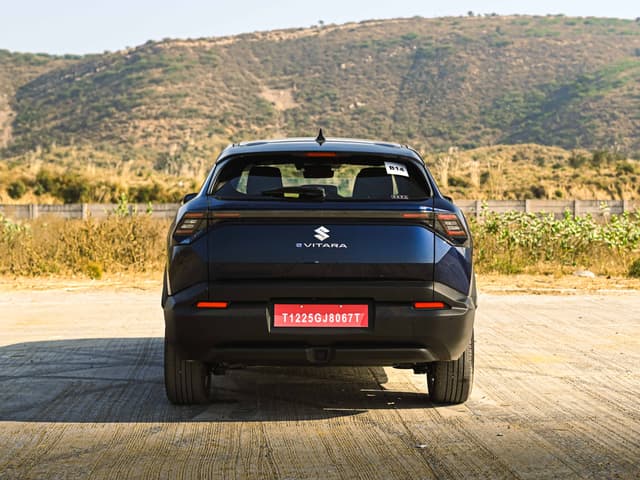
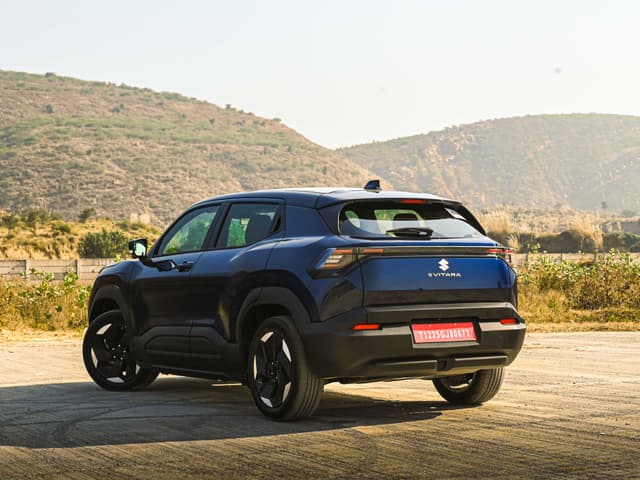
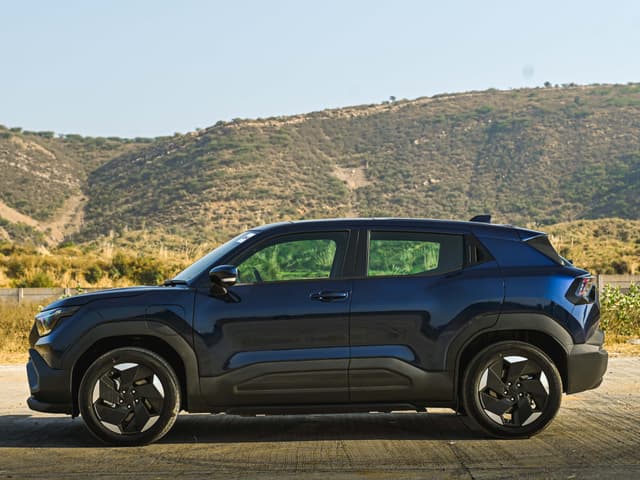
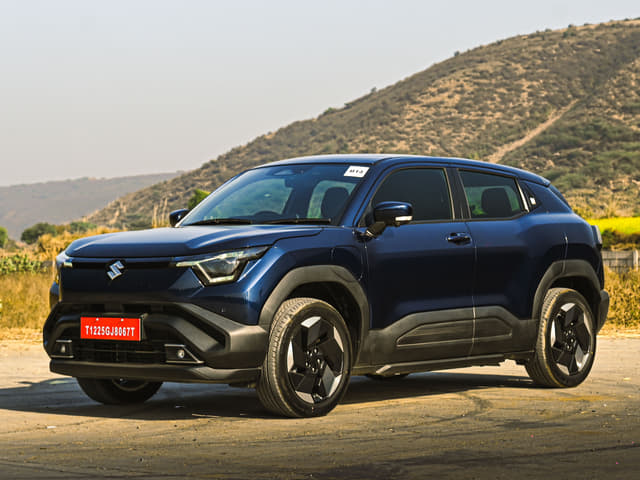
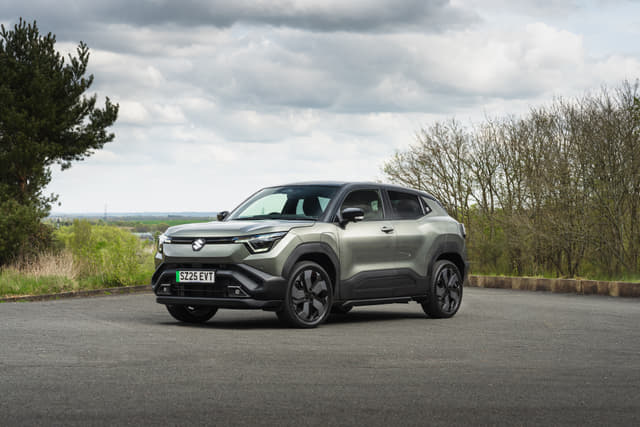
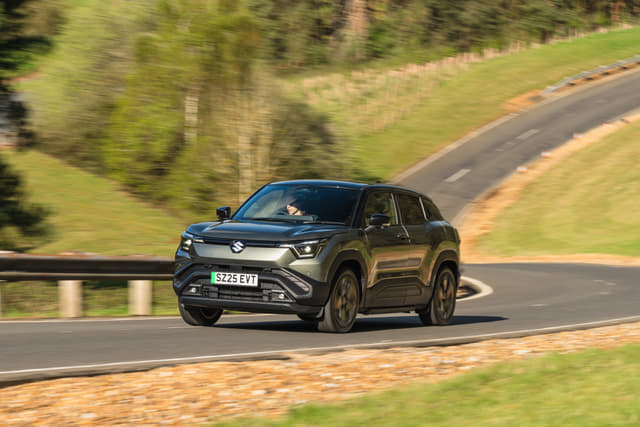
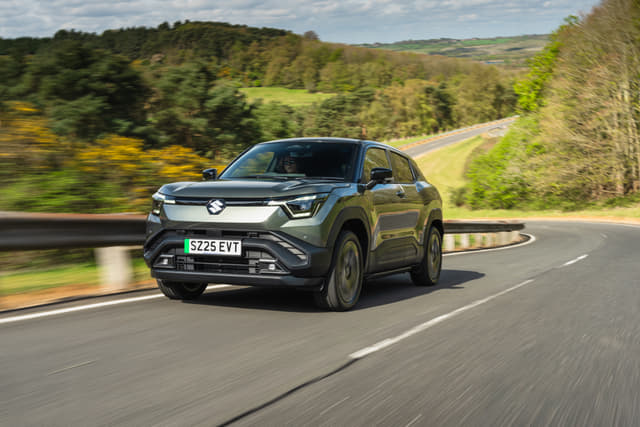
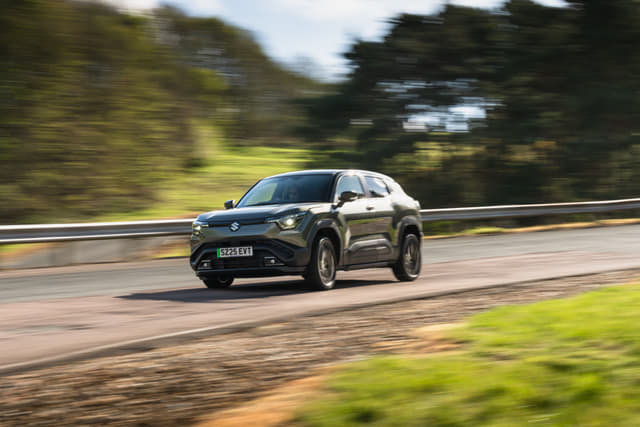
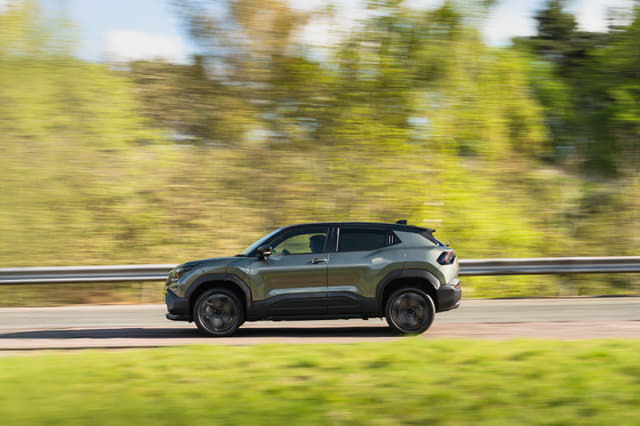
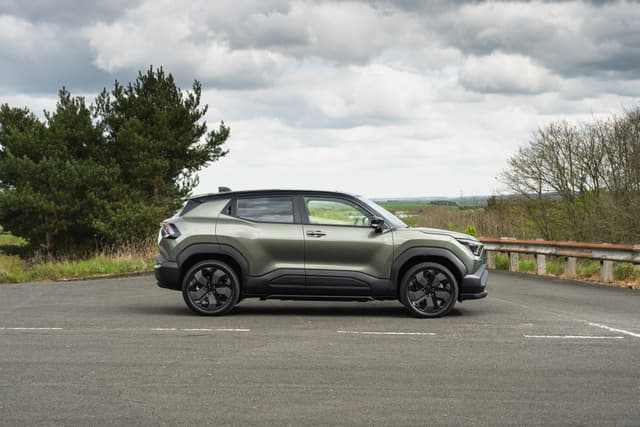
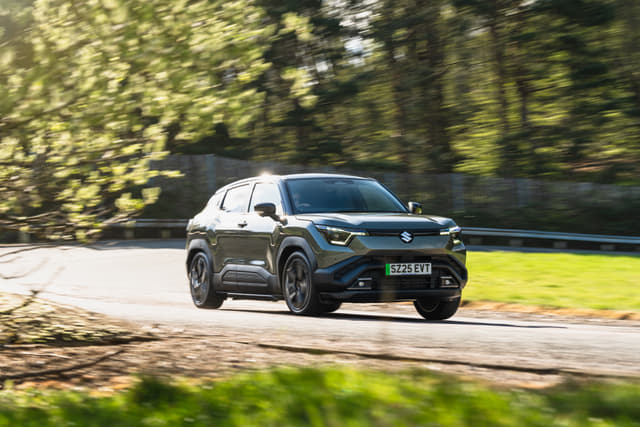
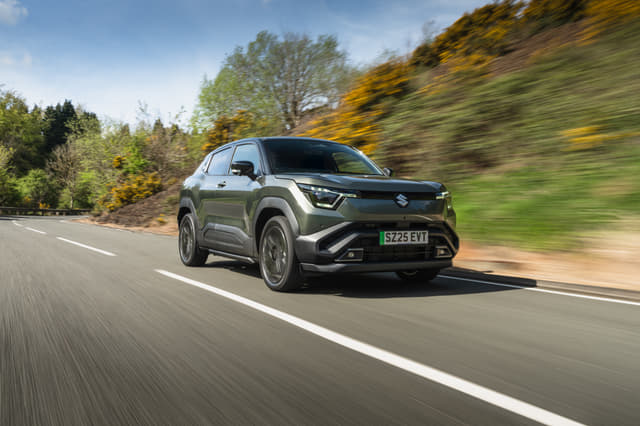
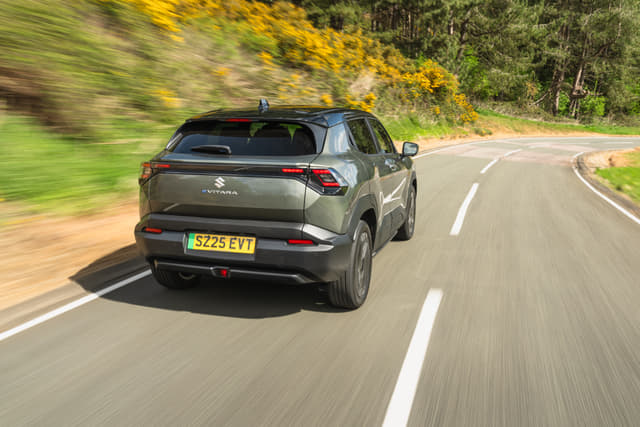
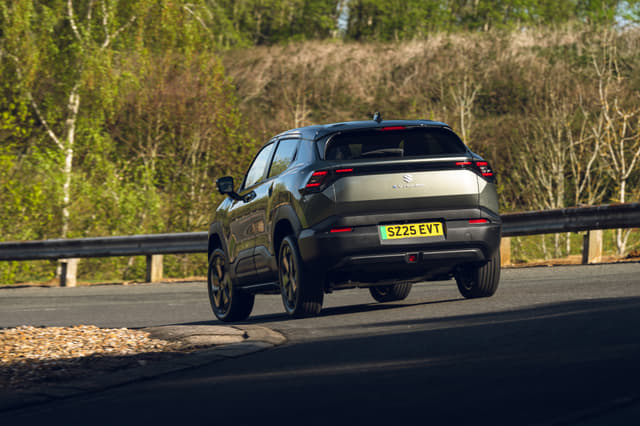
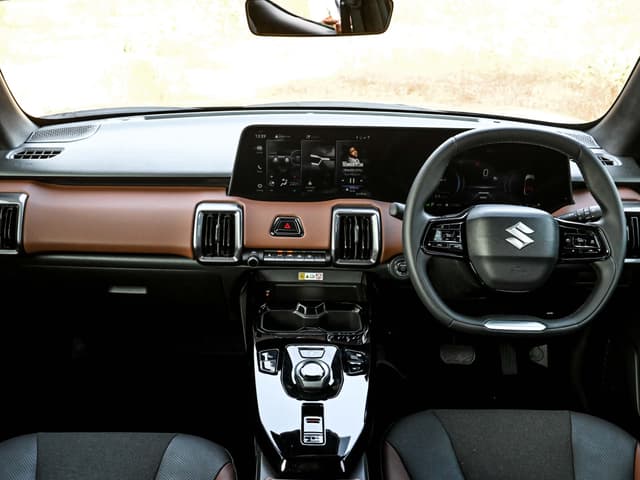
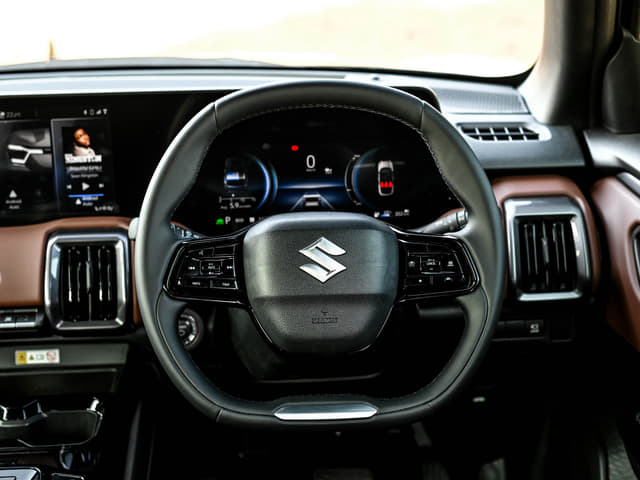
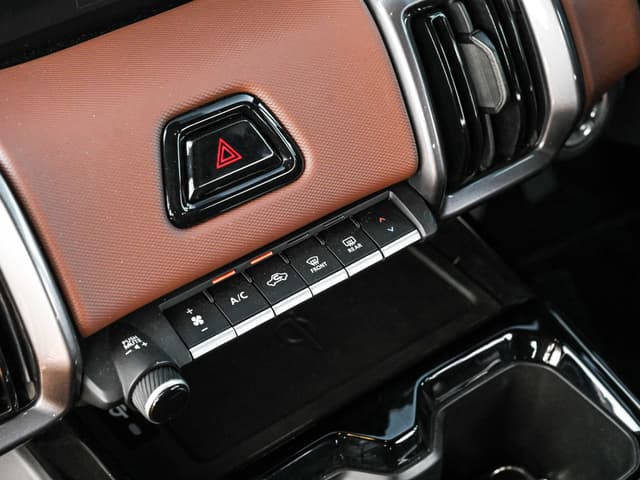
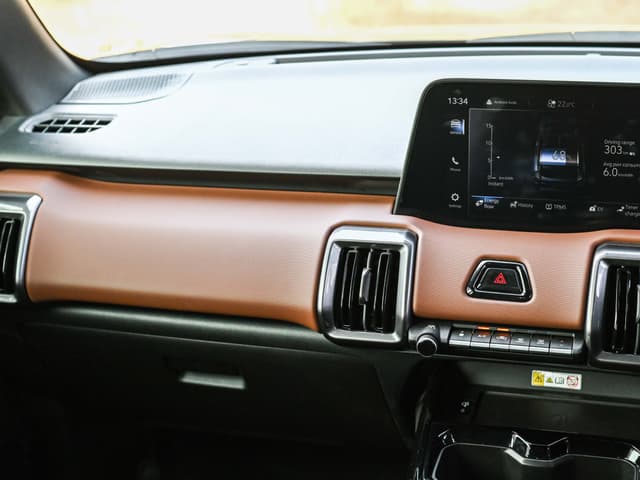
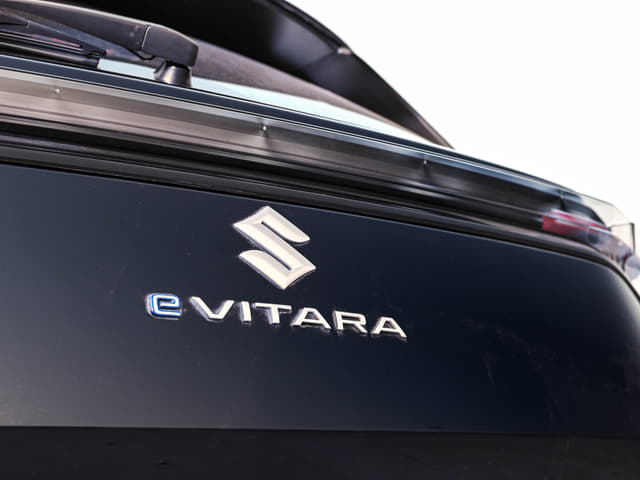
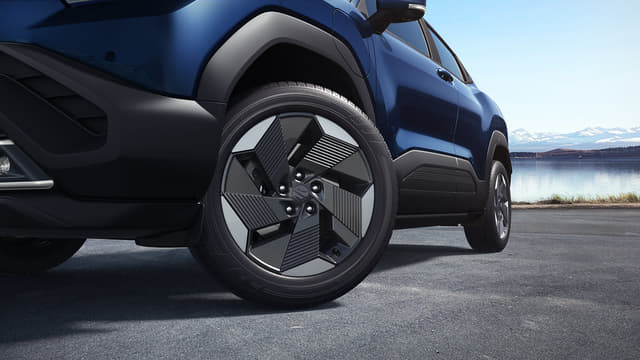
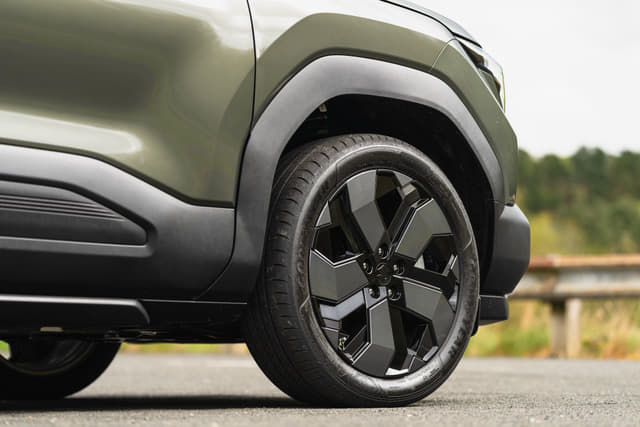
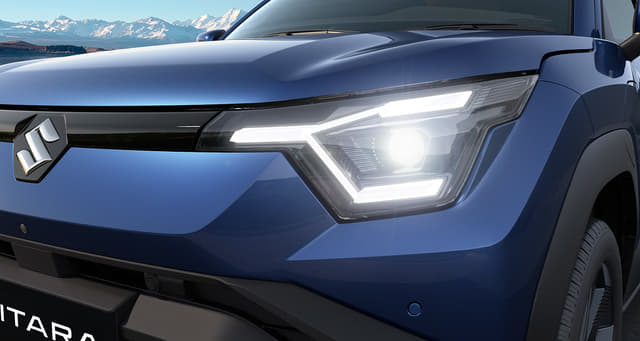
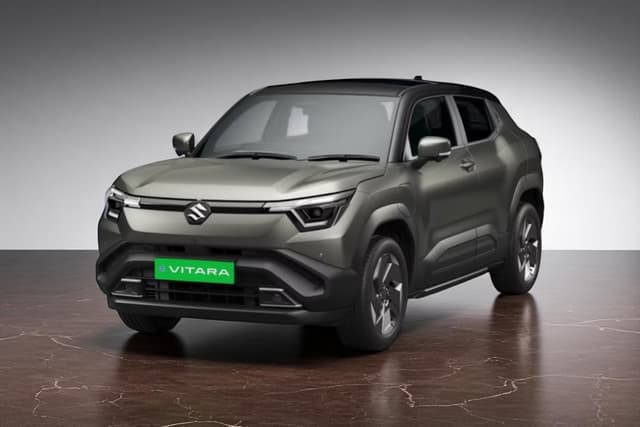
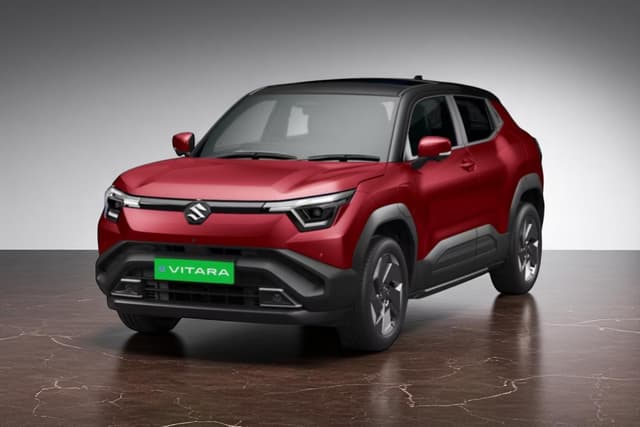
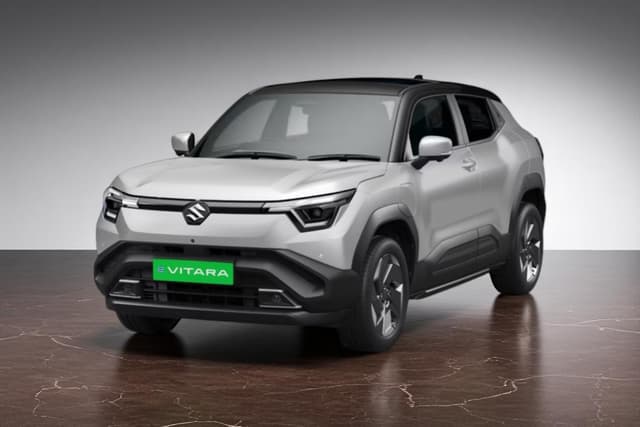
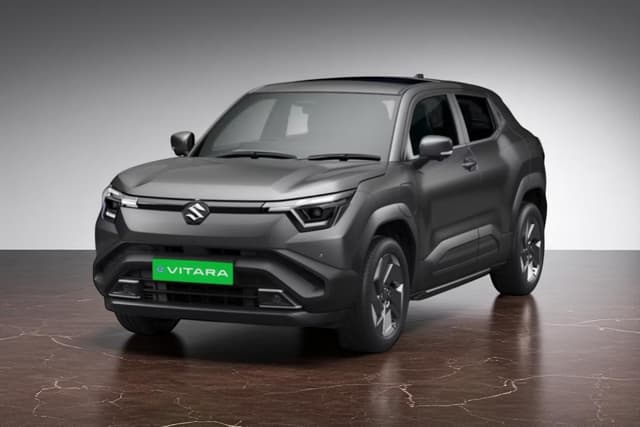
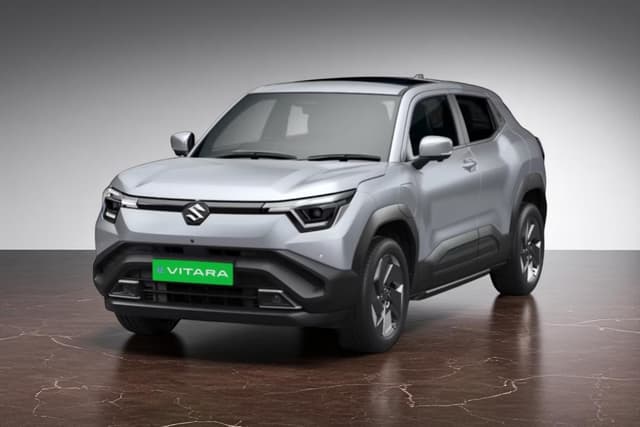
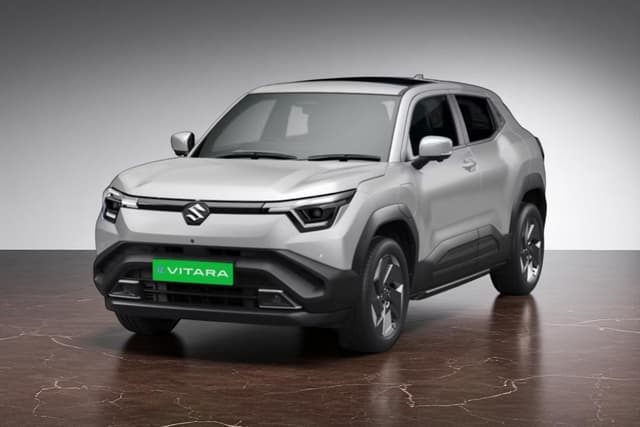
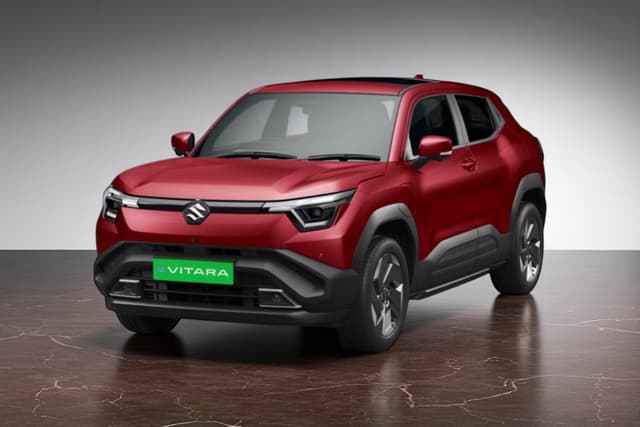
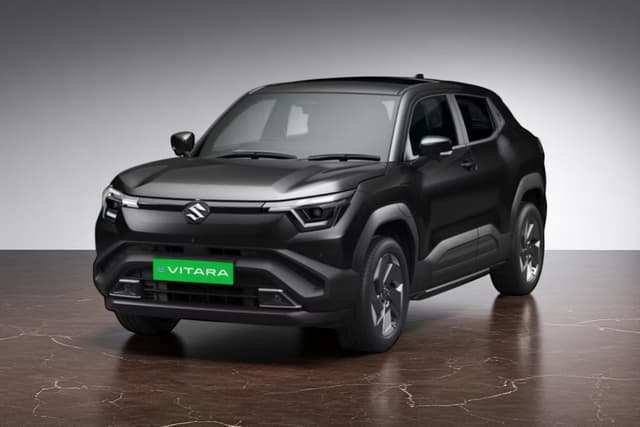
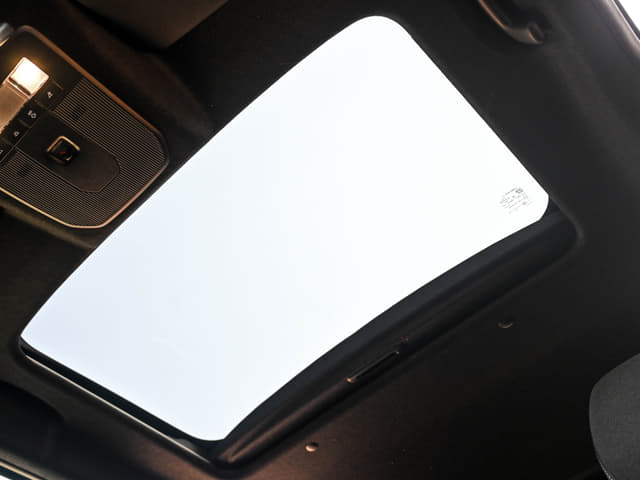
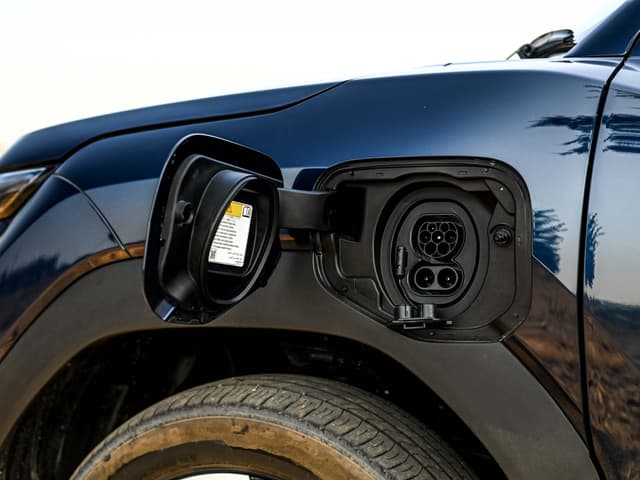
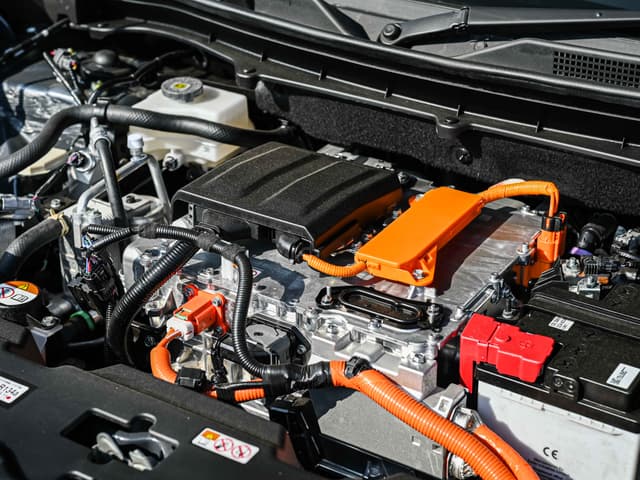
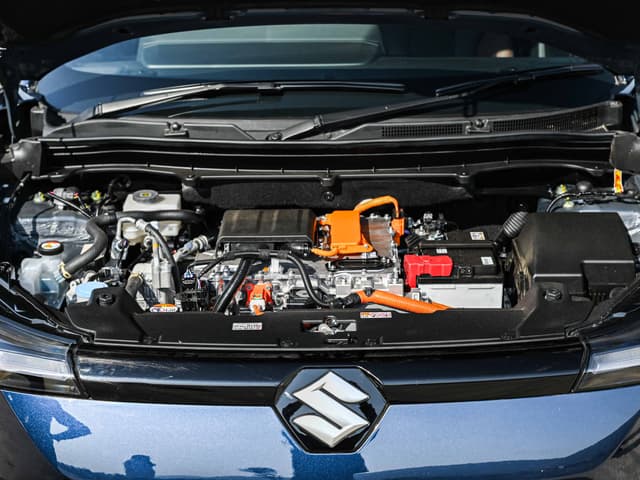
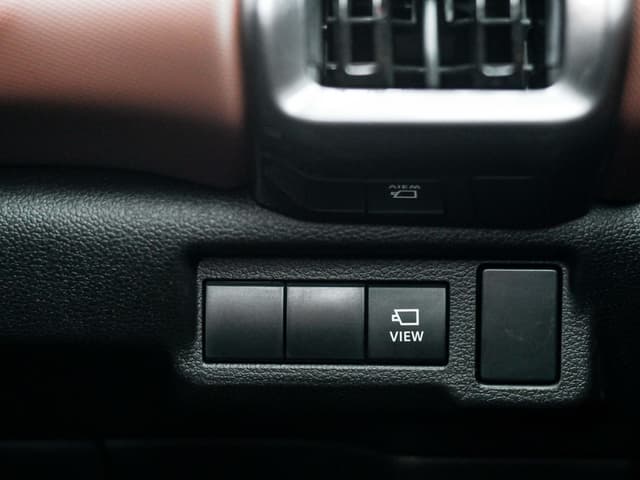
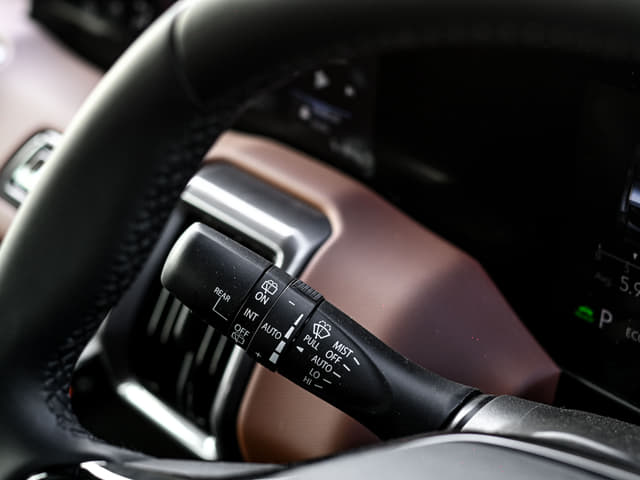
Maruti Suzuki e Vitara Images
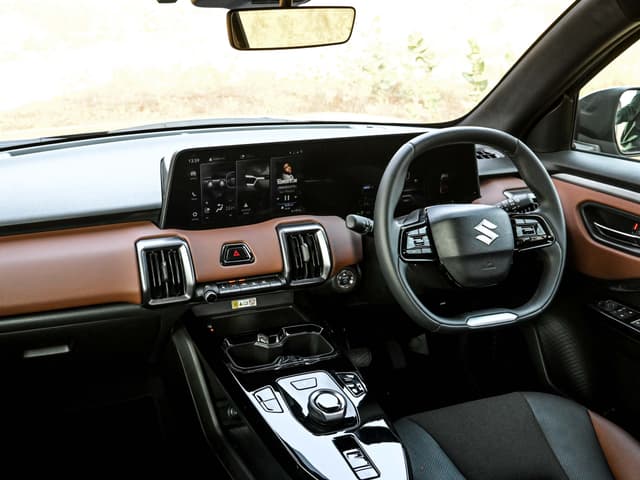
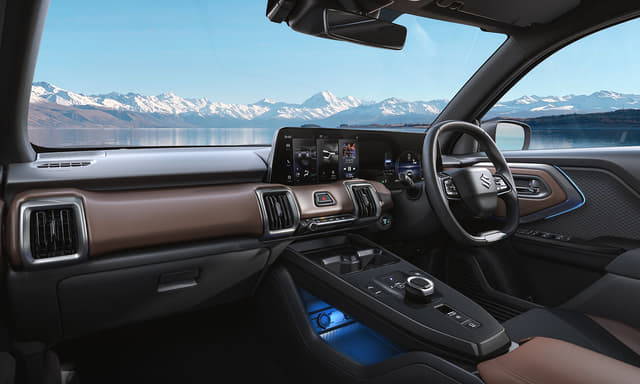
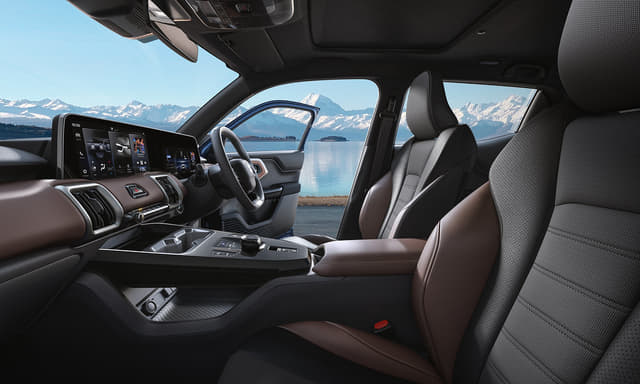
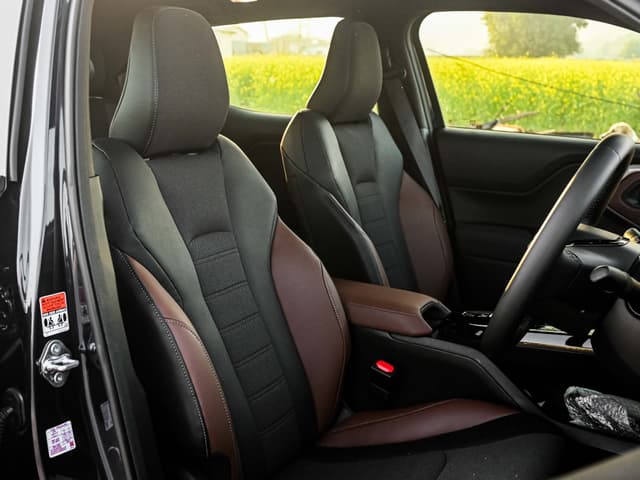
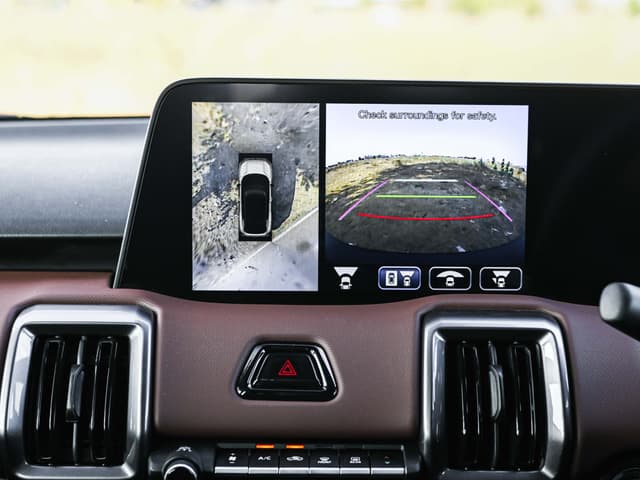
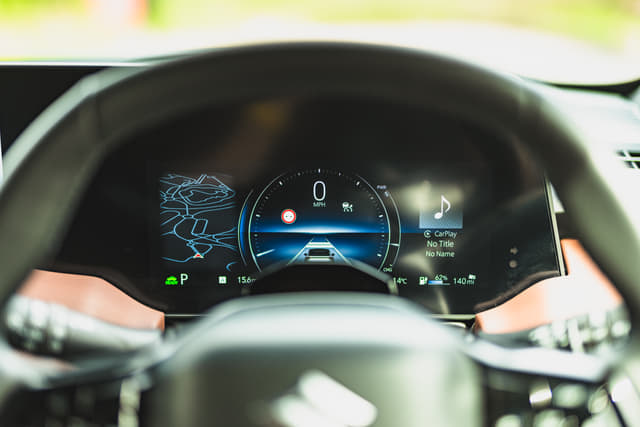
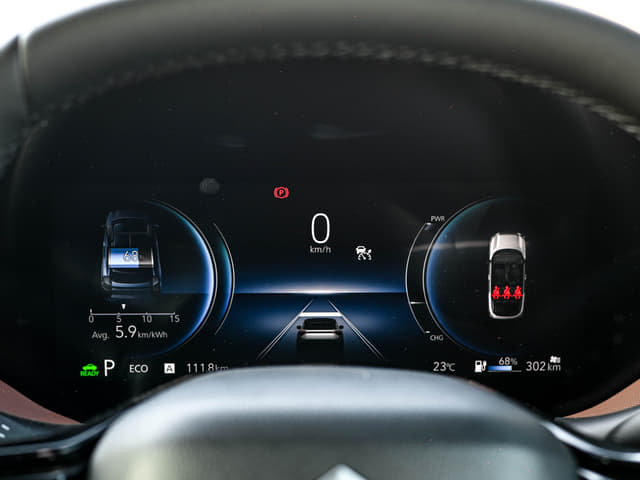
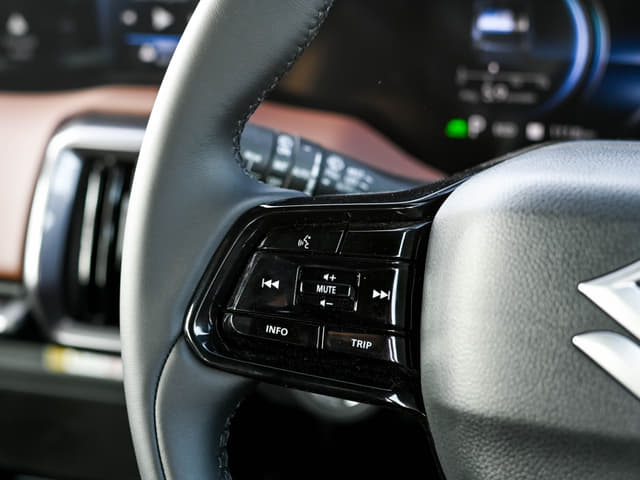
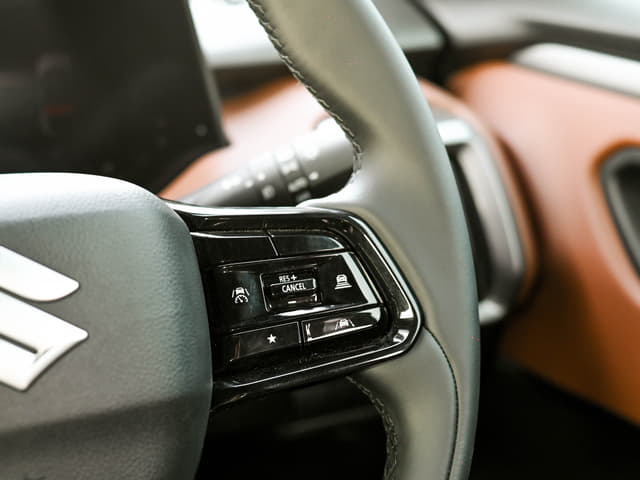
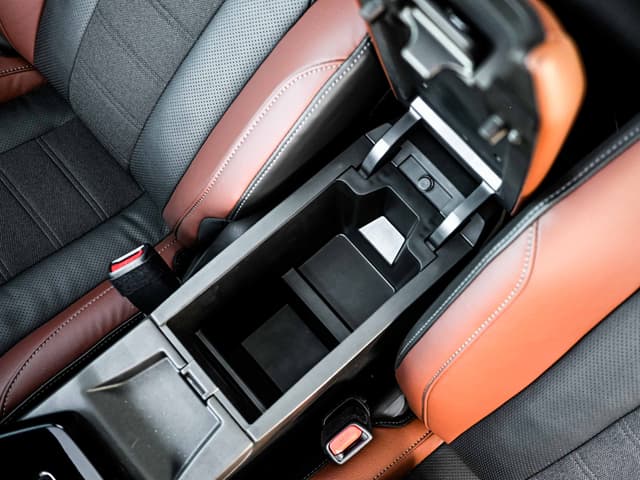
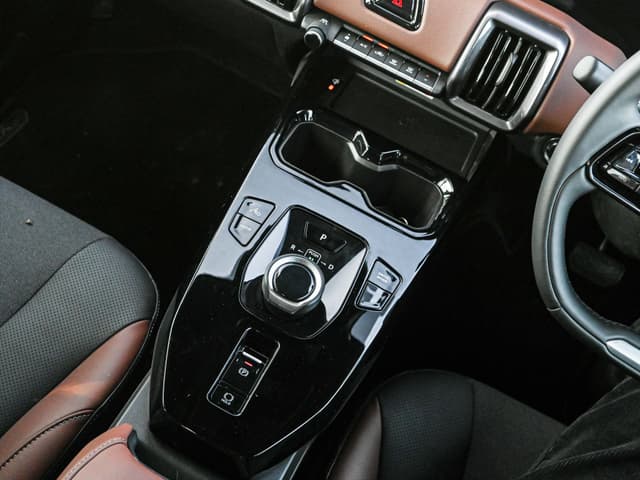
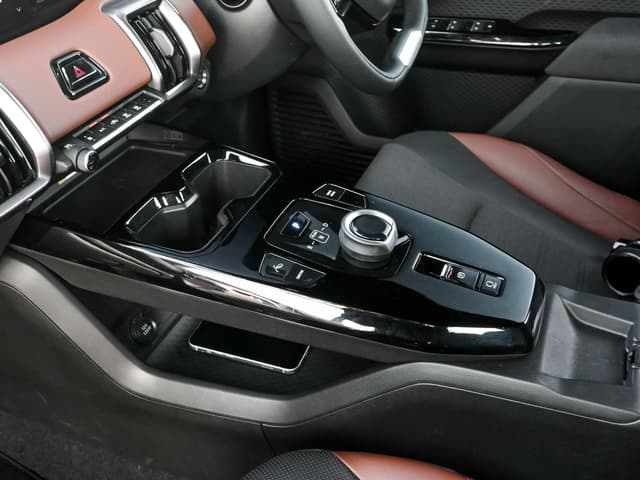
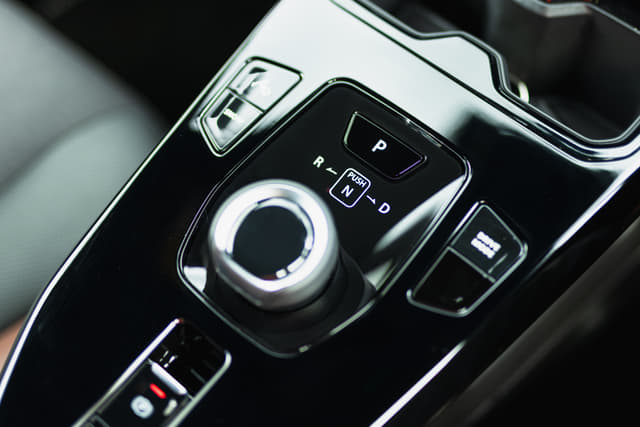
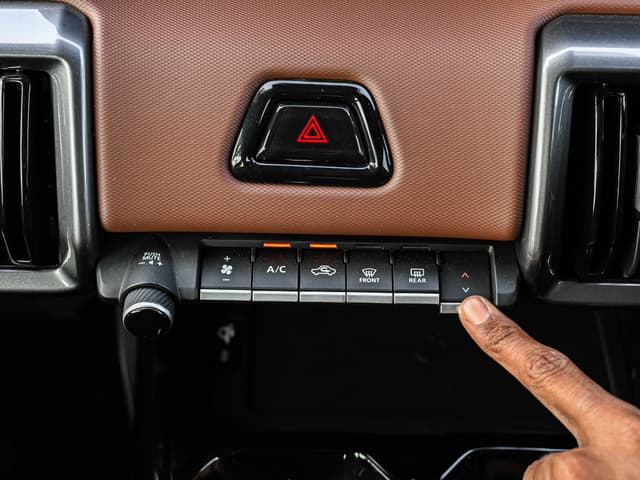
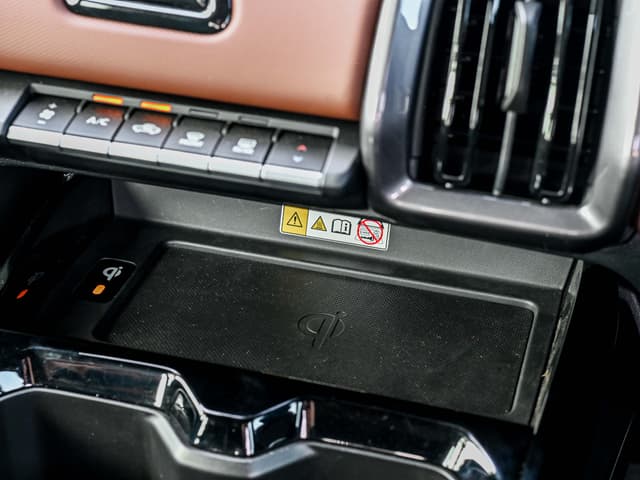
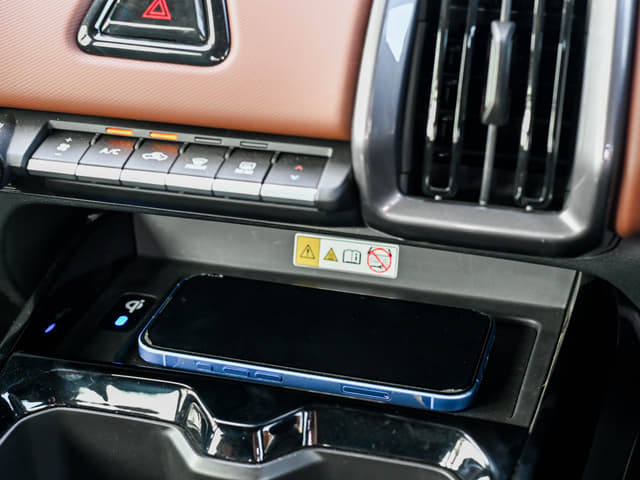
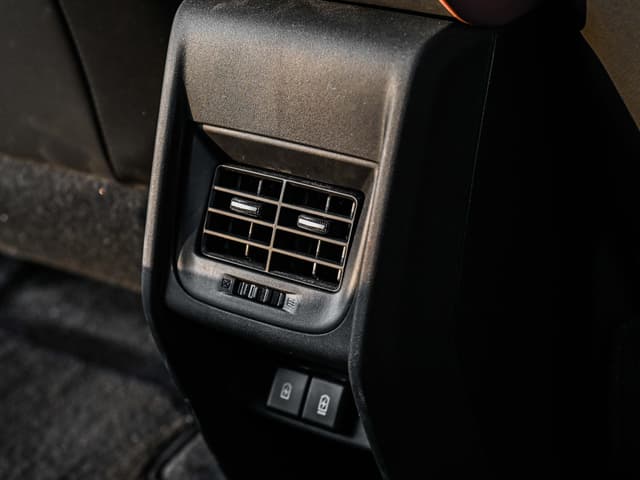
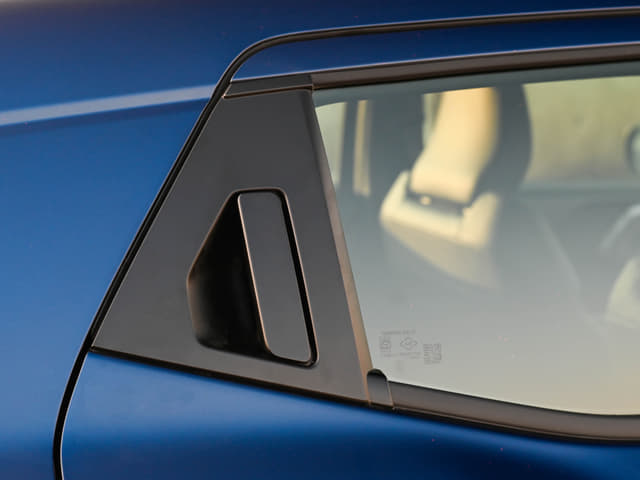
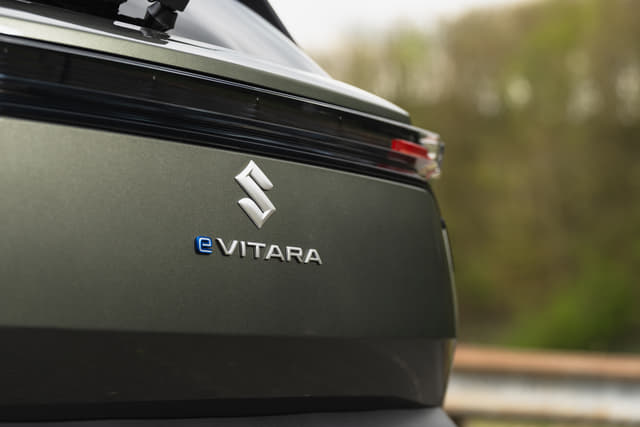
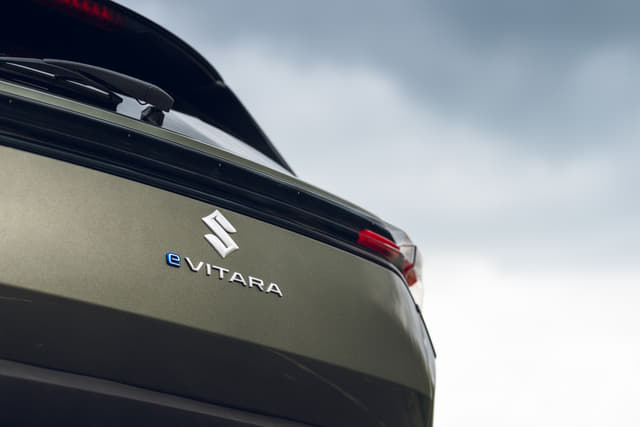
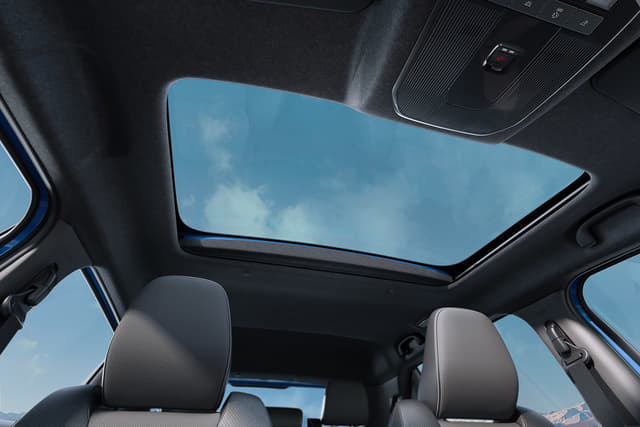
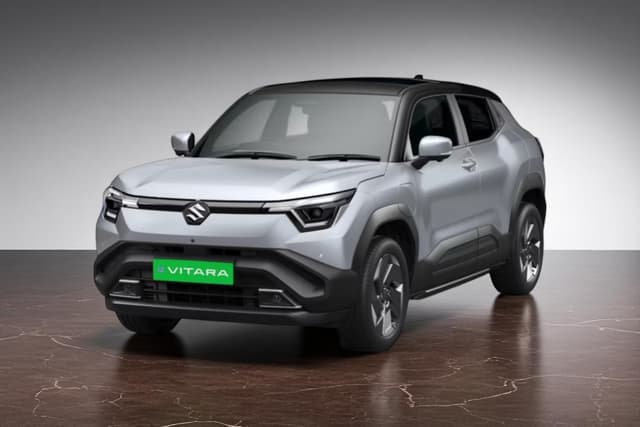
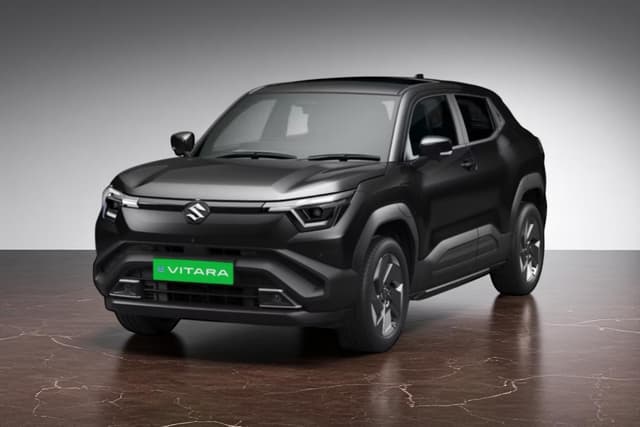
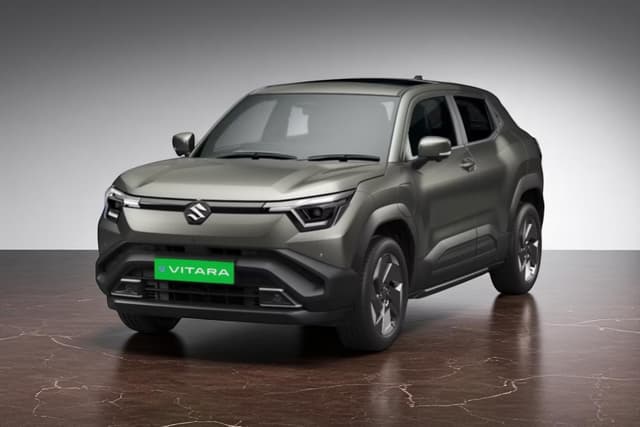
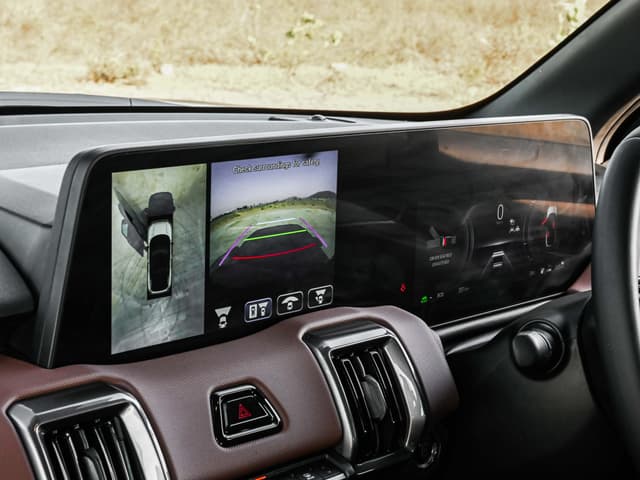
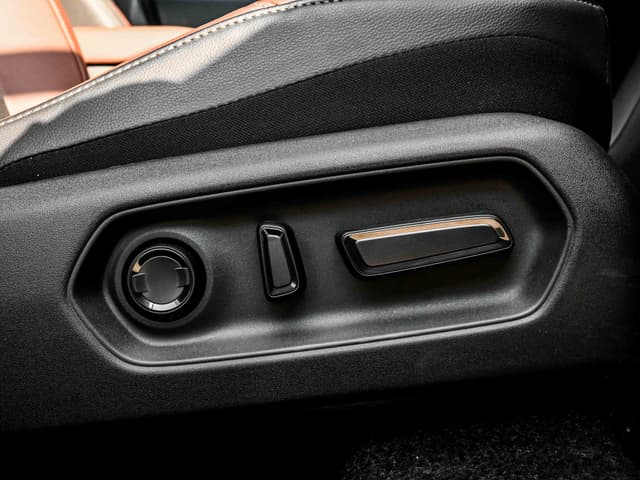
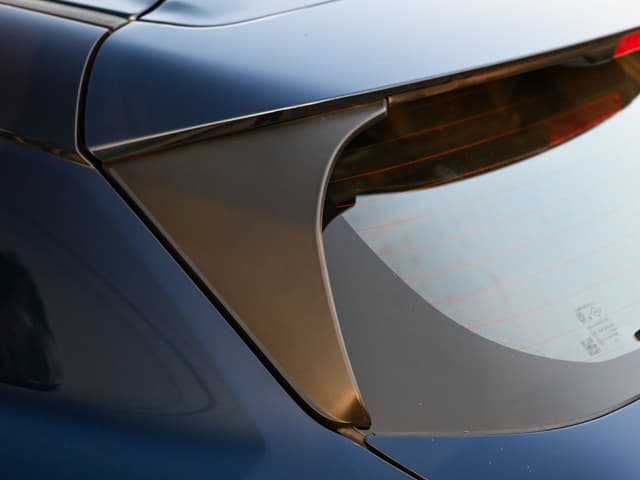
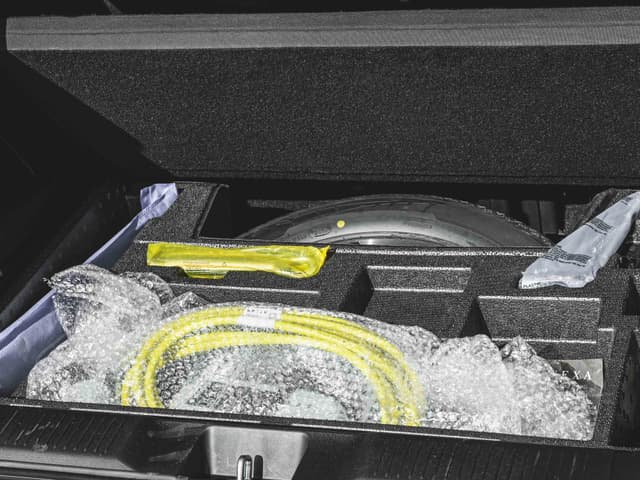
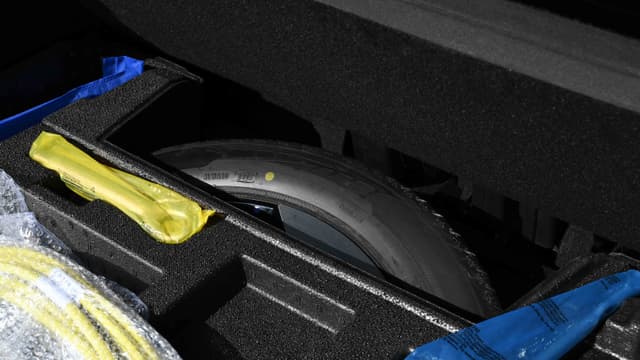
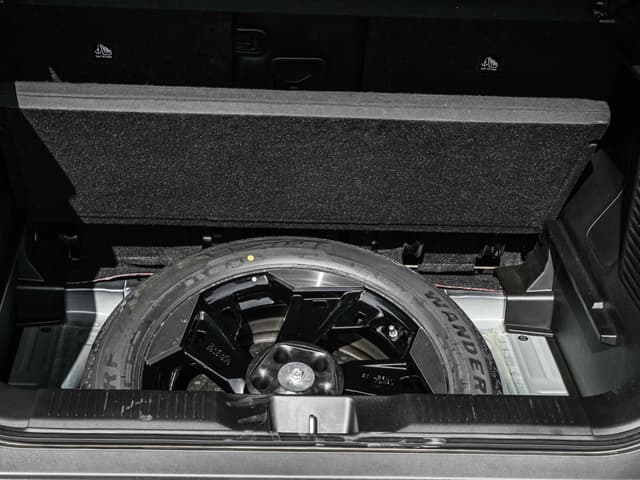
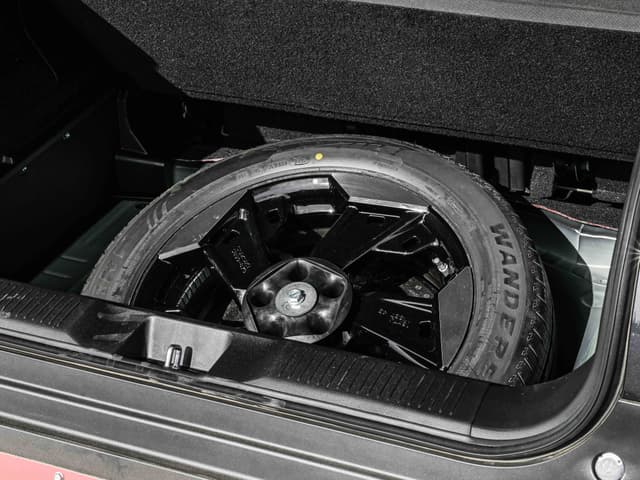
Questions you may find useful
How do the Maruti Suzuki e Vitara, Toyota Urban Cruiser Ebella, BYD Atto 3 and Hyundai Creta Electric compare in terms of performance and overall package?

 Maruti Suzuki e VitaraBYD Atto 3Hyundai Creta ElectricToyota Urban Cruiser Ebella
Hi Autocar Team, I currently own a 2021 Maruti Suzuki Swift ZXi (P) and have covered 100,000 km. My daily running is around 90–95 km for my office commute, and I live in Delhi-NCR while working in Greater Noida. I am a family of two, and my ownership experience so far has been completely hassle-free. The Swift is still running perfectly and delivers an average of around 22 km/l. Since I have now crossed the 100,000 km mark, should I consider upgrading? Given my daily running and the fact that I can manage home charging, I feel an EV could suit my requirements. Should I consider the Maruti Suzuki e Vitara Alpha or the VinFast VF6 Wind?
Maruti Suzuki e VitaraVinfast VF6Maruti Suzuki SwiftHello, I am from Goa and am in the process of buying an EV. I need expert advice to help me choose between the Creta EV-LR, the new Syros EV-ER, and the Maruti e Vitara 61kWh. I had initially shortlisted the Tata Punch EV 40kWh, but for the past 45 days, there have been no EV deliveries at Tata dealerships in Goa. Hence, out of desperation, I have been compelled to consider the above-mentioned options instead of the Punch EV. I would appreciate your response at the earliest.
Hyundai Creta ElectricMaruti Suzuki e VitaraKia Syros EVTata Punch EVI am using MG Hector plus Savvy pro CVT April,2023 model but its mileage is coming down to 7 to 8 on highway due to E 20 fuel, company is also saying that yr vehicle is E 20 compliant and need not worry about engine but during my highway trip to Delhi journey, my car stopped on flyover while running and did not take start, i have to call RSA and car went to service centre by towing. In service centre they told me that while cleaning engine tank white color substance found due to this fuel injection line choked and did not take start due to E 20 petrol. Now I want to switch to EV of either MG windser or TATA punch EV or Maruti E vitara. which is suitable as safety and price wise and range and charging price. My budget is 15 lac.
I am from Delhi, and my daily commute is around 80 km. I am looking for an EV with a budget of around Rs. 17 lakh. I have shortlisted the e Vitara Zeta 61 kWh and the Syros ER HTX 51 kWh. I want a niggle-free ownership experience, at least a 400 km range, a smooth and comfortable ride, and good interior space. I also plan to keep the car for at least 8-10 years. Please suggest which one is the better choice.
Kia SyrosMaruti Suzuki e VitaraSimilar Car Reviews
Upcoming Cars

Maruti Suzuki Cars

Trending Cars


Latest Cars