Autocar India

Kia cars in India (12)
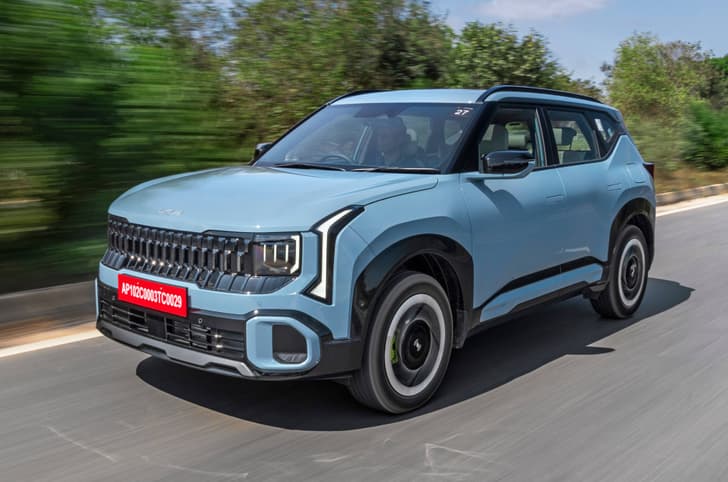
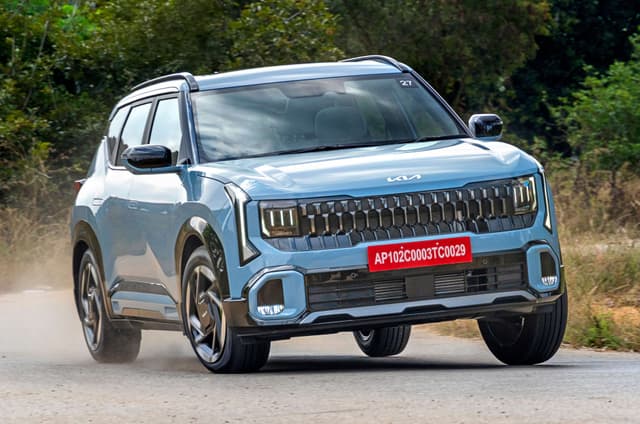
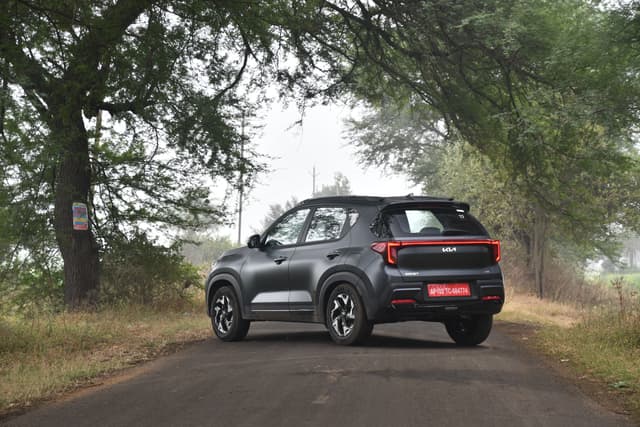
Kia is a sister entity to Hyundai, operating globally under the Hyundai Motor Group umbrella. In India, it debuted in 2019 with the Seltos SUV, followed by popular models like the Sonet, EV6, Carens Clavis, and Syros. It is one of the few mass-market carmakers in India to offer a diesel powertrain, along with petrol and EV choices, with a plug-in-hybrid powertrain joining in 2026.

Show more
8
Ivory Silver Matte color image
Electric icon
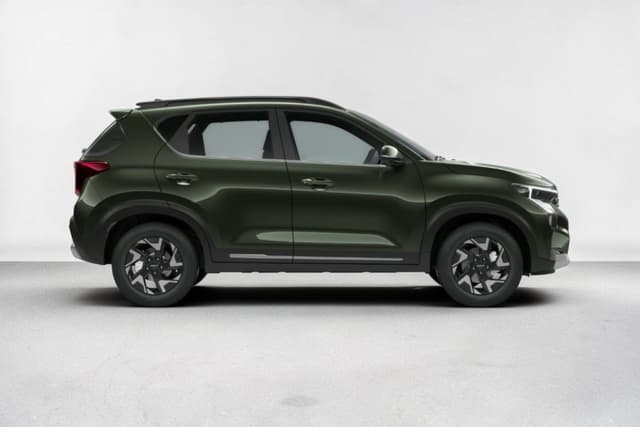
Kia Sonet Front View
Kia Sonet Front Right Three Quarter
Kia Sonet Rear View
Kia Sonet Front Right Three Quarter
Kia Sonet Rear View
8
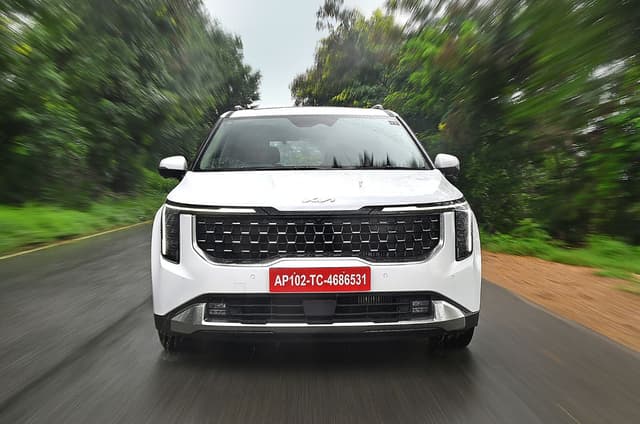
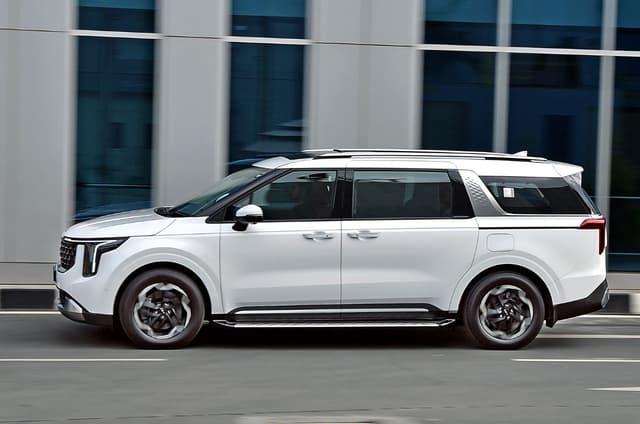
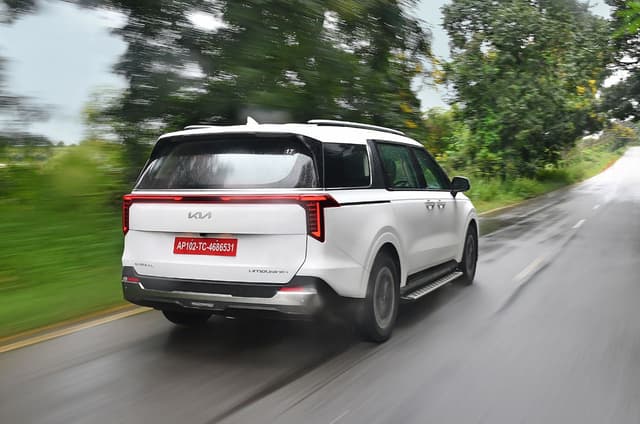
Kia Carnival Front View
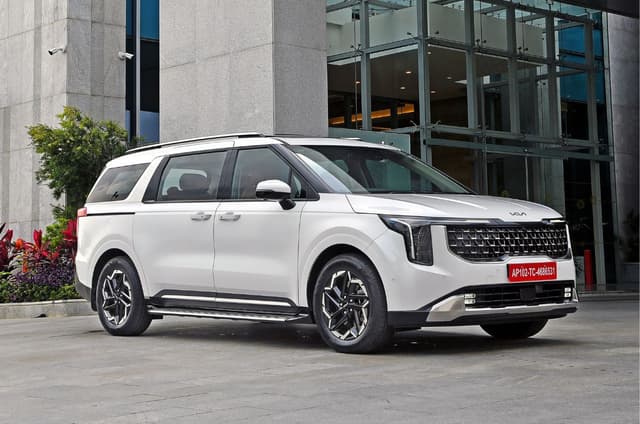
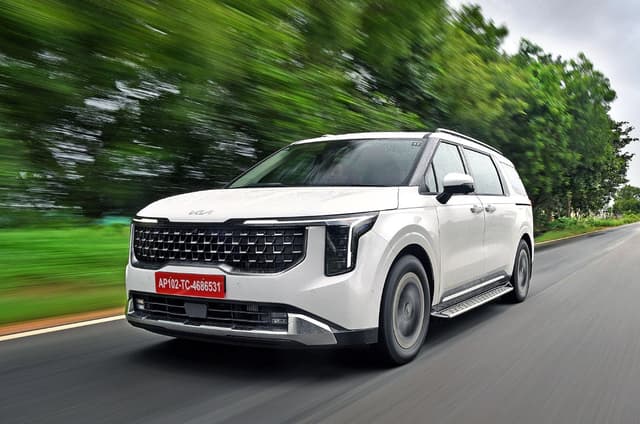
Kia Carnival Front Right Three Quarter
Kia Carnival Rear View
7
9
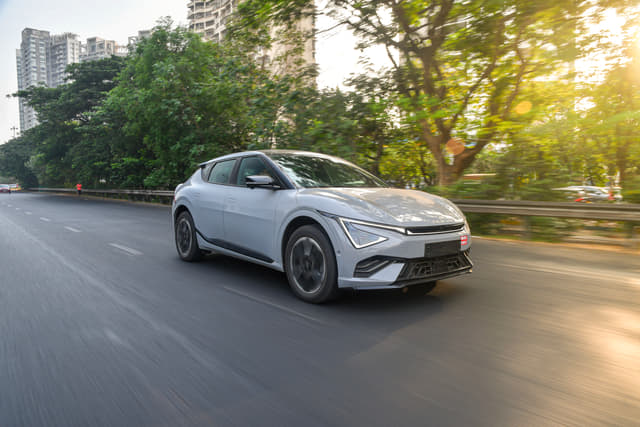
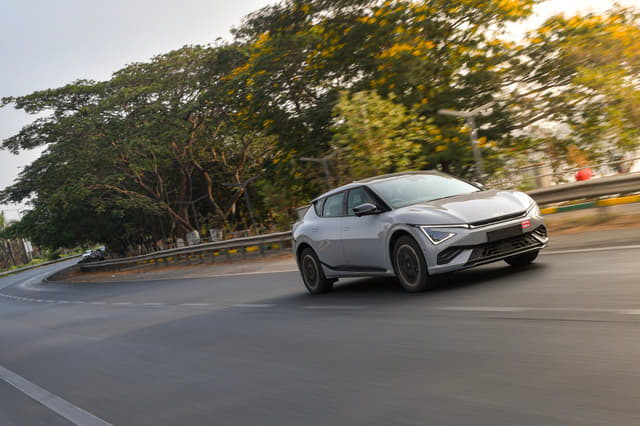
Kia EV6 Front Right Three Quarter
Kia EV6 Front Left Three Quarter
Kia EV6 Front Right Three Quarter
Kia EV6 Front View
8
Electric icon
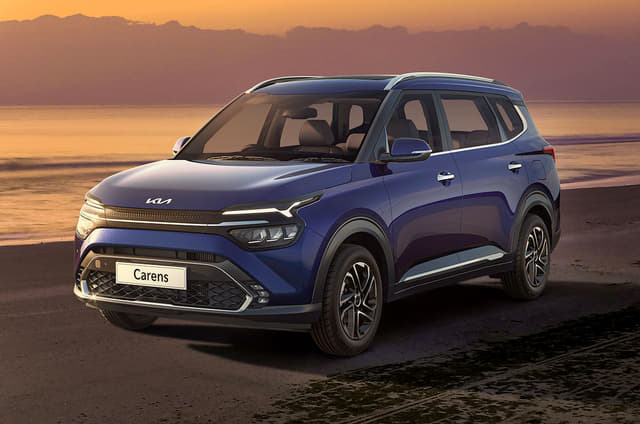
Kia Carens Front Right Three Quarter
Kia Carens Front View
Kia Carens Front Right Three Quarter
Kia Carens Front Left Three Quarter
8
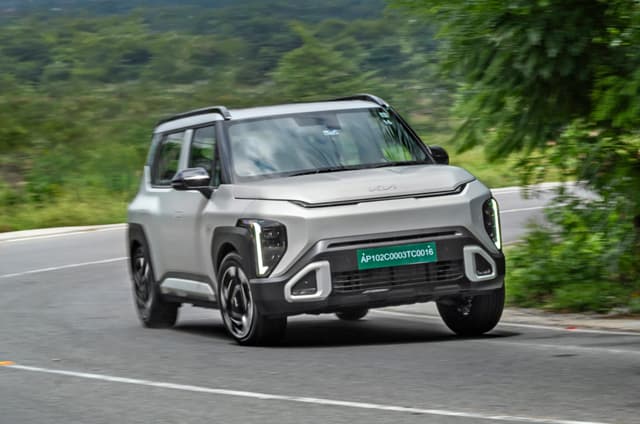
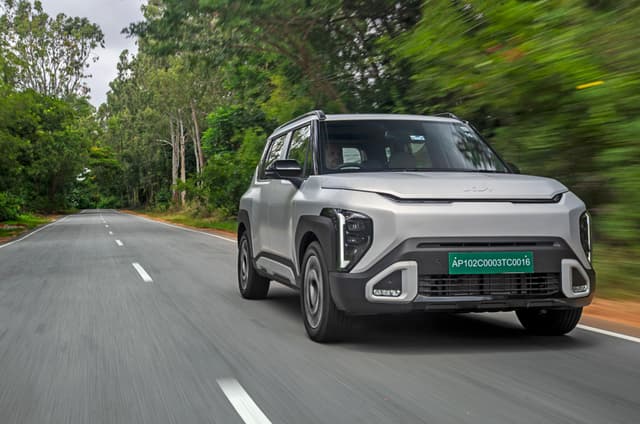
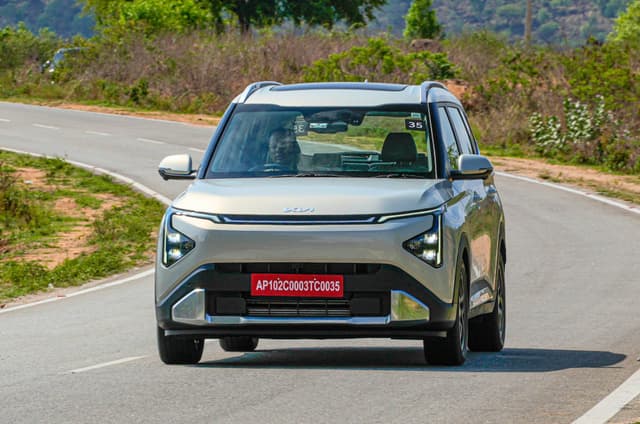
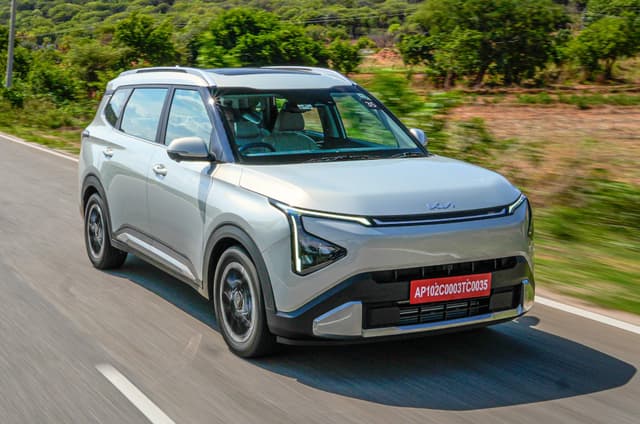
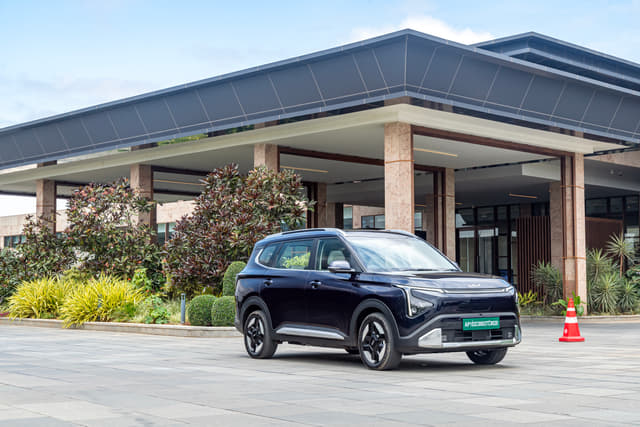
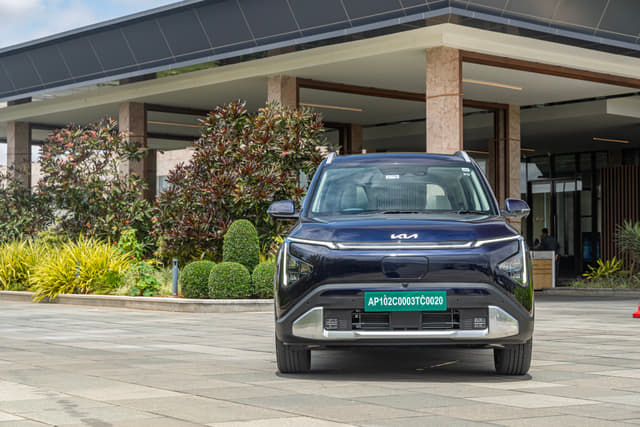
Kia Carens Clavis EV Front View
8
Electric icon
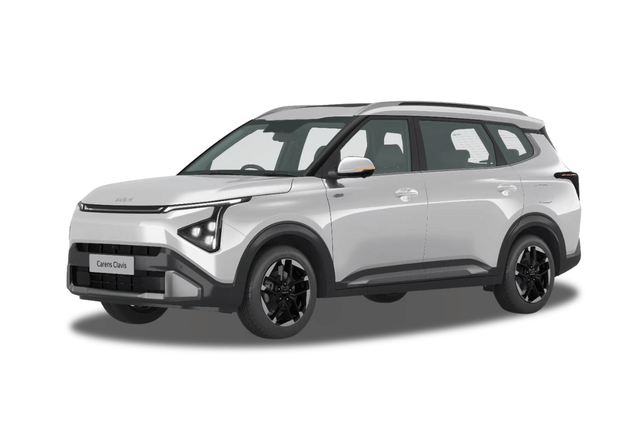
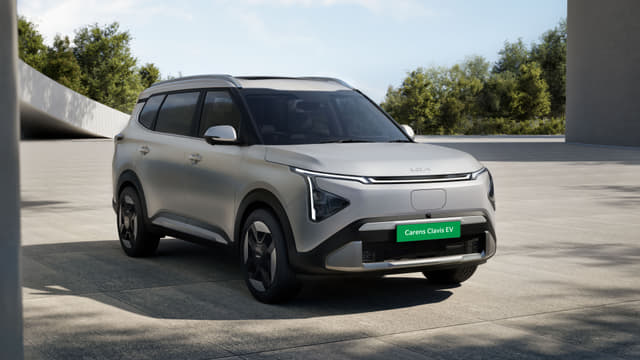
Kia Carens Clavis Color Sparkling Silver
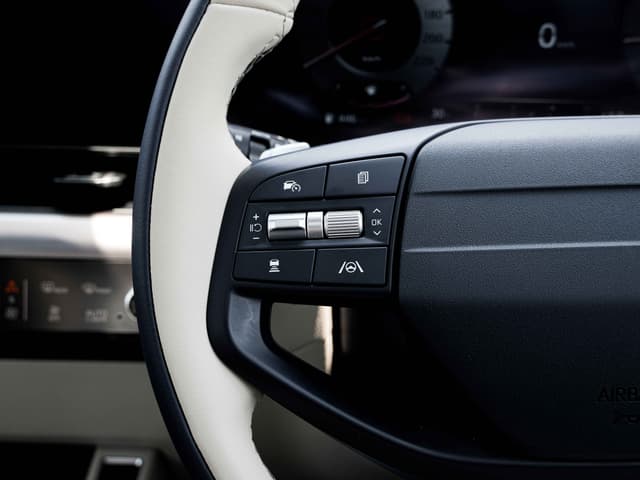
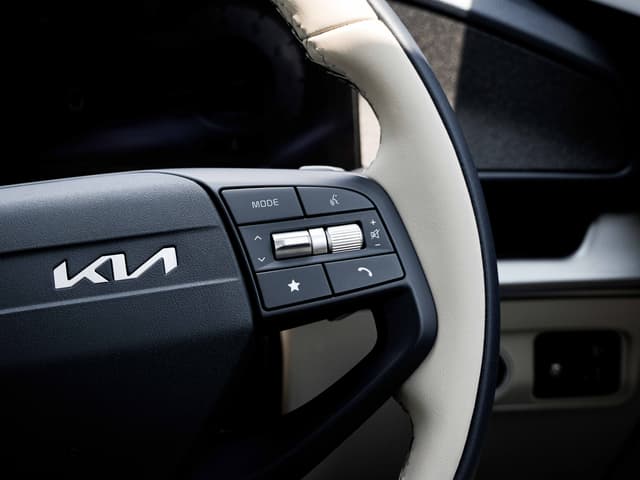
Steering Mounted Controls
8
Upcoming
2027
Exp. Launch
Upcoming
Mid 2026
Exp. Launch
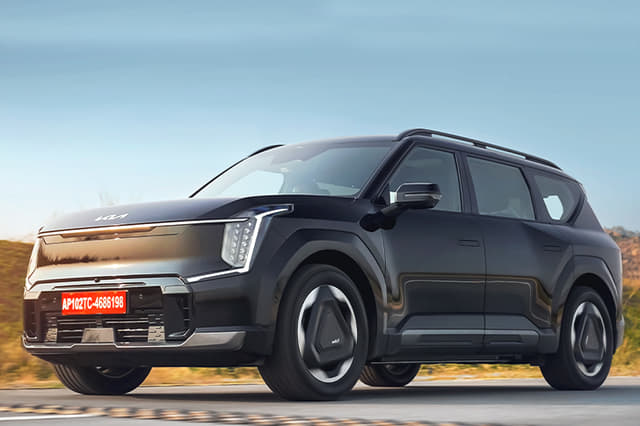
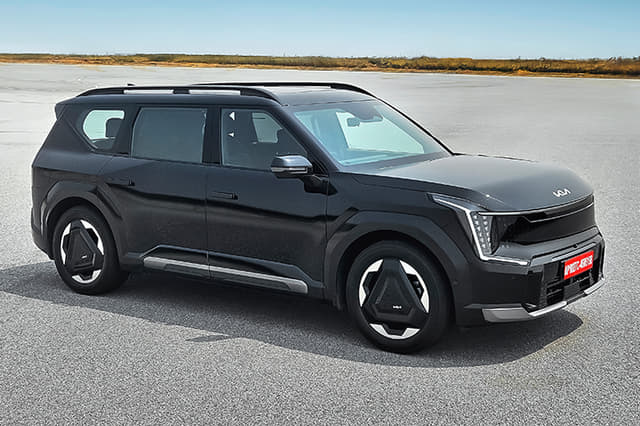
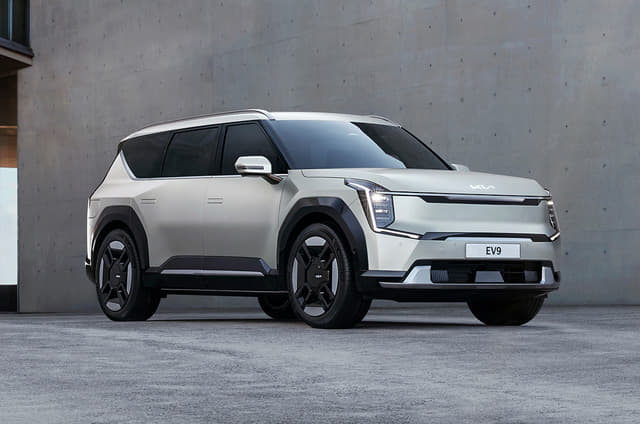
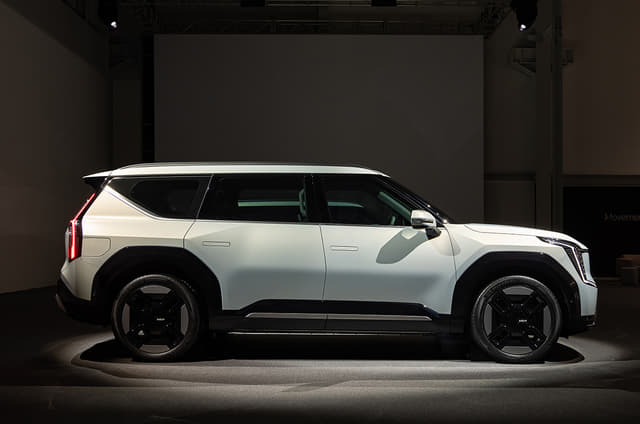
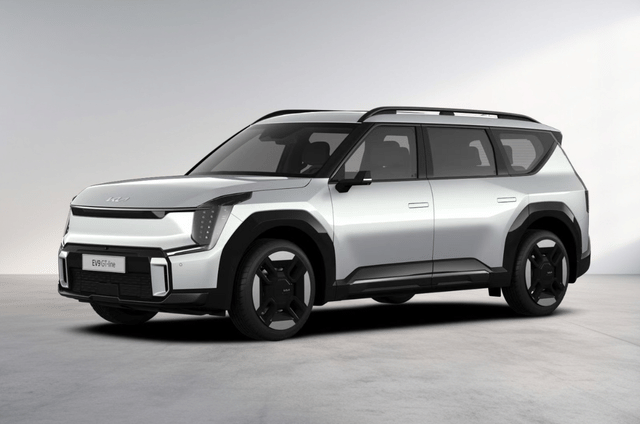
Kia EV9 Front Right Three Quarter
Kia EV9 Alloy Wheels
Snow White Pearl color image
7
Electric icon

Kia Cars - FAQs

Kia car price in India start at around ₹7.50 lakh and go up to ₹1.30 crore (ex-showroom).

The Sonet is the cheapest among all Kia cars in India. Its price starts at around ₹7.50 lakh (ex-showroom).

The EV9 is the most expensive model in the current Kia India lineup. It is priced at ₹1.30 crore (ex-showroom).

The Kia cars in India that are currently on sale are: Seltos, Carnival, Sonet, Syros, EV6, Carens Clavis, Carens Clavis EV, Carens, and EV9.

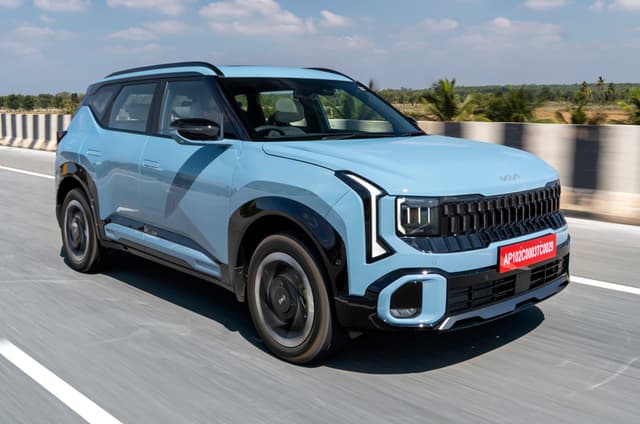
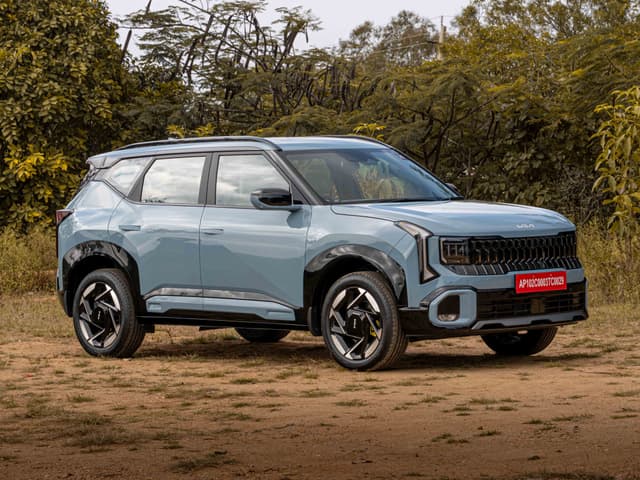
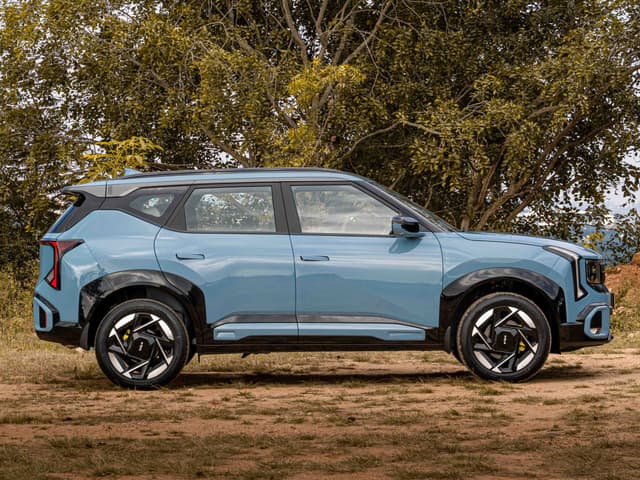
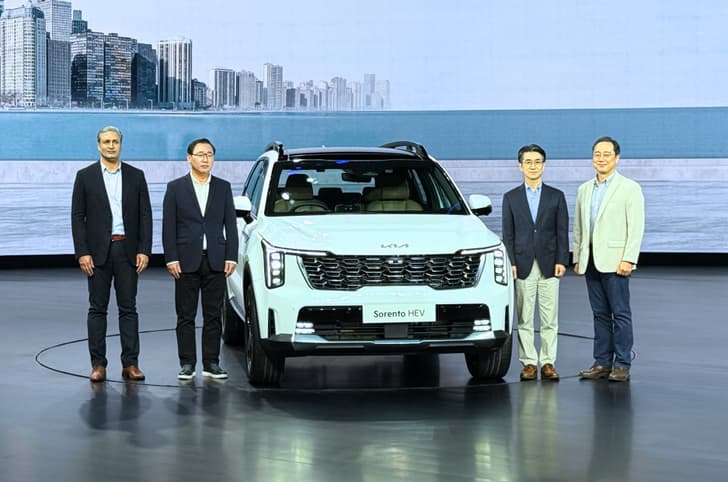
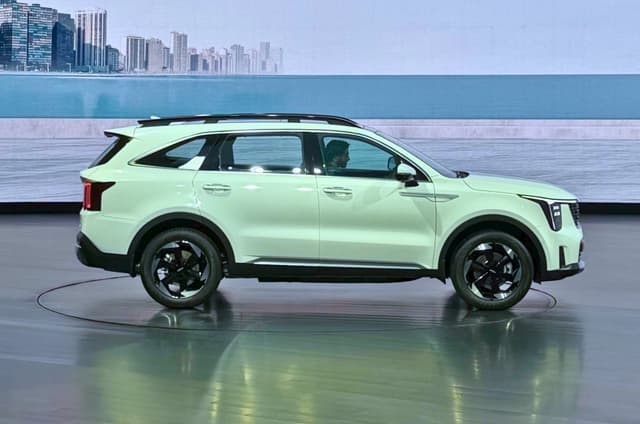
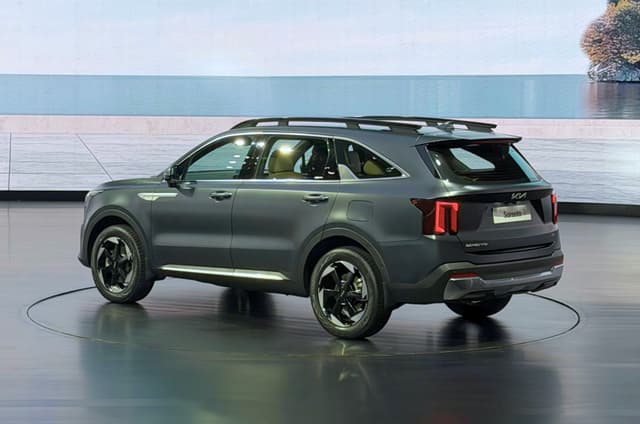
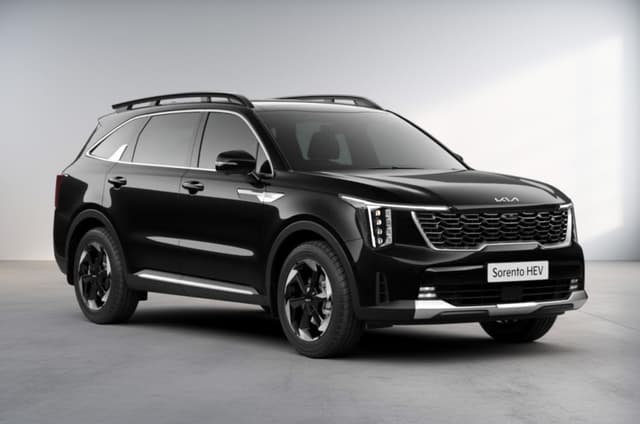
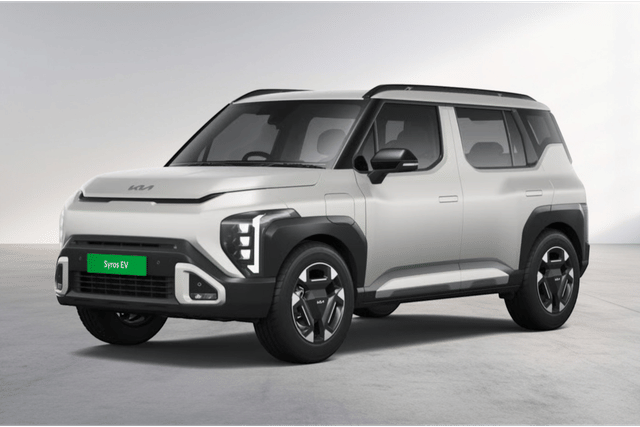
Yes. The upcoming Kia cars in India include 3 models: the New Sonet, the Syros EV, and the Sorento. These models are going to be launched in between 2026-2027. 

Kia manufactures its cars at the Penukonda plant in Andhra Pradesh.

The Kia electric car price in India starts at around ₹18 lakh and goes up to ₹1.30 crore (ex-showroom). The Carens Clavis EV is the most affordable electric model, while the EV9 is the most expensive.

Among the Kia electric cars in India, the EV6 offers a claimed range of 663 km, which is the highest in the current lineup.

There are four Kia 7 seater cars in India: Carnival, Carens Clavis, Carens Clavis EV, and Carens.

Kia sedan cars are not currently available in India. The Indian lineup mainly consists of SUVs, MPVs, and electric models.

Need an expert opinion on your car related queries?

Trending Questions on Kia Cars - Answered by Autocar Experts

7h

Hi Team, I have a 2021 Kia Seltos HTK iMT and am planning to install an aftermarket CNG kit due to my increased running. Could you please confirm whether the iMT gearbox works well with an aftermarket CNG setup? The car has currently run 8,000 km.

Verified
17m

We would strongly advise against installing an aftermarket CNG kit on your Kia Seltos HTK iMT. This Kia car uses a direct injection turbocharged petrol engine, which isn't well suited to aftermarket CNG conversions. The iMT gearbox adds another layer of complexity, as the system relies on precise engine and clutch control, and CNG conversions could affect drivability and calibration. More importantly, Kia does not offer a factory CNG option on the Seltos, so any conversion would void your warranty and introduce reliability risks. If your running has increased significantly, it would be more sensible to replace your Seltos with a diesel car or consider a factory CNG model where the engine and fuel system are designed to work together from the factory.

VehicleKia Seltos
23h

I currently own a Skoda Kushaq Petrol AT. Everything is fine except the mileage. I am getting only around 10-13kpl with E20 petrol. My daily running is around 100 km. Should I buy a diesel car or an electric car?

Verified
7h

With a daily running of around 100 km, fuel efficiency becomes a major factor in ownership costs. The Skoda Kushaq petrol automatic is a good car, but the 10-13kpl you are seeing is typical for a turbo petrol automatic, especially with E20 petrol. At this usage, a diesel or a strong hybrid makes far more sense.If you do regular highway runs, a diesel is still the most practical and cost-effective solution. The Mahindra XUV 7XO diesel automatic would be the recommendation here. It is a strong highway car, comfortable, spacious and the diesel engine will deliver significantly better fuel efficiency than your Kushaq. Diesel running costs will be far lower over your kind of mileage. If that is out of your budget, something smaller like a Kia Seltos diesel, while not as powerful, is even more efficient.If your usage is mostly city a strong hybrid could be a better solution. The Maruti Suzuki Victoris is the most practical and cost-effective option. It is well priced, has a proven track record and will dramatically reduce your running costs. The strong hybrid is better suited to the city, where it is more likely to run on its electric motor than use the engine and deliver the better mileage.

VehicleSkoda Kushaq
VehicleKia Seltos
VehicleMahindra XUV 7XO
VehicleMaruti Suzuki Victoris
1d

Hi Autocar, I am looking at the XUV 7XO base diesel variant. I do not want heavy features like a sunroof, ventilated seats, etc., as they are a waste of money in my opinion. Please suggest whether it is a good choice or if there are any alternatives in the Rs 18-20 lakh on-road budget. Also suggest whether I should go for petrol or diesel, and whether any other 7-seater options are available in this budget.

Verified
9h

Go for the Mahindra XUV 7XO diesel base variant. It is one of the best value-for-money 7-seaters in your budget range, and the base variant is actually a smart choice because it offers the strong fundamentals of the car without paying extra for features you do not want. The diesel engine is the right choice here; it is a strong, refined unit with plenty of torque, and it makes the most sense for a large 7-seater SUV, especially if you do a mix of city and highway driving. The petrol is a good engine too, but it won't be as efficient as the diesel.If you are open to alternatives, the Kia Carens Clavis is worth a look. It is a more practical, family-focused 7-seater with a genuinely usable third row, but it does not have the same SUV appeal or road presence as the XUV 7XO.Overall, the XUV 7XO diesel base is the best fit for your requirements. It gives you a strong engine, a genuinely spacious 7-seater layout and good value for money without paying for features you do not want.

VehicleMahindra XUV 7XO
VehicleKia Carens Clavis
1d

I am currently using a 2024 VW Virtus 1.5 GT (electric seats variant) and have completed 16,000 km. My current monthly running is around 1,000 km, mostly in the city. Should I continue with this car or switch to an EV? My Virtus has an online resale value of around Rs. 14 lakh, and I do not want to spend more than Rs. 3-4 lakh over its resale value. Please suggest whether I should buy an EV within this budget or continue with the Virtus.

Verified
1d

If you enjoy driving, we'd recommend you stick with your Volkswagen Virtus 1.5 GT. At 16,000km and a 1,000km/month usage pattern, mostly in the city, the car is still relatively new and well within its prime ownership window. The 1.5 TSI is a strong, efficient engine and the Virtus is a genuinely enjoyable car to drive, especially in urban conditions where its size and performance are well suited. Your budget of Rs 14 lakh resale plus Rs 3-4 lakh extra puts you in the Rs 17-18 lakh range, which limits your electric car options to models like the Tata Nexon EV, Mahindra XUV 3XO EV, MG Windsor and Kia Syros EV. While these are competent cars, they will not feel like a meaningful upgrade over the Virtus in terms of overall ownership experience. The financial case for switching to an EV at this stage is also weak given the depreciation hit you would take on a nearly new car. Unless you have a strong desire to go electric, it makes more sense to continue with the Virtus for a few more years and revisit the EV decision when your usage pattern or the EV market justifies it.

VehicleVolkswagen Virtus
VehicleTata Nexon EV
VehicleMahindra XUV 3XO EV
VehicleMG Windsor
VehicleKia Syros EV
1d

Hi everyone, We currently own a Chevrolet Sail Sedan Diesel and are planning to upgrade. I'm having a tough time deciding between buying another diesel SUV or switching to an EV. Our usage pattern is quite different from most buyers. We drive around 50 km per week, almost entirely within the city. Highway trips are very rare, maybe once or twice a year. Because of this, I feel an EV makes more sense, and I absolutely love the smooth and quiet driving experience that electric cars offer. At the moment, I'm considering the Tata Nexon EV, Kia Syros EV (newly launched), and the Hyundai Creta Electric, especially the new BaaS option in the base variant. I'm leaning slightly towards Kia/Hyundai because they seem to have a better reputation for battery management, software, overall reliability, and after-sales service compared to Tata. If I decide to stay with diesel, the base model Kia Seltos Diesel would probably be my choice. However, I'm quite concerned about modern diesel systems, particularly DPF regeneration and DEF/AdBlue-related issues. Since our driving is mostly short city trips with very little highway usage, I'm worried that a diesel may not be the right fit in the long run. Given our usage pattern, what would you recommend: Kia Seltos Diesel, Tata Nexon EV, Kia Syros EV, or Hyundai Creta Electric? I'd especially appreciate feedback from owners who have experience with these cars in predominantly city driving. Thanks in advance!

Verified
1d

Between the Nexon EV, Syros EV and Creta Electric, the Nexon EV is the most affordable option. But we'd strongly recommend the Syros EV - it is a very sensible choice. It is priced well, has a good feature set, and cabin space is excellent. Kia's battery management, software and service network inspire more confidence for long-term ownership. Overall, the Syros EV is the more balanced package, and even though the Creta Electric is a good car, the Syros EV comes across as better value for money.

VehicleKia Syros EV
VehicleTata Nexon EV
VehicleHyundai Creta Electric

Last Updated on: 29 Jul 2026