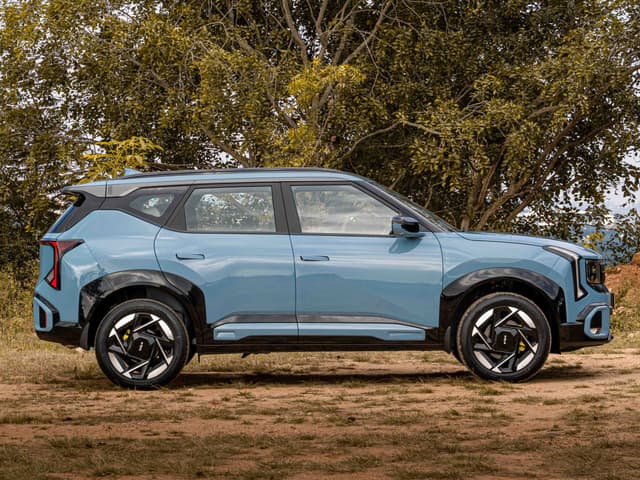
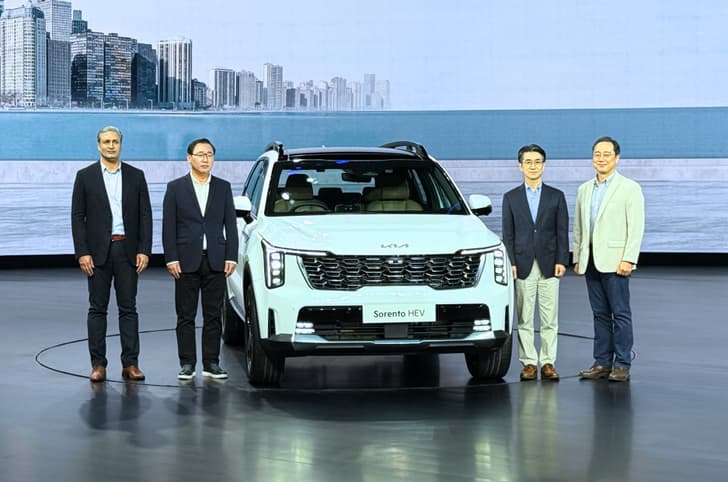
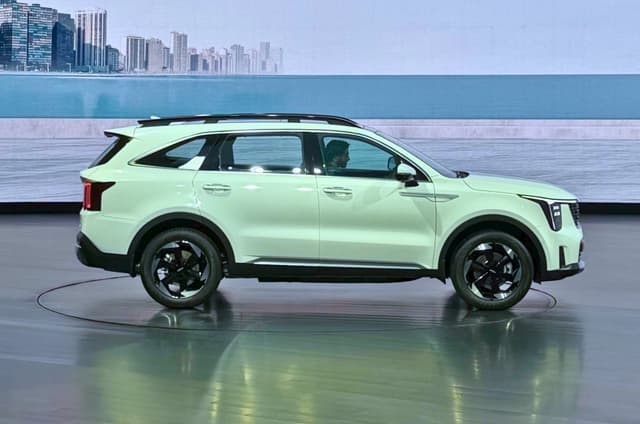
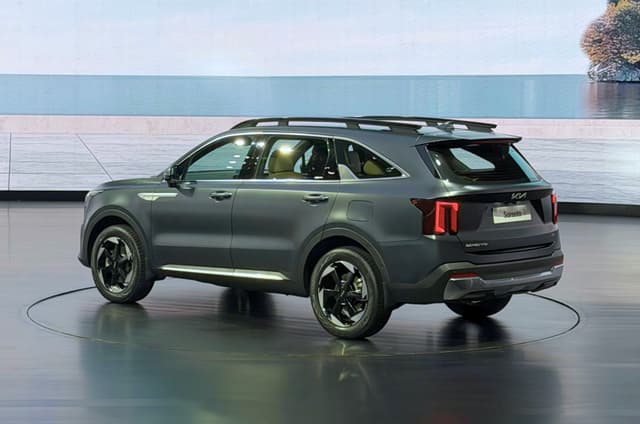
Kia cars in India (11)
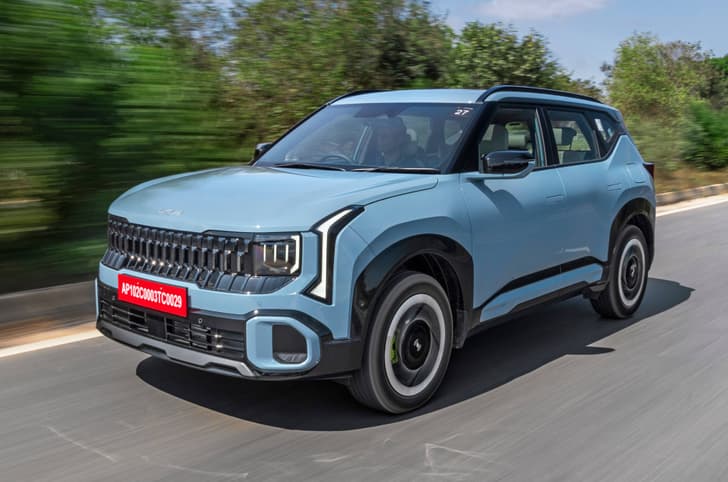
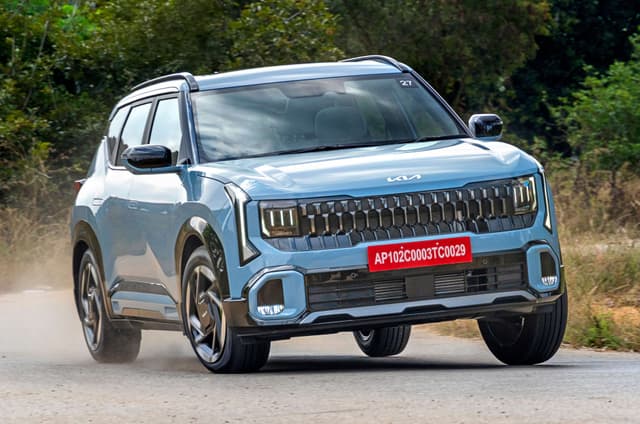
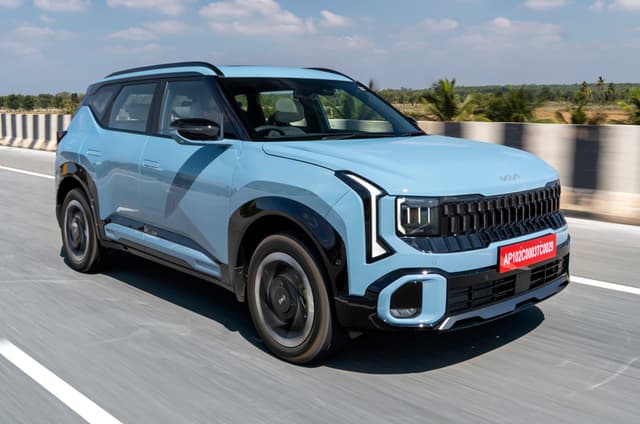
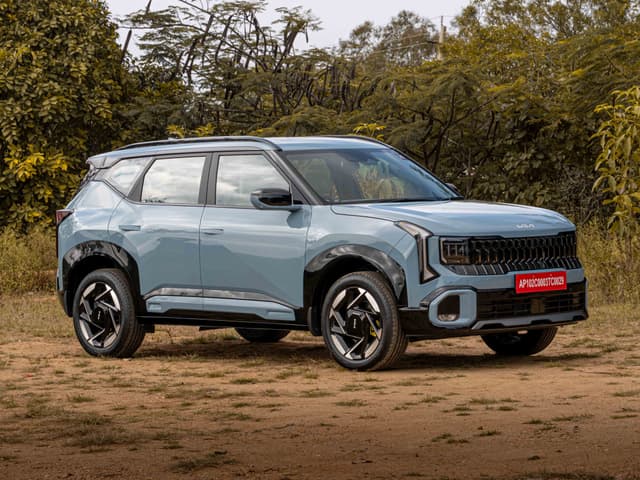
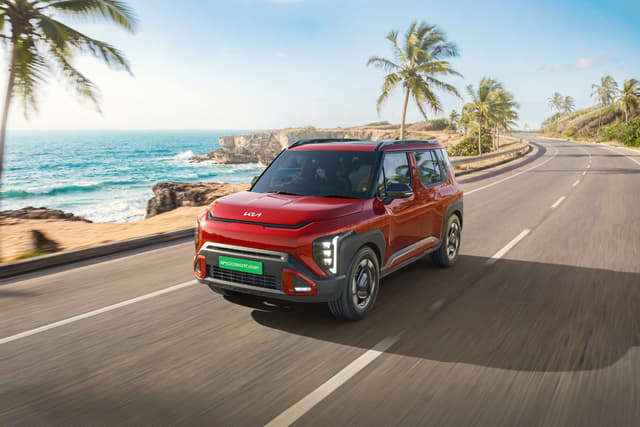
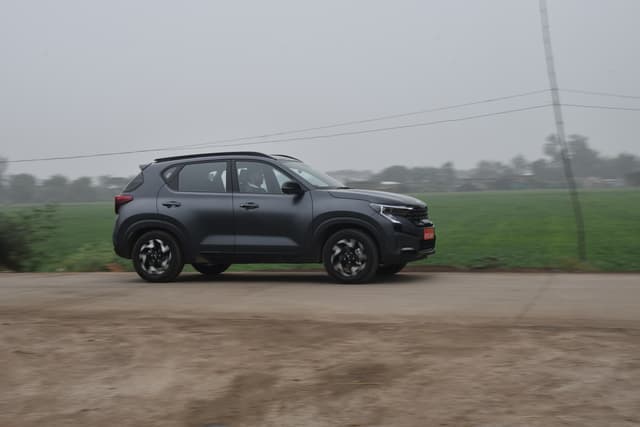
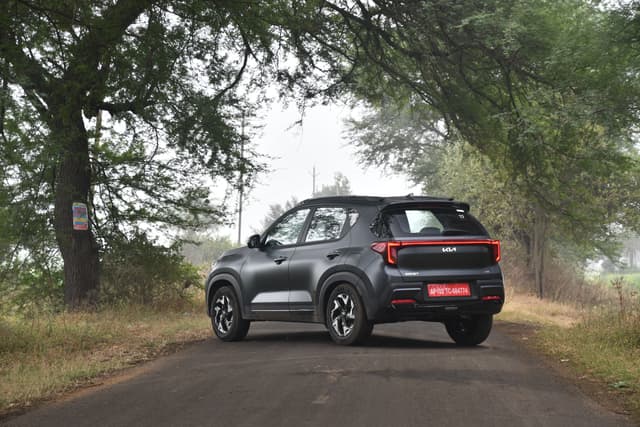
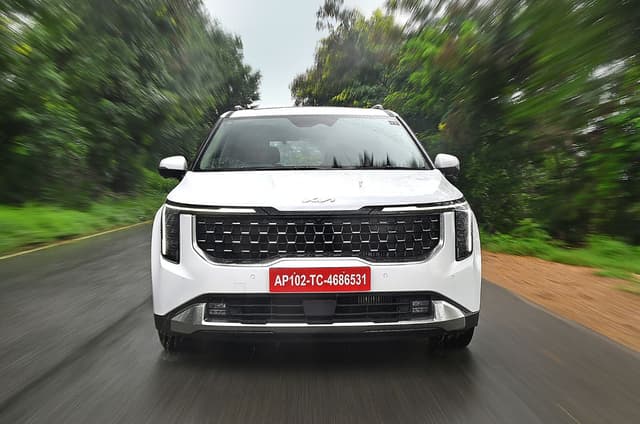
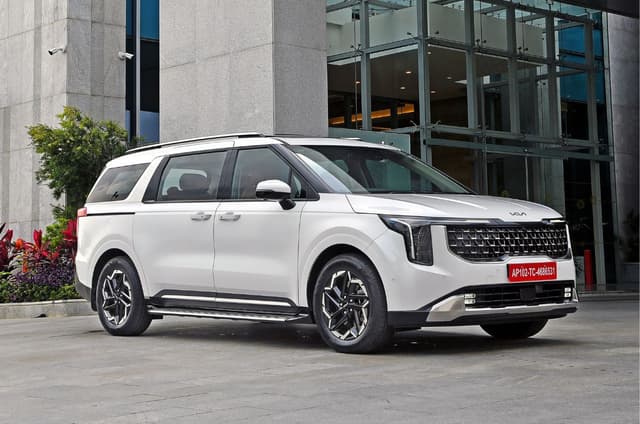
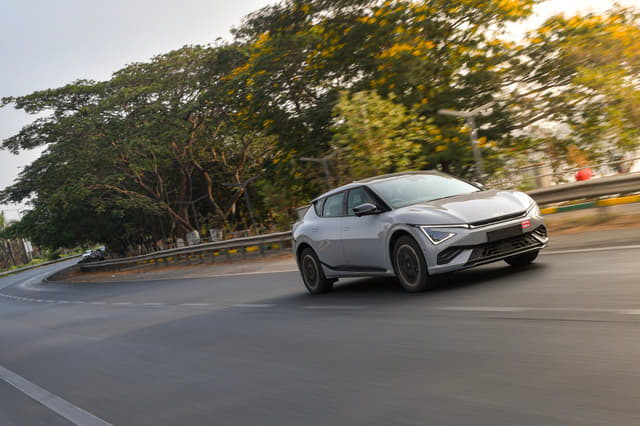
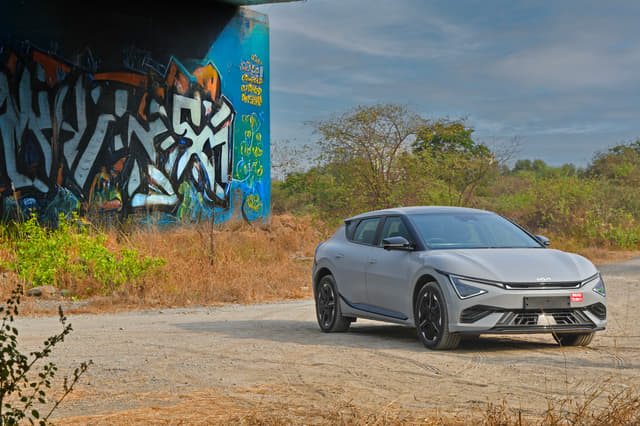
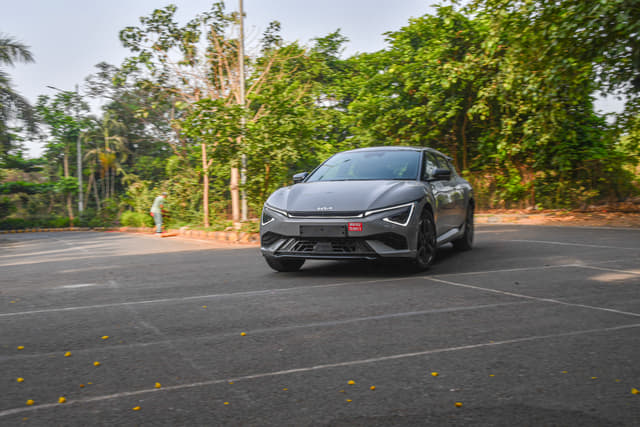
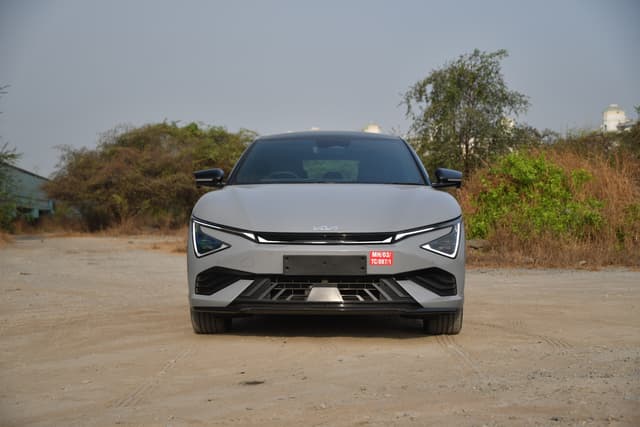
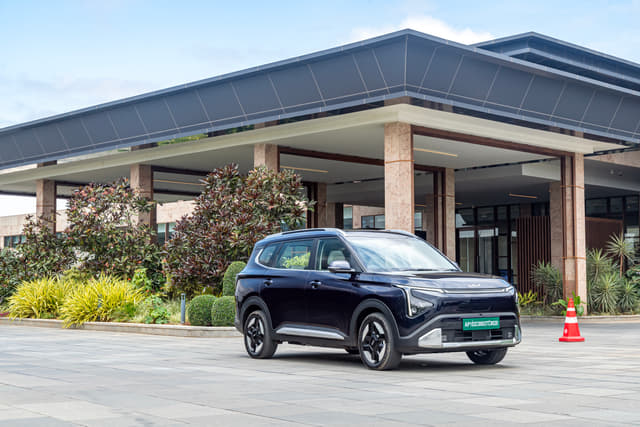
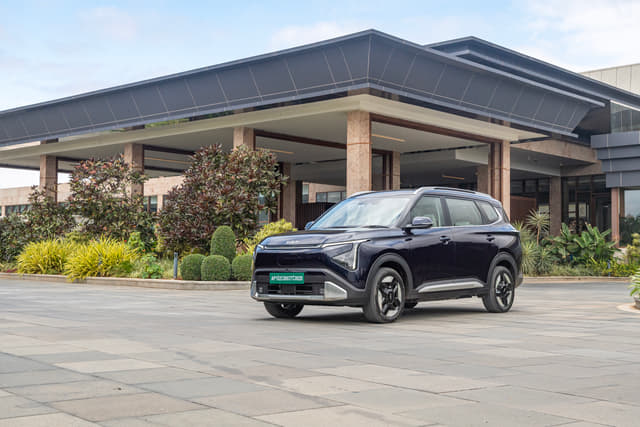
Kia entered the Indian market in 2019 with the launch of the Kia Seltos SUV. The company manufactures cars at its Penukonda plant in Andhra Pradesh. This South Korean brand offers a total of 9 models: 4 MUVs and 5 SUVs. The Kia India line-up includes petrol, diesel, and electric car options. Kia car price in India starts from ₹7.99 lakh for the entry-level Sonet and goes up to ₹1.29 crore for the top model, EV9.
Kia Car Price in India 2026
Here are all the Kia cars offered as of January 2026:
Kia Car | Price (ex-showroom) | Fuel Type | Transmission Type | 0-100 (in seconds) |
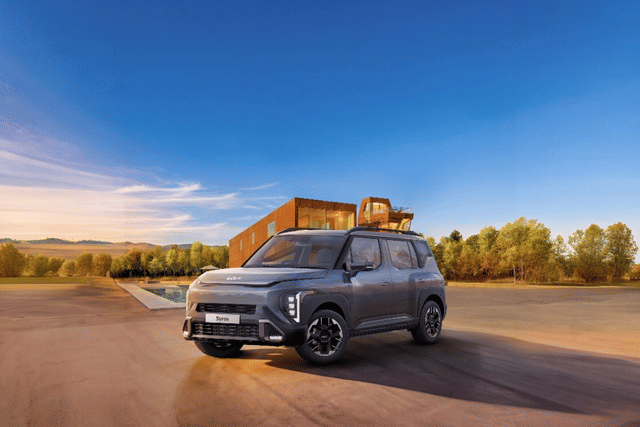
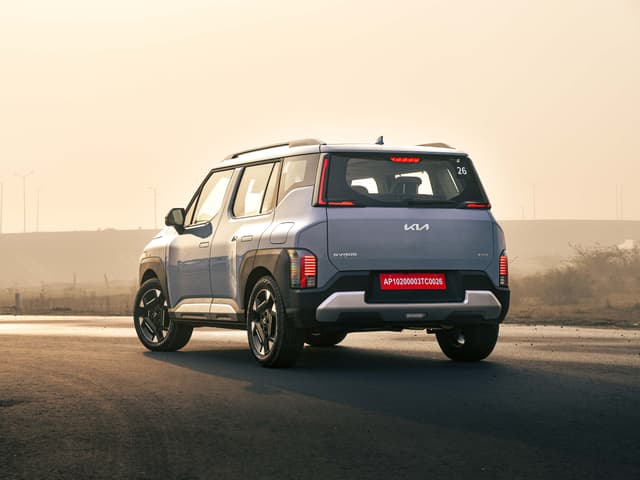
Kia Syros | ₹8.99 lakh - ₹17.79 lakh | Diesel, Petrol | TC, DCT, Manual | 12.63 |
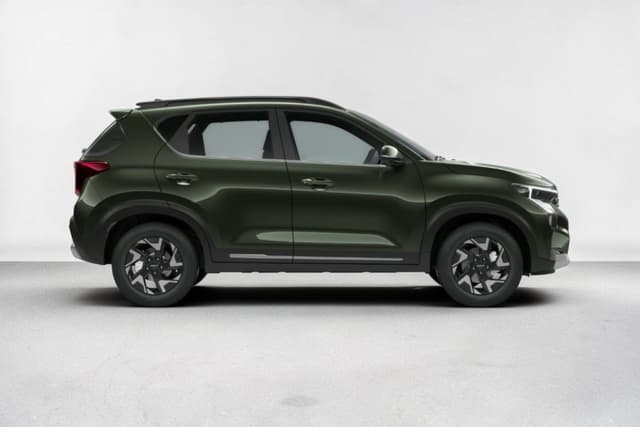
Kia Sonet | ₹7.99 lakh - ₹15.63 lakh | Diesel, Petrol | TC, DCT, Manual | 11.48 - 12.25 |
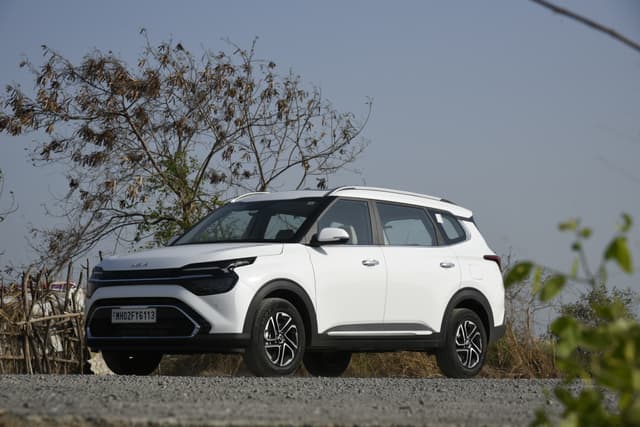
Kia Seltos | ₹11.12 lakh - ₹20.50 lakh | Diesel, Petrol | DCT, IMT, CVT, TC, Manual | 12.91 |
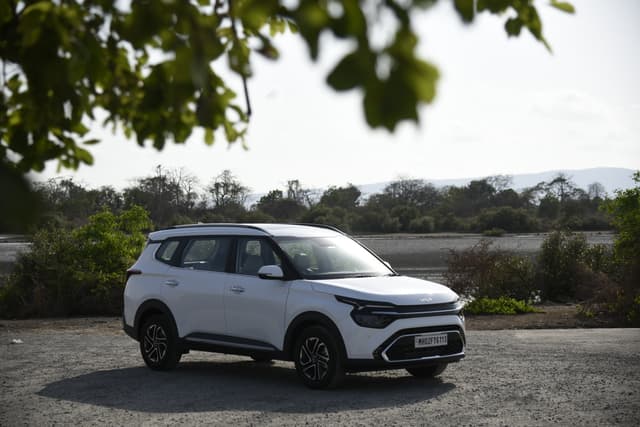
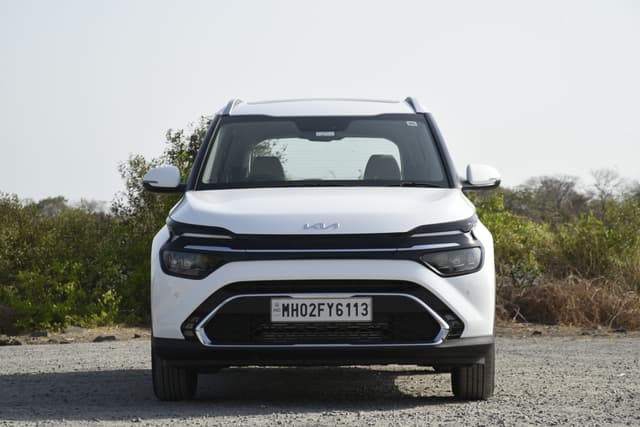
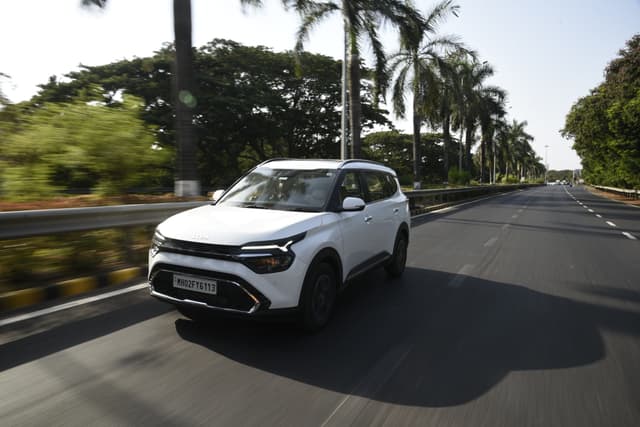
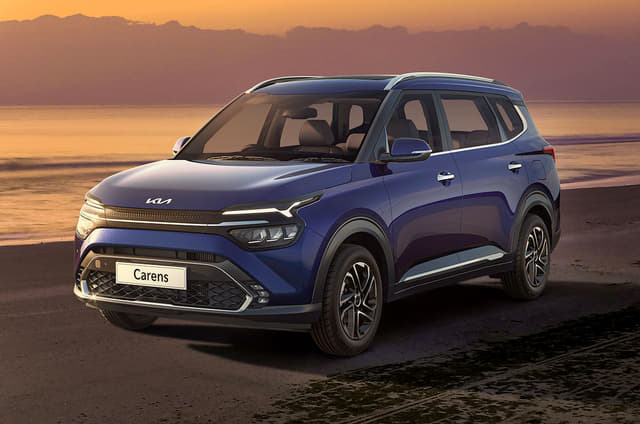
Kia Carens | ₹11.40 lakh - ₹13.25 lakh | Diesel, Petrol | IMT, Manual | 10 - 12.4 |
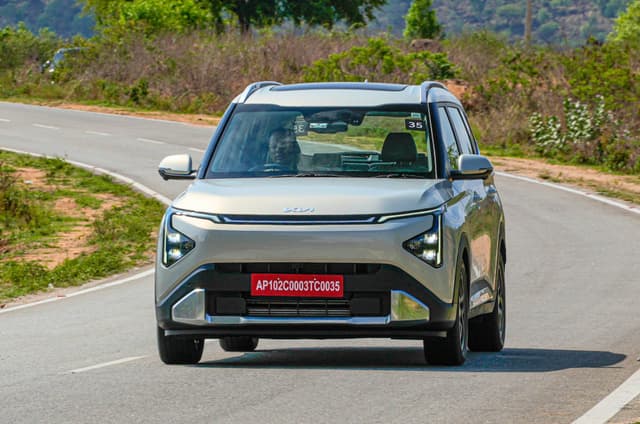
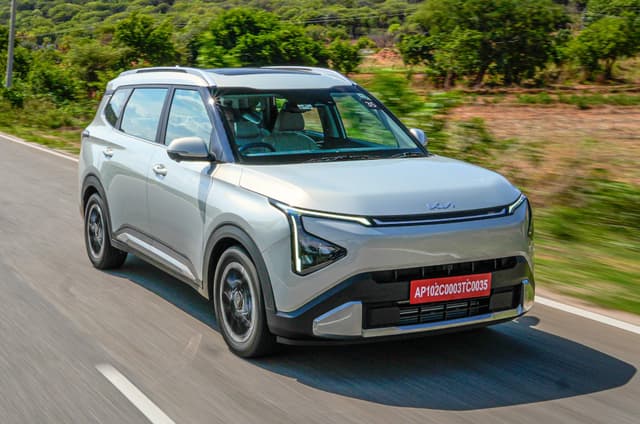
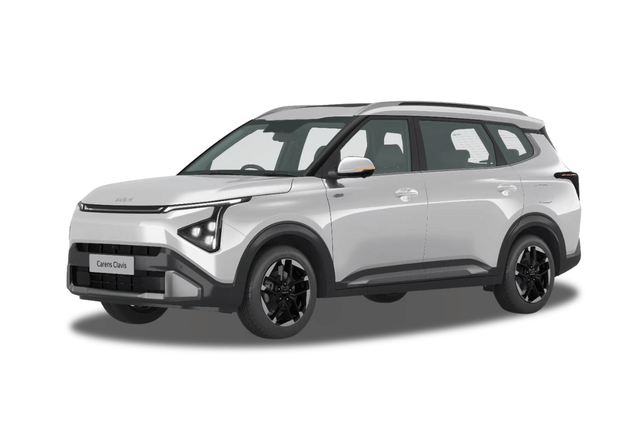
Kia Carens Clavis | ₹11.49 lakh - ₹21.49 lakh | Diesel, Petrol | Manual, IMT, TC, DCT | 8.4 |
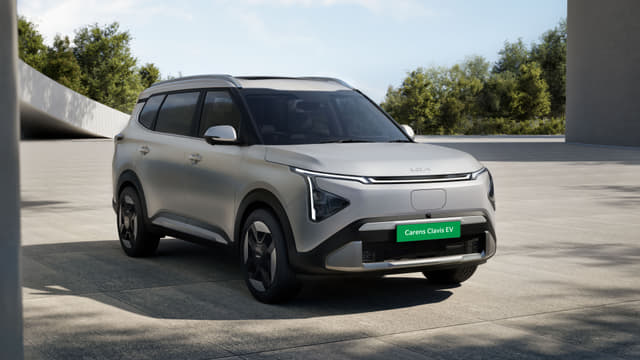
Kia Carens Clavis EV | ₹17.99 lakh - ₹24.49 lakh | Electric | Automatic | 8.4 |
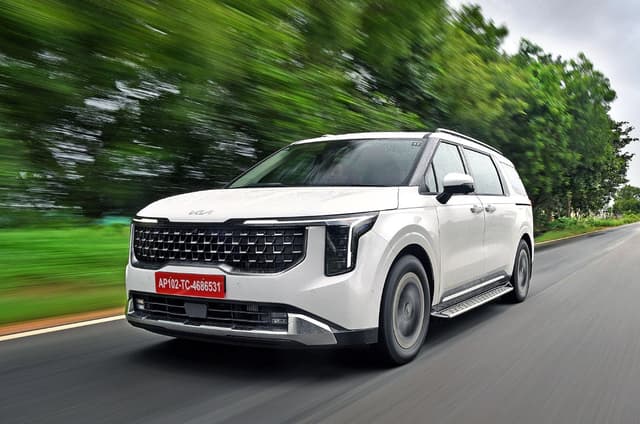
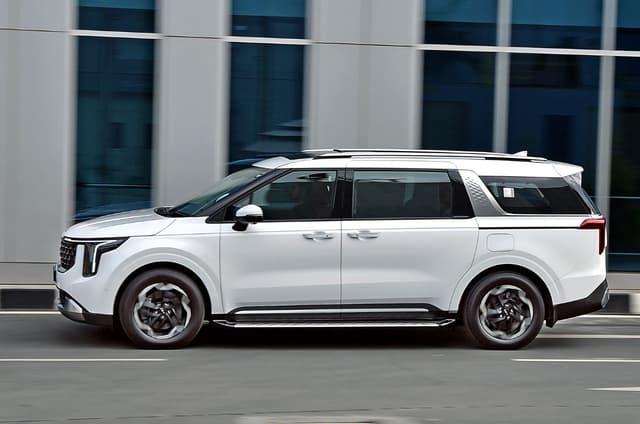
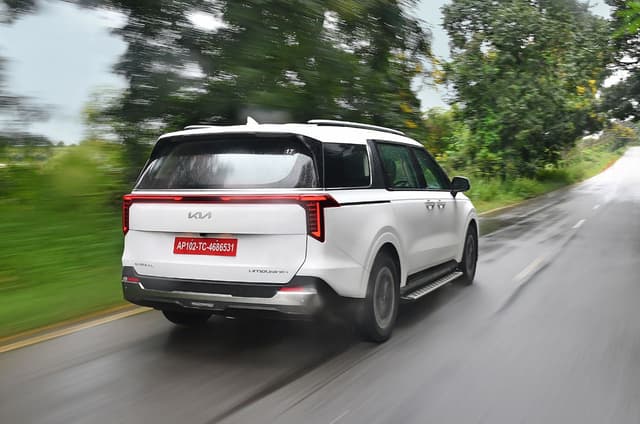
Kia Carnival | ₹63.91 lakh | Diesel | Automatic | 11.1 |
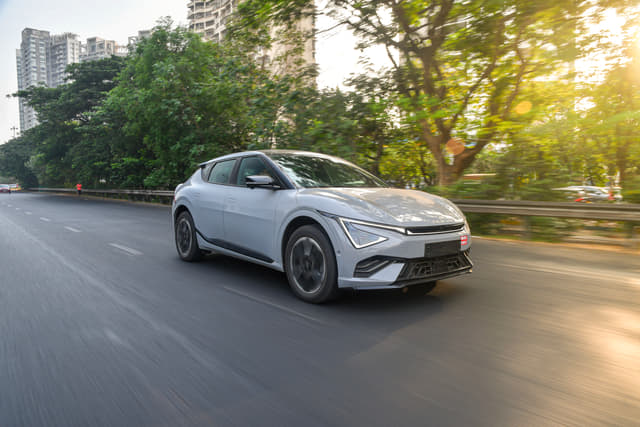
Kia EV6 | ₹65.96 lakh | Electric | Automatic | 5.16 |
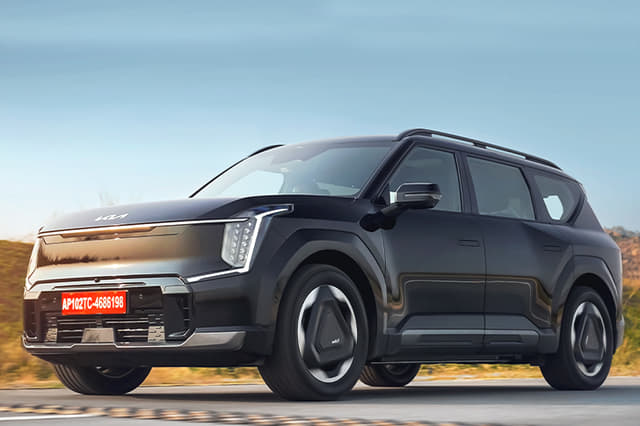
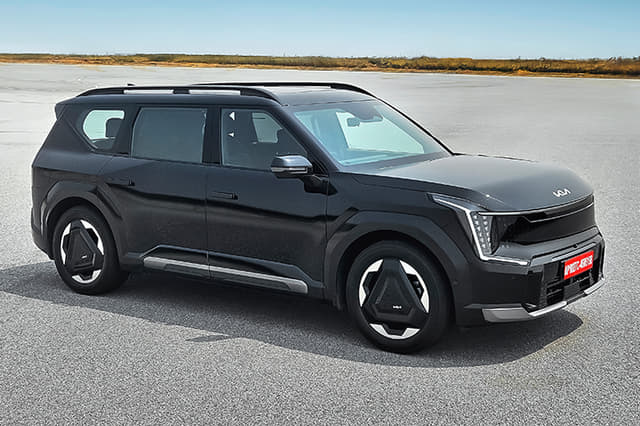
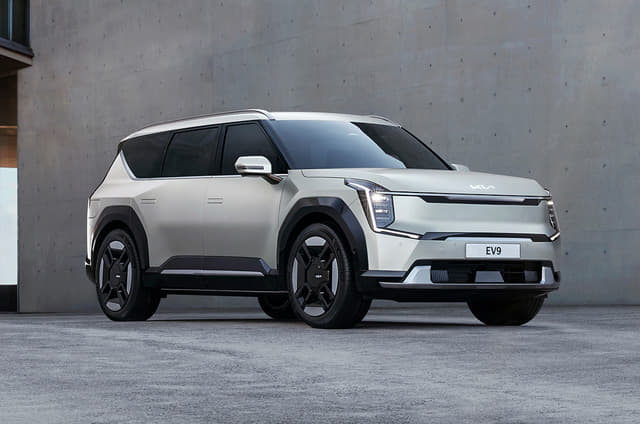
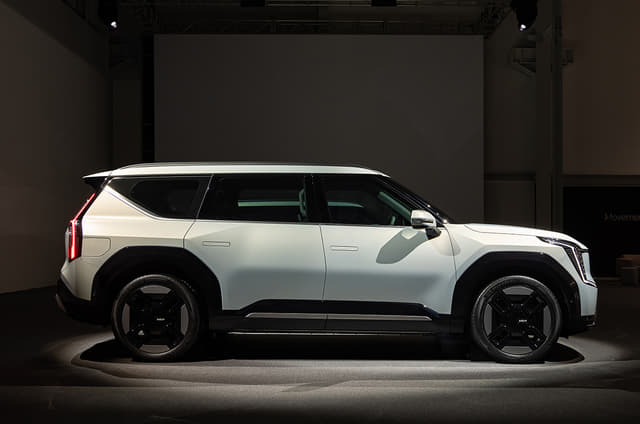
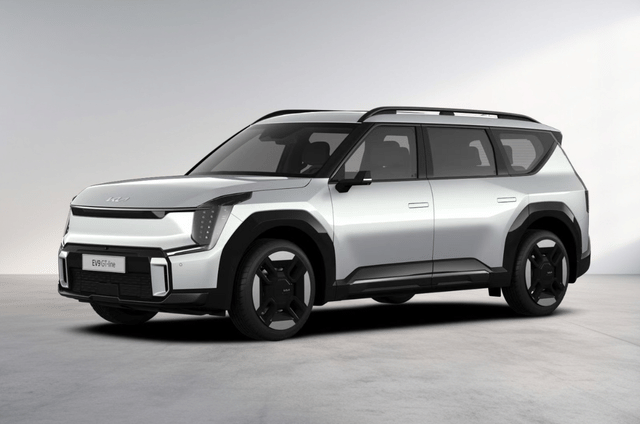
Kia EV9 | ₹1.29 crore | Electric | Automatic | 5.3 |
Kia Electric Cars in India
The Kia electric car price in India starts at ₹17.99 lakh and goes up to ₹1.29 crore. As of January 2026, Kia offers 3 electric models:
Kia Electric Car | Body Type | Seating Capacity | Range (Km) | Charging Time |
Kia Carens Clavis EV | MUV | 7 | 404km - 490km | 4 hrs (11kW AC 10–100%), 39 min (100kW DC 10–80%) |
Kia EV6 | SUV | 5 | 663 | 18 min (350kW DC Fast Charger 10–80%) |
Kia EV9 | SUV | 6 | 561 | 24 min (DC Fast Charger 10–80%) |
Kia 7 Seater Cars in India
Kia offers two 7 seater cars in India: the Carens Clavis and the Carnival. The price range for Kia 7 seater cars in India is between ₹11.49 lakh and ₹63.91 lakh (ex-showroom). The entry-level model in Kia's electric offerings is the Carens Clavis, available in petrol, diesel, and electric variants.
In the premium segment, Kia presents the Carnival, an MUV that is available exclusively in diesel. It features a 2151 cc engine and is offered in a single variant: the Kia Carnival Limousine Plus 2.2 Diesel AT. This model is priced at ₹63.91 lakh (ex-showroom).
Kia Sedan Cars
Kia sedan cars are not currently available in India. The lineup of Kia cars in India mainly consists of SUVs, MPVs, and electric models. Globally, Kia continues to sell sedans, and if market demand grows, future Kia cars in India may also include a dedicated sedan offering.
Upcoming Kia Cars in India
As of January 2026, and confirmed by Kia India, the following model is expected to arrive in showrooms next year:
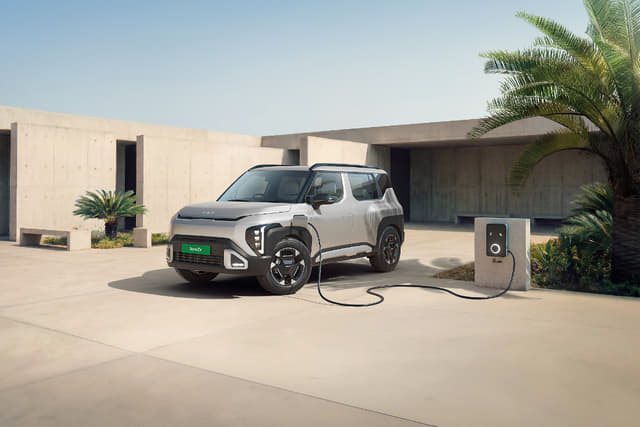
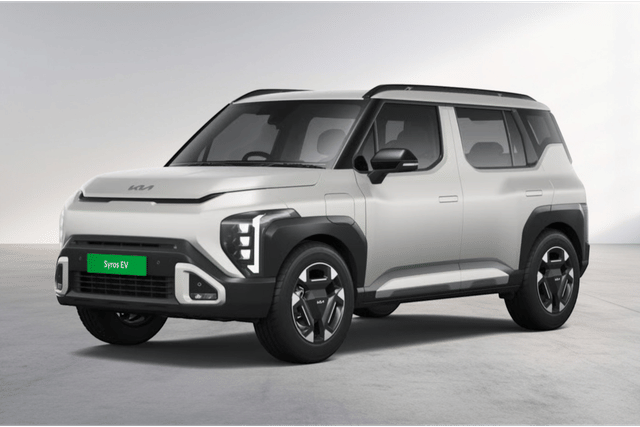
Kia Syros EV
- Expected Price Range: ₹15 lakh to ₹20 lakh
- Estimated Battery Pack Options: 42kWh and 49kWh
Kia Cars Price List (On-Road) in Indian Metro Cities
The tables below list the latest Kia car price (on-road) in major Indian cities.
Kia Car | Kolkata | Delhi | Mumbai | Chennai |
Kia Syros | ₹10.46 lakh - ₹20.71 lakh | ₹10.19 lakh - ₹21.16 lakh | ₹10.55 lakh - ₹21.43 lakh | ₹10.46 lakh - ₹21.60 lakh |
Kia Sonet | ₹9.31 lakh - ₹18.22 lakh | ₹9.07 lakh - ₹18.61 lakh | ₹9.39 lakh - ₹18.84 lakh | ₹9.31 lakh - ₹19.00 lakh |
Kia Seltos | ₹13.01 lakh - ₹23.84 lakh | ₹13.01 lakh - ₹24.36 lakh | ₹13.23 lakh - ₹24.87 lakh | ₹13.57 lakh - ₹24.87 lakh |
Kia Carens | ₹13.33 lakh - ₹15.47 lakh | ₹13.33 lakh - ₹15.80 lakh | ₹13.56 lakh - ₹16.00 lakh | ₹13.90 lakh - ₹16.13 lakh |
Kia Carens Clavis | ₹13.44 lakh- ₹24.99 lakh | ₹13.44 lakh - ₹24.99 lakh | ₹13.67 lakh - ₹25.63 lakh | ₹14.01 lakh - ₹26.06 lakh |
Kia Carens Clavis EV | ₹20.93 lakh - ₹28.44 lakh | ₹20.79 lakh - ₹28.25 lakh | ₹20.79 lakh - ₹28.25 lakh | ₹20.79 lakh - ₹28.25 lakh |
Kia Carnival | ₹73.97 lakh | ₹75.57 lakh | ₹77.17 lakh | ₹77.17 lakh |
Kia EV6 | ₹76.35 lakh | ₹75.82 lakh | ₹75.82 lakh | ₹75.82 lakh |
Kia EV9 | ₹1.50 crore | ₹1.49 crore | ₹1.49 crore | ₹1.49 crore |
Kia Cars - Latest Updates
- 02 January, 2026: Kia has introduced the new Seltos in India, priced from Rs 10.99 lakh onwards.
- 12 December, 2025: Kia Seltos hybrid to launch in India by 2027.
- 10 December, 2025: Kia has unveiled the new Seltos ahead of its January 2, 2026 launch.
FAQs
Trending Questions on Kia Cars - Answered by Autocar Experts
I am seeking your expert guidance to help me select a suitable car based on my driving style and usage pattern. My average monthly running is 2,000-2,300 km. I currently drive a Hyundai Venue 1.0 Turbo DCT, and over the last six years, I have covered approximately 1,15,000 km in it, with a monthly fuel expense of about ₹18,000-₹20,000. My usage pattern is 60% city driving and 40% highway driving. I would like to upgrade my car, and I am confused between the Kia Seltos (IVT 1.5 NA / 1.5L turbocharged) and the Tata Sierra (1.5L DCA / 1.5 turbo Hyperian). Considering the above, I would appreciate your recommendations on a car that offers a good balance of performance, fuel efficiency, reliability, and long-term ownership value. Looking forward to your valuable suggestions. Thank you in advance for your time and support. Warm regards, Yogesh Rawat
Of the two cars you've suggested, and given your requirements, we would recommend the new Kia Seltos.
For one, you'll find it a more natural upgrade from your Hyundai Venue 1.0 Turbo DCT, as both cars come from the same Hyundai Group family and use related hardware. That being said, the Seltos is built on a new-gen platform called K3 and comes with far more advanced tech. Especially when it comes to the infotainment system and connectivity.
Because the Seltos engines are unchanged from before, we know what to expect from them - whether the 1.5 naturally aspirated petrol or the 1.5 turbo petrol. Since your driving is 60% city, we would stick with the 1.5 petrol IVT, as it is the smoother and more efficient powertrain overall.
Kia, like Hyundai, tends to be reliable in the long run - as you've no doubt seen with your Venue - and maintenance costs are reasonable too. The Tata Sierra has promise, but its all-new engines are as yet unproven, and in our experience. While its 1.5 turbo petrol is smooth and powerful, the 1.5 naturally aspirated petrol feels underpowered in this size of car.
I am looking for a car with a premium look and all the latest features under ₹22 lakh. My daily run is about 30 km (city + highway). Please suggest a car, and advise whether a petrol or diesel automatic would be best for my daily run.
When it comes to the latest tech and features, within your budget, you should check out the Kia Seltos GTX. Its latest infotainment system, powered by NVidia hardware, is among the slickest around. It includes high-res graphics, bright colours, and an extremely sharp parking camera display.
It's also a software-defined vehicle (SDV), meaning functionality can be added or fixed with an over-the-air (OTA) update in future. And the best part is, you can choose to have it with or without ADAS functionality. While retaining all the other fully-loaded features, both of which will fit in your budget of Rs 22 lakh.
Given your limited running, stick with the petrol IVT, as it is the smoothest of the three powertrains. The turbo petrol DCT is also a good option, but you may find the gearbox jerky at low speeds.
I am planning to buy a new car within a budget of Rs 20-22 lakh. My preference is Honda/Toyota/Kia, and Mahindra cars. Should I go for 7XO/Seltos or should I wait for upcoming models from Toyota or Honda? Please suggest. Also suggest between 7XO and Seltos.
I am planning to buy a new automatic car with a budget of ₹16.5 lakh. I am considering the Hyundai Creta EX optional IVT, Kia Seltos HTE optional, and Maruti Victoris VXi AT. Are these good options, or should I consider any other car?
Between the Toyota Taisor S Plus AMT and the Kia Sonet HTX DCT, which one is better to buy?
The ex-showroom price of a Toyota Urban Cruiser Taisor S AMT is around Rs 9 lakh, while a Kia Sonet HTX DCT costs Rs 2.50 lakh more. For the extra money, the Sonet gets you a more powerful turbo-petrol engine. Also, a more advanced dual-clutch automatic transmission, which makes it a better performer than the Taisor's 1.2-litre naturally aspirated petrol paired with a 5-speed automated manual gearbox.
Additionally, you get a lot more features too, like a sunroof, ventilated seats, etc, which justify the premium it commands. The Taisor will certainly be more efficient than the Sonet. But on the whole, the Sonet DCT is the better pick, and since you can afford it, go for it, for a superior drive experience.
Hi, I am looking for a mid-size automatic SUV mainly for city use. It should comfortably seat 5 adults and offer decent boot space. My budget is ₹10-15 lakh on-road. I like the Kia Seltos and Maruti Grand Vitara, and I am not keen on Mahindra or Tata vehicles. Which one would you recommend?
I own a 2020 Hector (manual, petrol). My daily usage is predominantly within Bangalore city, with 6-8 long highway drives per year. I am happy with the comfort of the Hector, but it is not fun to drive at all. I'd like advice on a 5-seater petrol SUV (manual or automatic), that offers better features and driving experience than Hector. The cost of ownership is also important to me. I have seen the Tata Sierra, and I did not like what I saw. I am looking at changing my car in the next 1-2 months. Kindly help.
Hello. We are looking for a new 7-seater for our family that will mainly be driven by my 65-year-old father. The monthly running will be 800-1000 km, mostly city driving. We want comfort, good performance, decent mileage, and easy-to-use controls rather than too many tech features. Our budget is ₹25 lakh. We had shortlisted the XUV 7XO and XEV 9S, but all the controls on the screen are difficult to use even for me. Now we are confused between the Safari diesel and petrol variants regarding mileage, maintenance cost, and more. Could you please suggest other options and help clear our doubts?
Go for the Tata Safari turbo-petrol. It is far more suited as a seven-seater than the Mahindra XUV 7XO, due to a more spacious third row. Also, the Sierra's touchscreen and user interface are far simpler than the Mahindra's, which can feel a bit overwhelming, at least initially.
While we haven't extensively tested the Safari turbo-petrol, expect single-digit fuel efficiency in urban conditions. It is expected of such a large SUV. If running costs matter, then you could consider the diesel version instead.
Relatively smaller and easier to drive 7-seater options are the Hyundai Alcazar and Kia Carens Clavis, which come with turbo-petrol and diesel automatic options.
I am planning to buy a new car in April/May with an on-road budget of ₹15-20 lakh. I am confused between the Mahindra 3XO AX7L, Tata Sierra Adventure Plus, and the new Kia Seltos HTX, all with automatic turbo engines. My monthly running will be 400-600 km within Mumbai city, with 4-5 occasional highway trips a year. Since Sierra and Seltos are not yet available for test drives, I am unsure which to choose. Please guide me.
Between the three cars you have shortlisted, the Tata Sierra Adventure Plus is the nicest, especially because of its turbo-petrol engine and torque converter (automatic) combination. Its powertrain will feel smooth, refined and powerful, good for city and highway driving, both.
The Kia Seltos turbo's dual-clutch automatic can feel a bit jerky at low speeds or in bumper-to-bumper traffic conditions. If your usage is mainly in the city, opt for the 1.5L petrol-IVT instead, which is a far smoother option.
Since you have the budget, and don't mind opting for a larger car, we'd rule out the Mahindra XUV 3XO as the Sierra Turbo-AT or Seltos 1.5 Petrol-IVT deliver a more premium overall experience.
I am planning to upgrade from my Hyundai Venue 1.0 Turbo manual, as driving a manual in Bangalore traffic has become very stressful. I am confused between the new Kia Seltos 1.5 NA IVT and the 1.5 Turbo DCT. My primary usage will be in Bangalore traffic with occasional highway runs. What would you suggest?
Since the majority of your driving will be in town, the Kia Seltos IVT is the better pick. The gearbox is very smooth and free from the 'rubberband effect' (sharp rise in revs without corresponding increase in speed) that CVTs are notorious for. The IVT is well in tune with the 1.5-litre engine's characteristics and adapts well to driving style too. There's enough power for relaxed driving on the highway too.
The 1.5 Turbo DCT is a sportier pick. You can feel the big jump in power when driving on the highway, and the quick shifts are also fun when you drive enthusiastically. However, the DCT does occasionally fumble at low speeds, which is the very environment you'll be spending most of your time in.
Last Updated on: 2 Jan 2026