Last Updated on: 01 May 2026
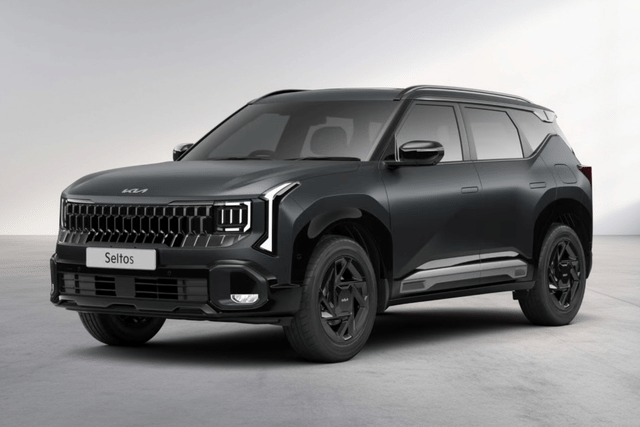
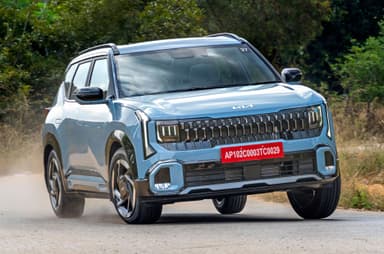
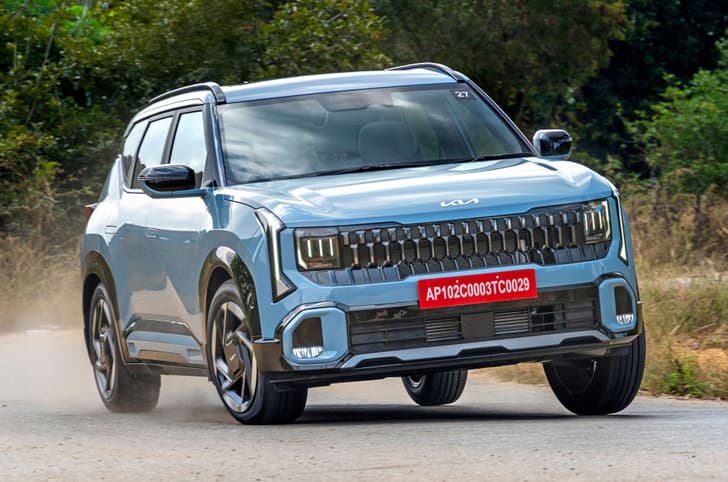
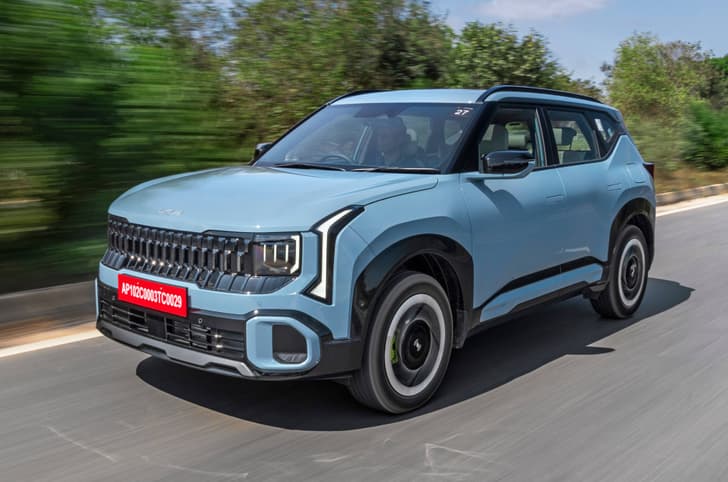
Kia Seltos price in Ranchi
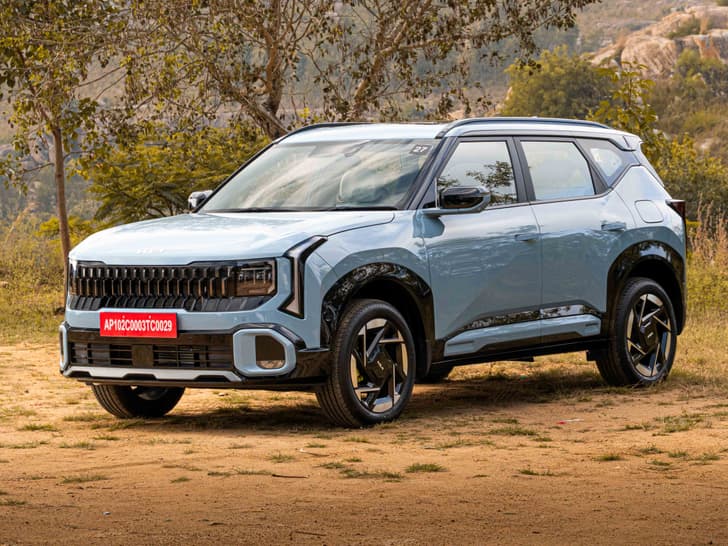
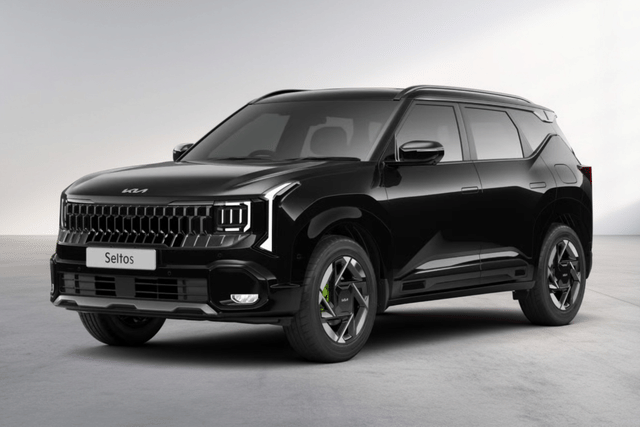
The Kia Seltos price in Ranchi starts at Rs 10.99 lakh (ex-showroom). Whereas, Seltos top model price is Rs 19.99 lakh (ex-showroom). The Kia Seltos on road price in Ranchi for the base HTE Petrol MT variant begins at Rs 12.35 lakh and for the GTX(A) Diesel AT variant is Rs 24.14 lakh.
Kia Seltos price range in Ranchi 2026 (ex-showroom)
Kia Seltos petrol-manual price range: Rs 10.99 lakh to Rs 19.49 lakh
Kia Seltos petrol-CVT price range: Rs 13.39 lakh to Rs 19.49 lakh
Kia Seltos turbo-petrol iMT price range: Rs 12.89 lakh to Rs 13.89 lakh
Kia Seltos turbo-petrol DCT price range: Rs 16.29 lakh to Rs 19.99 lakh
Kia Seltos diesel-manual price range: Rs 12.59 lakh to Rs 18.29 lakh
Kia Seltos diesel-AT price range: Rs 14.99 lakh to Rs 19.99 lakh
Check the Seltos on road price in Ranchi for all variants to see what fits your budget and preferences.
Kia Seltos price & variants
Price of Kia Seltos alternatives
Kia Seltos news
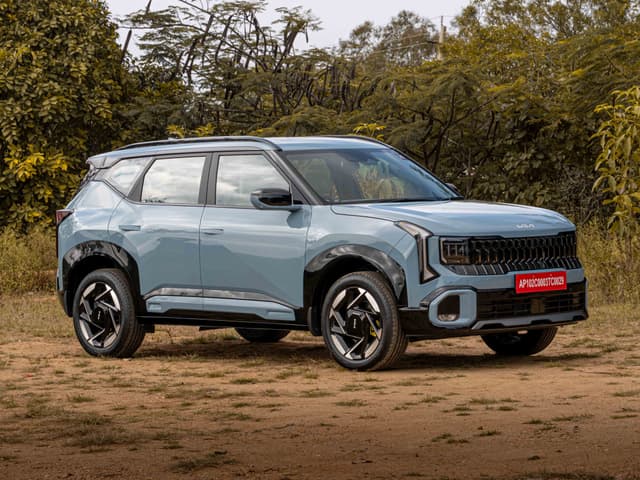
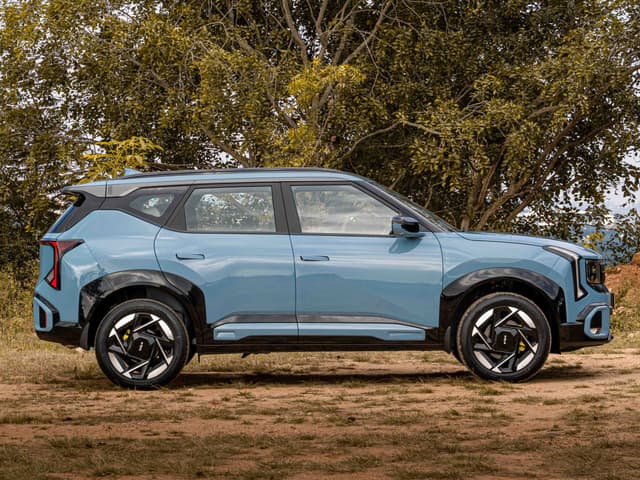
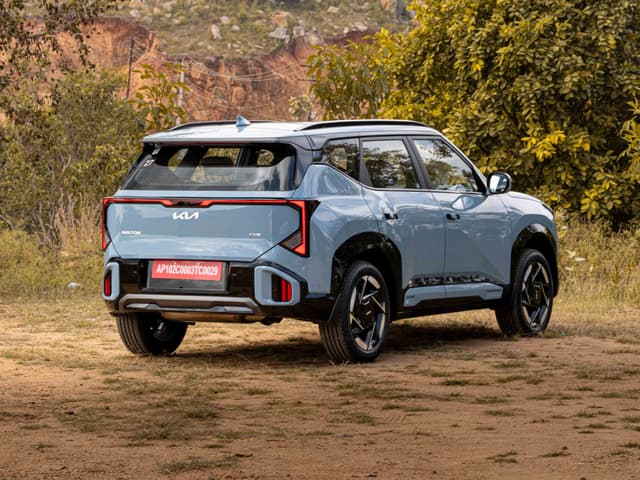
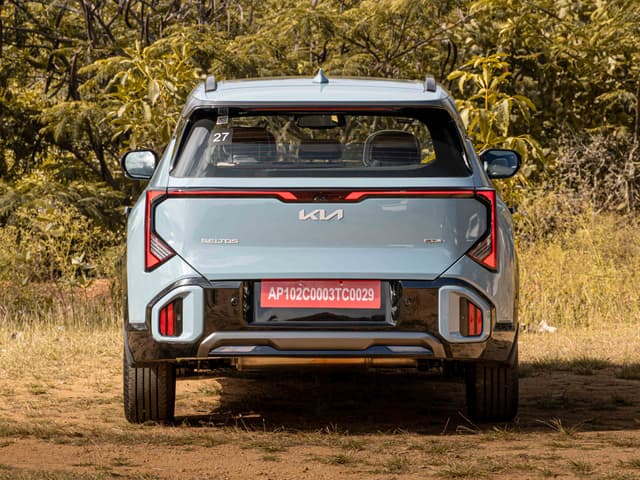
Kia Seltos Images
Kia Seltos videos


Kia Seltos Colours
Kia Seltos FAQs
Kia Seltos price starts at Rs 10.99 lakh and goes up to Rs 19.99 lakh (ex-showroom).
The Kia Seltos price in Ranchi starts at Rs 10.99 lakh.
The Kia Seltos diesel price in Ranchi starts from Rs 12.59 lakh (ex-showroom).
The Kia Seltos turbo petrol price in Ranchi starts from Rs 12.89 lakh (ex-showroom).
The 2026 Kia Seltos top model price in Ranchi is Rs 24.14 lakh.
The 2026 Kia Seltos base model price in Ranchi is Rs 12.35 lakh.
The Kia Seltos dual tone colour options cost around Rs 20,000 more than standard monotone finishes.
The cheapest Kia Seltos automatic model is priced at Rs 13.39 lakh (ex-showroom) in Ranchi.
Questions you may find useful
Akshay Shah
•7hHi Autocar Team, I am planning to buy the Kia Seltos GTX+ (Automatic) and am confused about which engine to choose: 1.5L naturally aspirated petrol, 1.5L turbo petrol, or diesel. I have heard that the NA petrol is not very powerful. My monthly running is around 500-600 km in Ahmedabad city, with highway trips of 500-600 km once every 4-5 months. Could you please suggest which engine would be best suited for my usage? Also, should I consider the Mahindra XUV7XO, and if yes, which variant? My budget is not a constraint.

Autocar India
Your running is mostly city with relatively low monthly kilometres, so petrol makes more sense than diesel. It is smoother, easier to live with and avoids the need to think about DPF or long-term diesel usage patterns.Now, within petrol, the choice depends on what you value more. The 1.5 NA petrol with IVT is the most suited for your use. It is smooth, very easy to drive in traffic and pairs well with the IVT gearbox, which is seamless in stop-go conditions. It may not feel very powerful on paper, but in real-world use, it is adequate for both city driving and occasional highway trips if you drive in a relaxed manner.The 1.5 turbo petrol with DCT is the more performance-oriented option. It feels quicker and more responsive, especially on highways and during overtakes. However, in city traffic, the DCT can feel slightly less smooth, and fuel efficiency will be lower. It suits someone who prioritises performance over ease.So the difference is clear. The IVT is about smoothness and comfort; the DCT is about performance.
Ankit
•16hHi, I am planning to buy a new, feature-rich car with ventilated seats, a 360° camera, and ADAS. However, I am facing a dilemma—most variants above the base now come with a panoramic sunroof. I am not a fan of sunroofs, especially considering NCR’s hot weather and the potential additional maintenance costs. I am unsure whether this should be a deal-breaker or if I should still go ahead with an otherwise well-equipped car. We are a family of three and only occasionally require seating for five. My budget is ₹16–18 lakh, and I am currently considering the Kia Seltos IVT, as about 85% of my driving is in the city, with a monthly usage of 1,000–1,200 km. Could you please advise whether I should compromise on the sunroof, and if there are better alternatives I should consider? Also, should I wait for a new Hyundai Creta or a potential Seltos hybrid?

Autocar India
Mostly city use, family of three, Rs. 16-18 lakh in your place, I would pick the Kia Seltos petrol IVT in the HTX+ (or the closest trim that bundles ADAS and the 360 camera). It fits your routine better than most because the IVT, which is an automatic that varies ratios smoothly, feels calm and easy in slow NCR traffic, and the Seltos gives you the features you want without feeling bulky to park.On the sunroof worry, I wouldn’t make it a deal-breaker. In this price band, the trims that add ventilated seats, a 360-degree camera, and ADAS almost always include a panoramic sunroof. With the sunshade kept shut, heat gain is small in real use, and you can simply never open it. Upkeep is basic - ask the service to clear the drain channels once a year, and you’re done. A bigger trade-off to note is a little less headroom if you are very tall.
Sajjad Haider
•16hHi, I am confused between the Maruti Suzuki Brezza ZXi Plus Automatic, Kia Seltos Base Variant, and Hyundai Creta Base Variant. My budget is around ₹14.5 lakh. My monthly running will be approximately 1,000–1,100 km, with occasional highway trips twice a year. My priorities are safety, peace of mind, comfort, and decent mileage. I am based in Lucknow.

Autocar India
Your usage is moderate, mostly city with occasional highway trips, and you want a stress-free ownership experience. The Maruti Suzuki Brezza fits this perfectly. It has a smooth and reliable torque converter automatic, a comfortable ride for daily use and Maruti’s strong service network, which ensures low maintenance and hassle-free ownership over time. It also delivers decent real-world mileage for a petrol SUV, which matters for your running.Now, comparing your other options. The Kia Seltos base and Hyundai Creta base are from a higher segment and are bigger, more spacious cars. The Seltos especially offers better rear seat space and a larger boot, which is useful for family trips. However, within your budget, you are getting only the base variants, which means you miss out on key features and, more importantly,So the choice comes down to this. The Brezza gives you a complete, well-equipped and easy-to-own package. The Creta and Seltos give you a bigger car, but in a stripped-down form.
Chirag
•1dI’m planning to buy my first car in Bengaluru next month. My budget is a maximum of ₹13 lakh on-road. My usage will be 60% city and 40% highway. I am considering the Kia Seltos and Honda Elevate base models, along with the Maruti Suzuki Brezza ZXi (should I wait for the facelift?) and the Mahindra XUV 3XO AX5. Which would be the best overall option in terms of good mileage, reliability, and low service cost? I am planning to keep the car for 10 years and am also open to other options.

Autocar India
With a hard cap of ₹13 lakh on-road in Bengaluru and a 60-40 city-highway mix for the next 10 years, the Maruti Brezza VXi (manual) fits your brief best. It stays within budget in Bengaluru in most cases, uses less fuel in city traffic than the cars you’ve named, and Maruti’s service is the cheapest and easiest to find. The Brezza’s high seat and simple 1.5 petrol make it easy in Bengaluru traffic. If you’re coming from no car, you’ll also like how smooth and quiet it feels in daily use.Two things to note for you. It won’t feel as quick when you want a fast overtake as the XUV 3XO, and its cabin won’t wow you like the Kia trims. On your facelift question, if you can wait for a few months then yes, its always better getting a newer car, but you would likely pay a bit more.
Chintan
•2dI am confused between the Kia Seltos and the Skoda Slavia. My monthly running is under 1,000 km, with a usage split of 60% city and 40% highway. The car should comfortably accommodate five passengers and offer a practical boot space. My budget is under ₹16 lakh (on-road). Please suggest which option would be better, along with the most value-for-money and practical variant. Also, let me know if there are any other cars I should consider within this budget.

Autocar India
The Kia Seltos 1.5 petrol HTK (O) MT fits your brief best. In daily traffic, the Seltos will be easy to drive thanks to its smooth, naturally aspirated petrol engine and light gearshift and clutch, and the higher seat makes getting in and out easy. It also rides over bad roads and tall speed breakers without worry, which matters on mixed city-highway use. Space is good for four and fine for five for shorter trips, and the boot will take a family’s weekend bags.The HTK (O) MT is a good value for money as it offers quite a few features for the price. Just bear in mind that, on the highway, the engine will require a bit more effort to make easy overtakes. If your trips are often with four adults and lots of luggage, and you value a bigger boot and stronger pull on the highway, look at the Skoda Slavia 1.0 TSI Sportline MT. Its small turbo engine gives more punch. But it is a lower car, so entry is not as easy, and you have to be a bit more careful on rough roads. Compared to the Seltos' naturally aspirated 1.5, you'll also experience some turbo lag at city speeds, and at your budget, you won't get as many features. Overall, for your mix of city and highway and firm budget, the Seltos HTK is the most practical pick.
Koustav Dutta
•3dHi, I’m planning to buy my first car with a budget of around 13-14 lakh. My usage will be minimal, mostly occasional office travel and a few long drives each year (like Ladakh or Spiti). Based on this, I’ve decided to opt for a petrol manual, naturally aspirated engine, as I prefer a simpler and more reliable setup (also a bit concerned about future fuel changes, like E85). Initially, I shortlisted the Kia Sonet because of its looks, but I’ve seen reviews mentioning it lacks power on highways and in hilly terrains, especially during overtakes. I also considered Honda Elevate, Toyota Hyryder, and Hyundai Creta. However, after comparing base variants, I found the Kia Seltos (2026) to be the most value-for-money option. It offers key features, like a display, all-disc brakes, steering-mounted controls, cruise control, TPMS, Rear view camera, parking sensor, speakers, etc., which are missing in the base variants of the other cars. I’m also not interested in a sunroof. Given my usage and priorities, would you recommend going ahead with the Seltos, or should I reconsider any of the other options?

Autocar India
Light daily use with a few tough hill trips in a Rs. 13-14 lakh cap points you straight to the Kia Seltos HTE 1.5 petrol base manual. From your list, it fits your brief best because the 1.5-litre naturally aspirated motor feels adequate on highways and hills compared to smaller engines, and the base trim still gives you the useful everyday features you care about without paying for a sunroof or extra frills.Why does it suit you? First, power and gearing. Versus the Sonet’s smaller petrol, the Seltos feels stronger when you need a quick overtake or a climb with luggage, so you will shift less and feel more relaxed on the highway. Second, you’ve called out features like a touchscreen, steering controls, cruise control, rear camera and TPMS. The Seltos base packs most of these, so you don’t need to step up to a variant just to avoid living with a bare cabin. Third, your choice of a simple petrol manual lines up well with the Seltos 1.5, which is a proven, easy-to-own engine.A couple of trade-offs to note. On broken roads at low speeds, the Honda Elevate and Hyundai Creta ride softer over bad patches, but their base trims miss many of the features you want. Also, like any non-turbo petrol at high altitude, you will need to use lower gears on steep climbs.Given your priorities, go ahead with the Seltos 1.5 petrol base manual. It lines up with your needs and budget the best.
Krishnanunni
•3dI am currently using a Maruti Suzuki Alto LXI (2012 model) and am planning to upgrade to a 5‑seater SUV. I live in Bangalore, and my usage is primarily city driving, along with occasional highway trips. Around twice a year, I undertake a long drive from Bangalore to Kollam, Kerala (approximately 662 km one way). Given Bangalore traffic conditions, I am specifically looking for an automatic transmission for convenience. I prefer an SUV‑type vehicle with good ride comfort, ease of use in the city, and stability on highways. My budget is 15 lakh, which I can stretch up to 17 lakh if the vehicle offers better comfort, reliability, safety, and long‑term ownership value. Could you please suggest the best automatic SUVs that would suit my requirements, considering city usability, highway comfort, service support, and overall reliability?

Autocar India
City-heavy use in Bangalore with a few long Kochi-Kerala runs each year, and a Rs. 15-17 lakh cap, in that mix, the Kia Seltos 1.5 NA IVT is the strongest fit for you. The IVT is a smooth automatic that suits stop-and-go traffic very well. The tall seat and light steering make it easy to handle tight lanes and ramps, and it stays steady at highway speeds, so the 662 km run feels calm. Coming from an Alto, you will notice the big jump in ride comfort over bad roads, a far more solid feel on the highway, and far better cabin space for five plus luggage. Kia’s service reach in both Karnataka and Kerala is wide, and long-term reliability is a strong point.Trade-offs to note: the CVT is built for smoothness, not quick bursts, so hard acceleration makes the engine sound loud. If you want a bit more performance, then the Honda Elevate is a better bet.Overall, for your traffic-first use with yearly long drives, the Kia Seltos lines up best in terms of comfort, ease, and peace of mind.
Sriram
•3dHello, I am from Coimbatore, and I have a budget of Rs. 17-20 lakh. I have a family of 5 and am looking to buy an SUV. My usage is mostly family trips (highways), and occasionally I drive a car to the office (city use). Suggest a good, comfortable car.

Autocar India
For mostly highway trips with a family of five and a budget of Rs. 17-20 lakh, the Kia Seltos petrol with the IVT automatic is the one we would pick. It rides comfortably on long roads, the back seat is wide enough for three, and the boot takes family luggage without a fuss. The IVT, which is an automatic that does not shift gears in steps, feels very smooth in the city and keeps the engine calm on the highway. Kia’s service reach in Coimbatore is strong, which makes ownership easy.Two things to note. The top automatic trims can stretch the budget in some cities, so check local on-road prices. And while performance is adequate, highway overtakes with 5 onboard may require some planning. If you find that the performance is not enough, then consider the turbo petrol instead.Overall, for your family trips and mixed use, the Seltos IVT lines up best for comfort and ease.
Bhargav
•3dI’m planning to buy my first car and am considering the Kia Seltos 1.5 diesel top-end automatic with a torque converter. My main priority is the gearbox. Since I mostly drive in bumper-to-bumper traffic, I’ve read that DCTs can heat up over time, while torque converters are smoother and more reliable in city conditions. Even though I prefer petrol for refinement, the lack of a torque converter in petrol is a concern. I love the Seltos overall and want the top-end variant for its features. I drive around 500–700 km/month in the city, with occasional highway trips, taking my total monthly usage to ~900–1200 km. I understand diesel engines need periodic long drives to avoid issues like filter clogging, and I’m fine to take it on long high speed drives once or twice a month. I didn’t like the CVT/IVT petrol variant as it lacked the power and driving feel I want. Given this, is the top-end diesel a good choice for me as a first car? Also: 1. What are the maintenance costs like? 2. Is choosing diesel mainly for the torque converter a sensible decision? Because I am preferring the torque converter over the DCT, is this the right way to think? 3. Any key tips for maintaining a diesel engine?

Autocar India
Mostly bumper-to-bumper city use with 900-1,200 km a month, and you want a smooth, fuss-free automatic with all the features - in that situation, the Kia Seltos 1.5 diesel top-end automatic is the right pick for you. With your relatively limited running, though, you won’t recover the extra purchase price quickly. Since you are choosing the diesel largely for the gearbox, you will have to make your peace with the higher upfront cost.A DCT can feel a bit jerky and can warm up when you are moving very slowly for long periods, but Kia's newest gearboxes have improved this significantly. A torque converter, though, is smoother at walking speeds, so it feels calmer in stop-go traffic than a dual-clutch transmission (DCT). The IVT is actually the better fit for your use case, but since you didn’t enjoy it, this diesel automatic lines up best with what you want. Alternatively, consider the Tata Sierra turbo-petrol, which comes with a torque-converter automatic.For maintenance, budget roughly Rs 8,000-12,000 a year for scheduled services, with higher bills in years that include additional items like filters. It will vary by city and dealer, so do check Kia’s prepaid service pack to lock in costs. Tyres, brake pads and fluids are normal wear items.Key diesel care is simple: use good fuel, avoid many very short trips back-to-back, and do a 15-20 minute highway run at a steady speed every few weeks. If a filter warning shows, follow the manual to clear it. Overall, for your use, the diesel automatic Seltos fits well.
Sayan Chatterjee
•3dI am planning to buy a 5-seater compact SUV and am confused between the MG Hector Savvy Pro 1.5-litre turbo CVT and the Kia Seltos GTX (A) 1.5-litre naturally aspirated iVT. My usage will be mostly in the city, with occasional highway travel. Which car would you recommend considering safety, handling, engine performance, and after-sales service?

Autocar India
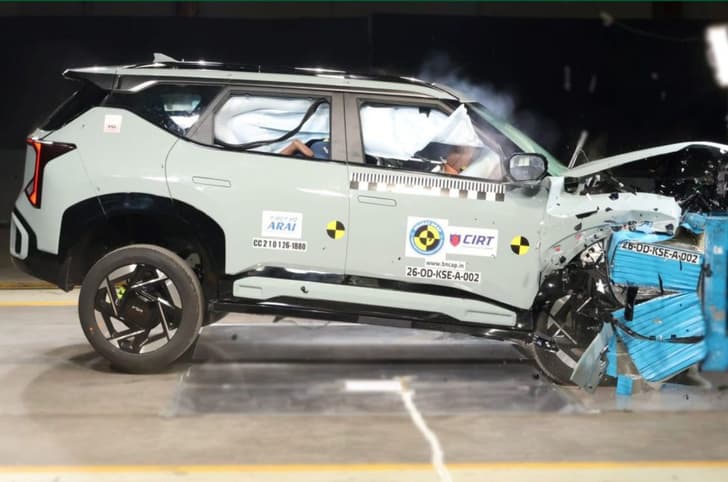
Of the two, for your needs, you should definitely go for the Kia Seltos GTX (A) 1.5 iVT. The iVT is a smooth automatic, so it works well in traffic and at lower speeds. The Seltos is the smaller car here, so it is easier to park and thread through tight lanes, and its steering feels lighter at low speeds. Kia also has a wider service network across cities and towns, which helps if you plan to keep the car long-term or travel outside your home city.On safety, both SUVs pack the basics like multiple airbags and stability control, and higher variants can add driver assists. While the MG Hector hasn't been tested by any crash test rating agency, the Kia Seltos has scored a 5-star Bharat NCAP rating. The 1.5-litre naturally aspirated petrol is not as strong as the 1.5-litre turbo petrol in the Hector, but it is more than sufficient for city use and decent on the highway too. The Kia is also much lighter than the MG, which affects performance, too.The MG Hector, which is not at all a compact SUV, scores higher on space in the back seat and boot, and is the better chauffeur-driven SUV, with a softer ride quality. However, a big drawback is fuel economy, which is considerably lower than what you will get from the Kia Seltos 1.5 petrol iVT.