Autocar India
Kia

Kia cars in India (12)
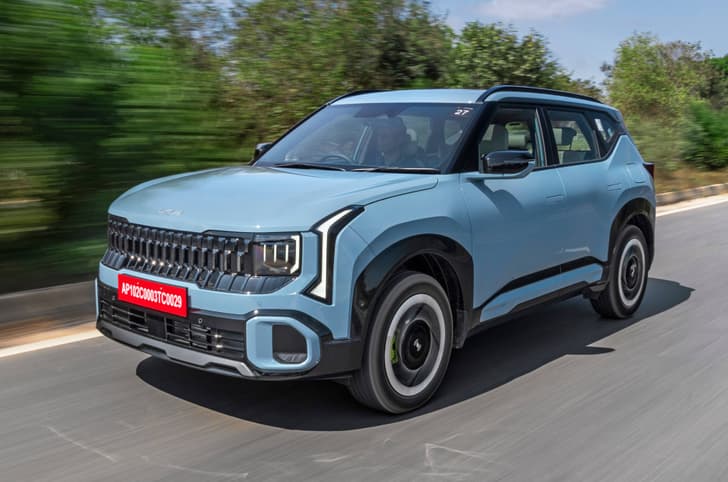
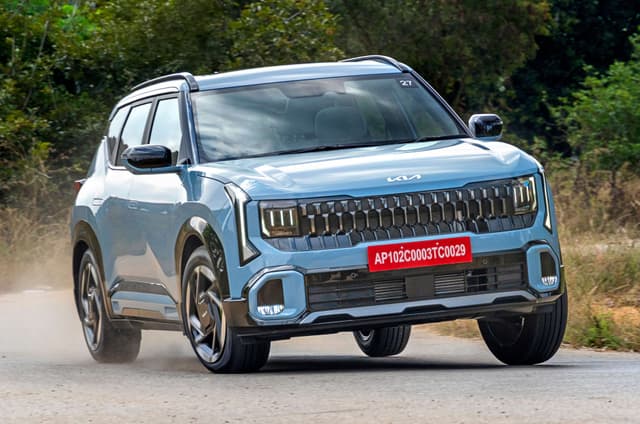
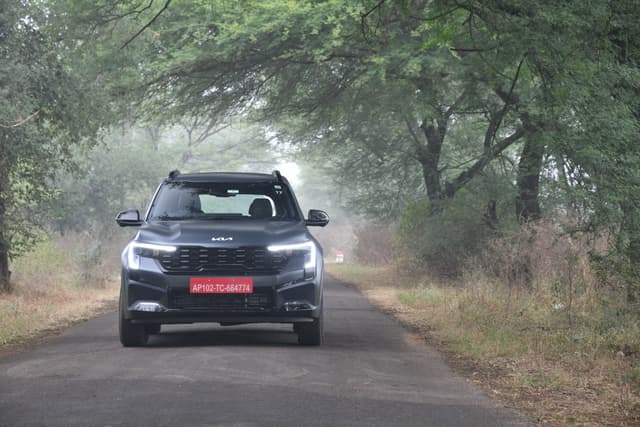
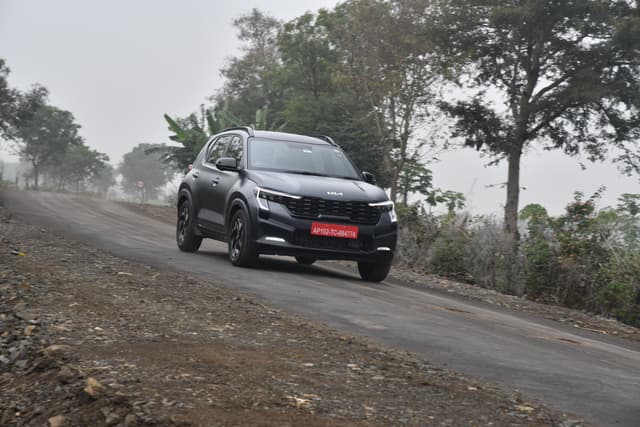
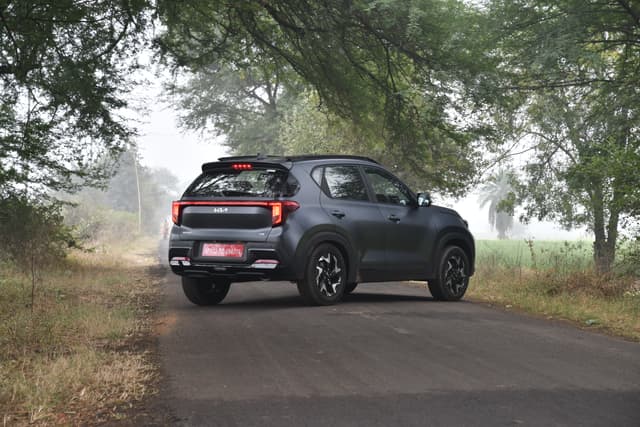
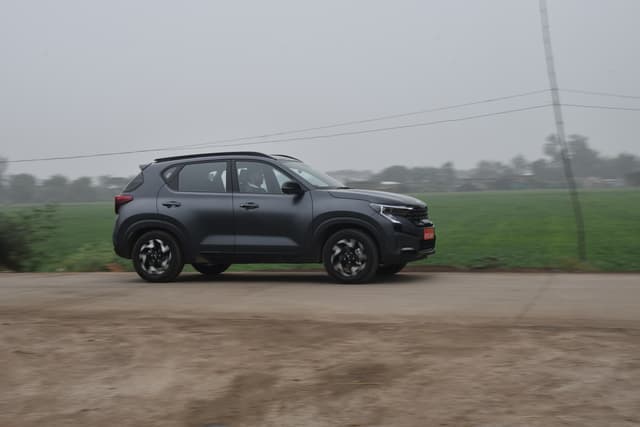
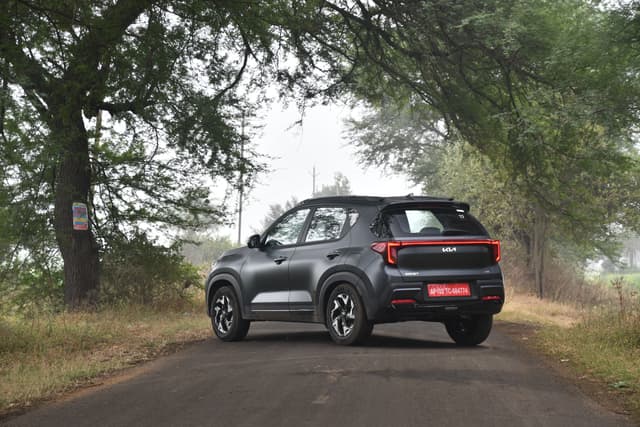
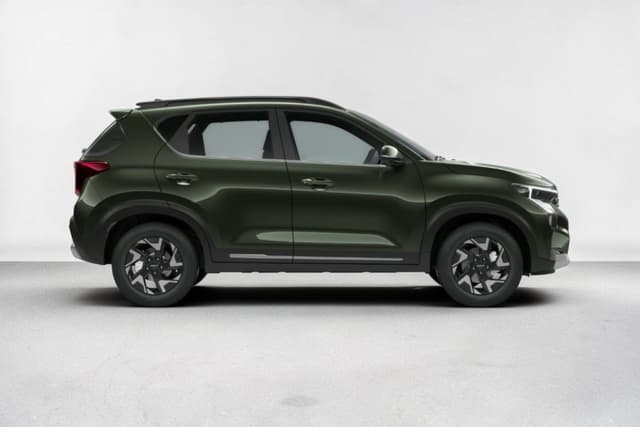
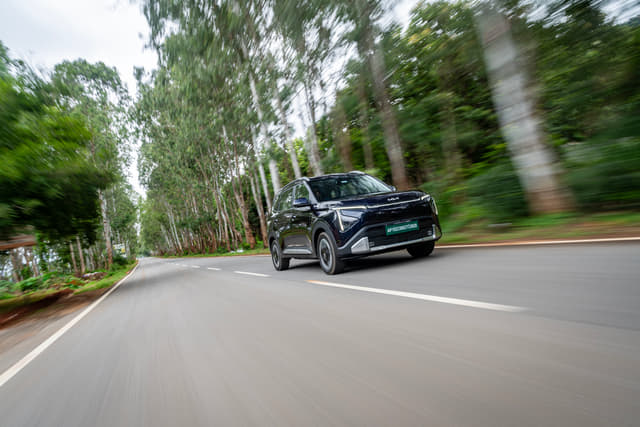
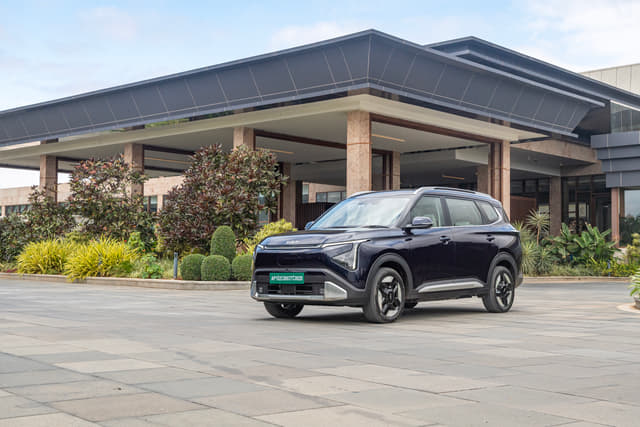
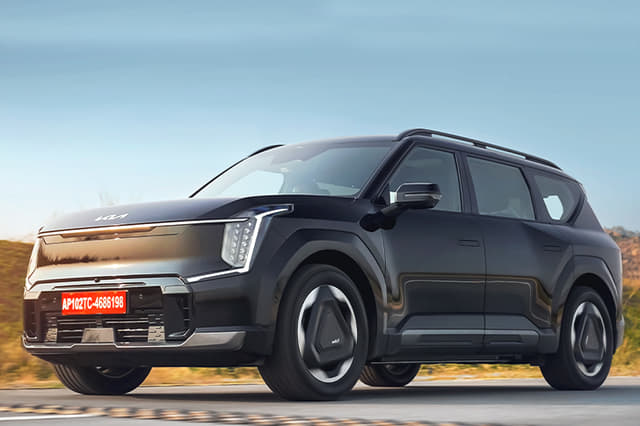
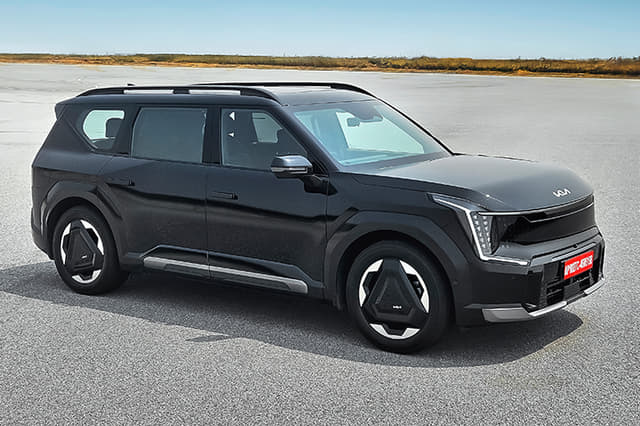
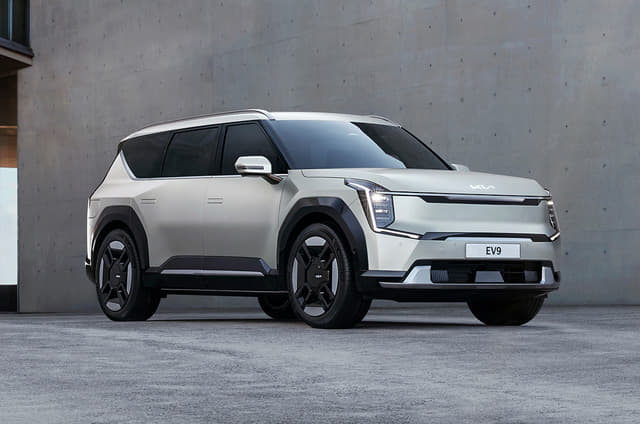
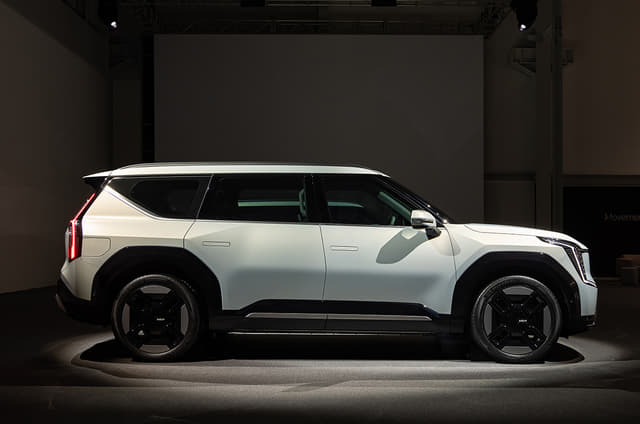
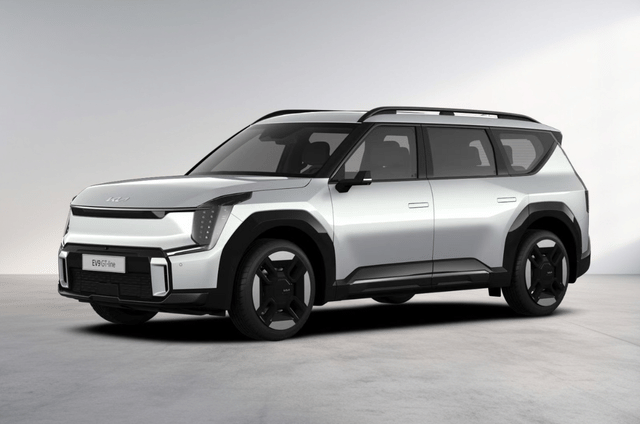
As of now, there are 12 Kia cars in India, out of which 9 are available for sale, and 3 are upcoming. The Kia car price starts at โ‚น7.30 lakh and goes up to โ‚น1.30 crore. The cheapest Kia car in India is the Sonet, whereas the most expensive model in the lineup is the EV9

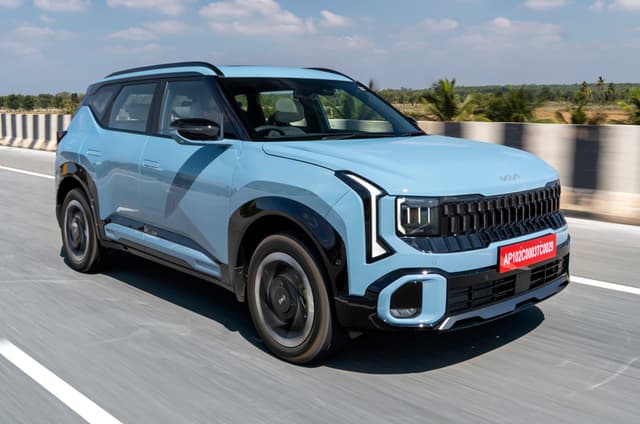
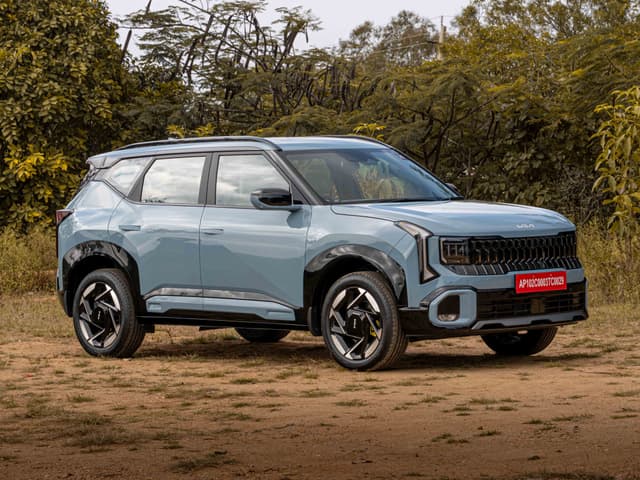
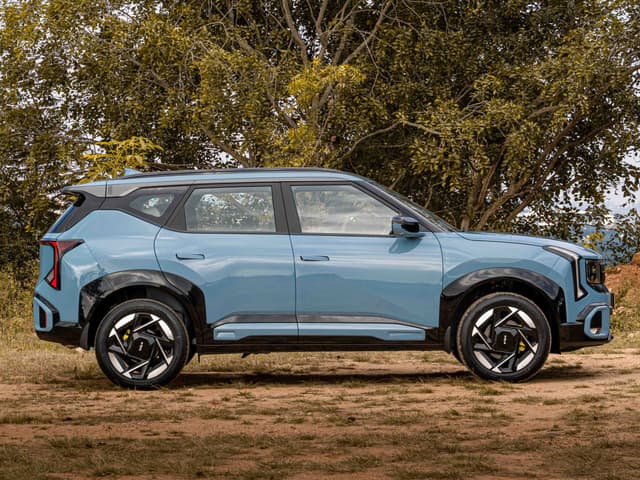
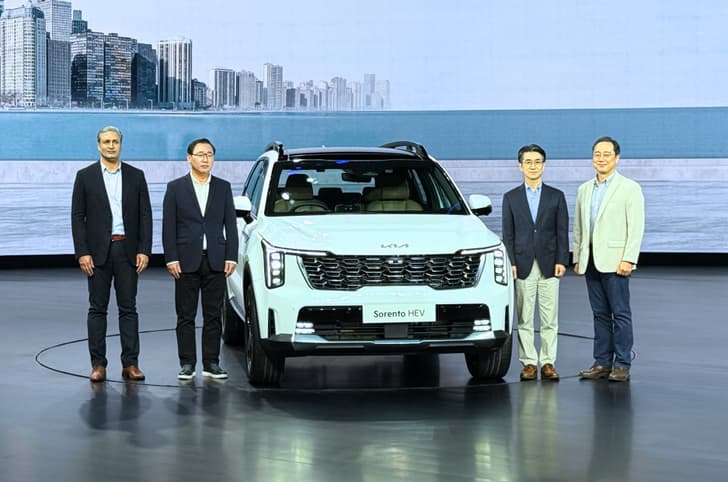
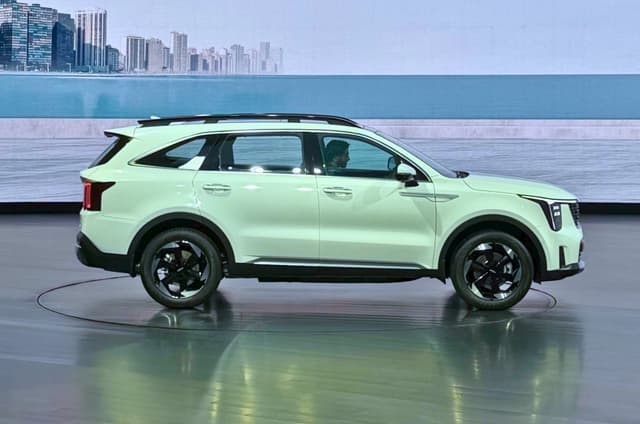
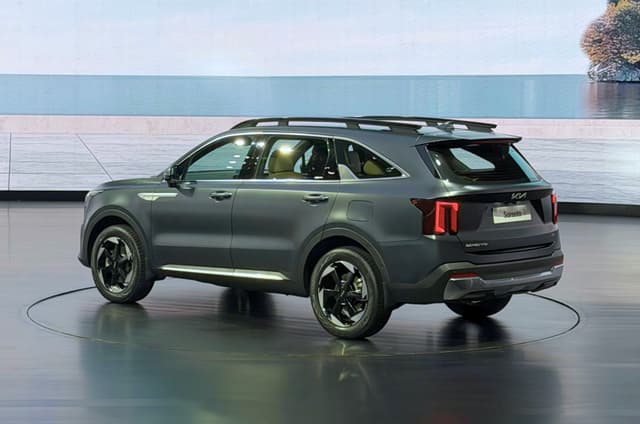
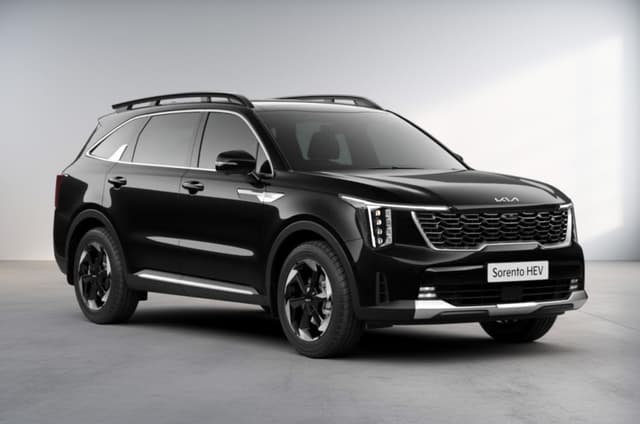
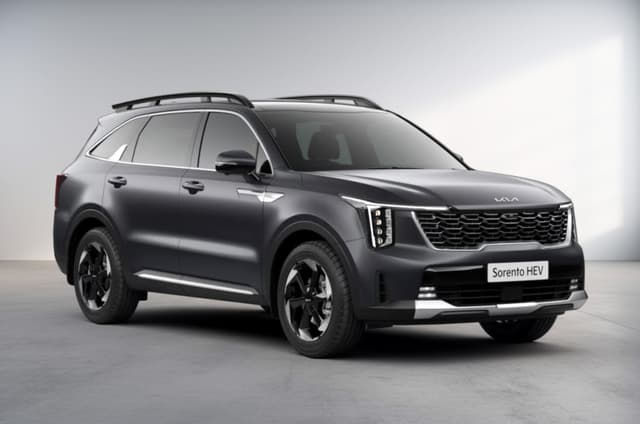
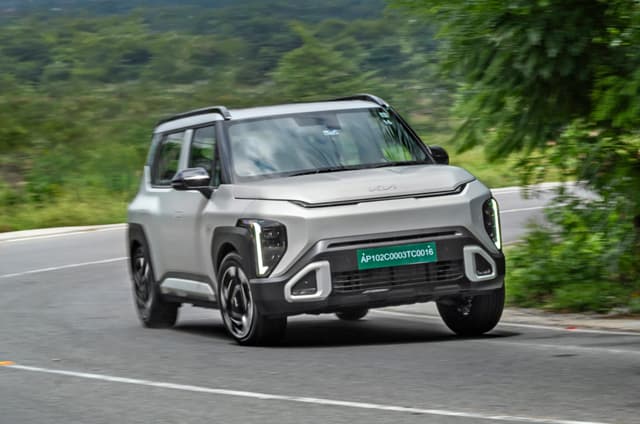
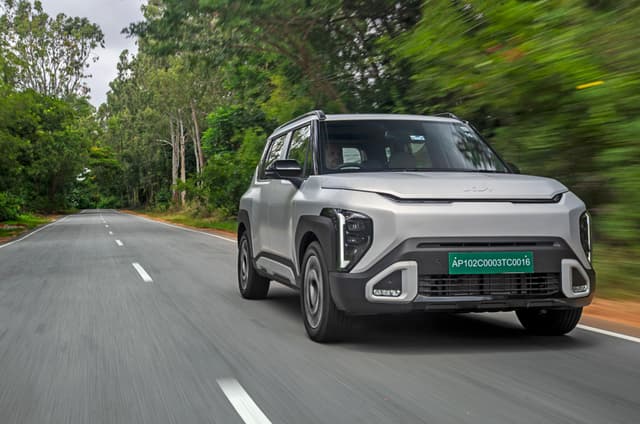
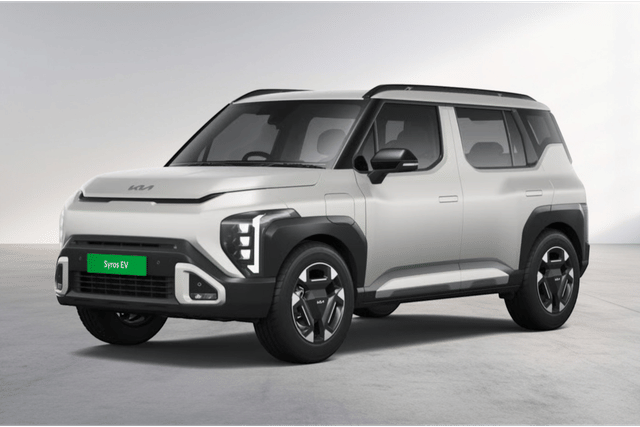
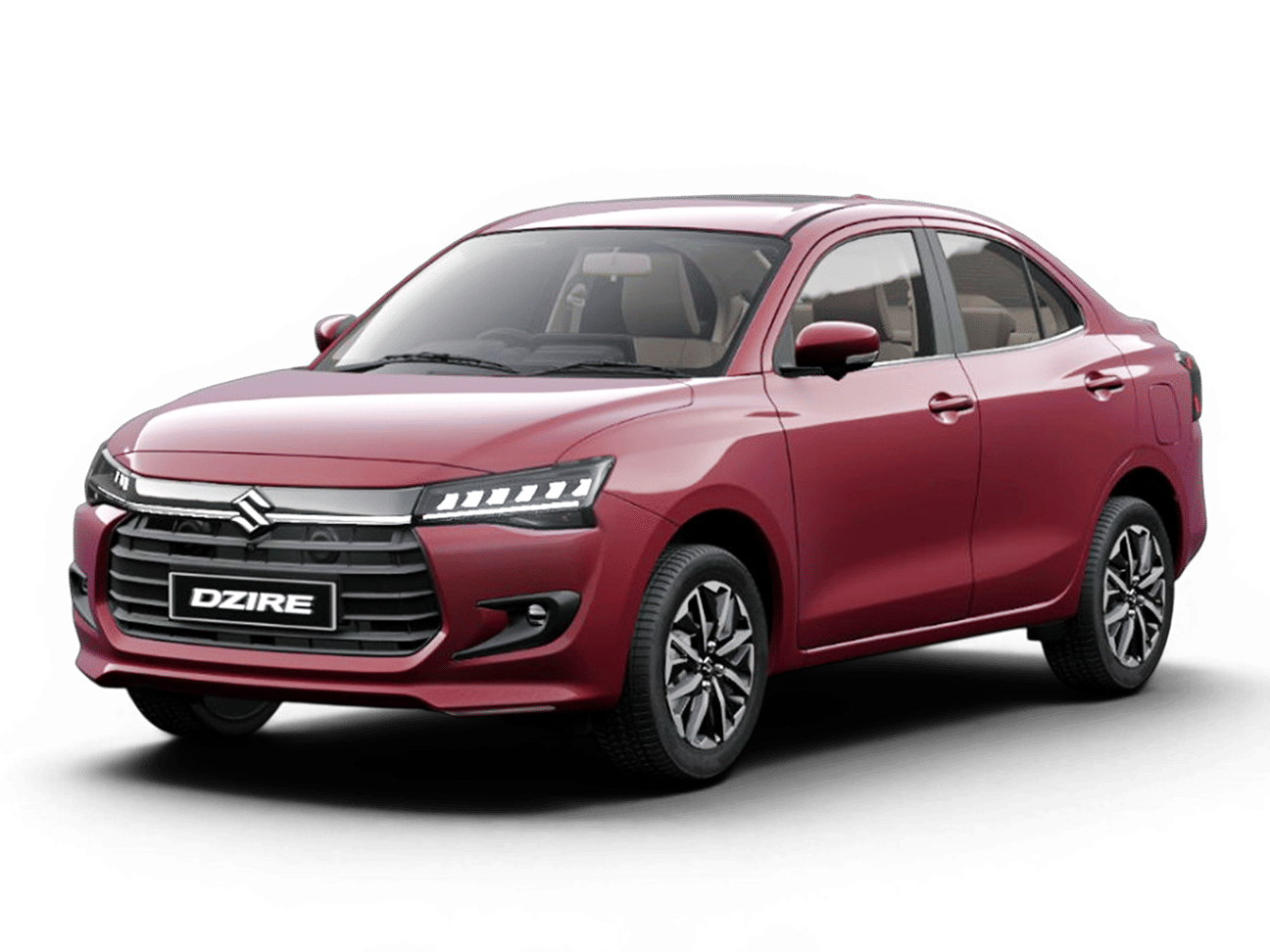
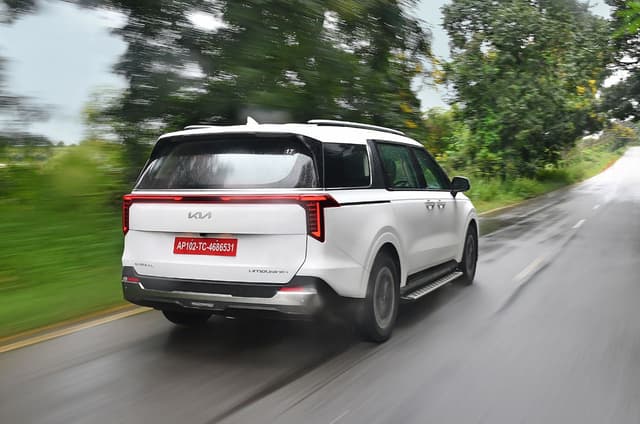
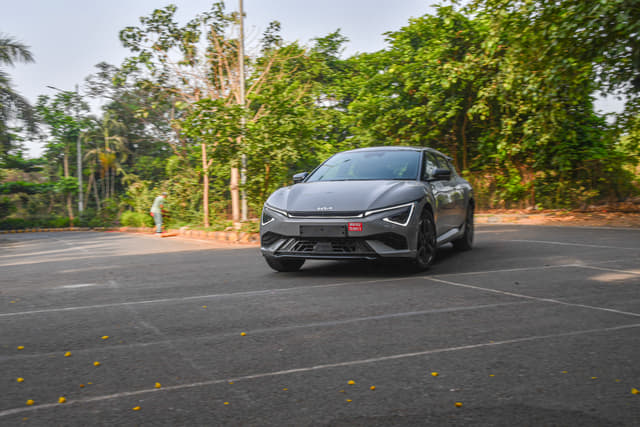
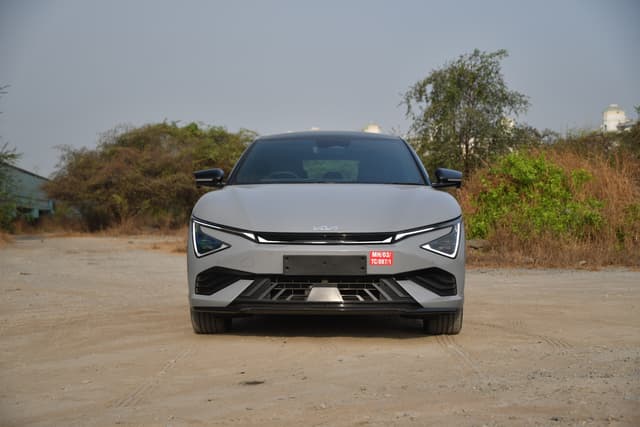
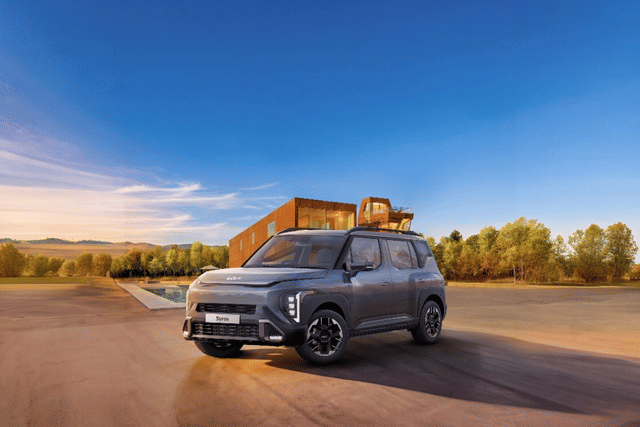
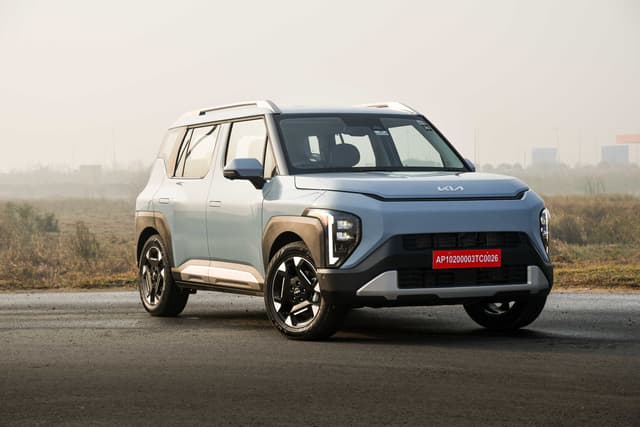
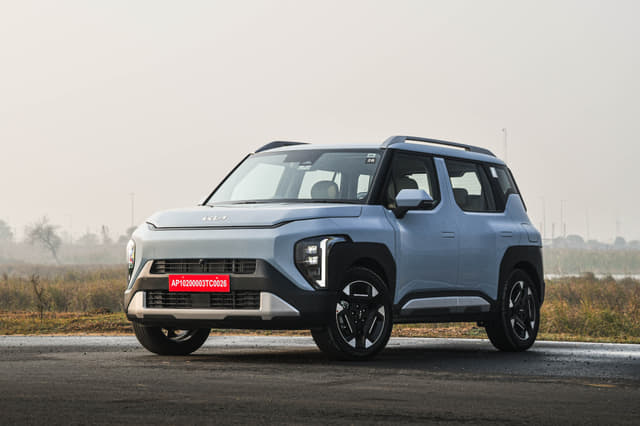
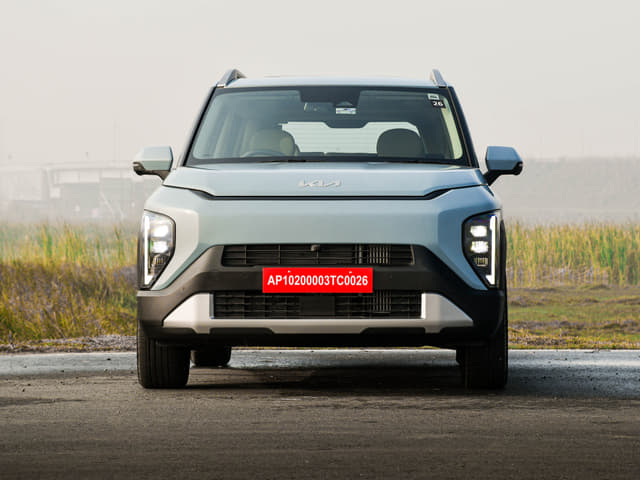
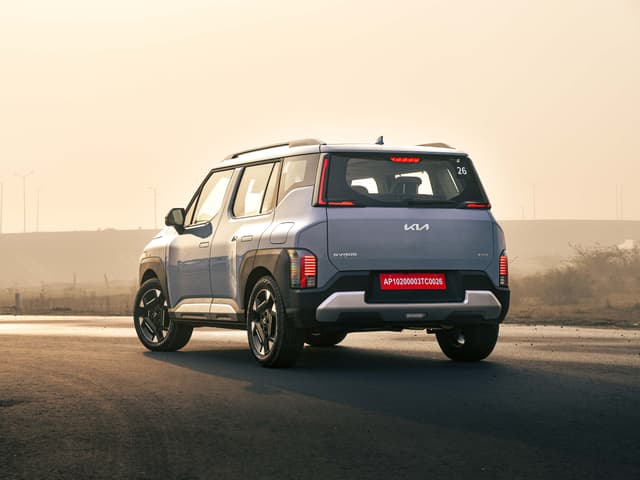
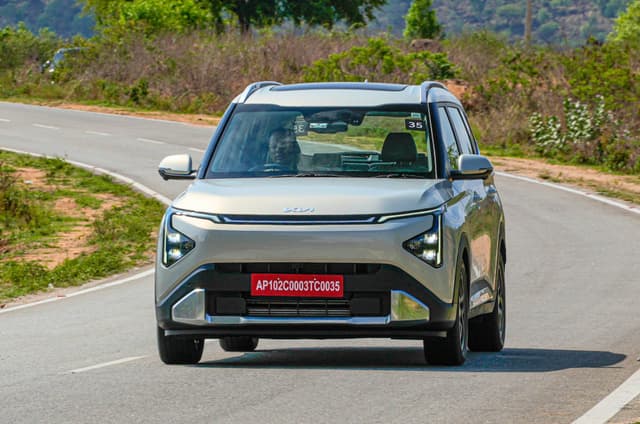
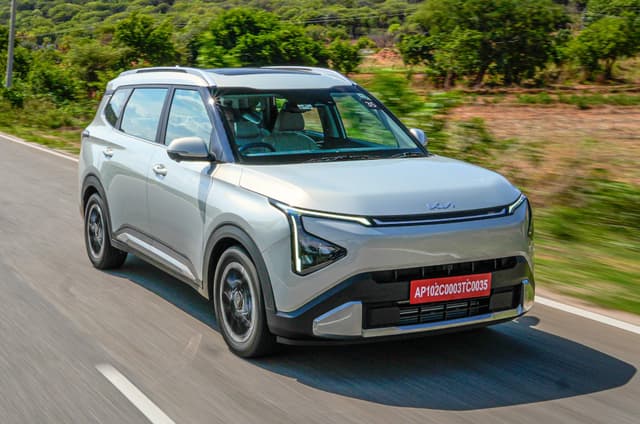
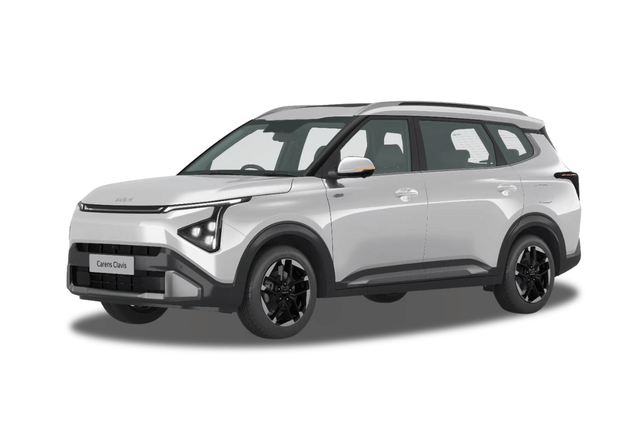
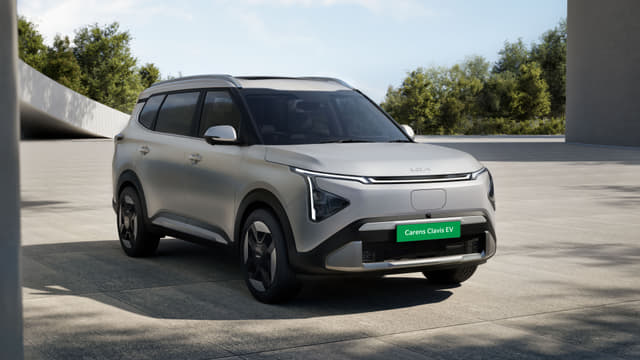
The Kia cars available for sale in India are: Seltos, Carnival, Sonet, SyrosEV6, Carens Clavis, Carens Clavis EV, Carens, and EV9. The three upcoming Kia cars that are expected to launch are: New Sonet, Sorento and Syros EV. The Kia Sorento is expected to be priced between โ‚น30.00 lakh and โ‚น35.00 lakh. Meanwhile, the Kia Syros EV is expected to fall between โ‚น15.00 lakh and โ‚น18.00 lakh, and the New Sonet between โ‚น8.50 lakh and โ‚น17.00 lakh. 

Kia entered the Indian market in 2019 with the launch of the Kia Seltos SUV. The company manufactures cars at its Penukonda plant in Andhra Pradesh. This South Korean brand offers a total of 11 models in India: 4 MPVs and 8 SUVs. The Kia India line-up includes petrol, diesel, and electric car options. 

Kia Cars Price List in India (April 2026)

View the latest Kia car price of all the models available for sale in India:

Kia Car

Price (Ex-showroom)

Kia Sonet

โ‚น7.30 lakh - โ‚น14.00 lakh

Kia Syros

โ‚น8.39 lakh - โ‚น15.80 lakh

Kia Seltos

โ‚น10.99 lakh - โ‚น19.99 lakh

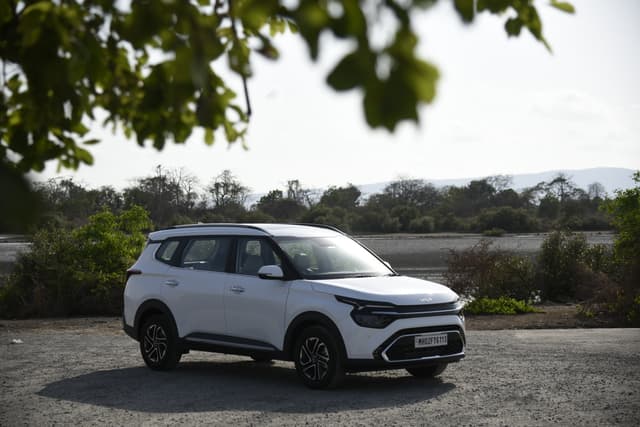
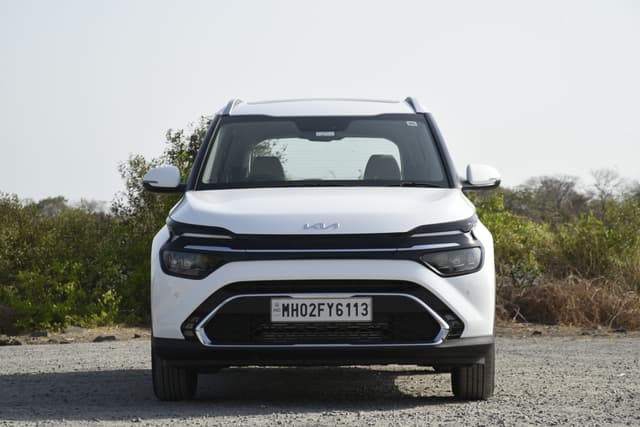
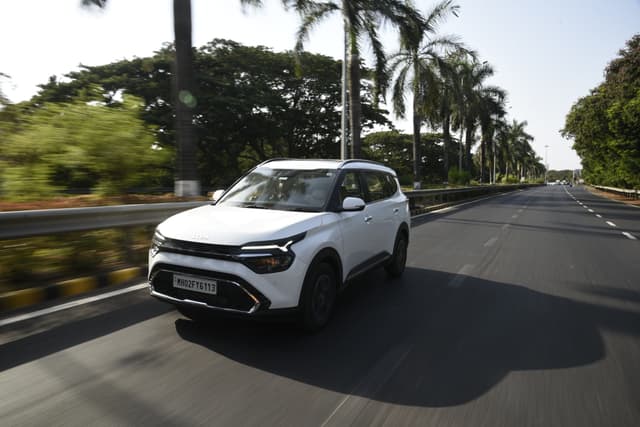
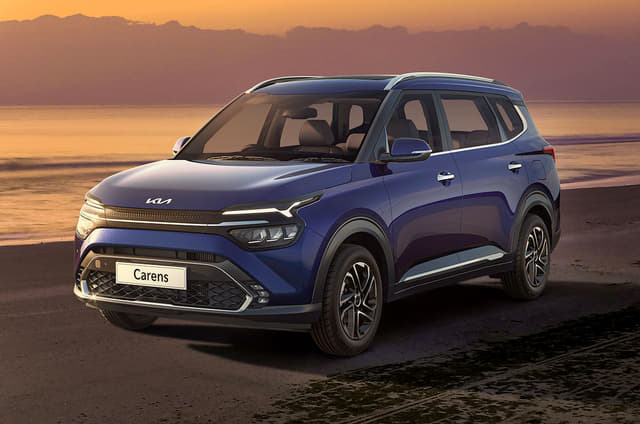
Kia Carens

โ‚น10.99 lakh - โ‚น12.77 lakh

Kia Carens Clavis

โ‚น11. lakh - โ‚น21.57 lakh

Kia Carens Clavis EV

โ‚น17.99 lakh - โ‚น24.49 lakh

Kia Carnival

โ‚น59.42 lakh

Kia EV6

โ‚น65.97 lakh

Kia EV9

โ‚น1.30 crore

Kia Electric Cars in India (April 2026)

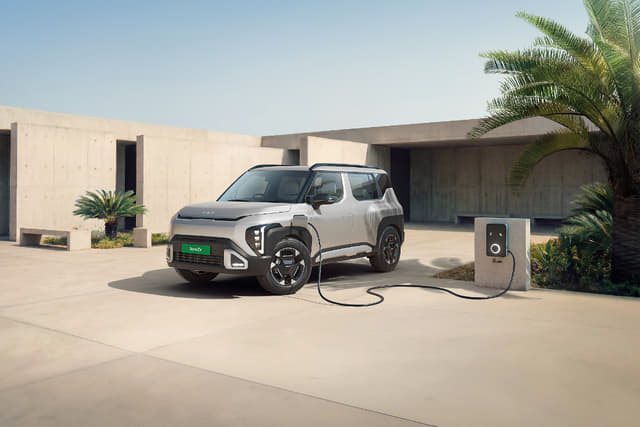
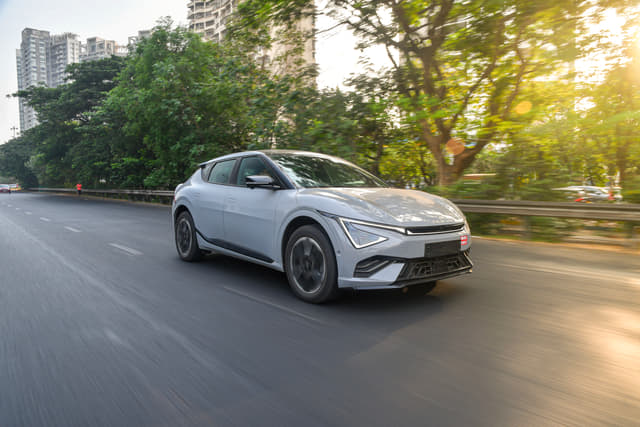
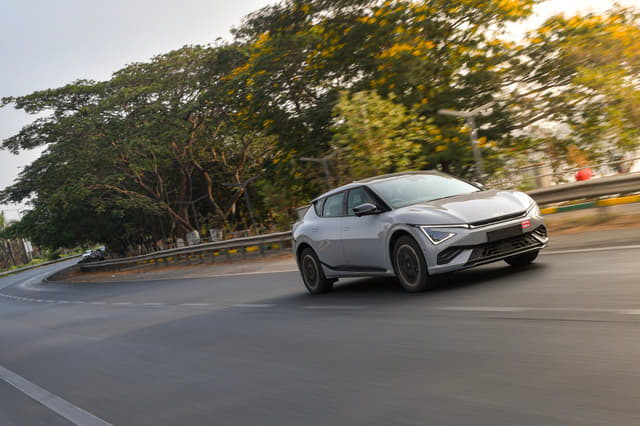
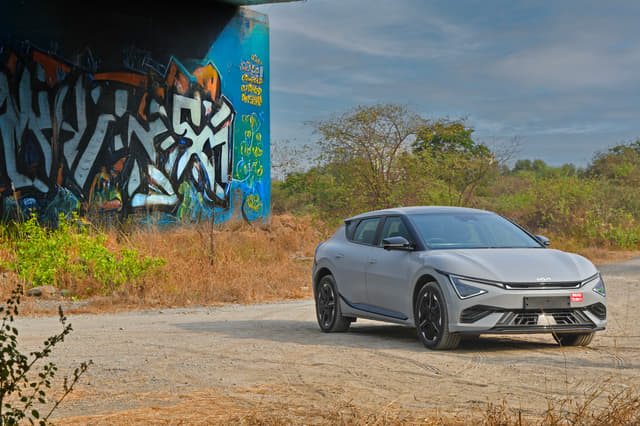
The Kia electric car price in India starts at โ‚น17.99 lakh and goes up to โ‚น1.30 crore. The most affordable Kia electric car is the Carens Clavis EV, while the most expensive model is the EV9. Once the upcoming Syros EV gets launched it will become the cheapest Kia electric car in India. 

View the latest price of all Kia electric cars, along with other details like range and charging time in the table below.

Kia Electric Car

Price (Ex-showroom)

Range (Km)

Kia Carens Clavis EV

โ‚น17.99 lakh - โ‚น24.49 lakh

404km - 490km

Kia EV6

โ‚น65.97 lakh

663

Kia EV9

โ‚น1.30 crore

561

Kia 7 Seater Cars in India (April 2026)

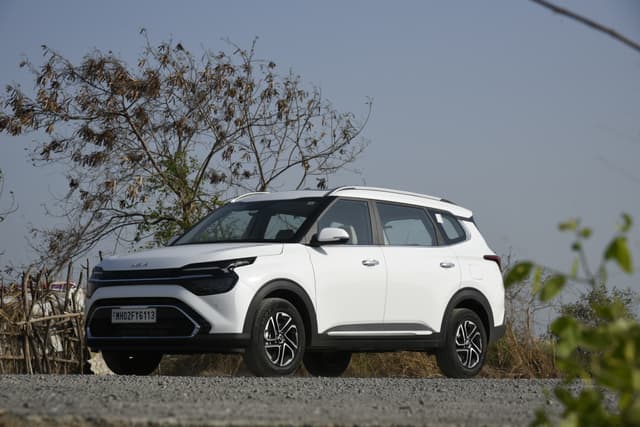
There are four Kia 7 seater cars in the Indian market: Carnival, Carens Clavis, Carens Clavis EV, and Carens. The Kia 7 seater car price starts at โ‚น10.99 lakh and goes up to 59.42 lakh (ex-showroom). The cheapest 7 seater Kia car is the Carens, while the most expensive model is the Carnival.  

View the latest price of all Kia 7 seater cars in the table below:

Kia 7-Seater Car

Price (Ex-showroom)

Kia Carens

โ‚น10.99 lakh - โ‚น12.77 lakh

Kia Carens Clavis

โ‚น11.21 lakh  - โ‚น21.57 lakh

Kia Carens Clavis EV

โ‚น17.99 lakh  - โ‚น24.49 lakh

Kia Carnival

โ‚น59.42 lakh

Kia Sedan Cars (April 2026)

Kia sedan cars are not currently available in India. The lineup of Kia cars in India mainly consists of SUVs, MPVs, and electric models. Globally, Kia continues to sell sedans, and if market demand grows, future Kia cars in India may also include a dedicated sedan offering. 

Upcoming Kia Cars in India (April 2026)

As of April 2026, the following Kia cars are expected to arrive in the showrooms:


1. Kia Syros EV

  • Expected Price: โ‚น15.00 lakh to โ‚น18.00 lakh
  • Estimated Launch: Early 2026


2. Kia Sorento

  • Expected Price: โ‚น30.00 lakh to โ‚น35.00 lakh
  • Estimated Launch: 2027


3. Kia New Sonet

  • Expected Price: โ‚น8.50 lakh to โ‚น17.00 lakh
  • Estimated Launch: 2027

Kia Cars - Latest Updates (April 2026)

  • 20 April 2026: The three-row SUV, Kia Sorento spotted testing in India again.
  • 20 April 2026: Kia Syros now starts at โ‚น8.40 lakh.
  • 30 March 2026: The Kia Seltos scores a 5-star safety rating in Bharat NCAP.
  • 18 March 2026: Kia India introduces GT-Line and X-Line trims along with a 6-seater option for the Carens Clavis EV lineup.
  • 02 January, 2026: Kia has introduced the new Seltos in India, priced from โ‚น10.99 lakh onwards.
Show more
Can't decide which car to buy?
Ask our experts and get answers to all your cars related queries.

FAQs

As of {{current_month}} {{current_year}}, there are 12 Kia cars in India. Out of these, 9 models are currently available for sale, and 3 are upcoming.

Kia car price in India start at โ‚น7.30 lakh and go up to โ‚น1.30 crore (ex-showroom).

The Sonet is the cheapest among all Kia cars in India. Its price starts from โ‚น7.30 lakh (ex-showroom).

The EV9 is the most expensive model in the current Kia India lineup. It is priced at โ‚น1.30 crore (ex-showroom).

The Kia cars in India that are currently on sale are: Seltos, Carnival, Sonet, Syros, EV6, Carens Clavis, Carens Clavis EV, Carens, and EV9.

Yes. The upcoming Kia cars in India include 3 models: the New Sonet, the Syros EV, and the Sorento. Sonet is expected to launch in 2026, whereas the Syros EV and Sorento are expected to launch in 2027.

The Kia Sorento is expected to be priced between โ‚น30.00 lakh and โ‚น35.00 lakh (ex-showroom).

The Kia Syros EV is expected to be priced between โ‚น15.00 lakh and โ‚น18.00 lakh (ex-showroom).

Kia manufactures its cars at the Penukonda plant in Andhra Pradesh.

Kia cars in India include 4 MPVs and 8 SUVs. The brand currently offers petrol, diesel, and electric car options.

The Kia electric car price in India starts at โ‚น17.99 lakh and goes up to โ‚น1.30 crore (ex-showroom). The Carens Clavis EV is the most affordable electric model, while the EV9 is the most expensive.

Among the Kia electric cars in India, the EV6 offers a claimed range of 663 km, which is the highest in the current lineup.

There are four Kia 7 seater cars in India: Carnival, Carens Clavis, Carens Clavis EV, and Carens.

Kia sedan cars are not currently available in India. The Indian lineup mainly consists of SUVs, MPVs, and electric models.

The Kia top model is the EV9.

There are four 7-seater cars available in the Kia India lineup. The Kia 7 seater car price starts at โ‚น10.99 lakh for the Carens, and goes up to โ‚น59.42 lakh for the Carnival.  

Need an expert opinion on your car related queries?

Trending Questions on Kia Cars - Answered by Autocar Experts

AC

Annesha Chakraborty

โ€ข1d

I am looking to buy an automatic petrol car within a budget of โ‚น18 lakh. My requirements are: 5-star safety, comfort for family use, mostly city driving, and occasional trips outside the city. I have explored the Skoda Kushaq, Slavia, and Tata Nexon, but I do not want to go with Tata as I already own a Tiago. I am open to options from Toyota, Hyundai, and Kia, provided they meet my safety requirements. Please advise.

Autocar India team

Autocar India

Verified
โ€ข11m

On a Rs 18 lakh budget, for your requirements, the Hyundai Verna HX6+ IVT automatic is a good pick because it meets your 5-star safety needs and feels the most relaxed in traffic. The IVT, a CVT by another name, is a type of automatic that does not shift in steps, so it feels very smooth at low speeds, which makes stop-and-go driving easy. The back seat is roomy, the ride is comfortable over rough patches, and Hyundaiโ€™s wide service network adds peace of mind on those occasional trips out of town. The latest Verna has a 5-star Global NCAP crash test rating in India, so you are not compromising on your main ask. You could stretch to the HX8 variant if you want more features and your budget is flexible.Two things to keep in mind with the Verna: it sits lower than a taller car like the Skoda Kushaq, so you need a bit more care on big speed breakers, and the rear seat is set a little low, so elderly family members who prefer a higher seat may not love it. If you want a higher seating position and more ground clearance without giving up 5-star safety, go for the Kia Seltos HTK(O) Petrol CVT, which recently got a 5-star Bharat NCAP rating. Though you might sacrifice some features in this variant on your budget.

VehicleHyundai Verna
VehicleSkoda Kushaq
VehicleKia Seltos
NI

Nitesh

โ€ข1d

Iโ€™m planning to buy a new car, and Iโ€™m currently confused between the Mahindra XUV 3XO AX5 (Petrol Manual), Hyundai Venue HX5 Turbo Petrol, and Kia Seltos 2026 base petrol variant. My usage: 60% city, 25% highway, 15% mountains (3 trips every year). Other requirements: annual running: ~8,000โ€“10,000 km, primary use: family car, but I do enjoy driving occasionally, good ground clearance is important (roads in my hometown in the mountains are quite bad). I am planning to keep the car for 10+ years. Budget: โ‚น12 lakh (can stretch to โ‚น13 lakh if itโ€™s truly worth it). My question is: Which of these would be the best fit for my usage? Is it worth stretching for the Seltos base model over the other two? Are there better alternatives in this budget that I should consider? Would really appreciate your suggestions. Thanks in advance!

Autocar India team

Autocar India

Verified
โ€ข9h

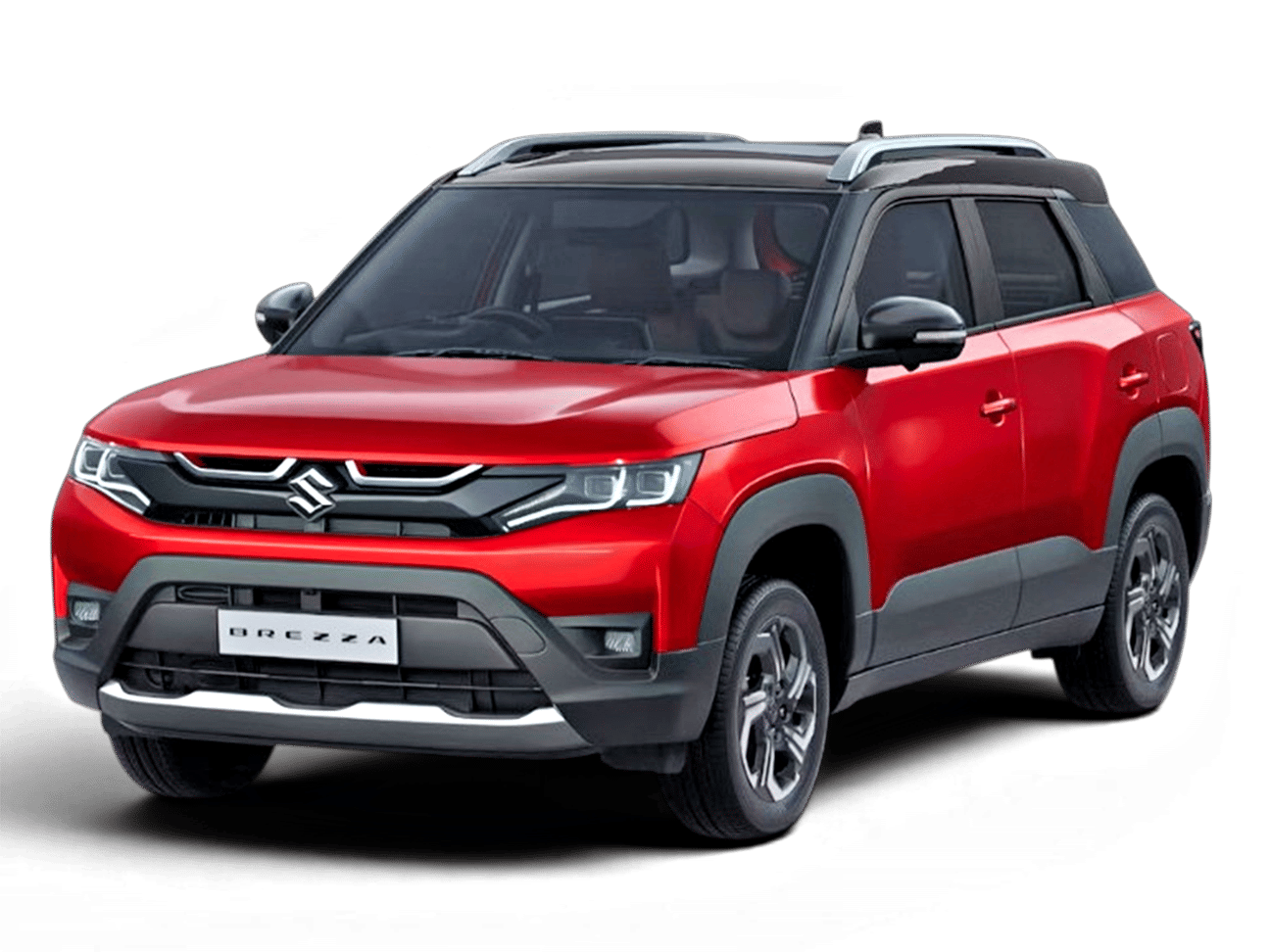
With mostly city use, a few highway runs, and some mountain trips on broken roads, the Mahindra XUV 3XO AX5 petrol manual fits your brief best. It rides tough over bad patches, has good ground clearance, and its turbo petrol pulls well at low speeds, which helps on steep hill sections and in slow city traffic. It is also one of the nicer cars to drive in this price range, so when you want to enjoy a winding road, it will put a smile on your face, and the AX5 gives you a good mix of safety and comfort features without blowing the budget.Two trade-offs to note. If you often carry a full load of luggage, the boot is not very large, and at low speeds, the steering is not as light as most other SUVs in the class. Is it worth stretching to the base Seltos? Only if you really need the extra space. The base Kia Seltos skimps on features, and its non-turbo petrol will feel weaker on mountain climbs with a full family. Also check on-road pricing in your city, as it may push past Rs 13 lakh.The Hyundai Venue HX5 Turbo Petrol is also a good option and a great all-rounder, with a bigger boot, but given your needs, the better-riding, more enjoyable to drive XUV will suit you better. If you want another option to check out, look at the Maruti Suzuki Brezza, which is unexciting but offers hassle-free long-term ownership.

VehicleMahindra XUV 3XO
VehicleHyundai Venue
VehicleKia Seltos
VehicleMaruti Suzuki Brezza
SA

Saka

โ€ข1d

I live in Hyderabad and am planning to purchase a new car with a budget of โ‚น12 lakh, extendable up to โ‚น15 lakh on-road. My monthly usage is 800 km in the city, and once every quarter, more than 1,800 km on highways. I am 30 years old, 6'1", and heavily built. While travelling on highways, I need strong performance, as I am used to driving my friendโ€™s Innova Crysta on highways. My priorities are safety, features and interiors, mileage, performance, comfort, and ease of driving. My 2021 Kia Sonet delivered 13โ€“15 kmpl in Hyderabad city traffic and 18โ€“20 kmpl on highways. I would prefer similar mileage in my new car without worrying about fuel efficiency. Can diesel be considered in 2026? I plan to test drive the exact suggested configurations, so specific recommendations would really help.

Autocar India team

Autocar India

Verified
โ€ข1d

Since you already own the Sonet, a natural replacement for you would be the Kia Syros, which has broad and comfy seats, huge cabin space, and with high quality interiors and a lengthy equipment list, it certainly feels like you've spent your money well. The HTK+ Diesel MT variant should easily fall within your budget, and because it uses the same engine and gearbox as the Sonet, you could expect similar (or slightly lower) efficiency and performance too.Alternatively, you could consider a Mahindra XUV 3XO Diesel MT, which is like a tough, confident compact SUV with excellent driving dynamics and strong performance.Yes, you can consider diesel in 2026 as Hyderabad does not have the 10-year diesel cap that applies in NCR. Also, your periodic highway drives will also help keep the DPF healthy.

VehicleKia Syros
VehicleKia Sonet
VehicleMahindra XUV 3XO
NA

Naveen

โ€ข1d

I own a ecosport tdi 2017 Pre facelift with 60,000 km on the odometer after 9 years. I plan to keep it for city use and buy another car mainly for highway drives, as we take long trips twice a year. I am considering an EV or a diesel but am open to suggestions. We are a family of six, including two senior citizens.

Autocar India team

Autocar India

Verified
โ€ข1d

Your requirement is clear. You already have the EcoSport for city use, and now you want a comfortable, dependable long-distance car for a family of six including senior citizens. That means space, ride comfort and ease of ingress matter more than anything else.The Kia Carens Clavis is the most sensible starting point. It is a proper 6 or 7 seater, easy to drive, and far more comfortable than compact SUVs. The ride is soft, the seating is flexible and the cabin feels modern and airy. It is also positioned as a more premium, updated version of the Carens with better interiors and features, which suits family usage well. For highway trips, this Kia car is stable enough and the diesel automatic option works very well if you want efficiency.If you want the best possible comfort and willing to spend more, the Toyota Innova HyCross is in a different league. It offers far better ride quality, more space in all three rows and a much more relaxed driving experience. It is also extremely reliable and easy to own long term. For senior citizens, the ease of getting in and out, and the overall comfort level, are clearly superior.Compared to EVs, your usage does not strongly justify one. Long highway trips are still more convenient in petrol or diesel cars, especially in remote areas where charging infrastructure can be inconsistent.

VehicleKia Carens Clavis
VehicleToyota Innova HyCross
AM

Amit

โ€ข2d

I am planning to purchase a mid-segment SUV. The options I have tested include the Tata Harrier, Tata Sierra, and Kia Seltos. My budget is around โ‚น20 lakh. My driving will be primarily in the city, with occasional highway use. I am looking for the best option that offers steady performance along with good power. Additionally, I would like guidance on whether a diesel or petrol variant would be more suitable for my usage.

Autocar India team

Autocar India

Verified
โ€ข2h

Pick the Kia Seltos petrol IVT if you are considering the naturally aspirated options. It is the best fit for your usage.The Seltosโ€™ petrol engine feels more usable and refined, and the IVT gearbox is very smooth in city driving. It is easy to live with, consistent in traffic and suits your primarily urban usage perfectly. The power delivery is linear and predictable, which gives you the steady performance you are looking for without feeling stressed or jerky.Coming to the Tata Sierra, the naturally aspirated petrol is not a great match. It is a larger and heavier SUV, and the engine feels flat and underpowered for its size, especially in city conditions. However, if you are open to the turbo petrol version, the Sierra becomes a better option. The turbo engine feels stronger and more responsive, and the torque converter automatic is smoother and more robust for everyday use compared to a DCT.Between the Sierra and the Harrier, we would suggest going for the Sierra. It is the newer car, feels nicer to drive and offers the same turbo petrol engine with a smoother torque converter automatic option.

VehicleKia Seltos
VehicleTata Sierra
VehicleTata Harrier
MM

Marivel Murugan

โ€ข2d

I currently drive a 2014 Honda City diesel and am planning an upgrade. I am 60, so ease of driving and parking is important. We are considering the Grand Vitara / e-Vitara and the new Seltos, but I am concerned that the Seltos may feel too large for city use (wider body and larger ORVMs). Would it be difficult to manoeuvre and park? Alternatively, would you suggest waiting for the Sierra EV or BYD Atto 2, or are they also likely to be similarly large? I find the Creta and Hyryder well balanced for narrow roads and easy driving (due to their relatively smaller ORVMs). I would appreciate your recommendation.

Autocar India team

Autocar India

Verified
โ€ข2d

Given your mostly city use and the need for easy driving and parking, the Maruti Suzuki Grand Vitara or Toyota Urban Cruiser Hyryder Strong Hybrid fits you best from your list. They offer a slightly higher seating position than your 2014 City, so getting in and out is easier, and in traffic the hybrid often moves on electric power first, which makes it very smooth and calm to drive. The size feels friendly in narrow lanes, the mirrors are not bulky, and the steering is light, so slotting into tight spots is simple. If you pick a trim with a 360-degree camera and front sensors, it takes the stress out of parking.On your Seltos worry: in real life it is not meaningfully wider than Creta or Hyryder, and its steering is easy too. The mirrors do look larger, but once you set them and use auto-fold, they donโ€™t get in the way. That said, since you already find the Hyryder comfortable on narrow roads, it (or the Grand Vitara) will feel more comfortable, as it is a bit smaller.Two things to note about these SUVs: the boot is smaller than the petrol-only versions, and when you press hard the engine gets a bit loud and quick highway passes need some planning. As for the Sierra EV, it is larger than all these, while the launch timeline of the BYD Atto 2 is still uncertain.

VehicleToyota Urban Cruiser Hyryder
VehicleKia Seltos
VehicleMaruti Suzuki Grand Vitara
VehicleHyundai Creta
PS

prasad shiraskar

โ€ข2d

Iโ€™m planning to buy the new Kia Seltos 2026, but Iโ€™m confused between the petrol NA IVT and the turbo petrol DCT options. My usage will mainly be office commute in Navi Mumbai, around 900-1200 km per month, and city driving. So good mileage and ease of driving in traffic are important, but at the same time, I donโ€™t want the car to feel underpowered or sluggish. Please suggest to me which variant would suit my needs, or if there's any other car in the same segment.

Autocar India team

Autocar India

Verified
โ€ข1d

For mostly city runs in Navi Mumbai and 900-1200 km a month, the Kia Seltos 1.5 petrol with the IVT automatic fits your needs better than the 1.5 turbo with the DCT. The IVT is a type of automatic that prioritises smoothness, so it feels calm in stop-and-go traffic and usually uses less fuel in the city than the turbo DCT. It also edges forward smoothly at low speed, which makes bumper-to-bumper driving less tiring.In the city, using 1.5 petrol does not feel slow. It keeps up with traffic and climbs flyovers without stress. The steering is light, and the power delivery is smooth, so daily commuting is simple. The turbo DCT will feel quicker if you often need sudden bursts, but in heavy traffic, the DCT can feel a bit hesitant and clunky at crawling speeds, can run hotter in long jams, and will likely use more fuel in the city.The trade-off with the IVT is that when you press hard for a quick overtake, the engine gets loud and the pull is steady rather than instant. If you do frequent fast highway trips with a full load, the turbo will feel stronger. That said, the 115hp, 1.5-litre engine feels more than adequate and not underpowered. Overall, for your daily office run and focus on ease and mileage, pick the Seltos 1.5 IVT.

VehicleKia Seltos
TK

Tarun Kumar

โ€ข2d

Hi, I booked the new Seltos HTK (O) IVT variant last week. However, today the official ARAI mileage figures were released, and they show that the DCT has higher mileage than the IVT. How is that possible? The showroom salesperson had told me that the IVT would give around 11kpl in city driving, while the DCT would give around 6-7kpl. My usage is 95% city driving, with around 15 km daily running, so I do not really need the extra power. My question is: should I switch my booking to the DCT variant if the test results are so good? I do not mind spending โ‚น70-80k more for those 5% drives on the highways if the city mileage is similar. If real-world mileage is the same, I would prefer the DCT. I am not sure how to interpret these mileage numbers, so I would appreciate your guidance.

Autocar India team

Autocar India

Verified
โ€ข1d

Stick with the Kia Seltos IVT. It is still the better choice for your usage, and those ARAI numbers do not reflect real-world city driving.The key point is how these gearboxes behave in traffic. The IVT is tuned for smooth, steady driving and low-speed efficiency, which is exactly what your 95% city usage demands. It keeps the engine relaxed, avoids unnecessary revs and delivers consistent mileage in stop-and-go conditions. The DCT, on the other hand, is designed for performance. Even though the official numbers may look better, in real-world city traffic, it tends to run hotter, shift more frequently and can drop efficiency, especially in slow-moving conditions.This is where your salesmanโ€™s input was directionally correct. In dense city use, the IVT will usually return better and more consistent mileage, while the DCT can dip significantly if you are crawling or constantly accelerating and braking.Also, turbo-petrol engines like the one paired with the DCT are very sensitive to accelerator inputs. Drive gently, and they can be efficient, but even slightly aggressive inputs cause the turbo to spool up, fuel consumption rises quickly and mileage drops. In daily city driving, it is hard to maintain that discipline all the time.Compared to the IVT, the DCT will feel quicker and more responsive, especially on highways, and is more enjoyable to drive when you push it. But that advantage matters only for your occasional highway runs, not your everyday usage.

VehicleKia Seltos

Last Updated on: 25 Apr 2026