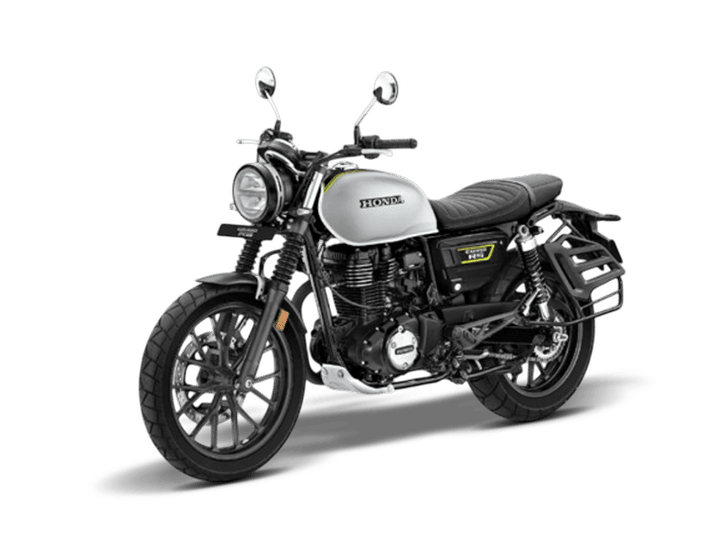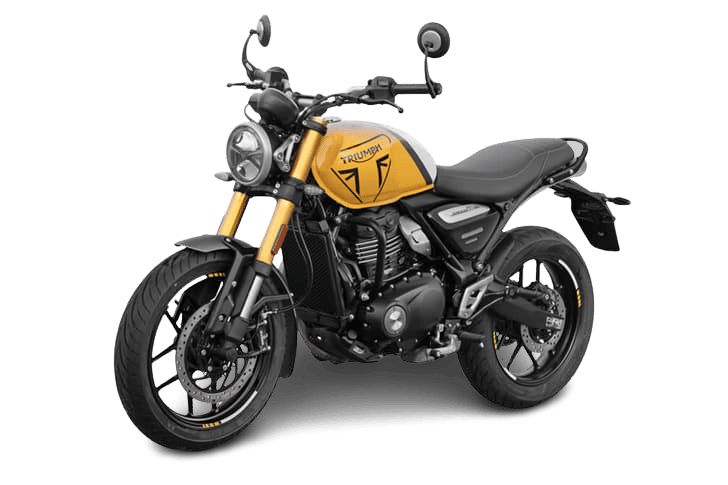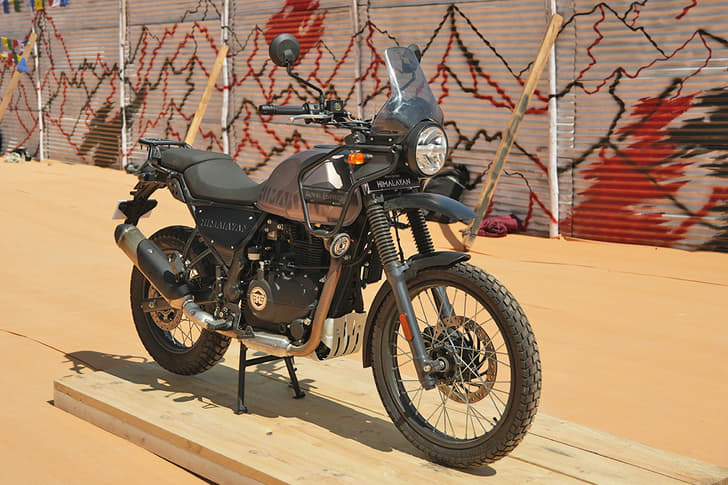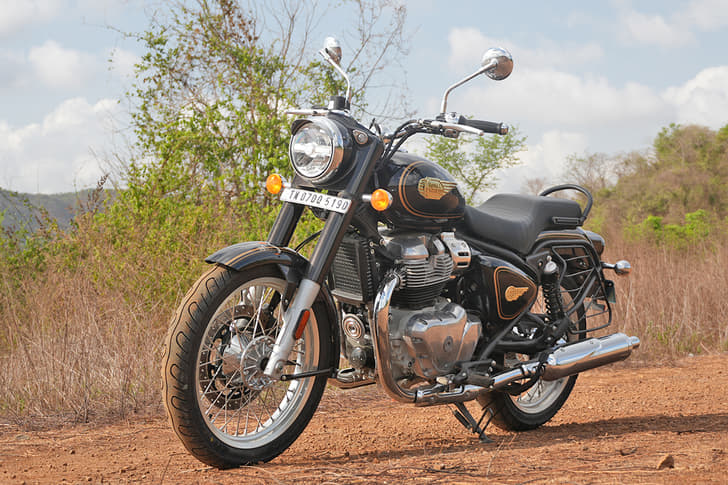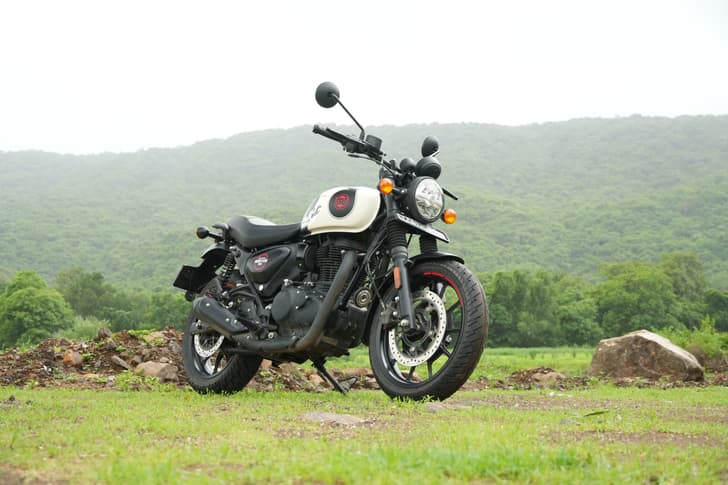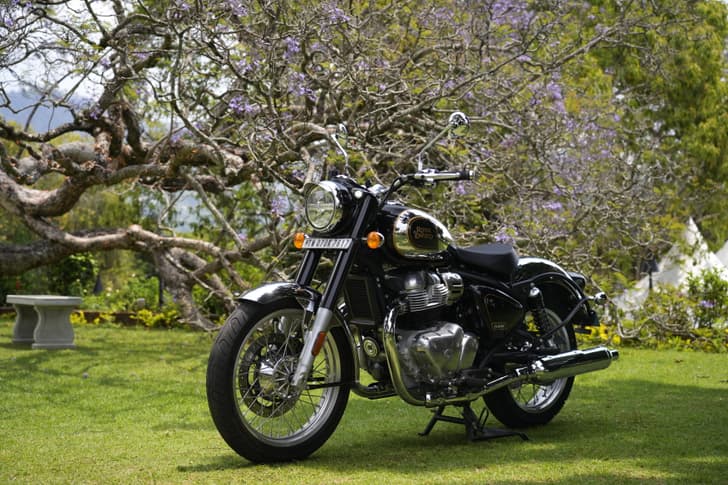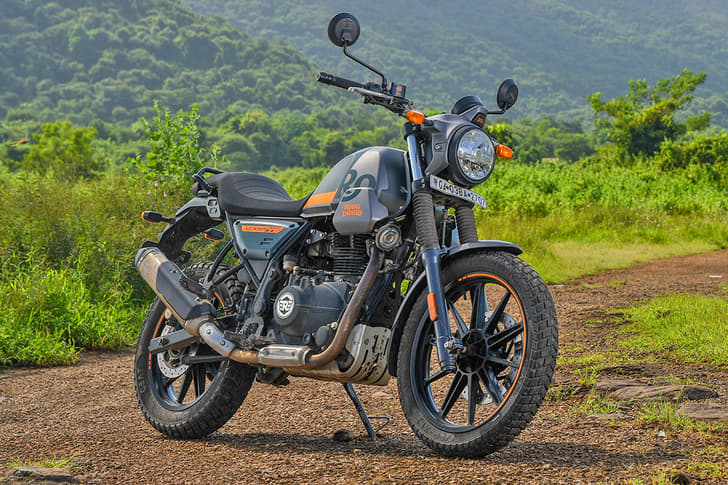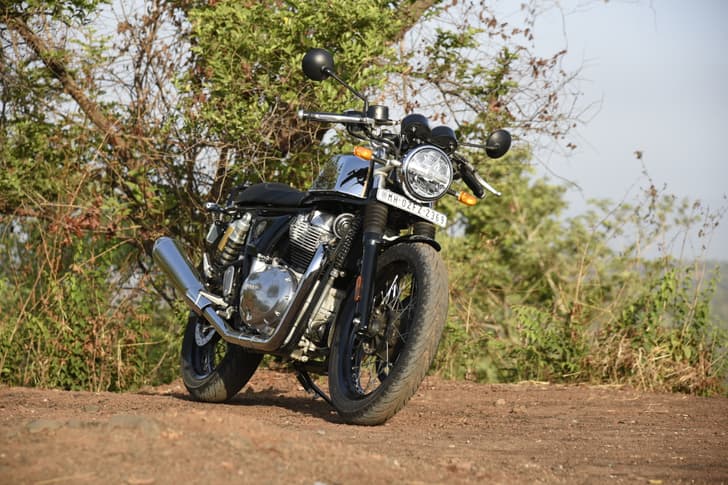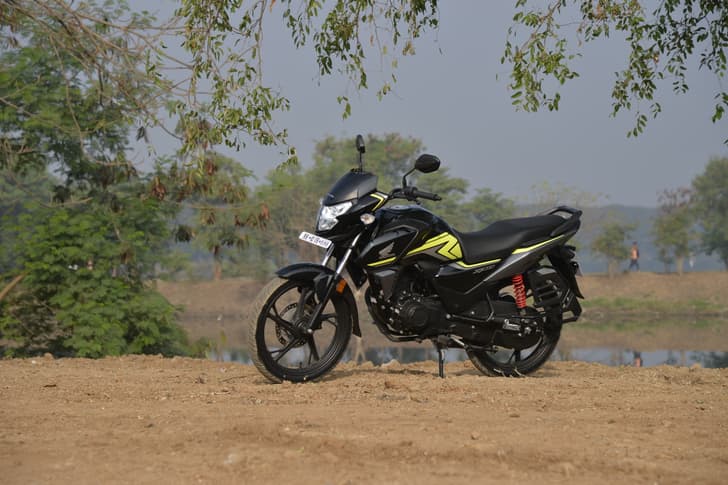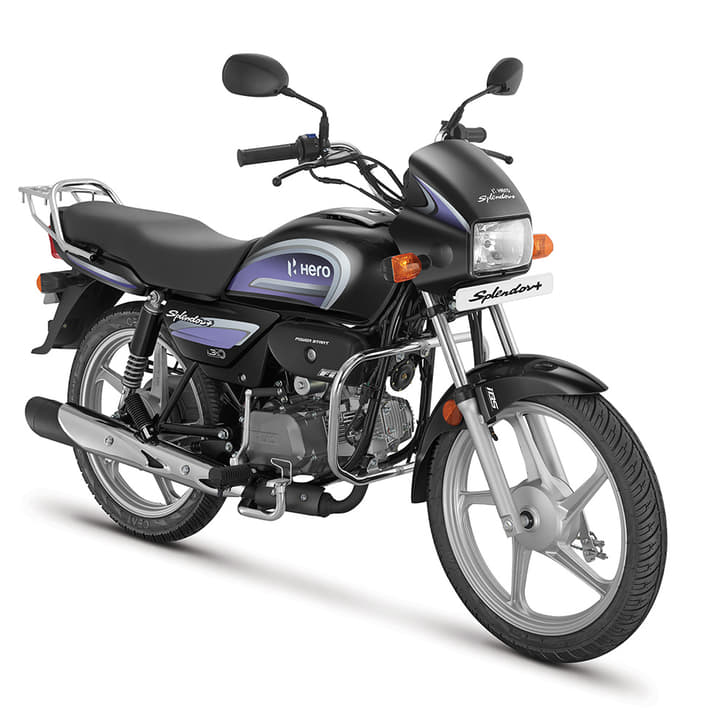

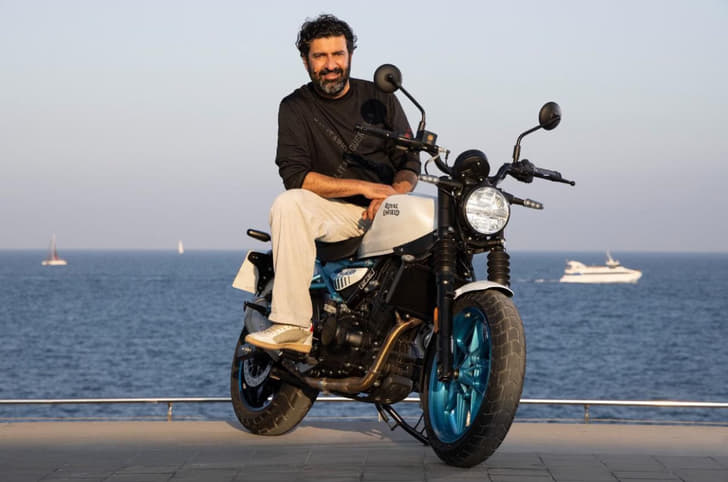
Siddhartha Lal, executive chairman of Eicher Motors and managing director of Royal Enfield has appealed to policymakers for a uniform 18 percent Goods and Services Tax (GST) across all two-wheelers.
- Siddhartha Lal points out the shortcomings of a higher tax rate for bikes above 350cc
- He highlighted the strides the Indian two-wheeler industry has made compared to the US and Europe
- Raising GST for bikes above 350cc could damage India’s potential to go global
350cc and above class accounts for only 1 percent of total sales
This move could potentially hamper India’s global potential and positioning.
In a statement posted on his X handle on Saturday, Lal warned that a split tax regime could weaken India’s global leadership in the sector, stall investments and create an opening for foreign competitors.
Lal pointed out that motorcycles above 350cc account for just 1 percent of India’s two-wheeler market, and raising GST would generate negligible revenue and contract the segment. “For Indian riders, these motorcycles are not luxury goods. They are efficient, affordable alternatives to cars, offering lower fuel consumption and maintenance – benefits that also help reduce India’s fuel imports,” he added.
Lal placed the debate in the broader context of the Make in India initiative, calling the two-wheeler industry the clearest success story of the campaign. It is, he said, the only manufacturing sector where Indian brands lead globally, setting benchmarks in quality, technology, cost efficiency and distribution. With strong government support and a large domestic base, Indian manufacturers have achieved scale and capability unmatched elsewhere, even attracting global competitors to set up production in India.
Highlighting the strides Indian brands have made in recent years, Lal noted that they already dominate the small-capacity motorcycle segment worldwide. Through significant investments, they are now making deep inroads into the mid-capacity segment.
To sustain this momentum, a uniform GST of 18 percent across all two-wheelers is critical. "While lowering GST for motorcycles under 350cc will help broaden access, raising GST for those above 350cc would damage a vital segment and undermine India’s global leadership," Lal stressed.
According to Lal, a split tax regime could also “cripple investment and scale” in the mid-capacity segment, which has been the focus of significant research, development and production by Indian manufacturers. “A differential rate would dramatically shrink the domestic >350cc segment and choke the investment needed for India to compete globally,” he said.
Furthermore, he warned that such a policy could restrict India’s ability to offer a competitive range of products globally and undermine domestic brands’ efforts to build strong dealer networks and brand equity overseas.
More critically, it could allow global rivals – who do not face such tax distortions in their home markets – to capture the midsize segment internationally before re-entering India’s smaller-capacity market, where local manufacturers currently enjoy dominance.
Lal emphasised that India is already the world’s largest two-wheeler market, surpassing China, Japan, Europe and the United States. He argued that a consistent tax framework would not only safeguard this position but also enable India to dominate the global electric two-wheeler industry, positioning the country as a hub for next-generation mobility.
The debate over GST on two-wheelers comes at a time when the central government is itself reviewing the tax structure. On August 15, Prime Minister Narendra Modi announced that a broad review of the GST regime is underway and hinted that relief could be expected by Diwali this year. Although he did not specifically mention the automobile sector, multiple media reports suggest that the government is considering a sharp reduction in GST rates on vehicles – particularly entry-level cars and two-wheelers – from the current 28 percent to 18 percent.
With Inputs from DARSHAN NAKHWA
Also see:
 Dhruv Dhaka

 Ajit Dalvi
 Suraj Viswanathan