
Last Updated on: 25 Apr 2026
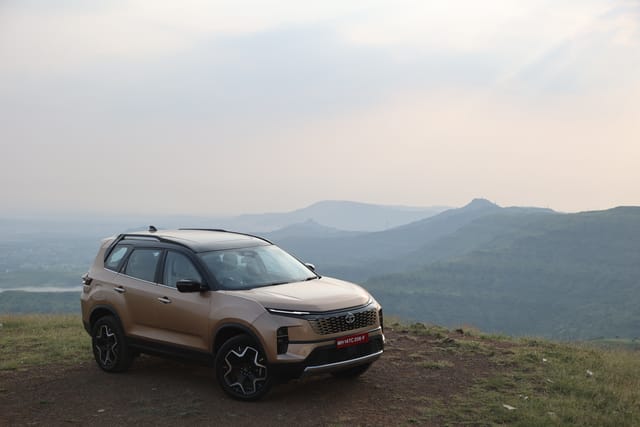
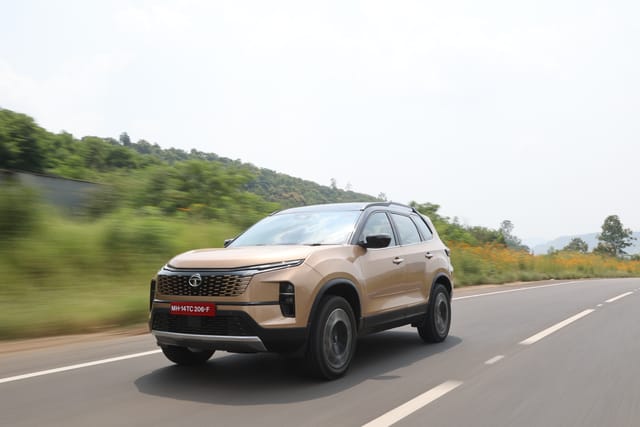
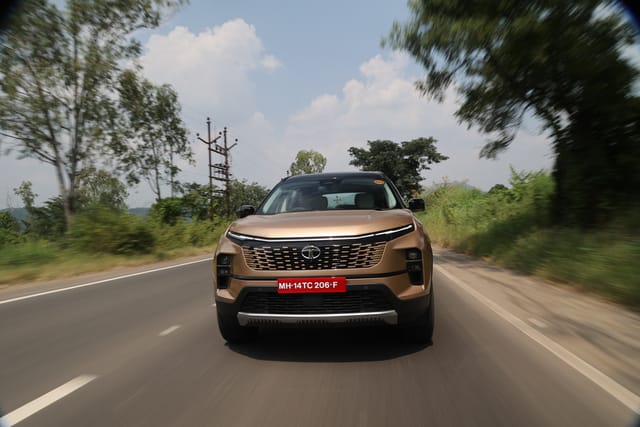
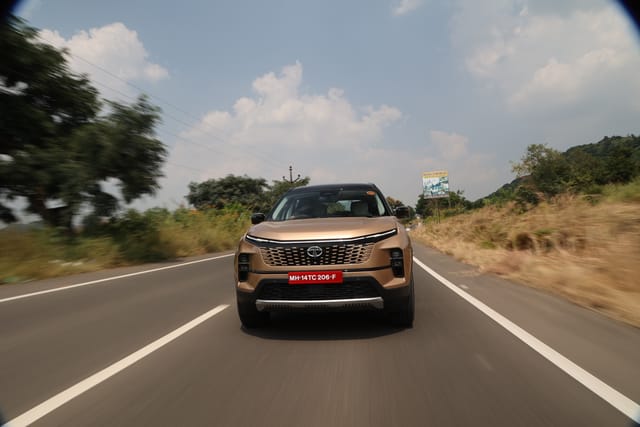
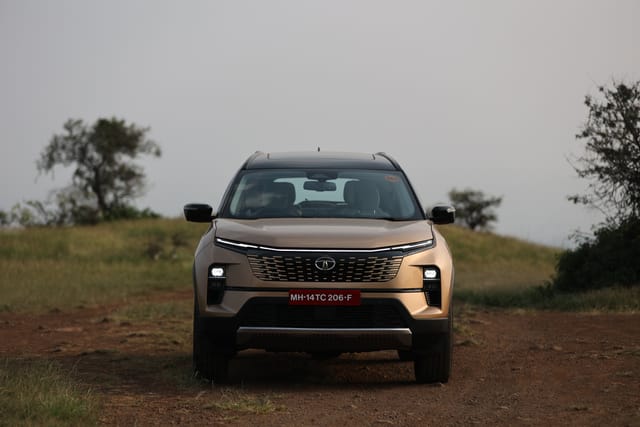
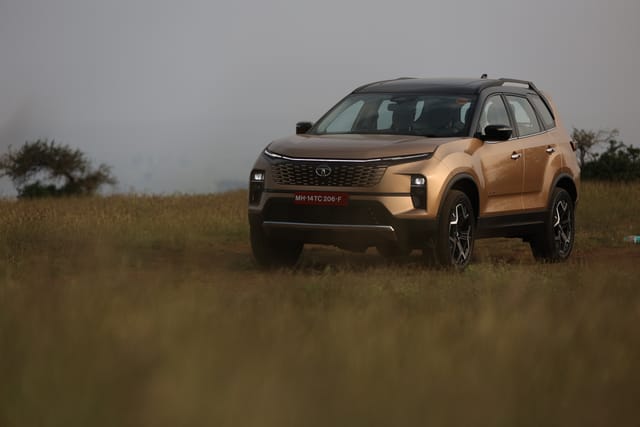
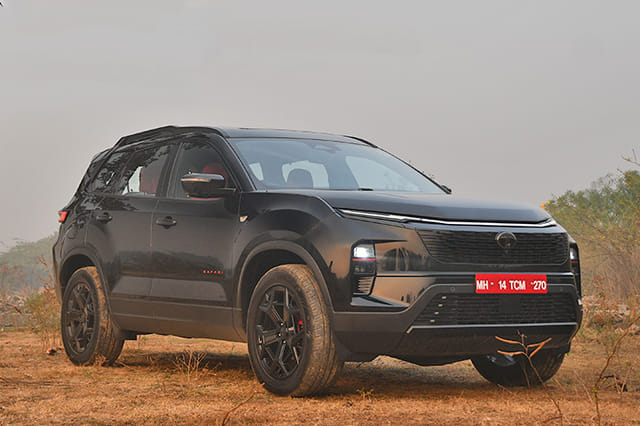
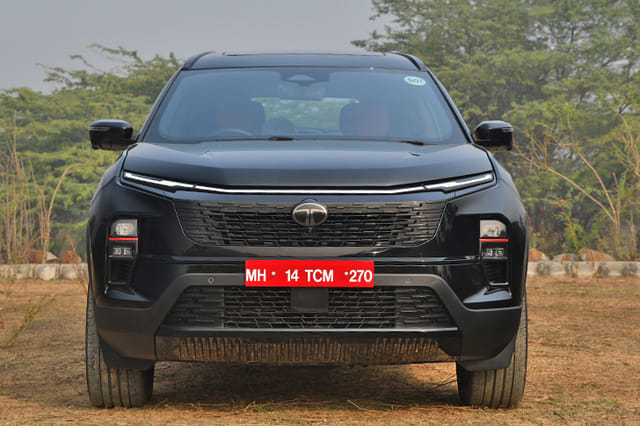
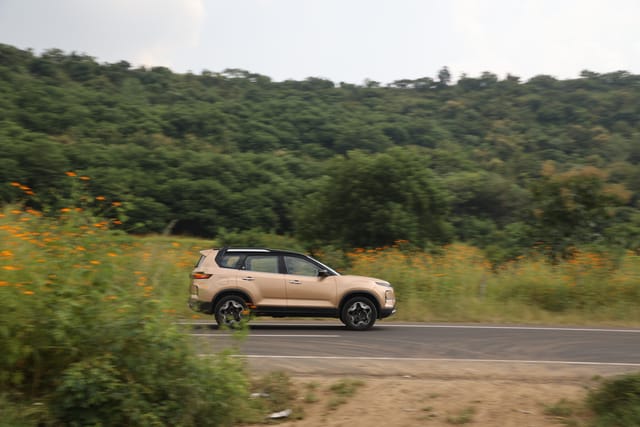
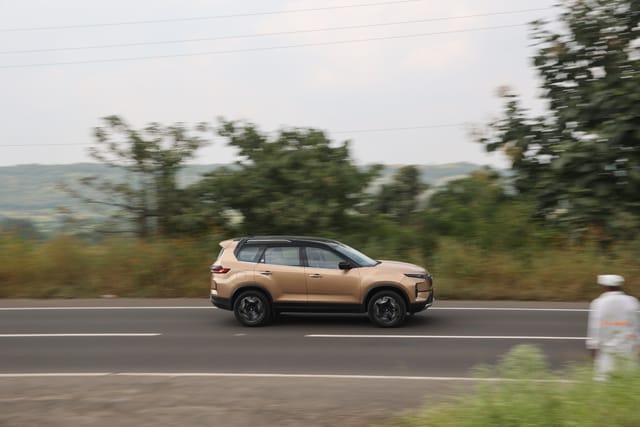
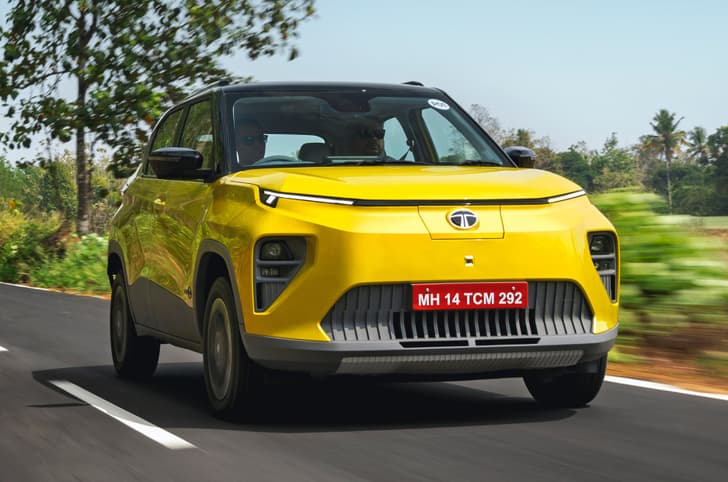
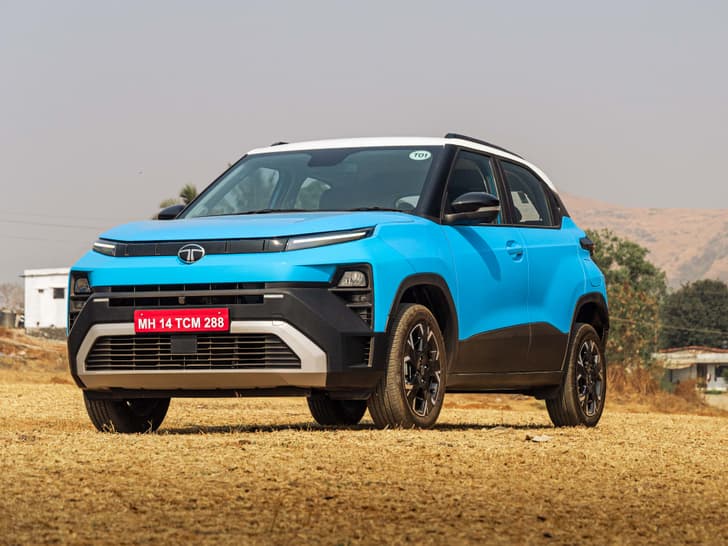
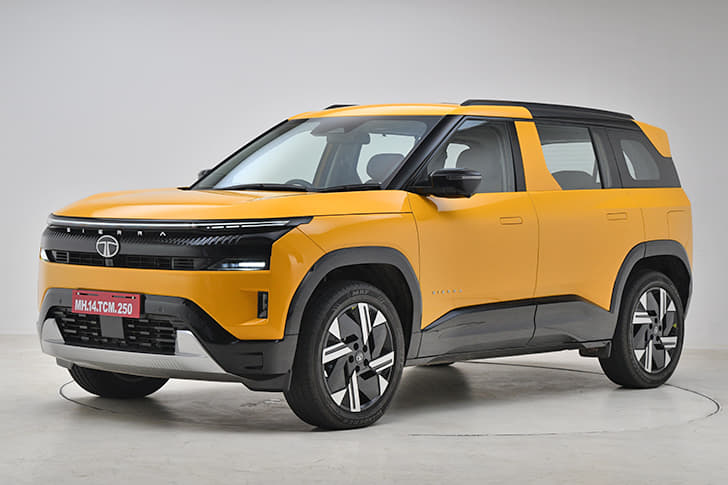
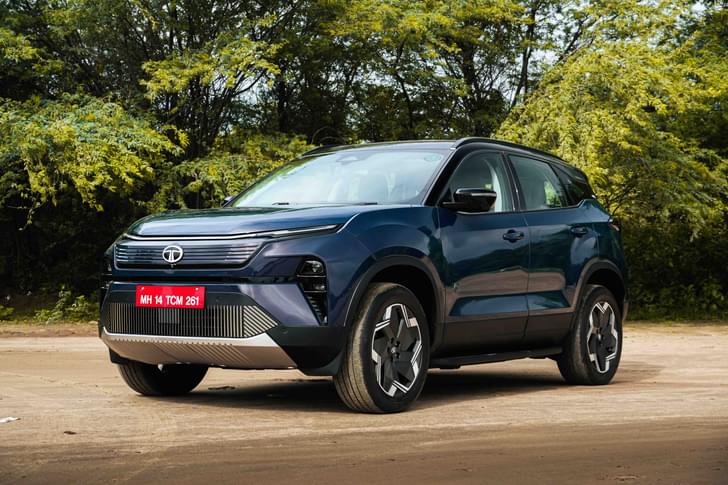
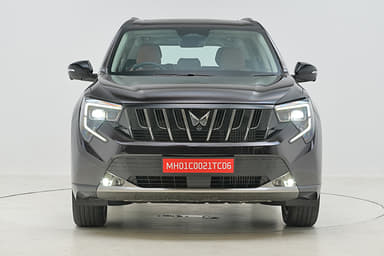
Tata Safari Pure X Dark 7 seat 1.5 Turbo-GDI
Tata Safari Pure X Dark 7 seat 1.5 Turbo-GDI specifications
Engine & Transmission
Engine Type | Turbocharged |
Engine Displacement | 1498 cc |
Engine Installation | Front |
Pure Electric Driving Mode | No |
Fuel Type/ Propulsion | Petrol |
Number of Cylinders | 4 |
Max Engine Torque | 280 Nm at 1750 - 3500 rpm |
Max Engine Power | 170 hp at 5000 rpm |
Lockable Differential/s | No |
Number of Gears | 6 |
Gearbox Type | Manual |
Drive Layout | Front Wheel Drive |
Fuel & Performance
Auto Start/Stop | No |
Terrain Modes | No |
E20 Compatibility | Yes |
Emission Standard | Bharat Stage VI |
Fuel Tank Capacity | 50 litres |
Suspension & Steering
Rear Brakes | Disc |
Front Brakes | Disc |
Type of Power Assist | Electric |
Steering Adjust type | Manual |
Steering Adjust | Tilt and Telescopic |
Front Springs | Coil Springs |
Damper Control | No |
Front Suspension Type | Independent, MacPherson Strut |
Rear Springs | Coil Springs |
Rear Suspension Type | Non-independent, Torsion Beam |
Ride Height Adjust | No |
Spare Wheel | No |
Rear Tyre Size | 235/60 R18 |
Front Tyre Size | 235/60 R18 |
Wheel Size | 18 inches |
Wheels | Alloys |
Dimensions
Boot Capacity | 420-1550 litres |
Width | 1922 mm |
Wheelbase | 2741 mm |
Length | 4668 mm |
Height | 1795 mm |
Ground Clearance | 205 mm |
Doors | 5 |
Tata Safari Pure X Dark 7 seat 1.5 Turbo-GDI features
Comfort
| Steering Mounted Controls | Audio and Phone |
| Rear Window Sun Shades | |
| Sunroof | Panoramic |
| Bottle Holder in Doors | |
| Sunglass Holder | |
| Power Windows with One Touch-Down |
Safety
| Door Ajar Warning | |
| Traffic Sign Recognition | |
| Front Collision Avoidance | |
| Emergency Brake Light Flashing | |
| Electronic Stability Control | |
| Electronic Parking Brake |
Exterior
| Illuminated Logo | |
| ORVM turn indicators | |
| Outside rear view mirror (ORVM) | |
| Headlight Height Adjuster | |
| Front Fog Lamps | |
| LED DRLs |
Interior
| Tachometer | Digital |
| Trip Meter | |
| Speedometer | Digital |
| Shift Indicator | |
| Instantaneous Consumption | |
| Average Fuel Consumption |
Entertainment
| Wireless Phone Charging | |
| Touchpad | |
| AUX Input | |
| USB Input | |
| Audio System | |
| Apple CarPlay | Wireless |
Connected Car Features
| Remote AC On / Off via App | |
| Emergency Call Button | |
| Find My Car | |
| Remote Car Lock/Unlock via App | |
| Remote Sunroof Open / Close via App | |
| Geo Fence |
Tata Safari variants
Tata Safari comparison

Questions you may find useful
Partha
•4dHi, I want to buy a large SUV (XUV, Scorpio, Safari) under ₹20 lakh, but I am concerned about petrol mileage. My driving is 40–50 km per day (city + highway), and every 3–4 months I take a 500 km trip. Should I buy a diesel car, and if yes, will it have any impact on the DPF?
Autocar India

 Mahindra Scorpio NTata Safari
Akash Gowda L
•5dI have Tata Hexa XT2 4x2 model that I bought in 2019, and it has done almost 1 lakh km. It is still performing well with no issues, but it has a manual gearbox. I also own smaller automatics like the K10 AGS (2023) and XUV 3XO AMT, but I do not have a 7-seater. Which among Safari AT or XUV 7XO (diesel AT only) is worth buying?
Autocar India
Tata SafariMahindra XUV 7XOBhupender
•5dI live in Faridabad and drive around 1,500 km per month, with 70% city and 30% highway usage. Which petrol car would be better, the Tata Safari or the XUV 7XO?
Autocar India
Mahindra XUV 7XOTata SafariSunil Naths
•1wI have a Scorpio, a diesel Dzire, and a Tata Zest, all Euro 4, and all running fine without any problems. I want to buy a family car as I have to travel to New Delhi with my family two or three times a month. Which SUV would you suggest?
Autocar India
Toyota Innova HyCrossTata SafariMahindra XUV 7XOYash
•1wI am confused between the 7XO and Safari. I took the test drive of both and loved the rugged suspension setup of the Safari, but I also liked the easy driving nature and dynamics of the 7XO.
Autocar India
Tata SafariMahindra XUV 7XODarpan Shah
•1wHello, I am looking for a family car that is also good for highway use. The car will be used for approximately 1,000 km per month, mainly for long drives over the weekends. My budget is around 25-30 lakh, and I would prefer a car with captain seats in the second row and ample boot space, as I have a young child and we usually carry a lot of luggage. Highway safety is a priority.
Autocar India
Kia Carens ClavisTata SafariToyota Innova HyCrossMahindra XUV 7XOAshu
•1wHi team, I am planning to buy a new car and am confused between the petrol versions of the XUV 7XO and the Safari. My usage will mostly be in the city for office commuting (around 20 km daily), and once every three months, we may go on a long trip of more than 1,000–1,500km round trip. I like the Safari in terms of looks, but my main concern is its sales numbers. Overall, in most aspects, the 7XO seems better except for mileage. My key concern is understanding the reliability, long-term running costs, maintenance, and drive quality of both. Please help me decide, as I am quite confused.
Autocar India
Mahindra XUV 7XOTata SafariHardik Desai
•2wI am planning to buy a new SUV. My daily commute is around 50km in Mumbai city with occasional intercity trips on the highway. Should I go with a diesel or a petrol engine? I have shortlisted the Mahindra XUV 7XO 7L Automatic Diesel. Which is the other option in a similar range?
Autocar India
Mahindra XUV 7XOTata SafariToyota Innova HyCrossAshutosh Ingole
•2wI have a budget of 30 lakhs strictly, I already own a Hyundai Alcazar 2022 Diesel, I want to upgrade. I need a 7 seater, good performance and decent to good mileage car. Can you please suggest which one to buy? From 2022 to 2026, I drove my alcazar 90k km. My drive is basically mixed of 30% city and 60% highway and 10% off road(not serious off roading).
Autocar India
Mahindra XUV 7XOTata SafariRohit P
•2wI am planning to upgrade from my 2017 Honda City diesel, which is now over nine years old. I am looking for a 7-seater, although it will mostly be used as a 5-seater, with occasional requirements to carry 6-7 passengers. The car will primarily be used in Gurgaon for city driving, along with highway trips on the Delhi-Mumbai Expressway for going to Kota, Rajasthan. My key requirements include good comfort for five passengers, a usable third row when needed, and a preference for an automatic transmission. My budget is around ₹26 lakh. At present, I am inclined towards the Tata Safari Petrol AT (Accomplished X). However, my main concern is the drop in mileage and the resulting increase in running costs. My current Honda City delivers around 23 kpl on highways and about 15 kpl in the city, whereas I expect the Safari petrol automatic to return roughly 12 kpl on highways and about 9 kpl in city conditions. This translates to a significant 40-50% drop in fuel efficiency, leading to noticeably higher fuel expenses. My monthly usage is approximately 800 km, split evenly between city and highway driving. While fuel efficiency is an important factor, it is not the only deciding criterion. I have considered diesel options but ruled them out due to my usage pattern, as the car may remain unused for weeks at a time and may not see highway runs for two to three months, which could lead to DPF-related issues. I have also evaluated the Mahindra XUV700 AX7 AT in both petrol and diesel forms. The petrol variant still has relatively low mileage, while the diesel brings back the same DPF concerns. Additionally, the third row in the XUV700 is not very practical due to tight headroom and limited knee room. The second row does not slide, which makes access more difficult. I briefly considered the Carens Clavis as well, but it appears to offer lower safety compared to the other options.
Autocar India
Tata SafariMahindra XUV 7XOKia Carens Clavis