Last Updated on: 01 May 2026
Hyundai Creta price in Anantnag
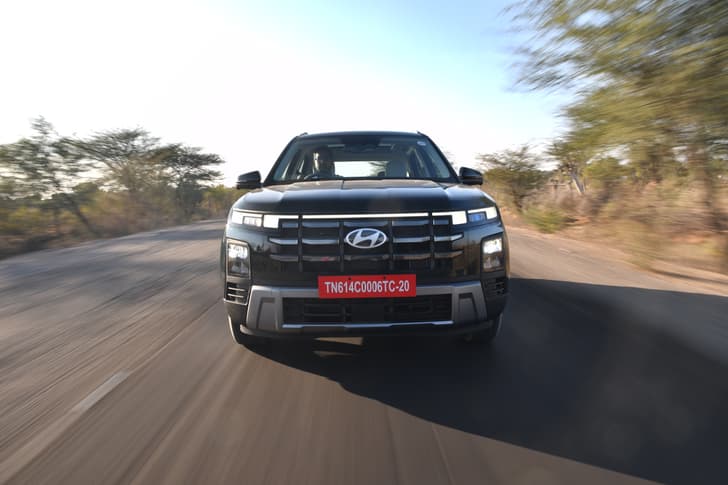
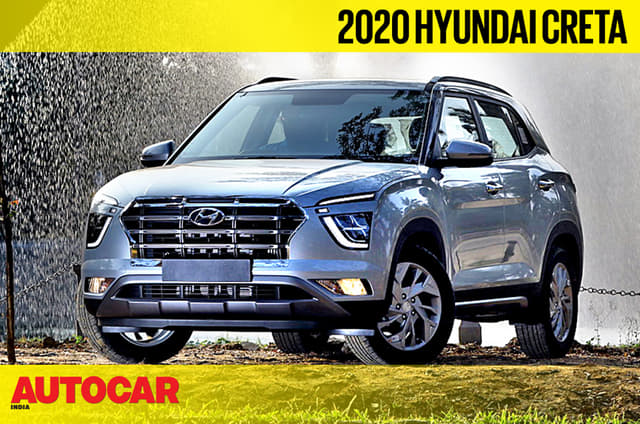
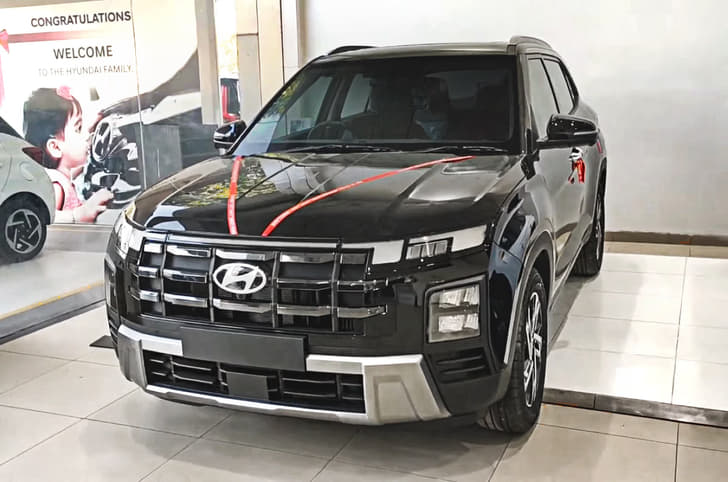
The Hyundai Creta on road price in Anantnag ranges from Rs 12.46 lakh for the base model to Rs 23.12 lakh for the top variant (including all taxes, RTO fees, and insurance). In comparison, the ex-showroom prices of Creta in Anantnag are between Rs 10.79 lakh and Rs 20.05 lakh.
Hyundai Creta price list in Anantnag 2026 (ex-showroom)
Creta 1.5 NA petrol price range
- E: Rs 10.79 lakh
- EX: Rs 11.96 lakh
- EX(O): Rs 12.59 lakh to Rs 13.94 lakh
- S: Rs 13.07 lakh
- SX: Rs 14.94 lakh to Rs 17.38 lakh
- SX(O): Rs 16.86 lakh to Rs 17.58 lakh
Creta 1.5 turbo petrol price range
- SX(O): Rs 19.49 lakh to Rs 19.64 lakh
Creta 1.5 diesel price range
- E: Rs 12.40 lakh
- EX: Rs 13.49 lakh
- EX(O): Rs 14.12 lakh to Rs 15.47 lakh
- S: Rs 14.48 lakh
- SX: Rs 17.31 lakh to Rs 17.45 lakh
- SX(O): Rs 18.39 lakh to Rs 19.79 lakh
Hyundai Creta price & variants
Price of Hyundai Creta alternatives
Hyundai Creta news
Hyundai Creta Images
Hyundai Creta videos


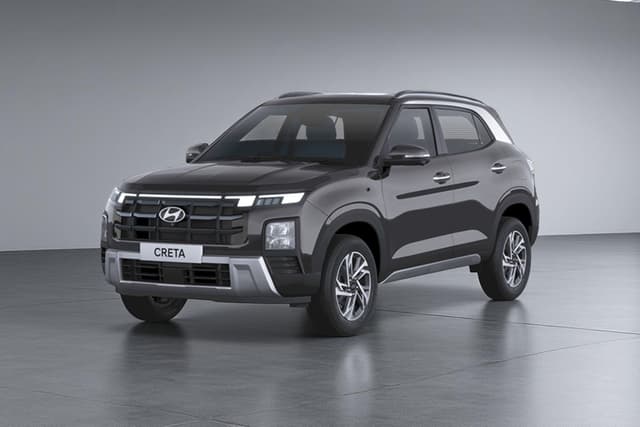
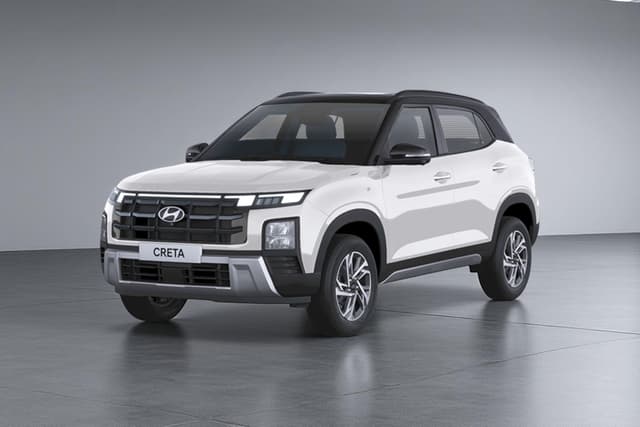
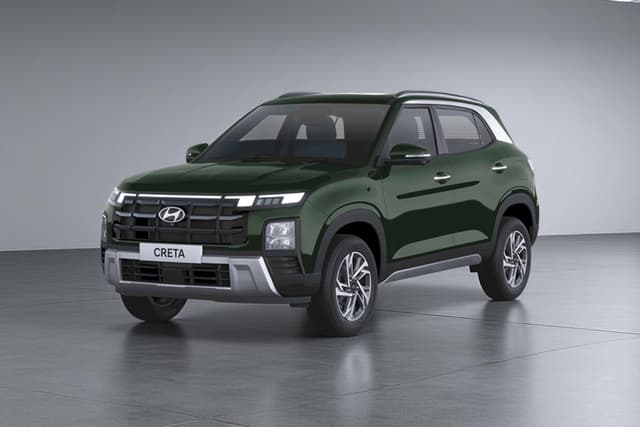
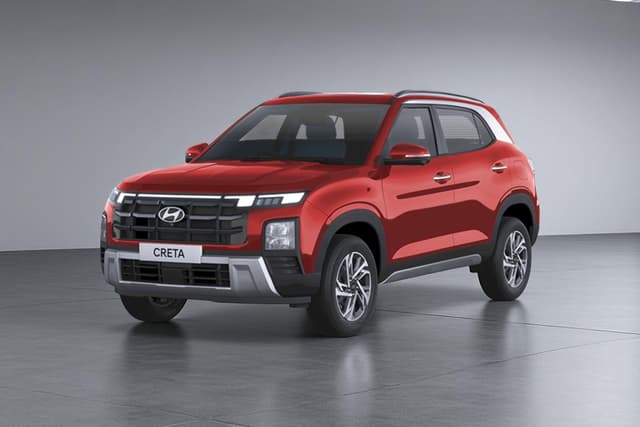
Hyundai Creta Colours
Hyundai Creta FAQs
The base model of Hyundai Creta (Petrol E MT) price in Anantnag is ₹10.79 lakh, ex-showroom.
The base-spec (Petrol E MT) Hyundai Creta on road price in Anantnag is ₹12.46 lakh.
The Hyundai Creta (Diesel S(O) AT) price in Anantnag is ₹17.12 lakh ex-showroom.
The Creta top model (Diesel King Knight AT) price in Anantnag is ₹20.05 lakh ex-showroom.
The Hyundai Creta top model on road price in Anantnag is ₹23.12 lakh.
The Creta price in Anantnag starts from Rs 10.79 lakh to Rs 20.05 lakh ex-showroom
The on road price of Creta starts from Rs 12.46 lakh and goes upto Rs 23.12 lakh.
The Creta diesel price in Anantnag starts from Rs 12.40 lakh (Hyundai Creta Diesel E MT) ex-showroom price.
The Creta automatic price in Anantnag starts Rs 13.94 lakh (Hyundai Creta Petrol EX(O) CVT) ex-showroom price.
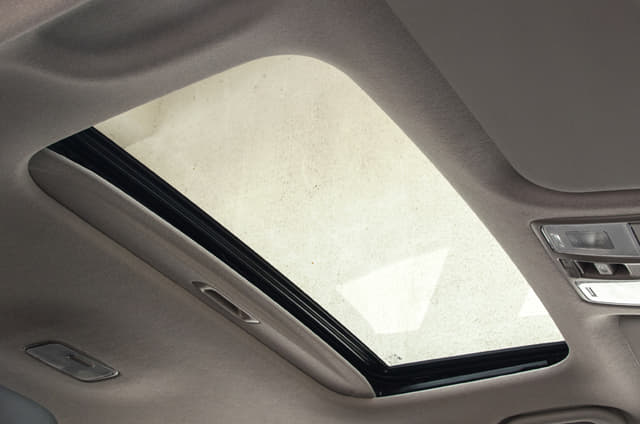
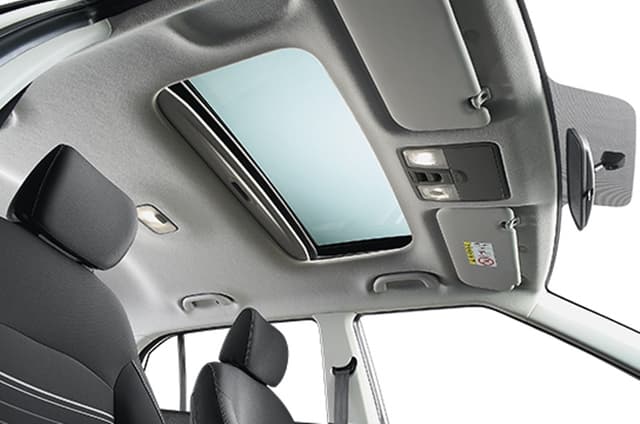
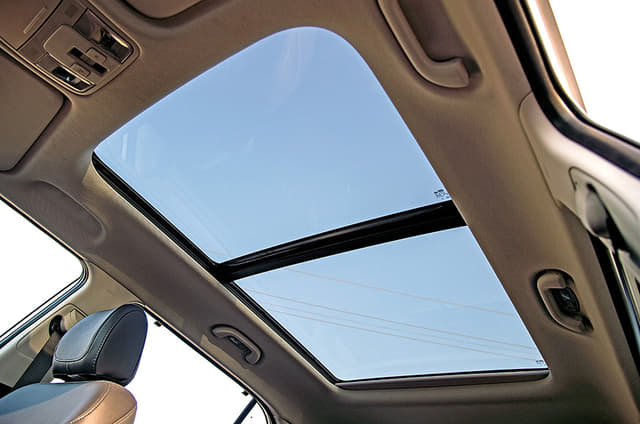
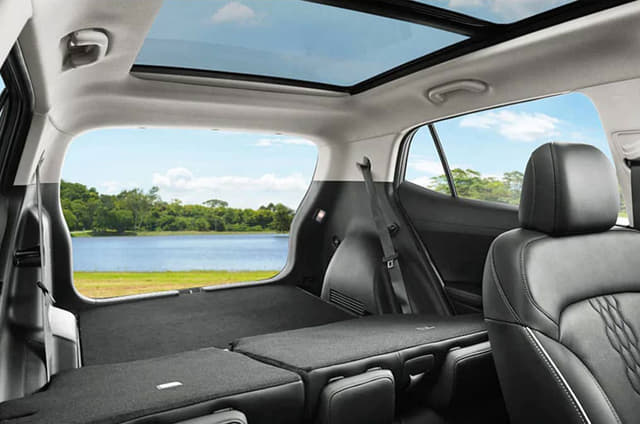
In Anantnag, The price of Creta with sunroof starts from Rs 12.58 lakh (Hyundai Creta Petrol EX(O) MT) ex-showroom price.
The Creta on road price starts from Rs 12.46 lakh and goes upto Rs 23.12 lakh.
The on road price of Hyundai Creta base model is Rs 12.46 lakh depending on the city and taxes.
The Creta top model on road price is Rs 23.12 lakh depending on the city and taxes.
Questions you may find useful
Sajjad Haider
•10hHi, I am confused between the Maruti Suzuki Brezza ZXi Plus Automatic, Kia Seltos Base Variant, and Hyundai Creta Base Variant. My budget is around ₹14.5 lakh. My monthly running will be approximately 1,000–1,100 km, with occasional highway trips twice a year. My priorities are safety, peace of mind, comfort, and decent mileage. I am based in Lucknow.

Autocar India
Your usage is moderate, mostly city with occasional highway trips, and you want a stress-free ownership experience. The Maruti Suzuki Brezza fits this perfectly. It has a smooth and reliable torque converter automatic, a comfortable ride for daily use and Maruti’s strong service network, which ensures low maintenance and hassle-free ownership over time. It also delivers decent real-world mileage for a petrol SUV, which matters for your running.Now, comparing your other options. The Kia Seltos base and Hyundai Creta base are from a higher segment and are bigger, more spacious cars. The Seltos especially offers better rear seat space and a larger boot, which is useful for family trips. However, within your budget, you are getting only the base variants, which means you miss out on key features and, more importantly,So the choice comes down to this. The Brezza gives you a complete, well-equipped and easy-to-own package. The Creta and Seltos give you a bigger car, but in a stripped-down form.
Koustav Dutta
•2dHi, I’m planning to buy my first car with a budget of around 13-14 lakh. My usage will be minimal, mostly occasional office travel and a few long drives each year (like Ladakh or Spiti). Based on this, I’ve decided to opt for a petrol manual, naturally aspirated engine, as I prefer a simpler and more reliable setup (also a bit concerned about future fuel changes, like E85). Initially, I shortlisted the Kia Sonet because of its looks, but I’ve seen reviews mentioning it lacks power on highways and in hilly terrains, especially during overtakes. I also considered Honda Elevate, Toyota Hyryder, and Hyundai Creta. However, after comparing base variants, I found the Kia Seltos (2026) to be the most value-for-money option. It offers key features, like a display, all-disc brakes, steering-mounted controls, cruise control, TPMS, Rear view camera, parking sensor, speakers, etc., which are missing in the base variants of the other cars. I’m also not interested in a sunroof. Given my usage and priorities, would you recommend going ahead with the Seltos, or should I reconsider any of the other options?

Autocar India
Light daily use with a few tough hill trips in a Rs. 13-14 lakh cap points you straight to the Kia Seltos HTE 1.5 petrol base manual. From your list, it fits your brief best because the 1.5-litre naturally aspirated motor feels adequate on highways and hills compared to smaller engines, and the base trim still gives you the useful everyday features you care about without paying for a sunroof or extra frills.Why does it suit you? First, power and gearing. Versus the Sonet’s smaller petrol, the Seltos feels stronger when you need a quick overtake or a climb with luggage, so you will shift less and feel more relaxed on the highway. Second, you’ve called out features like a touchscreen, steering controls, cruise control, rear camera and TPMS. The Seltos base packs most of these, so you don’t need to step up to a variant just to avoid living with a bare cabin. Third, your choice of a simple petrol manual lines up well with the Seltos 1.5, which is a proven, easy-to-own engine.A couple of trade-offs to note. On broken roads at low speeds, the Honda Elevate and Hyundai Creta ride softer over bad patches, but their base trims miss many of the features you want. Also, like any non-turbo petrol at high altitude, you will need to use lower gears on steep climbs.Given your priorities, go ahead with the Seltos 1.5 petrol base manual. It lines up with your needs and budget the best.
Abhijeet sinha
•3dHi, Abhijeet this side. I am looking for a car with good mileage, as my daily run is around 100 km from Bhiwadi to Gurgaon and back. My usage is roughly 60% highway and 40% city traffic, although highways can get heavily congested during peak hours. I have a family of five, including my parents, and I prefer using my car for long trips rather than public transport. EVs are not an option for me due to infrastructure concerns. Currently, I own a Nissan Magnite XV Red Edition (manual, NA engine), but its mileage has dropped to around 11.5 kpl. I am not sure if this is due to E20 fuel. I plan to sell this car and do not want to keep two vehicles. Please advise whether I should opt for a hybrid or a diesel car. My budget is up to 20 lakh, but I would prefer to stay closer to 15 lakh if possible. It all depends on your guidance.

Autocar India
Opt for a strong hybrid, specifically the Toyota Urban Cruiser Hyryder strong hybrid. It is the best fit for your usage and long-term ownership. Your daily running is very high, with a mix of highway and heavy traffic. In this kind of use, the stop-and-go sections hurt fuel efficiency the most, and this is where a strong hybrid makes a clear difference. It can run on battery at low speeds, cuts fuel use in traffic and makes the drive smoother and less tiring compared to a diesel or petrol car. Over time, this will reflect in significantly lower running costs.A diesel car, such as the Hyundai Creta or Kia Seltos, will still do well on open highways and feel stronger during quick overtakes. But your route is not purely highway, and the traffic component reduces that advantage. Also, being in the NCR region, diesel ownership comes with long-term limitations, which the hybrid avoids completely.
Venkat
•3dHi Autocar, I own a Hyundai Creta Diesel Knight Edition, which has been driven for around 40,000 km. Over the past six months, I have been facing recurring DPF issues, even though the car is regularly driven on highways. Additionally, the turbocharger has been replaced twice due to reported leakage issues. Now, the service centre claims that this may be a design fault from Hyundai. As a result, my car has spent a significant amount of time at the service centre, which has been extremely frustrating. Given this situation, I am unsure whether I should continue with the car or consider selling it and moving to another vehicle. I would appreciate your guidance on this.

Autocar India
You have already been using the car in the right way. Regular highway driving should prevent DPF problems, so repeated issues along with multiple turbo replacements point to something beyond normal wear and tear. While it may get resolved with further intervention, the frequency of visits and downtime understandably affects ownership confidence.A practical approach is to give the service centre one final, structured attempt to fix the issue properly, ideally with escalation to the manufacturer. If the problem repeats after that, it is sensible to move on rather than continue with uncertainty.If you do decide to change, a petrol automatic SUV like the Kia Seltos IVT or Hyundai Creta petrol CVT will feel familiar but far easier to live with, especially in mixed usage. They are smoother in daily driving and avoid diesel-related complications. If your running remains high and fuel cost is a concern, a strong hybrid is worth considering. Options like the Maruti Suzuki Grand Vitara or Toyota Urban Cruiser Hyryder offer excellent efficiency with petrol-like smoothness, making them a good middle ground between petrol and diesel.
Uma shankar A
•1wI am looking to buy an all-rounder automatic diesel car within a ₹20 lakh budget. I will use the car equally in the city and on highways. Please suggest the most suitable option.

Autocar India
Equal city and highway use with a strict ₹20 lakh cap and diesel automatic requirement, points to the Hyundai Creta S (O) diesel automatic. It fits your brief best because the 6-speed automatic is smooth in stop-go traffic, and the diesel has a strong pull at low speeds, so you do not need to push the engine or change gears often. Out on the highway it sits steady, the ride is comfortable on rough patches, and the size is just right for parking in the city while still giving good back-seat space and a useful boot for trips. Hyundai’s service reach is also wide, which makes life easier over the years.A couple of things to note. The S(O) trim skips a few fancy items you may see in top trims, and the diesel is a touch louder at idle than a petrol. Depending on your city, the on-road price of this Hyundai car may edge a bit over ₹20 lakh, so do check current offers.Alternatively, look at the Kia Seltos HTK (O) diesel automatic, which is a more modern, more spacious SUV. However, as it is a larger, heavier car using the same diesel engine as the Creta, it won't feel as effortless, especially out on the highway. Overall, for your mixed use and budget, the Creta S (O) diesel automatic lines up best.
Marivel Murugan
•1wI currently drive a 2014 Honda City diesel and am planning an upgrade. I am 60, so ease of driving and parking is important. We are considering the Grand Vitara / e-Vitara and the new Seltos, but I am concerned that the Seltos may feel too large for city use (wider body and larger ORVMs). Would it be difficult to manoeuvre and park? Alternatively, would you suggest waiting for the Sierra EV or BYD Atto 2, or are they also likely to be similarly large? I find the Creta and Hyryder well balanced for narrow roads and easy driving (due to their relatively smaller ORVMs). I would appreciate your recommendation.

Autocar India
Given your mostly city use and the need for easy driving and parking, the Maruti Suzuki Grand Vitara or Toyota Urban Cruiser Hyryder Strong Hybrid fits you best from your list. They offer a slightly higher seating position than your 2014 City, so getting in and out is easier, and in traffic the hybrid often moves on electric power first, which makes it very smooth and calm to drive. The size feels friendly in narrow lanes, the mirrors are not bulky, and the steering is light, so slotting into tight spots is simple. If you pick a trim with a 360-degree camera and front sensors, it takes the stress out of parking.On your Seltos worry: in real life it is not meaningfully wider than Creta or Hyryder, and its steering is easy too. The mirrors do look larger, but once you set them and use auto-fold, they don’t get in the way. That said, since you already find the Hyryder comfortable on narrow roads, it (or the Grand Vitara) will feel more comfortable, as it is a bit smaller.Two things to note about these SUVs: the boot is smaller than the petrol-only versions, and when you press hard the engine gets a bit loud and quick highway passes need some planning. As for the Sierra EV, it is larger than all these, while the launch timeline of the BYD Atto 2 is still uncertain.
Shyam
•1wHi Team Autocar, I’m looking to buy a compact SUV car with an automatic transmission for my family, under 17 lakh. It should comfortably seat 5 people (4 adults and 1 child), plus luggage. My usage will be mostly city driving in Pune for office commutes, with occasional highway trips to Mumbai and other outstation routes that include ghat sections. I’m considering the Skoda Kushaq, Volkswagen Taigun, Hyundai Creta N Line, Kia Sonet, Maruti Suzuki Victoris, and MG Astor. Could you please help me decide which automatic option would be most reliable for me? I’d like to compare them on safety, mileage, comfort, and service/maintenance. If there’s another car you’d recommend that fits my needs better, please suggest.

Autocar India
You should opt for the Hyundai Creta IVT, not the N Line. It is the best fit for your needs and budget. If you want a more affordable but still spacious option, consider the Mahindra XUV 3XO automatic. Your usage is mostly city with occasional highway and ghat runs, plus a family of five with luggage. The Hyundai Creta works best here because it balances comfort, space and ease of driving better than anything else in this segment. The IVT automatic is smooth and predictable in traffic, which matters daily, and it is more efficient and stress-free than dual-clutch options. The ride quality is soft and forgiving, which helps on bad roads and long drives, and the cabin is spacious enough to seat five comfortably with decent boot space for trips.Now, about your shortlist. The Creta N Line you are considering is actually over your ₹17 lakh budget, and while it is more engaging to drive, it has a firmer suspension, which is not ideal for family comfort. The standard Creta is the smarter choice for your usage.If you want something well within budget and still very usable as a five-seater, the Mahindra XUV 3XO is worth a look. Its wide body makes it one of the better cars in this segment for rear-seat comfort, and it feels more spacious than most compact SUVs. It is also good to drive and well-equipped, though not as polished overall as the Creta.
Chhaya Vora
•1wIs the Seltos 2026 automatic petrol IVT worth purchasing for Mumbai traffic? I have heard that the 1.5 IVT lags. My monthly running is 500–600 km in the city.

Autocar India
Your usage involves low monthly running, mostly city, and heavy traffic. In this scenario, the Seltos IVT works in your favour. This is smooth, creep-friendly and very easy to drive in stop-go conditions. There are no jerks, no clutch fatigue and very light controls, which makes daily driving stress-free. In real-world use, this engine-gearbox combo is known to be refined and well-tuned for everyday driving rather than outright performance.Now about the “lag” you’ve heard. It’s not exactly lag, it’s typical CVT behaviour. When you accelerate hard, the engine revs rise first and speed builds gradually, which can feel like a delay. But in city driving, where inputs are gentle and speeds are low, this is barely noticeable. This Kia car only feels weak if you expect quick overtakes or sporty response. The upside is that Kia has tuned it well, so the rubber-band effect is limited compared to older CVTs.Compared to alternatives, the turbo petrol DCT version is quicker and more fun, but in Mumbai traffic it can feel jerky and less reliable in long term. The IVT is the safer, smoother and more relaxed choice. Compared to something like a Creta CVT, the experience is very similar, but the Seltos feels a bit more premium inside.
Vishal Raivadera
•1wI am planning to buy a compact SUV with a budget of around ₹20-21 lakh (on-road). I have shortlisted two models: Hyundai Creta 1.5 NA IVT SX (O) / SX Premium and Kia Seltos 1.5 NA IVT HTX. My usage will be mainly daily city driving, with occasional highway trips (around once a quarter). I have already owned a Tata car and do not want to go with Tata again due to post-sales service issues. I also took the test-drive of Toyota Hyryder but did not like its driving experience. In test drives, I preferred the Creta over the Seltos in terms of driving feel. However, I am concerned that the current Creta is based on the K2 platform, which may become outdated after the expected facelift next year, whereas the Seltos is on the newer K3 platform. Given my requirements and concerns, which car would be the better choice for me: the Hyundai Creta 1.5 NA IVT SX (O)/SX Premium or the Kia Seltos 1.5 NA IVT HTX?

Autocar India
With mostly city use, occasional highway drives, and ₹20-21 lakh on-road, you are clearly looking for a smooth and stress-free automatic zone. In your case, we’d pick the Hyundai Creta 1.5 IVT. You already liked how the Creta drives, and that matters more in daily life than anything on a spec sheet. The 1.5 petrol with the IVT feels calm in stop-go traffic, and the steering is light, so parking and tight turns are easy. This Hyundai car is a touch softer than the Seltos, which takes the edge off bad roads and will keep you fresher after long city days. Hyundai’s service network is also wider, which should ease your worry after a poor Tata experience.While the K3 is a notable upgrade on the K2, bringing larger dimensions, improved structural rigidity and more features, it doesn’t matter if you don’t like how it drives.Two things to note with the Creta IVT: it is not very quick, so fast highway overtakes with a full load need a firmer press of the accelerator and a bit of planning. If you prefer a slightly sportier feel and a few extra features at this price, the Seltos 1.5 IVT HTX is a solid pick. But since you prefer the way the Creta drives, it’s the better choice for you.
Mohammed Zuber
•1wHello Autocar team, I am planning to buy a new car, and I am very much confused between the VW Virtus GT and the Hyundai Creta Auto petrol. I am a proud owner of the Hyundai Creta 1.5 SX petrol 2023. But I feel I need a more punchy car. So, can you please clear my doubts on both of these cars?

Autocar India
If your goal is a stronger, more exciting drive than the 2023 Creta 1.5, you should opt for the Volkswagen Virtus GT Plus. It is a lower, lighter car with a strong turbo-petrol engine and a quick-shifting DSG gearbox. The Creta's turbo-petrol engine option may have a 10hp advantage on paper, but this one feels far stronger in practice. The steering also feels more direct, so on a fast road, the car goes where you point it with less delay. Coming from your current Hyundai Creta, you will immediately feel the extra shove in the mid-range and the sharper response. There are a couple of trade-offs. You will feel bumps a bit more than in your Creta, and though ground clearance is good, it's not as good as that of an SUV.So, for pure driving fun and a real step-up in how it pulls, go Virtus GT Plus DSG. Apart from everything else, it will also feel like a different car, while another Creta will feel too similar to your 2023 model. Do note, there is a facelift for the Vento coming later in the year, so if you can wait a few months, consider doing that.