Cars under ₹10 lakh in India (58)
Cars under 10 lakh in India span hatchbacks, sedans, compact SUVs, and MPVs from Maruti Suzuki, Tata, Hyundai, and Kia, available in petrol, CNG, diesel, and electric options. Top picks include the fuel-efficient Maruti Dzire (33.7kpl) and 5-star BNCAP-rated cars like Tata Punch and Altroz, ideal for city driving and value-focused buyers.


Filter your search


Filter your search
Filter your search


Cars Under ₹10 Lakh - FAQs
The cars under 10 lakhs on road price vary depending on the city, insurance, and registration charges.
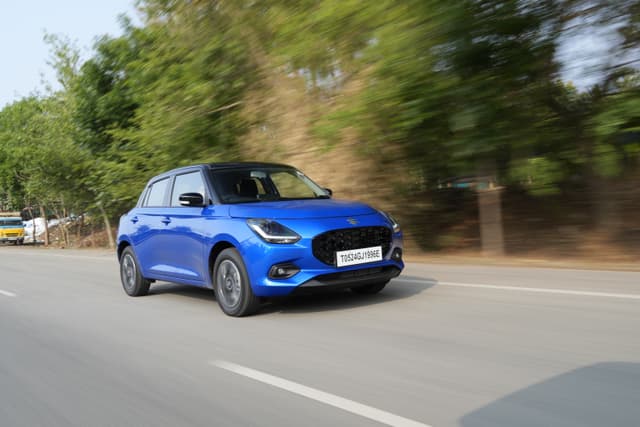
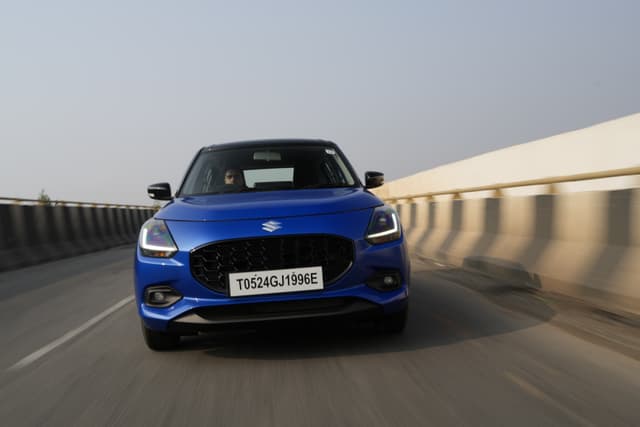
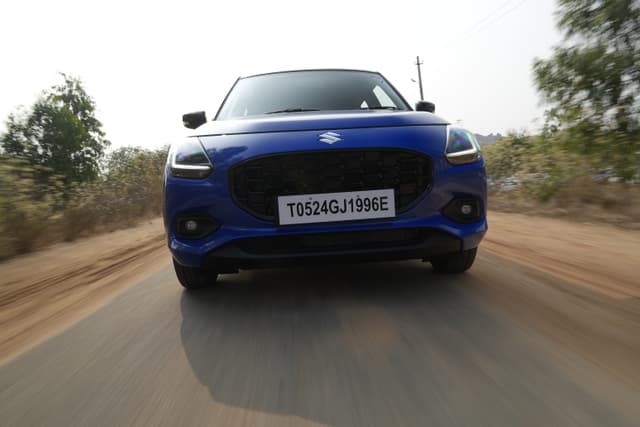
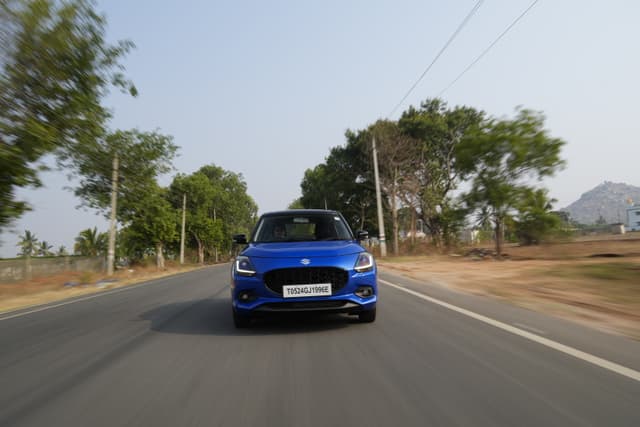
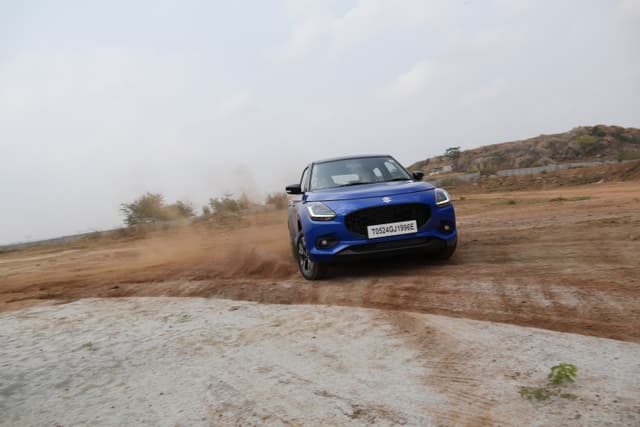
For example, Maruti Swift - ₹6.44 lakh
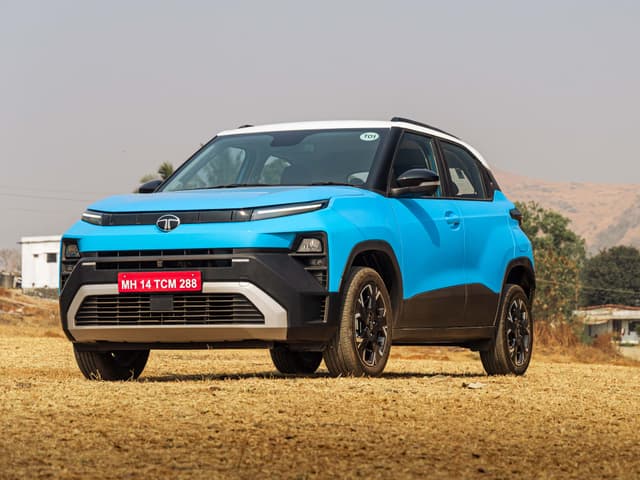
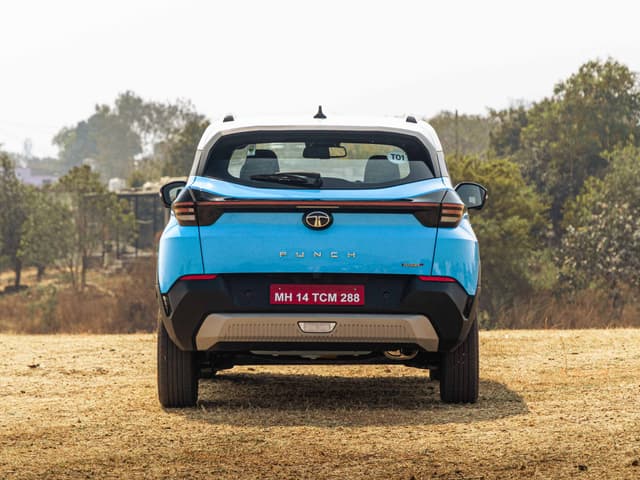
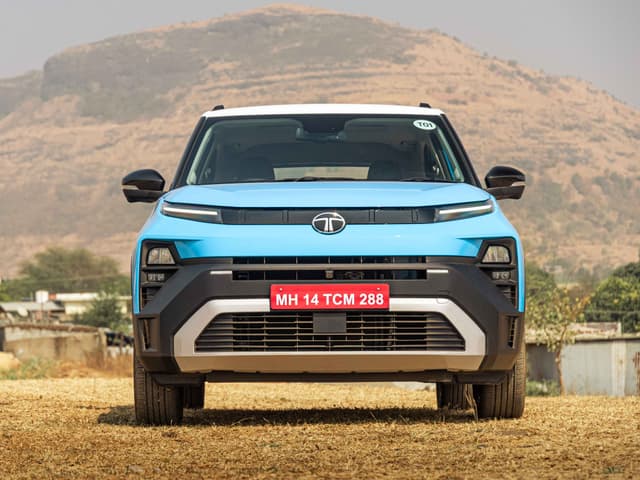
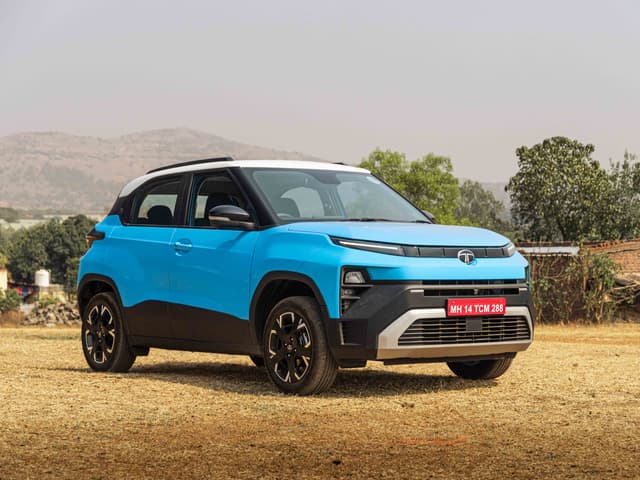
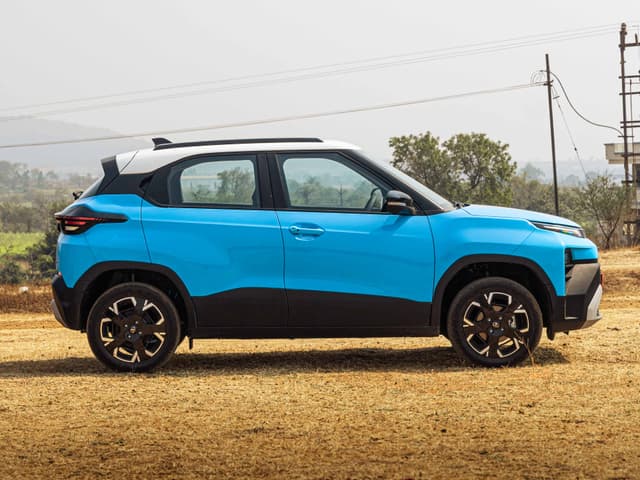
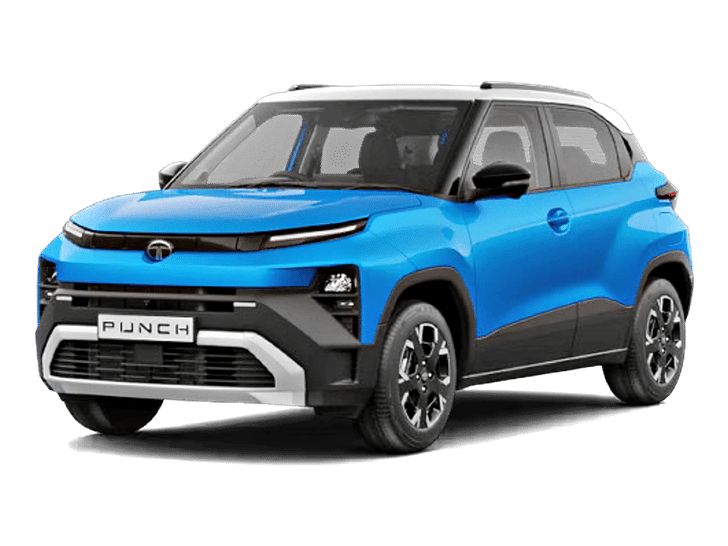
Tata Punch - ₹6.66 lakh


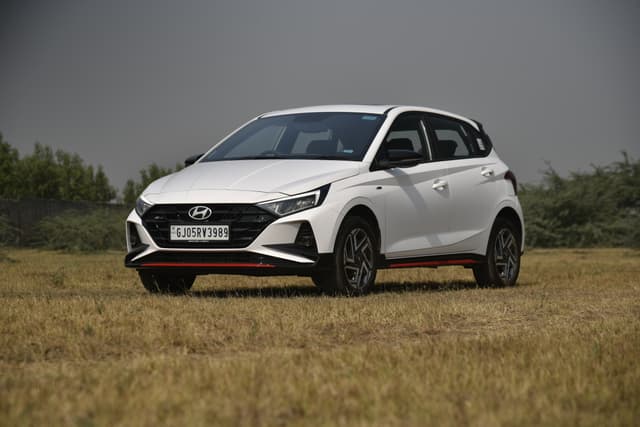
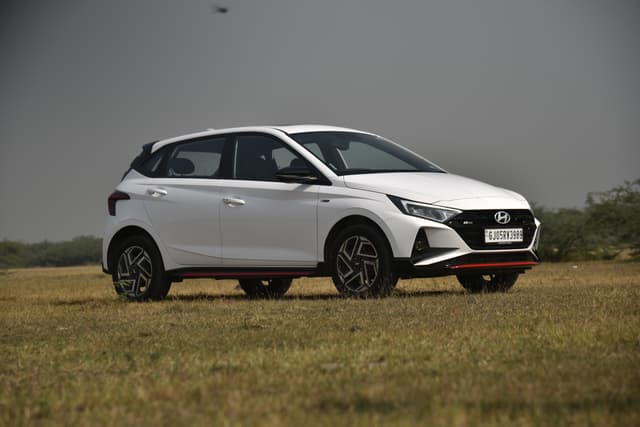
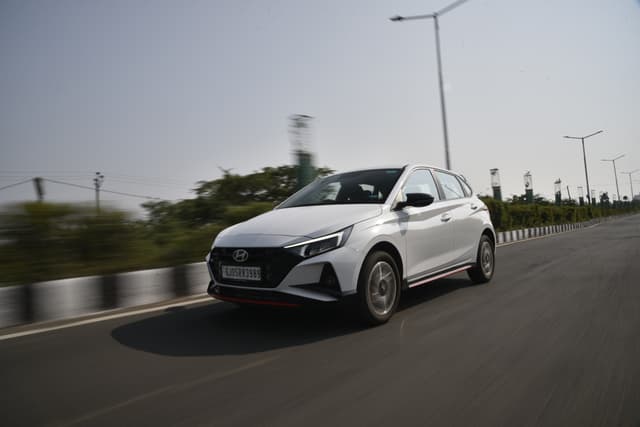
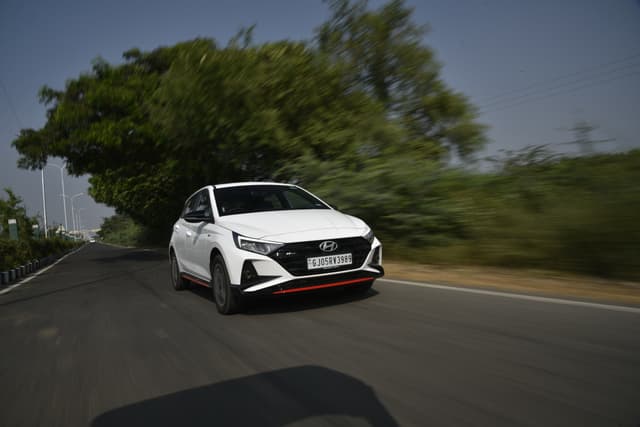
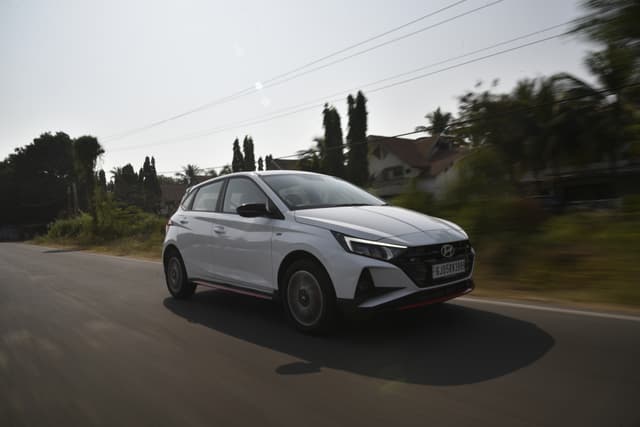
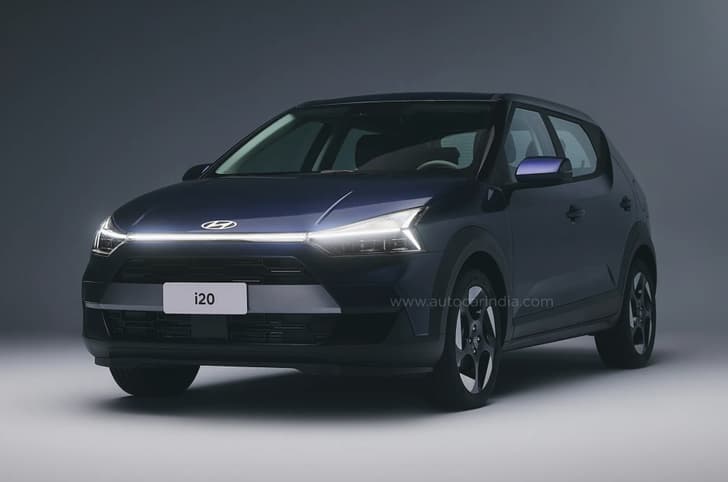
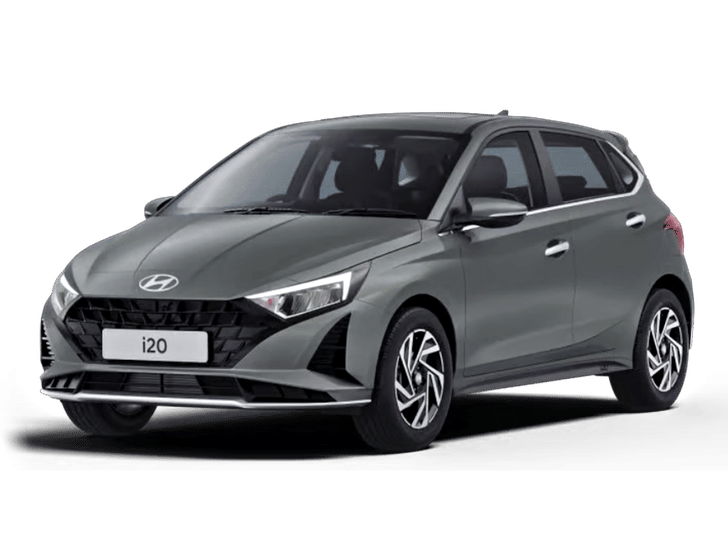
Hyundai i20 - ₹8.10 lakh
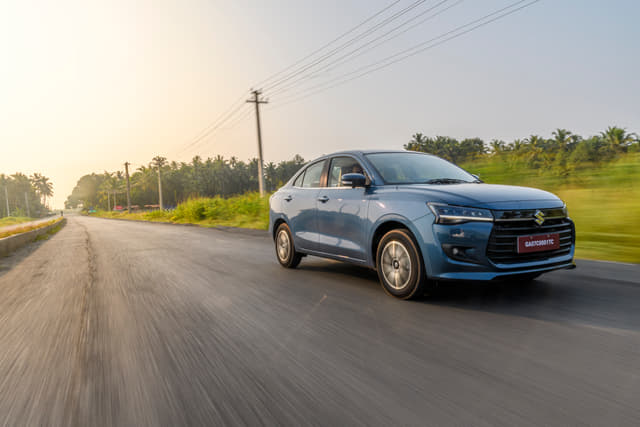
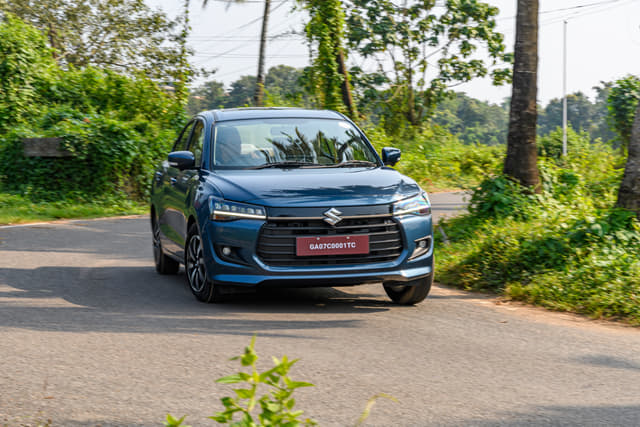
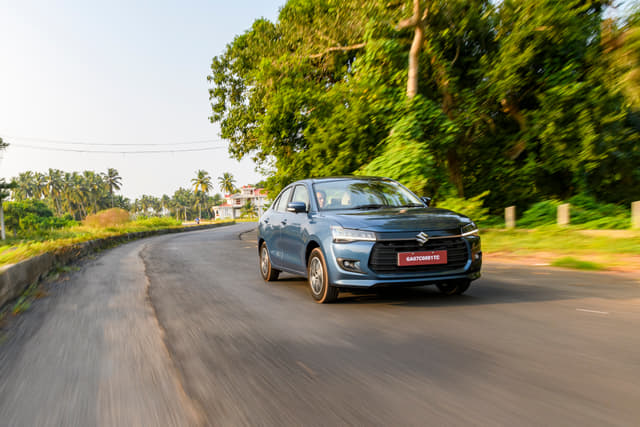
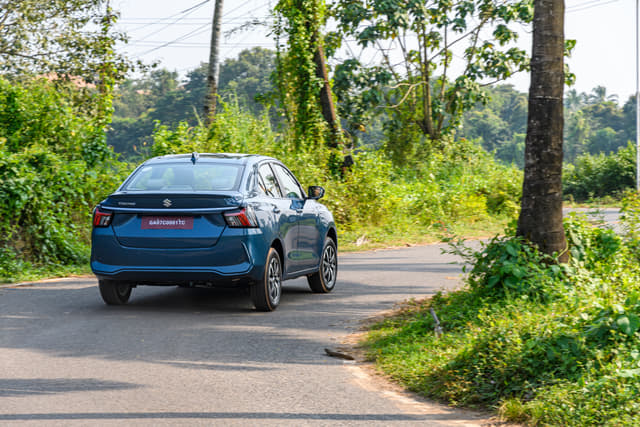
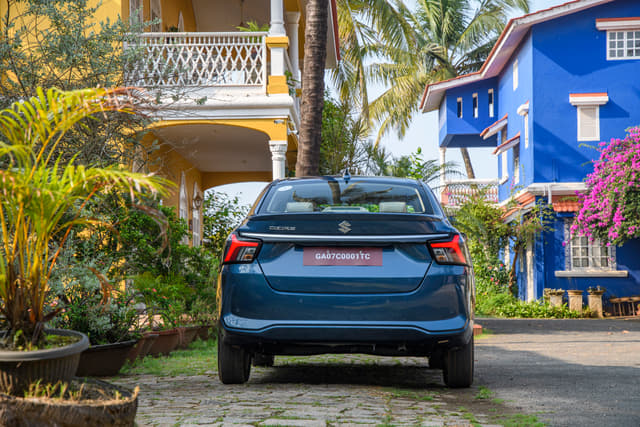
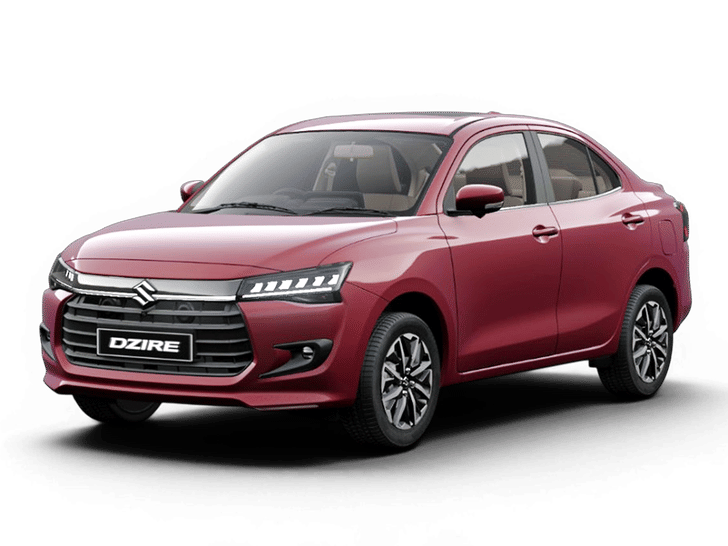
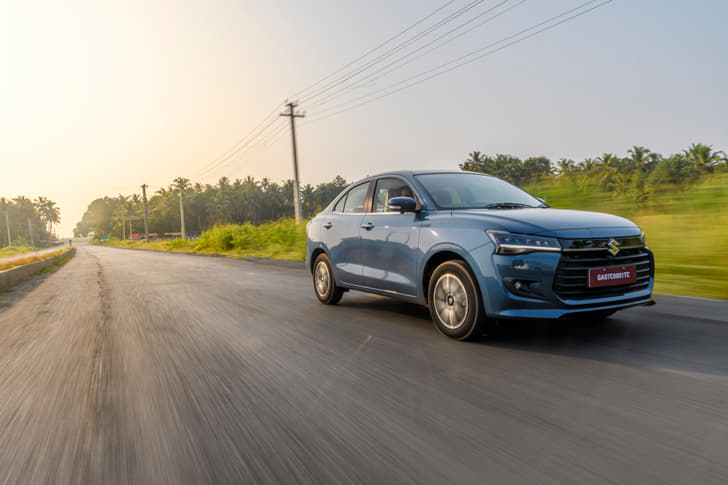
Maruti Dzire - ₹7.13 lakh
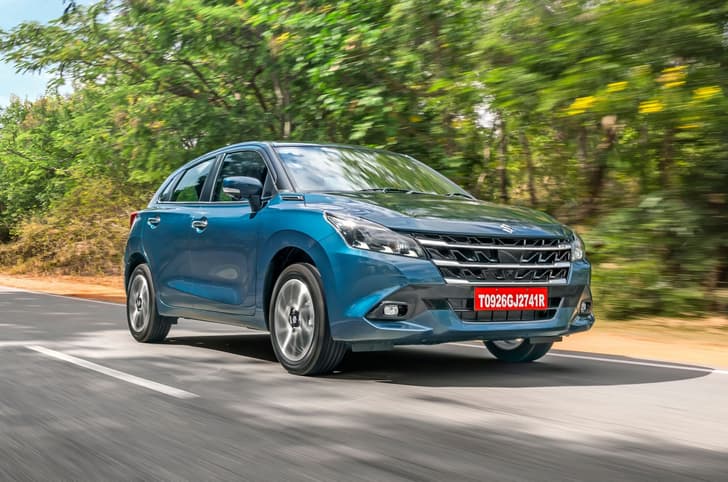
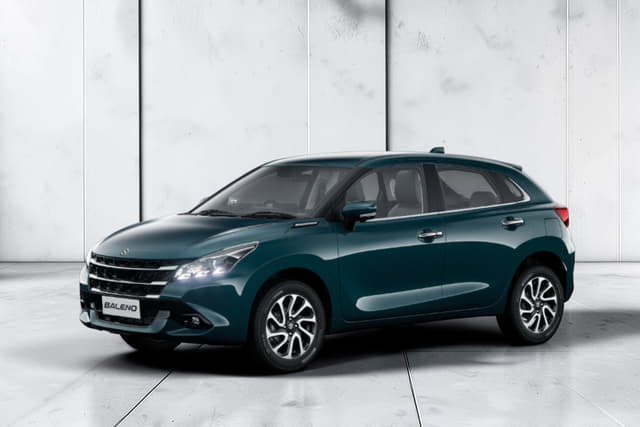
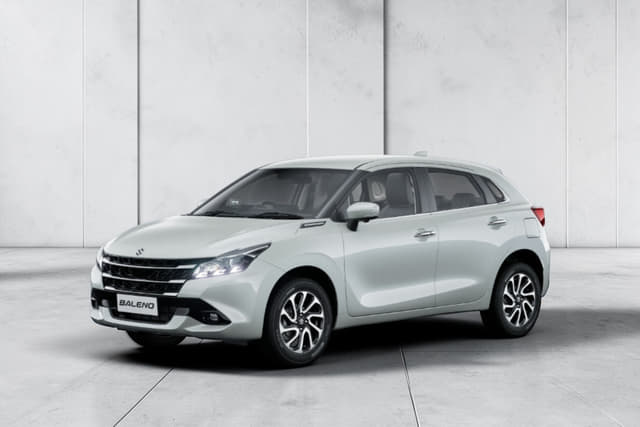
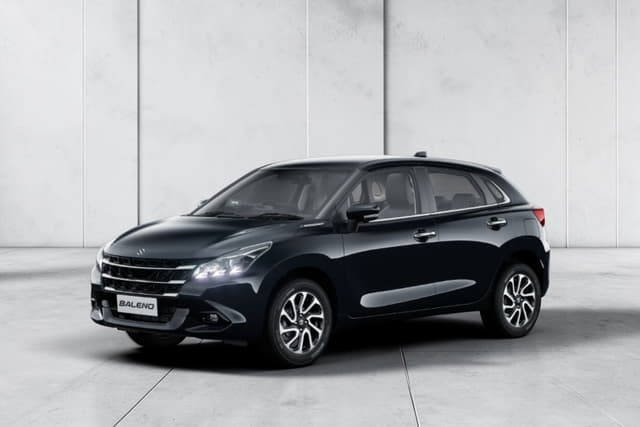
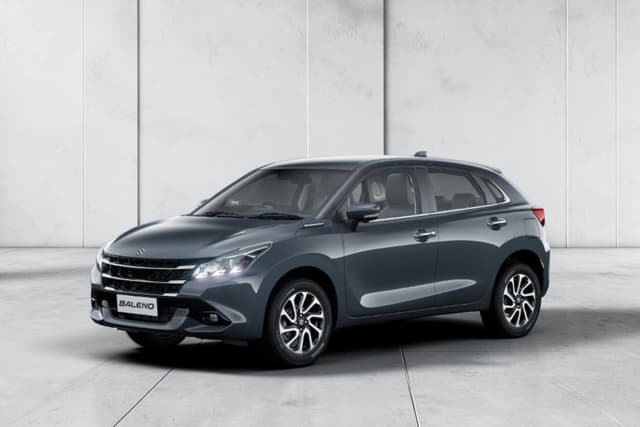
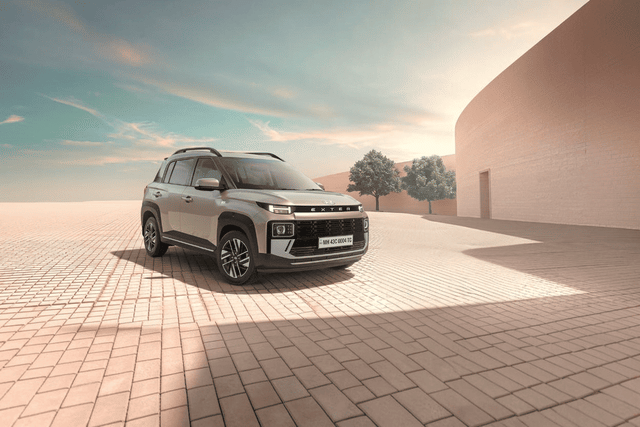
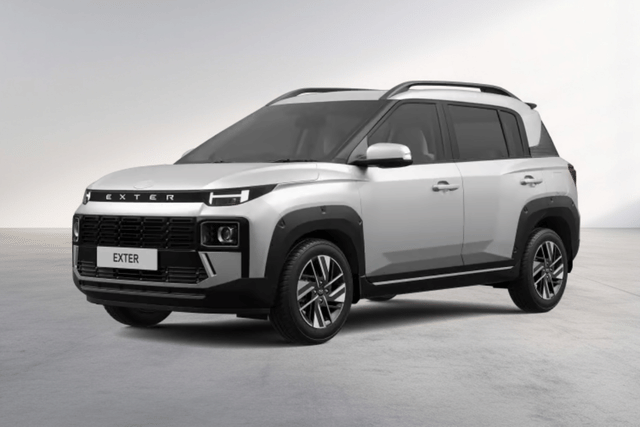
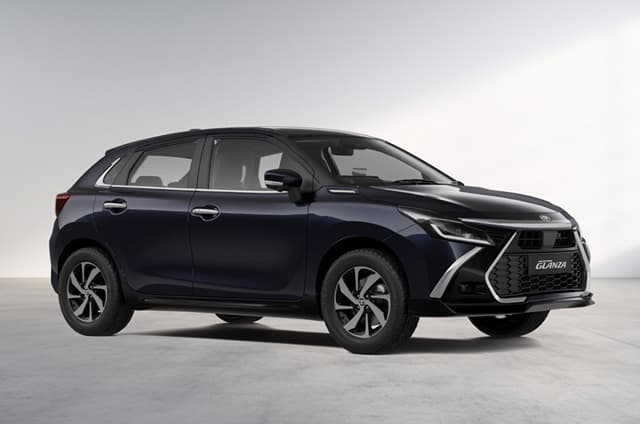
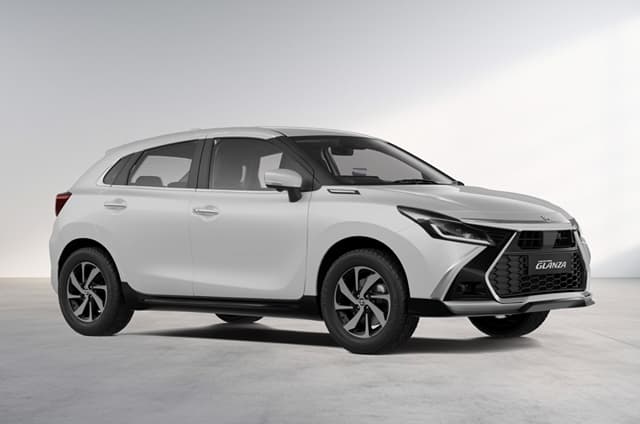
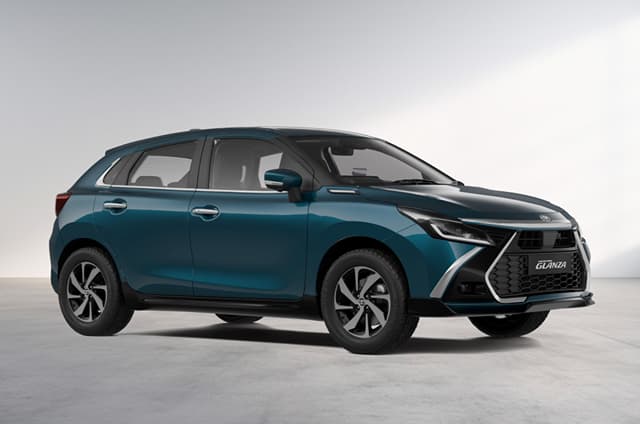
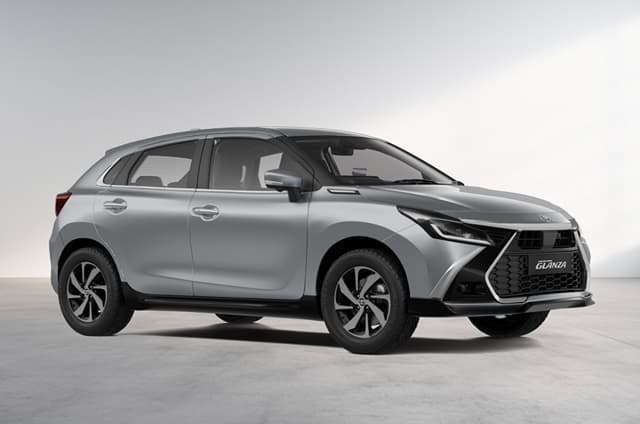
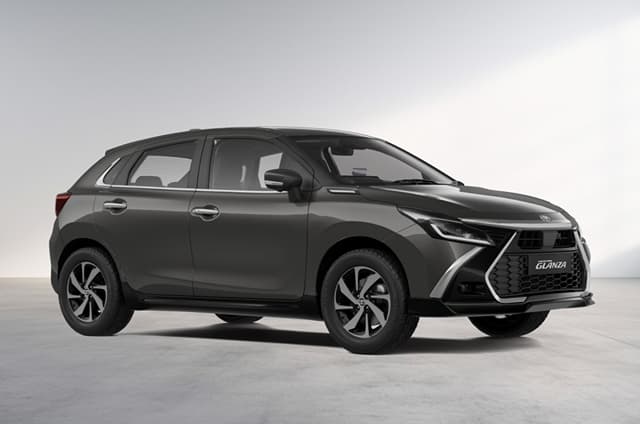
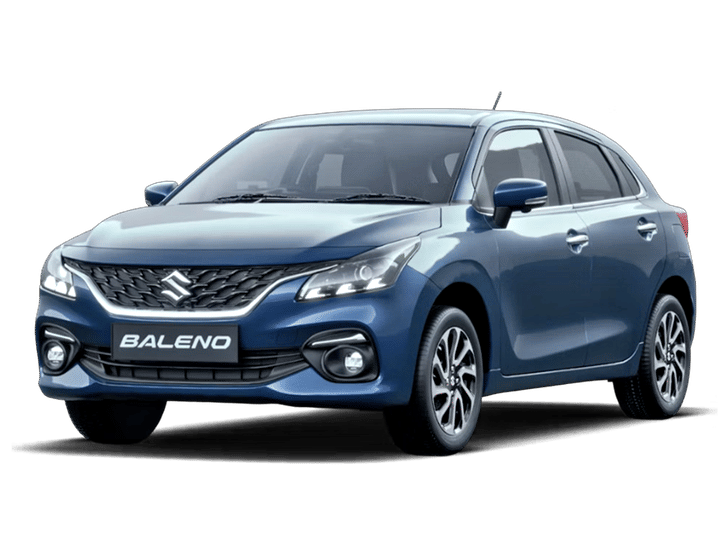
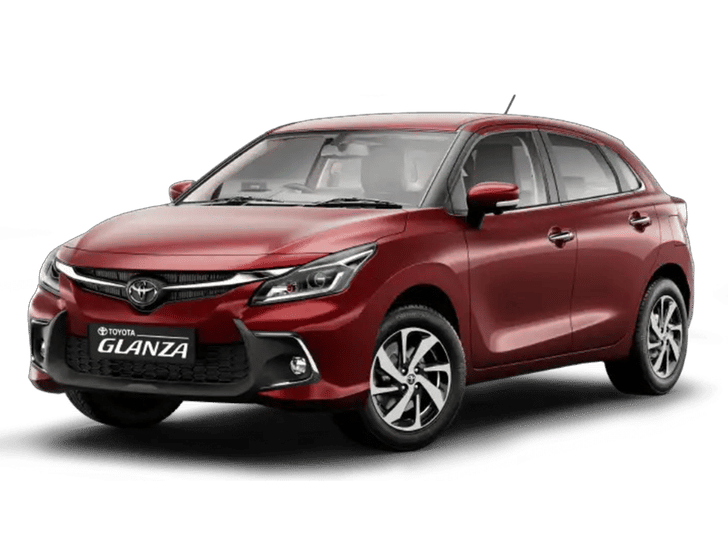
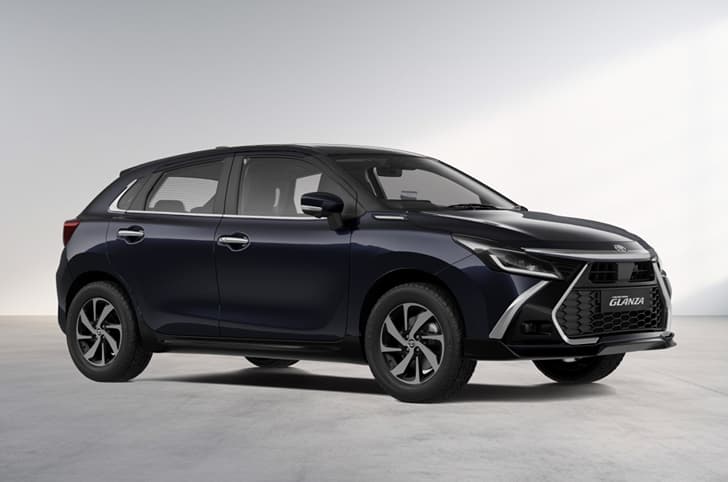
The best car under 10 lakh depends on your needs. For hatchbacks, Maruti Swift, Hyundai i10 and Baleno are top picks; for compact SUVs, Tata Punch and Hyundai Exter; for sedans, Maruti Dzire and Toyota Glanza.
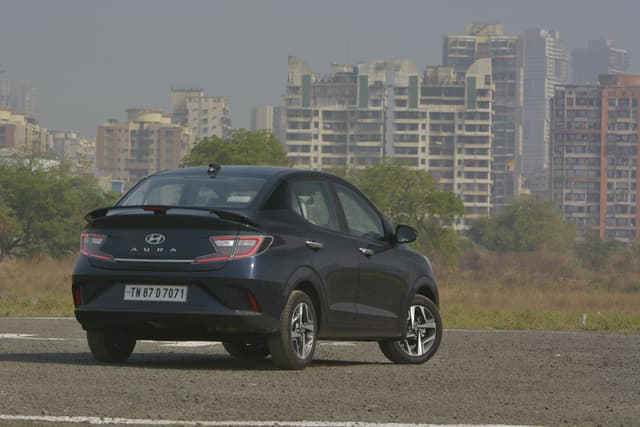
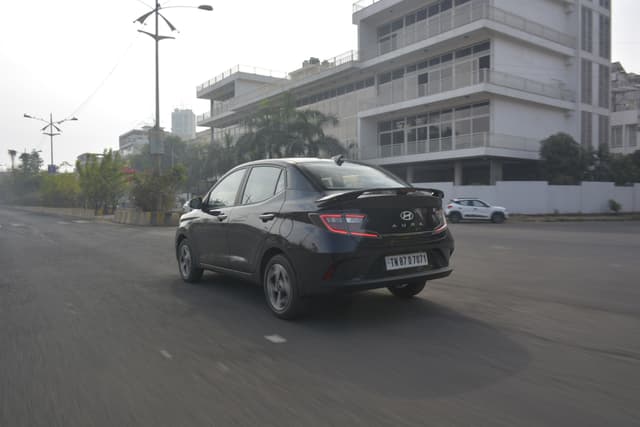
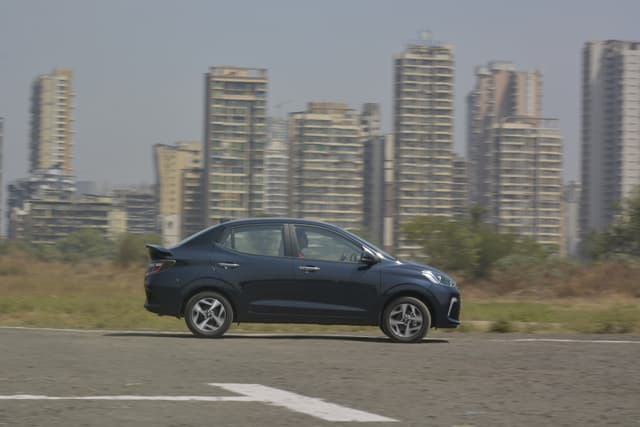
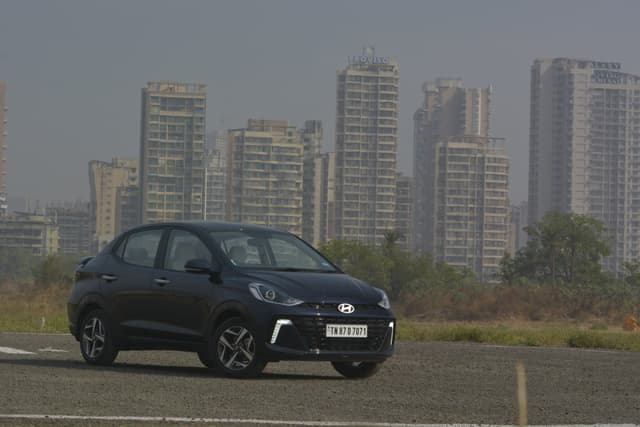
Sedan cars under 10 lakhs include Maruti Suzuki Dzire, Hyundai Aura and Honda Amaze.
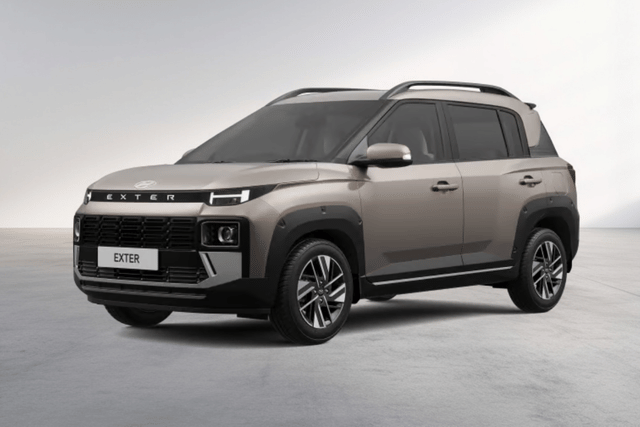
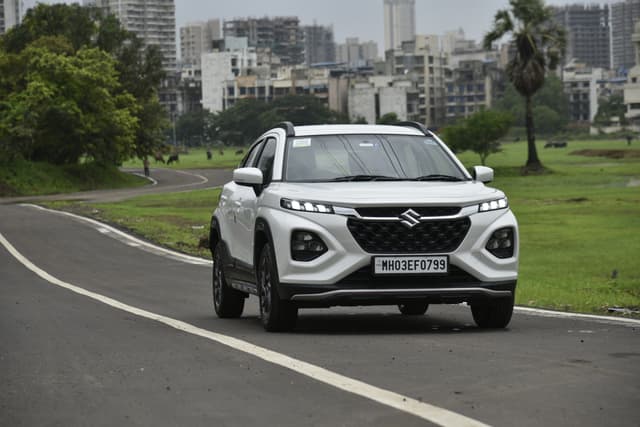
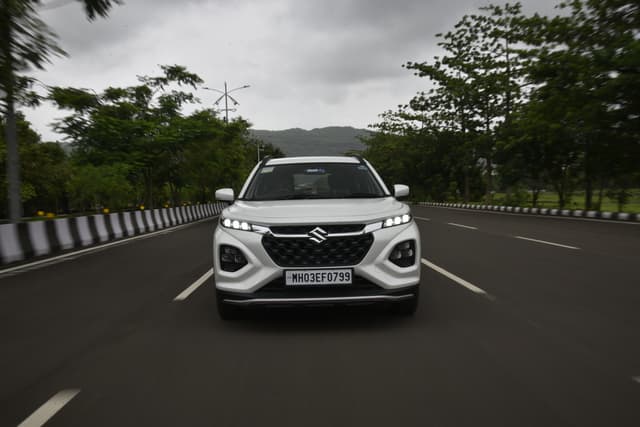
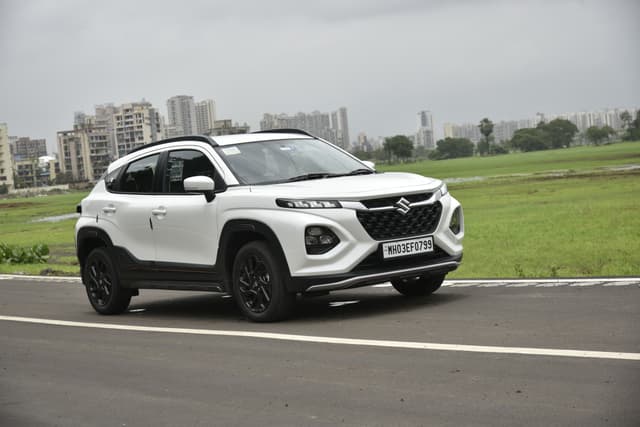
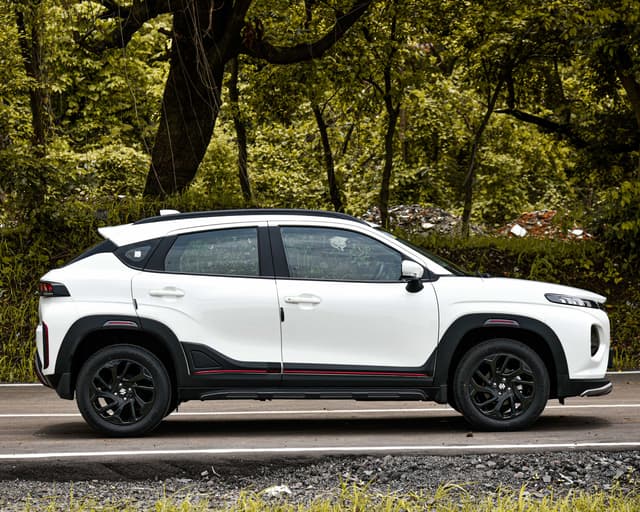
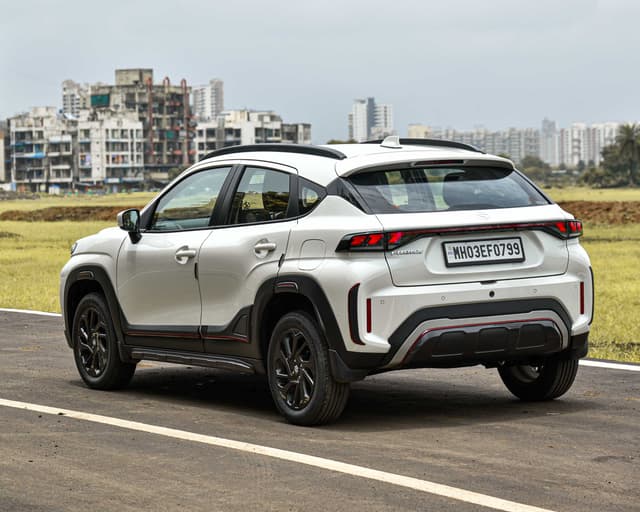
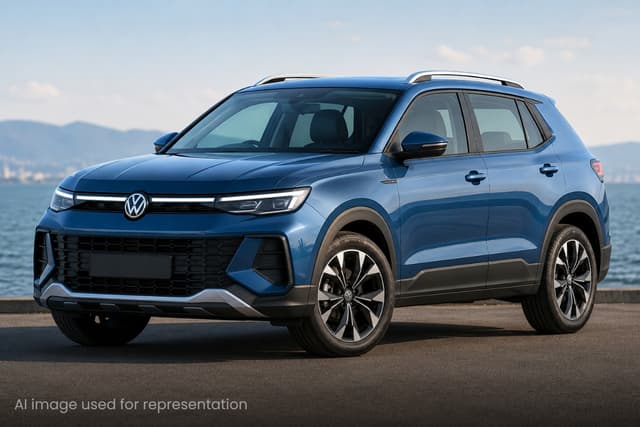
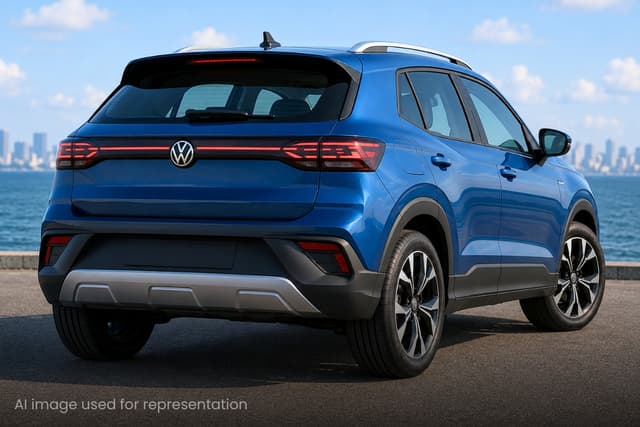
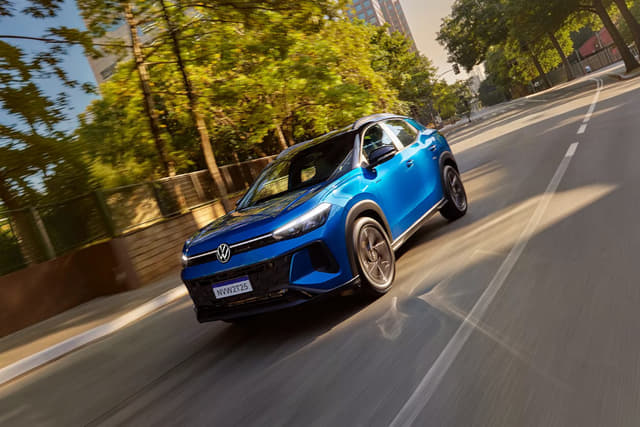
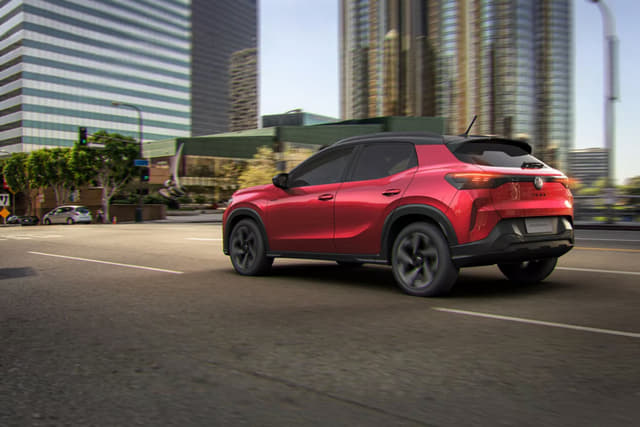
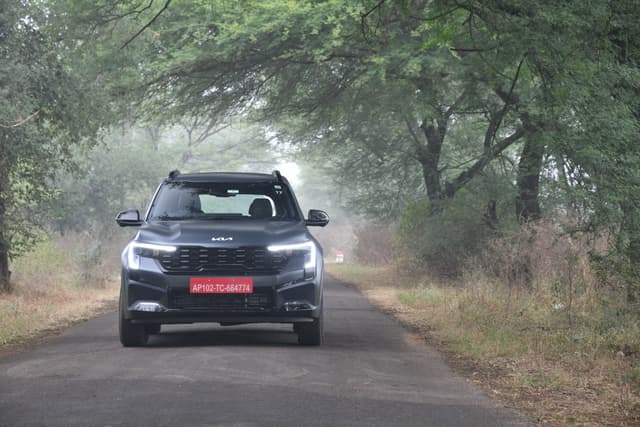
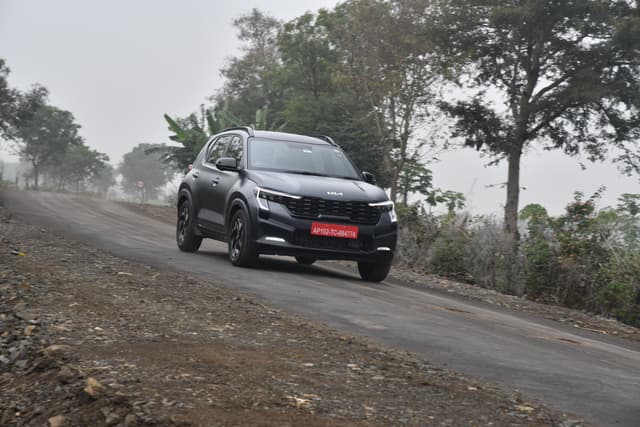
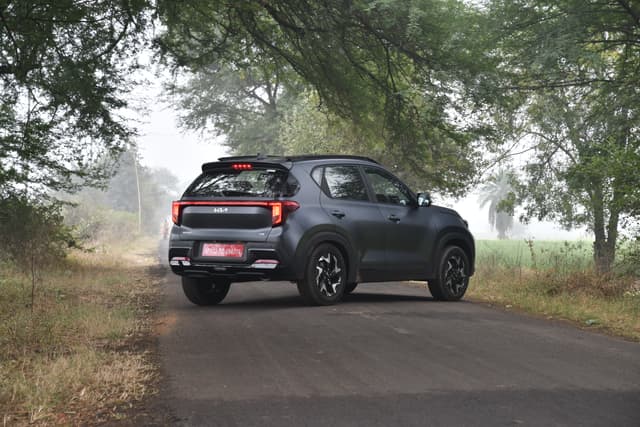
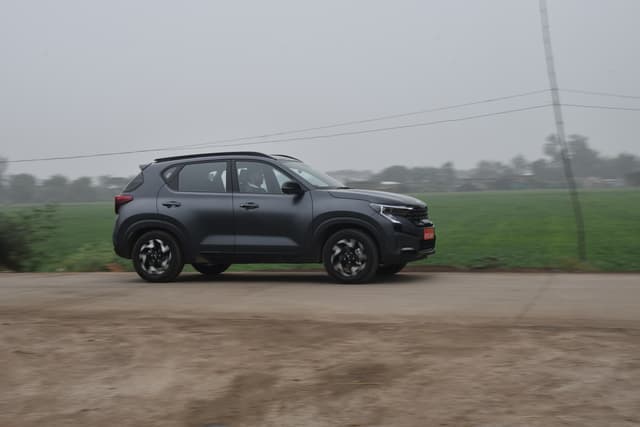
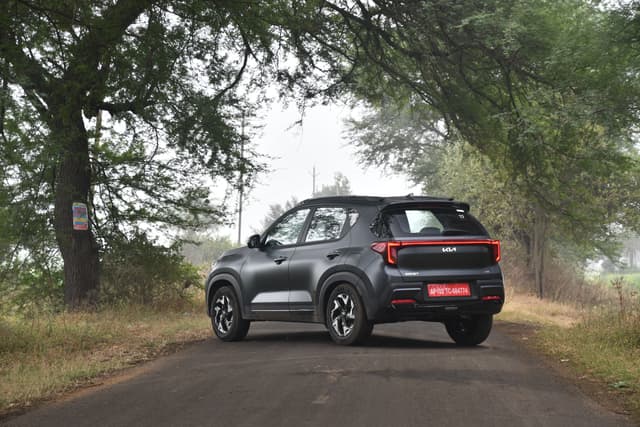
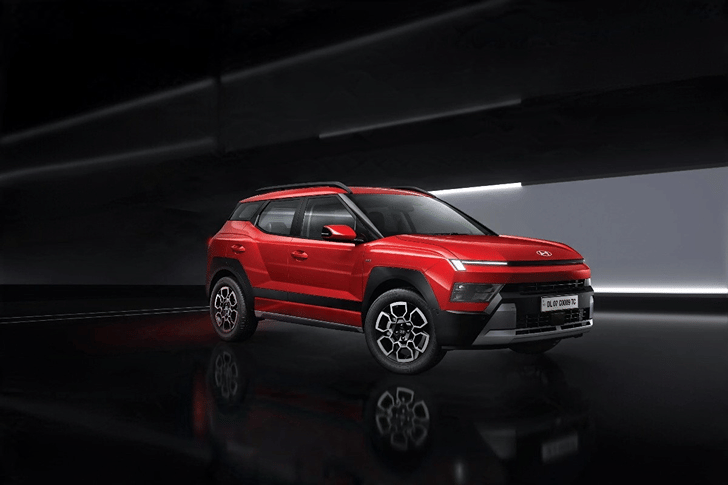
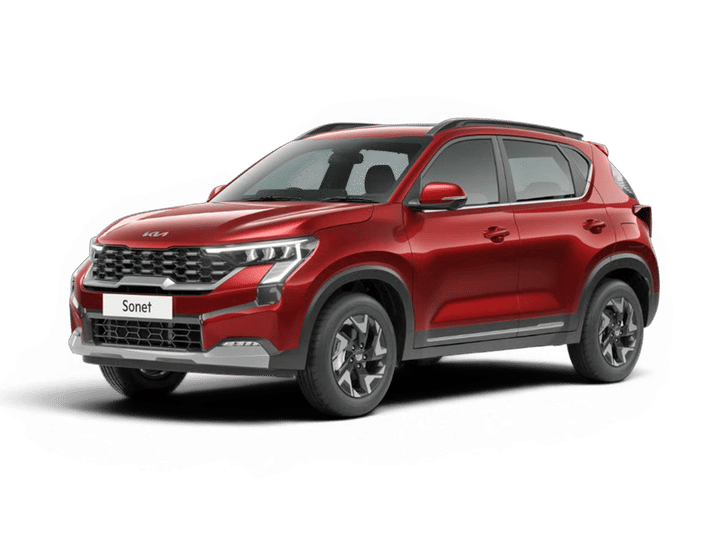
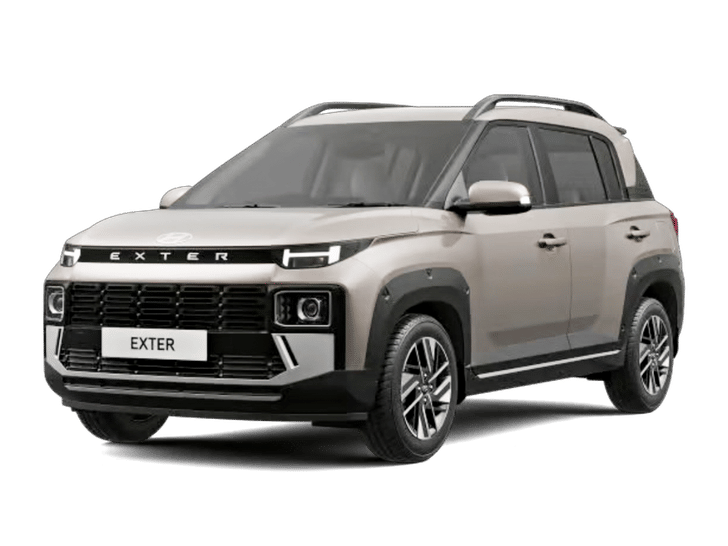
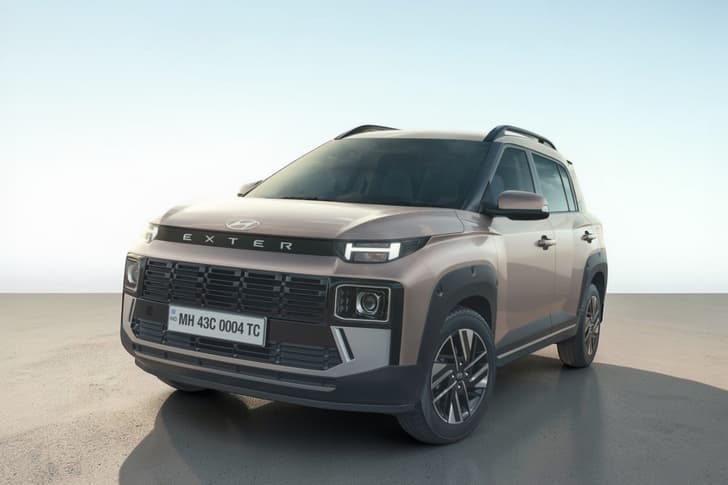
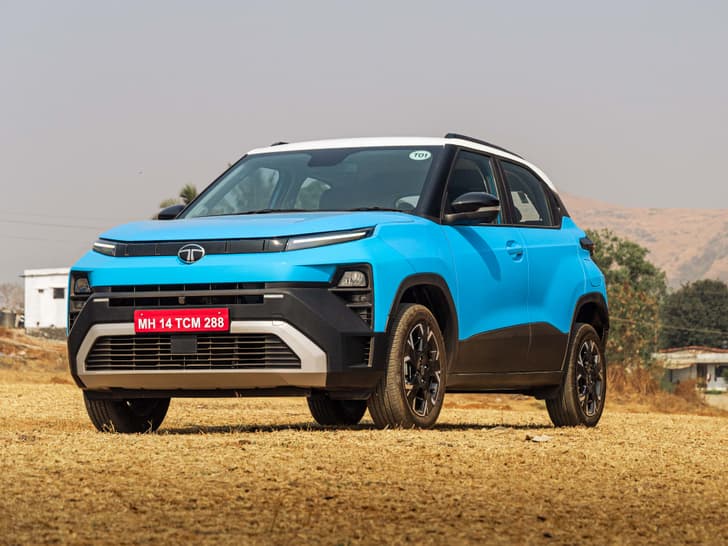
SUV cars under 10 lakhs include Tata Punch, Hyundai Exter, Kia Syros, and Maruti Suzuki Fronx.
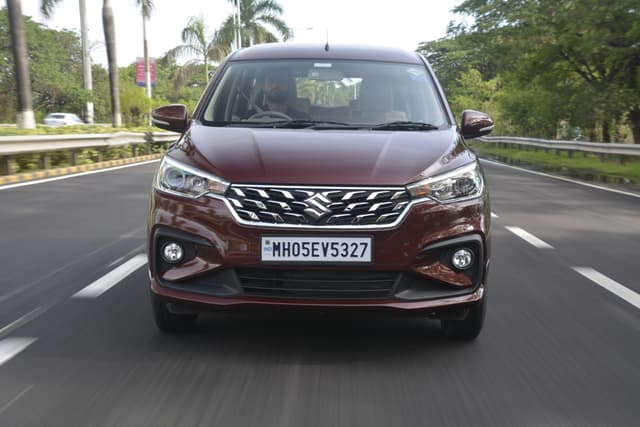
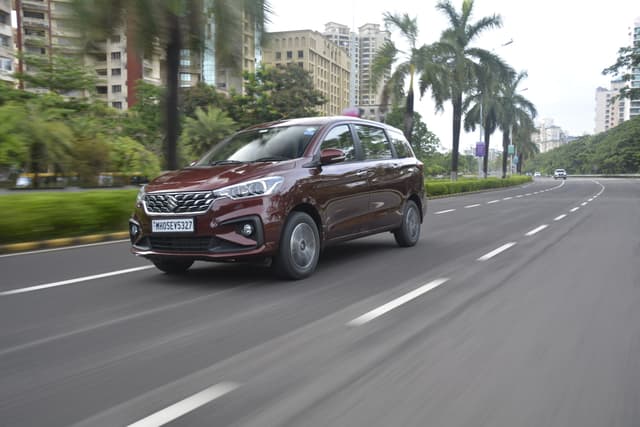
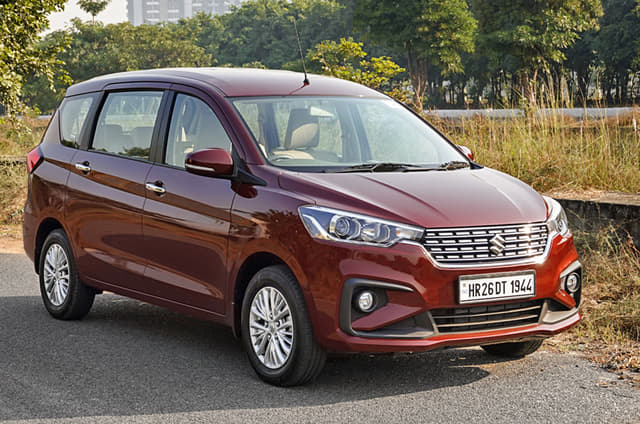
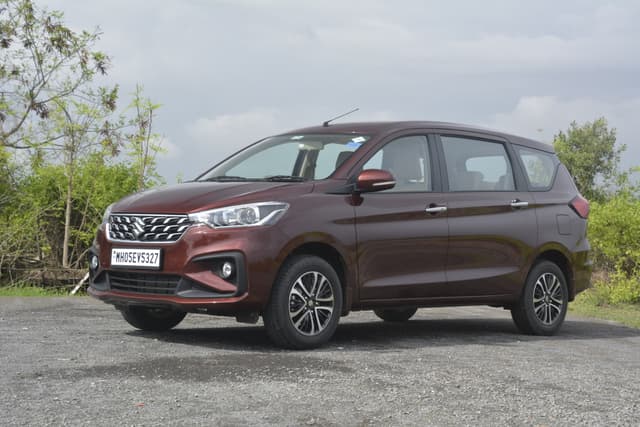
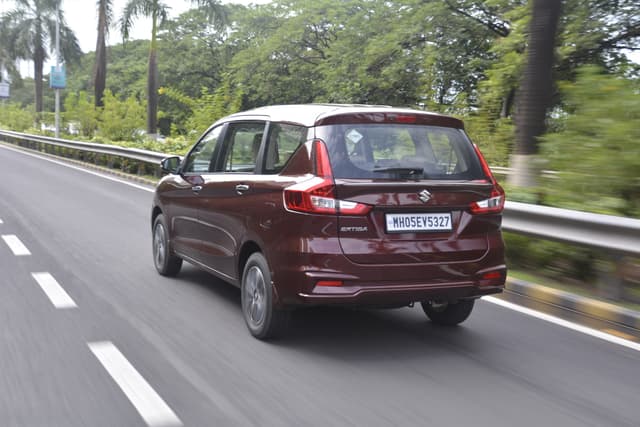
The top cars under 10 lakhs in India include Maruti Swift, Maruti Baleno, Tata Punch, Tata Tiago, Hyundai i20, Maruti Dzire, Toyota Glanza, Maruti Fronx, Kia Syros, and Maruti Ertiga.
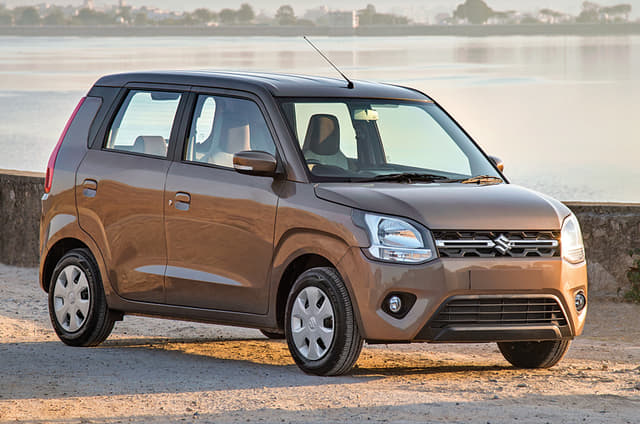
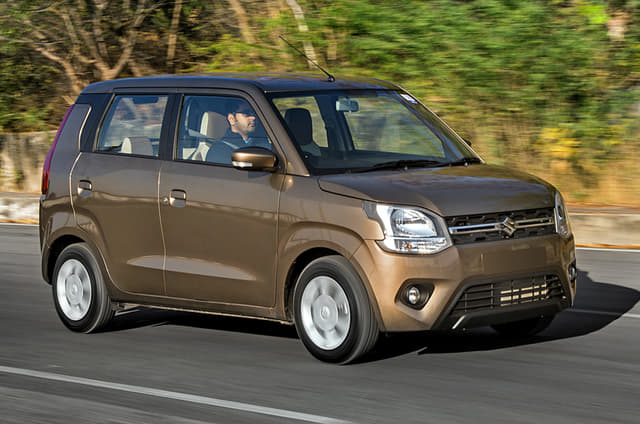
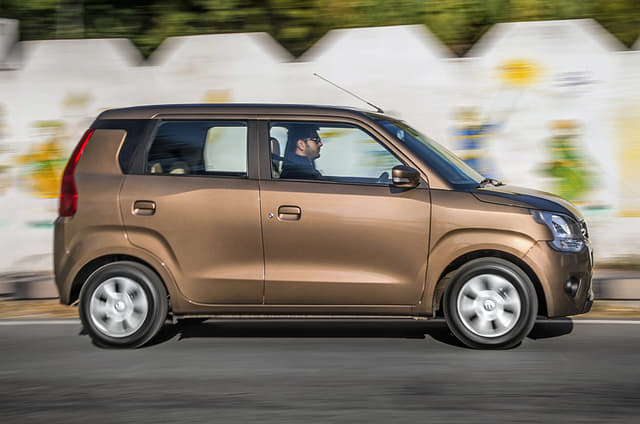
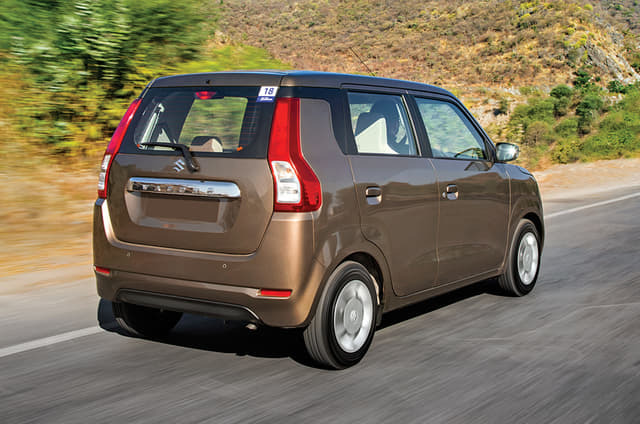
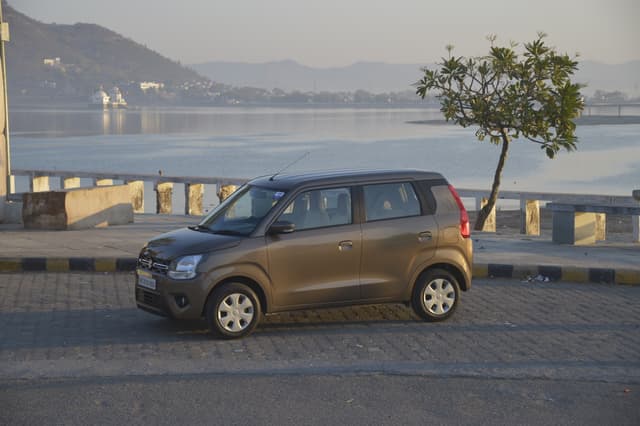
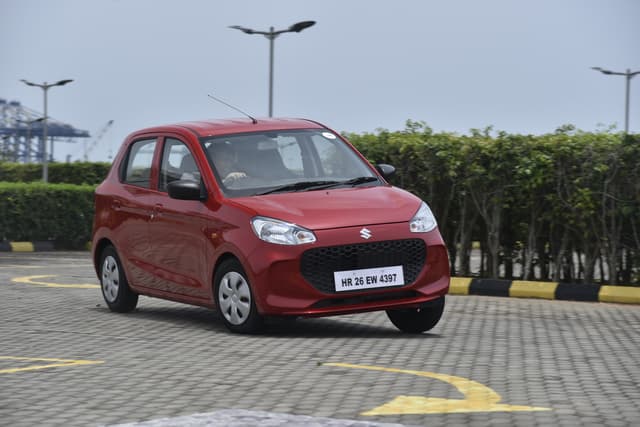
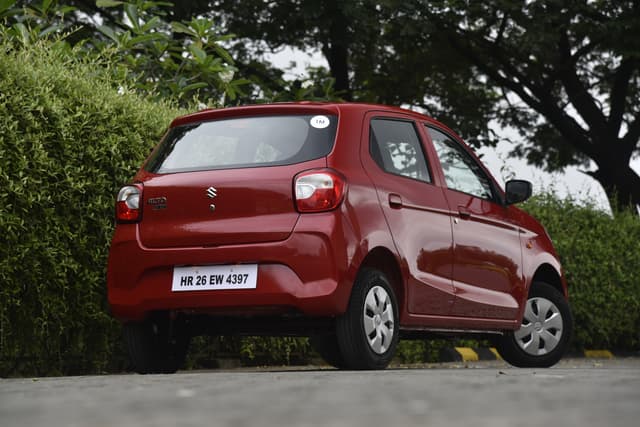
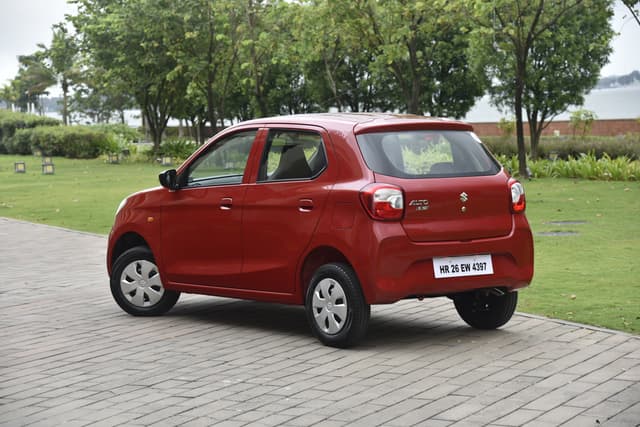
CNG cars under 10 lakhs include Maruti Suzuki Dzire CNG, Maruti Suzuki WagonR CNG, and Maruti Suzuki Alto K10 CNG.
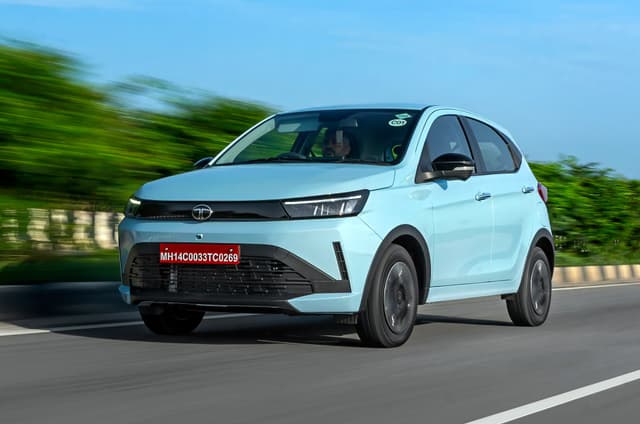
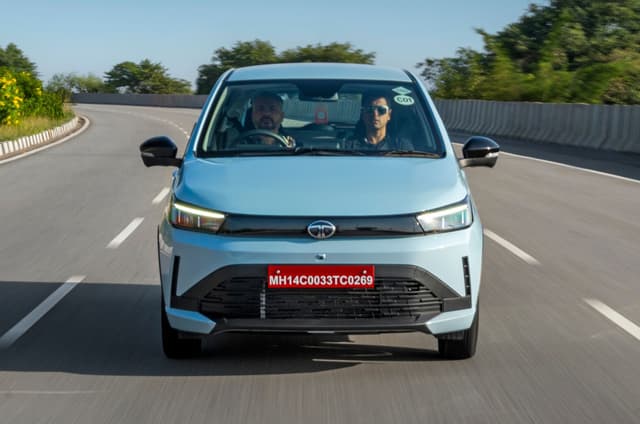
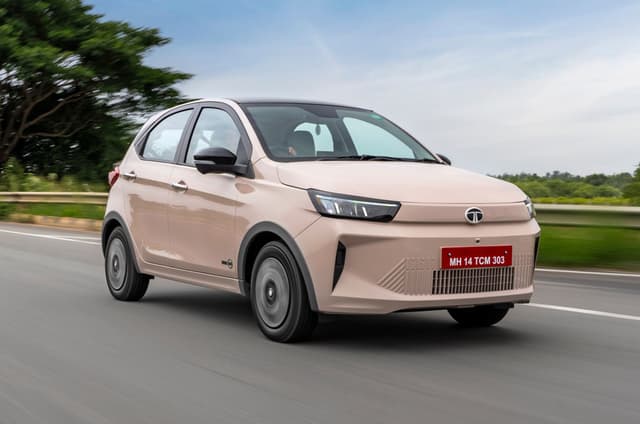
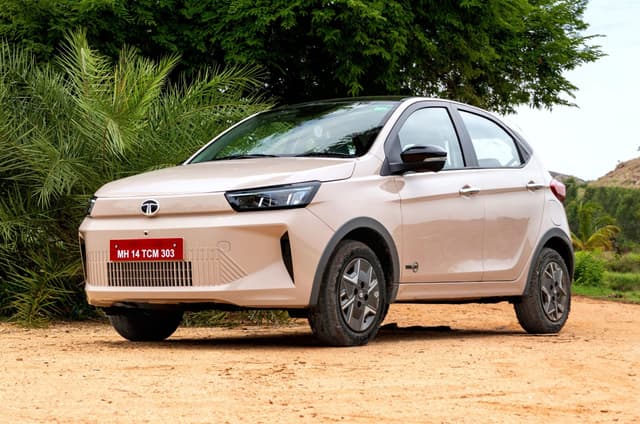
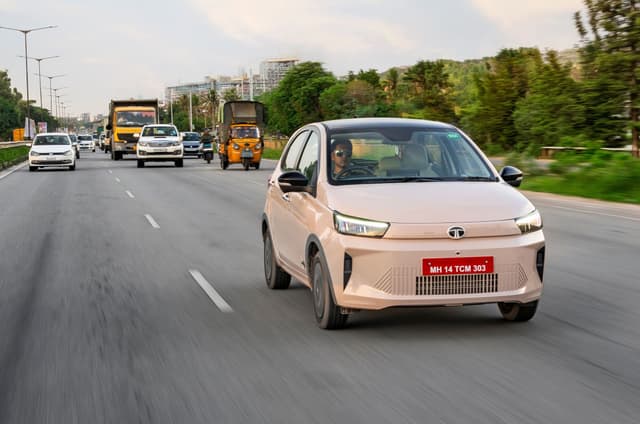
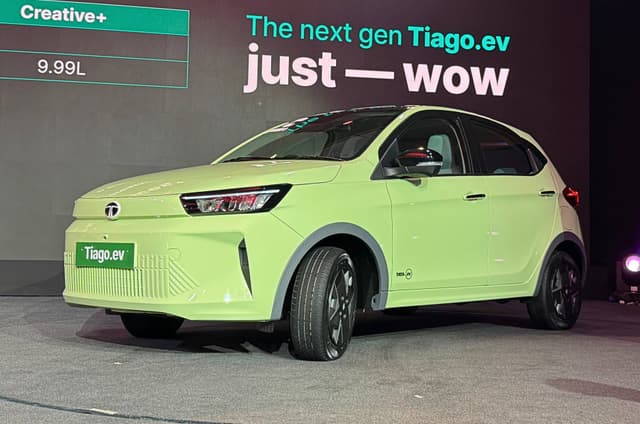
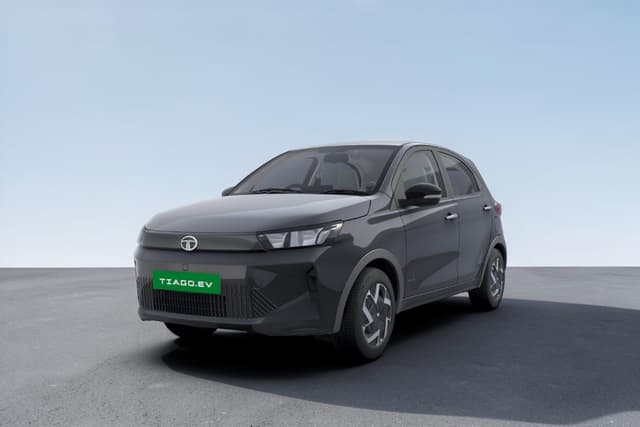
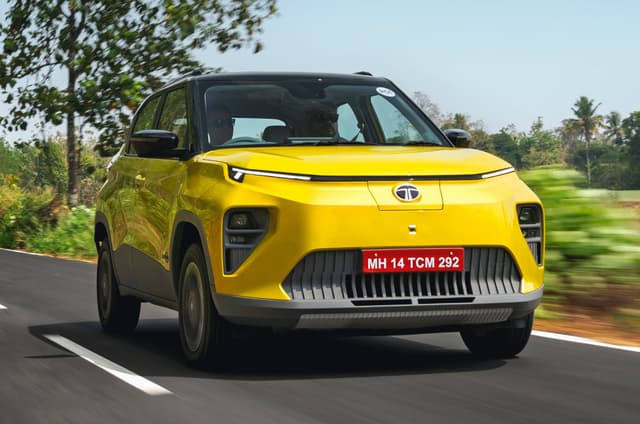
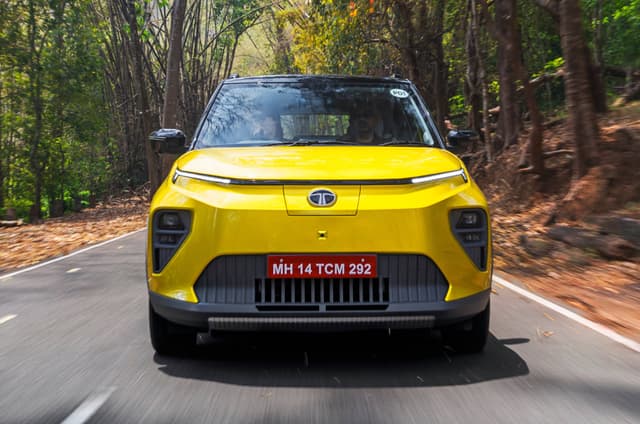
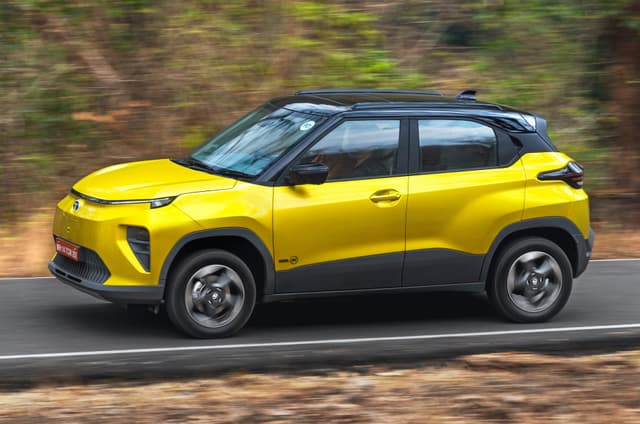
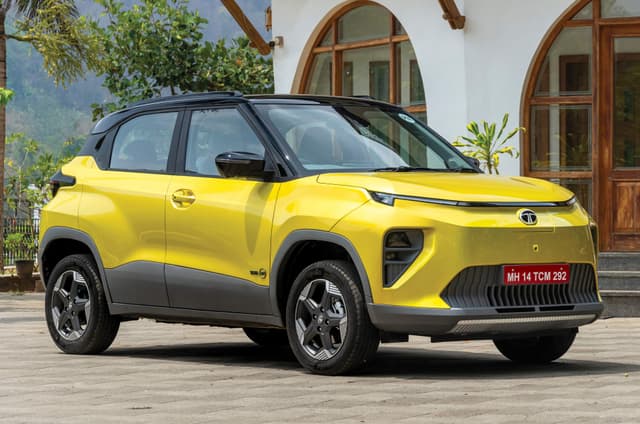
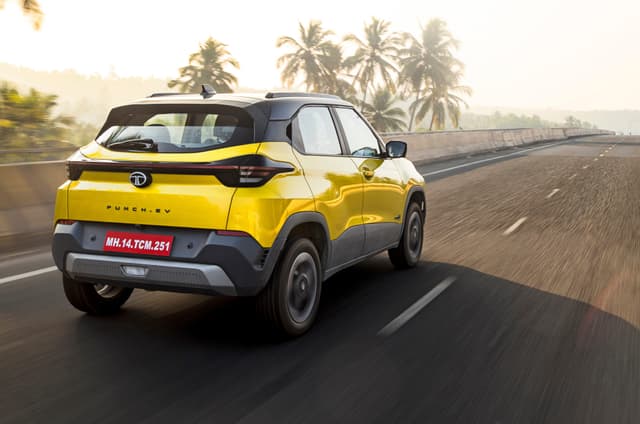
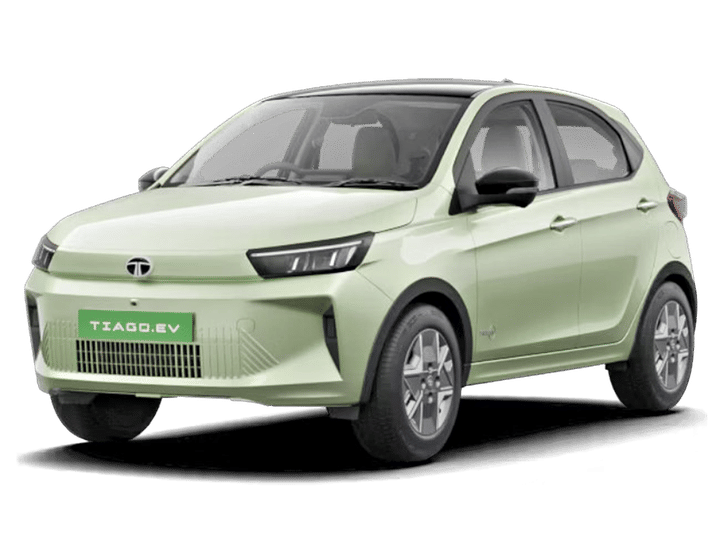
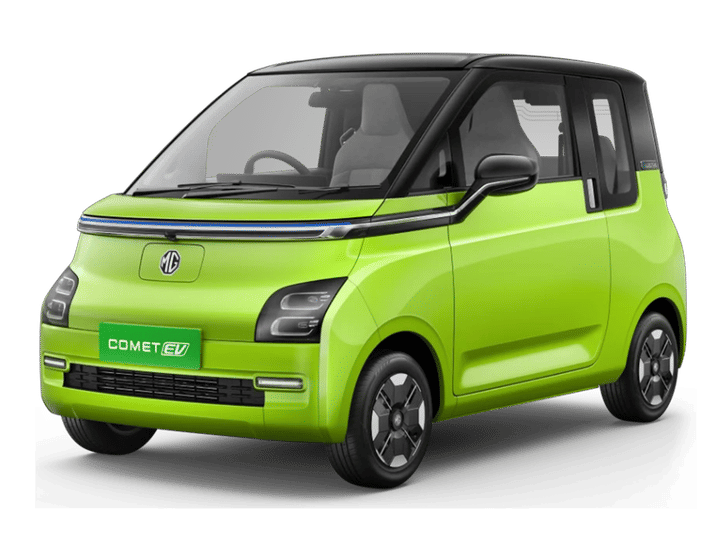
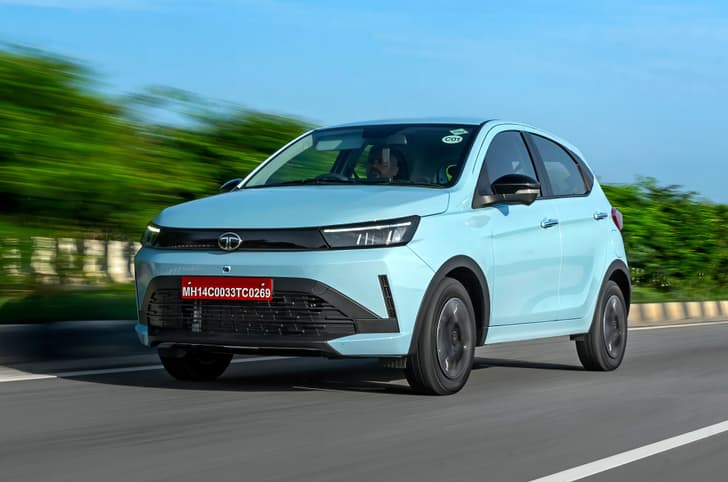
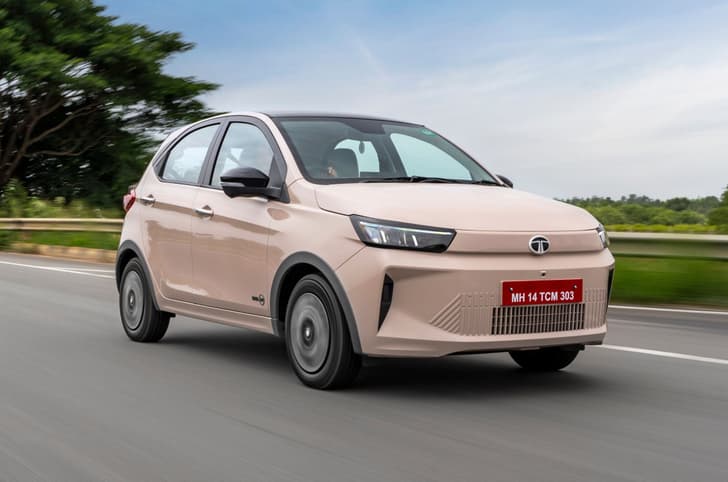
The Tata Tiago EV, MG Comet and Tata Punch EV are the affordable electric cars in India under 10 lakhs.
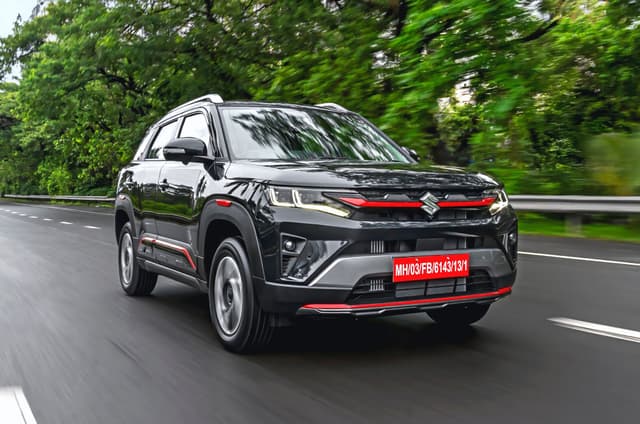
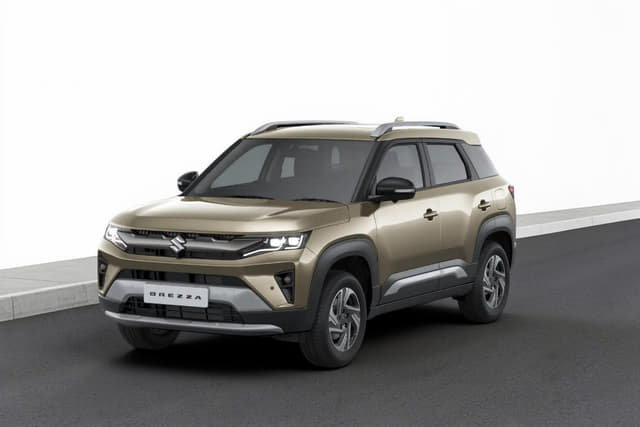
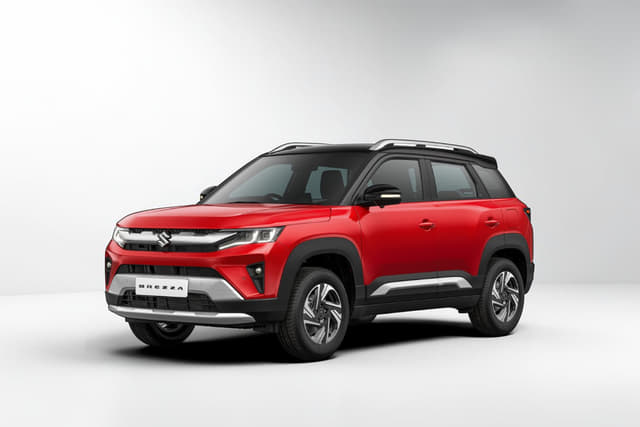
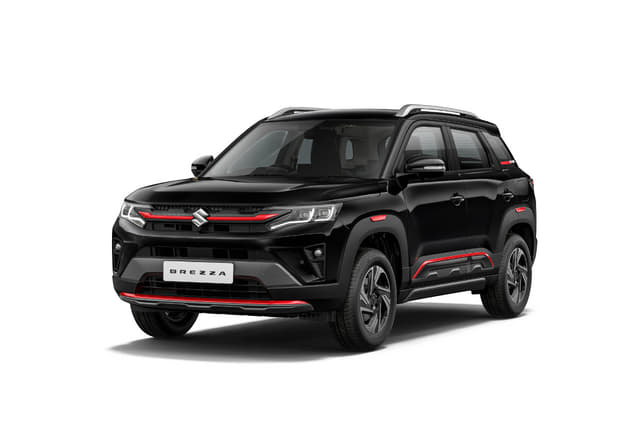
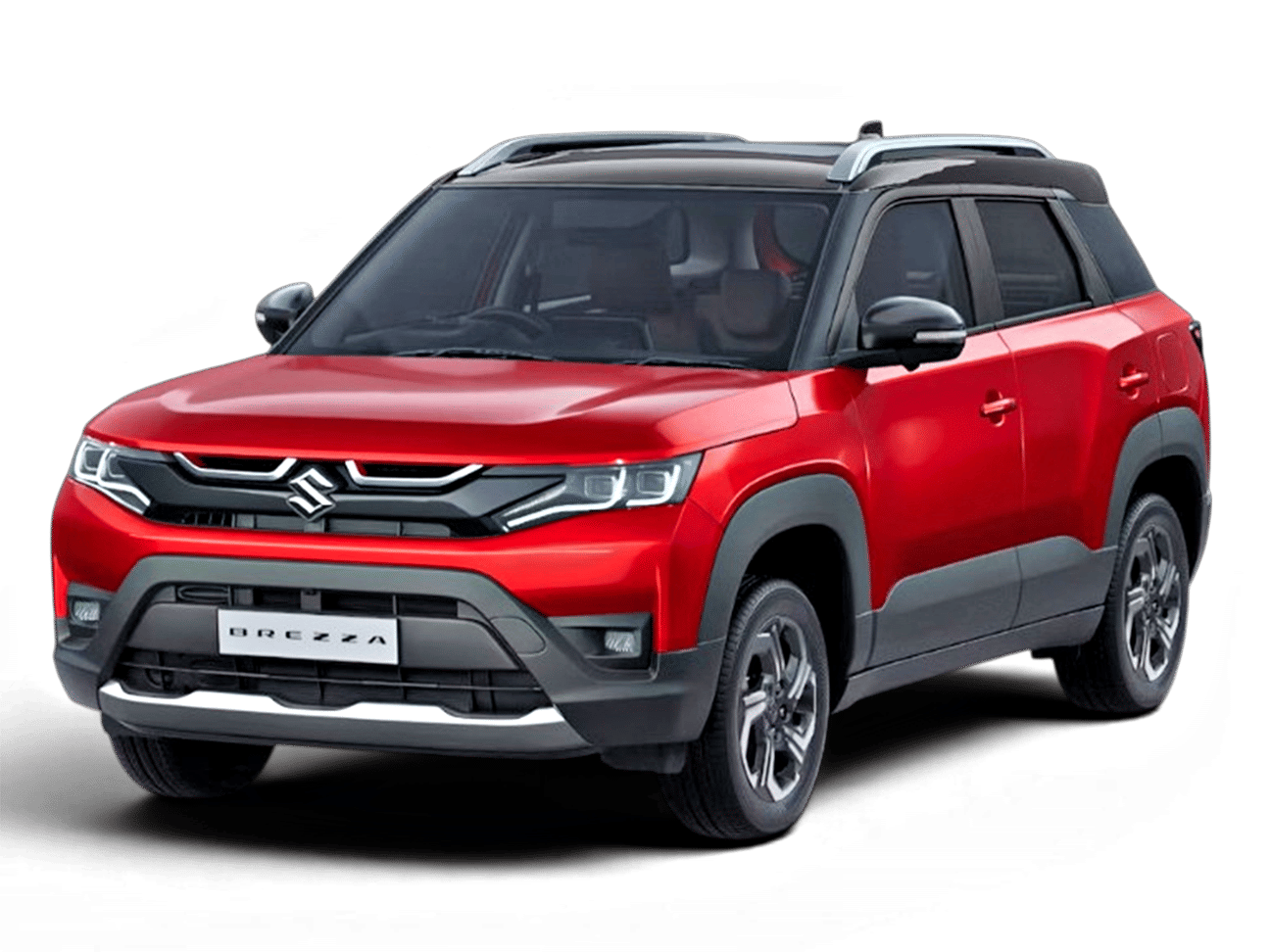
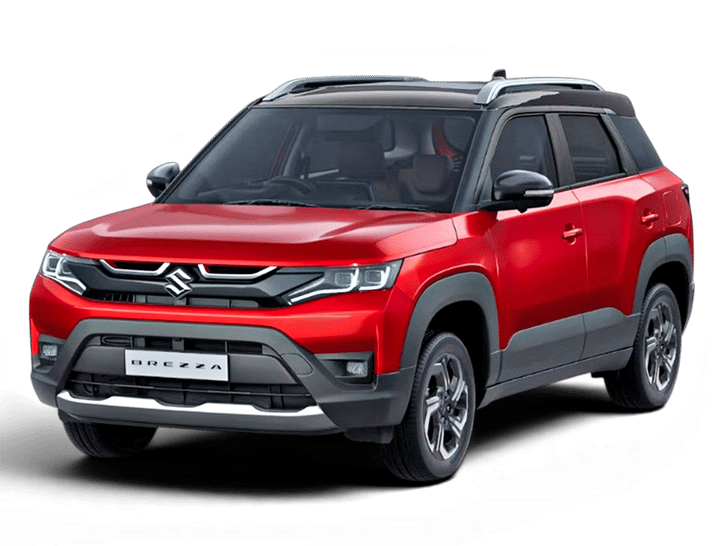
Recent and upcoming cars under 10 lakhs in India include Maruti Suzuki Brezza facelift, Tata New Nexon and Hyundai Exter Facelift.
Some of the automatic cars under 10 lakhs include the Hyundai i20 DCT, Maruti Suzuki Swift AGS, and Tata Punch AMT.
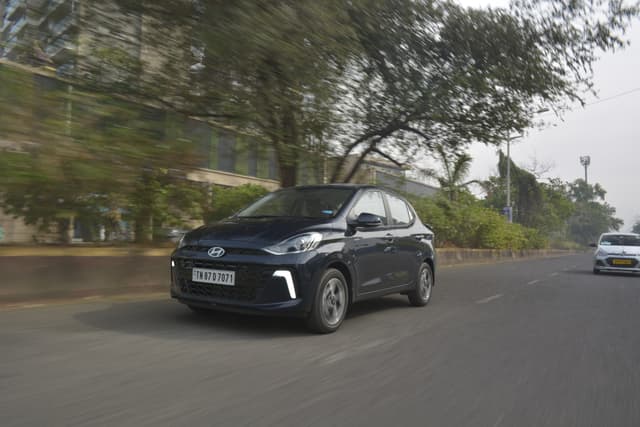
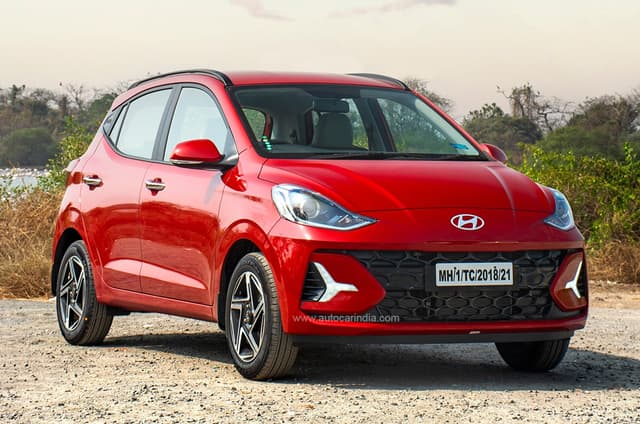
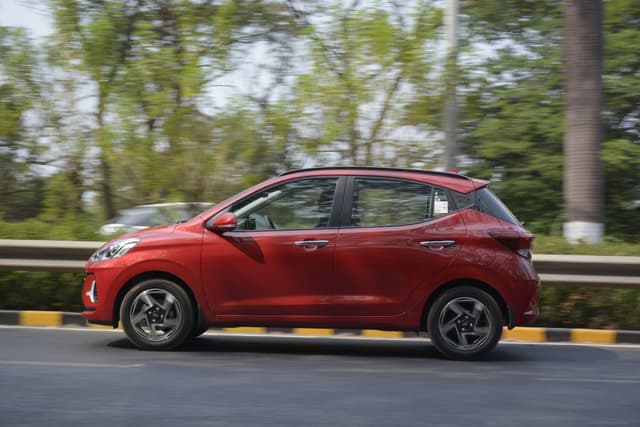
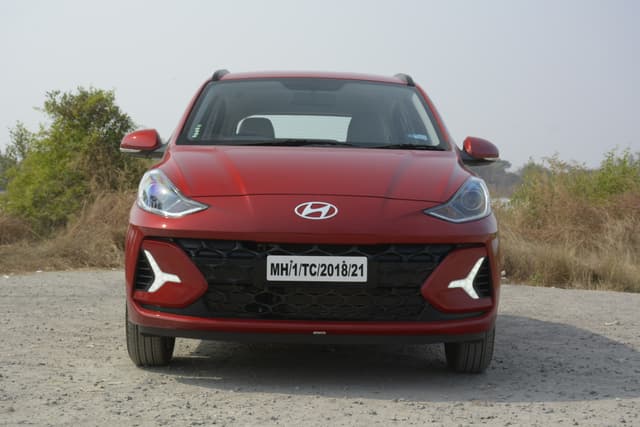
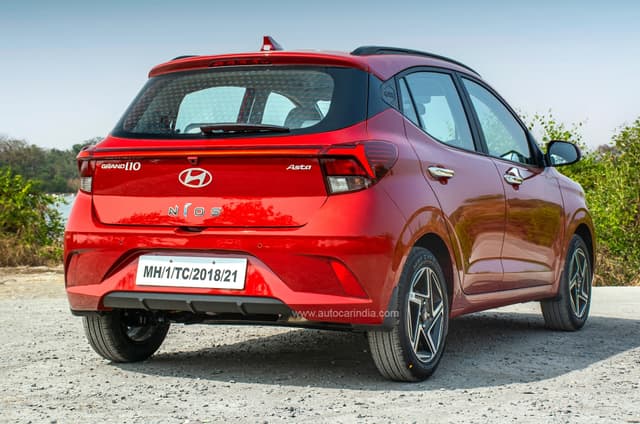
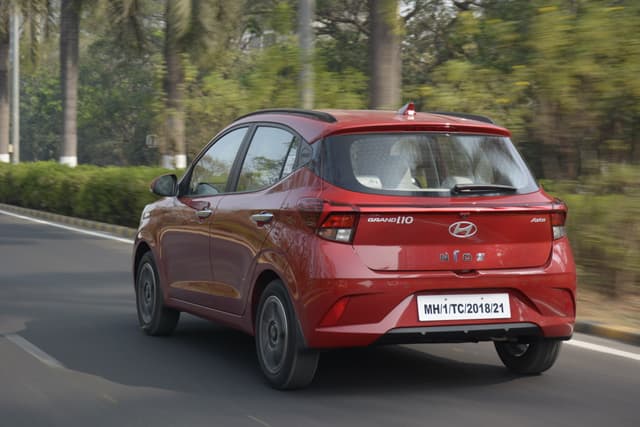
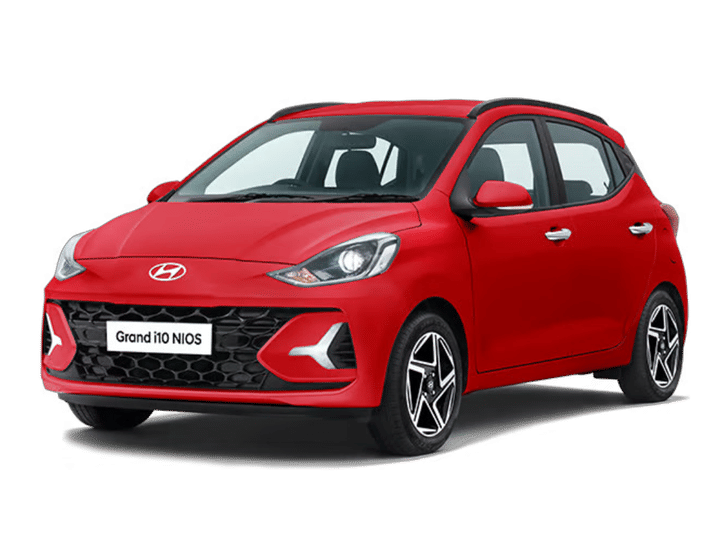
The Hyundai Grand i10 Nios starts at ₹5.47 lakh, making it one of the cheapest cars under ₹10 lakh.
Maruti Suzuki Dzire delivers mileage of 33.7 kmpl.
Tata Altroz, Maruti Dzire, and Tata Punch EV are among the cars under ₹10 lakh that have received a 5-star safety rating.
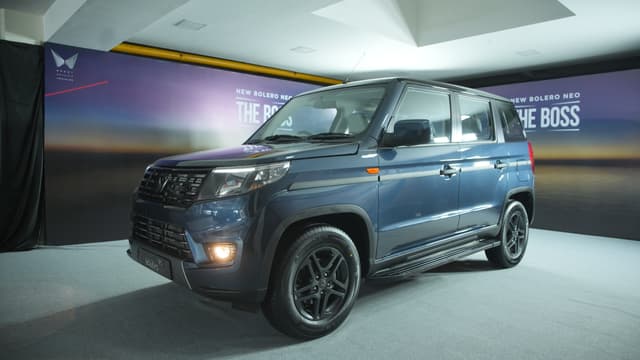
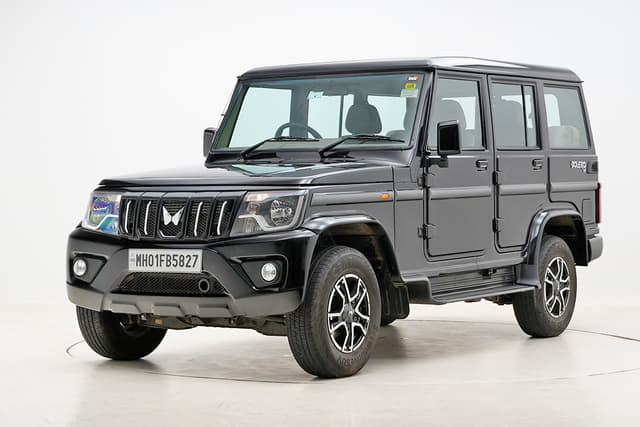
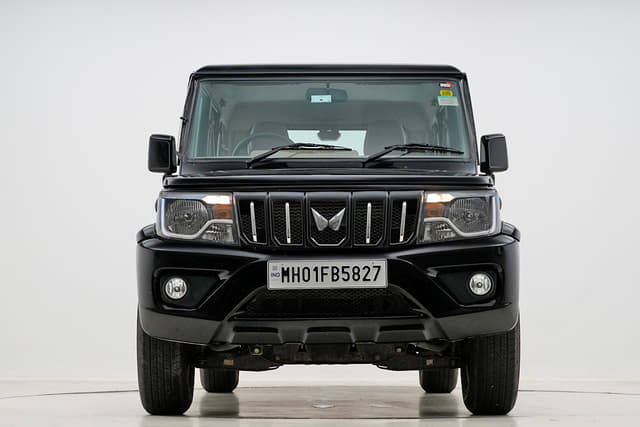
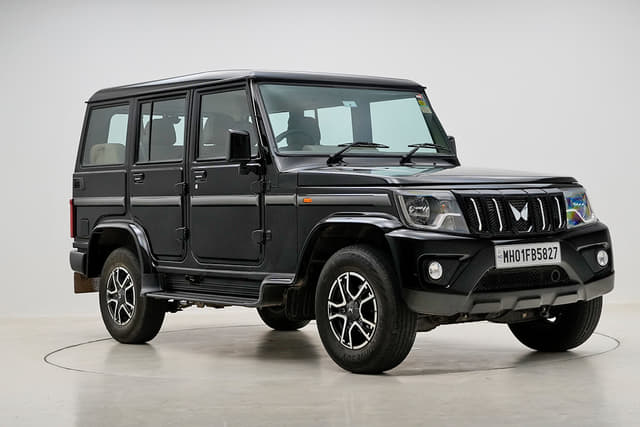
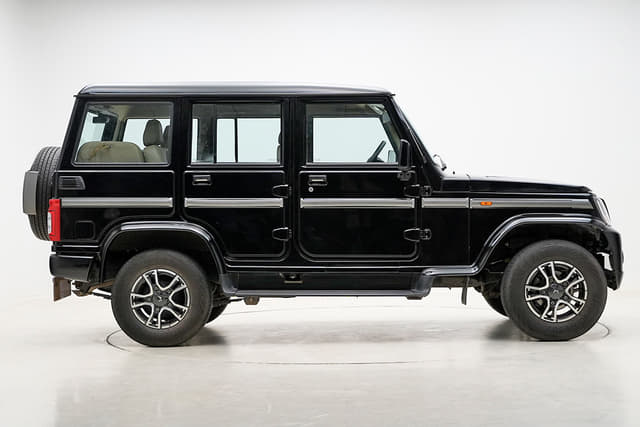
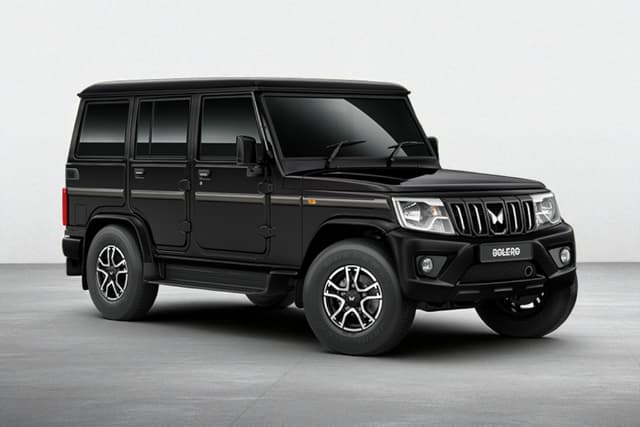
Mahindra Bolero, Bolero Neo, and Mahindra XUV 3XO are available with diesel engines.
Some of the Maruti cars under 10 lakh include Alto, Swift, Dzire, Baleno, Wagon R, Fronx, and Brezza.
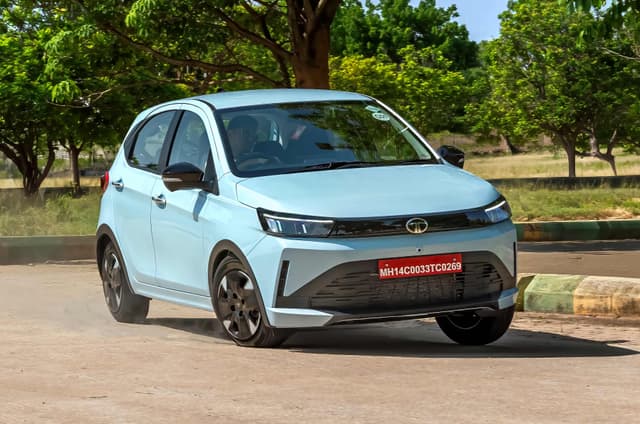
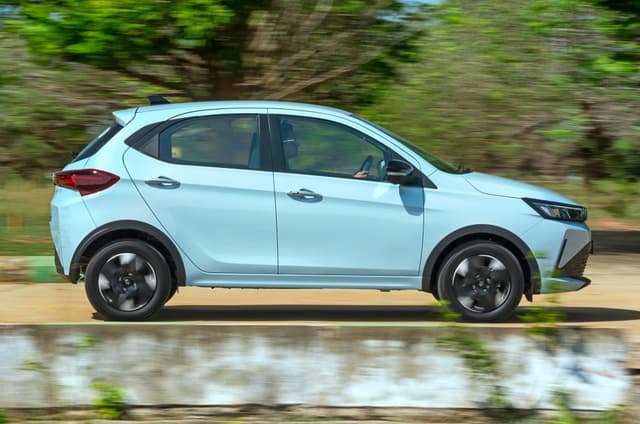
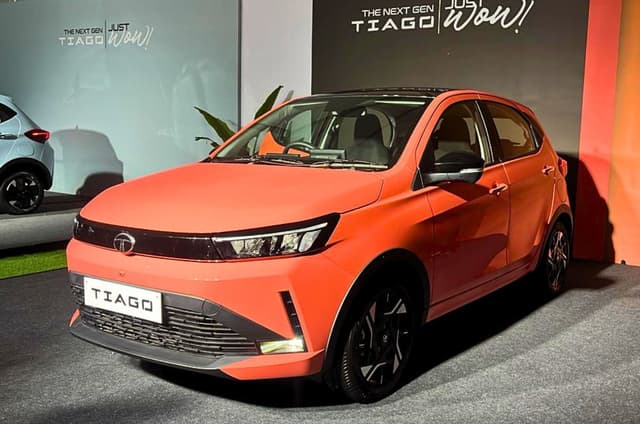
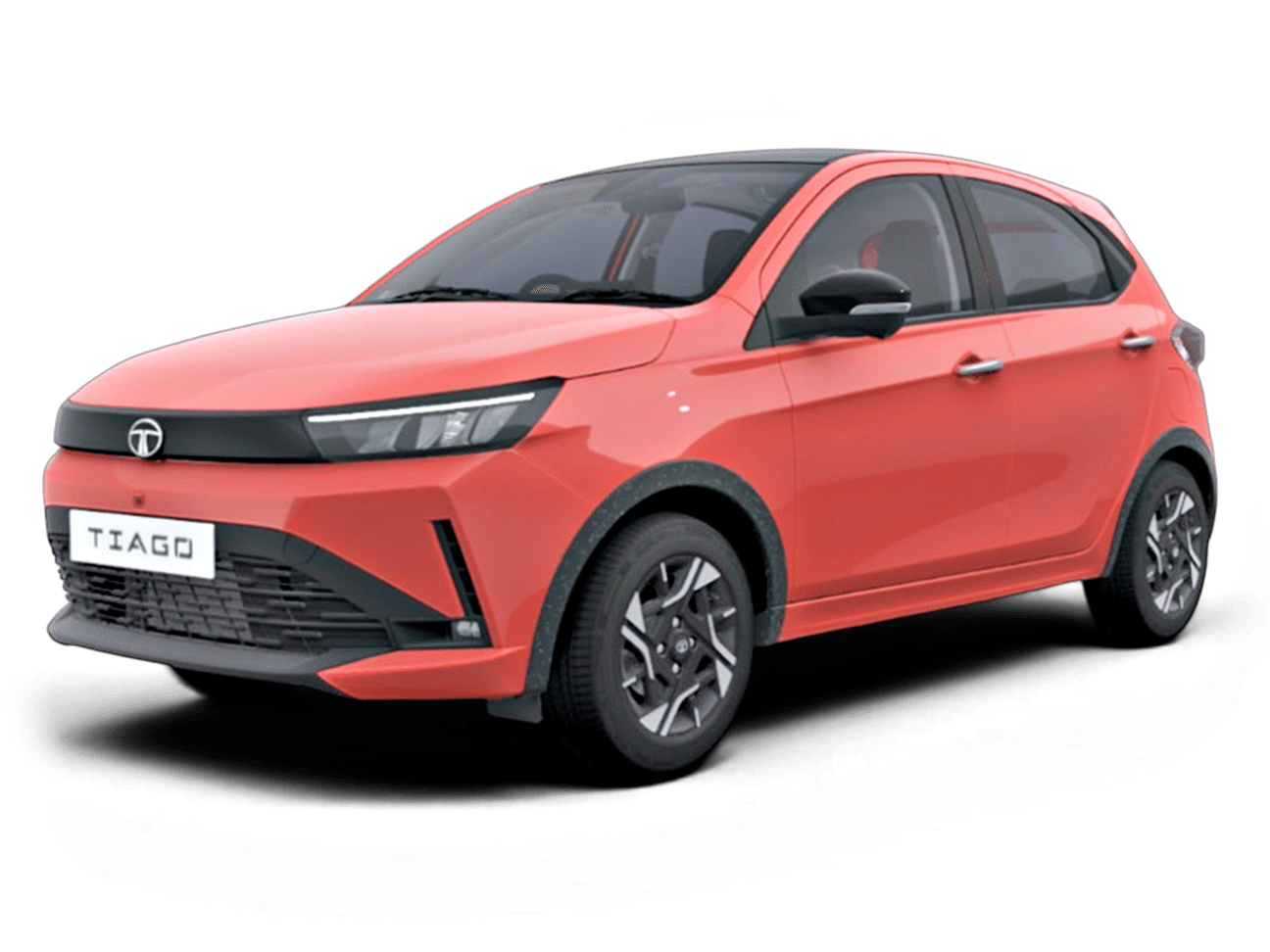
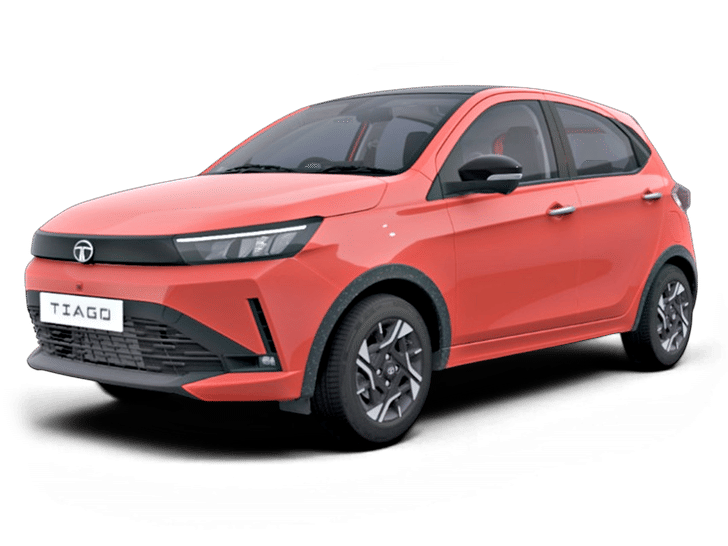
Tiago, Altroz, Nexon, Punch, and Tigor are a few cars offered by Tata Motors under 10 lakh in 2026.
Kia Syros, Tata Punch EV and Hyundai Grand i10 Nios are some of the best 5 seater cars under 10 lakh.
Trending Questions on Cars - Answered by Autocar Experts
I have a family of four and am planning to buy an automatic car next year with a budget of around Rs. 8-8.5 lakh. I have shortlisted the Grand i10 Nios AMT, Baleno AMT, i20 Sportz IVT, and Punch Adventure AMT. My monthly running will be around 300-500 km, with about two long trips per year. I am looking for a reliable car, and mileage is not a major concern. Which car should I go for? Any other recommendations are also welcome.
The Hyundai i20 Sportz IVT is the best automatic in this group. The CVT (or IVT in Hyundai's words) is much smoother than any AMT listed. The car is spacious; its interior fit-and-finish is excellent; and the Sportz variant packs all the essentials that you'll want at this price. Overall, the i20 is a premium, sophisticated hatchback.
I am new to driving and am looking for a sub-4-metre petrol SUV with a torque converter automatic gearbox. My budget is under Rs 10 lakh ex-showroom. I have shortlisted two options: Skoda Kylaq Classic+ automatic at Rs 9.25 lakh and Mahindra XUV 3XO MX2 Pro automatic at Rs 9.99 lakh. We are a family of five. My current usage is mostly in the city, but in the future it could become a 50:50 mix of city and highway driving. The Kylaq does not get an infotainment system, although the dealer is offering one for around Rs 30,000. Its rear seat is also narrower than the XUV 3XO's. The XUV 3XO does not get cruise control, LED lights or driver-seat adjustment. Both cars offer similar fuel efficiency. Which one would be the better choice for me?
Go for the XUV 3XO MX2 Pro automatic. As a new driver with a family of five, the Mahindra XUV 3XO is the more practical and comfortable choice. It has a wider rear seat, which makes a big difference for three passengers, and the cabin feels more spacious overall. The 1.2 turbo petrol engine paired with the 6-speed torque converter automatic is smooth and easy to drive, and the car feels stable and confident on the highway.The Skoda Kylaq is a good driver's car, but the narrower rear seat and the need to add an aftermarket infotainment system make it less appealing for family use. The missing features on the 3XO, like cruise control and LED lights, are not deal-breakers at this price point. Overall, the Mahindra car offers a better balance of space, comfort and value for a family of five.
I currently use a second-hand, 13.5-year-old Hyundai Verna 1.6 diesel for my daily office commute of around 30-35 km. My annual running is less than 9,000km, but as the car is getting old, I will need to replace it soon. I am looking for a reliable, economical and fun-to-drive car for my daily mix of city and highway driving. A few months ago, I drove a third-generation Swift manual and really liked its nimble handling, slick controls and free-revving engine. However, I am a little concerned about the new Swift's 1.2-litre three-cylinder engine, although I have not driven it yet. How do the Fronx and Baleno compare with the Swift? I prefer the Fronx over the Baleno purely because of its looks. I am not planning to buy immediately and can wait for a few months if there are suitable new launches coming. Rear-seat space and long-distance comfort are not priorities, as I already have a Tata Curvv diesel for family use and highway trips. I would prefer a compact car for city driving. I enjoy driving a manual, as my commute does not involve much bumper-to-bumper traffic, although I would still prefer a light clutch and slick gear shifts. As I am early in my career, I plan to keep this car for a long time, so I would also like it to be suitable for future ethanol blends beyond E20. Would it also make sense to consider the Tiago EV or Punch EV? My concerns are their higher upfront cost, which may be difficult to justify given my low annual running, and long-term reliability. I also already own a Tata car. My initial budget was Rs 8 lakh, but stretching the budget for an EV would also bring the Skoda Kylaq into consideration, although I understand it is not particularly fuel efficient. What would you recommend below Rs 8 lakh for my requirements?
Given your requirements, the Maruti Suzuki Swift remains the most sensible choice. Your running is under 9,000 km a year, so a petrol car makes the most sense, and the Swift’s compact size, light controls and nimble handling are exactly what you enjoyed in your old Verna. The new 1.2-litre three-cylinder engine is not something to worry about. It is a free-revving unit with good refinement and a light, slick gearbox, and Maruti’s long-term reliability record is strong. It is also very fuel-efficient, as it delivered 14kpl in the city and 19kpl on the highway in our real-world tests.The Fronx and Baleno are both good cars, but they are larger and not quite as engaging to drive as the Swift. You also do not need the extra space or rear-seat comfort, given you already have a Tata Curvv Diesel for family duties. On the EV front, the Tiago EV and Punch EV are worth considering, but your running is too low to justify the higher upfront cost, and you already have a Tata car in the garage.If you want to keep the budget under Rs 8 lakh, the Swift is the best fit. However, if you feel you need a larger car, the Baleno is a solid choice.
I am confused between the Hyundai Exter HX3, Hyundai i20, Nissan Magnite and Tata Punch. My main requirement is a superior cabin, and my budget is around Rs 9.5 lakh. Which one would be the better choice?
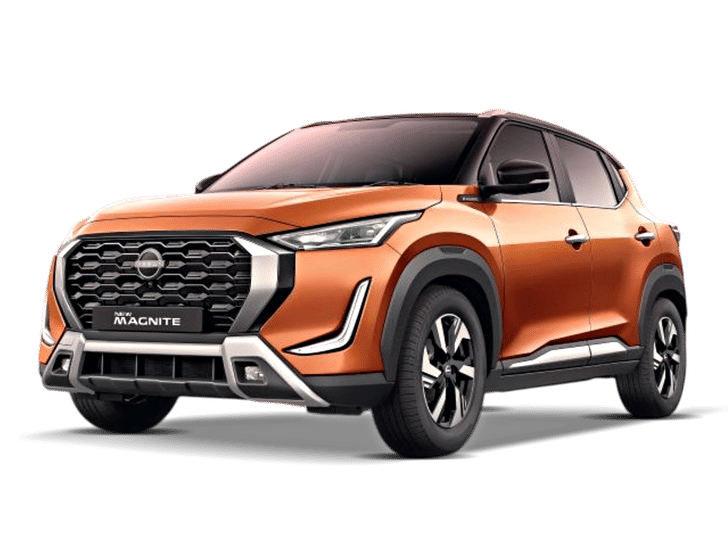
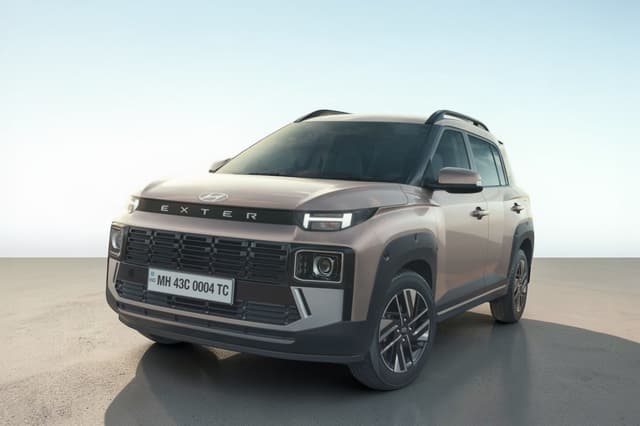
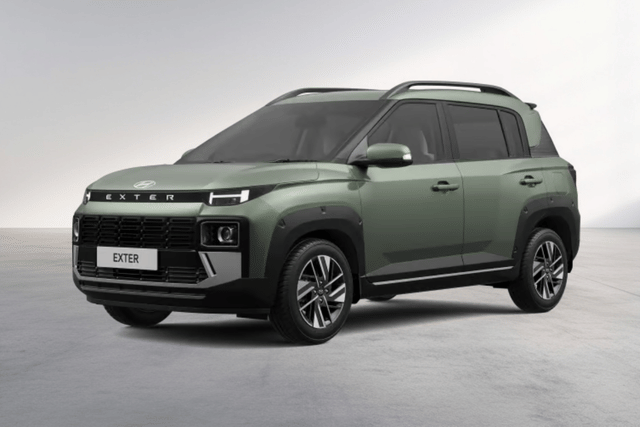
Go for the Hyundai Exter. Your priority is a superior cabin, and the Exter delivers the most premium and well-finished interior of your shortlist. It also offers a higher seating position, better visibility and a more modern feature set than the Hyundai i20, while still being easy to drive in the city. The i20 is a good car, but at Rs 9.5 lakh you will be limited to lower variants, and the Exter feels like a more complete package at this price point. The Nissan Magnite and Tata Punch are both strong value propositions, but the Exter's cabin quality and overall refinement are a step above. The Punch's naturally aspirated petrol engine is also not as refined or as punchy as the Exter's unit. Overall, the Exter strikes the best balance between cabin quality, comfort and value within your budget.
I have a budget of Rs 7 lakh and am looking to buy a car. I have a small child and parents with health issues. Which car should I go for if my priority is ride comfort, especially on the worst roads?
With a budget of Rs 7 lakh and a focus on ride comfort for a small child and elderly parents, the Tata Punch is the best fit. It has a genuinely comfortable ride for the segment, with a suspension that deals well with broken roads and speed breakers. The seats are supportive, and the cabin is spacious enough for a small family. The high seats and wide-opening doors also make it easy for your parents to get in and out. The drawback is that your budget will get you one of the base models. If you can't stretch your budget to one of the mid-level trims, consider the Tata Tiago instead, but you will be compromising on interior space and ease of ingress and egress.Alternatively, the Maruti Suzuki Wagon R also offers easy ingress and egress for elderly parents, but the Punch and Tiago offer a better ride. Overall, the Punch strikes the best balance between comfort, practicality and value at this price point.
Last Updated on: 4 Sept 2026