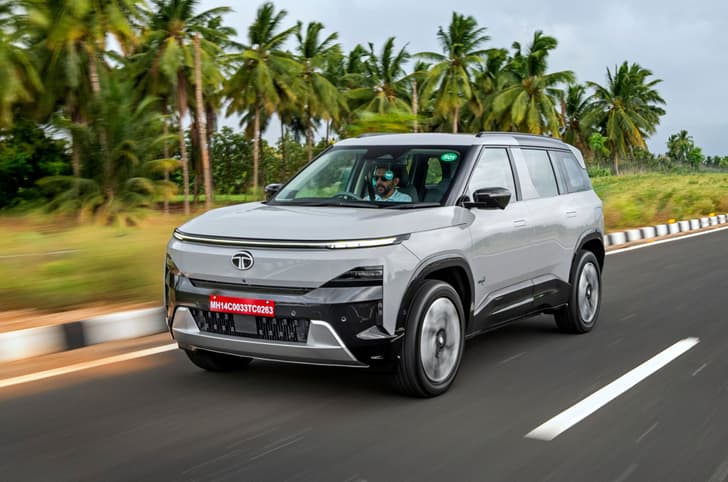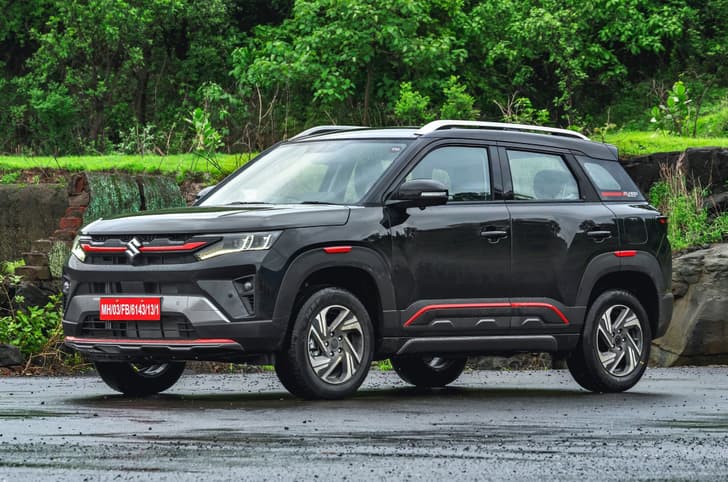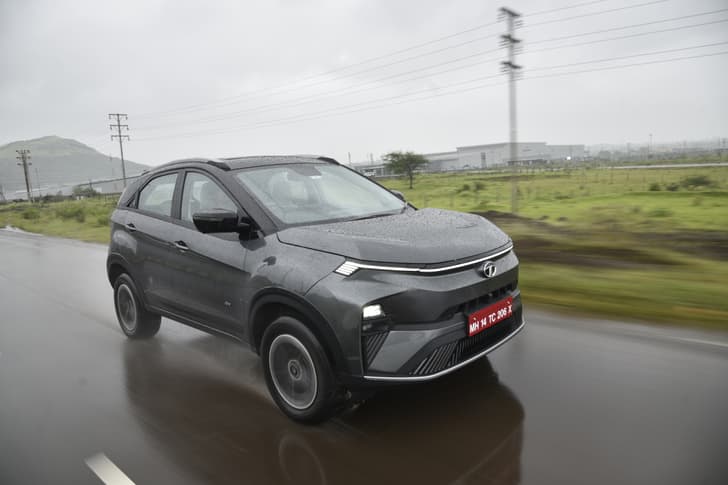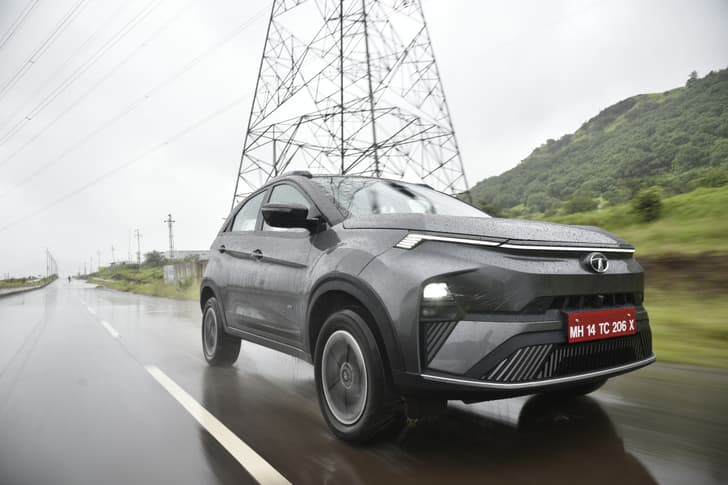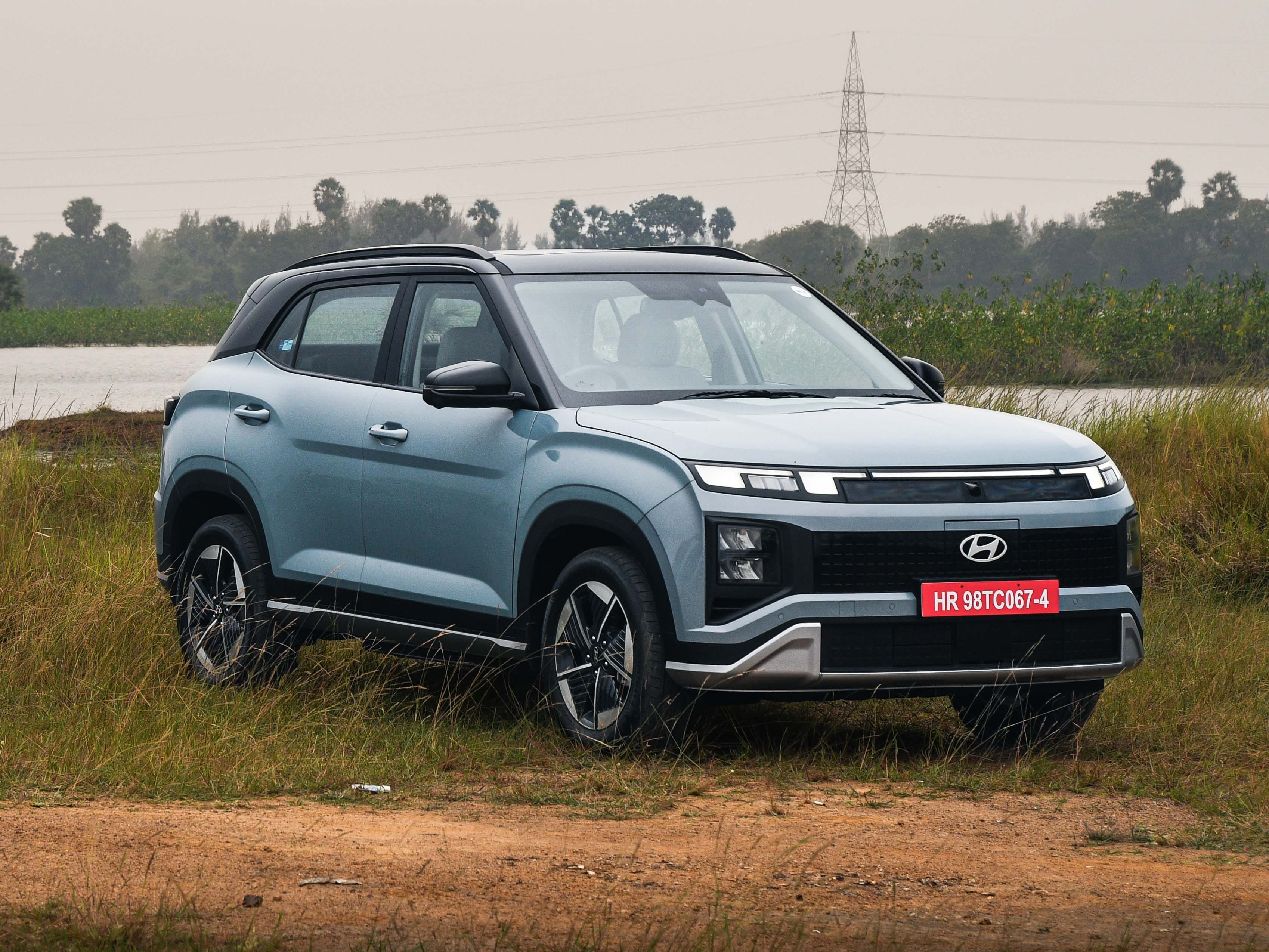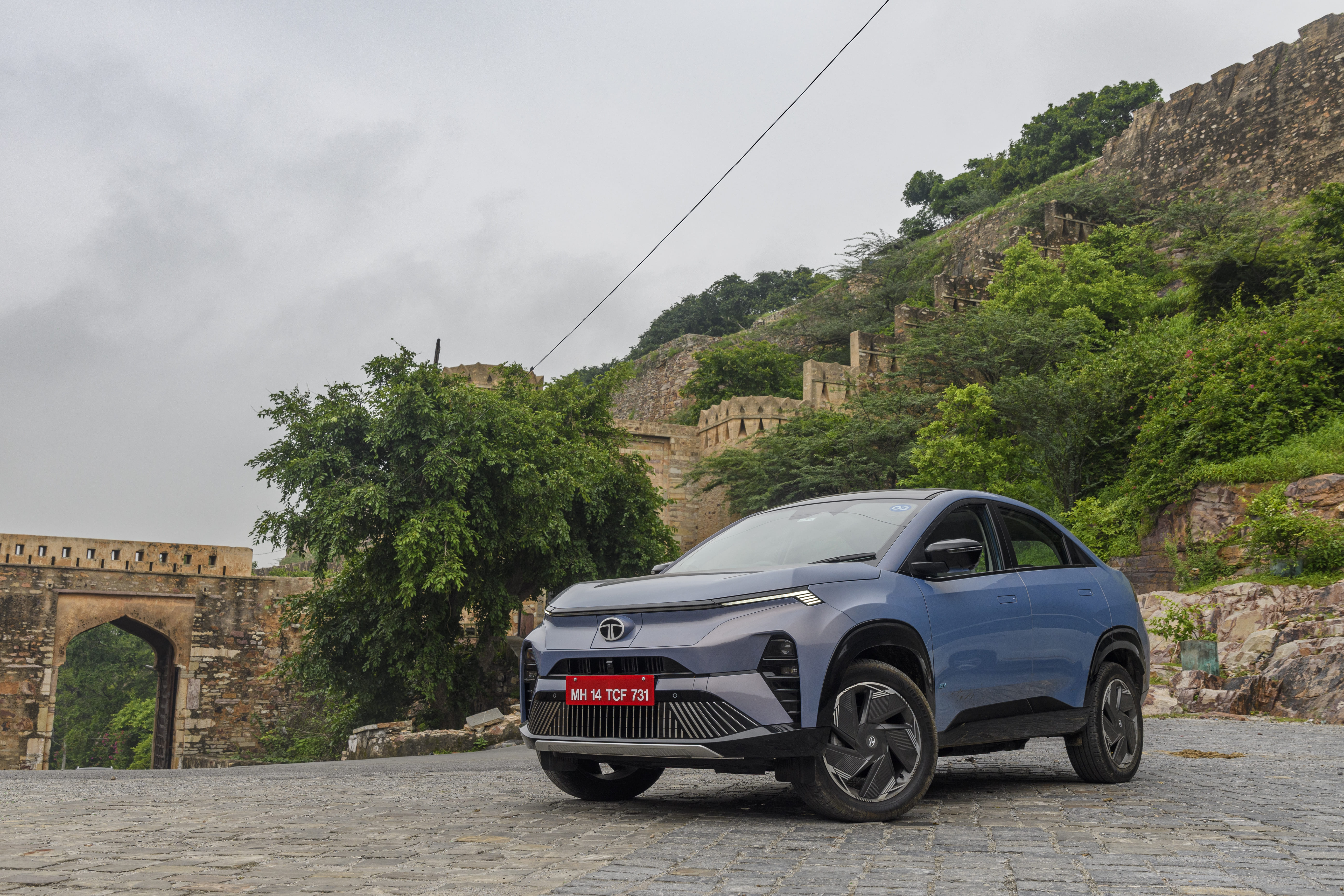
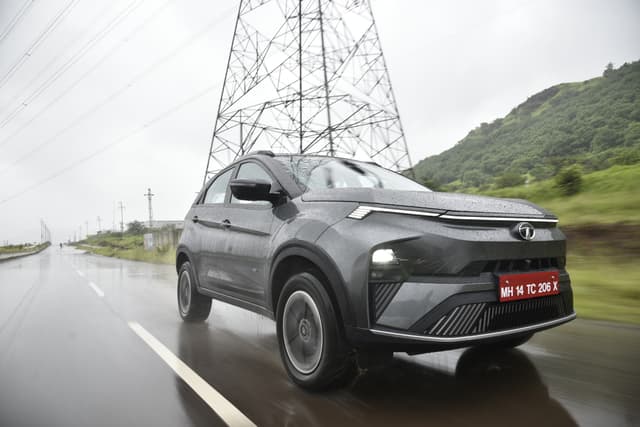
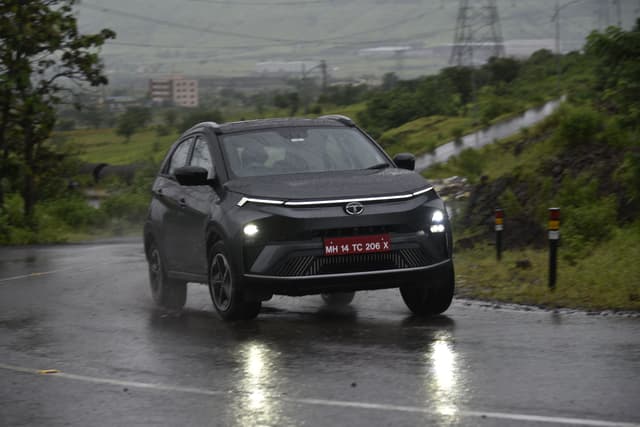
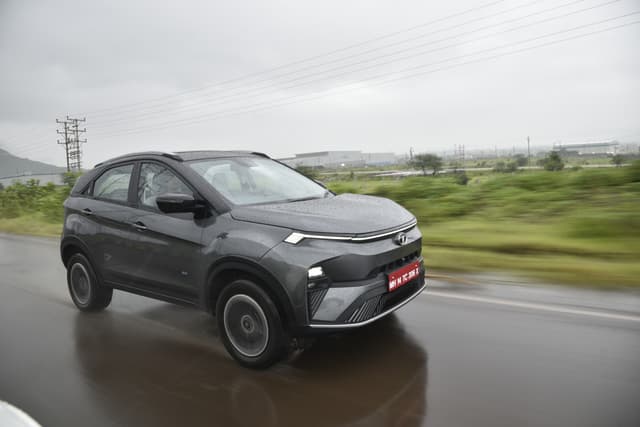
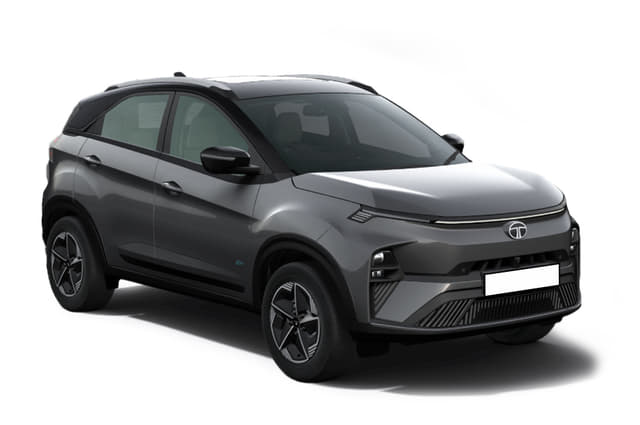
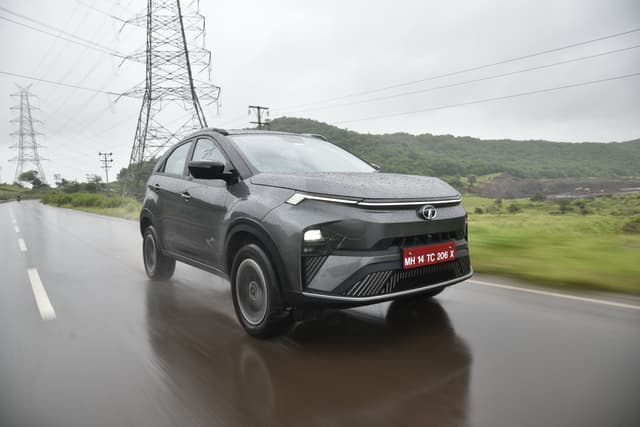
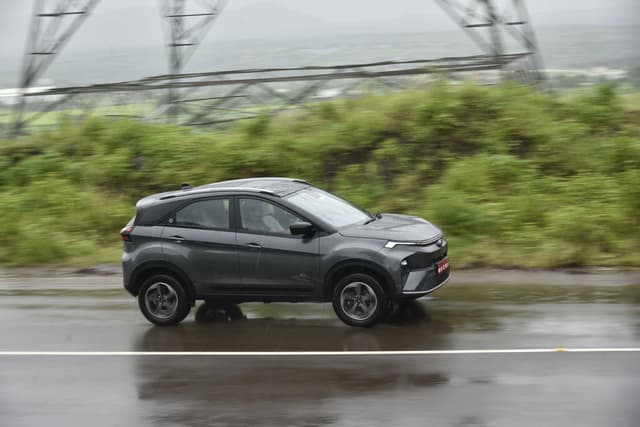
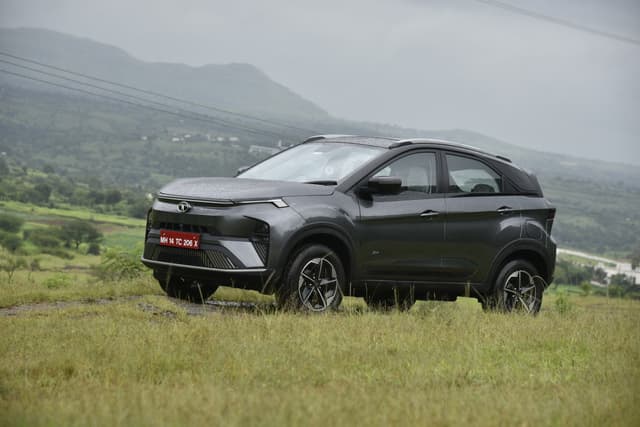
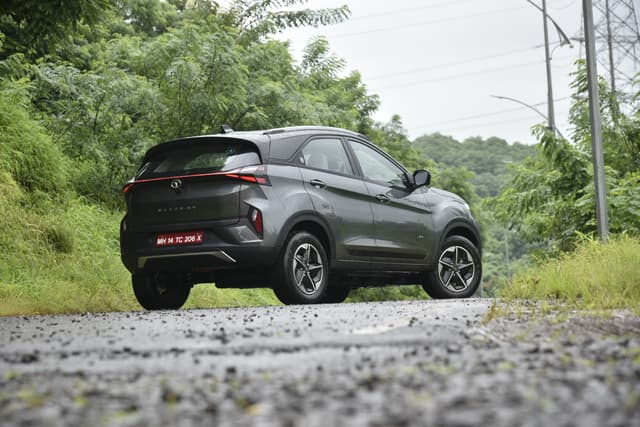

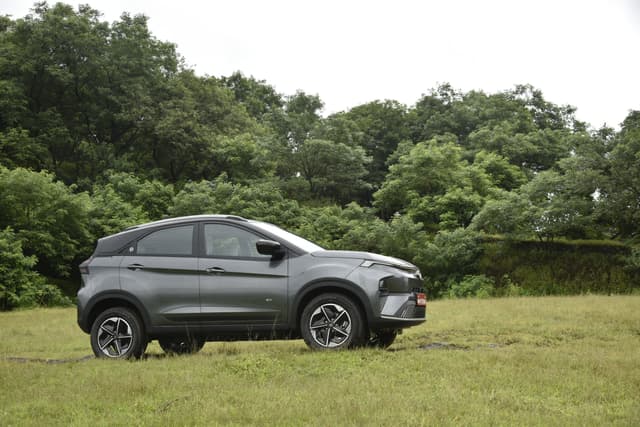



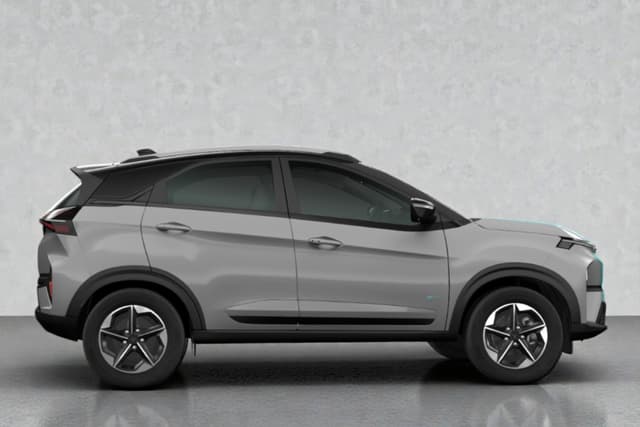
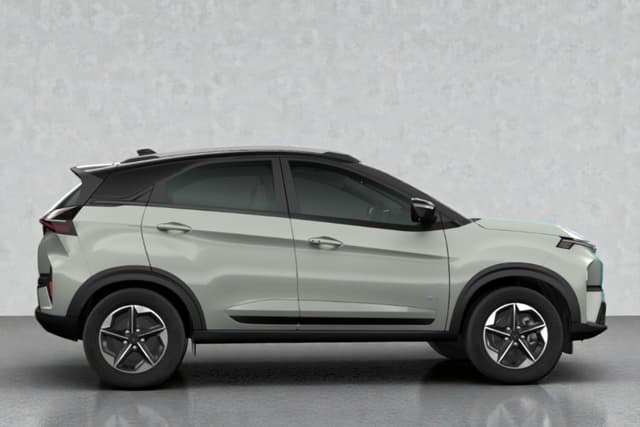
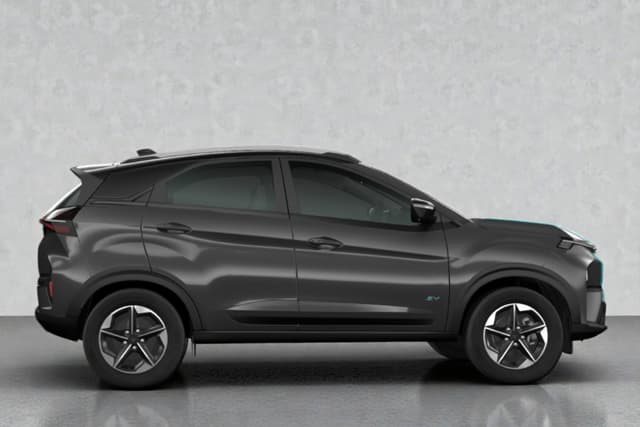
Nexon EV vs XUV 3XO



Last Updated on: 22 Sep 2026
Tell us about your experience
Tata Nexon is a safe and good option to consider.
I own a 2018 Tata Nexon petrol XZ+. Now looking for an automatic vehicle, but not an EV, due to shared charging facilities in my flat-based society. I prefer something future-ready with a lower per-km driving cost. I have a daily commute of 60–70 km three times a week to my office in Delhi NCR.
Instead of XUV 3XO, I will choose Tata Nexon.
Being an EV user, I strongly recommend going for the Tata Nexon EV.
I have a Tata Nexon Creative AMT and it's only 1 year old. I've changed the spark plug 4 times, ignition coil once, and still have engine misfires and vibration inside the car. I'm fed up with Tata service as they can't resolve the issue.
The Nexon diesel has a powerful 1.5 Kryotec engine, which might be a good choice. I prefer the Nexon manual for its reliability over flashy features.
Tata Nexon is appreciated for its safety and build quality. It also offers good mileage and low maintenance costs.
Nexon has non-negotiable build quality and excellent road performance. It offers a good riding experience, similar to the Harrier. The service is also good.
As an owner of the Nexon, I can vouch for this car. It is great in terms of safety and has a solid build quality.
Nexon is mainly for CNG.
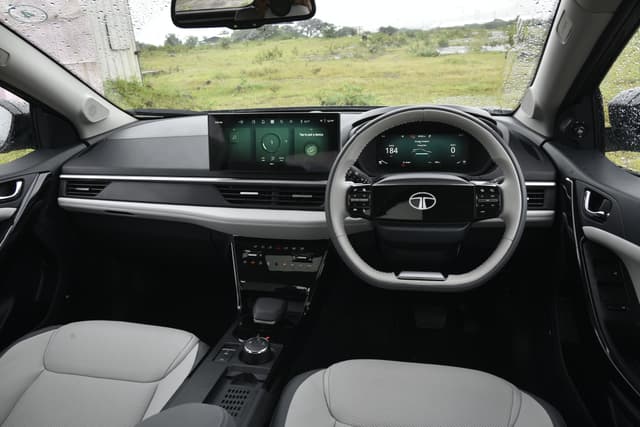
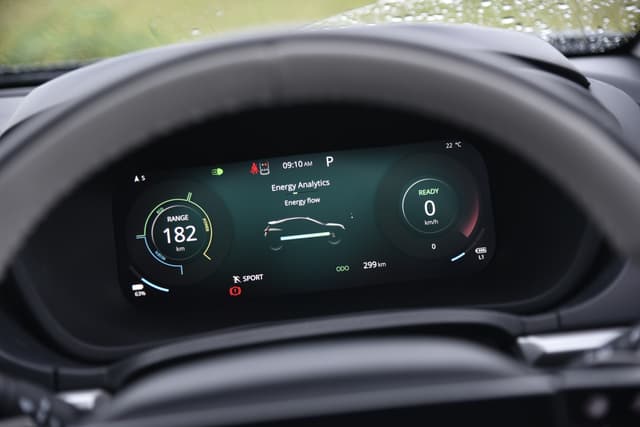
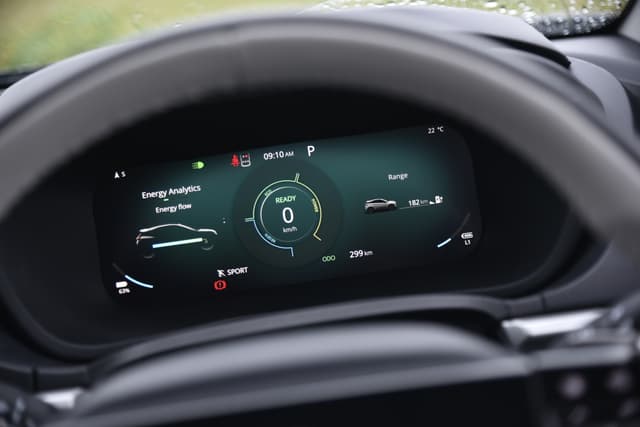
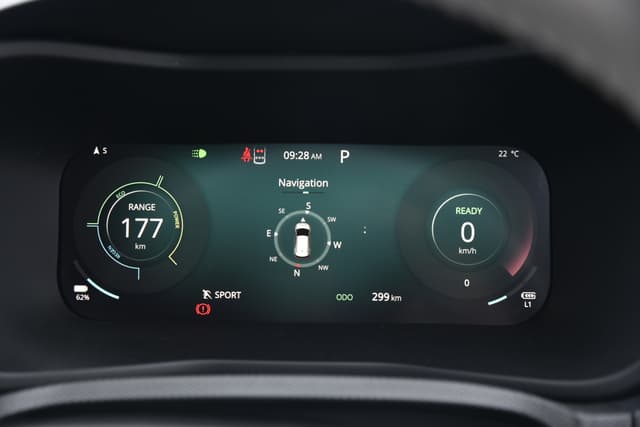
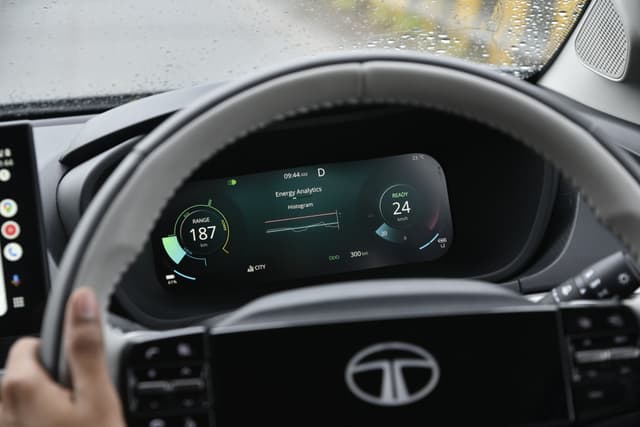
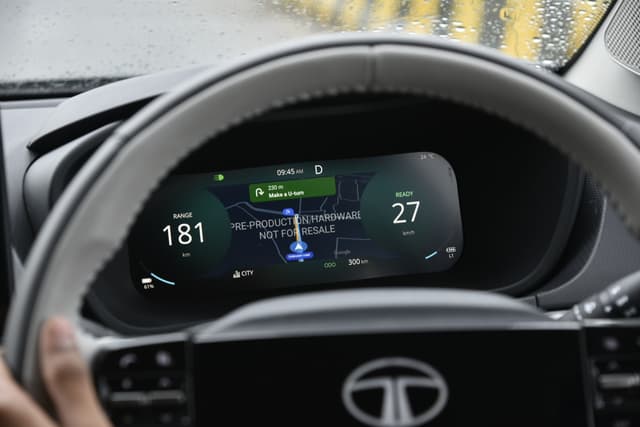
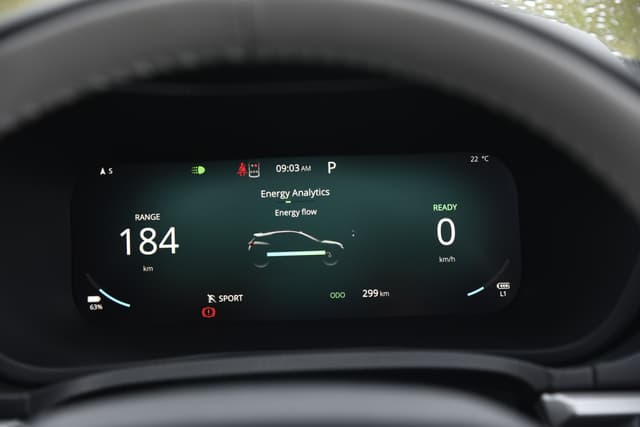
Improved driveability and range
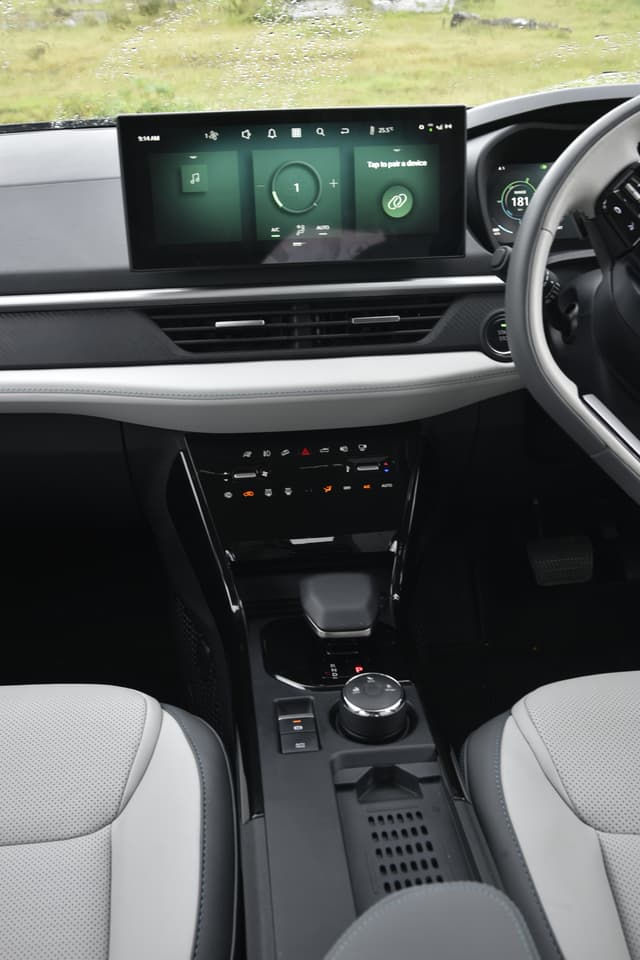
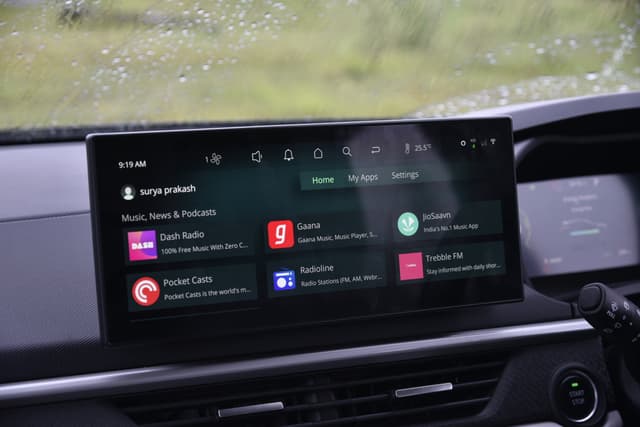
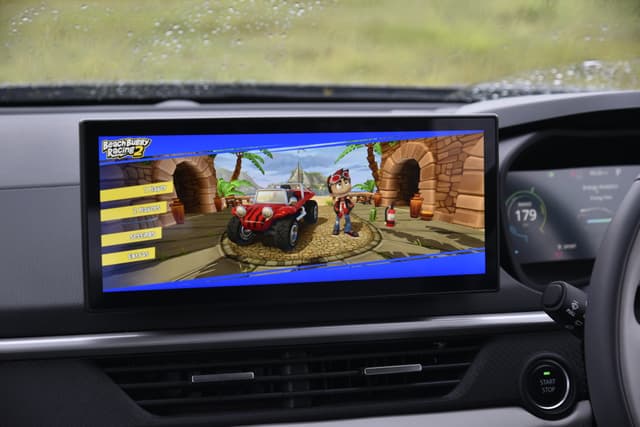
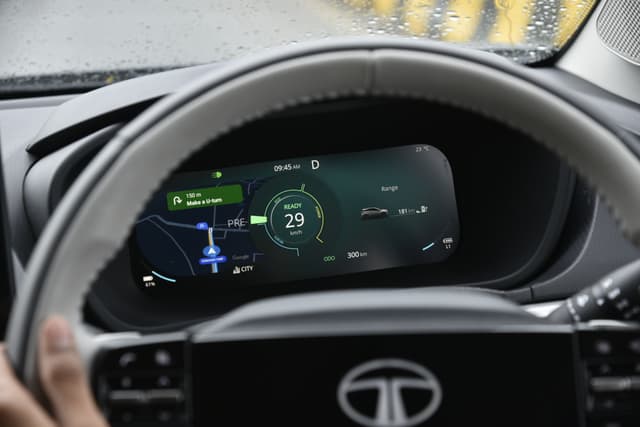
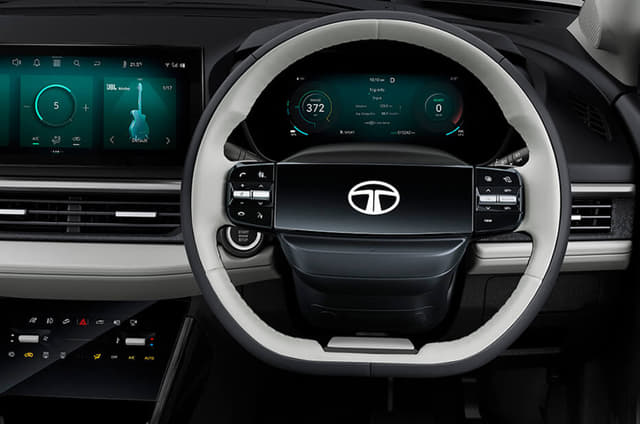
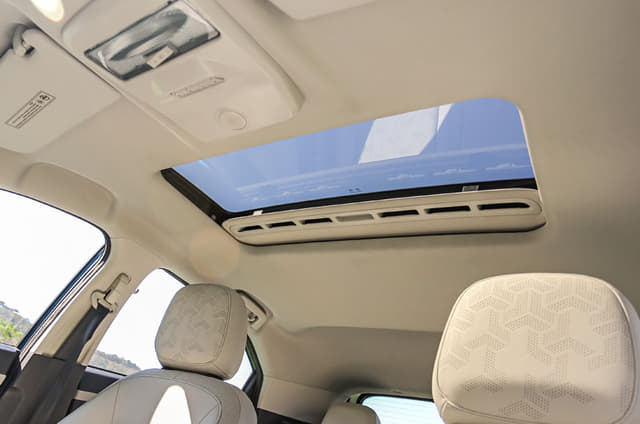
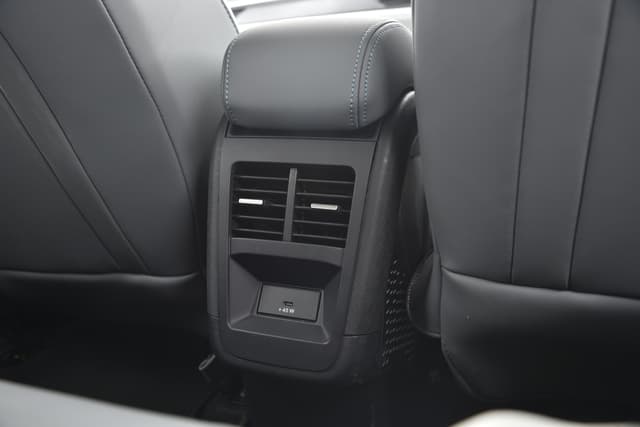
Loaded with tech and features
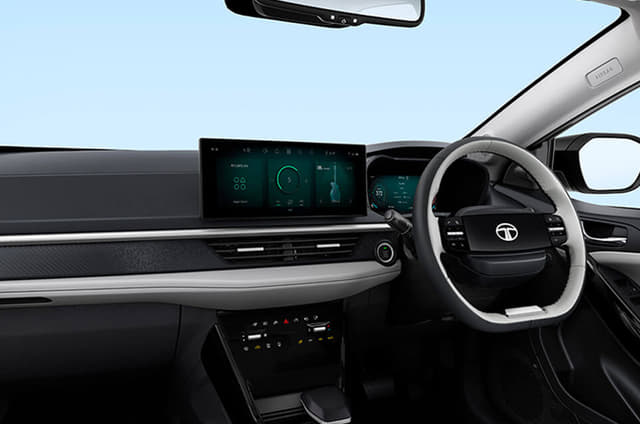
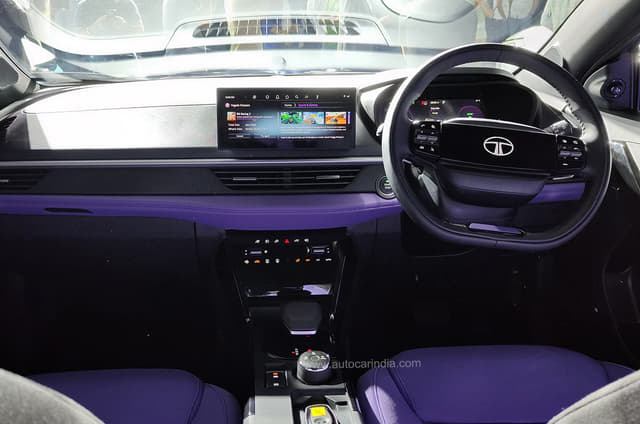
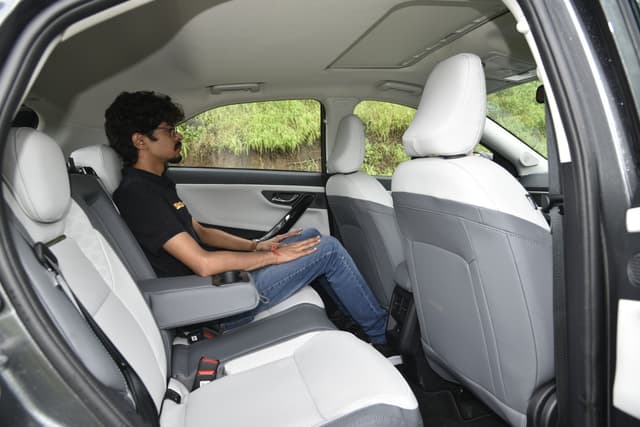
Step up in interior design and quality
DC fast charging is slow
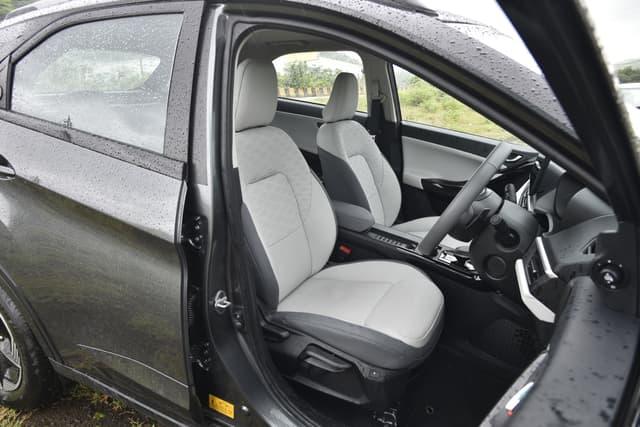
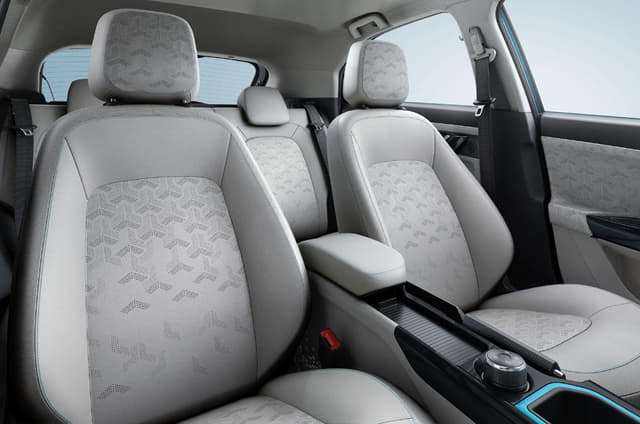
Cabin ergonomics
Fit and finish in certain areas
Join the Discussions
MG's ZS EV and Tata's Nexon EV keep getting cross-shopped despite being fairly different in size and positioning. Why do buyers even put these two in the same comparison list.
I drive around 70 kms a day mostly in city.I am confused between the tata Punch smart plus 40 kwh and Nexon ev creative 45 kwh. Which is a better option as a secondary car. Both the cars give almost similar range. I want good ride comfort and good reliability. I am okay to spend the additional 1.5 lakhs for the nexon ev creative model (I need not buy a fast charger as nexon comes with free 6.5 kw charger)
Hi Autocar Team, I currently own a 2016 Maruti Suzuki Ciaz diesel, which I plan to keep for highway trips, long-distance travel and as a backup vehicle. I am looking to buy a second car purely as a city EV for Chennai, with a budget of around Rs 15 lakh on-road, though I can stretch slightly if justified. My typical usage includes daily city driving, client meetings, airport runs and occasional family outings. I drive around 10,000km per year and usually keep my cars for 7-9 years or until they reach around 1 lakh kilometres. My priorities are: ride comfort and suspension, reliability over 7-9 years, battery warranty and long-term ownership confidence, service network and availability of parts, ease of driving and parking in city traffic, resale value after 7-9 years, and real-world range of at least 300km. I have already test-driven several EVs, including the Mahindra BE 6, Hyundai Creta EV, Kia Carens EV, MG ZS EV, Maruti e Vitara and VinFast VF 6. While I liked the Mahindra and VinFast products, I am now wondering whether a smaller and more affordable EV makes more sense since I already have the Ciaz for highway duties. Which EV would you recommend as the best secondary city car for long-term ownership in India today? Would you choose the Tata Punch EV, Nexon EV, Tiago EV, MG Windsor EV or another option altogether? Looking forward to your advice.

 Tata Nexon EVTata Punch EVTata Tiago EVMG Windsor
I'm looking to buy an EV in the 13-15 lakh budget range. Right now, the Punch EV seems to be the best fit. Can anyone share if a next-generation Nexon EV based on the ACTI EV platform is expected anytime soon? If the launch is not too far away, I can wait and opt for the larger car instead. Thanks in advance for any information.
Tata Punch EVTata Nexon EVSir, how is the rear suspension and ride quality of the Mahindra XEV 9e Pack One and Two? I tested the Pack Three and found the rear seat very boat-like with too much movement both vertically and sideways, which can get nauseating for rear-seat passengers. Is the suspension setup in Pack One and Two any better? Should I instead go for the Harrier EV 75 RWD if I want better ride quality, or should I wait for the Sierra EV? I want an EV bigger than the Nexon, but I do not like the Curvv EV and was thinking of avoiding Mahindra because of the suspension. I tried the Nexon EV and new Punch EV and found their rear suspension much better than the XEV 9e and even the eVitara. Please guide.
Mahindra XEV 9eMahindra XEV 9STata Sierra EVTata Nexon EVTata Harrier EV