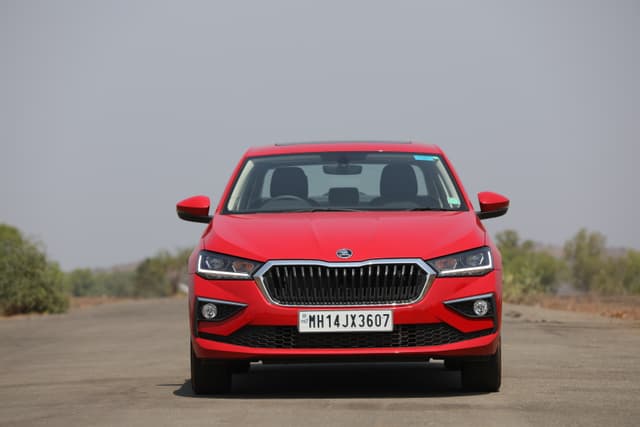
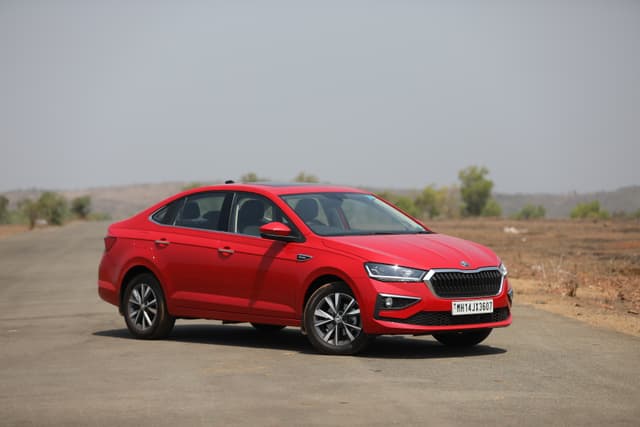
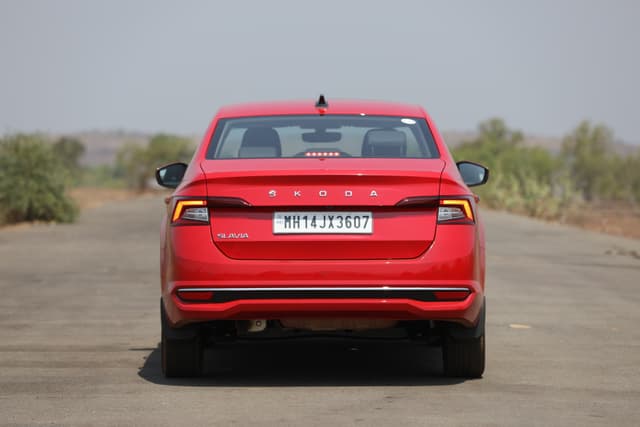
Skoda cars in India (9)
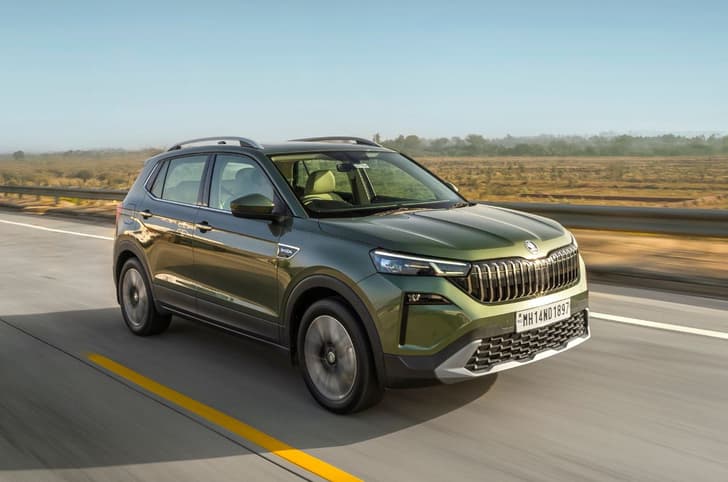
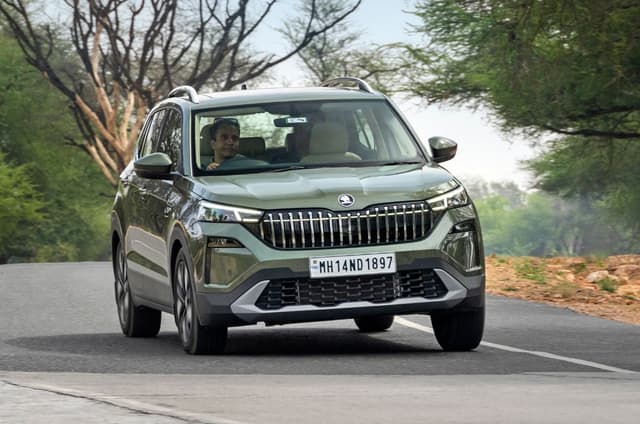
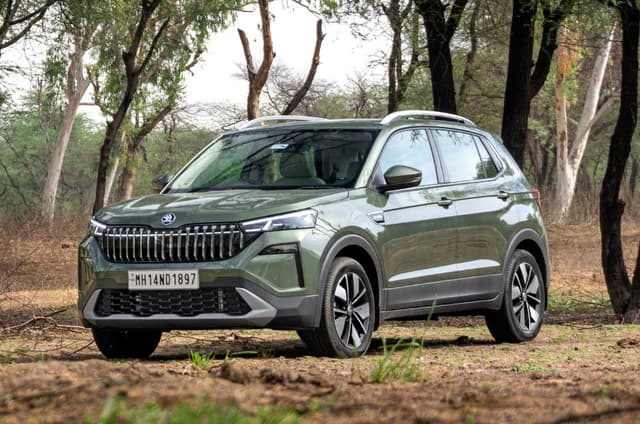
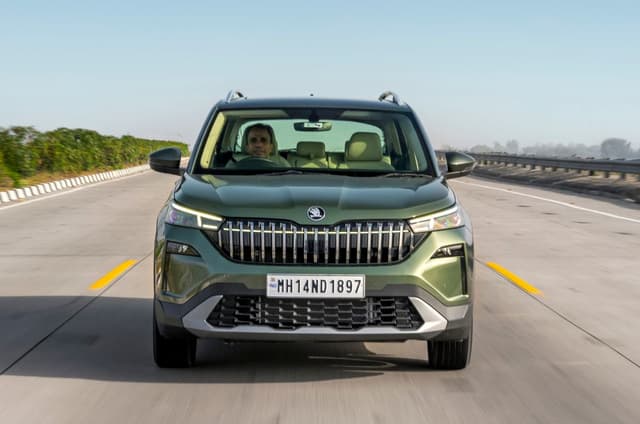
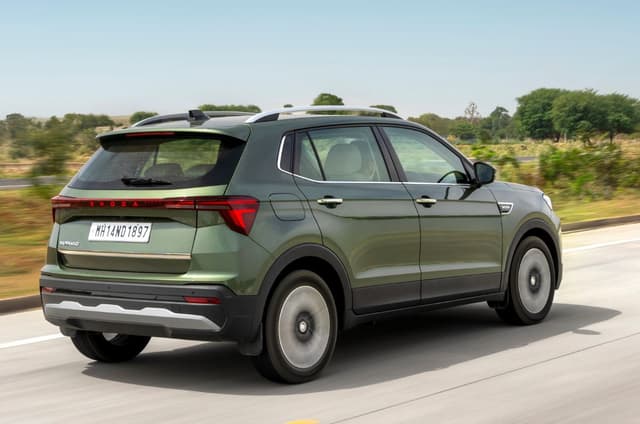
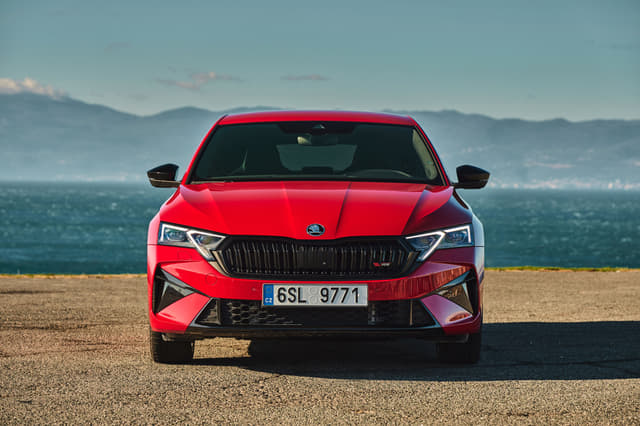
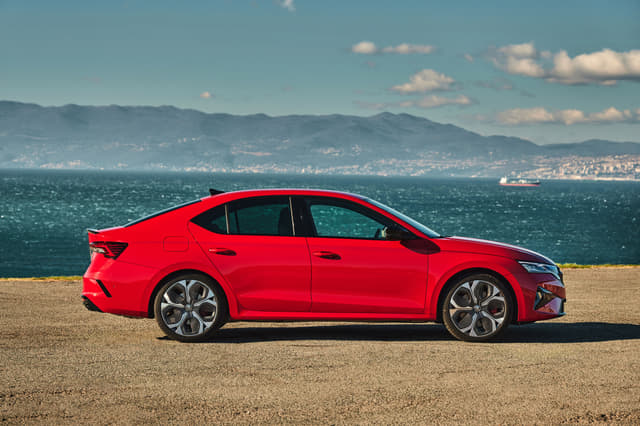
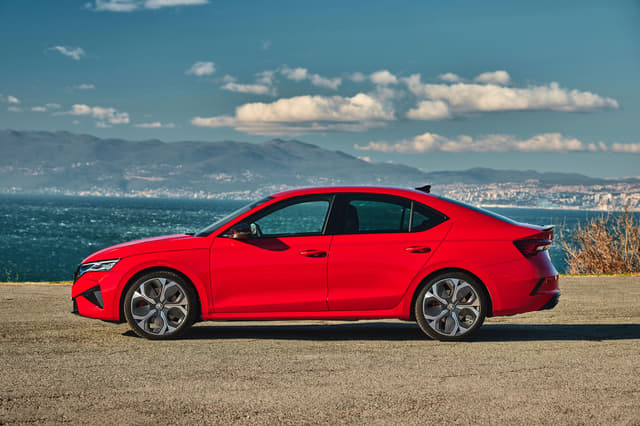
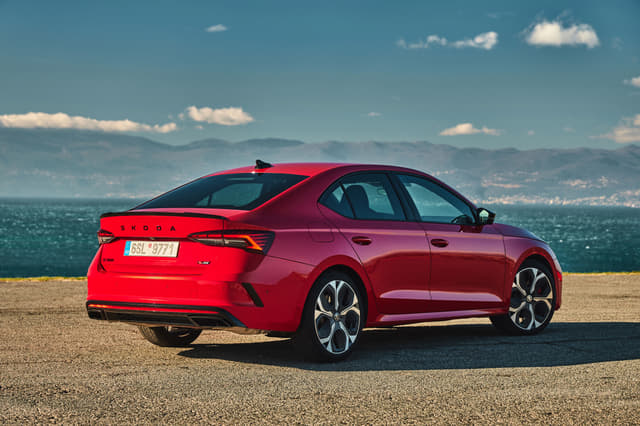
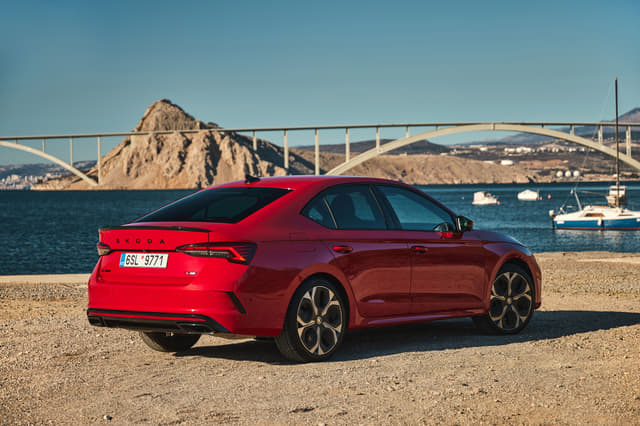
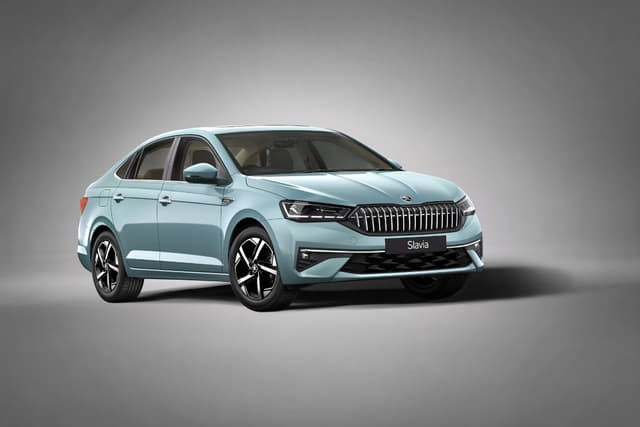
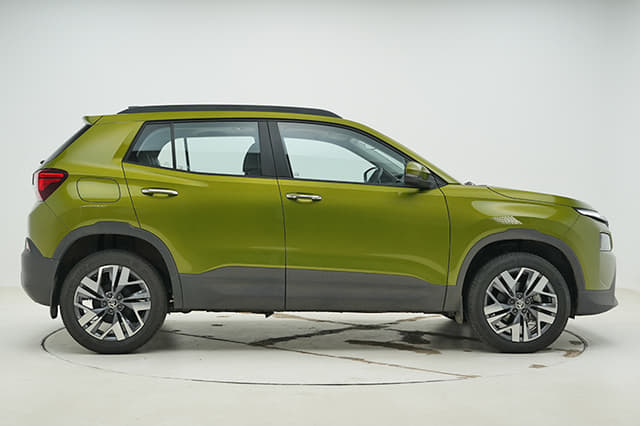
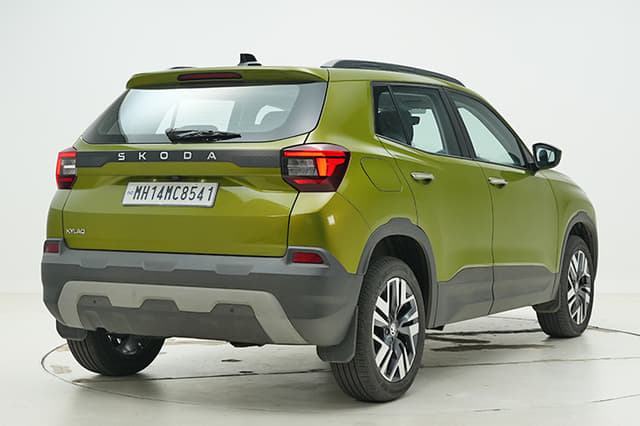
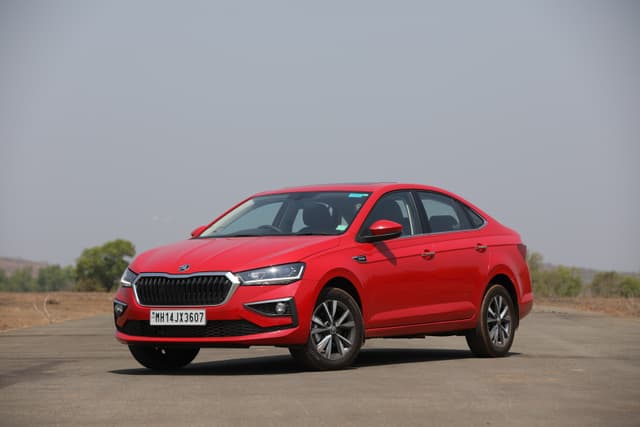
The Skoda car price starts at ₹7.59 lakh and goes up to ₹49.99 lakh. As of March 2026, the Skoda cheapest car is the Kylaq, while the Octavia RS is the costliest. Currently, there are 9 Skoda cars in India, out of which 5 are on sale, and 4 are upcoming. Skoda cars currently available for sale in India are: Kylaq, Kodiaq, Kushaq, Octavia RS, and Slavia.
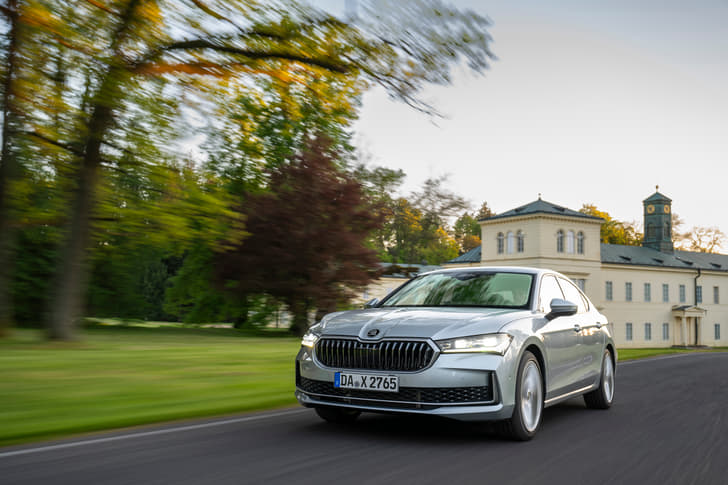
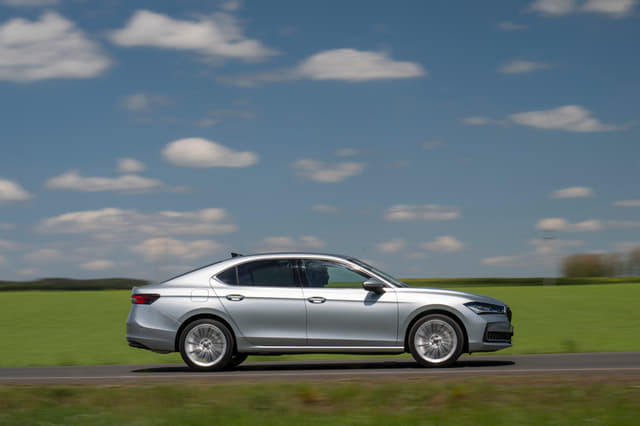
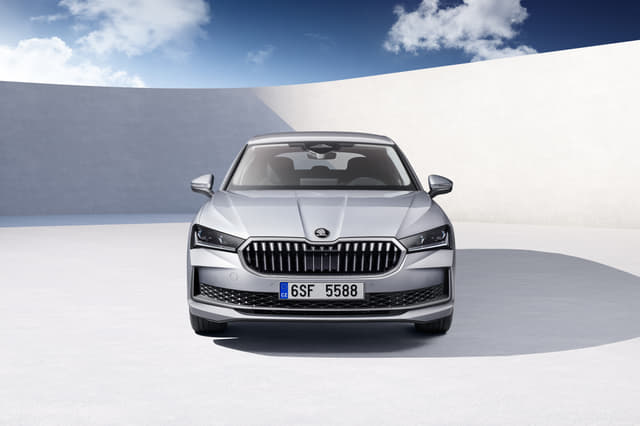
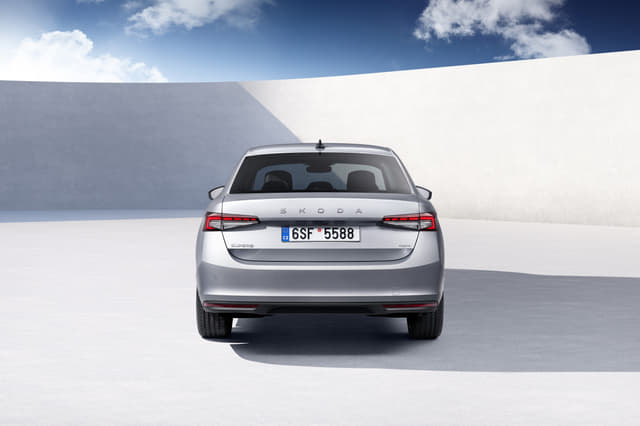
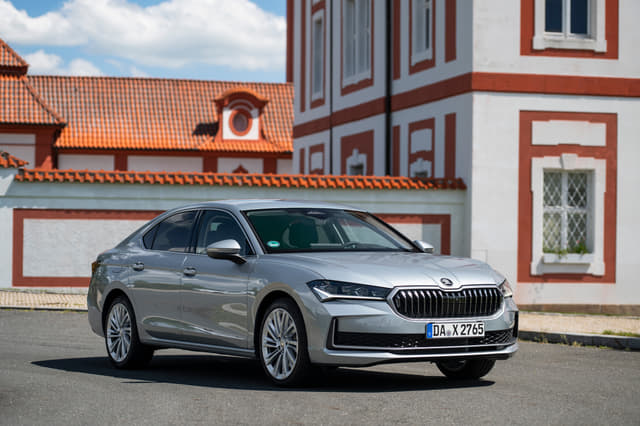
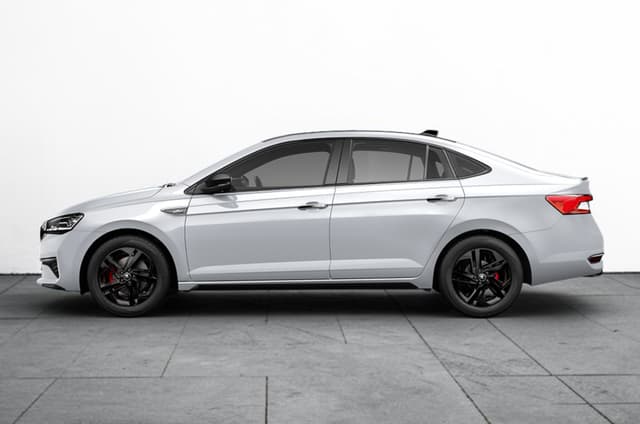
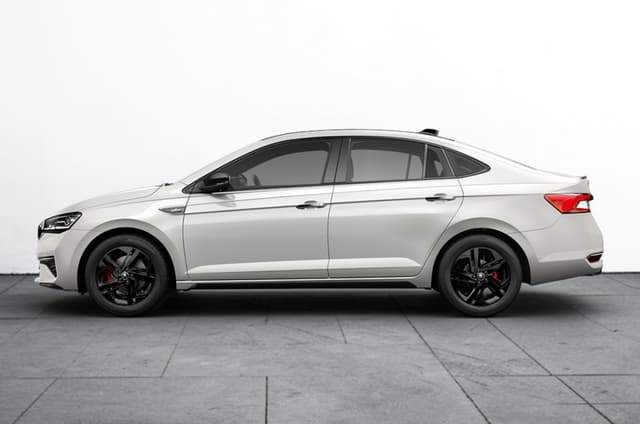
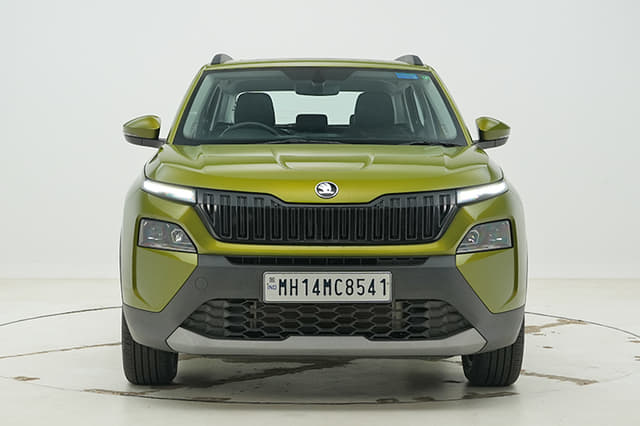
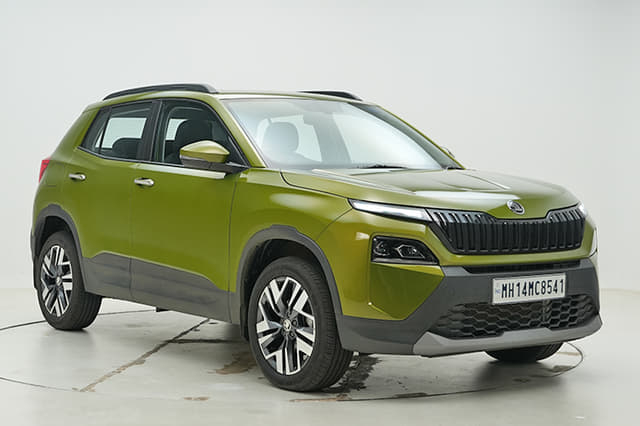
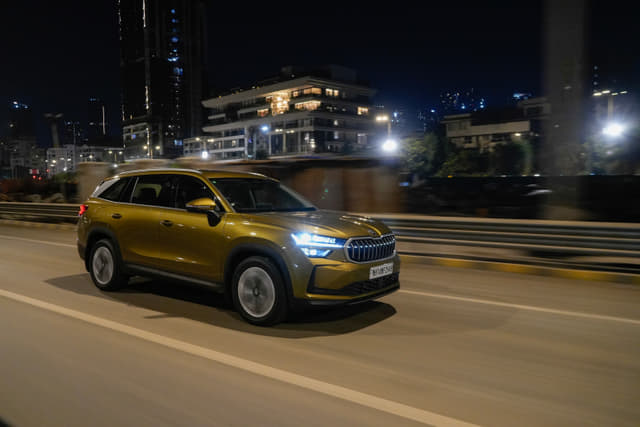
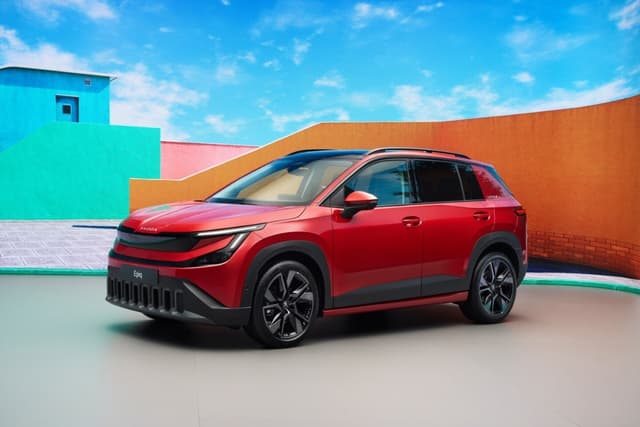
The Slavia and Octavia RS are the only Skoda sedan cars on sale in India. The Skoda SUV cars list includes Kodiaq, Kushaq, and Kylaq. Skoda’s upcoming car launches include the Superb, Kodiaq RS, Peaq and the Kushaq facelift, all expected to arrive in 2026.
Skoda Car Price List (March 2026)
The Skoda car price in India starts at ₹7.59 lakh for the Kylaq and goes up to ₹49.99 lakh for the Octavia RS. View the latest Skoda car prices in India available for sale in the table below:
Skoda Car | Price (Ex-showroom) |
Skoda Kylaq | ₹7.59 lakh - ₹12.99 lakh |
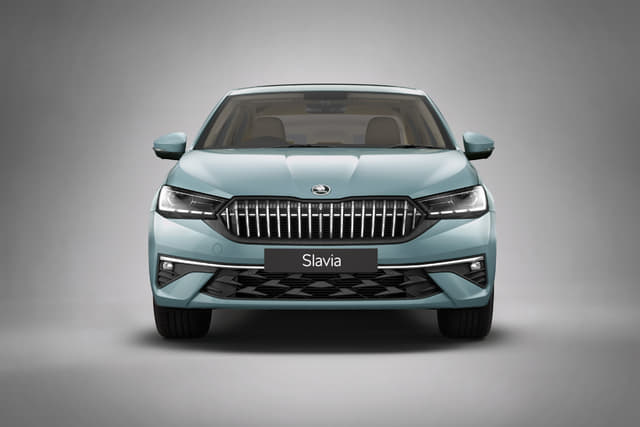
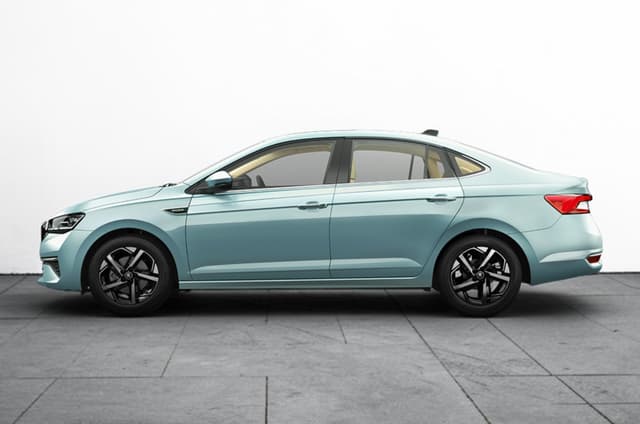
Skoda Slavia | ₹10.00 lakh - ₹17.99 lakh |
Skoda Kushaq | ₹10.66 lakh - ₹18.49 lakh |
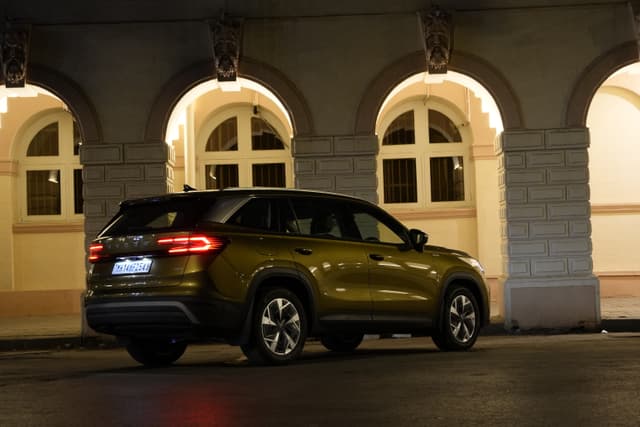
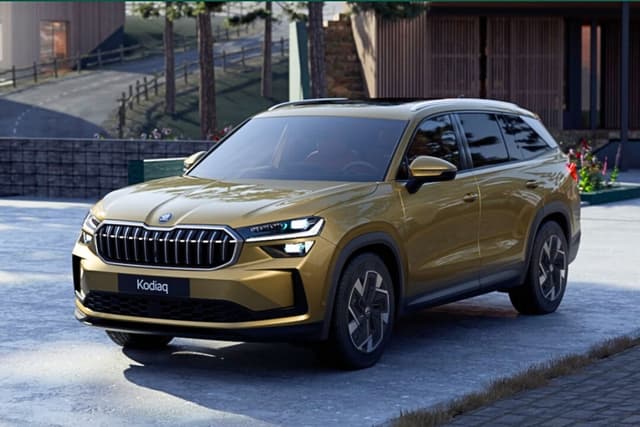
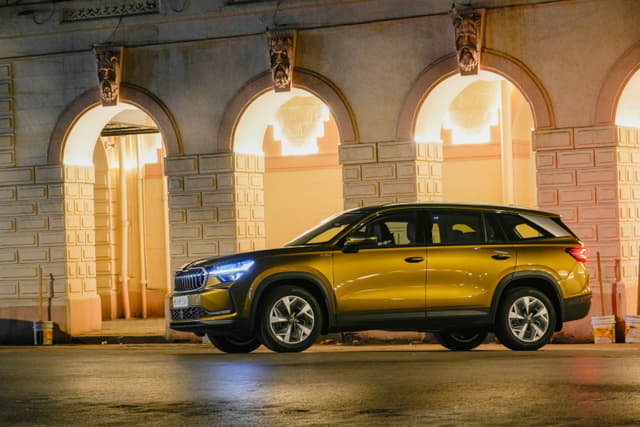
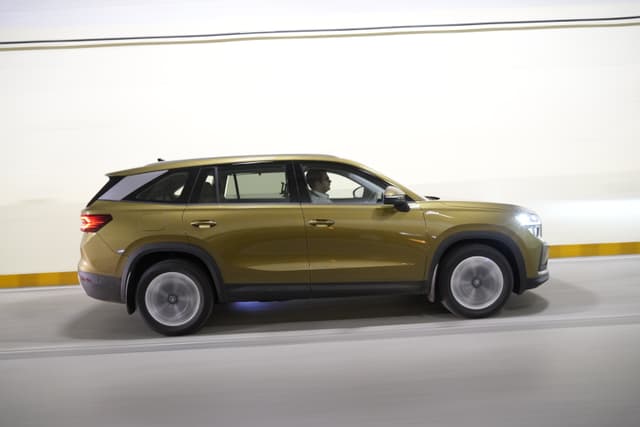
Skoda Kodiaq | ₹39.99 lakh - ₹45.96 lakh |
Skoda Octavia RS | ₹49.99 lakh |
Skoda Upcoming Cars
There are 4 upcoming Skoda cars scheduled to launch in India:
- Skoda Kushaq facelift
- Estimated price: ₹10.95 lakh - ₹18.79 lakh
- Expected Launch Date: March 2026
- Fuel Type: Petrol
- Body Type: SUV
- Skoda Kodiaq RS
- Estimated price: ₹50.00 lakh
- Expected Launch Date: June 2026
- Fuel Type: Petrol
- Body Type: SUV
- Skoda Superb
- Estimated price: ₹50.00 lakh - ₹55.00 lakh
- Expected Launch Date: 2026
- Fuel Type: Petrol
- Body Type: Sedan
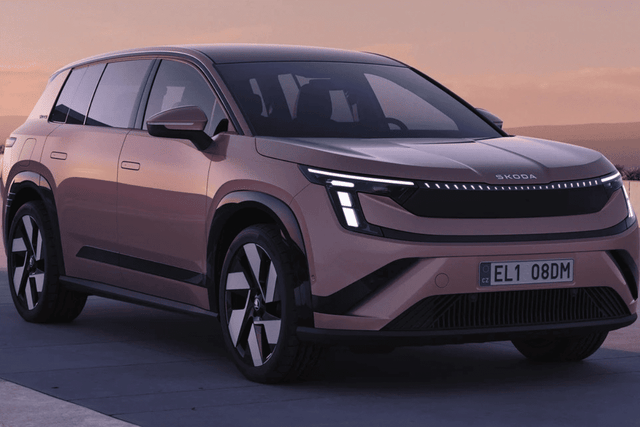
- Skoda Peaq
- Estimated price: ₹1.00 crore - ₹1.20 crore
- Expected Launch Date: 2027
- Fuel Type: Electric
- Body Type: SUV
Skoda Cars - Latest Updates
- 6 January 2026: Skoda hikes prices of Kylaq, Kushaq and Slavia by up to ₹34,000
- 5 December 2025: Skoda Kushaq facelift, rival to Creta and Seltos, likely to launch in January 2026.
- 17 October 2025: The new Skoda Octavia RS launched in India at ₹49.99 lakh (Ex-Showroom).
- 14 July 2025: Skoda reaches a new milestone with 300 customer touchpoints across 170+ cities.
- 28 April 2025: The brand launched the Skoda Superstars campaign.
- 17 April 2025: The second-generation Skoda Kodiaq 4x4 SUV debuts in India. Deliveries will start from May 2.
- 1 April 2025: Skoda Auto celebrates its 25th anniversary in India by achieving its highest-ever monthly sales.
FAQs
The Skoda car price in India starts at ₹7.59 lakh for the Kylaq and goes up to ₹49.99 lakh for the Octavia RS (ex-showroom).
The Skoda Kodiaq is the only Skoda 7 seater car on sale in India. It is priced between ₹39.99 lakh - ₹45.96 lakh (ex-showroom), depending on the variant.
Yes. The only Skoda car under 10 lakh in India is the Kylaq. The Skoda Kylaq price starts at ₹7.59 lakh, ex-showroom.
The Skoda Slavia and Octavia RS are the only sedans on sale in India. The upcoming Skoda sedan car includes the new Superb.
No. Presently, there are no Skoda diesel cars on sale in India. The Skoda India lineup consists of petrol engine options.
The cheapest Skoda car is the Kylaq, with a price starting at ₹7.59 lakh (ex-showroom).
Yes. The Kylaq, Slavia, and Kushaq fall under the ₹20 lakh category.
The Octavia RS 2.0 TSI is the most expensive Skoda car, priced at ₹49.99 lakh (ex-showroom).
Currently, there are 3 SUV cars available for sale in India. The Skoda SUV cars list includes the Kylaq, Kushaq, and Kodiaq.
There are nine Skoda car models in India. Five are currently on sale (Kylaq, Slavia, Kushaq, Kodiaq, Octavia RS), and 4 are upcoming (Superb, Kodiaq RS, Peaq, and Kushaq facelift).
The Octavia RS is Skoda's most expensive car, priced at ₹49.99 lakh (ex-showroom).
Skoda's new car launch includes the Superb, Kodiaq RS, Peaq, and Kushaq facelift. All are expected to launch in 2026, except Peaq. It is expected to launch in 2027.
Trending Questions on Skoda Cars - Answered by Autocar Experts
I am planning to buy a compact SUV under ₹15 lakh and seek your expert advice. My usage includes daily city driving (10–15 km), monthly highway runs (~150 km), and occasional hill drives, like once‑a‑year trip to Ladakh. Key expectations are reliable power and torque for hills, good mileage, low maintenance, and long‑term reliability. I am currently considering: Kia Seltos HTK Turbo (iMT) – concerned about iMT reliability VW Taigun 1.0 TSI MT – adequacy of power/torque Skoda Kushaq 1.0 TSI MT – same concern, pricing clarity awaited Renault Duster TCe 160 MT – should I wait? Safety? Honda Elevate VX MT – NA engine performance in hills Request your recommendation on the best-suited option or any better alternatives within this budget.
We'd recommend waiting for the Renault Duster that will be launched on March 17. On paper, it could be the best suited to your requirements. The engine promises enough power for highway drives, and if the build is anything like the old Duster's, it will be ideal for your hill drives too, especially in testing environs like Ladakh.
Of the other options on the list, the Skoda Kushaq/ Volkswagen Taigun 1.0 MT could fit the bill for you. They have a robust build, punchy engines and deliver good economy when driven in a relaxed manner.
I’ve recently booked a Volkswagen Tiguan because I’m getting a very aggressive deal of around ₹45 lakh on-road. However, I’ve started liking the Skoda Kodiaq as well, which would cost me about ₹53 lakh on-road. My usage is mostly city traffic driving with occasional highway trips. Usually there are 4 people in the car and sometimes 5. The complication is that I’ve already confirmed the Tiguan booking via email and if I cancel it now I might lose around ₹2.5 lakh. Given the effective price difference (around ₹10.5 lakh when considering the cancellation loss), would the Kodiaq still be worth considering over the Tiguan? Or is it more sensible to stick with the Tiguan? My priorities are comfort in traffic, good rear seat comfort for family use, and long-term ownership satisfaction.
The Volkswagen Tiguan and Skoda Kodiaq are essentially the same SUV underneath, with the same engine, gearbox and chassis. It's just that the 5-seat Tiguan R-Line is a little smaller; something that's addressed by the recently launched Volkswagen Tayron. As such, given your requirements and usage, you should stick with the Tiguan as it is too good a deal to pass up. And for what it's worth, the Tiguan is a full CBU import, while the Kodiaq is locally assembled, but moreover, there are some feature differences between the two - the Volkswagen gets ADAS, adaptive dampers and a larger 15-inch screen, while the Skoda gets powered and ventilated front seats, rear window blinds and a 360-degree camera. The biggest difference is that the Kodiaq offers third row of seats, but they're not very spacious, and since you mostly travel with four passengers, it's better to use that space for luggage anyway - the VW loses about 130 litres to the Skoda (in 5-seat mode) but they're both very spacious. With regards to your priorities of comfort in traffic, good rear seat comfort for family use, and long-term ownership satisfaction, the two are virtually the same.
My daily driving is around 20 km in a small city and nearby villages, and my budget is Rs 12-14 lakh. I prefer a car with a powerful engine. Which car would you recommend?
There are a couple of options that you can consider. We've listed the highlights for each.
1) Skoda Kylaq: Punchy engine, fun handling. Rear seat space is tight, though
2) Mahindra XUV 3XO petrol: Strong engine, good ride comfort. Boot space is limited
3) Maruti Suzuki Fronx Turbo/ Toyota Taisor Turbo: Strong engine. Reliability and hassle-free ownership experience
4) Citroen C3: Strong engine. Feels a bit basic, and the service network isn't very large.
Hi Autocar Team, I am planning to buy the Hyundai Venue facelift model, but am unsure whether I should go with the petrol or diesel automatic. I prefer an automatic only, and my monthly usage is around 1,000 km, mostly city driving with occasional highway trips.
I'm stuck between the Skoda Kushaq and the Tata Harrier diesel. I drive daily 75km, with nearly 20km in the city and the remaining on the highway. Family size of 4 or occasionally 5. And I love exploring and travelling to forests and mountains by car. Previously used Ford Ecosport and was very happy with it. Now, suggest to me a good car among these two.
Hi Autocar Team, I am planning to buy a new SUV in 2026 within a budget of ₹30-40 lakh. I want a proper off-road capable vehicle that also works well as a family car. Can we expect the Toyota RAV4 to launch in India in 2026? Please advise.
As of now, Toyota has no concrete plans to bring the Toyota RAV4 to India in 2026 or anytime soon. The challenge is cost. The RAV4 would have to be imported or assembled in small numbers, which would push its price well beyond what most buyers in the Rs 30-40 lakh bracket expect. Also, by Indian standards, it’s not a particularly large SUV, and at that price, buyers here tend to want more size and presence.
Sadly, there’s a bit of a vacuum in the Rs 30-40 lakh space, and in this range, your more practical choices are SUVs like the Mahindra XUV7XO and the Tata Harrier. Both are spacious, comfortable for family use, and capable on bad roads.
If you can stretch closer to Rs 50 lakh, options like the Skoda Kodiaq and the upcoming Volkswagen Tayron (a more affordable version below the R-Line is expected) are very strong all-rounders with a more premium feel.
Another SUV worth waiting for is the Kia Sorento, which we understand could arrive around the festive season at roughly Rs 40 lakh. That might come closest to what you’re looking for, a proper global SUV with family practicality and some genuine all-road ability.
I have been driving a Ford EcoSport Trend+ since 2018 and have done over 1,00,000 km on it. I am fully satisfied with its performance. Now I want to buy a mid-size petrol SUV. I am a driving enthusiast and prefer a car with good driving dynamics, strong road grip, and handling. My budget is up to ₹15 lakh. Which car would you suggest is best for me?
Since you are a driving enthusiast and are looking for a mid-size SUV with good driving dynamics, we would recommend the new Skoda Kushaq. Skoda recently unveiled the facelift and will also be announcing prices this month. The Kushaq is one of the more driver-focused mid-size SUVs with very good handling manners. It will feature two engines as before, a 1.0-litre TSI and a 1.5-litre TSI.
If the bigger engine is out of budget, the 1.0-litre is also quite peppy and fun to drive, with good grip and cornering. Another SUV worth waiting for would be the Renault Duster, which is launching on the 17th of this month.
It gets a powerful turbo-petrol engine, and Renault has developed a good chunk of it at MMRT (Madras Motor Race Track) in Chennai and assures us that the handling would be exciting. If you aren't in a hurry, we advise you to wait till we get our hands on the Duster and even the updated Kushaq for a definitive verdict.
Namaste Team. I own a Wagon R VXI 2015 and now wish to upgrade. We are a family of five, and my monthly driving is not more than 600 km. I am a driving enthusiast, and my budget is ₹13 lakh on-road. I do not want to consider Tata. My family has been associated with Maruti Suzuki for the past 30 years, but I am open to other brands.
Hi, I am planning to buy a new car and need help choosing between the Skoda Kylaq Signature+ and the Hyundai Venue N6 N Line. I drive to work every day in Delhi. Luckily, my timings are non-office hours, so that should be factored in, plus a few road trips we take during the year. Please suggest.
I own a 2018 Honda City Manual SV Petrol version, and I am planning to buy a new car. I have been driving the Honda City for more than 10-11 years due to the comfort of a luxury sedan. I am confused, as many people are suggesting that I buy an SUV like the Kia Seltos. I did a test drive and liked many of the features, but the comfort of driving a sedan was missing. Personally, my family likes sedans. But I want to know where the Honda City stands in the market. Is it losing market share due to other SUVs and EVs? Should I stick with the Honda City for a pleasurable driving experience and forget about the tech aspect of it? Also, please advise on manual vs automatic, as I feel driving an automatic will take away the pleasure of driving. Nowadays, I have heard that no one is buying manual cars because of the trend and the ease of driving. But I want to know if there is a good driving experience without gears, or if automatics are just for people who can’t manage cars with gears. Also, is the sunroof variant just for aesthetic purposes, or does it really have any usable value, considering most of my driving is in the city? A detailed review would help.
Last Updated on: 3 Feb 2026