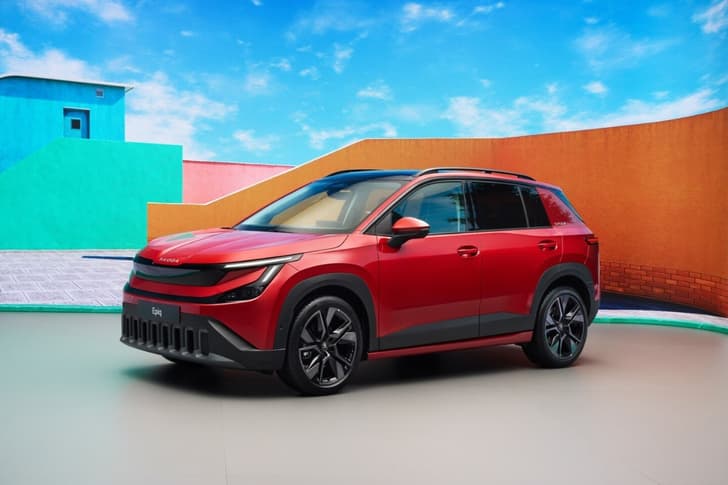
Skoda cars in India (9)
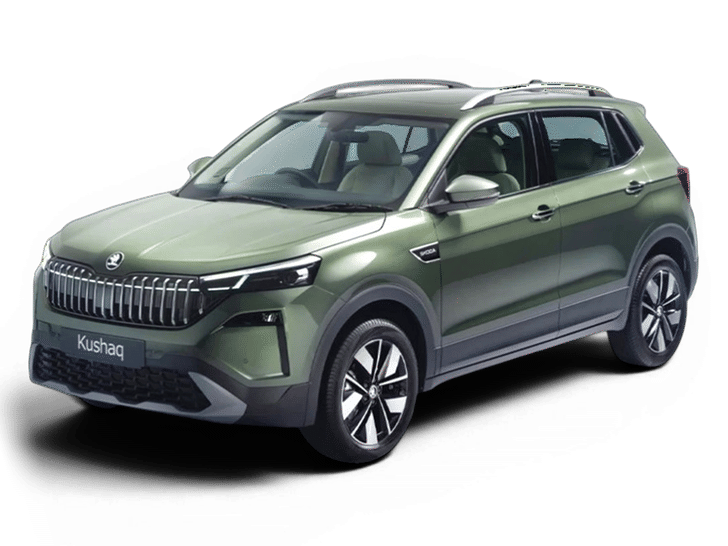
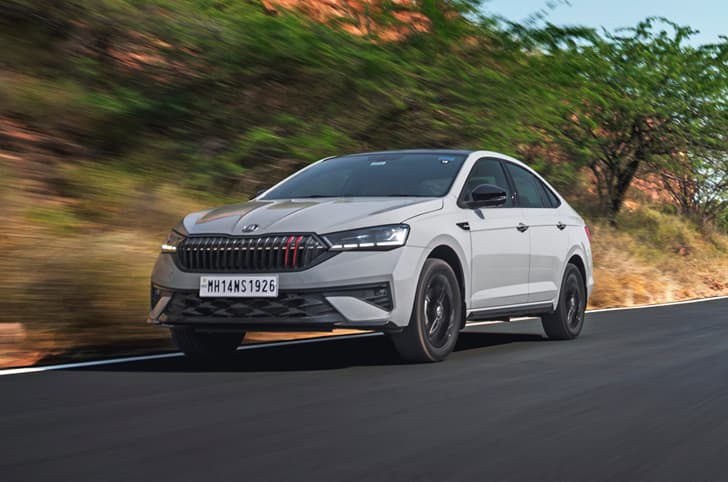
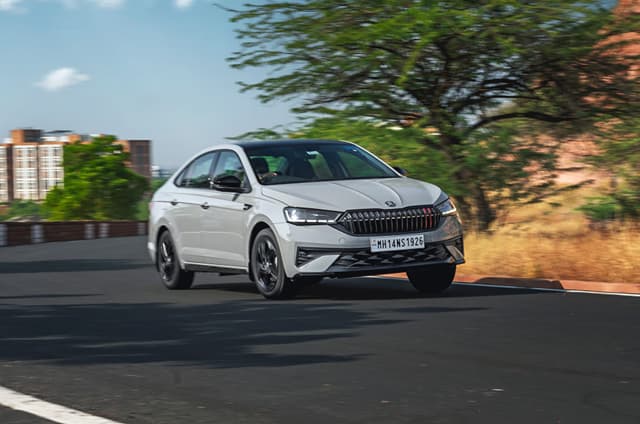
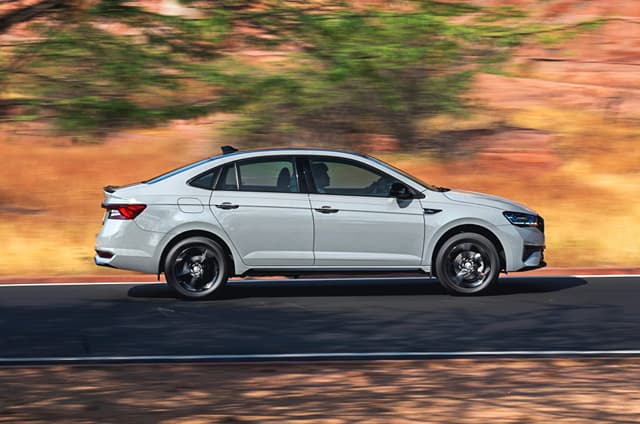
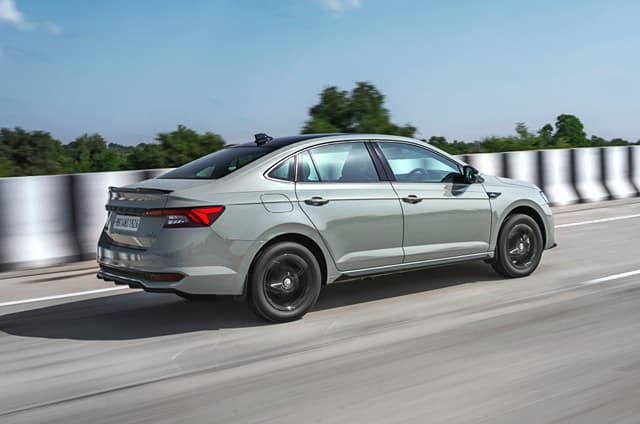
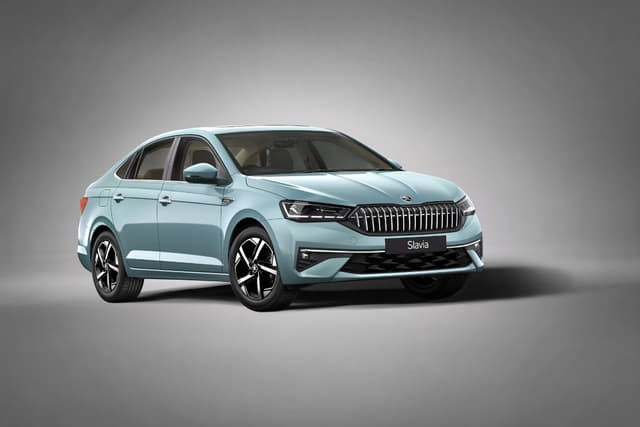
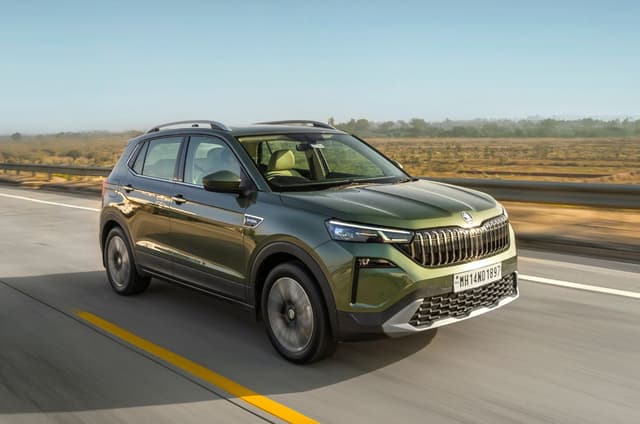
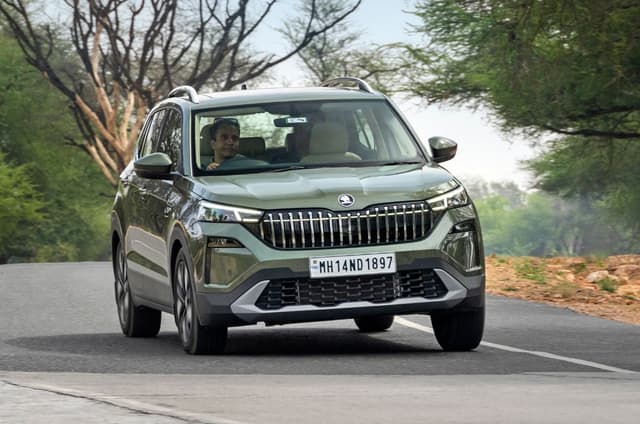
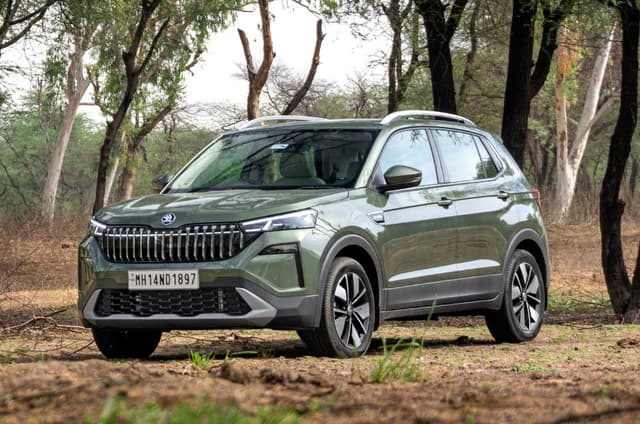
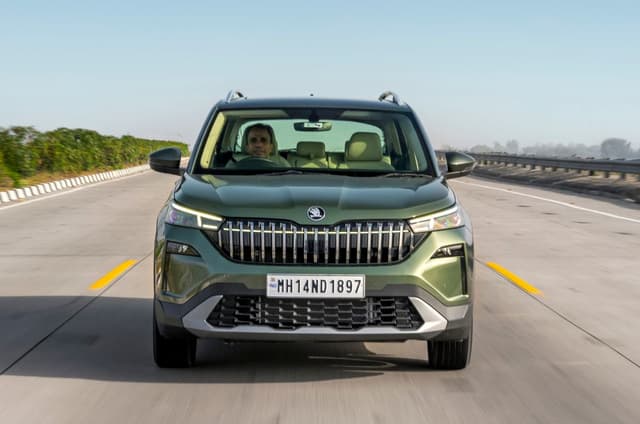
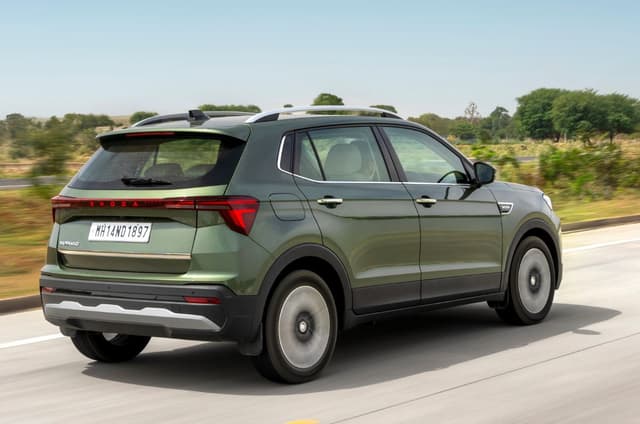
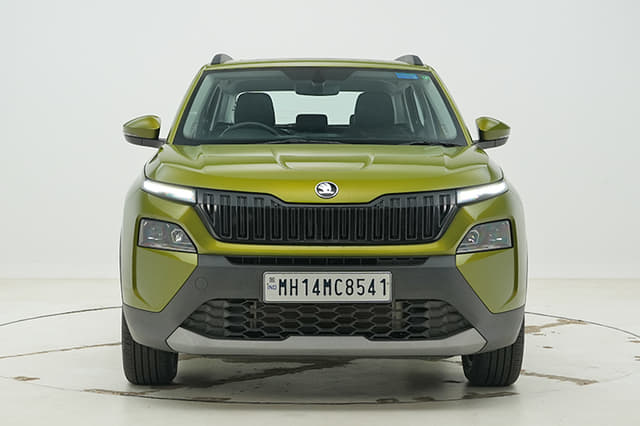
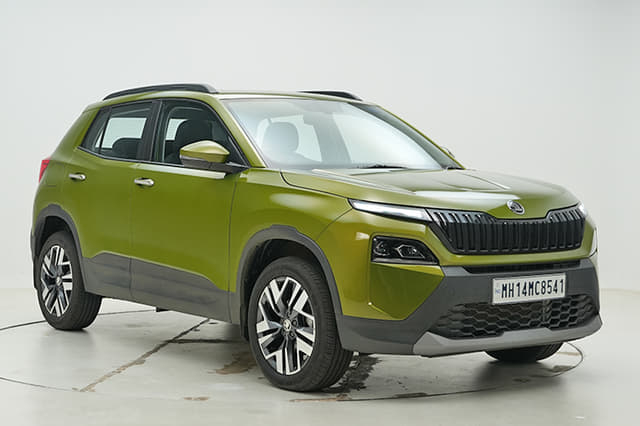
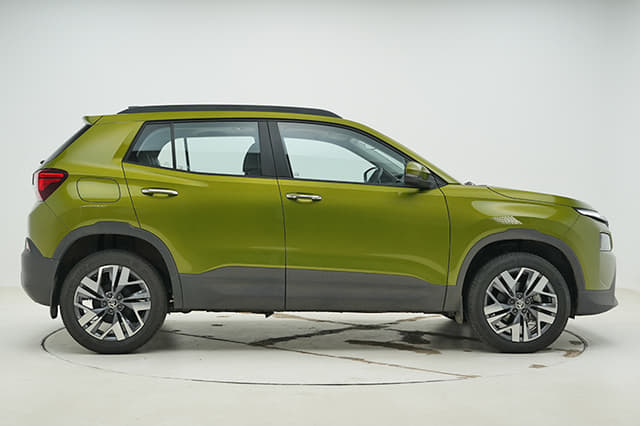
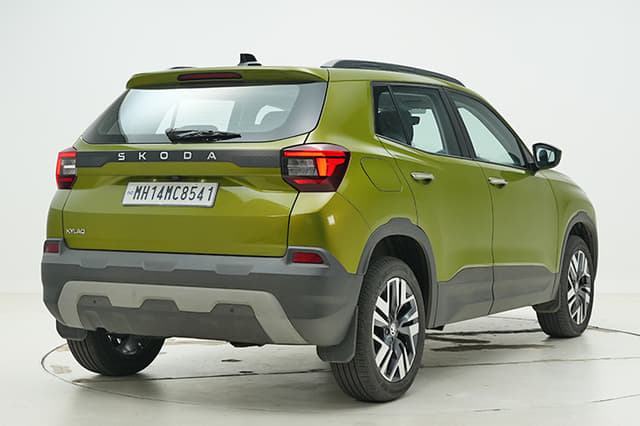
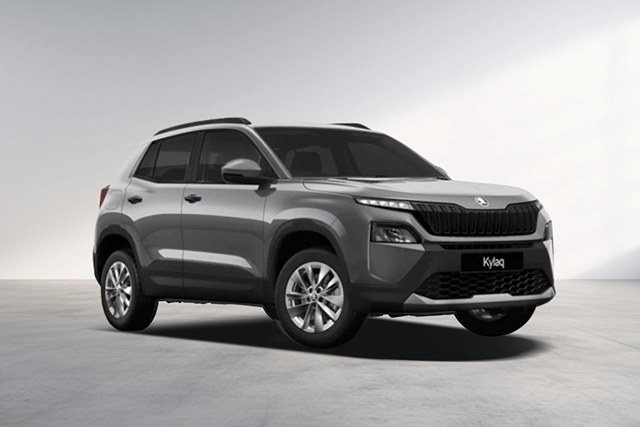
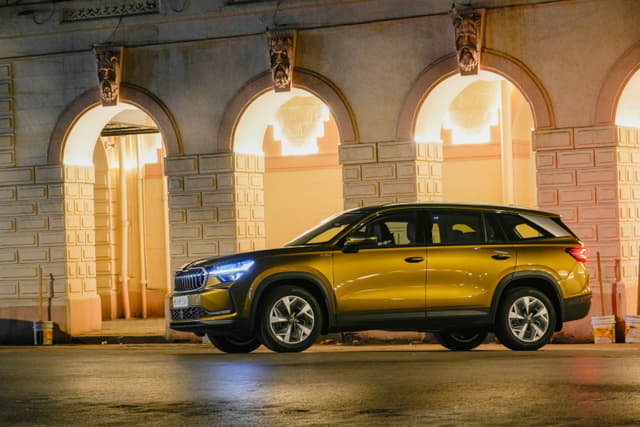
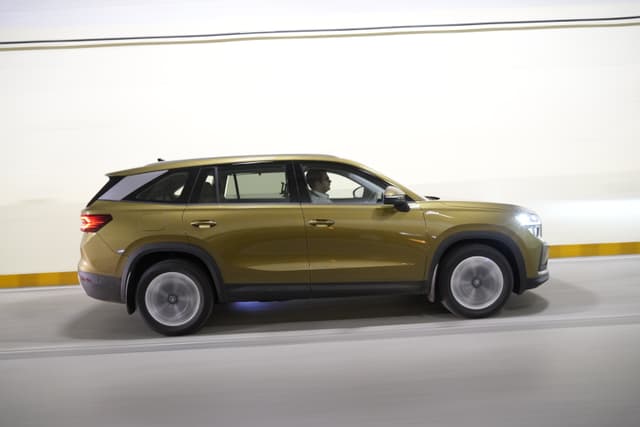
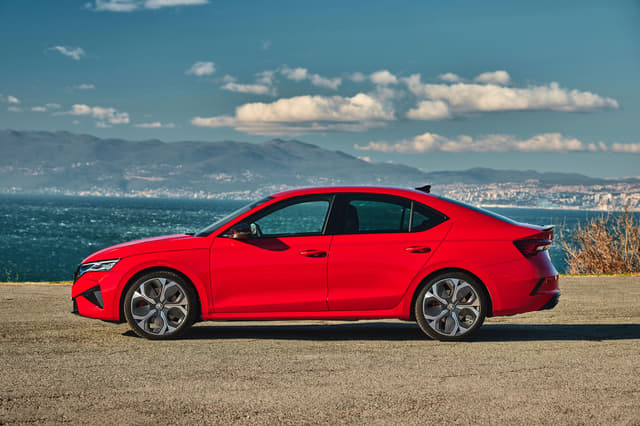
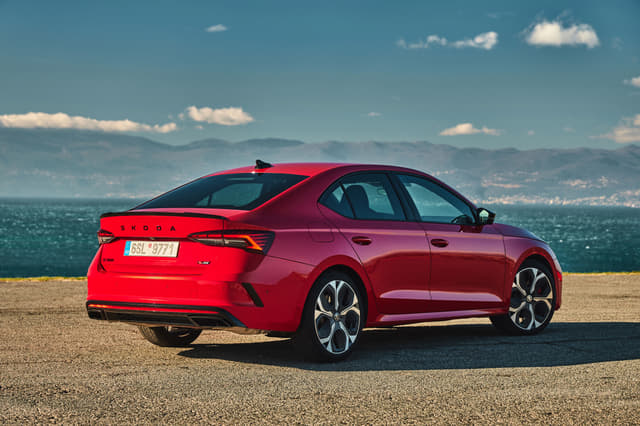
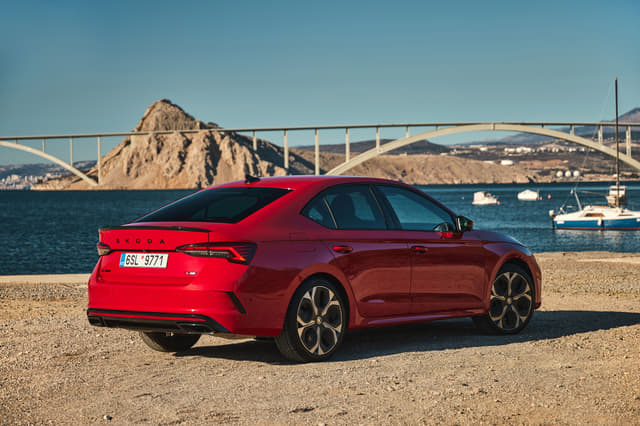
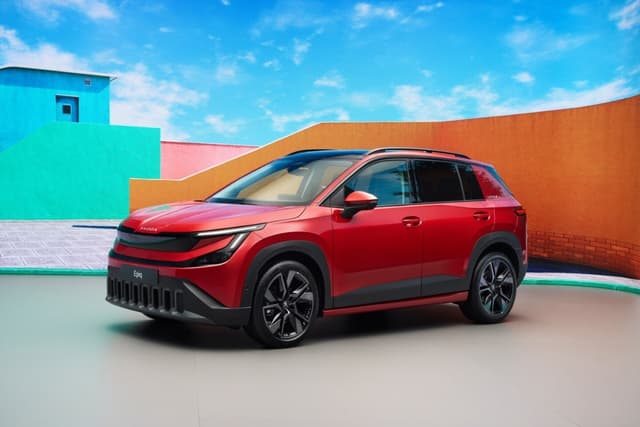
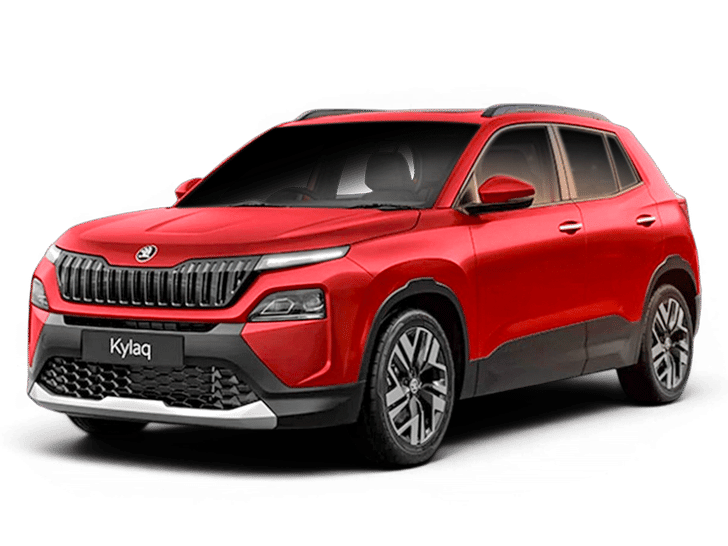
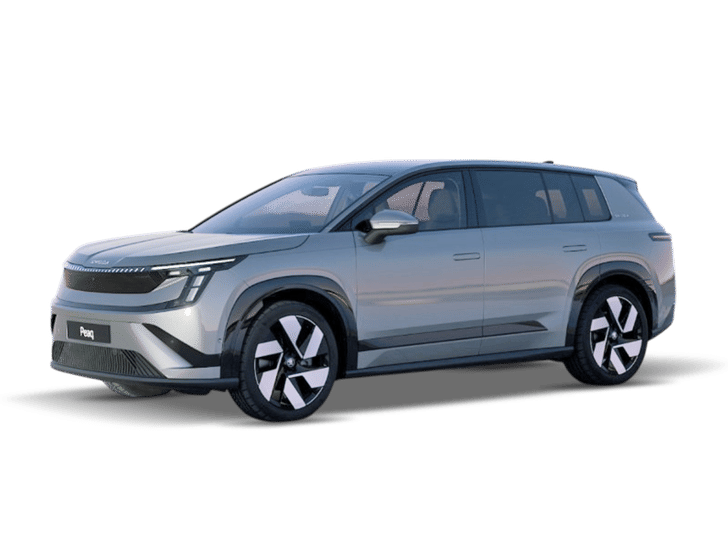
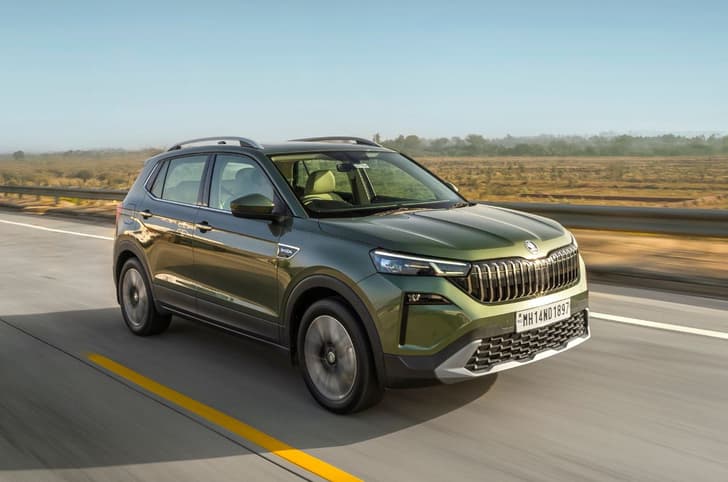
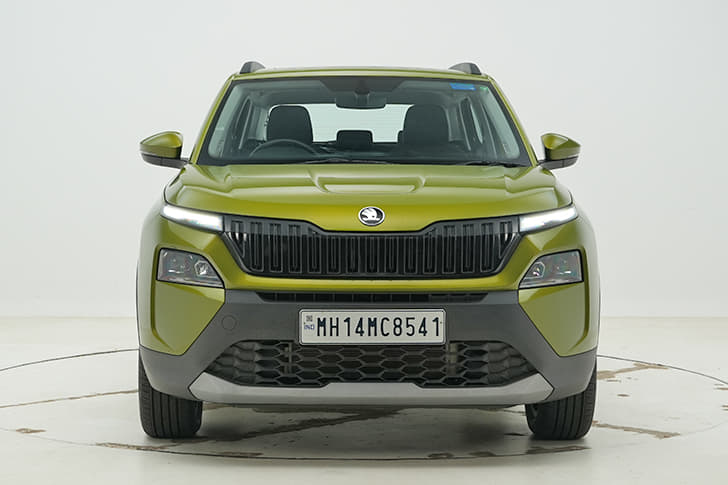
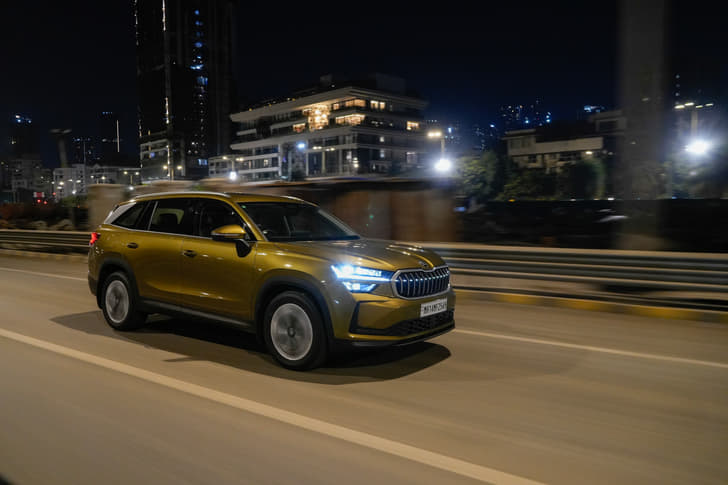
Skoda is a sister brand to Volkswagen in India, operating under the Skoda Auto Volkswagen India Private Limited umbrella. It is one of the affordable brands in India with products aimed at catering to driving enthusiasts, like Kylaq, Kushaq and Slavia. Skoda is liked for its elegant European designs, robust chassis and potent powertrains, enabling sorted driving dynamics.


Filter your search
Skoda Cars - FAQs
Yes. The only Skoda car under 10 lakh in India is the Kylaq. The Skoda Kylaq price starts at ₹7.59 lakh, ex-showroom.
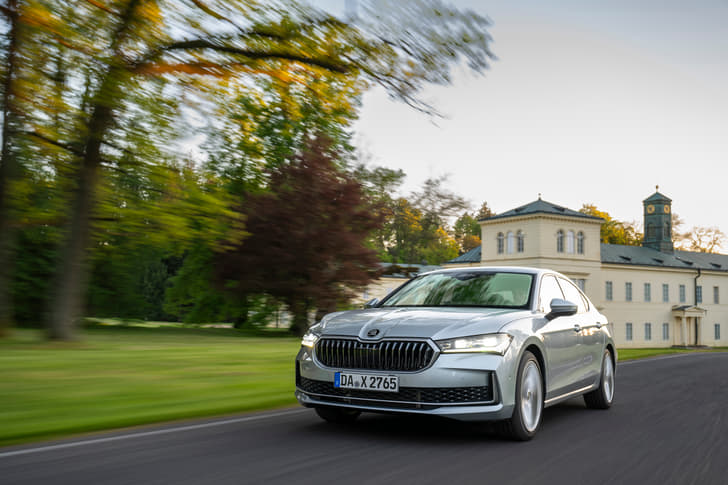
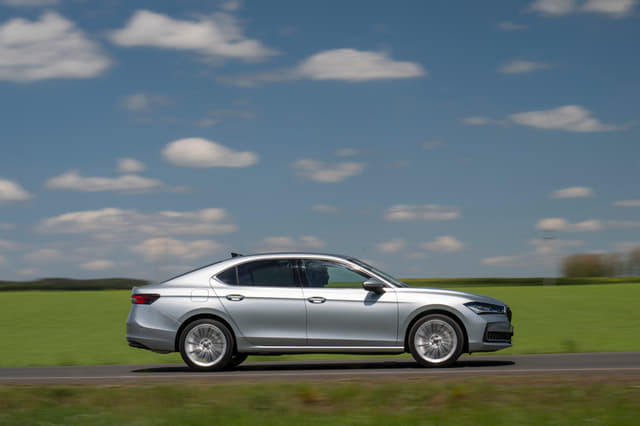
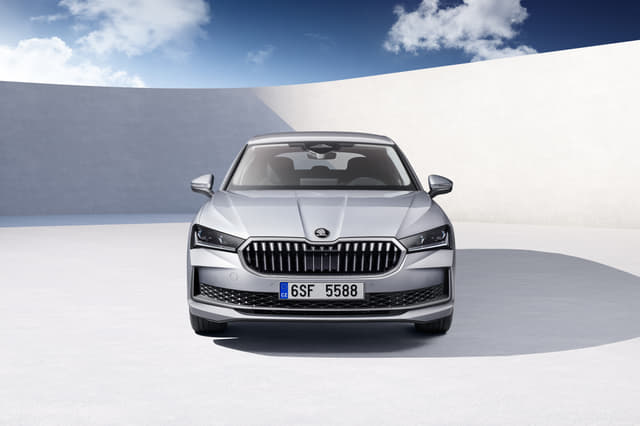
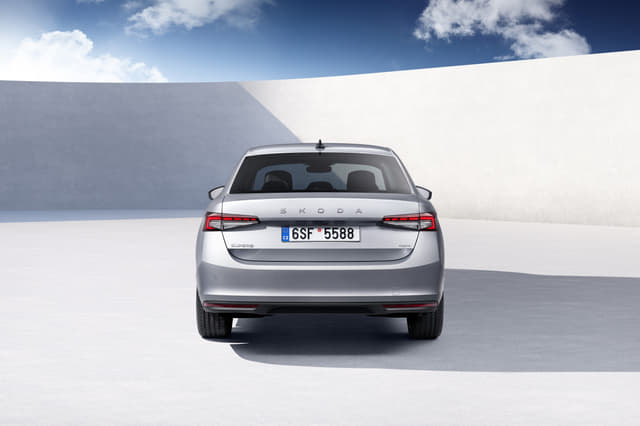
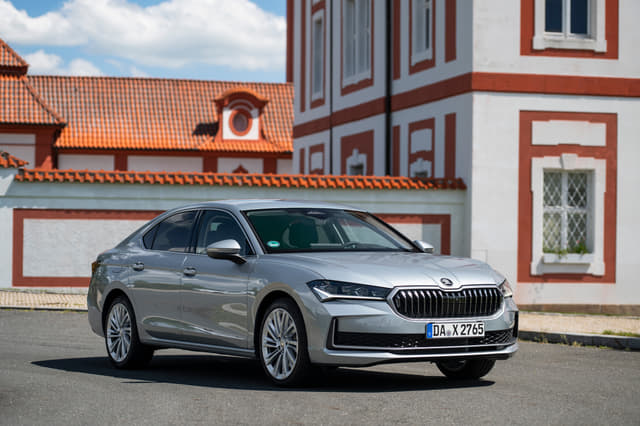
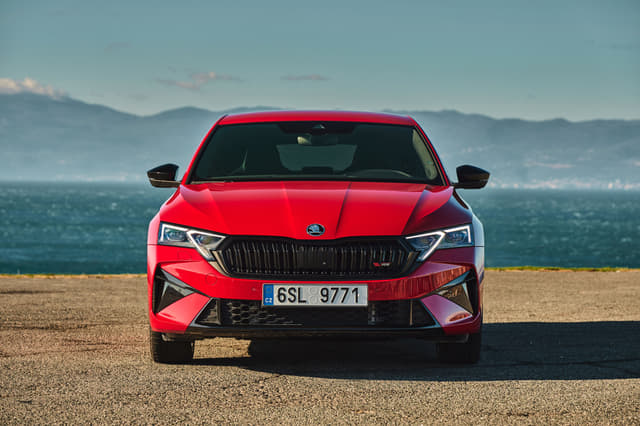
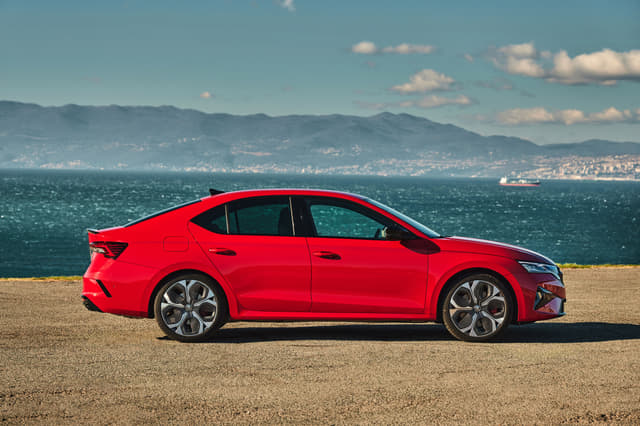
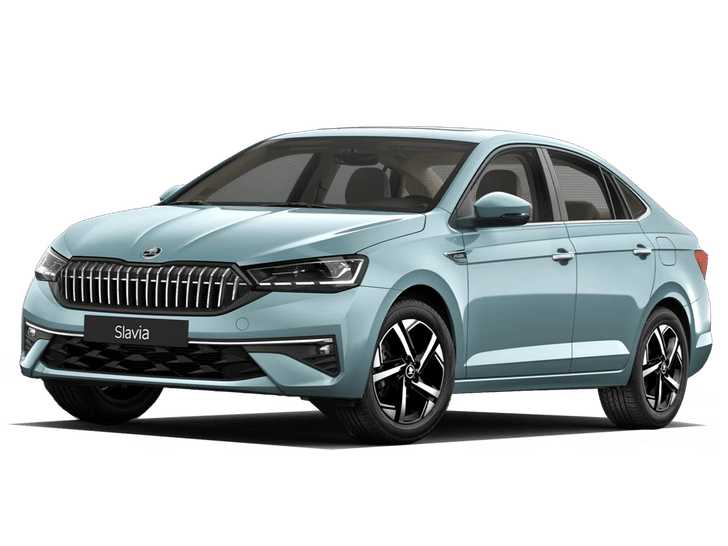
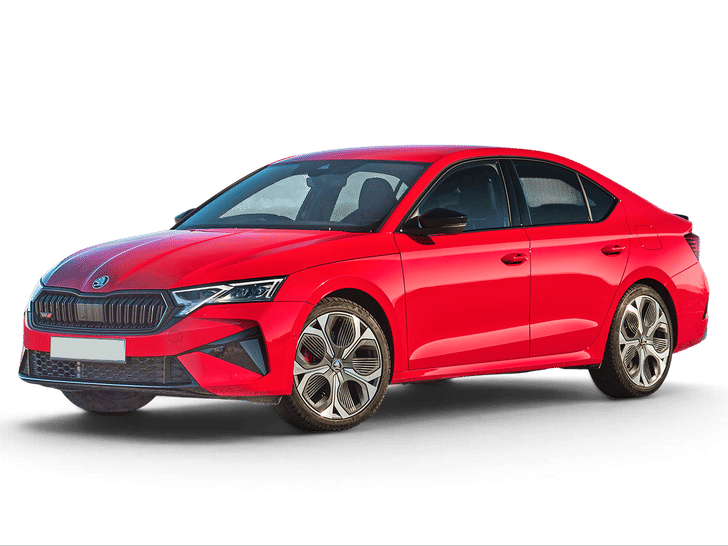
The Skoda Slavia is the only sedan on sale in India. The Octavia RS was also brought in limited numbers to the country. The upcoming Superb is the next sedan that will be offered by Skoda.
No. Presently, there are no Skoda diesel cars on sale in India. The manufacturer's lineup consists of petrol engine options only.
The cheapest Skoda car is the Kylaq, with a price starting at around ₹7.50 lakh (ex-showroom).
Yes. The Kylaq, Slavia, and Kushaq fall under the ₹20 lakh category.
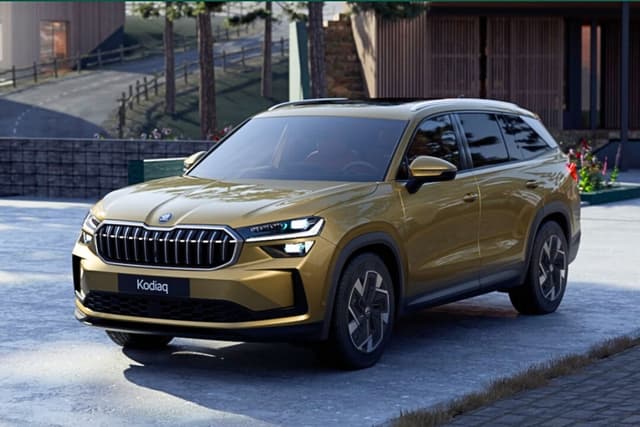
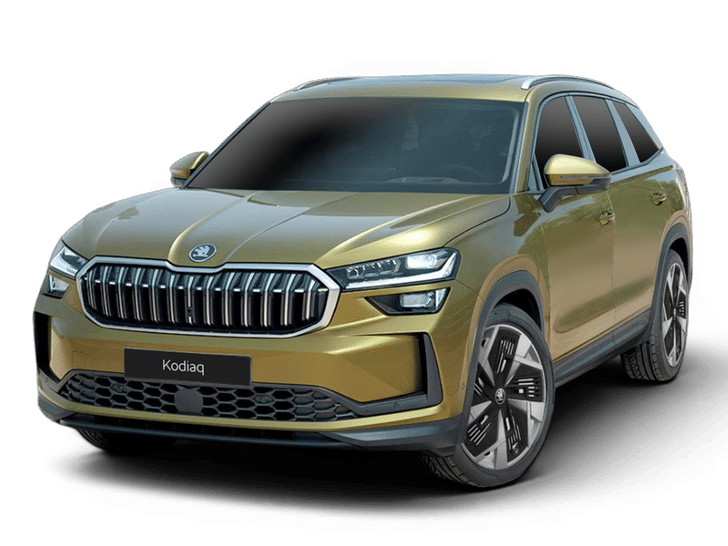
The Kodiaq is the most expensive Skoda car, priced at ₹46.49 lakh (ex-showroom).
Currently, there are 3 SUV cars available for sale in India. The Skoda SUV cars list includes the Kylaq, Kushaq, and Kodiaq.
Trending Questions on Skoda Cars - Answered by Autocar Experts
I am planning to buy Honda City V CVT. Is it still worth buying the Honda City in 2026 from a long-term (7-10 years) ownership and reliability standpoint? Or should I consider other cars in the segment, such as the Virtus, Slavia, or Verna?
Yes, the Honda City V CVT is still worth buying in 2026 from a long-term ownership and reliability perspective. The City remains one of the most dependable and well-rounded sedans in the segment, with a proven naturally aspirated petrol engine, smooth CVT gearbox and Honda's strong reputation for reliability and low maintenance costs. It is also a very comfortable and spacious family car, with a well-sorted ride and a premium ownership experience.The Volkswagen Virtus and Skoda Slavia are more driver-focused cars with stronger turbo petrol engines and a more engaging driving experience, but they do not have the same long-term reliability track record as the City. The Hyundai Verna is a strong all-rounder with a more feature-rich cabin and a more powerful turbo petrol option, but the City still feels more practical and better suited to long-term ownership.If your priority is a car that you can keep for 7-10 years with minimal fuss, the City remains the safest and most sensible choice in the segment. The only reason to look at the Virtus, Slavia or Verna would be if you specifically want a more powerful turbo petrol engine and good driving dynamics Otherwise, the City V CVT is still the benchmark for long-term ownership.
Hi, I am a regular reader of Autocar articles, and this time I thought of asking for some clarification. I have been using a 2022 Nissan Magnite CVT for the last 4 years, mostly for highway driving. I have noticed a significant drop in mileage after the introduction of E20 fuel, and I am doubtful about my vehicle's E20 compatibility. I checked with the dealer, but they simply said it is compatible with E20. However, the mileage drop I am experiencing, especially on highways, is quite significant. I am now planning to buy a new automatic SUV with good mileage. My budget is Rs. 17 lakh (on-road). Please advise.
Thank you for reading Autocar India and for your question. Your Magnite CVT is E20 compatible, so there is no need to worry about the engine. The drop in mileage you are seeing is normal. E20 petrol has a lower energy content than E10, so fuel efficiency drops by around 5-10%. This is expected and not a sign of a problem with the car.For your new car, your usage is mostly highway and you want good mileage with an automatic within Rs. 17 lakh on-road budget. The best fit is the Maruti Suzuki Victoris mild hybrid automatic. It is a petrol mild hybrid, so it delivers better highway efficiency than a standard petrol, and the automatic is a smooth torque converter unit that is reliable and well suited to long-term ownership. The Victoris is also a comfortable and spacious SUV with a proven ownership record.If you want a more premium feel and a slightly more engaging driving experience, the Skoda Kushaq 1.0 TSI automatic is a good alternative. It has a new 8-speed gearbox and the car feels more solid and planted on the highway. However, the Victoris will be the more efficient and easier car to own long term.If you are open to diesel, the Mahindra XUV 3XO diesel automatic is worth considering. It will deliver the best highway efficiency and strong performance, but diesel makes sense only if your annual running is high enough to justify the higher fuel and maintenance costs.Overall, the Victoris mild hybrid automatic is the best fit for your requirements. It delivers good mileage, a smooth automatic and a hassle-free ownership experience.
Hi, I currently own a March 2023 MG Hector Sharp CVT Petrol, top-end variant. The car is performing well except for the mileage, which is as low as 5 kpl. Would it be a good idea to sell the car and buy a used Skoda Kodiaq? If yes, I would like to hear your recommendations. Currently, I am being offered only Rs. 13 lakh for my car.
The MG Hector petrol CVT is a comfortable and feature-rich SUV, but its fuel efficiency is a known weakness, especially in city driving. However, switching to a used Skoda Kodiaq is unlikely to solve your mileage concerns. The Kodiaq is a larger, heavier SUV with a 2.0 TSI turbo petrol engine, and while it is more powerful and engaging to drive, it is not significantly more fuel efficient in real-world conditions. In fact, depending on your driving style and usage, it could even be thirstier than the Hector.The bigger issue here is the financial hit. Rs. 13 lakh offer on a 2023 top-end Hector is a steep depreciation, and moving to a used Kodiaq will likely require a substantial additional outlay. Unless you are genuinely unhappy with the Hector beyond just fuel efficiency, it is not a financially sensible move.If mileage is your primary concern, the better approach is to adjust your expectations or driving habits, or consider a hybrid or diesel SUV in your next purchase cycle. The Hector remains a comfortable and well-equipped SUV, and it is worth holding on to unless there is a stronger reason to change.
I am 65 years old and currently drive a Hyundai Eon Era Plus. I am planning to buy a new car with a budget of under Rs. 15 lakh. My usage is fairly limited - about 40 km per trip, 3-4 times a week, along with 2 - 3 long trips of around 600 km each year. My priorities are: Good fuel efficiency, Low maintenance costs, Comfortable seating for five people, Good ground clearance, and a commanding driving position with good road visibility. I have shortlisted the Honda Amaze, Maruti Suzuki Brezza Facelift, Hyundai Venue, and Skoda Kylaq. Which of these would you recommend?
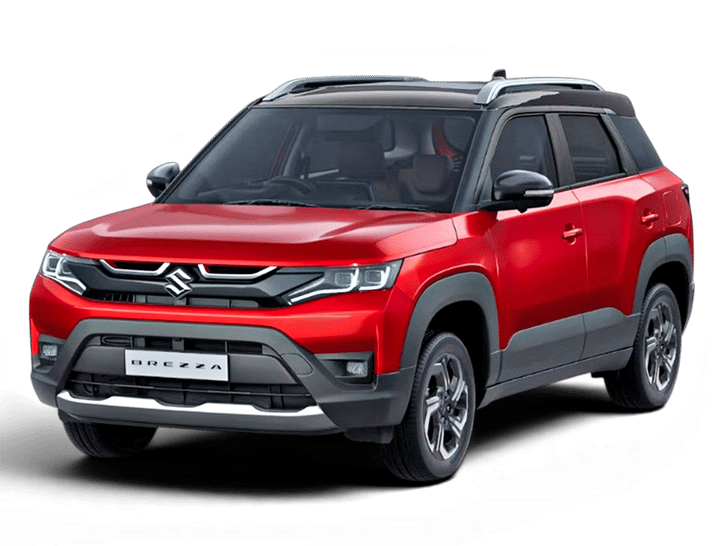
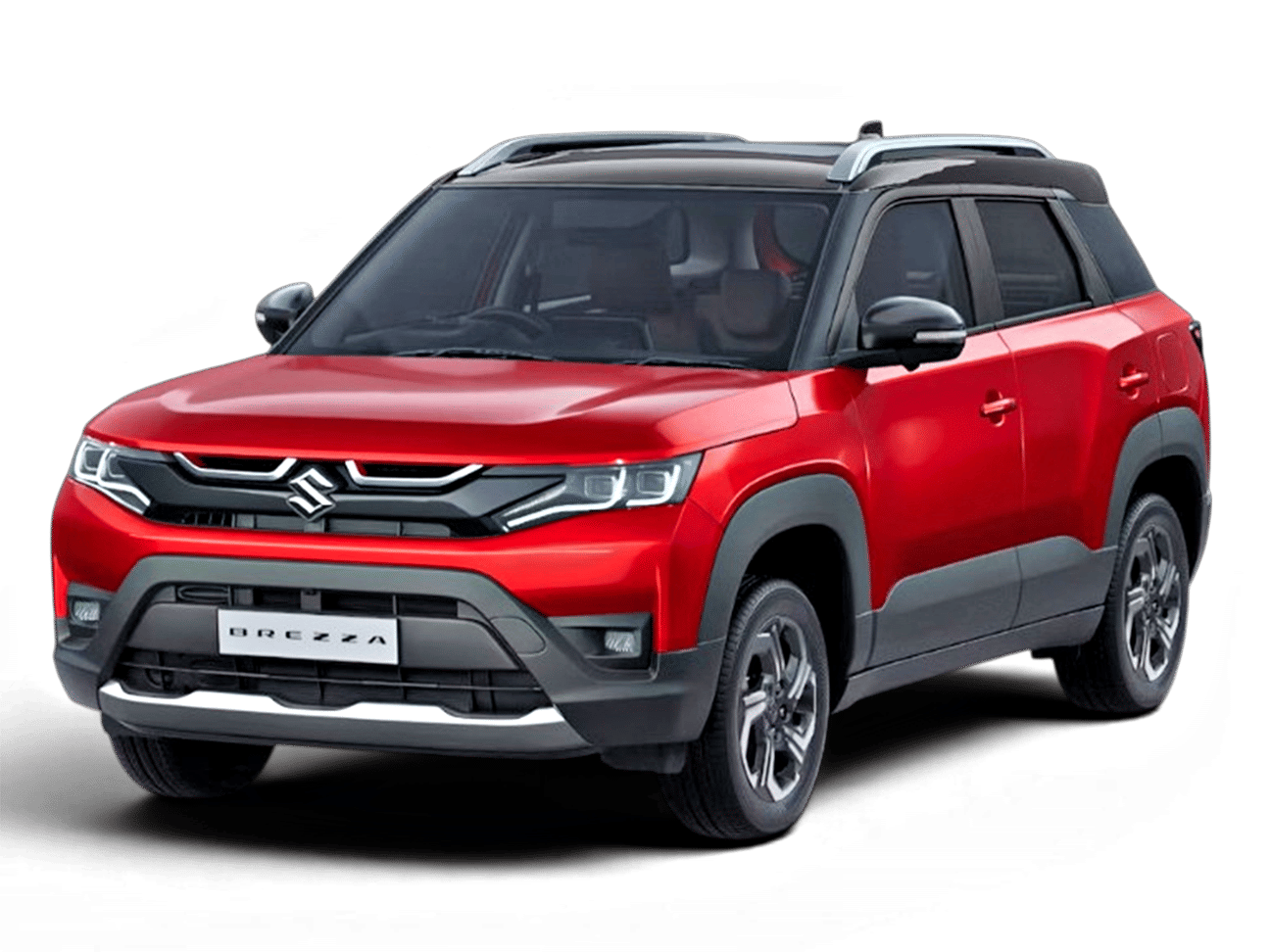
Based on your usage and priorities, the Maruti Suzuki Brezza is the most suitable choice. Your weekly running is low, so a petrol engine makes the most sense, and the Brezza’s naturally aspirated petrol engine is reliable, efficient and easy to maintain. It also offers good ground clearance and a comfortable ride, which will be helpful on your occasional long trips. This Maruti Suzuki car is also one of the more spacious compact SUVs, making it a comfortable option for five passengers. The upcoming facelift is expected to add the 1.0-litre turbo-petrol engine from the Fronx as an option, but given your requirements, the existing naturally aspirated 1.5-litre petrol is the better option.The Honda Amaze is a good sedan, but it does not offer the same ground clearance, road presence or interior space as the Brezza. The Hyundai Venue is a strong alternative, and the Skoda Kylaq is a good driver’s car, but the Brezza has an edge in terms of reliability, long-term ownership costs, as well as the price itself.Overall, the Brezza strikes the best balance between fuel efficiency, low maintenance, comfort and practicality for your needs.
We are planning to upgrade from i20 Magna CVT 2018 model to a newer car under Rs.15 lakhs. My top priority is Kylaq Prestige+ AT due to the way it drives as per my experience during the test drive. It handles so well and just blazes past other cars for quick overtakes. However I am worried about its fuel efficiency. Is it gonna be too low? My second option was Venue HX5 Diesel Automatic but from what I am seeing so far with the DPF issues, I am worried that this car would be a bigger risk in the long term. That's because our long highway drives would only be once or twice a month at max, and sometimes not even that. Also, I am not seeing a lot of good reviews about this variant's mileage even though its a diesel engine. I am not planning for Mahindra or Tata since my previous experience with these brands has been sub-par. Usage-wise, we drive around 700 to 750 km monthly with a mixed use of 40% highways and 60% city roads where the traffic can get intense during peak hours in the evening. Please advice.
Go for the Skoda Kylaq Prestige+ AT. Your usage of 700-750 km a month with a 40:60 highway-to-city split does not justify a diesel, especially given your concerns about DPF issues and the fact that your highway runs are only once or twice a month. The Kylaq’s 1.0 TSI turbo petrol paired with the 6-speed torque converter automatic is a proven and reliable combination, and the car’s strong mid-range performance makes overtaking effortless, which you have already experienced on your test drive.Fuel efficiency is not the best and in our real world tests the Kylaq returned 8.7 kpl in the city and 13.6 on the highway when driven normally. Of course a diesel car is more efficient but for your running, the savings will not be very substantial over the life cycle of the car, especially when you factor in the lower purchase price of a petrol over a diesel. The Kylaq also offers a more engaging driving experience than the Venue, with better handling and a more planted feel on the highway.
Last Updated on: 25 Jul 2026