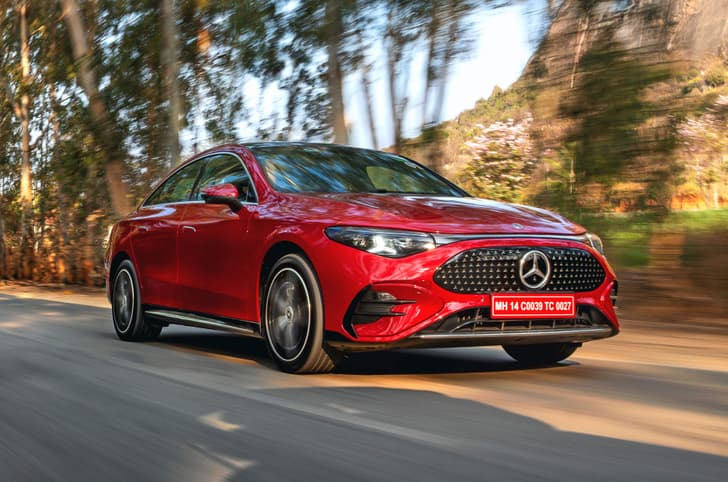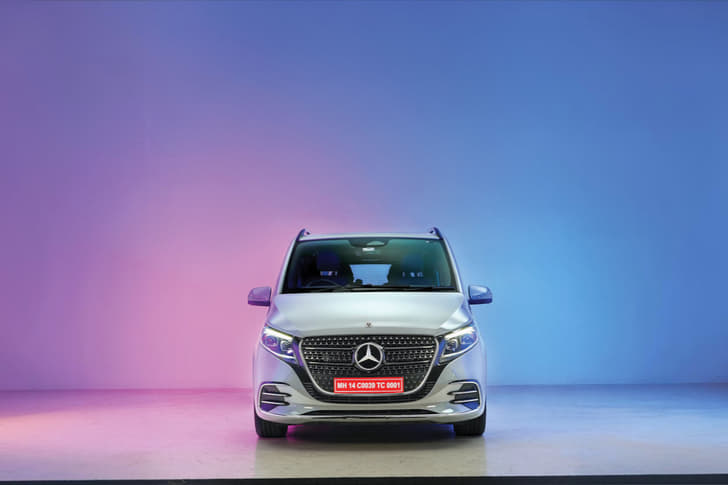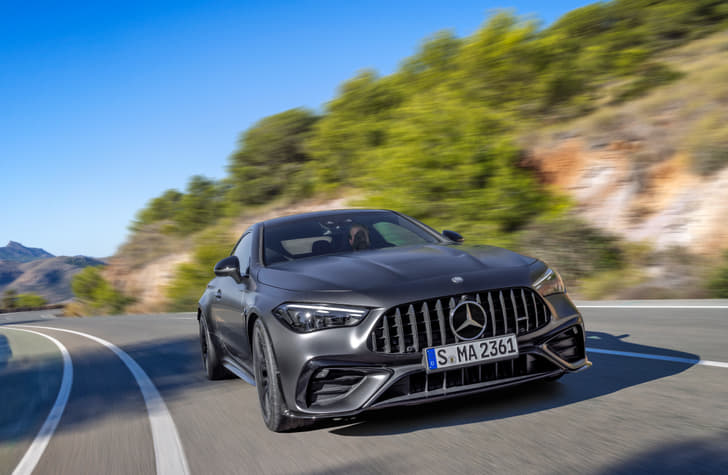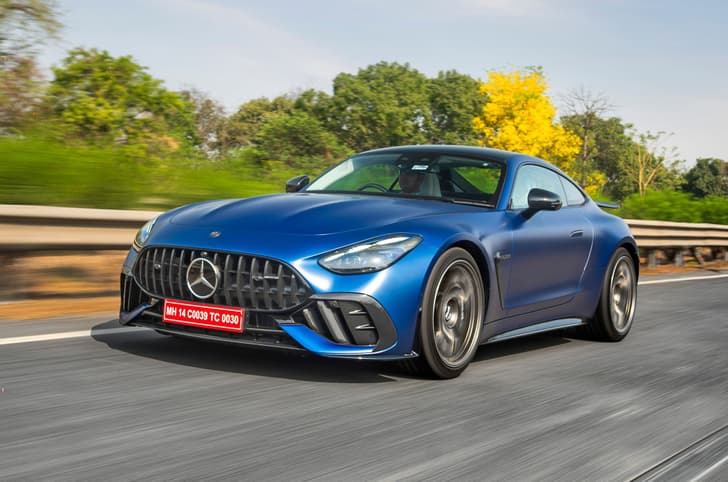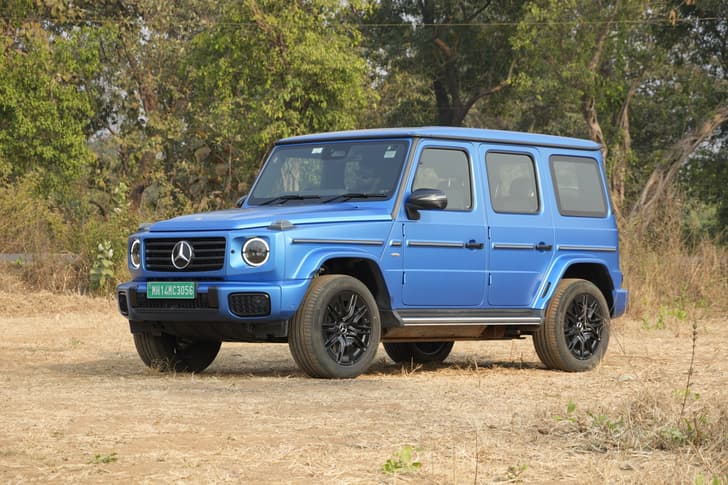
Mercedes-Benz India has announced a price hike of up to 2 percent across its models, including EVs. The company says the increase in car prices, effective January 1, is because the “Euro-INR exchange rate consistently remains above the Rs 100 mark”.
- Mercedes says price hikes vary from model to model
- Cost of imported parts and CBUs affected by Euro-INR exchange rate
Why Mercedes car prices are increasing
Exchange rate volatility, higher input prices, rising logistical expenses and inflation hit overall costs.
Regarding the price hike, Mercedes-Benz India MD and CEO, Santosh Iyer, said the euro-rupee exchange rate has been unfavourable for longer than anticipated this year. “This prolonged volatility affects every aspect of our operations, from imported components for local production to completely built units (CBUs). In addition, rising input costs and increasing logistical expenses, in combination with inflationary costs, have significantly increased our overall operational costs,” he said.
While price hikes vary by model, the biggest impact will be on CBUs. Even the prices of locally assembled cars with imported components will increase. Mercedes’s Pune plant assembles the A-Class Limousine, GLA, C-Class, GLC, E-Class LWB, GLE, S-Class, GLS, Maybach S 580, EQS 580 sedan and EQS SUV 450. The rest of the EVs, Maybachs and AMG performance models in its portfolio are imported.
Commenting further on the rise in prices, Iyer lauded the Reserve Bank of India’s continuous repo rate reduction that enables “Mercedes-Benz Financial Services (MBFS) to pass on the benefits to end customers, thereby mitigating the price-increase effect to a large extent.” The brand claims that MBFS facilitates about 50 percent of its sales in the country and that 80 percent of those who buy a Mercedes-Benz car use financing.
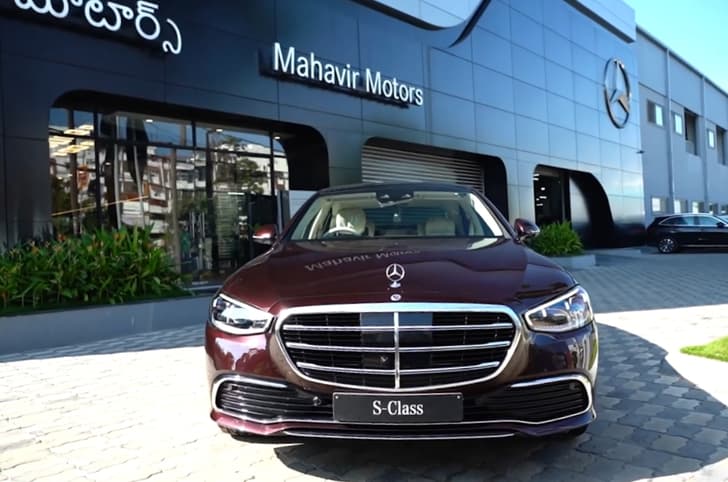
Image source: Mercedes-Benz Mahavir Motors via YouTube


 Viraaj Bhatnagar
 Dipan Sur
 Dhruv Dhaka
 Saptarshi Mondal