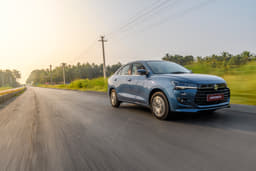

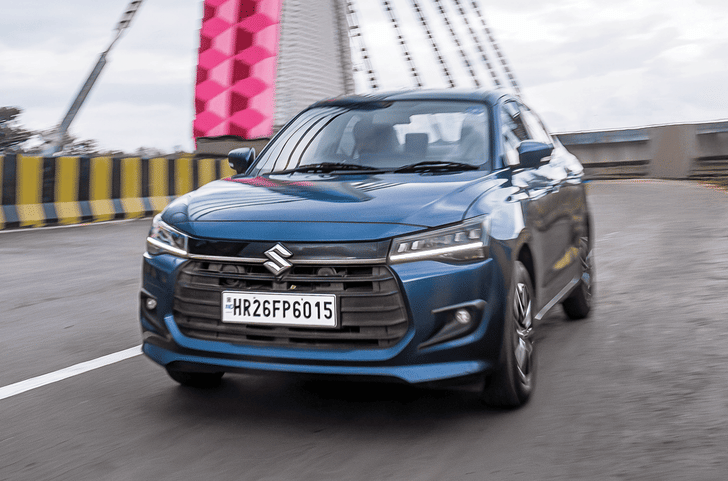
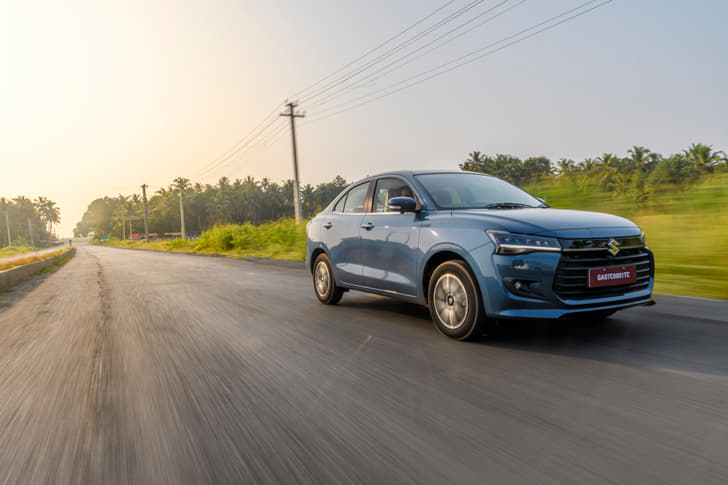
The Maruti Suzuki Dzire has long been India’s favourite compact sedan, a car that promises big-car comfort and small-car convenience, wrapped in the carmaker's tried-and-tested reliability. Over the past several months, I’ve lived with a 1.2-litre petrol manual Dzire, using it mostly for my daily home-to-office commute across Mumbai’s infamous Western Express Highway. It’s been my everyday companion through the chaos of peak-hour traffic and the occasional weekend grocery run. And after a good few thousand kilometres behind its wheel, here’s what it’s been like.
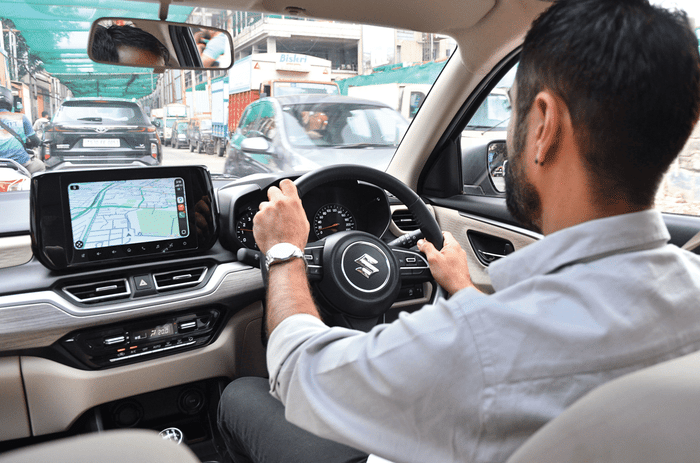
The first thing that strikes you about the Dzire is how compact and manageable it feels. In a city like Mumbai, where every inch of tarmac is contested territory, the Dzire’s small footprint and easy manoeuvrability are a blessing. Slotting it into tight parking spots or squeezing through narrow lanes is almost effortless. Yet, despite its small size, it doesn’t feel tinny or compromised, and there’s a sense of maturity in the way it drives.
I like the interiors, which feel airy, and the cabin is well-laid-out too. The light beige interiors make the space feel larger than it is, and visibility all around is excellent, another plus in urban driving. The only downside of having beige interiors is that they get dirty very easily. Mumbai’s mix of humidity, dust, and the occasional coffee spill meant that the seats soon picked up visible stains.
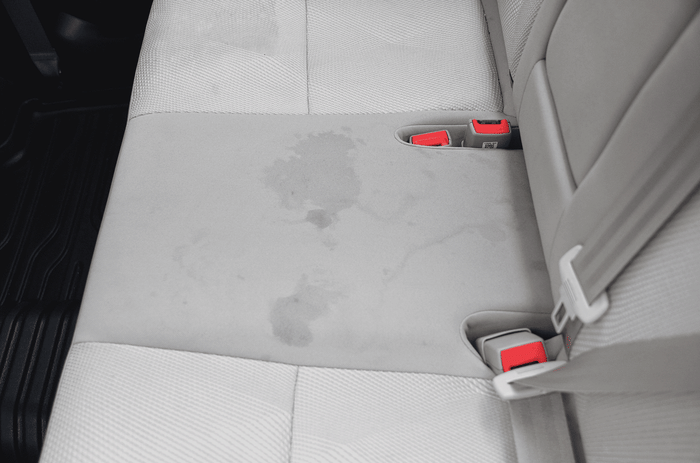
Even with regular cleaning, some marks just refused to go away. It’s not something that affects the driving experience, of course, but if you’re particular about cleanliness, you’ll find yourself fighting a losing battle. A darker interior option would definitely have been more practical for Indian conditions. The seats are comfortable for city commutes, and the driving position is spot-on. Everything feels thoughtfully placed, and you quickly develop that familiar Maruti ease where everything just works.
The Dzire’s 1.2-litre petrol engine isn’t a powerhouse, and if you go looking for excitement, you won’t find much. But for what it’s meant to do, it’s almost perfect. The engine is smooth, refined and incredibly easy to live with. It pulls cleanly from low revs and feels relaxed at city speeds. The gearbox is slick, and the clutch is wonderfully light. Even after hours of stop-go traffic, your left leg doesn’t protest. That light clutch action is easily one of the highlights of this manual Dzire. It makes driving in bumper-to-bumper traffic feel far less tiring. Combined with the car’s small dimensions and easy steering, it really is one of the friendliest manual cars to drive in Mumbai.
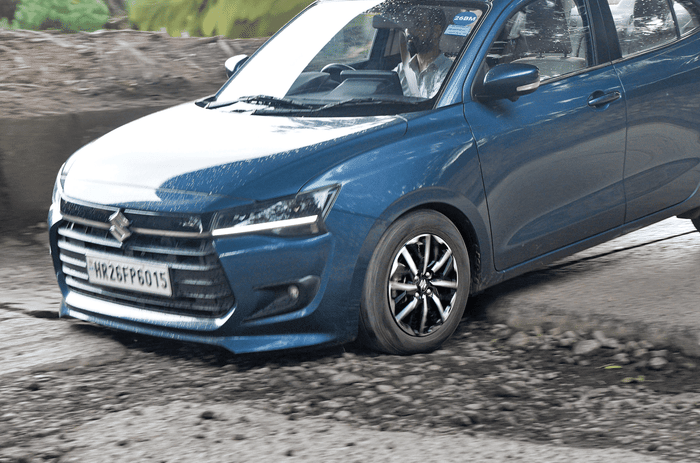
Another area where the Dzire genuinely impressed me is ride comfort. The car takes broken roads and potholes in its stride, with a suppleness that you don’t expect in cars of this size. The suspension feels well-tuned for Indian conditions – it soaks up bumps and ruts without crashing or tossing passengers around. Even when driven over rough patches, the Dzire maintains composure, and that gives it a reassuring, planted feel.
Noise insulation, too, is commendable for its class. Sure, you hear some road noise and the occasional thud from a deep pothole, but overall refinement levels are impressive. The engine hums along quietly, and at city speeds, the Dzire feels calm and well-mannered, exactly what you want in a daily commuter.
Maruti’s reputation for fuel efficiency isn’t just marketing fluff, the Dzire lives up to it. Over the long-term test, the car consistently delivered around 15km per litre in city driving, even with the air-conditioning on most of the time. That’s genuinely impressive, given Mumbai’s traffic conditions. On more open stretches or weekend highway runs, the figure climbed further north, often touching 18-19km per litre. The Dzire’s fuel efficiency was one major reason for me choosing to hog its keys, given my long daily commute, all within Mumbai city.
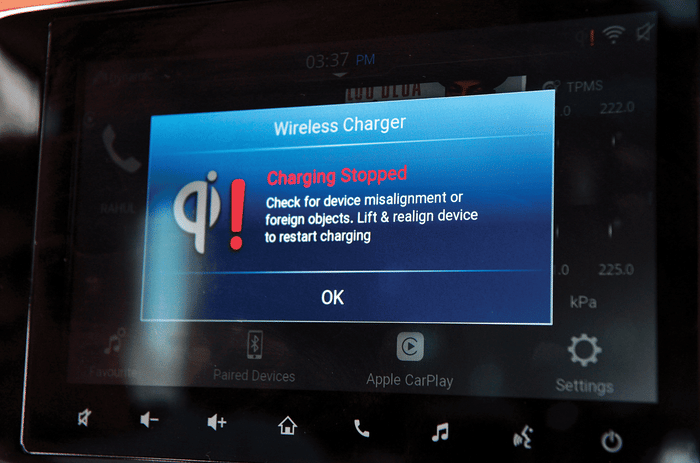
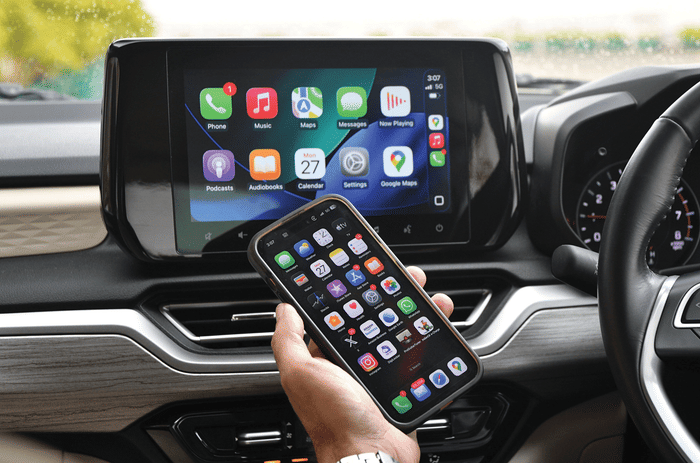
While the Dzire isn’t loaded to the brim with the latest gizmos, it does cover the essentials well. Wireless Android Auto and Apple CarPlay are a boon – no more fumbling with cables every time you get in. The connectivity worked seamlessly for the most part, making navigation and music streaming effortless. The wireless charging pad, though, was a bit of a mixed bag. It’s a handy feature in theory, but in practice, it often failed to deliver consistent charging. The problem? The phone would get displaced from the charging tray every time the car went over a rough patch, breaking the charging connection. It’s a minor flaw, but one that defeats the purpose of the feature.
After months of living with the Dzire, what stands out most is how easy it is to get along with. It’s a car that doesn’t try too hard to impress; instead, it wins you over slowly with its sheer practicality and user-friendliness. It’s small, efficient, comfortable and simple to drive. The light controls make traffic less stressful, the suspension cushions Mumbai’s worst roads with ease, and the fuel bills remain pleasantly low.
Sadly, it is now time to bid goodbye to this practical little long-termer, which did become more desirable than I had expected. Dzire, indeed.
Odometer 9,882km | Price Rs 8.86 lakh (ex-showroom, Delhi) | Economy 14.9kpl (overall) |
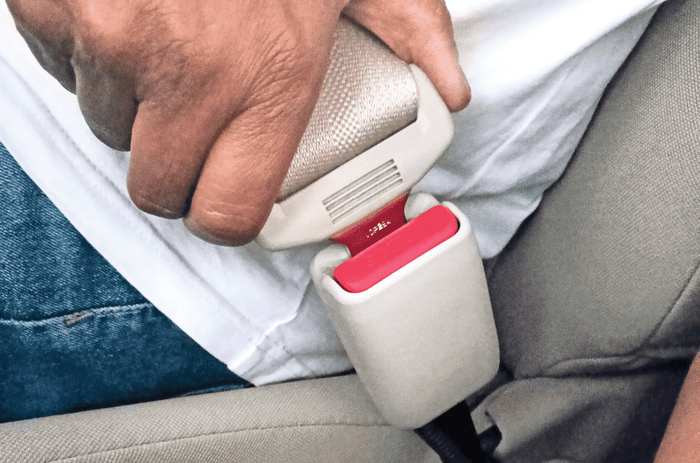
Faults Squeaky seat belt buckle | Previous reports August 2025, October 2025 |
 Gavin DSouza
 Sergius Barretto
 Hormazd Sorabjee
 Nikhil Bhatia
 Lenny D'sa