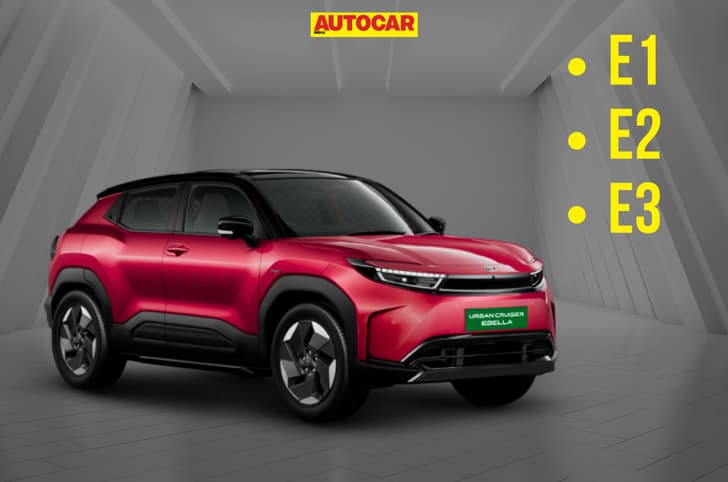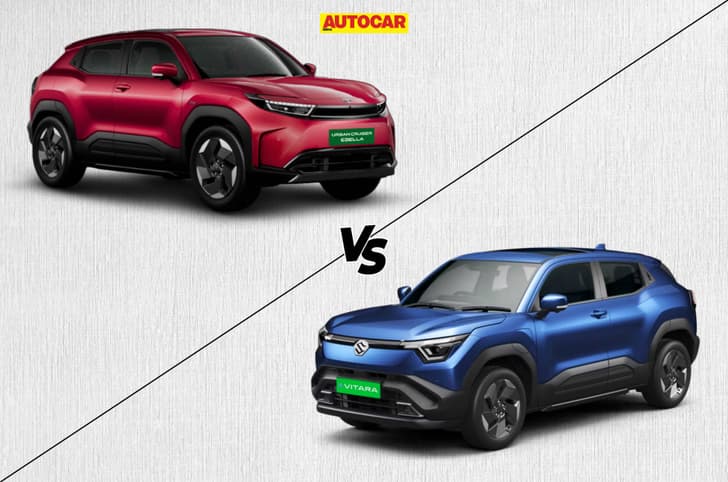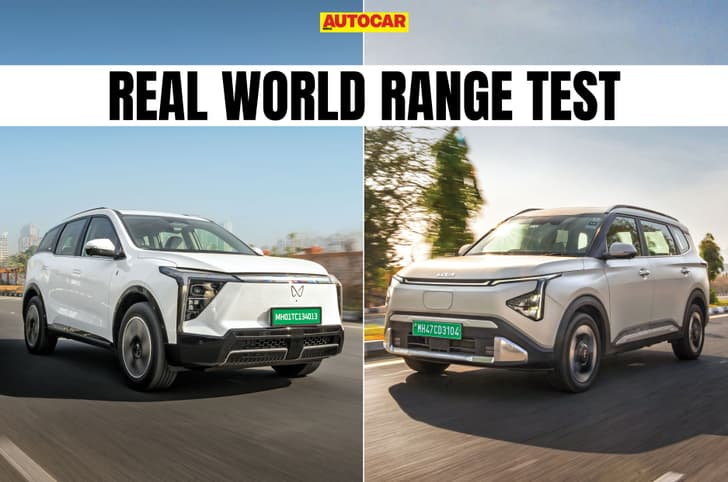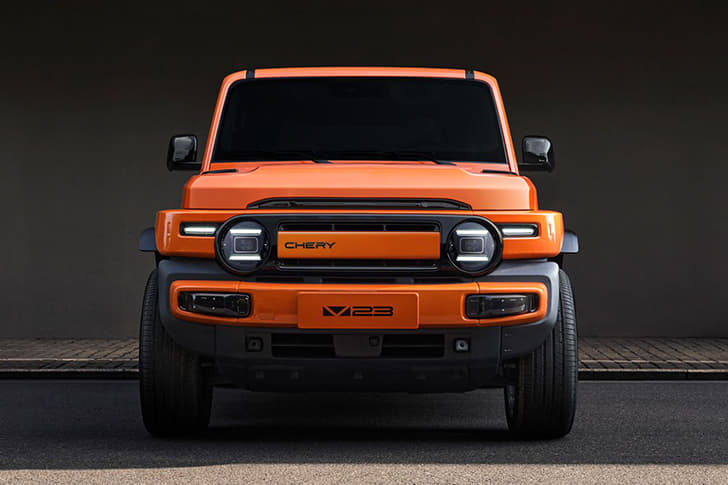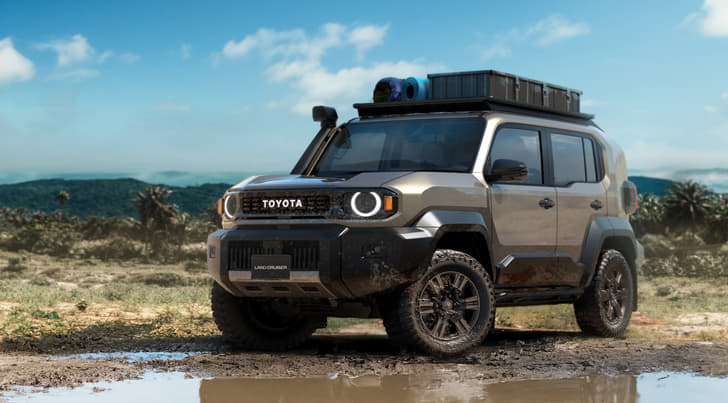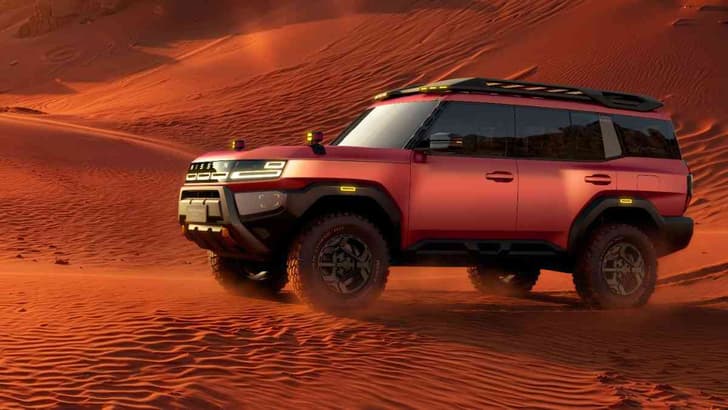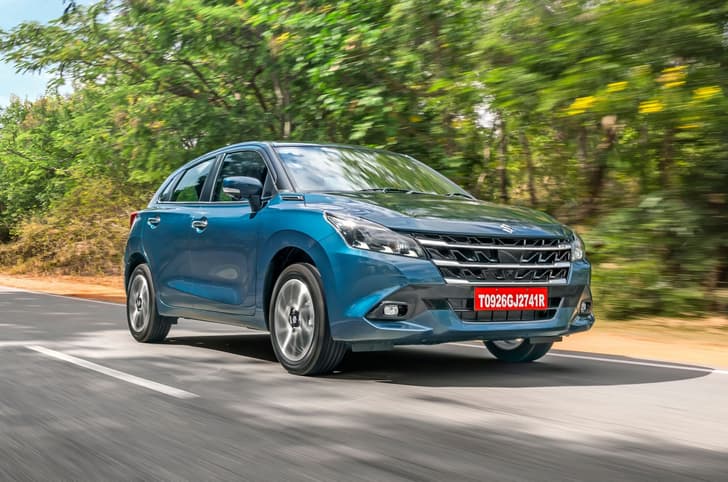

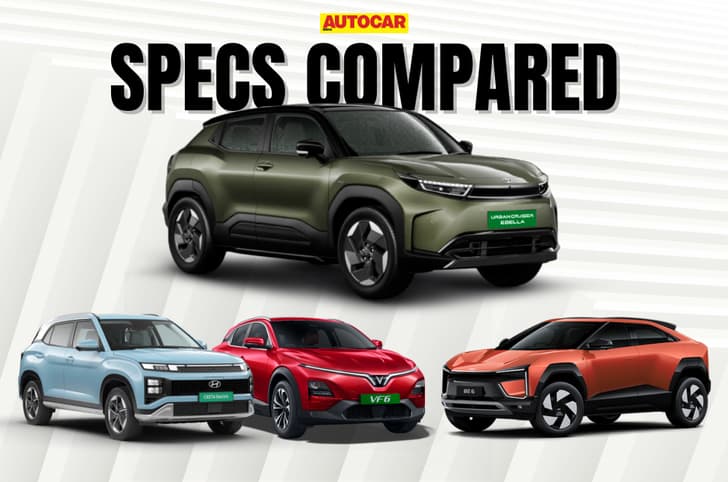
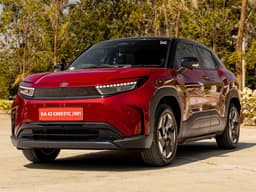
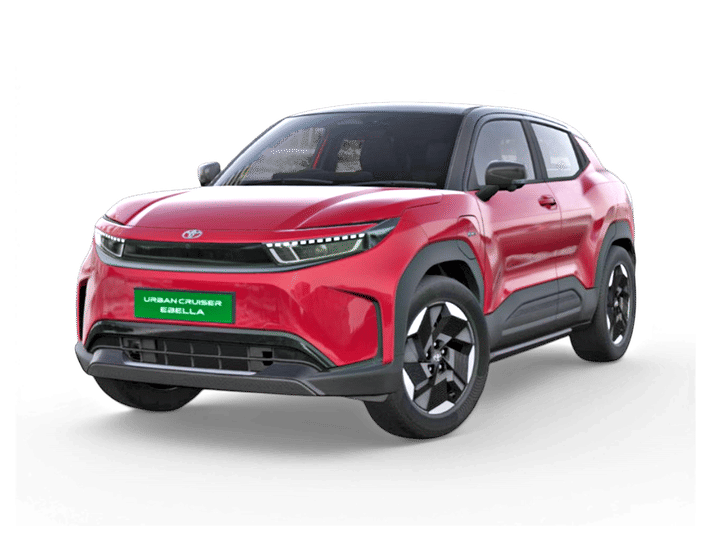
The all-electric midsize SUV segment has come a considerably long way since the MG ZS EV was the only offering back in 2020. Today, buyers have the Tata Curvv EV, Hyundai Creta Electric and Mahindra BE 6 to choose from, along with the aforementioned MG SUV and two badge-engineered twins, the Maruti e Vitara and Toyota Urban Cruiser Ebella, which are set to arrive shortly, bringing the total number of electric midsize SUVs to six – or seven if one includes the upcoming Tata Sierra EV. Here, we see how the recently revealed Urban Cruiser Ebella compares in terms of specifications with its rivals.
Toyota Urban Cruiser Ebella dimensions vs rivals
Ebella is smaller and weighs less than the BE 6, but it is heavier than other rivals.
*Approximate values
In terms of size, the Toyota Ebella sits in the middle of the segment. The Mahindra BE 6 is by far the biggest and heaviest EV here, with the largest wheels and tyres, while the Hyundai Creta Electric is the narrowest and among the lightest, along with the Curvv EV, which has the shortest wheelbase. Do note that all the figures for the Maruti e Vitara are approximate but should be close to the Ebella’s. The MG ZS EV has the smallest tyres here, with the Creta Electric having a marginally higher figure.
Toyota Urban Cruiser Ebella battery and range vs rivals
Ebella has the second largest battery and the second highest ARAI range.
*Approximate values
^Does not account for Extra Urban Driving Cycle
`20-80 percent state of charge
#0-80 percent state of charge
While the Mahindra BE 6 offers the largest battery option, the most power, and the longest ARAI range figures by a significant margin, the Toyota Ebella and, by extension, the Maruti e Vitara have the second largest battery pack option and the second highest ARAI range figure. However, the badge-engineered models have the lowest torque figures here, followed by the Tata EV. The Hyundai Creta Electric 42kWh battery has the lowest power and range figures here, though one should note that the MG ZS EV’s range is based on the older testing cycle that does not account for a highway run, which is why it is relatively high.
Even in terms of DC fast charging, the BE 6 is capable of sustaining the highest charging speeds, achieving an 80 percent top-up the quickest. The Curvv EV is the second-fastest, while Toyota and Maruti’s badge-engineered models stand third. The Creta Electric and the ZS EV are the slowest-charging models here.
On paper, then, the Toyota Ebella comes across as sitting in the middle of the pack. Once prices are announced, we’ll be better able to judge how Toyota’s first EV for India compares against its midsize SUV rivals.



 Uday Singh
 Glenn Noronha
 Dipan Sur
 Dhruv Dhaka