
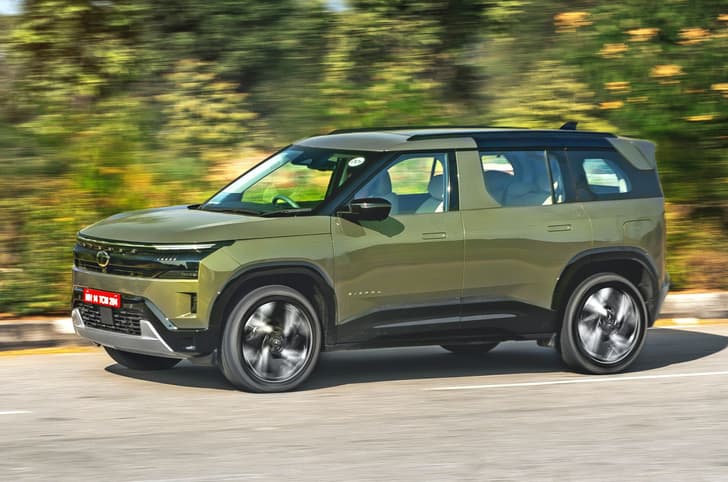
Tata Motors has launched the new Sierra in the midsize SUV segment, taking on popular models such as the Hyundai Creta and Maruti Suzuki Grand Vitara. With the 2025 Sierra, the automaker has revived a legendary nameplate, combining contemporary design with subtle nods to the original 1991 model. We recently drove the new Sierra’s turbo-petrol and diesel versions to see if the SUV has the same appeal and aura as the original. Here are three reasons to consider the new Tata Sierra and two reasons why you may want to think twice. Let us start with the pros:
Well-tuned balance between comfort and handling
A balanced ride quality makes driving pleasurable on all roads
Like other Tata models in India, the Sierra offers a comfortable ride that absorbs most road imperfections without feeling overly soft or unsettled. Low-speed bumps are handled cleanly, and as the speed increases, the SUV feels more stable and composed. On faster sections or winding roads, the Sierra remains predictable and controlled.
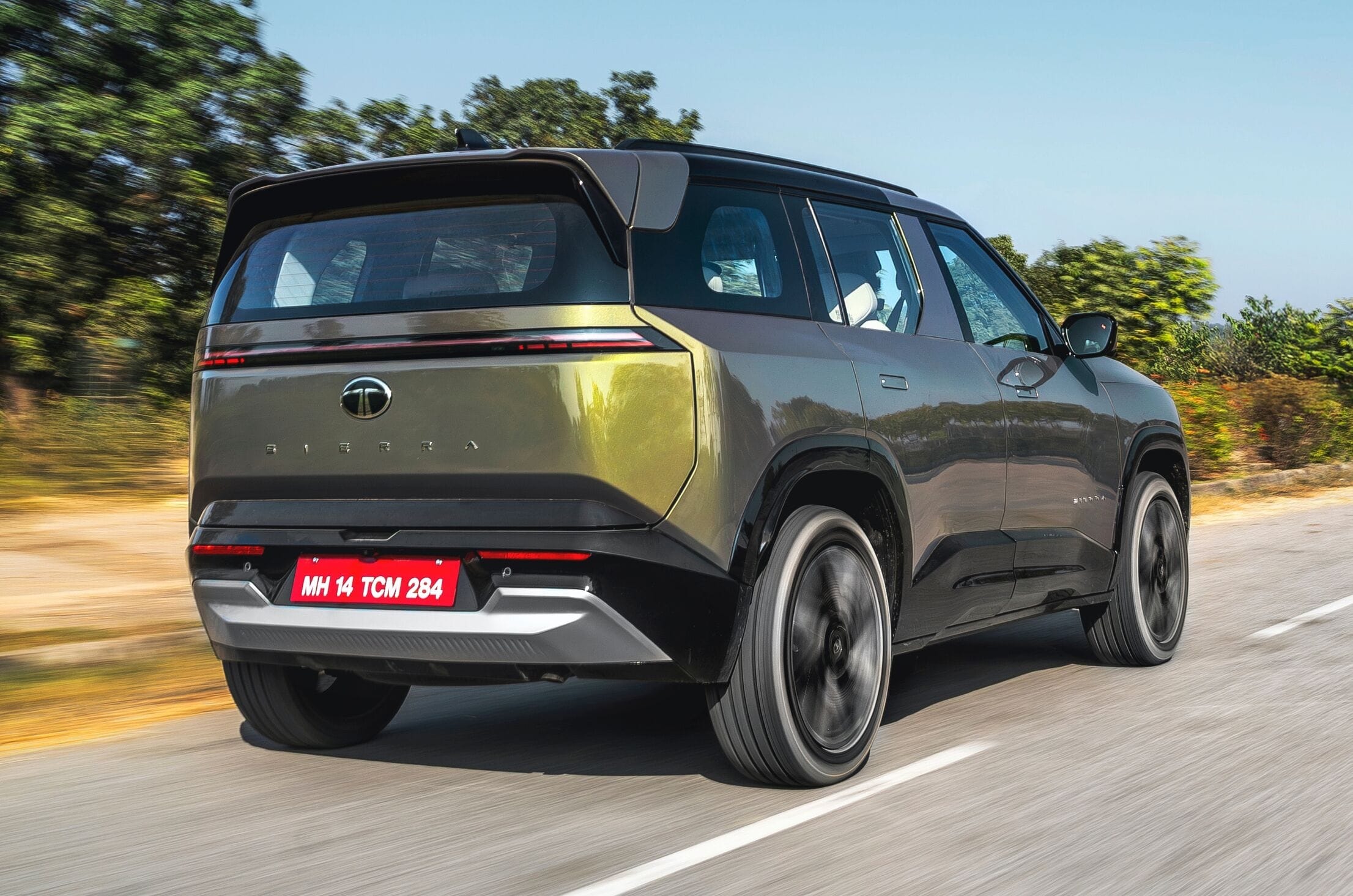
Body roll is noticeable but well-controlled for an SUV of this size, and the steering is also light for city driving yet precise enough to inspire confidence on highways and twisty stretches.
Moreover, the Sierra’s 205mm ground clearance and terrain modes help it tackle broken patches and mild trails without hesitation. All of this comes together to give the Sierra a balanced driving character that works well in a wide range of conditions.
Offers a premium design inside and out
Modern interior and classic Sierra cues turn a lot of heads
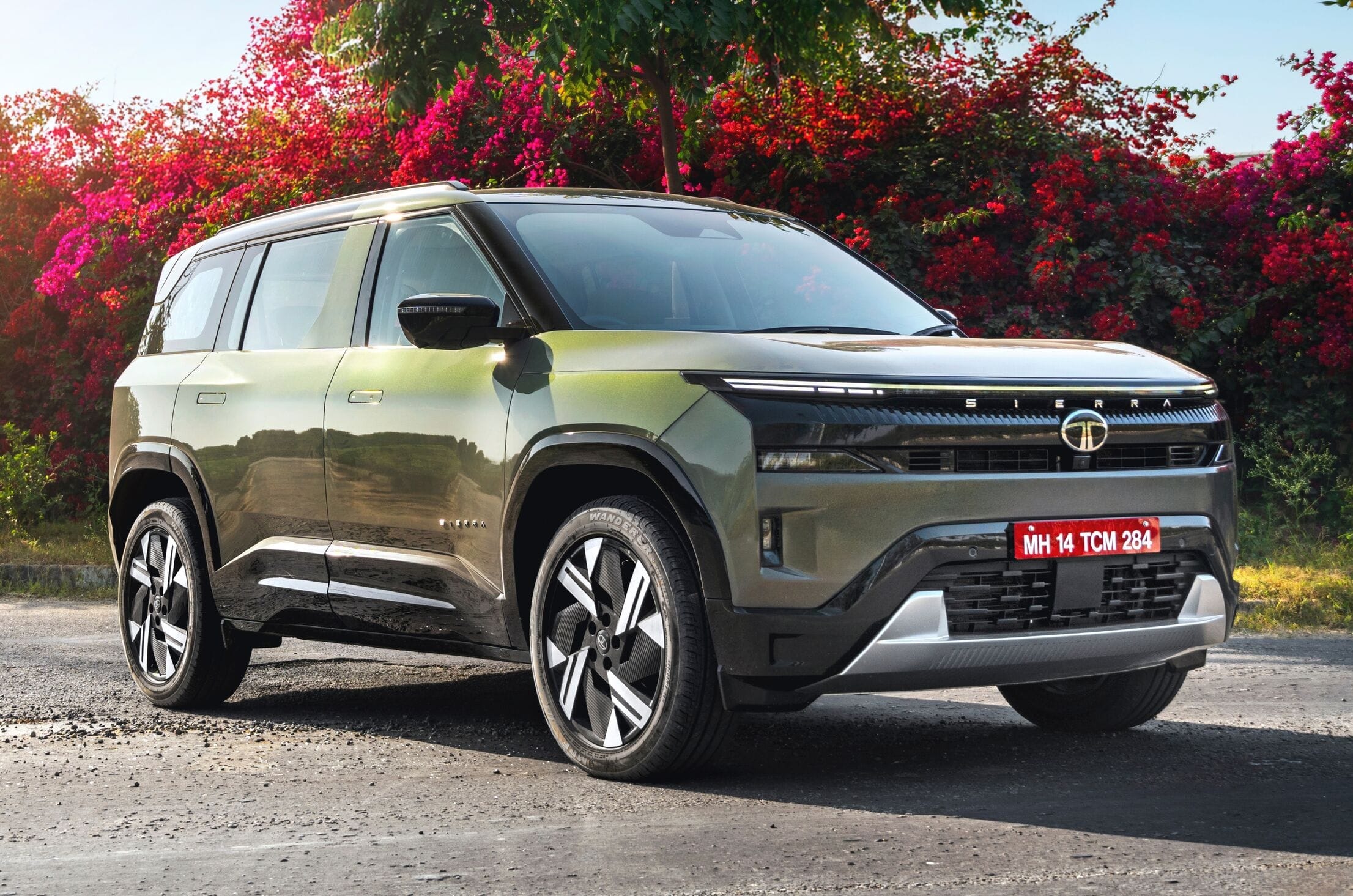
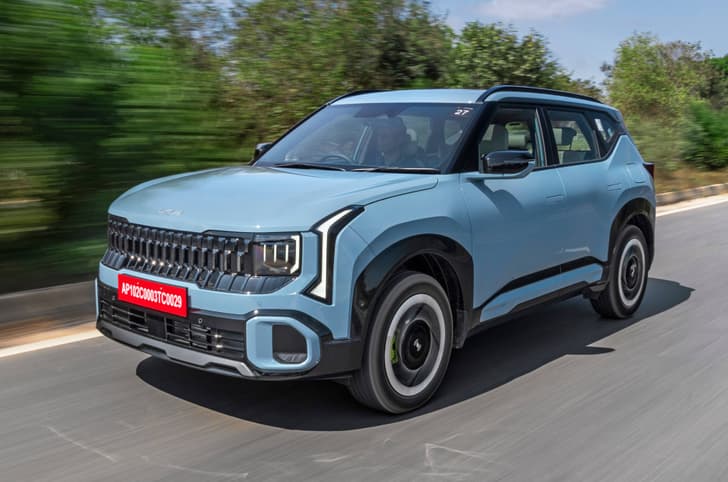
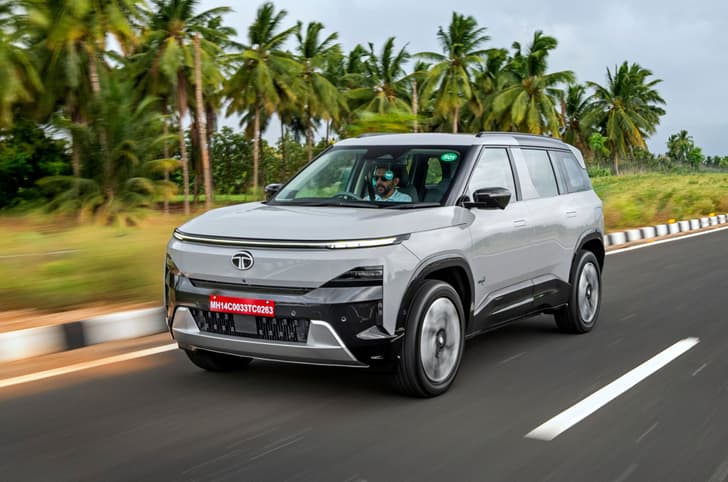
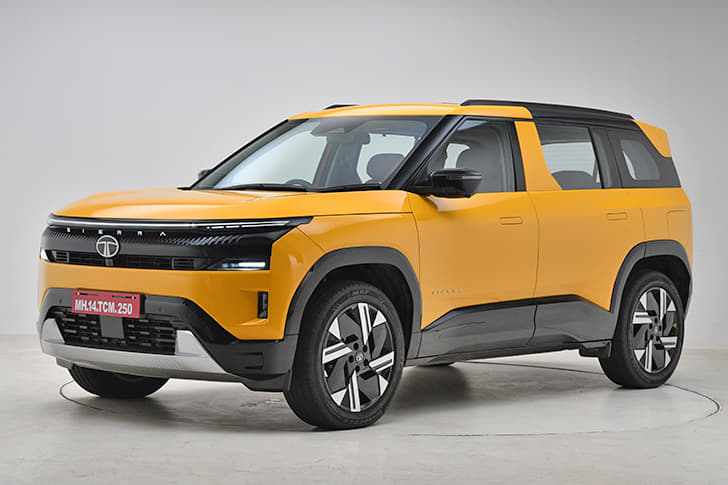
The Sierra stands out in the midsize SUV segment with a design that blends modern styling with heritage cues. Its upright, boxy silhouette, high-set bonnet and squared-off wheel arches give it a strong road presence, while the black grille and a full-width glass panel on the C-pillar add a contemporary touch. Small details enhance the premium feel, such as slim LED headlamps, LED light bars, flush-fitting door handles and diamond-cut 19-inch alloy wheels.
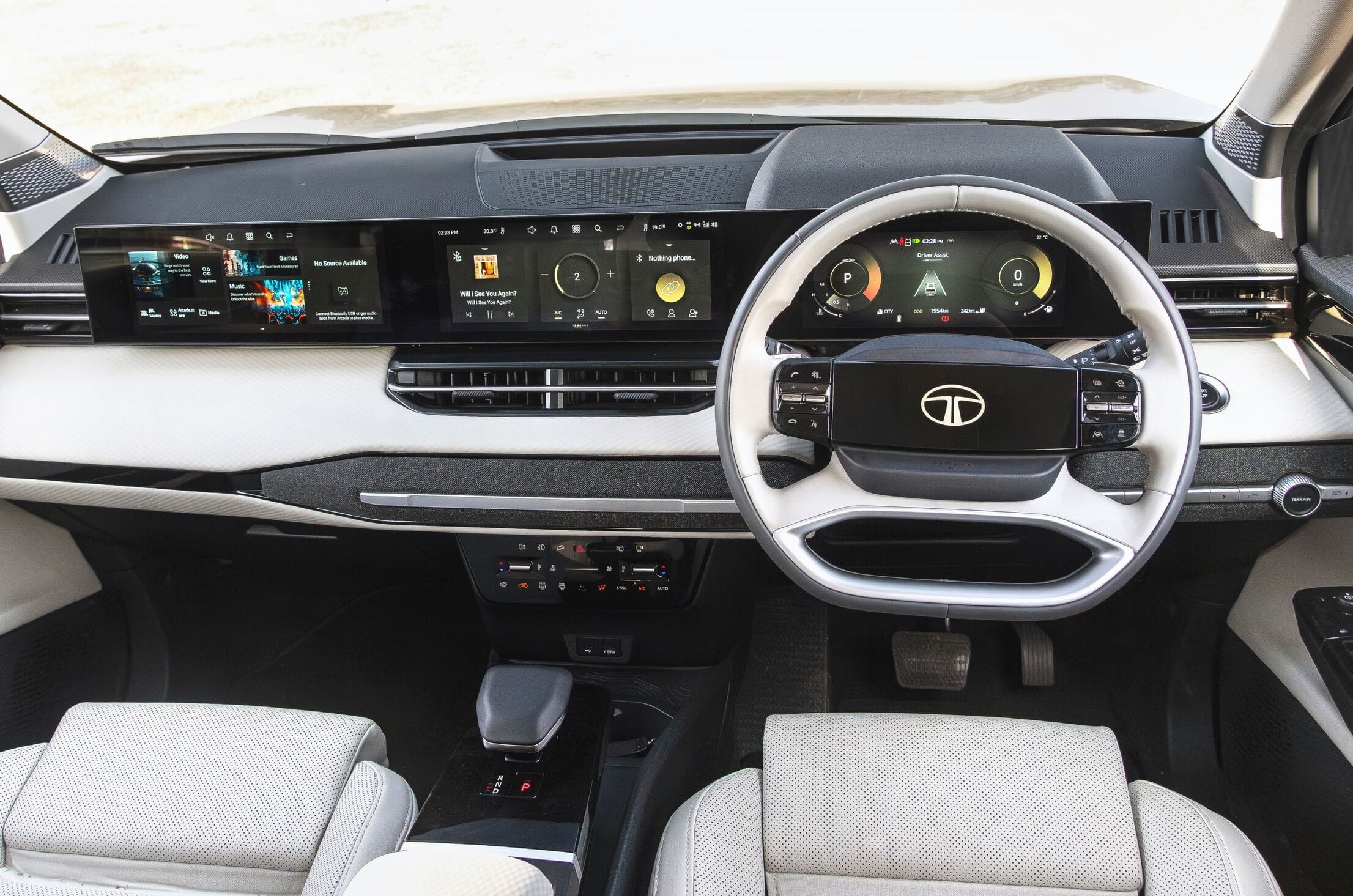
The cabin feels spacious and premium, with high-quality materials, dual-tone upholstery and thoughtful ergonomics. Higher variants include a three-screen setup with a digital instrument cluster, central infotainment touchscreen and passenger display, along with features such as a panoramic sunroof, ventilated front seats, wireless charging and a 12-speaker JBL sound system, making the interior as desirable as the exterior.
The Sierra retains elements from the original 1991 model, including the thick B-pillars and the curved rear glass-inspired design. It is with this combination of heritage-inspired design and modern touches that it sets itself apart from the usual midsize SUVs, drawing significant public attention.
Turbo-petrol engine is refined and enjoyable
Smooth, responsive performance with a well-matched gearbox
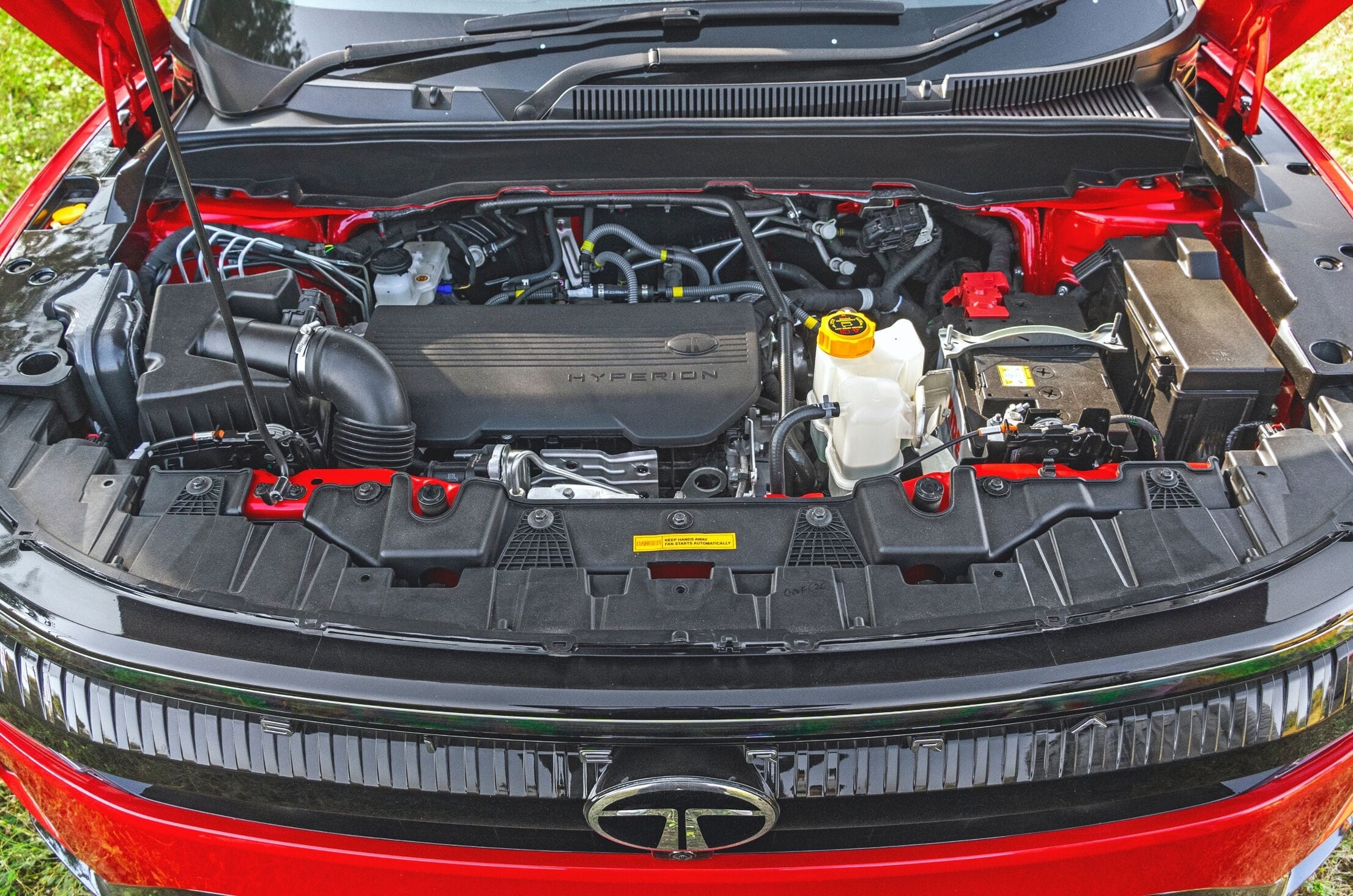
The Sierra’s new 1.5-litre turbo-petrol engine feels refined from the moment you start it, with minimal vibrations and smooth power delivery. Unlike the Hyundai-Kia and Skoda-Volkswagen turbo-petrol engines, it does not deliver a surge of mid-range power when the turbo spools up. However, it responds quickly to throttle inputs, builds speed cleanly and feels at ease in both city traffic and on open highways.
We drove the turbo-petrol version paired with the 6-speed Aisin torque-converter automatic gearbox, which suits the engine’s character well. It prioritises smooth, well-timed shifts over aggressive or rapid changes, keeping the SUV relaxed in everyday driving. Gear selection is intuitive, and the unit consistently stays in the right ratio without needing driver intervention.
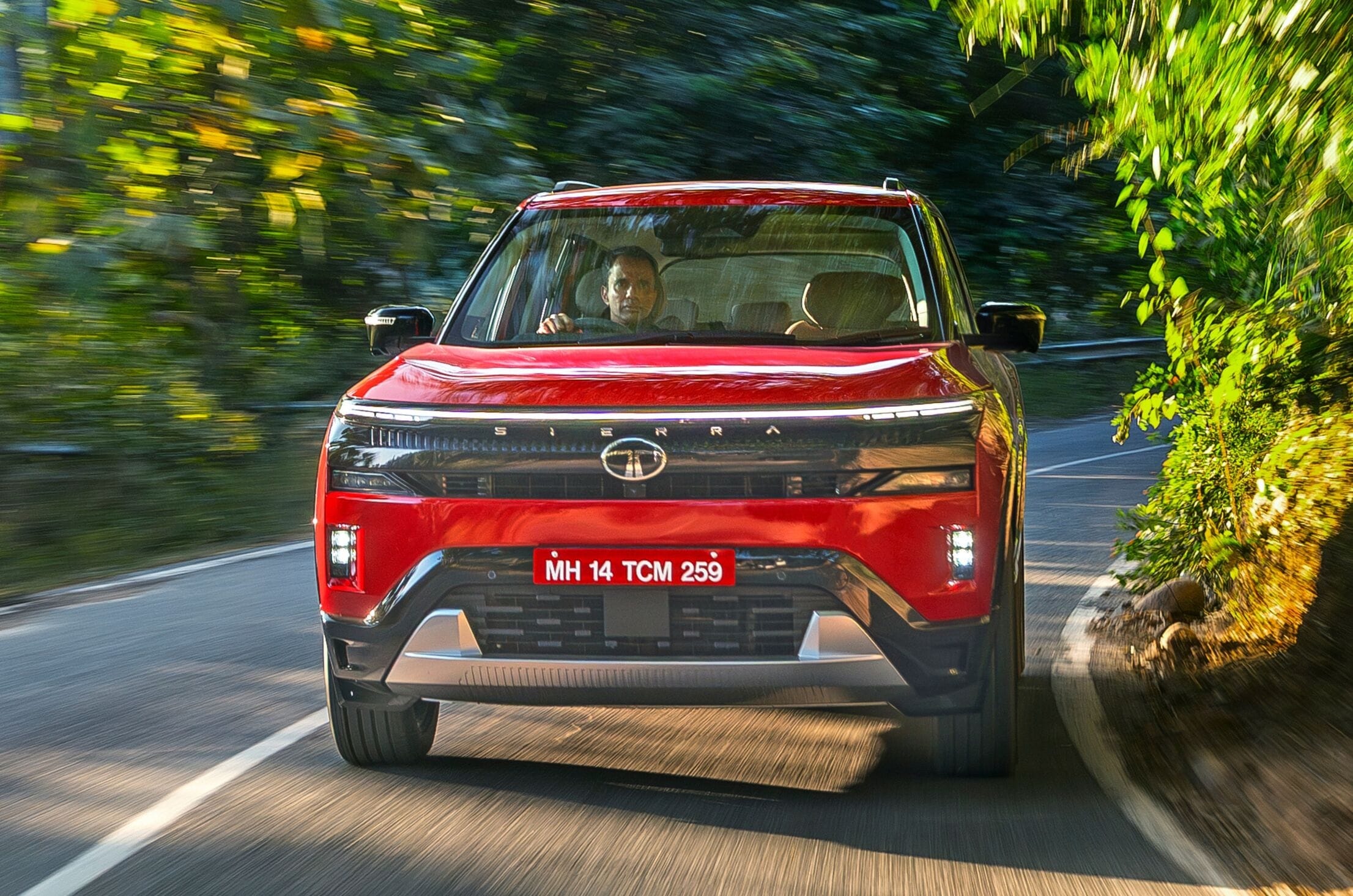
The Sierra also gets paddle shifters with automatic transmissions. While they do not deliver very quick shifts, they are helpful for short bursts of acceleration or holding gears on inclines. For the most part, though, the gearbox performs best when left in full automatic mode, where its smoothness and calibration complement the refined turbo-petrol engine.
Now, let’s take a look at the areas where the Tata Sierra could improve.
The diesel engine is noisy
Vibrations and noise make it hard to recommend
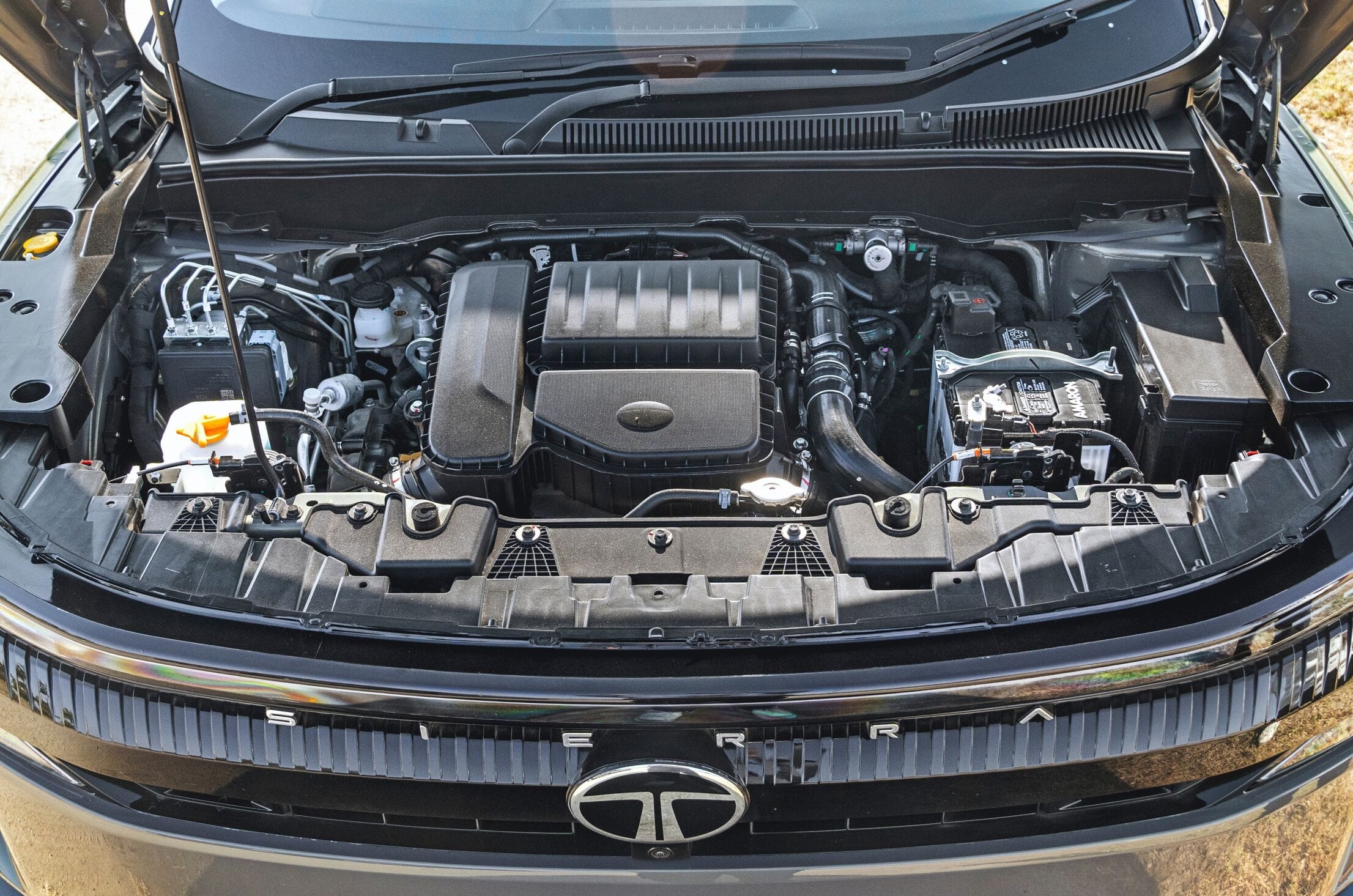
As much as the turbo-petrol engine impresses, the diesel feels noticeably rougher, which makes it harder to recommend. The 1.5-litre diesel produces adequate torque for highway driving, but engine vibrations are apparent at idle and under acceleration, making the cabin feel less refined. This could be a key factor for buyers who prioritise comfort over fuel efficiency.
The 6-speed torque-converter automatic helps smooth out gear changes and keeps the engine in the optimal rev range, so you do not have to take manual control regularly.
NVH levels could be better
Road and tyre noise filter into the cabin, reducing the premium feel
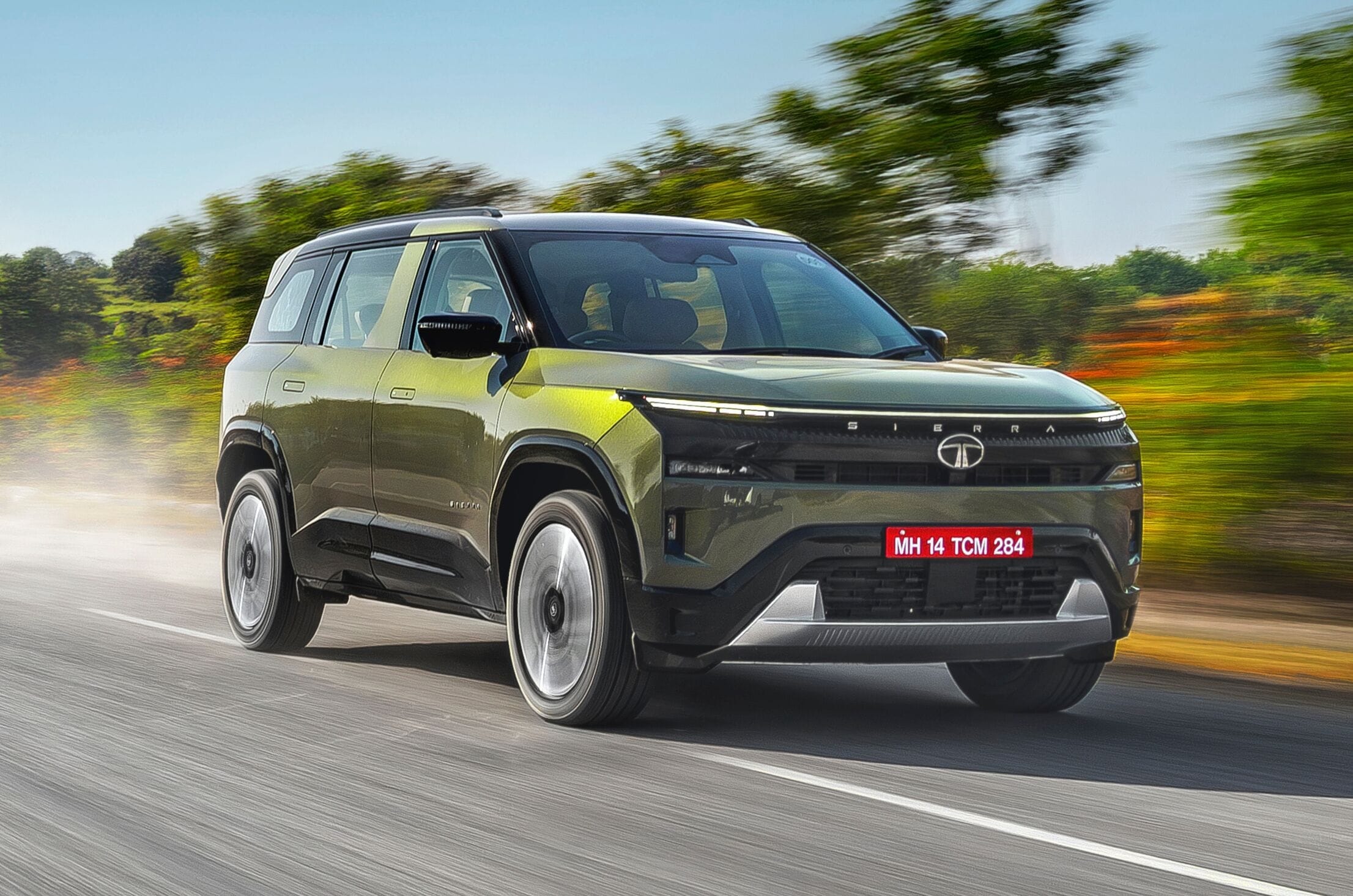
While the Sierra’s ride and handling are well-balanced, noise, vibration and harshness (NVH) levels are more noticeable than expected. Road and tyre noise filter into the cabin, especially at higher speeds, slightly reducing the sense of refinement.
This is particularly evident in the diesel variant, but even the turbo-petrol, though smoother, is not entirely immune to road and wind noise. While it does not compromise drivability, the overall cabin experience may feel less premium compared to competitors with better NVH insulation.


 Uday Singh
 Glenn Noronha
 Dhruv Dhaka