autocar-logo
Delhi
Skoda

Skoda cars in India (9)
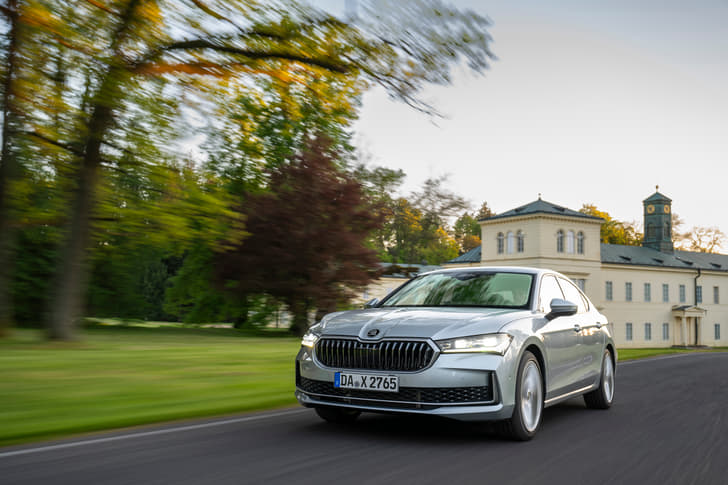
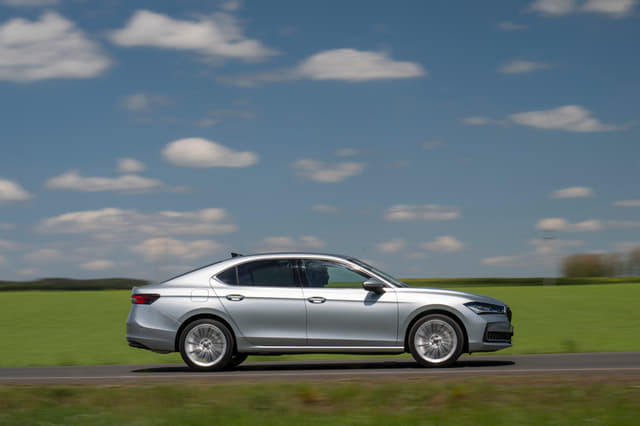
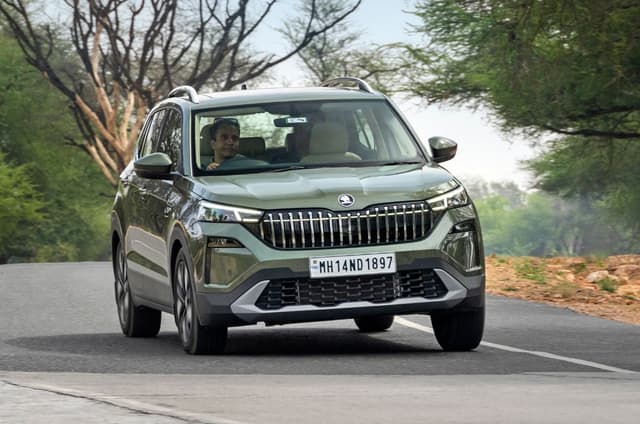
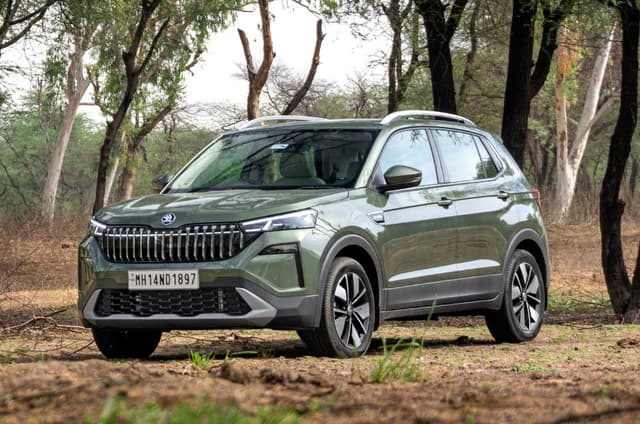
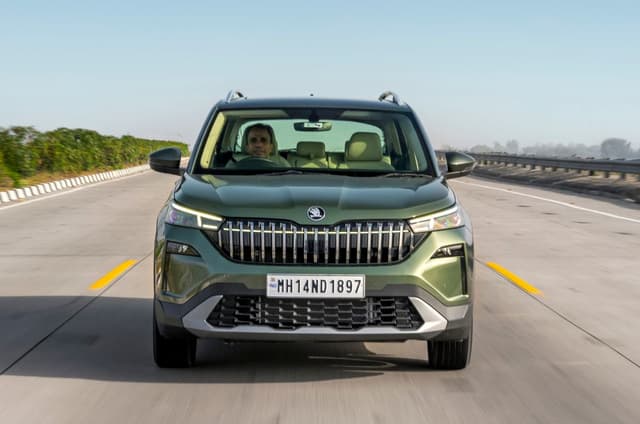
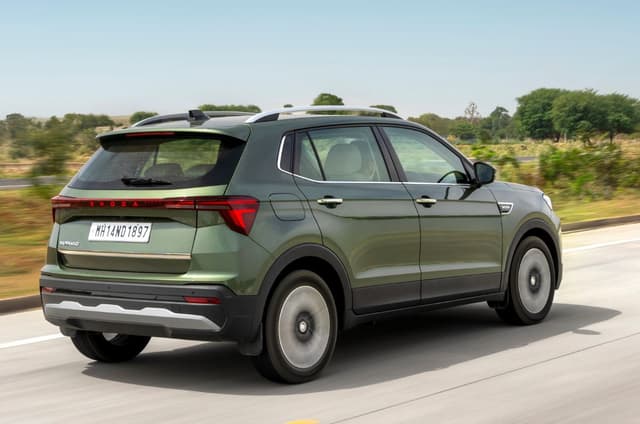
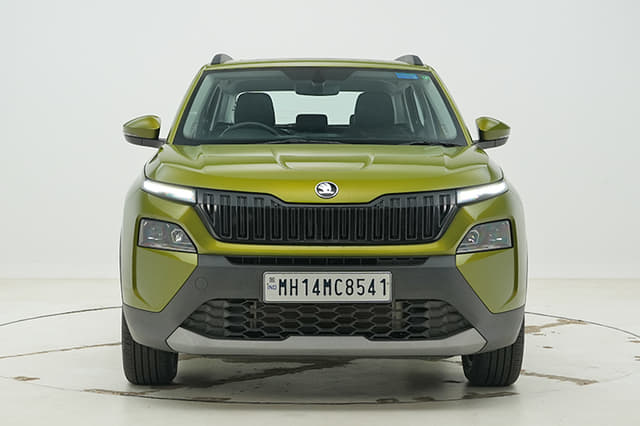
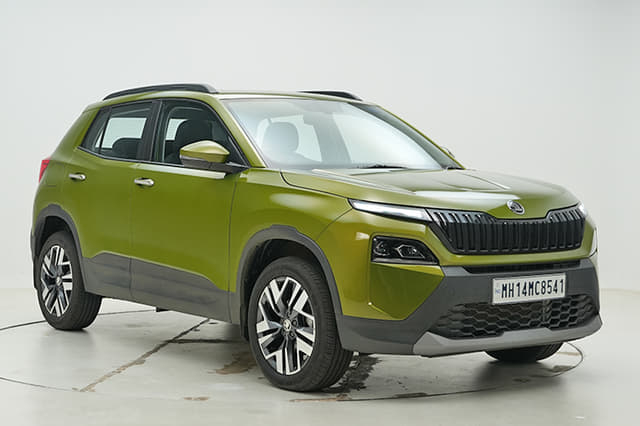
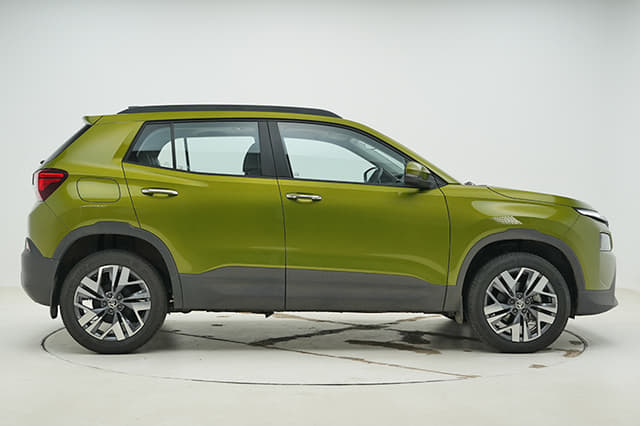
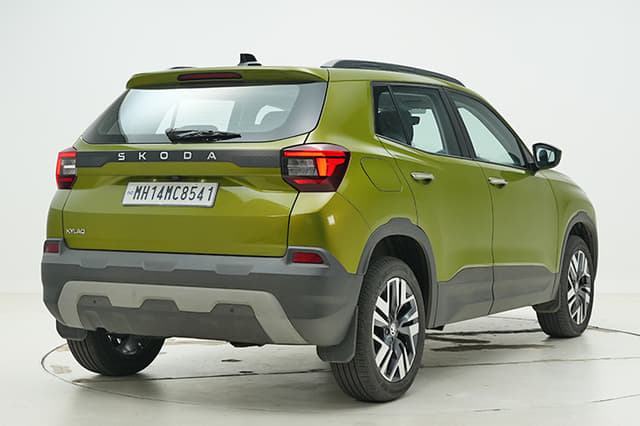
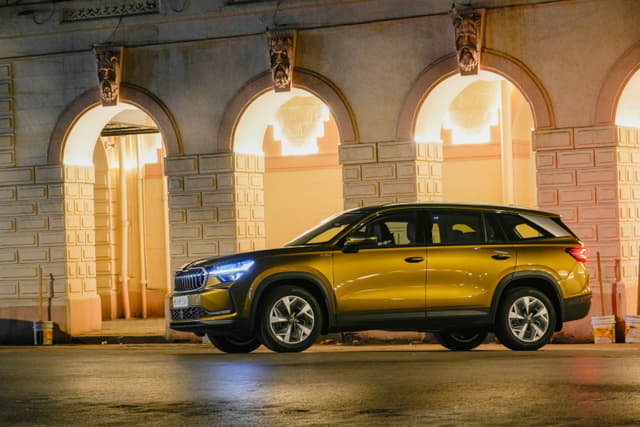
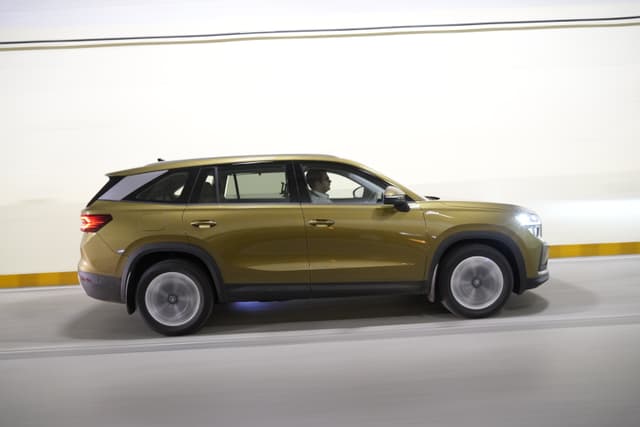
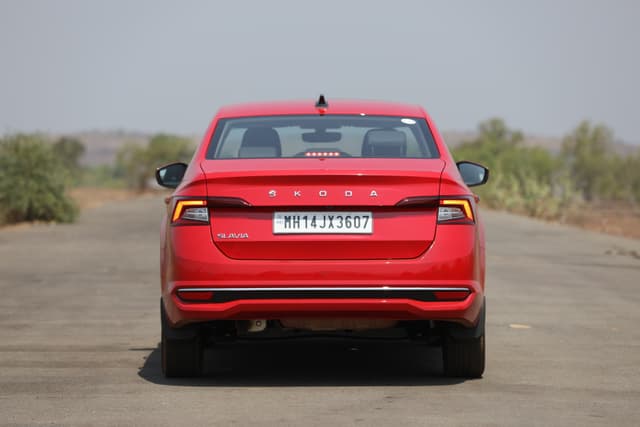
The Skoda car price starts at ₹7.59 lakh and goes up to ₹49.99 lakh. As of March 2026, the Skoda cheapest car is the  Kylaq, while the Octavia RS is the costliest. Currently, there are 9 Skoda cars in India, out of which 5 are on sale, and 4 are upcoming. Skoda cars currently available for sale in India are: Kylaq, Kodiaq Kushaq, Octavia RS, and  Slavia.


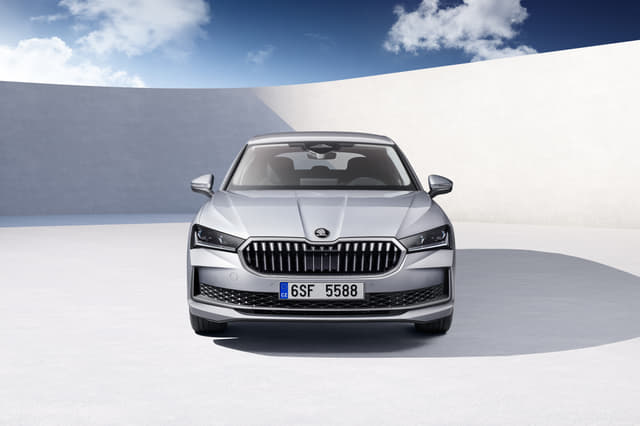
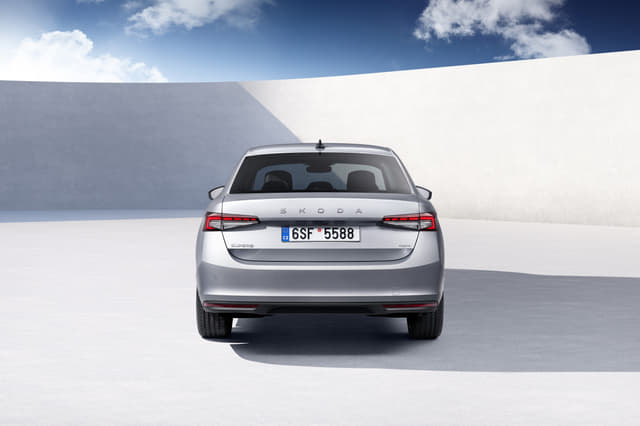
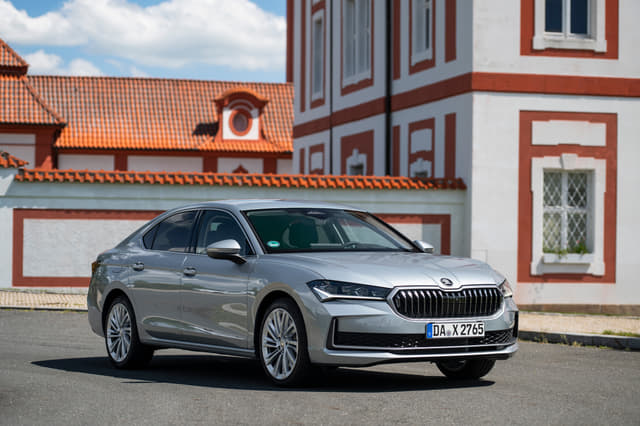
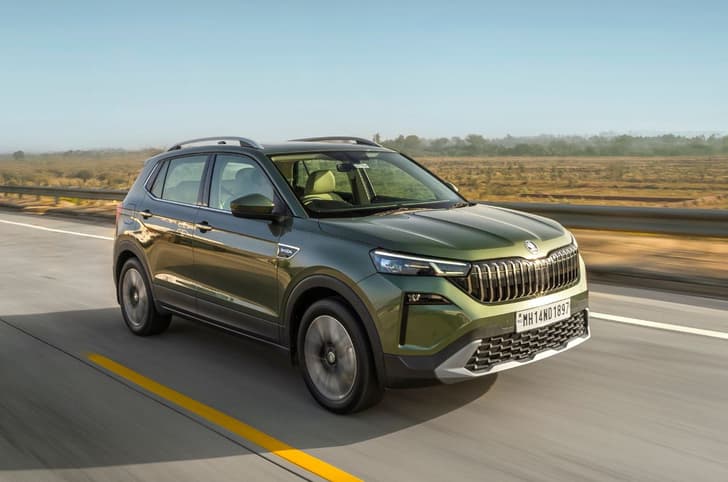
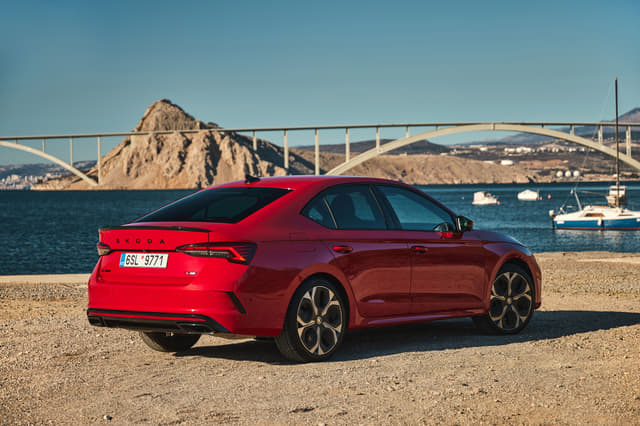
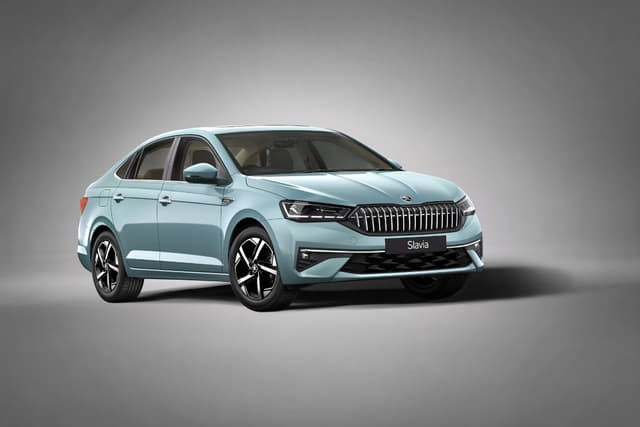
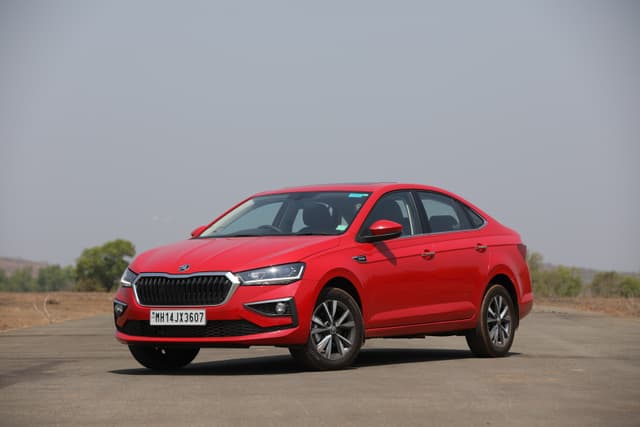
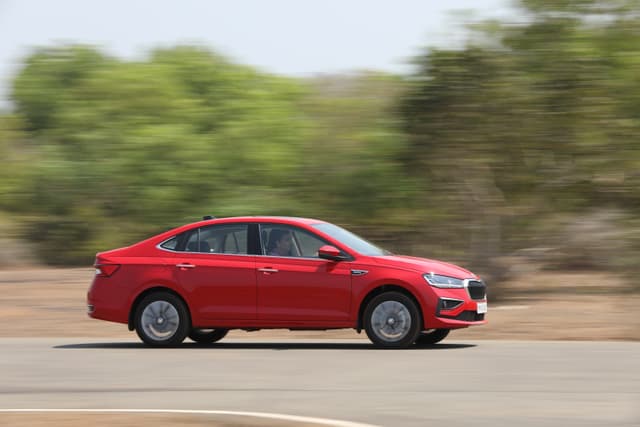
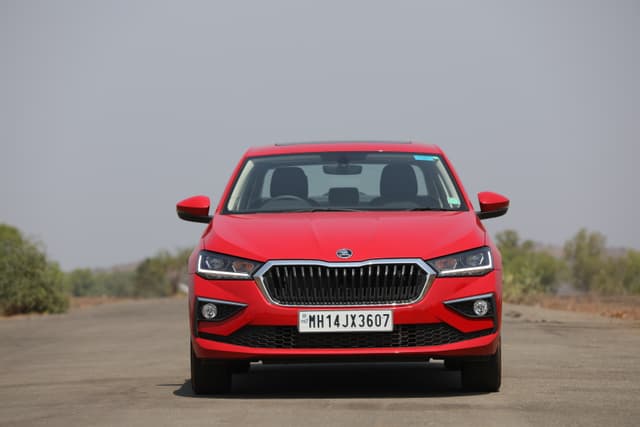
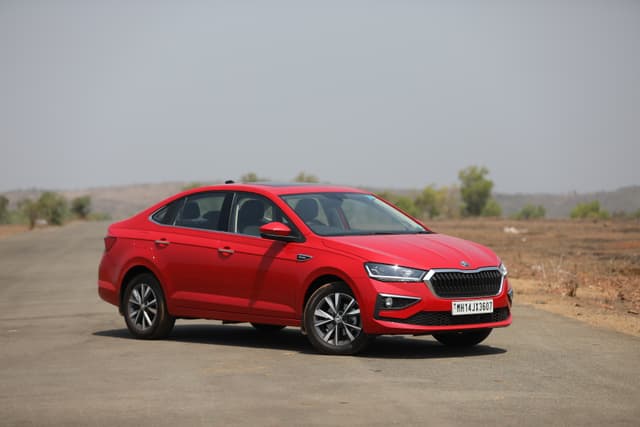
The Slavia and Octavia RS are the only Skoda sedan cars on sale in India. The Skoda SUV cars list includes Kodiaq, Kushaq, and Kylaq. Skoda’s upcoming car launches include the Superb, Kodiaq RS, Peaq and the Kushaq facelift, all expected to arrive in 2026.

Skoda Car Price List (March 2026)

The Skoda car price in India starts at 7.59 lakh for the Kylaq and goes up to ₹49.99 lakh for the Octavia RS. View the latest Skoda car prices in India available for sale in the table below:


Skoda Car

Price (Ex-showroom)

Skoda Kylaq

₹7.59 lakh - ₹12.99 lakh

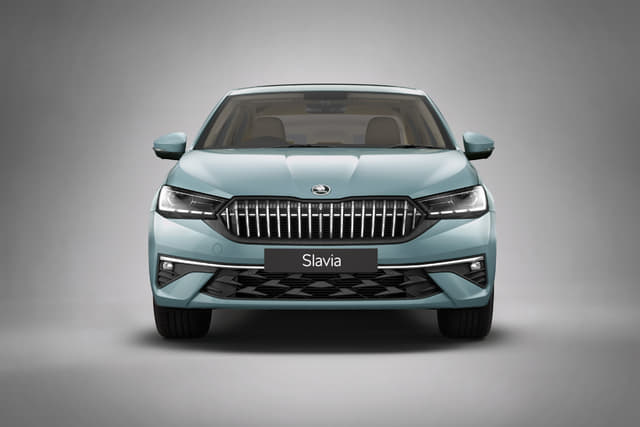
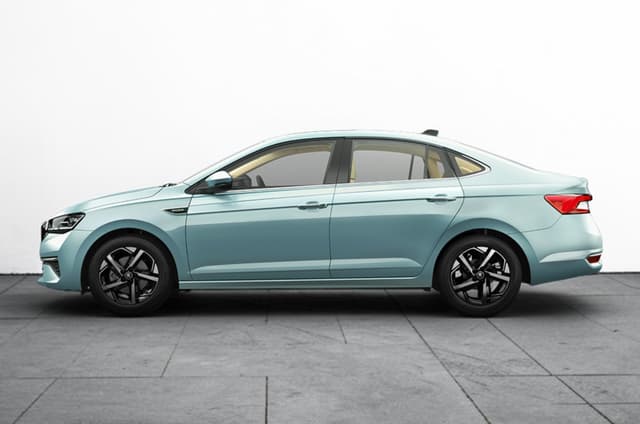
Skoda Slavia

₹10.00 lakh - ₹17.99 lakh

Skoda Kushaq

₹10.66 lakh - ₹18.49 lakh

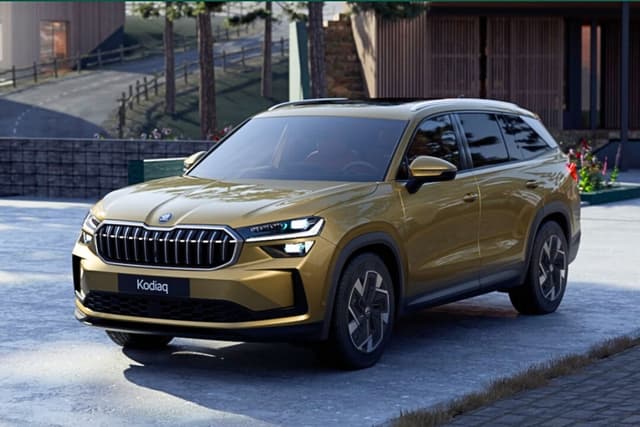
Skoda Kodiaq

₹39.99 lakh - ₹45.96 lakh

Skoda Octavia RS

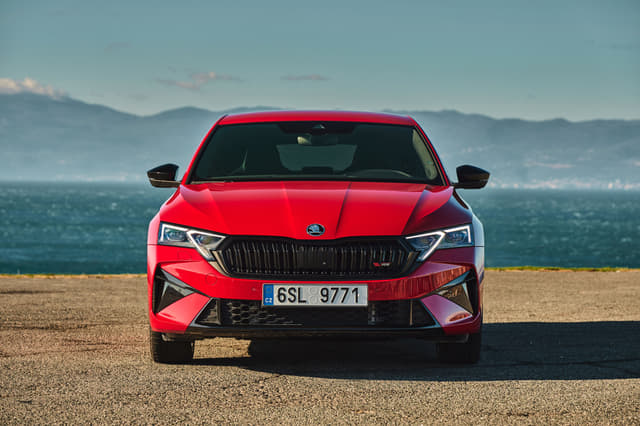
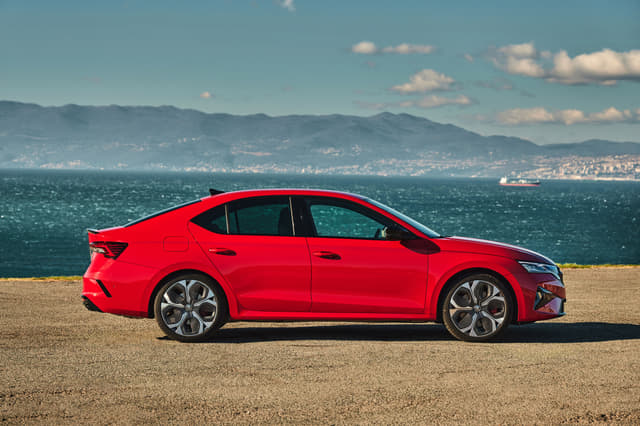
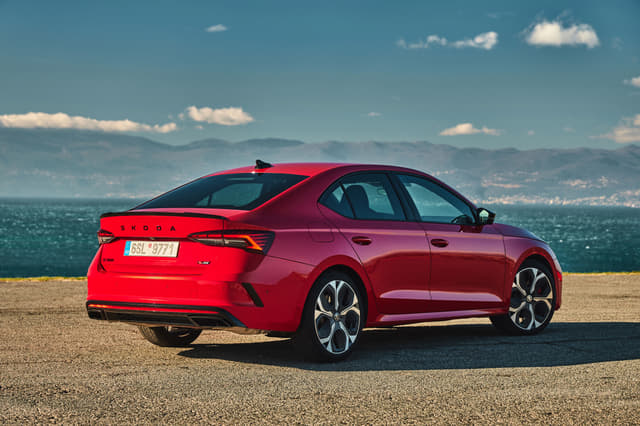
₹49.99 lakh

Skoda Upcoming Cars

There are 4 upcoming Skoda cars scheduled to launch in India:


  • Skoda Kushaq facelift
    • Estimated price: ₹10.95 lakh - ₹18.79 lakh
    • Expected Launch Date: March 2026
    • Fuel Type: Petrol
    • Body Type: SUV


  • Skoda Kodiaq RS
    • Estimated price: ₹50.00 lakh
    • Expected Launch Date: June 2026
    • Fuel Type: Petrol
    • Body Type: SUV


  • Skoda Superb
    • Estimated price: ₹50.00 lakh - ₹55.00 lakh
    • Expected Launch Date: 2026
    • Fuel Type: Petrol
    • Body Type: Sedan 


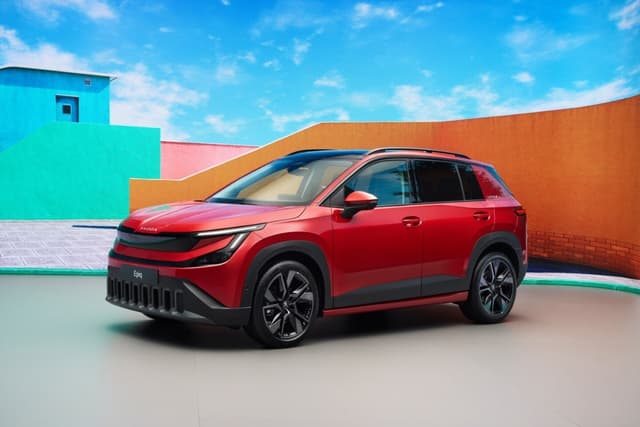
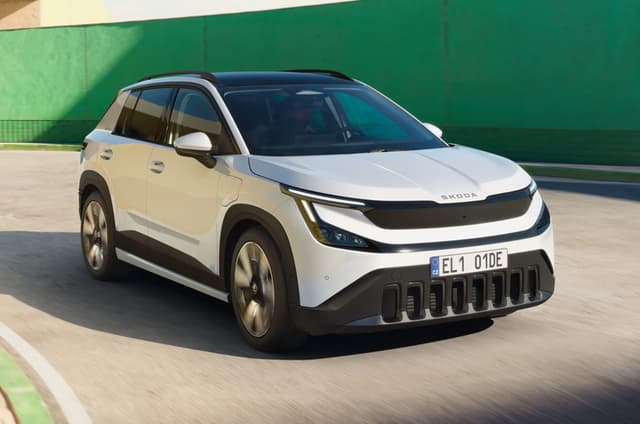
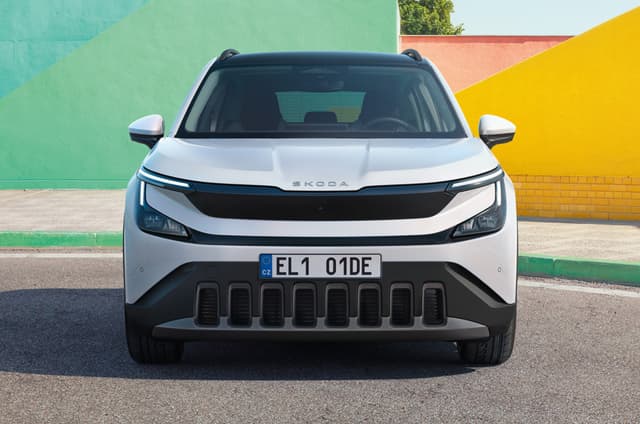
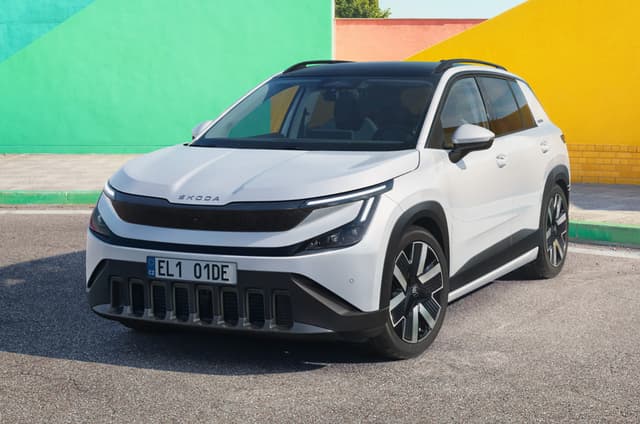
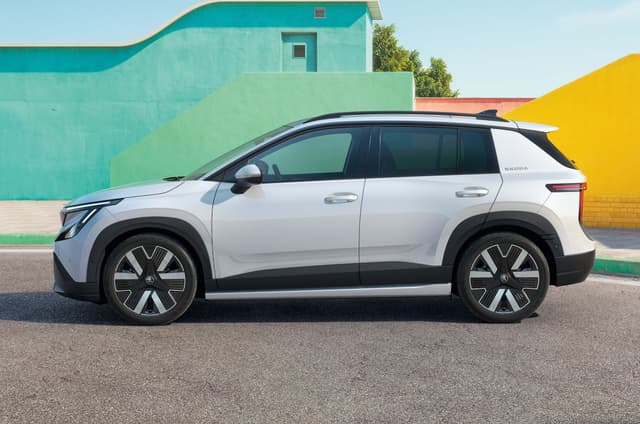
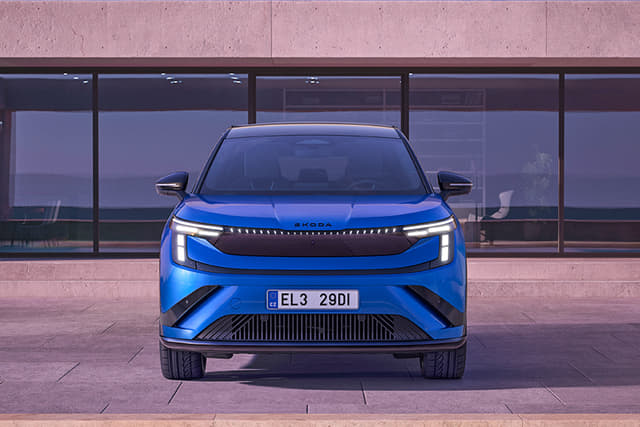
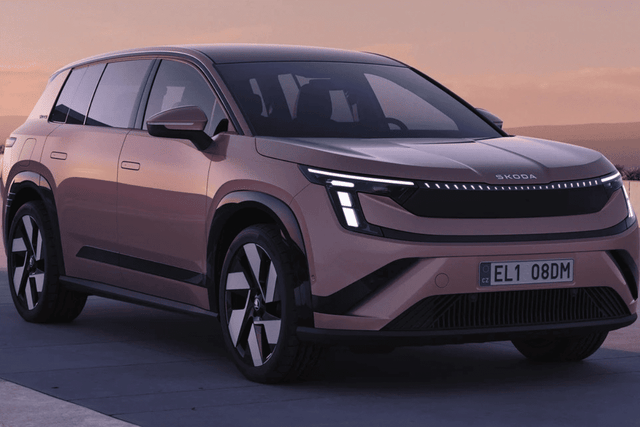
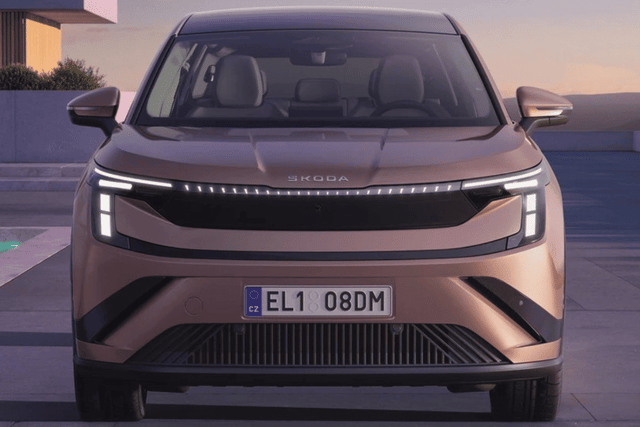
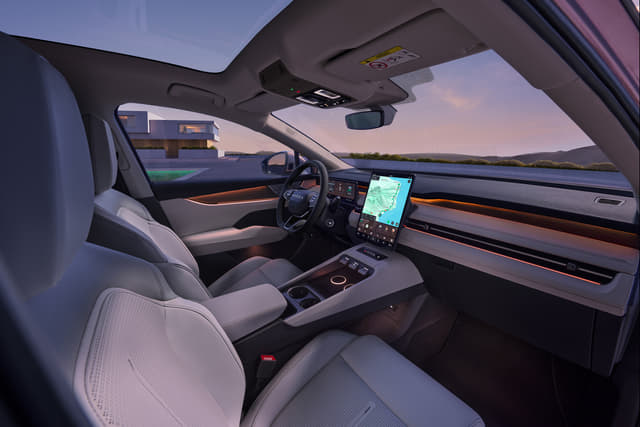
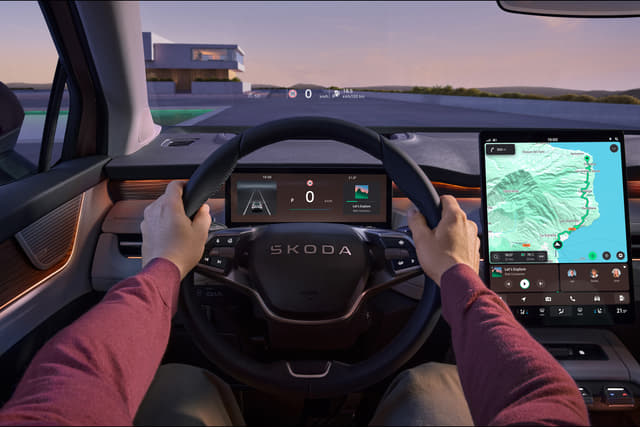
  • Skoda Peaq
    • Estimated price: ₹1.00 crore - ₹1.20 crore
    • Expected Launch Date: 2027
    • Fuel Type: Electric
    • Body Type: SUV

Skoda Cars - Latest Updates


  • 6 January 2026: Skoda hikes prices of Kylaq, Kushaq and Slavia by up to ₹34,000
  • 5 December 2025: Skoda Kushaq facelift, rival to Creta and Seltos, likely to launch in January 2026.
  • 17 October 2025: The new Skoda Octavia RS launched in India at ₹49.99 lakh (Ex-Showroom).
  • 14 July 2025: Skoda reaches a new milestone with 300 customer touchpoints across 170+ cities.
  • 28 April 2025: The brand launched the Skoda Superstars campaign.
  • 17 April 2025: The second-generation Skoda Kodiaq 4x4 SUV debuts in India. Deliveries will start from May 2.
  • 1 April 2025: Skoda Auto celebrates its 25th anniversary in India by achieving its highest-ever monthly sales.
Show more
Can't decide which car to buy?
Ask our experts and get answers to all your cars related queries.

FAQs

The Skoda car price in India starts at ₹7.59 lakh for the Kylaq and goes up to ₹49.99 lakh for the Octavia RS (ex-showroom).

The Skoda Kodiaq is the only Skoda 7 seater car on sale in India. It is priced between ₹39.99 lakh - ₹45.96 lakh (ex-showroom), depending on the variant.

Yes. The only Skoda car under 10 lakh in India is the Kylaq. The Skoda Kylaq price starts at ₹7.59 lakh, ex-showroom.

The Skoda Slavia and Octavia RS are the only sedans on sale in India. The upcoming Skoda sedan car includes the new Superb.

No. Presently, there are no Skoda diesel cars on sale in India. The Skoda India lineup consists of petrol engine options.

The cheapest Skoda car is the Kylaq, with a price starting at ₹7.59 lakh (ex-showroom).

Yes. The Kylaq, Slavia, and Kushaq fall under the ₹20 lakh category.

The Octavia RS 2.0 TSI is the most expensive Skoda car, priced at ₹49.99 lakh (ex-showroom).

Currently, there are 3 SUV cars available for sale in India. The Skoda SUV cars list includes the Kylaq, Kushaq, and Kodiaq.

There are nine Skoda car models in India. Five are currently on sale (Kylaq, Slavia, Kushaq, Kodiaq, Octavia RS), and 4 are upcoming (Superb, Kodiaq RS, Peaq, and Kushaq facelift). 

The Octavia RS is Skoda's most expensive car, priced at ₹49.99 lakh (ex-showroom). 

Skoda's new car launch includes the Superb, Kodiaq RS, Peaq, and Kushaq facelift. All are expected to launch in 2026, except Peaq. It is expected to launch in 2027. 

Need an expert opinion on your car related queries?

Trending Questions on Skoda Cars - Answered by Autocar Experts

G
Asked by: Gurcharan Gandhion Mar 1, 2026

I have been driving a Ford EcoSport Trend+ since 2018 and have done over 1,00,000 km on it. I am fully satisfied with its performance. Now I want to buy a mid-size petrol SUV. I am a driving enthusiast and prefer a car with good driving dynamics, strong road grip, and handling. My budget is up to ₹15 lakh. Which car would you suggest is best for me?

Since you are a driving enthusiast and are looking for a mid-size SUV with good driving dynamics, we would recommend the new Skoda Kushaq. Skoda recently unveiled the facelift and will also be announcing prices this month. The Kushaq is one of the more driver-focused mid-size SUVs with very good handling manners. It will feature two engines as before, a 1.0-litre TSI and a 1.5-litre TSI. 

If the bigger engine is out of budget, the 1.0-litre is also quite peppy and fun to drive, with good grip and cornering. Another SUV worth waiting for would be the Renault Duster, which is launching on the 17th of this month. 

It gets a powerful turbo-petrol engine, and Renault has developed a good chunk of it at MMRT (Madras Motor Race Track) in Chennai and assures us that the handling would be exciting. If you aren't in a hurry, we advise you to wait till we get our hands on the Duster and even the updated Kushaq for a definitive verdict.

R
Asked by: ruchir marwahaon Mar 1, 2026

Namaste Team. I own a Wagon R VXI 2015 and now wish to upgrade. We are a family of five, and my monthly driving is not more than 600 km. I am a driving enthusiast, and my budget is ₹13 lakh on-road. I do not want to consider Tata. My family has been associated with Maruti Suzuki for the past 30 years, but I am open to other brands.

If you're an enthusiast and a keen driver, your best bet is the Hyundai i20. It is a much larger hatchback than your Maruti Suzuki Wagon R, which should be comfortable for your family of five, and in your budget, you should get the fully loaded N8 variant too.
It is available with a 6-speed manual or 7-speed DCT auto gearbox, and both are a good mix of fun and ease of use. However, it has to be said that the i20 is now starting to show its age, and fun as it is to drive, you may want to look at a more modern offering.
If so, check out the Skoda Kylaq, which is even more spacious and practical, but also comes with a punchy and enthusiastic 1.0-litre turbo petrol engine. It's got great dynamics and a smooth 6-speed automatic gearbox, if you want it. However, do note that it is more expensive, and you will have to settle for a mid-spec variant in your budget.
M
Asked by: Mson Mar 1, 2026

Hi, I am planning to buy a new car and need help choosing between the Skoda Kylaq Signature+ and the Hyundai Venue N6 N Line. I drive to work every day in Delhi. Luckily, my timings are non-office hours, so that should be factored in, plus a few road trips we take during the year. Please suggest.

The Skoda Kylaq is a fun-to-drive compact SUV. Its 1.0-turbo engine delivers strong performance, and the chassis feels well-balanced, resulting in tight body control and a compliant ride quality. If you enjoy driving, the Kylaq should be on top of your list.
The cosmetic enhancement certainly makes the Hyundai Venue N Line N6 look much sportier, and it is definitely going to stand out in a crowd. If you're considering their manual versions, then the Venue N Line N6 has a much smoother gearbox with a fantastic gear knob, and its clutch is a bit lighter than the Kylaq's, which adds to the driving experience. Both cars have light steering, but with drive modes, the N Line's steering gets a bit heavier to give you a sportier feel.
Engine performance and handling aren't too far behind the Kylaq's, whereas rear seat space is actually better than the Skoda's, which your passengers will appreciate on road trips. Lastly, the Venue N Line N6 is more affordable than a Kylaq Signature+, and overall, it is the Hyundai that makes you feel more special - and for that reason, we'd recommend you go for the Venue N Line N6 (MT).
M
Asked by: Mayuraon Mar 1, 2026

I own a 2018 Honda City Manual SV Petrol version, and I am planning to buy a new car. I have been driving the Honda City for more than 10-11 years due to the comfort of a luxury sedan. I am confused, as many people are suggesting that I buy an SUV like the Kia Seltos. I did a test drive and liked many of the features, but the comfort of driving a sedan was missing. Personally, my family likes sedans. But I want to know where the Honda City stands in the market. Is it losing market share due to other SUVs and EVs? Should I stick with the Honda City for a pleasurable driving experience and forget about the tech aspect of it? Also, please advise on manual vs automatic, as I feel driving an automatic will take away the pleasure of driving. Nowadays, I have heard that no one is buying manual cars because of the trend and the ease of driving. But I want to know if there is a good driving experience without gears, or if automatics are just for people who can’t manage cars with gears. Also, is the sunroof variant just for aesthetic purposes, or does it really have any usable value, considering most of my driving is in the city? A detailed review would help.

In terms of choosing between manual and automatic, it largely comes down to usage and personal preference. The convenience that an automatic transmission brings in stop-and-go traffic is undeniable, making it the better choice for those with long urban commutes. However, if a manual is what you prefer and the extra effort it requires in the city doesn’t bother you, then that is what you should get.
It’s true the Honda City doesn’t sell as well as it once did in a market dominated by SUVs, but it remains a competent, if somewhat underwhelming, car. If you like the Honda experience and want to upgrade to an SUV, the Elevate is worth considering. It’s a spacious vehicle with good ride and handling and a slick gearbox; however, it is down on features compared to the competition.
If you’d prefer to stick with the sedan formula but want something more engaging to drive, the Skoda Slavia and Volkswagen Virtus should be right up your alley. They are currently among the most enjoyable sedans to drive in the segment and, even in 1.0-litre TSI form, offer more performance than the Honda City. They are also available with a manual, although Volkswagen has recently discontinued the manual on the 1.5 TSI.
Finally, a sunroof is a luxury feature, not an essential. If you don’t find any practical value in it, it’s best avoided.
T
Asked by: Tanviron Feb 28, 2026

Hi, I have a VW Virtus bought in early 2023, and now I am looking for a replacement. My preference is for an SUV. I'll primarily use it for city driving, and my monthly usage would be around 200 km. The car must have a good safety rating, comfort and mileage.

Since you are coming from a Volkswagen Virtus, you will naturally appreciate the Volkswagen Taigun or Skoda Kushaq, as both SUVs carry the same DNA of solid build quality and excellent driving dynamics. Between the two, the Kushaq, which has just been updated with fresher looks, more features and a stronger aircon, would be the better option.
You can opt for the 1.0 TSI variant with a six-speed automatic transmission, which is well-suited for city driving. It’s not the most fuel-efficient SUV in the segment, but considering your monthly running of around 200km, that shouldn’t matter too much.
However, do note that the back seat of the Kushaq (and Taigun) isn’t the most spacious. If you are looking for better rear seat comfort and slightly better efficiency, the Kia Seltos 1.5 petrol with the CVT automatic is another good option to consider.
V
Asked by: Vikason Feb 28, 2026

My maximum budget is ₹23 lakh, and I will be driving mainly in the city for about 1800-2000 km per month. I am comparing the Tata Harrier (petrol automatic) with the Skoda Kushaq (petrol automatic with DSG). Which variant should I choose for my usage?

Since your running is quite high and that too in the city, a strong hybrid powertrain would be a good option to consider. The Maruti Suzuki Grand Vitara or the Toyota Urban Cruiser Hyryder are mid-size SUVs with a strong hybrid powertrain and are excellent in the city. The battery and motor provide enough power for everyday driving, and they offer good ride comfort too. 


That said, if you do not prefer a strong-hybrid SUV, the new updated Skoda Kushaq will be launching soon. It gets the same engine as before, but the 1.0-litre TSI motor will not get an 8-speed automatic instead. If you are a keen driver and enjoy getting behind the wheel, the Kushaq would be a better choice. 

We would recommend that you wait for the launch. The Tata Harrier just got a new petrol engine, which is refined, but it's a bit too big for the city and isn't as polished as the Kushaq. 

S
Asked by: Sourabhon Feb 27, 2026

I am confused between the Volkswagen Kushaq and the Kia Seltos. Space is not a concern for me. Please advise which car is a better choice.

The Skoda Kushaq and Kia Seltos are mid-sized SUVs, but take very different approaches.

The Skoda Kushaq is more driver-oriented. It's got punchy turbo-petrol engines, and the performance is backed by fun handling. On the flipside, the Kushaq isn't as roomy as some rivals and misses some equipment too. 

The Kia Seltos scores for space, comfort and wow features. It's got pleasant engines, but the driving experience isn't as engaging. 

In essence, the Kushaq is the more entertaining package for keen drivers, while the Kia Seltos is the better-rounded product that will appeal to the entire family. 

A
Asked by: Azharon Feb 27, 2026

I want to buy a car with a budget of ₹16-18 lakh ex-showroom under my employer’s car lease policy. My usage is very light, around 1000 km per month. I currently have a Swift VXi on which I’ve done 30,000 km in 4 years. The car is used mostly in the city with occasional highway trips. I want a petrol manual with a good driving experience like my Swift. I am confused between Kia Seltos, Toyota Hyryder, Skoda Kushaq, and Honda Elevate. Should I consider extending my budget for an XUV 7XO AX7 or should I wait for the Hyundai Creta update (I like the Dark Edition)? Please suggest the most valuable car in this budget with its recommended variant.

If the driving experience is the top priority, the Skoda Kushaq will be the right pick for you. It's got punchy turbo-petrol engines, and handling is very enjoyable. The updated Kushaq launches next month and packs in a few more features, and also stronger air conditioning. While Skoda has not announced prices as yet, you should get a fully-loaded 1.0 TSI with a manual gearbox within your budget. 

Of the other options, the Honda Elevate is also worth considering. Engine performance and handling are good, but refinement isn't great for this segment. 

The Mahindra XUV 7XO AX7 is great, but it might be too large for your requirements. Also, fuel economy is lower than the alternatives on your list. The Hyundai Creta is a practical pick, and the 1.5 petrol engine and manual gearbox are easygoing, but unexciting. 

M
Asked by: Mohammed Sirajuddinon Feb 27, 2026

I am an NRI based in Dubai, looking to purchase an automatic SUV for my home in Kasaragod, Kerala. I will be using when I visit couple of times in a year and the car will be primarily used by my sister for local shopping and local commutes, but will also remain idle sometimes. Between the Skoda Kylaq Prestige Plus (1.0 TSI with 6-speed Torque Converter) and the Hyundai Venue HX8 (1.0 Turbo with 7-speed DCT), which powertrain is more mechanically durable for a 10-year ownership cycle? Is buying new punch ev also makes sense? I’m open to other suggestions as well.

All modern cars today, if maintained well, are engineered to last 10 years or more. Over that period, you should budget for both scheduled services and some wear-and-tear replacements. Given your usage pattern with limited annual running and long idle periods, the way the powertrain behaves when used sparingly becomes more important. Since most of your trips are short and local in Kasaragod, outright performance is less critical than smooth and reliable operation.

Between the Skoda Kylaq Prestige Plus (1.0 TSI with 6-speed torque converter) and the Hyundai Venue HX8 (1.0 Turbo with 7-speed DCT), both should serve you well if maintained properly. However, purely from a mechanical durability standpoint, a conventional torque converter automatic, like the one in the Kylaq, is generally more tolerant of stop-go driving and long-term ownership than a dual-clutch transmission (DCT).

DCTs offer quicker shifts and better efficiency, but they are more complex and can be sensitive to heat and crawling traffic. This is something your sister is likely to encounter in town driving. Over a 10-year horizon, especially with intermittent usage and possible long idle periods, the simpler torque converter setup is typically the safer bet.

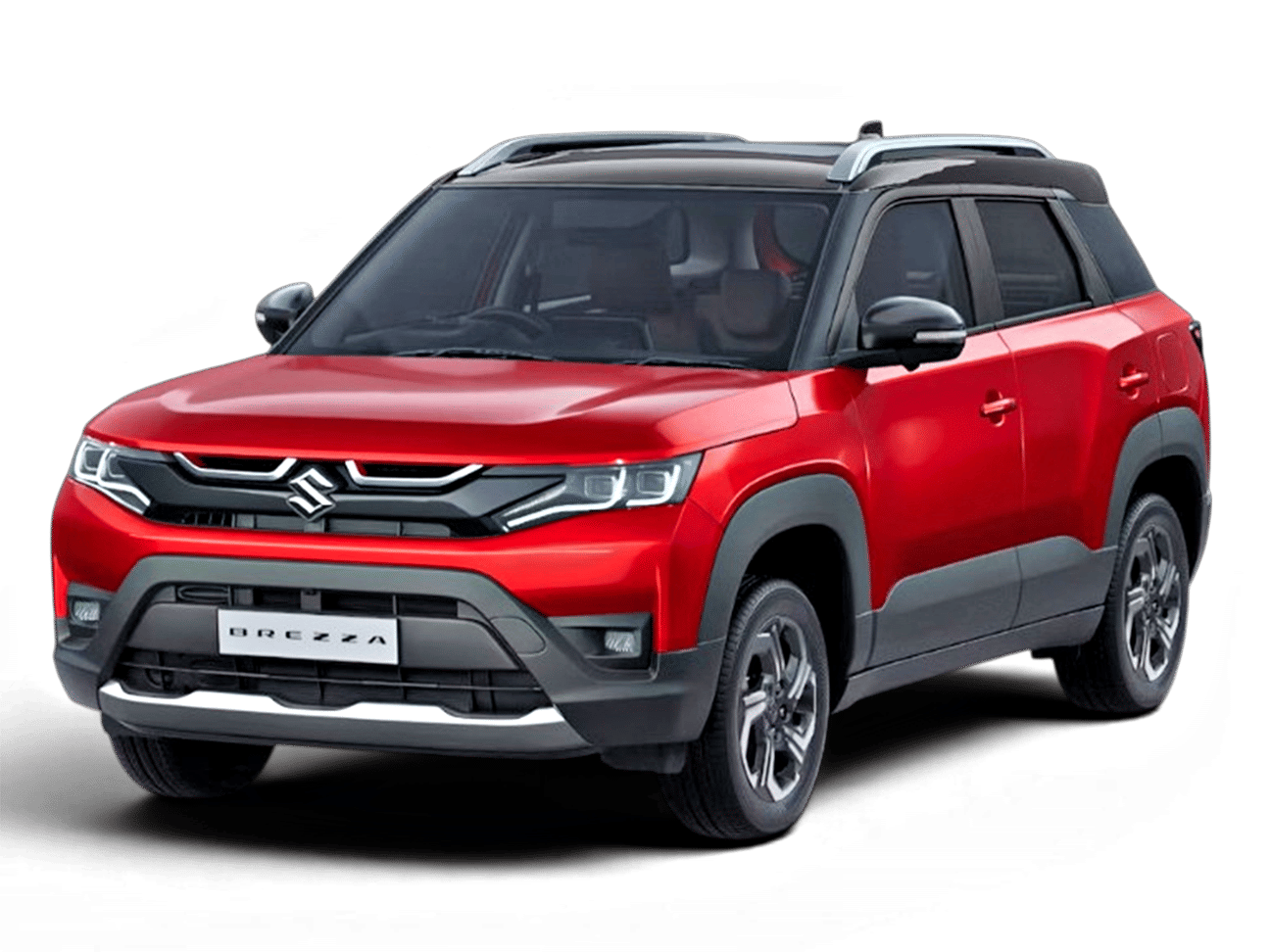
That said, both cars use small turbo-petrol engines. Modern turbo engines are reliable, but they are inherently more complex than naturally aspirated (NA) engines. It is due to additional components like the turbocharger and intercooler. If absolute long-term peace of mind is your priority, you could also consider the Maruti Suzuki Brezza, which comes with a 1.5-litre naturally aspirated petrol engine paired to a 6-speed torque converter. An NA engine is mechanically simpler and, in theory, better suited to low annual running and long ownership.

As for the Tata Punch EV, it is an excellent value for money as an EV. However, in your specific case, it may not make complete sense. Your annual usage appears limited, so you won’t significantly benefit from the lower running costs of an EV. 

Additionally, the Punch EV is compact with a smaller boot, which may restrict practicality during family visits. Long idle periods are also not ideal for EVs unless the battery state of charge is managed carefully.

A
Asked by: Amiteshon Feb 26, 2026

I am considering an automatic, and the choice is between the Kylaq AT, Elevate CVT, and Grand Vitara (GV). I would like to consider the Kylaq, but since my monthly driving is less than 500 km and mostly in the city, would a naturally aspirated engine be better? I plan to keep the car for at least 10 years and want it to be reliable, low-maintenance, with a minimum 4-star safety rating and NVH quality comparable to my 2010 Honda Jazz. I am also willing to consider other SUVs or raised hatchbacks that meet these criteria. Please advise.

If you like the Skoda Kylaq AT, go ahead. It’s a very good car to drive, feels solid, and is the most engaging of the three. Low running will naturally minimise wear and tear, and modern turbo-petrol engines are perfectly fine for city use as long as they’re maintained properly. Don’t overthink the naturally aspirated vs turbo debate purely from a reliability standpoint - upkeep matters more.
The Honda Elevate CVT and Maruti Suzuki Grand Vitara are bigger and more spacious, and both are sensible, comfortable choices. The Elevate’s naturally aspirated engine is smooth and predictable, and the Grand Vitara scores well on efficiency. However, neither feels as enjoyable or as tight to drive as the Kylaq.
Given your priorities - long-term ownership, decent safety, good NVH and low running - the Kylaq fits well if driving feel matters to you. If space and a more relaxed nature matter more, then the Elevate would be the calmer choice. But purely from the heart-and-head balance, the Kylaq is the one we would pick.

Last Updated on: 3 Feb 2026