
Hyundai cars in India (14)





FAQs
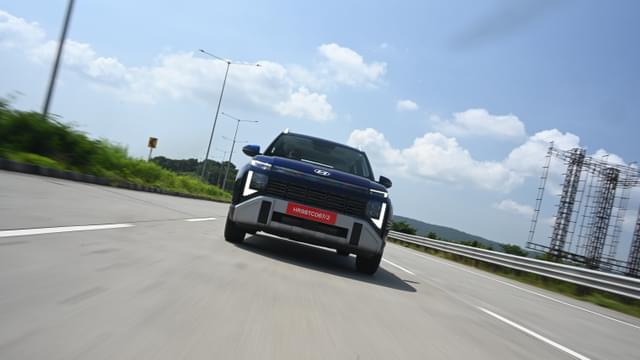
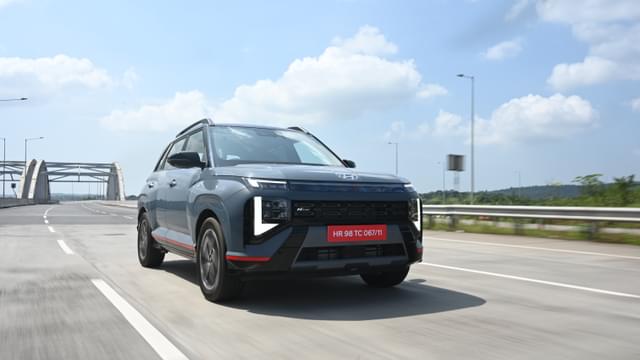
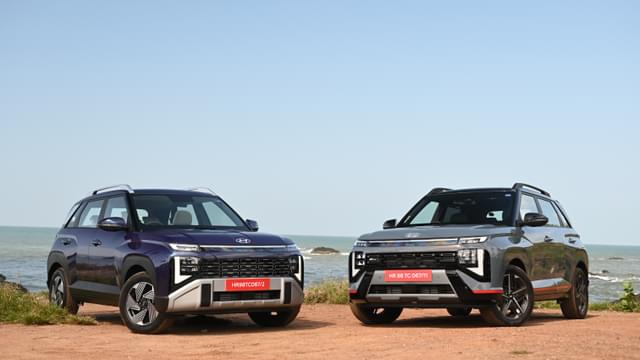
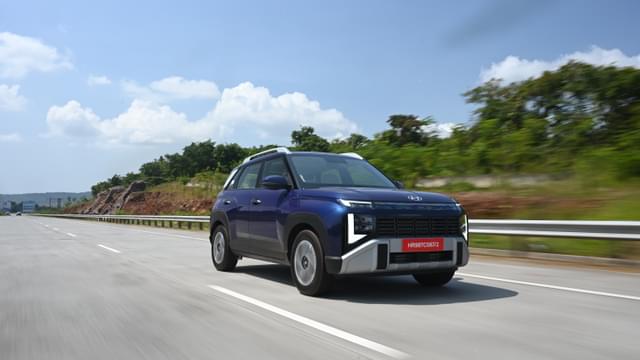
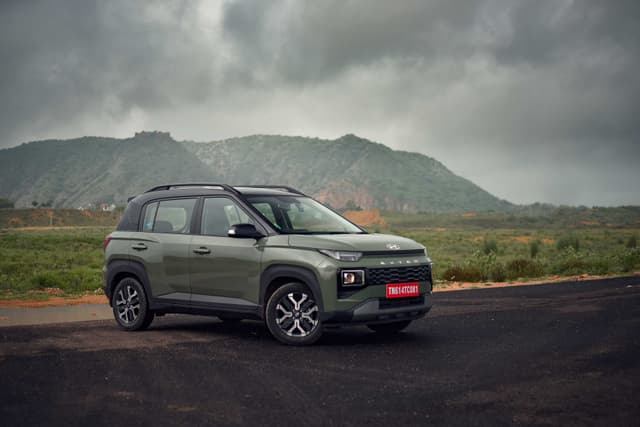
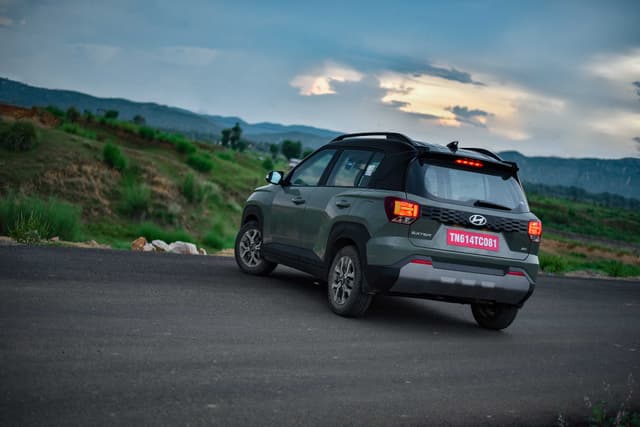
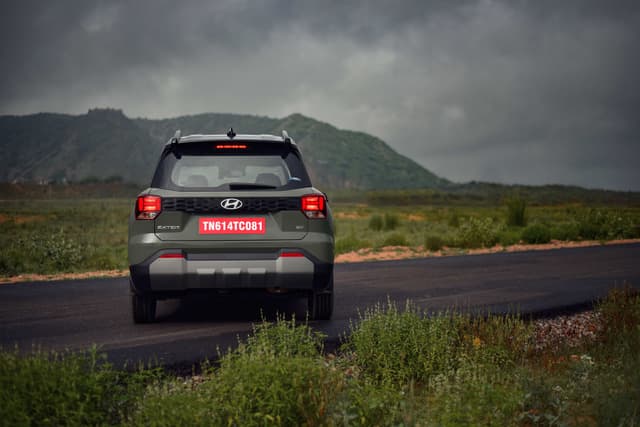
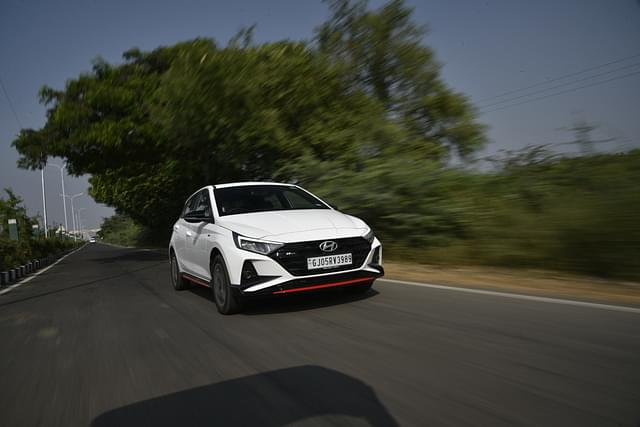
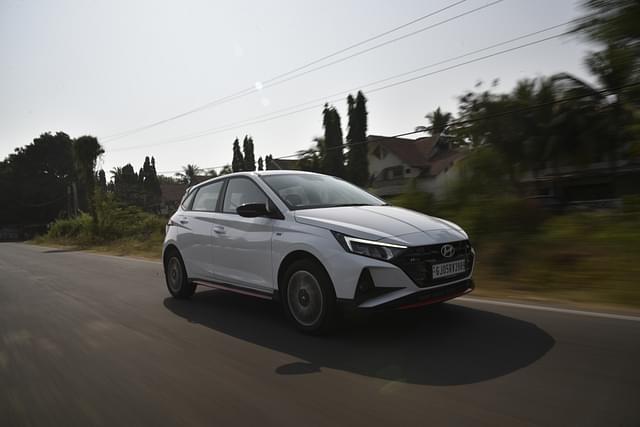
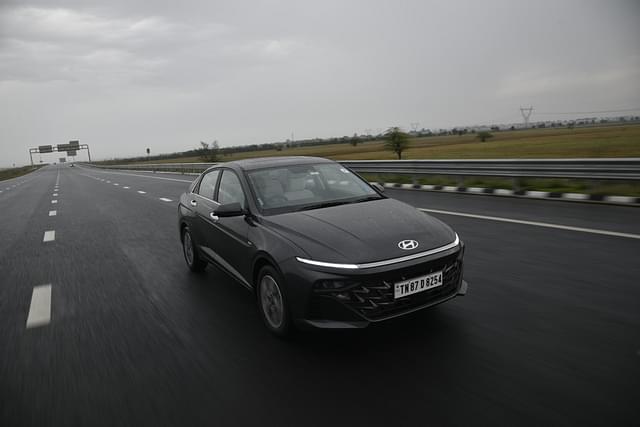
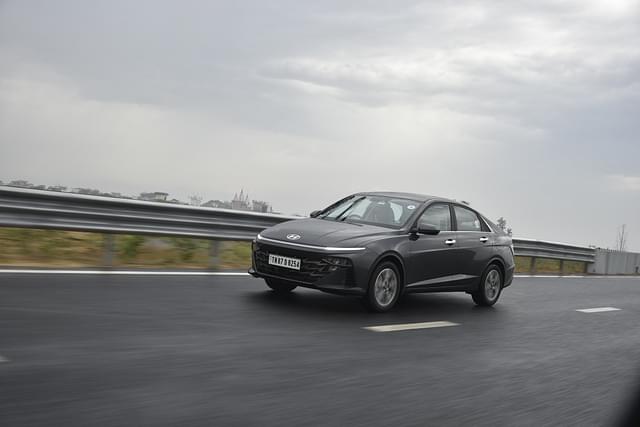
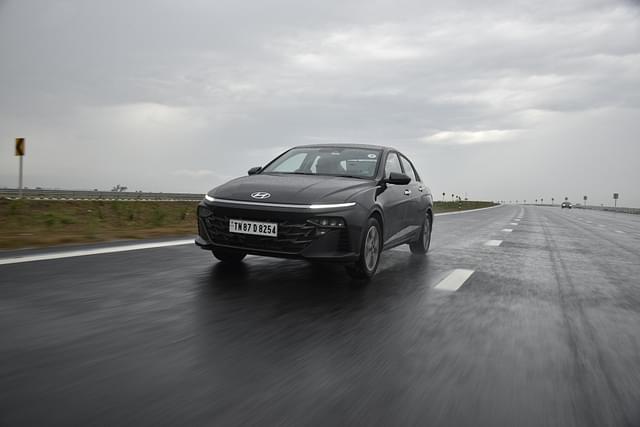
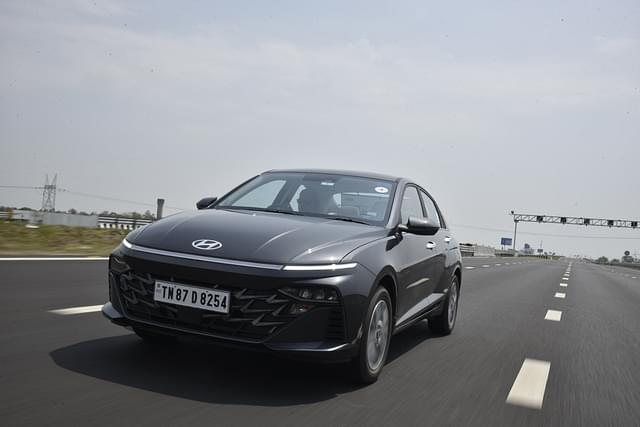
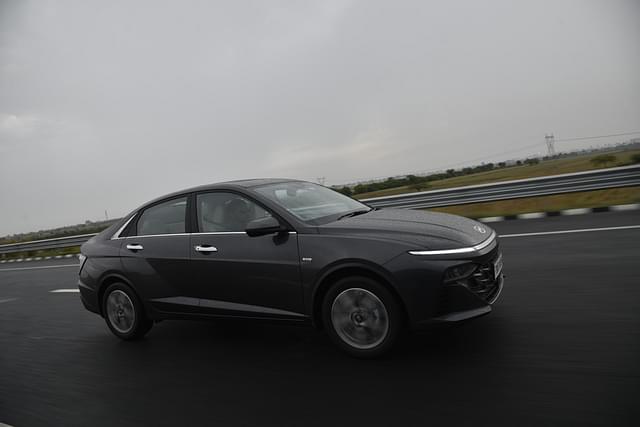
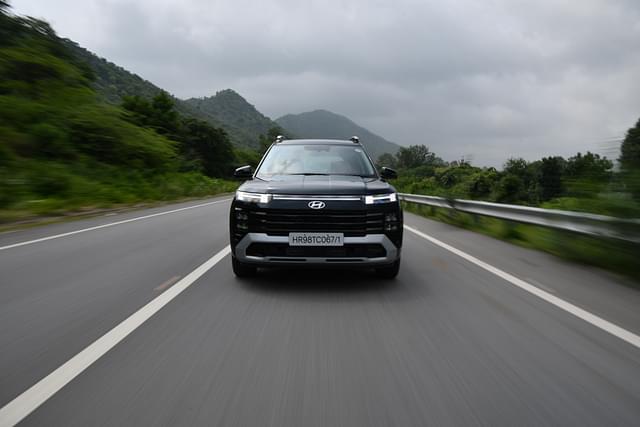
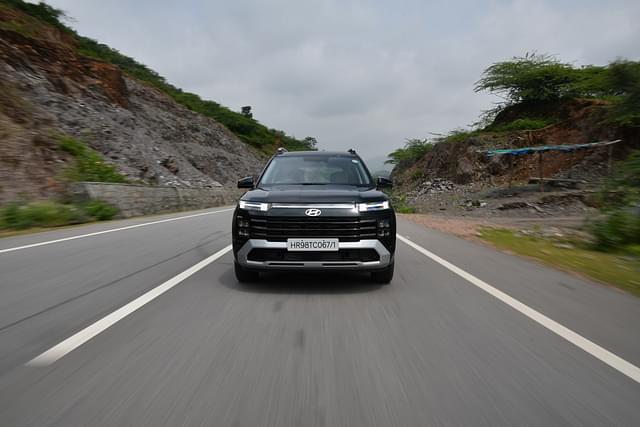
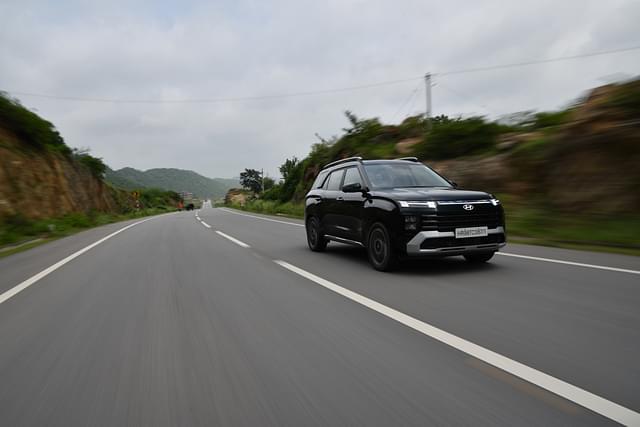
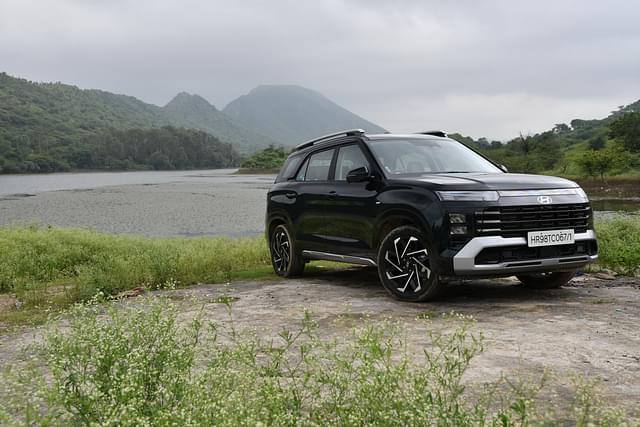
Hyundai India sells 10 models, including 6 SUVs, 2 hatchbacks, and 2 sedans. Popular models include the Creta, Exter, Venue, Alcazar, Tucson, i20, and Verna.
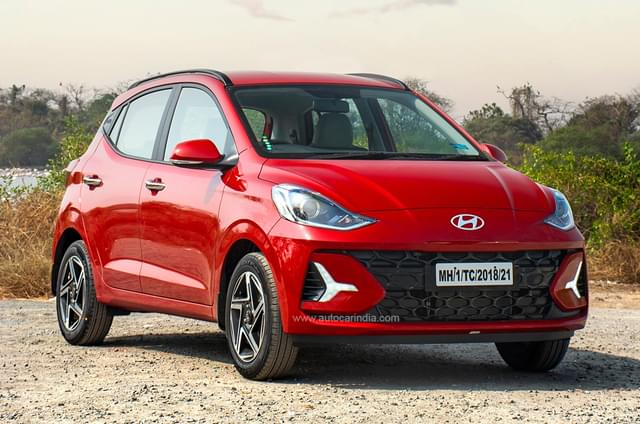
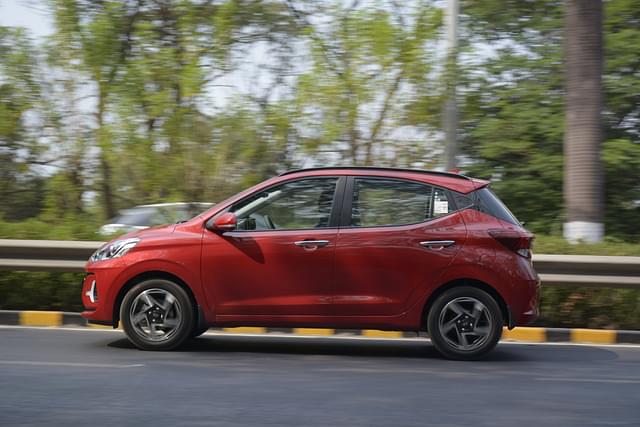
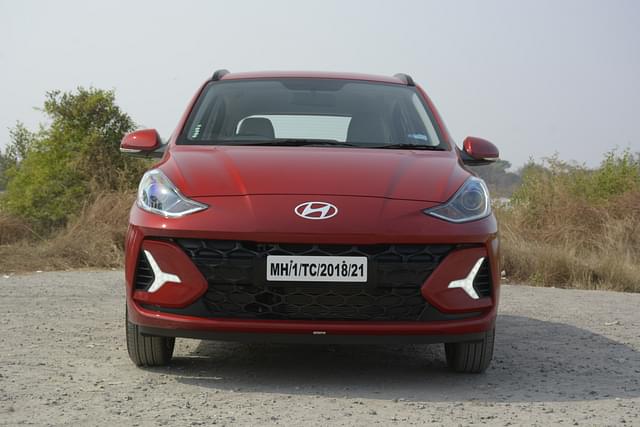
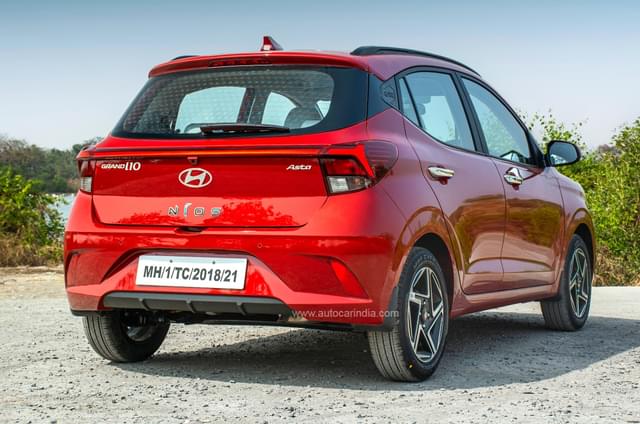
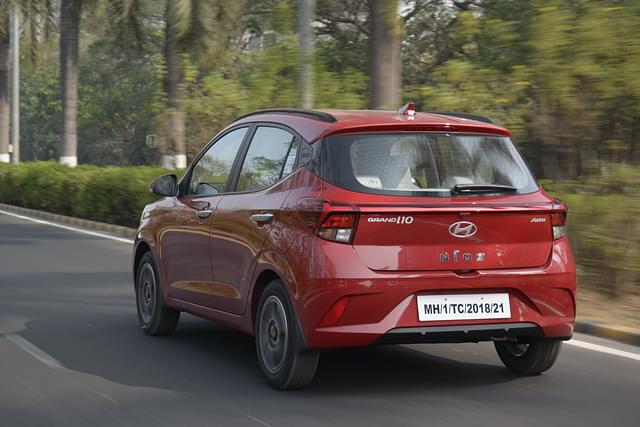
The Hyundai car price in India starts at ₹5.55 lakh for the Grand i10 Nios and goes up to ₹46.30 lakh for the Hyundai Ioniq 5 (ex-showroom).
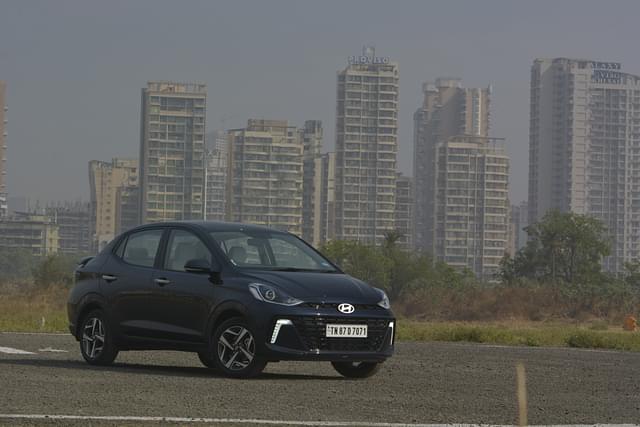
The Hyundai Grand i10 Nios is the most affordable Hyundai car in India, priced at ₹5.55 lakh (ex-showroom).
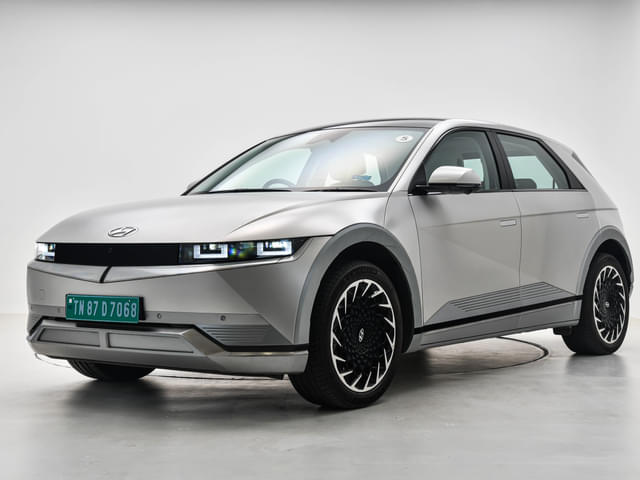
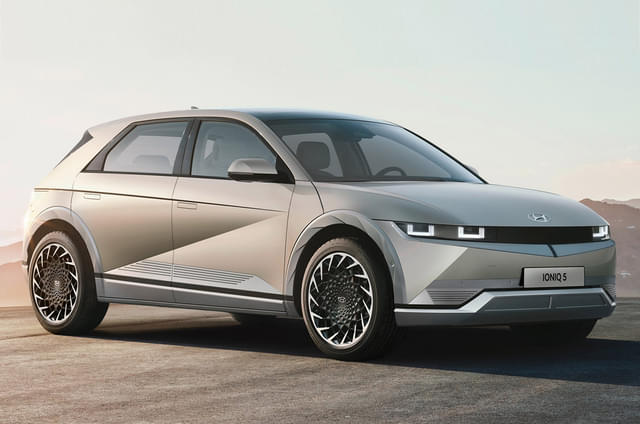
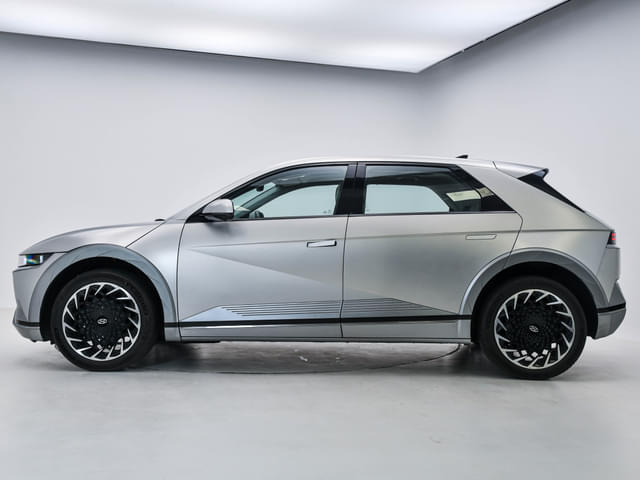
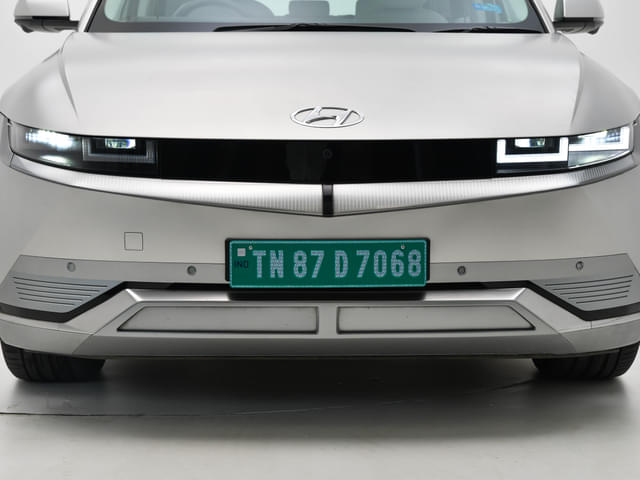
The Hyundai Ioniq 5 electric SUV is currently the most expensive Hyundai model in India, priced from ₹46.30 lakh (ex-showroom).
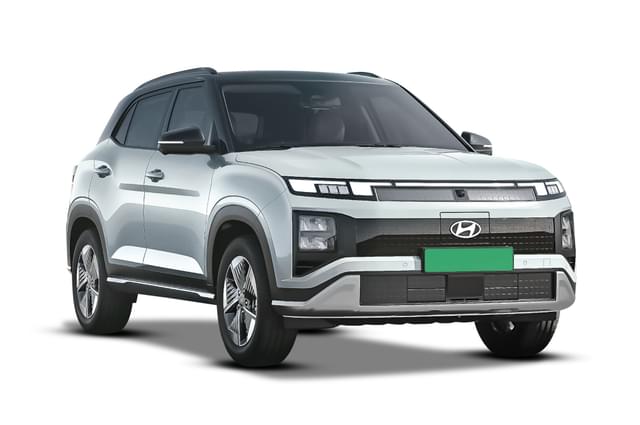
Hyundai India currently offers the Creta Electric and the Ioniq 5. More electric models like the Ioniq 6 and an entry-level EV are expected in the future.
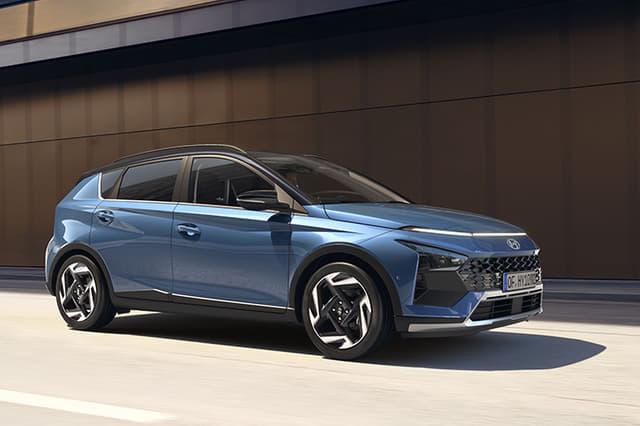
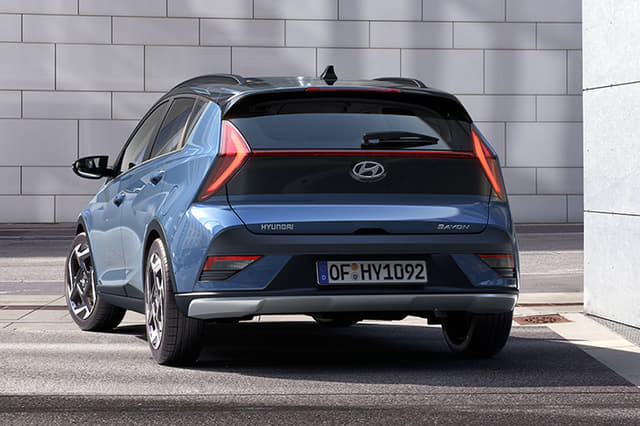
The list of upcoming Hyundai cars in India for 2026 includes facelifts for the Verna and Exter, along with the debut of the Bayon crossover and new Creta.
Trending Questions on Hyundai Cars - Answered by Autocar Experts
Dear Autocar Team, I am looking to buy a 2-3-year-old pre-owned 6- or 7-seater petrol automatic SUV. My monthly driving is around 200 km within the city, and my budget is Rs 15 lakh. Could you please suggest the best options currently available in the market?
You will find plenty of good petrol-automatic examples of the Mahindra XUV700 in the used car market. It is a very comfortable SUV, that's big on size and power.
Alternatively, you could also consider the Hyundai Alcazar 1.5 Turbo-DCT, which isn't as spacious but is a bit narrower than the Mahindra, making it a bit easier to drive in the city.
Hi Autocar Team, I am planning to buy the Hyundai Venue facelift model, but am unsure whether I should go with the petrol or diesel automatic. I prefer an automatic only, and my monthly usage is around 1,000 km, mostly city driving with occasional highway trips.
With respect to my earlier query, I have booked the Maruti E Vitara Zeta variant, which is 61kW. Will this be a sensible buy, as I am replacing it with a 2016 Brezza diesel manual that has done 1.07 lakh km? The E Vitara would be automatic, as electric cars are. I plan to keep it for 10 years for city driving and occasional highway use, or would you suggest any other electric in this price band with the same battery pack and reliability as MS? Monthly run is 900km.
I currently drive a 2015 Hyundai Grand i10 petrol and am planning to replace it with a compact SUV. My daily driving is around 25 km with a mix of city and highway use, and I usually go on a long trip once a month. My budget is around Rs 10-15 lakh. Should I choose a petrol or diesel car for this usage, and which compact SUV would you recommend?
Your limited usage doesn’t justify a diesel, so we recommend sticking to a petrol engine. If you’re happy with the Hyundai experience, the new Venue fits your needs well. The latest generation has grown in size, and the interior is roomier than before.
Within your budget, you could opt for the HX6 variant with the turbo-petrol and DCT combination. It comes well equipped with features like a sunroof, automatic climate control and cruise control. The engine is powerful enough for your long highway tours, and the DCT works well in the city. Do take a test drive before you commit to a purchase.
I am planning to buy a new car and am confused between the 2026 Hyundai Creta EX(O) IVT, Kia Seltos HTK IVT and Honda Elevate V CVT. My usage will be around 50 percent in the city and 50 percent on highways. I also plan to sell the car after 3-4 years, so good resale value and overall value for money are important factors. Which of these cars would you recommend?
Among your three choices, the Hyundai Creta is in high demand in the used market and therefore holds its value the best. The current Kia Seltos is too new to accurately predict its resale value, but going by the resale values of the last generation, we expect it to be only slightly behind the Creta. Interestingly, the Elevate, despite Honda's good reputation, will likely see the most depreciation of the three, but in the V CVT variant you've chosen, it is also the cheapest to buy, and Honda dealers regularly offer sizeable discounts on it.
The Creta is the safest bet if you want the best value for money and strong resale value. It is good to drive, well-equipped, the engine is smooth and refined, and the IVT works seamlessly. However, do take a test drive of the Elevate as well. It offers better acceleration than the Creta, the seats are very comfortable, and the suspension feels more robust. If you can negotiate a good deal, it can represent very good value for money.
I own Maruti S-Cross Diesel 2018 model.I have driven 1 lac km approximately with one major accident till date.We are a family of four.I drive extensively with 60% city and 40% highway.Is it the time for switching to new car or continue with the old car? If yes what is your suggestion for cars within Rs.20 lacs?
1 lakh kilometres is significant mileage and speaks volumes about the durability of the Fiat-sourced MultiJet diesel in your Maruti Suzuki S-Cross. It also reflects Maruti Suzuki’s reputation for reliability. That said, once the odometer crosses 100,000km, you are entering a phase where wear-and-tear components, suspension, clutch, injectors, turbo, etc., start demanding attention.
Also, since the S-Cross is now discontinued and was never a high-volume model, sourcing certain parts in the long term could become more time-consuming or expensive. On balance, this is a reasonable time to consider switching.
Given your positive ownership experience, staying with Maruti makes sense. The Maruti Suzuki Grand Vitara is a strong option. The strong-hybrid variant, around the Rs 20 lakh mark, will deliver very low running costs. It is possibly even better in city use than your current diesel, which suits your 60 per cent urban driving pattern. It should also give you the same easy ownership experience you’re used to.
If you prefer sticking with diesel for highway efficiency and torque, the Hyundai Creta diesel is a very good alternative. It offers a more spacious rear seat than the Grand Vitara and a more usable boot, since the Grand Vitara's hybrid battery slightly eats into luggage space. For a family of four with a mix of city and highway use, both are sensible upgrades within your Rs 20 lakh budget.
I am a 37-year-old self-employed male with two young kids. I loved the Virtus and decided to make it my first car. However, when I calculated the cost of ownership over 10 years, I felt I would be spending too much. My preference shifted towards the Hyundai i20 N Line after reading reviews that described it as a good driver’s car with ample rear space and decent boot space. Mileage is not a concern. My question is: will it satisfy me, or will I regret not getting the Virtus? If I choose the N Line, should I go for the manual or DCT? My usage will be 30% city and 70% highway.
Dear Autocar, my daily commute is 38 km in the city. Should I choose the Safari diesel or the Alcazar petrol? Kindly advise in terms of maintenance, reliability, and cost efficiency. I want hassle-free ownership. Also, should I go for an automatic or manual?
Hi, I am confused between buying the Hyundai Venue HX6 DCT and the Mahindra REVX A AT. My monthly usage is around 500 km, and I prefer a petrol variant. Please advise which would be a better choice.
Both the Hyundai Venue and Mahindra XUV 3XO, in their HX 6 DCT and RevX AT guise, are extremely close when it comes to price and what they offer. The Venue is the newer, more modern-looking car on the inside and out, but the 3XO is more powerful with a 131hp engine.
The 3XO is also more spacious in the rear seat, while the Venue gets a slightly bigger boot. Features on the 3XO are better, boasting a panoramic sunroof, leatherette upholstery and dual-zone climate control, to name a few.
When it comes to ride and handling, too, it is the 3XO that pips ahead of the Venue. We would recommend the 3XO in this case as it offers a lot more for the money and is the better value proposition.
Namaste Team. I own a Wagon R VXI 2015 and now wish to upgrade. We are a family of five, and my monthly driving is not more than 600 km. I am a driving enthusiast, and my budget is ₹13 lakh on-road. I do not want to consider Tata. My family has been associated with Maruti Suzuki for the past 30 years, but I am open to other brands.
Last Updated on: 19 Jan 2026