Last Updated on: 02 Jun 2026
Hyundai Ioniq 5 User Reviews
Tell us about your experience
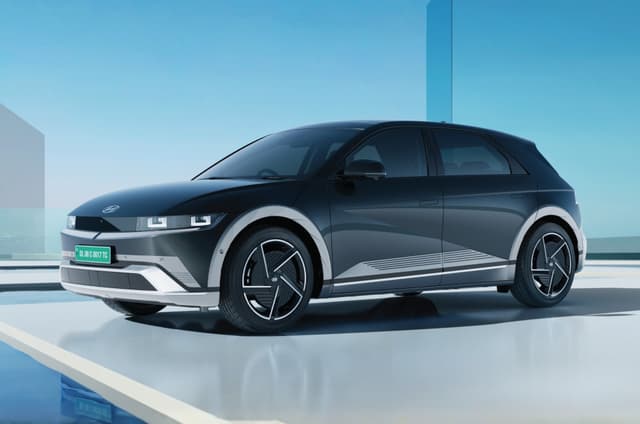
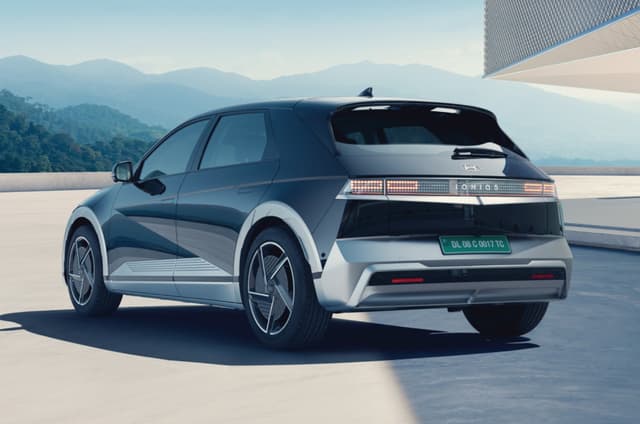
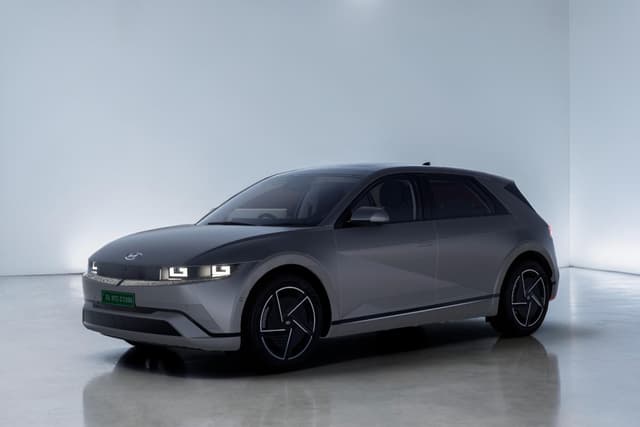
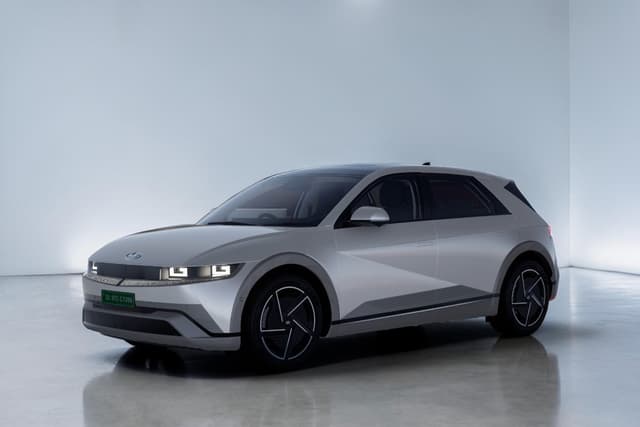
Hyundai Ioniq 5 Images
Questions you may find useful
PJ
•5wI am in a rather peculiar situation and genuinely need advice on how to move forward while keeping the right perspective. To give some background, I owned a used BMW 523i for four years and absolutely loved the experience. I eventually sold it because I moved back to Mumbai and only had access to open parking. By then, the car had also completed nearly 10 years in total. Over the last five and a half years, I have changed cars multiple times: Tata Nexon EV Prime (bought for ₹19 lakh, sold for ₹13 lakh) Upgraded to Nexon EV Max within 1.5 years (₹19.5 lakh, sold for ₹13.5 lakh) Upgraded again to MG ZS EV after 1.3 years (₹22 lakh, sold for ₹16 lakh) Finally bought a Skoda Kushaq top-end in September 2025 for ₹20.2 lakh through a good deal I do like the Kushaq, but now it feels slightly small after a new addition to the family (my baby), and my family also finds the rear seat less comfortable. At the same time, I still feel internally unsatisfied. It is not the badge value I miss, but rather the unmatched sense of satisfaction, thoughtful design, premium feel, and driving experience that I experienced with the BMW 523i and generally associate with luxury cars. I miss that feeling quite a lot. Luxury cars are beyond my ideal budget, but I could stretch financially with some sacrifices. I am seriously considering options like the BMW iX1 LWB, Mercedes-Benz CLA EV, or the Hyundai Ioniq 5 with the 84kWh battery. I feel I could manage the loan over seven years, and if I make this purchase, I would ideally want to keep the car for at least 10–15 years. At the same time, I worry about EV resale values in the long term, although luxury EVs seem to hold value slightly better than mainstream EVs. Given my situation, do you think moving into a premium EV makes practical and emotional sense, or should I hold on to the Kushaq for longer? I would really appreciate an honest perspective.

Autocar India
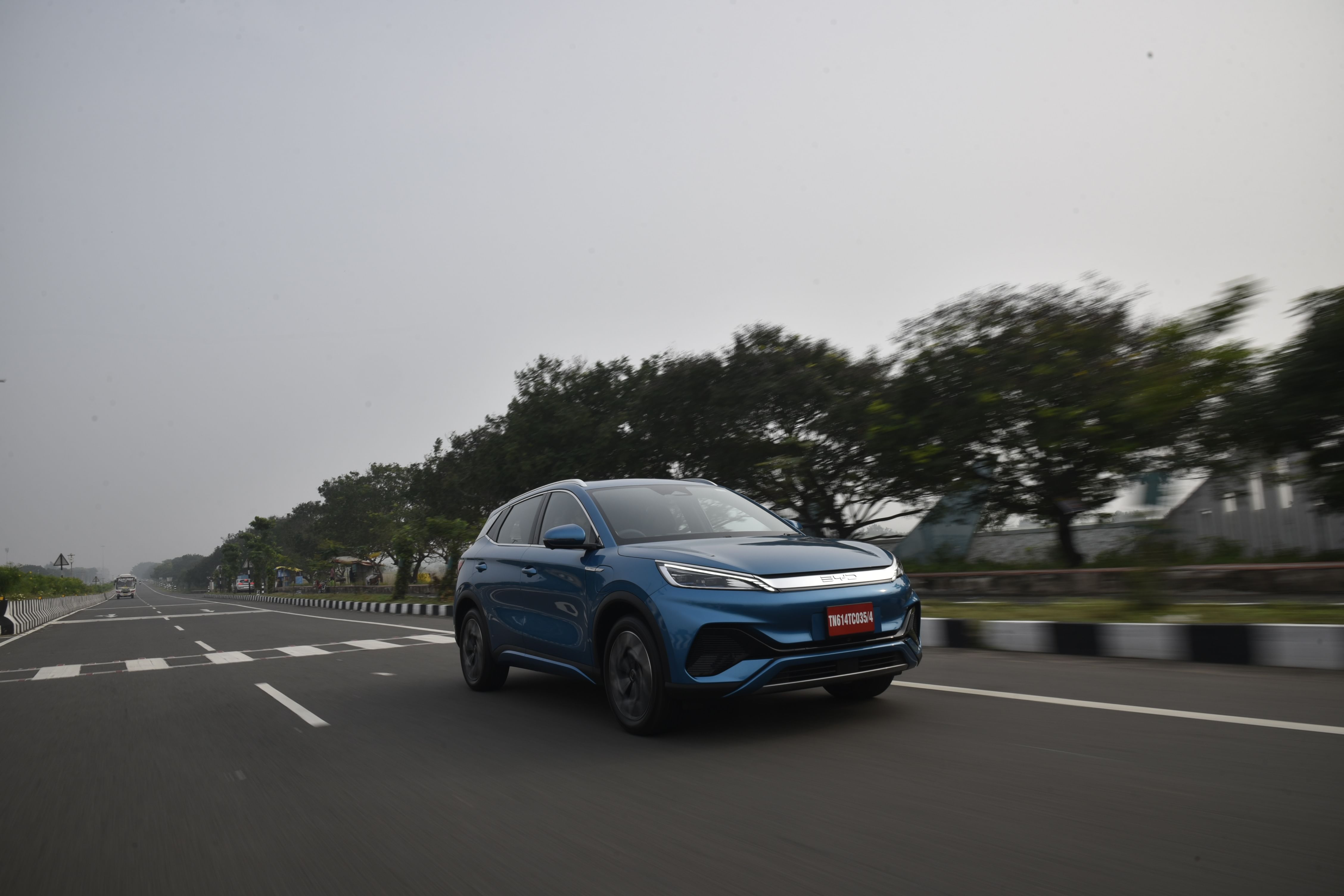
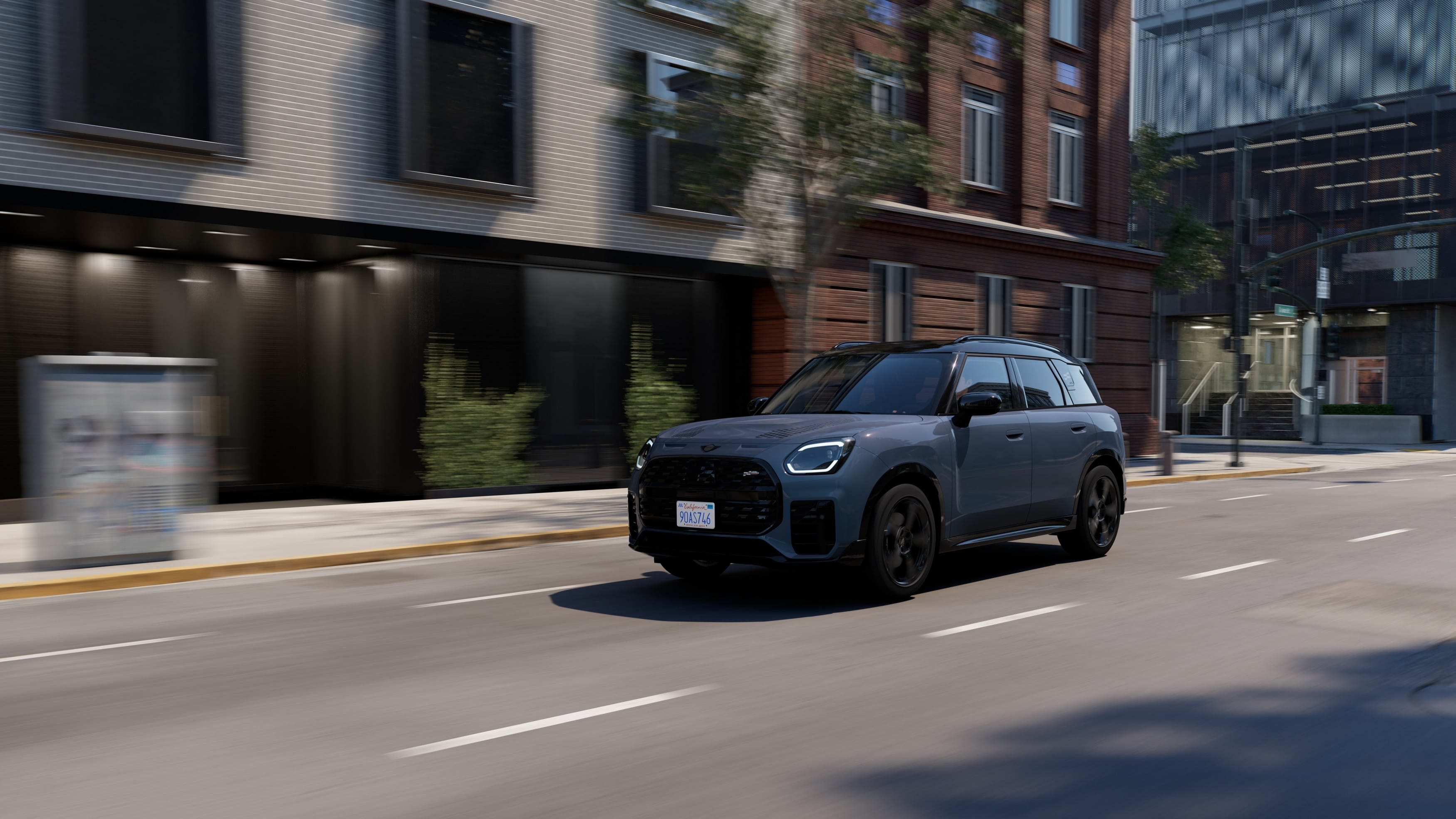
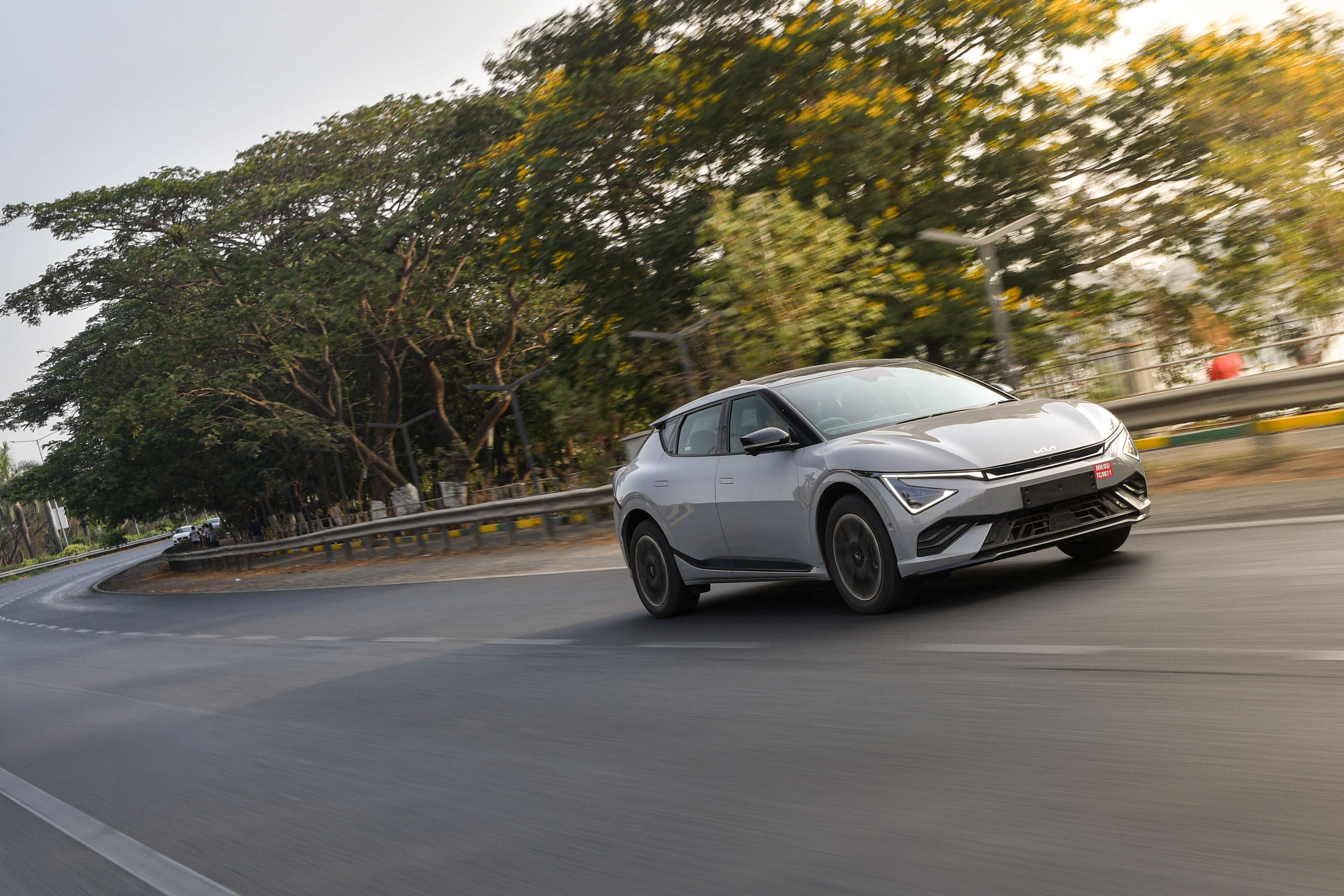
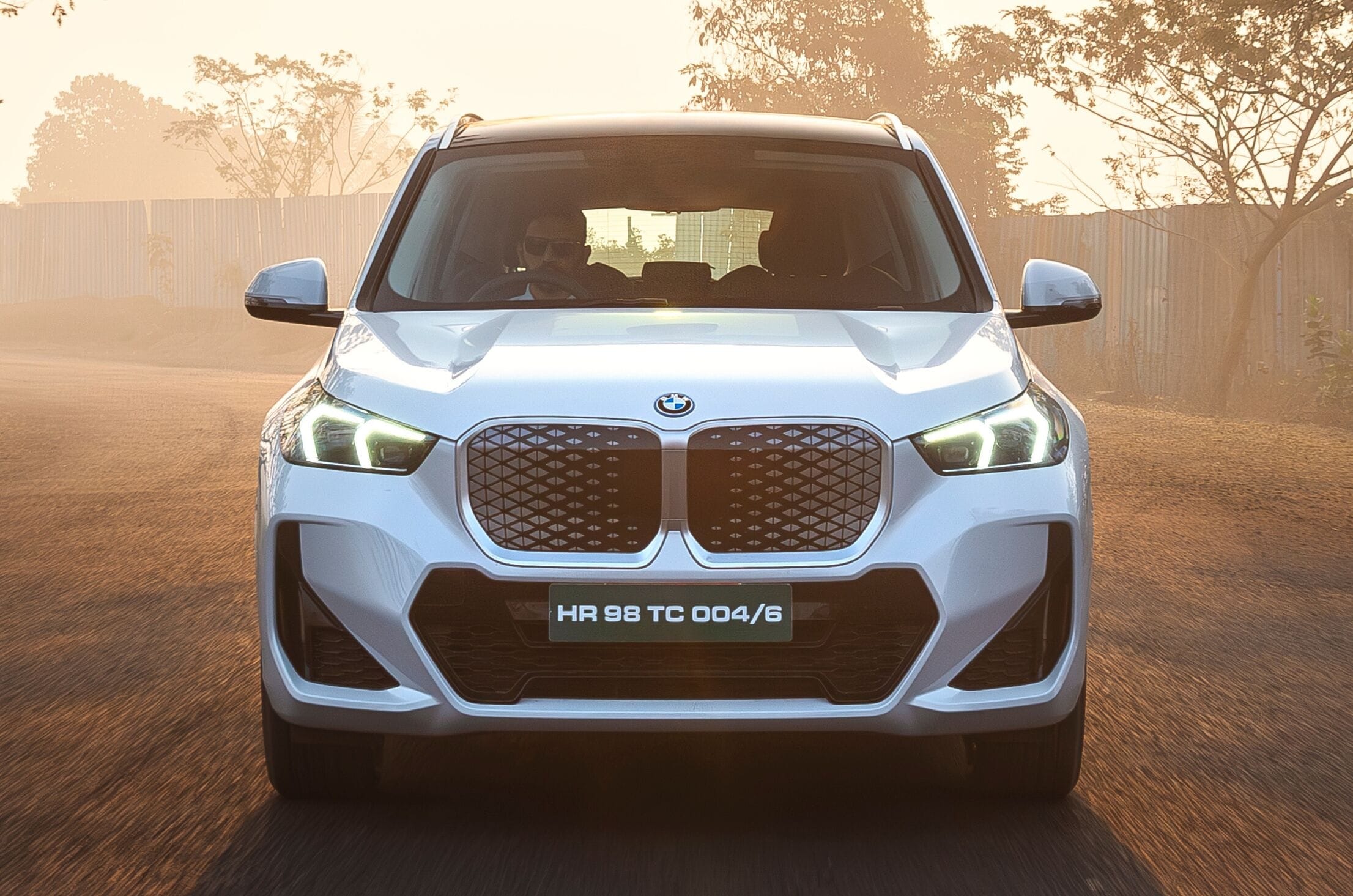
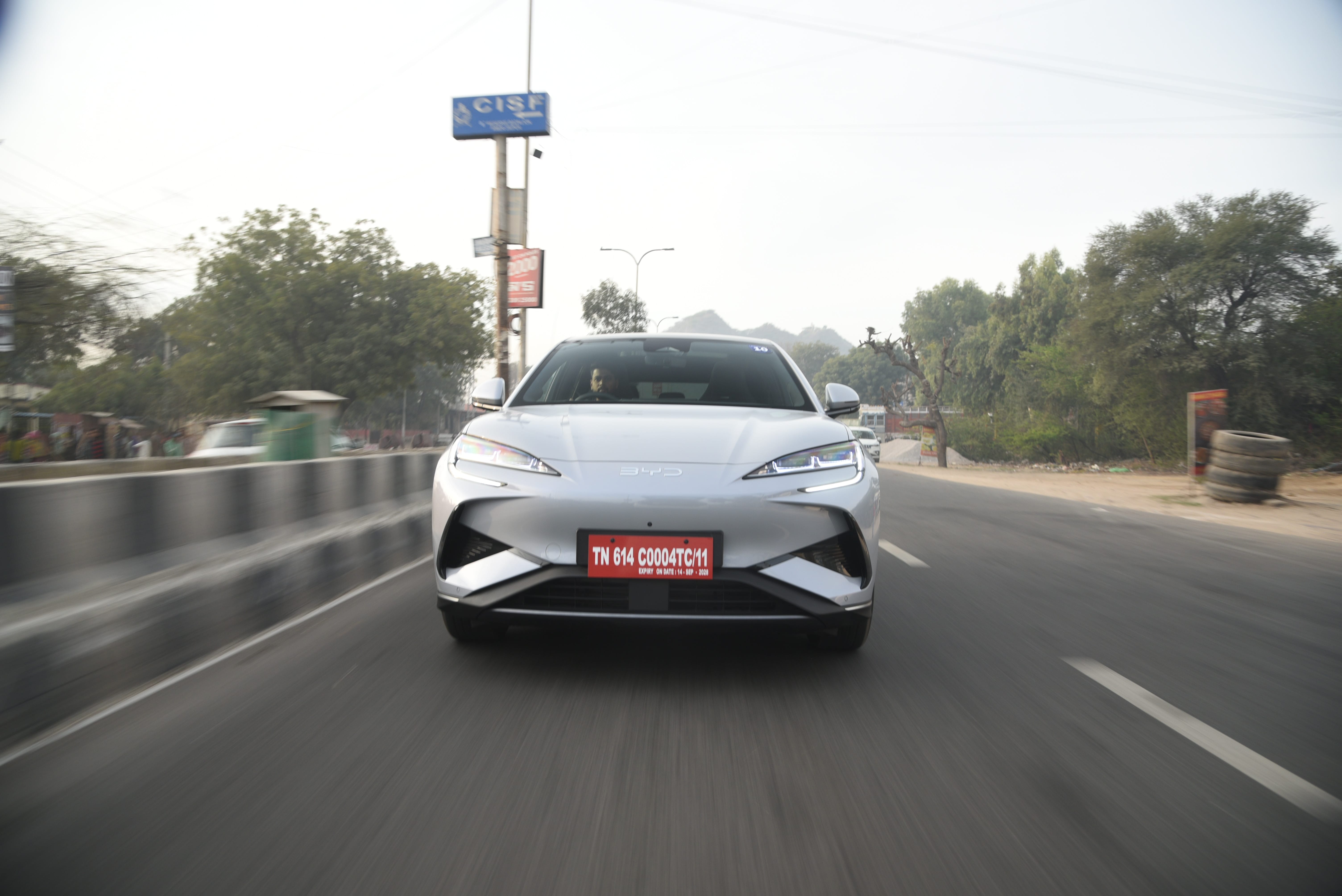
If you're looking to spend around Rs 53-57 lakh (on-road, Mumbai) for an EV, you have a lot of options - BYD Seal, BYD Sealion 7, Hyundai Ioniq 5, BMW iX1, Kia EV6, Mini Countryman, Mercedes CLA, Volvo C40 Recharge and Tesla Model Y.The BYD Sealion 7 is among the more affordable options here - it feels like a flagship product, with a richly appointed interior, and a solid, satisfying drive experience. The BMW iX1 gets its fundamentals right and will come closest to the BMW 523i's experience, as far as interior quality, sound insulation, and refinement go, although performance isn't its strong suit. For strong performance, a laundry list of features, and a larger and more spacious interior, consider the Kia EV6. Sure, on paper it is much more expensive; however, Kia dealers are offering mouth-watering discounts. Also, the AWD version's price is lower than the recently launched RWD Hyundai Ioniq 5.As far as resale value goes, EVs across the board don't hold strong residual values compared to their ICE counterparts, irrespective of the badge they wear or the segment they belong.
Ashish sachdeva
•5wI am planning to buy an EV in the ₹50-60 lakh price range. My key requirements are around 500 km range, along with good space, comfort, and overall refinement. I have shortlisted the Tesla Model Y L and the BYD Sealion 7. Which of these would make more sense for my needs?

Autocar India
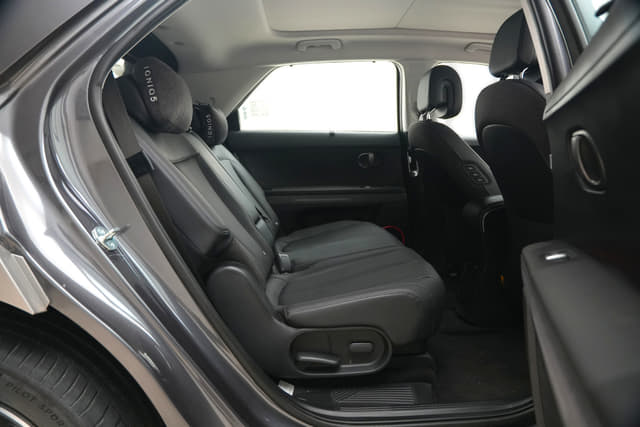
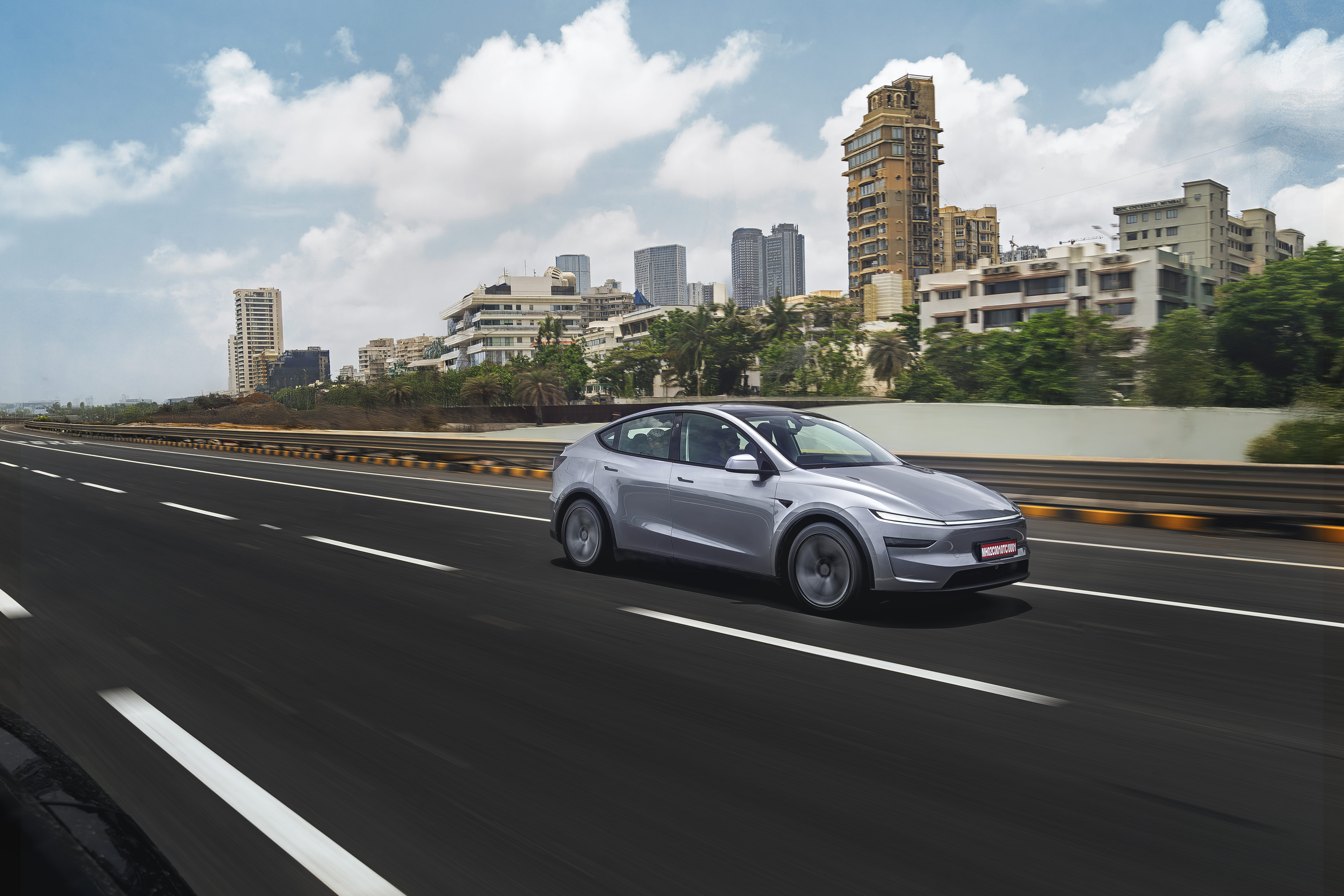
While both your shortlisted EVs are excellent in their own right, they do have their shortcomings. The Tesla Model Y L is priced at Rs 62 lakh (ex-showroom), putting it outside your budget, and though it has an impressive WLTP range, it has yet to be proven in the real world. Similarly, though the BYD Sealion 7 represents excellent value for money, its real-world range is far removed from its official figure, and in our real-world test, the dual-motor version managed around 370km on a full charge. Of the two, we'd recommend the Sealion 7, which offers better value overall than the Tesla. However, another EV you should consider in your price range is the recently unveiled Hyundai Ioniq 5 facelift. The original model came the closest to delivering a real-world 500km range in our tests, and this new one, with its larger 84kWh battery, should easily cross that figure. Hyundai's EV powertrains are among the most efficient around, and the Ioniq 5 is as well-appointed and equipped, spacious and comfortable as the best out there.
Yohann
•6wWhen is the next-generation Hyundai Ioniq 5 expected to launch in India?

Autocar India
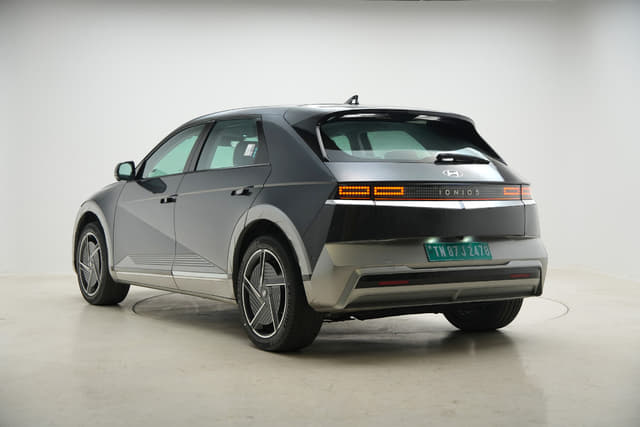
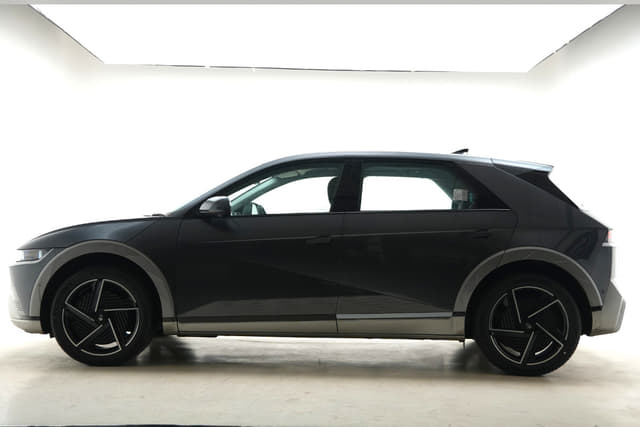
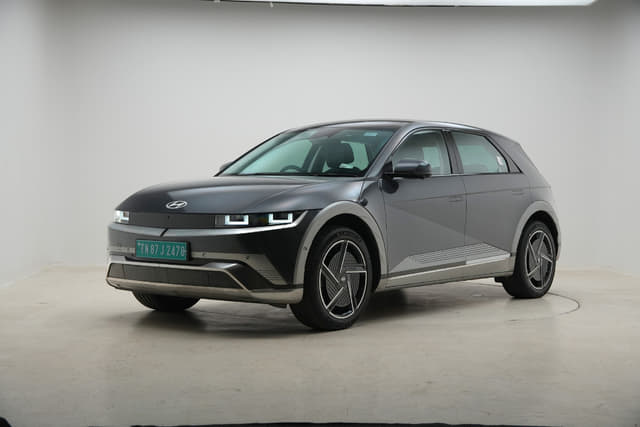
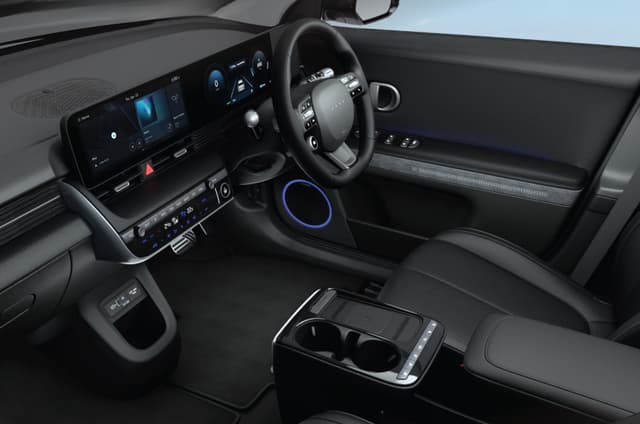
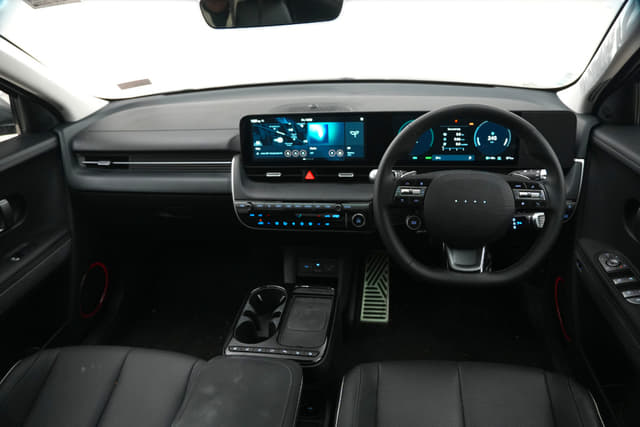
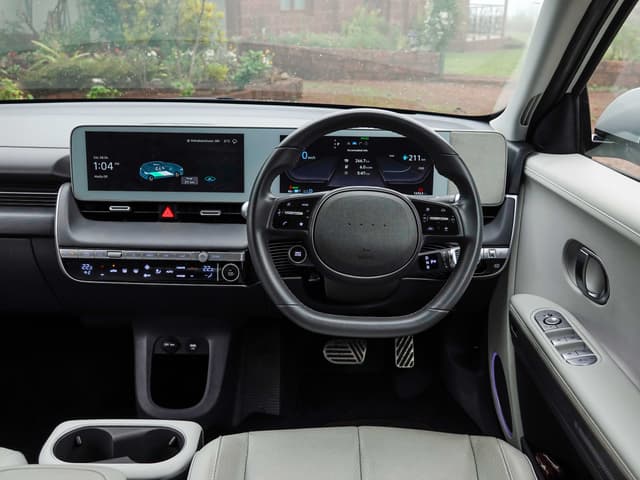
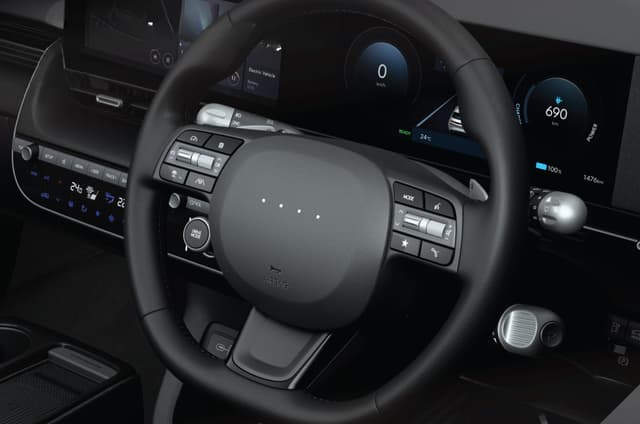
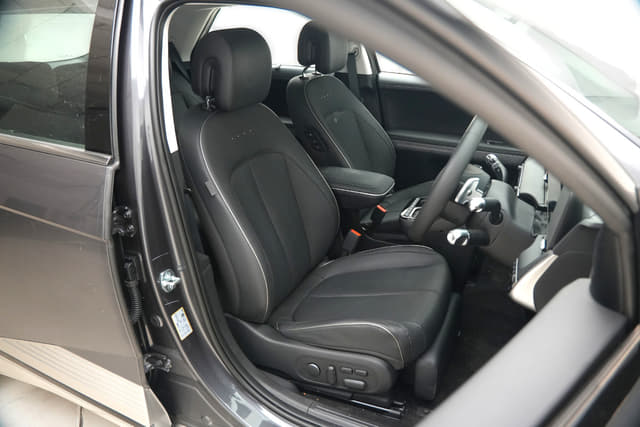
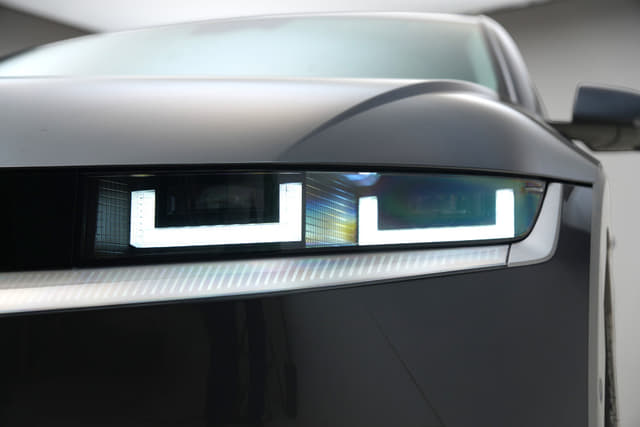
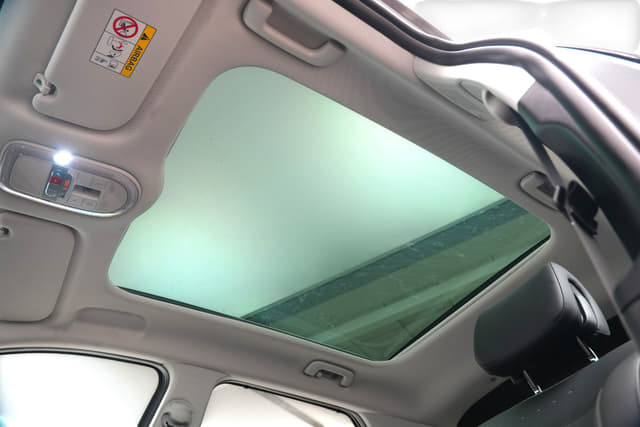
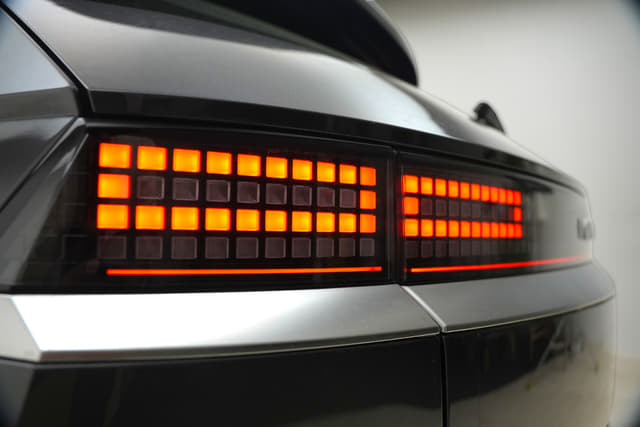
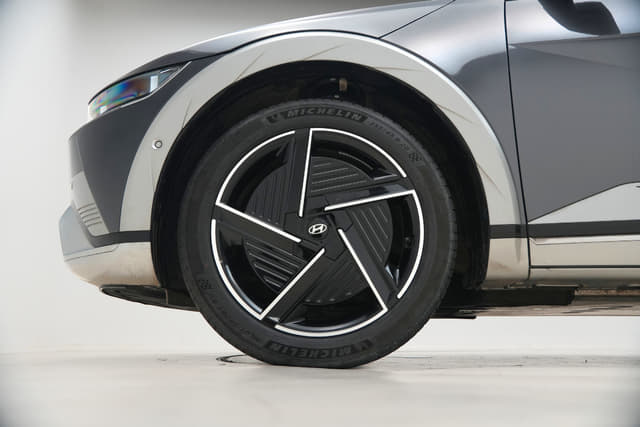
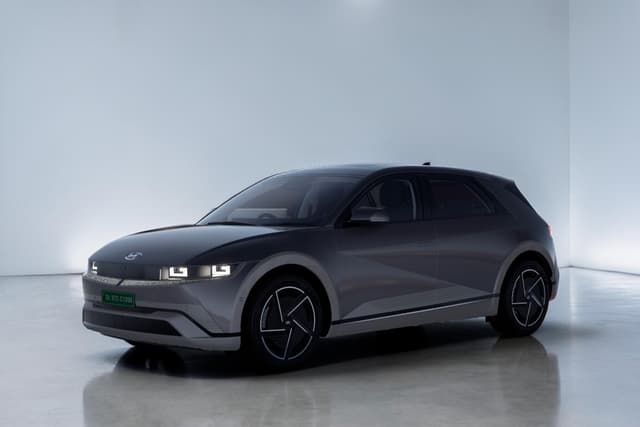
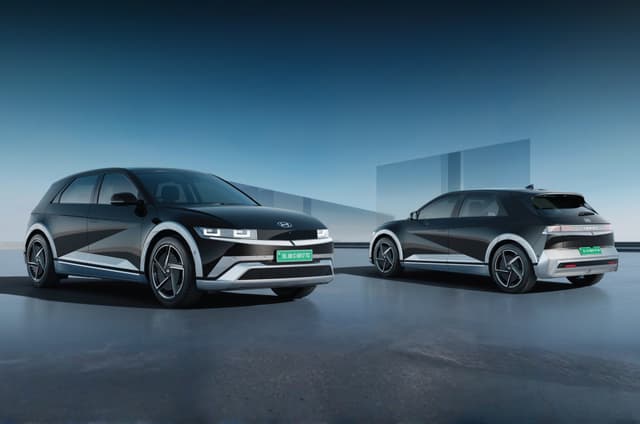
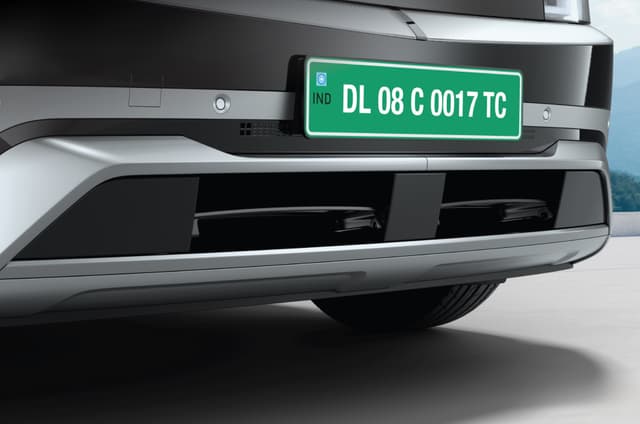
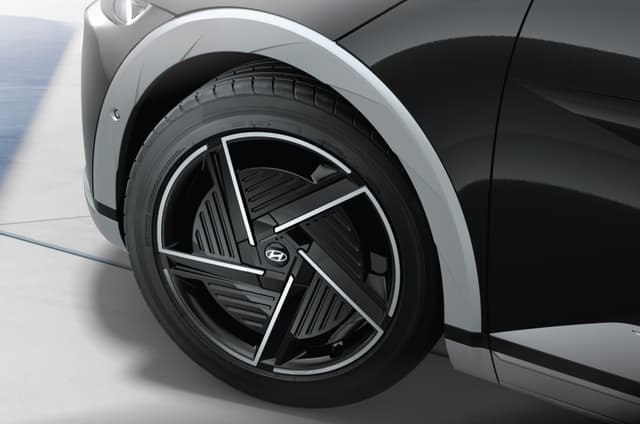
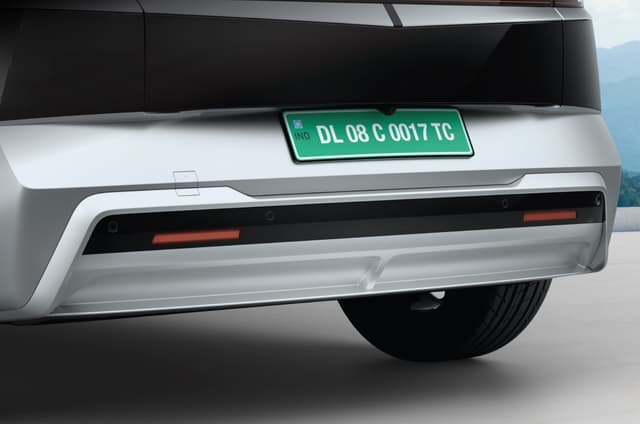
The new Hyundai Ioniq 5 has just been launched and is available for Rs 55.7 lakh (ex-showroom). The big change is a larger battery 84kWh battery (up from 72.6kWh ) with a corresponding increase in range to 690km on a full charge, which is quite substantial. Other changes are mainly cosmetic with styling enhancements to the front and rear bumpers, a new set of alloy wheels and a redesigned rear spoiler. The interiors are largely unchanged and continue with the same airy and spacious cabin, connected cockpit, and in-car payment support for charging.Hyundai has also added a few safety and convenience features like rear parking collision-avoidance assist and enhanced parking distance warnings.
Dhanoop
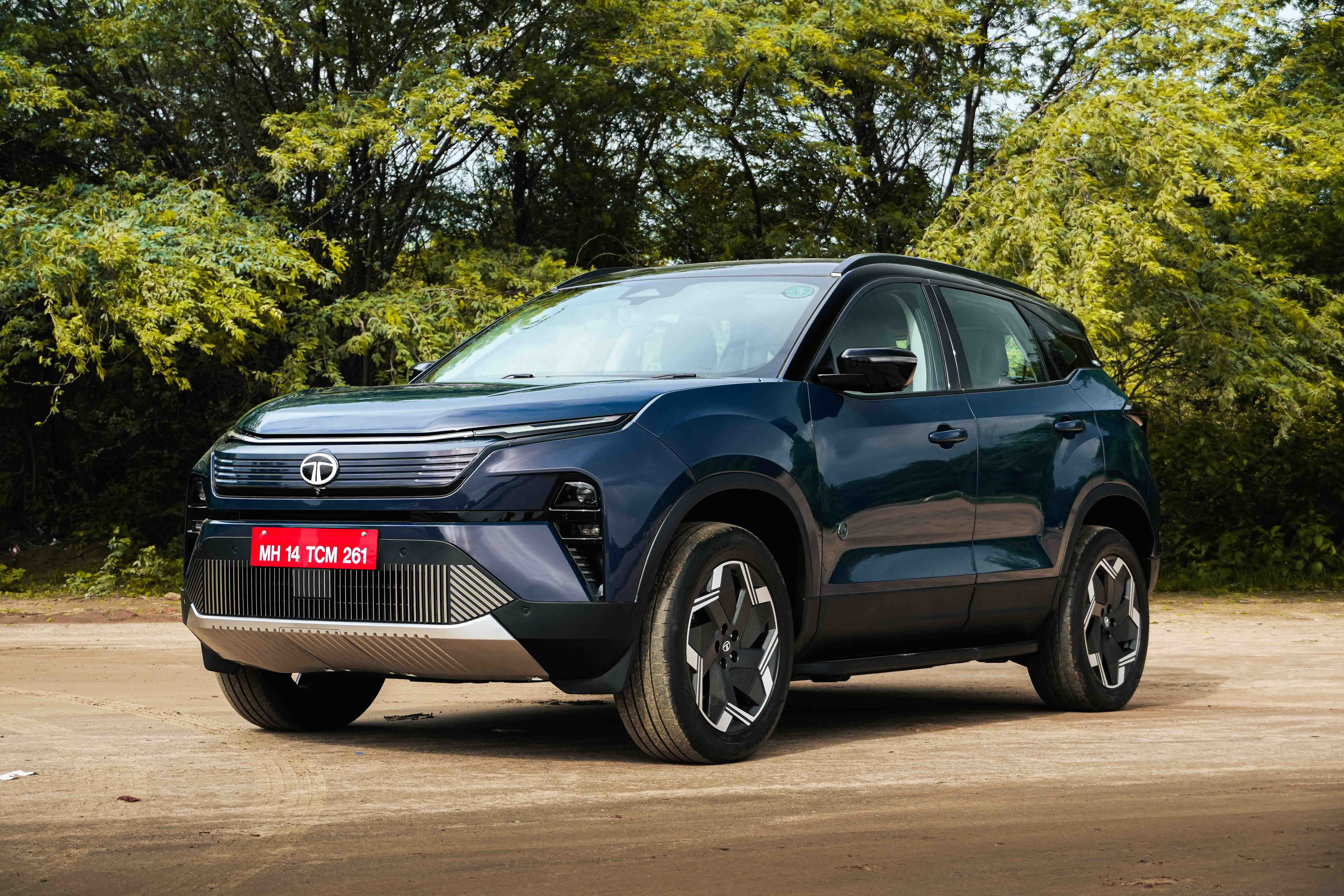
•14wHi, I am a 38-year-old surgeon with a daily travel of 100 km, split between city roads (50%) and state highways (50%). I am currently driving a 2018 Amaze and facing high fuel costs (around ₹8,000 weekly). I am looking to switch to an electric automatic SUV in the ₹20-35 lakh budget. I have considered the Harrier EV, XEV 9S, and Creta EV. Kindly suggest the right car (new or used) among these or any other suitable option.
Autocar India
The Hyundai Creta Electric is much smaller than the Tata Harrier EV and Mahindra XEV 9S, making it relatively much lighter than the other cars. It also has the smallest battery pack compared to the others, but on account of its lower kerb weight, it is a lot more efficient, and you can expect around 430km on a single charge with mixed usage.Hyundai has also improved the battery's DC fast-charging capability recently, so charging times are also much lower. Furthermore, it is the most sorted electric SUV you can buy, with logical ergonomics and a clutter-free user interface/experience. Also, with no or minimal glitches, the Hyundai is much more reliable than the other two, and one that's very easy to recommend.Since you have a budget of up to Rs 35 lakh, you could look for a Hyundai Ioniq 5. The Ioniq 5 is an outstanding electric car, and for all its merits, it even won our 2024 Car of the Year. It will be a bit more effort to source one, but because a facelift is expected soon, dealers will try to liquidate existing stock at mouth-watering discounts.
James
•23wI have been using a Nexon EV for the past three years and would now like to upgrade to another EV. What would be an ideal replacement below ₹50 lakh? We are a family of three, the car will be self-driven, and I prefer something compact.

Autocar India
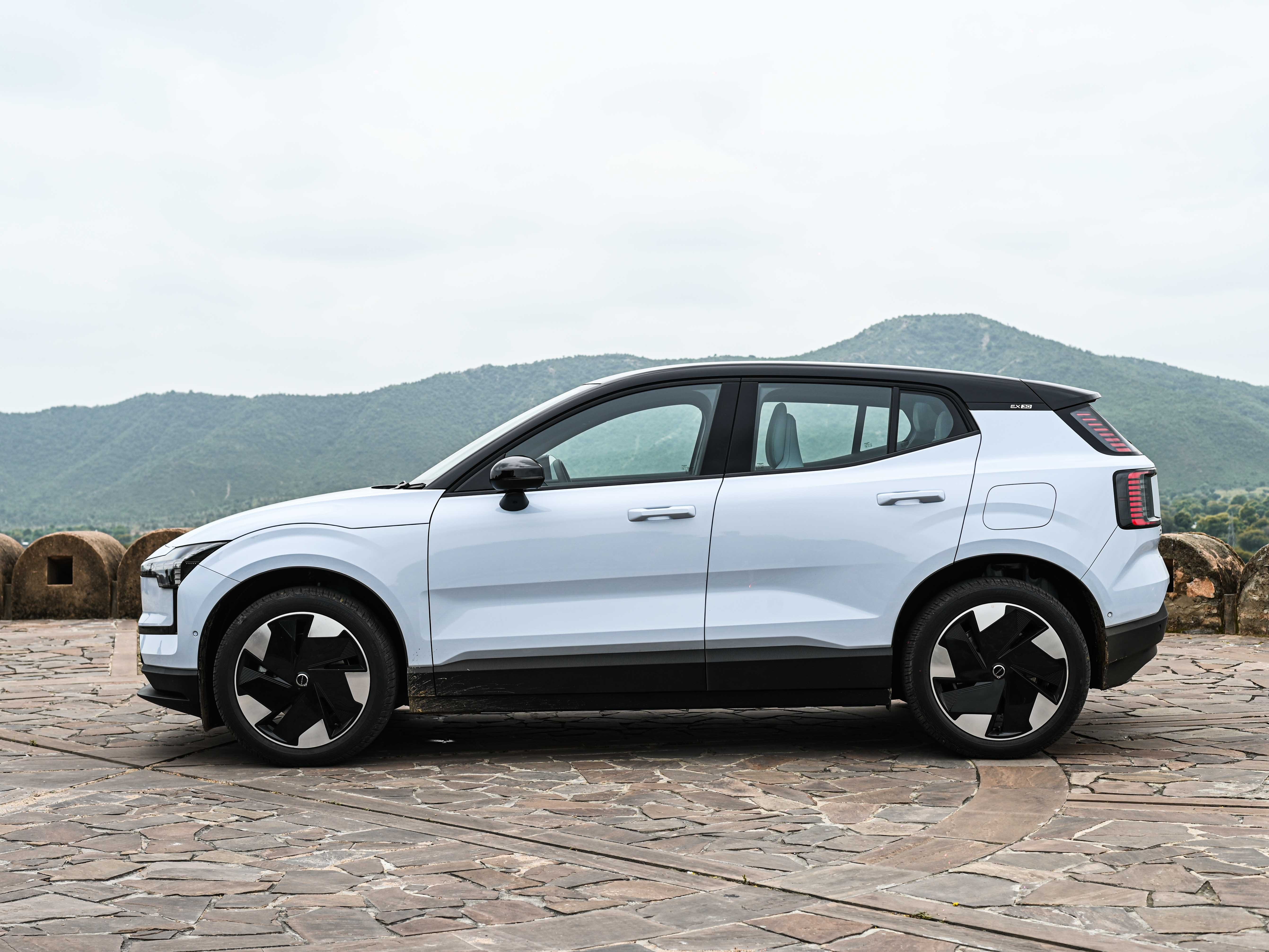
Check out the Volvo EX30 - it's a compact crossover with a high-tech, luxurious interior and loads of features with a focus on safety. It comes with a large 65kWh battery with a WLTP range of 480km and strong performance from its 272hp single motor setup. Its quirky design is very EV forward and will stand out on the road for looking like nothing else on the market.The only consideration you have to make is that, being a compact electric car, it's not super spacious in the rear seat. There are other great EVs at this price, but none of them are compact - like the Hyundai Ioniq 5 and BYD Seal.
Still Confused? Ask AutoCar Experts
Get answers to your queries from our team of experts.