
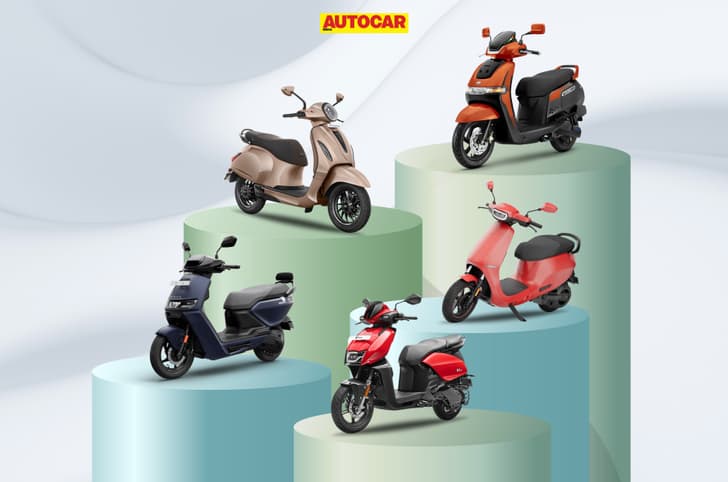
India’s electric scooter market is booming, and June 2025 proved just how fast things are changing. While EV startups like Ola Electric led the charge early on, it’s now the traditional players – TVS and Bajaj – that are seeing positive growth.
- Hero MotoCorp and Ather are gaining serious momentum
- Ola’s sales have dropped by 45 percent compared to last year
- As EVs go mainstream, buyers stick to trusted brands
Legacy players surge ahead in EV market
Ola’s market share slides amid intensifying competition
India registered 1.05 lakh electric two-wheelers in June 2025 – up 32 percent year-on-year and 4 percent over May. More than the growth itself, it is the shift in market leadership that stands out.
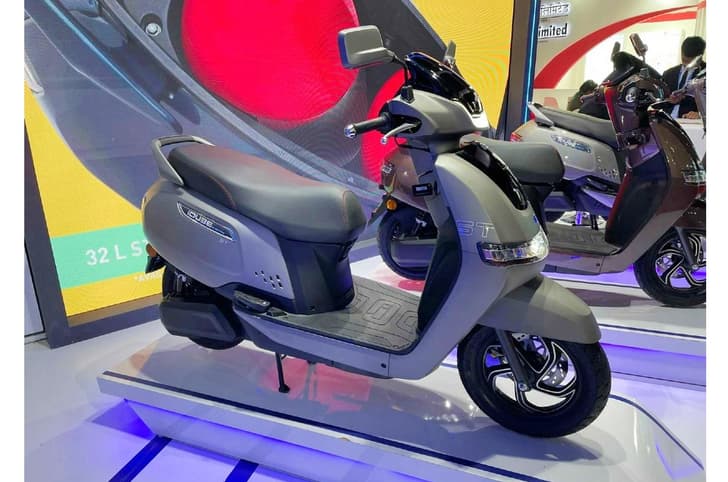
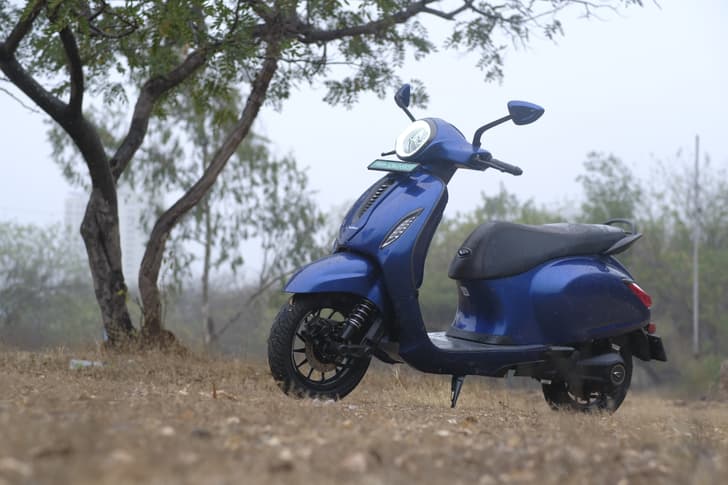
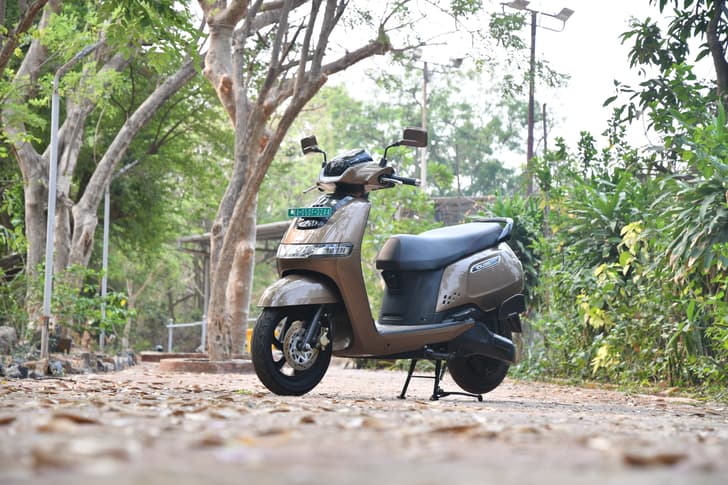
TVS Motor sold over 25,000 units, up 80 percent from last year. Its iQube scooter is doing well, thanks to better pricing, wider reach and brand trust. With that, TVS grabbed a 24 percent market share, up from 17.5 percent last year. Close behind, Bajaj Auto clocked over 23,000 sales – a substantial 154 percent jump. The Chetak has now become a real contender in the EV space. Bajaj’s share nearly doubled to 21.8 percent, thanks to its growing footprint in smaller cities.
Together, TVS and Bajaj now control almost half of India’s EV scooter market – a huge change from just a year ago.
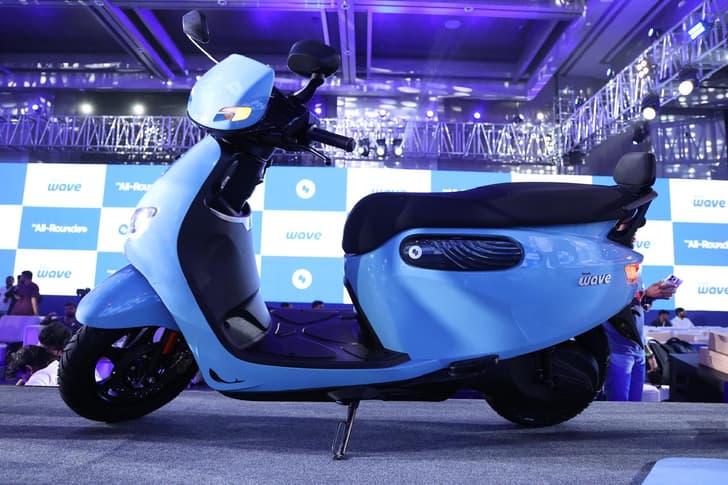
On the flip side, Ola Electric, once the dominant force, is losing ground fast. It sold over 20,000 units in June 2025, marking a 45 percent drop year-on-year (YoY). Its market share has nearly halved to 19.2 percent, down from 46.1 percent. Despite a small month-on-month bump, Ola is being squeezed by established rivals with stronger networks and better service.
.png?w=700&c=0)
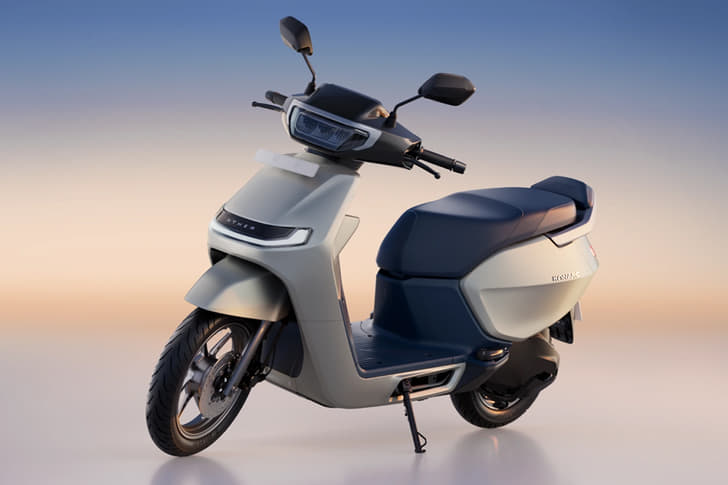
Ather Energy is holding steady, with over 14,500 units sold – up 133 percent from last June. Thanks to the family-centric Rizta-updated 450 series and new showrooms, its market share now stands at 13.8 percent.
Then there’s Hero MotoCorp, late to the party but catching up fast. It sold over 7,600 units in June – up 149 percent YoY – and now holds a 7.3 percent market share, thanks to its Vida electric brand finally hitting its stride. To add to this, Hero has launched a more affordable model – the Vida VX2, starting at Rs 59,490.
But not everyone is on the rise. Once-popular names like Hero Electric and Okinawa are in trouble. Hero Electric sold just 41 scooters, down 86 percent, and Okinawa dropped 57 percent to 159 units. Tough competition and changing buyer expectations have hit them hard.
Looking at the bigger picture, the April to June quarter saw 2.98 lakh electric two-wheelers registered in India, a 34 percent rise from last year.
TVS doubled its sales this quarter, while Bajaj grew 148 percent and Hero MotoCorp 223 percent. The trend is clear: as electric scooters go mainstream, buyers are leaning toward brands they already know and trust.
And with more launches expected in the second half of the year, with big names like Yamaha and Suzuki set to join the fray, India’s EV game is only just getting started.
With inputs from KETAN THAKKAR
 Autocar India News Desk
 Dhruv Dhaka
 Dipan Sur