Volkswagen cars in India (7)
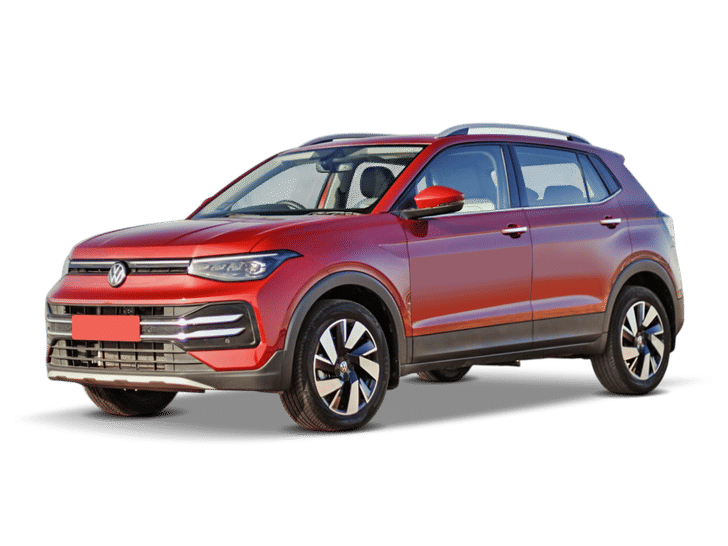
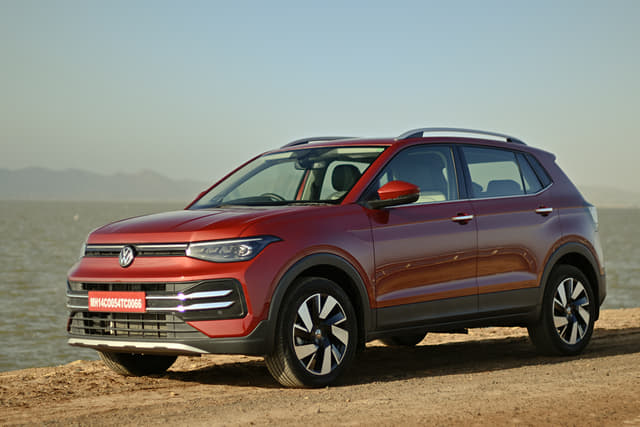
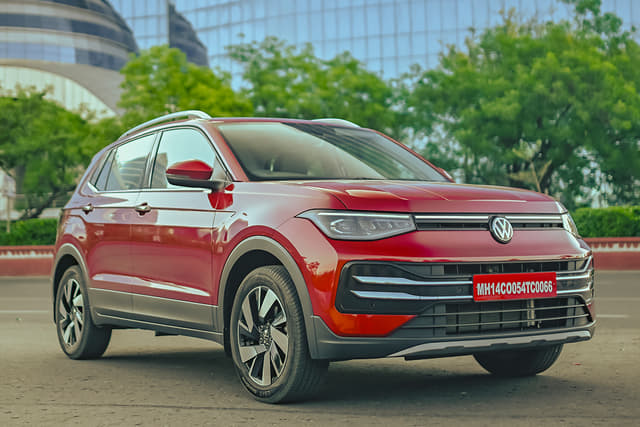
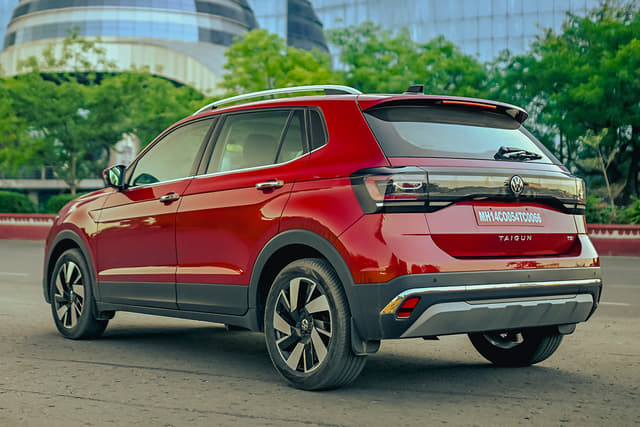
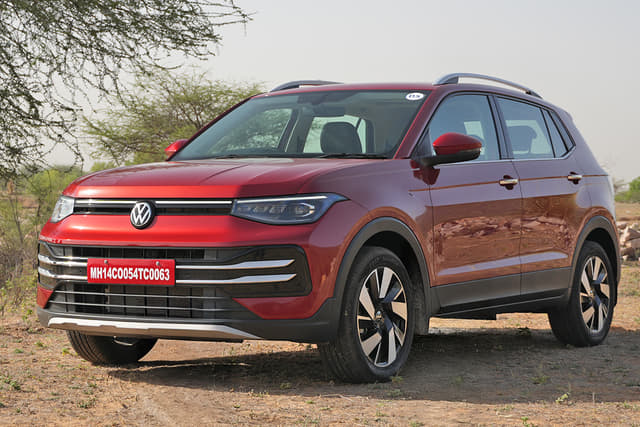
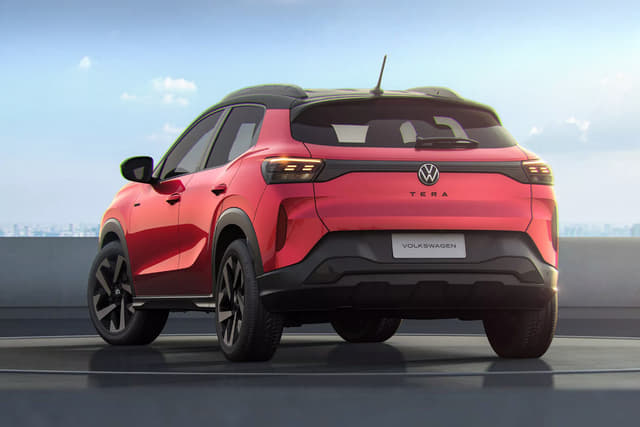
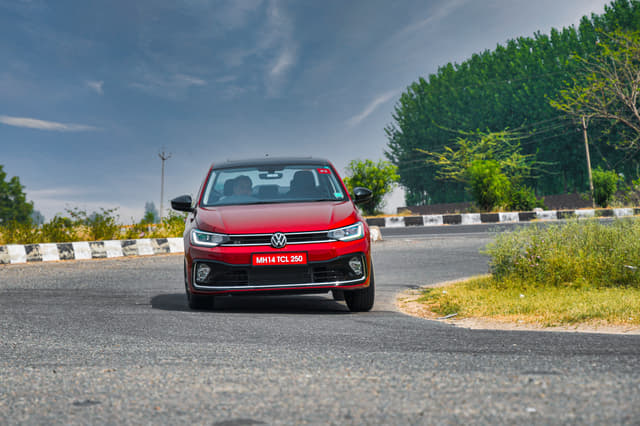
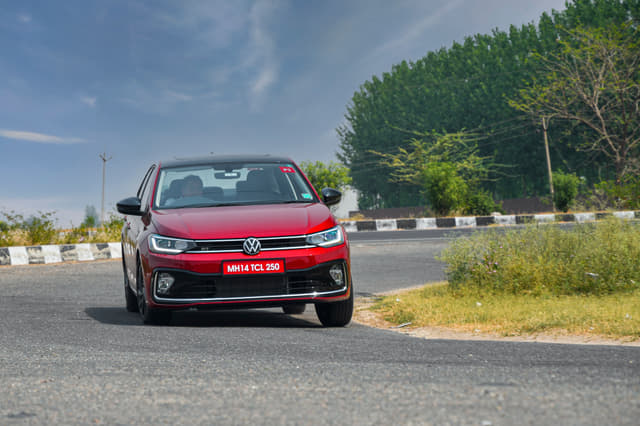
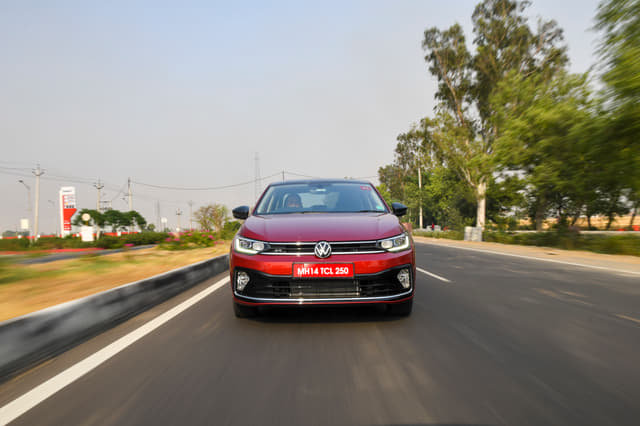
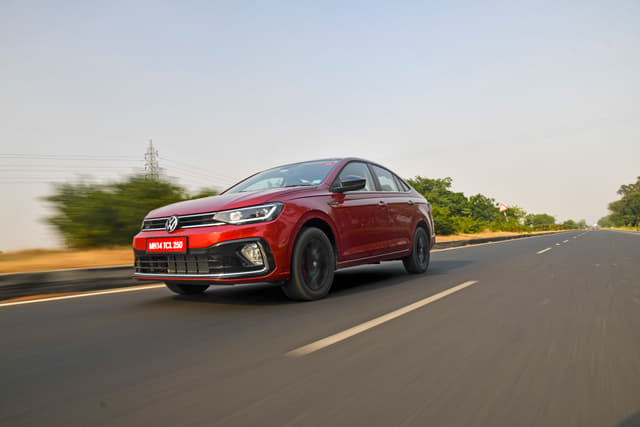
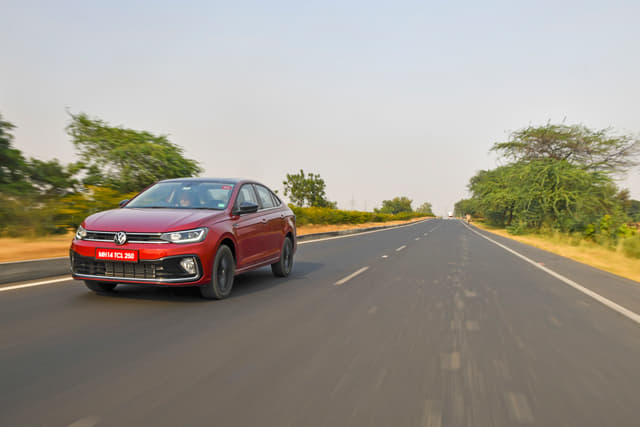
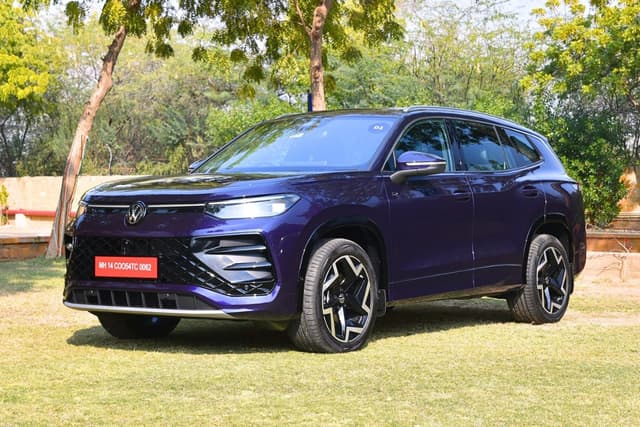
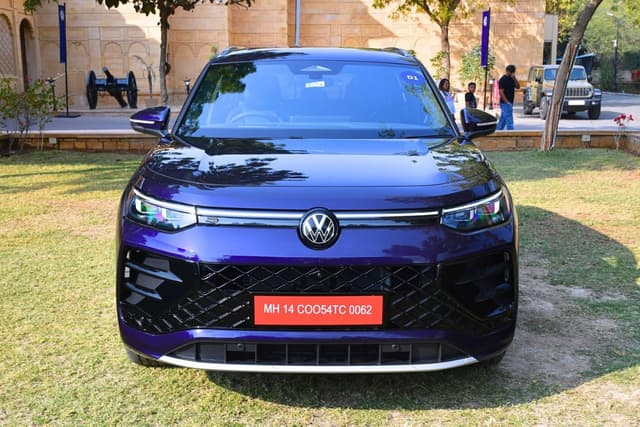
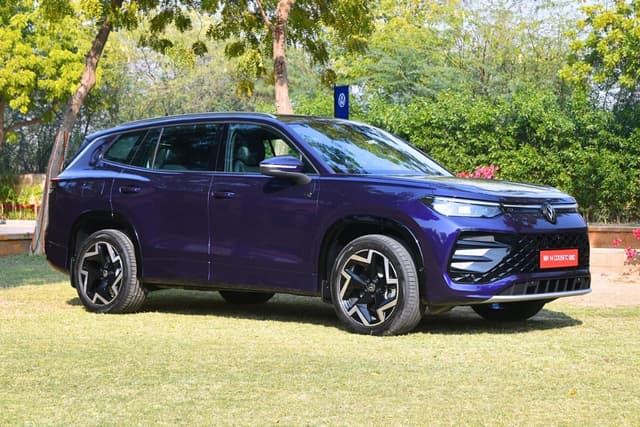
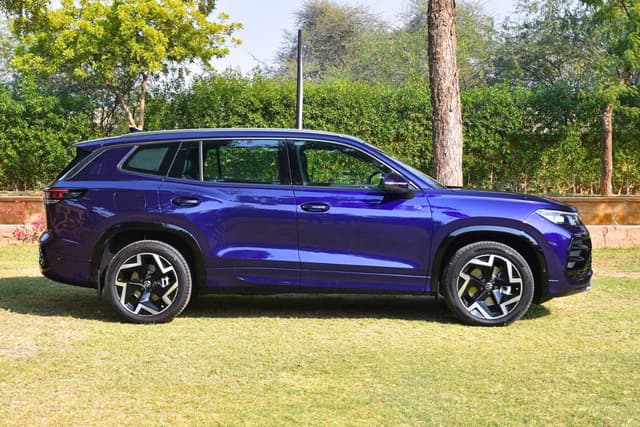
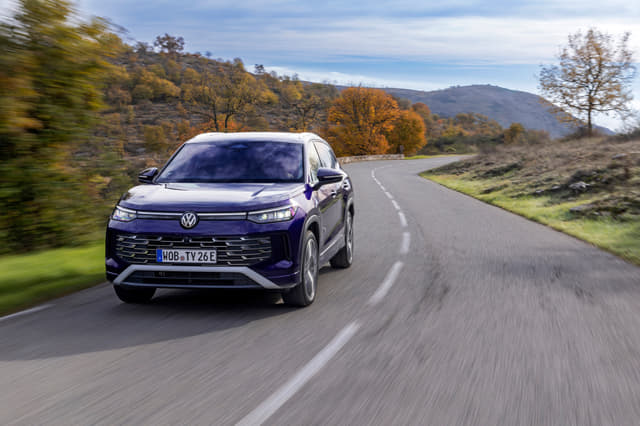
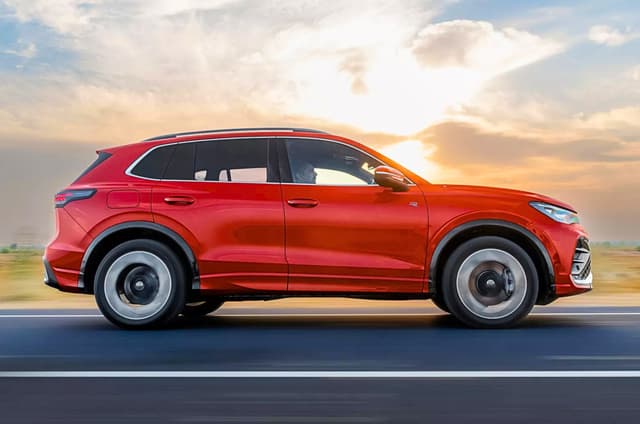
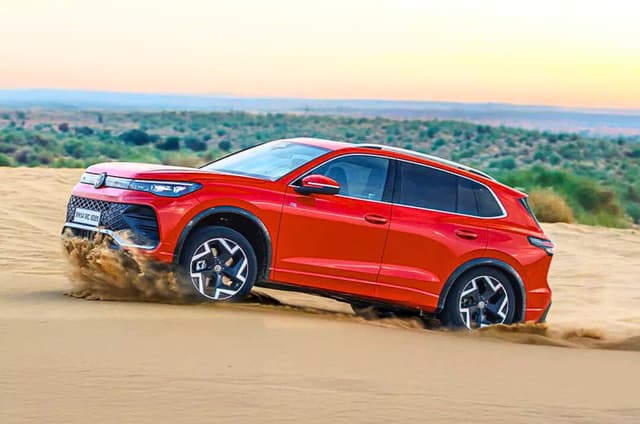
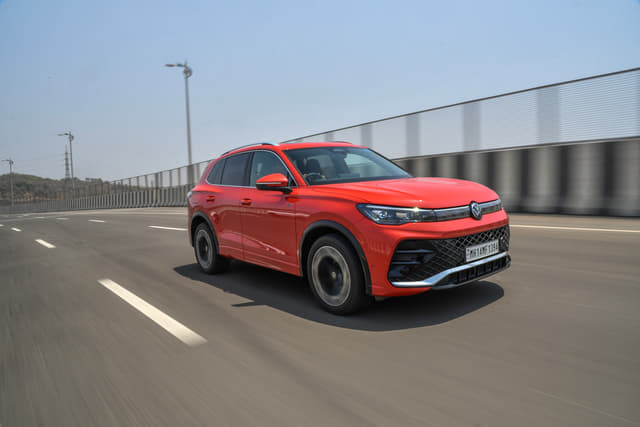
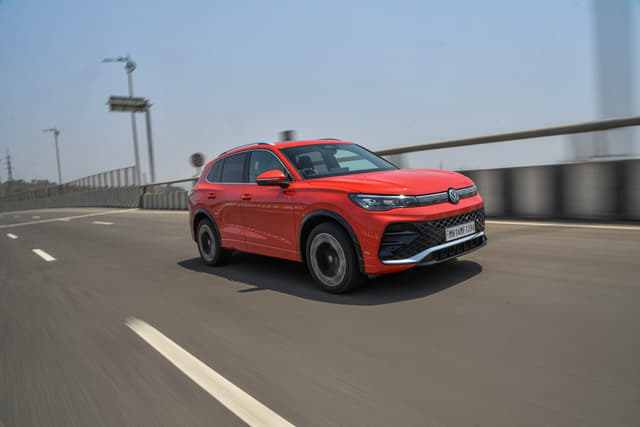
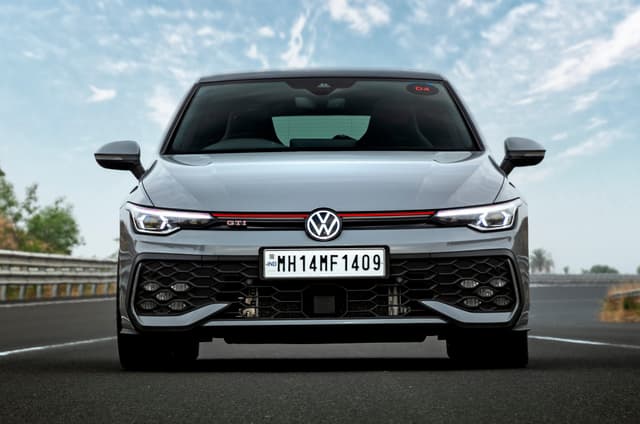
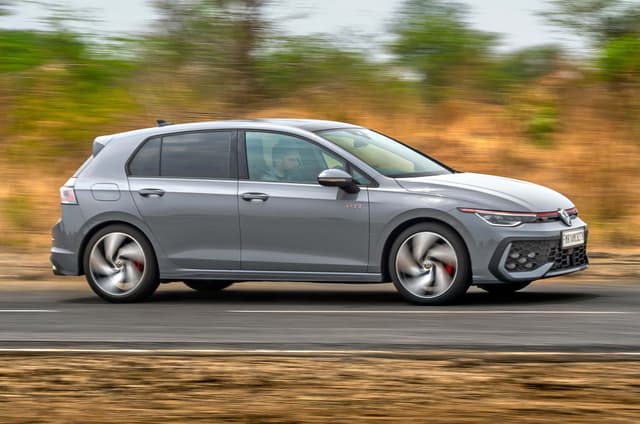
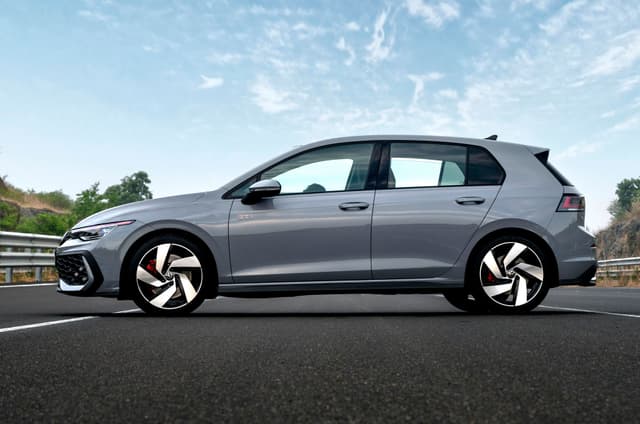
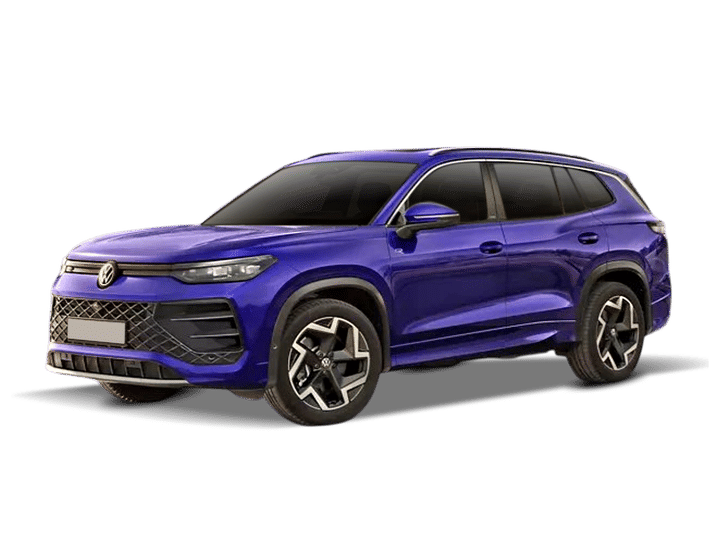
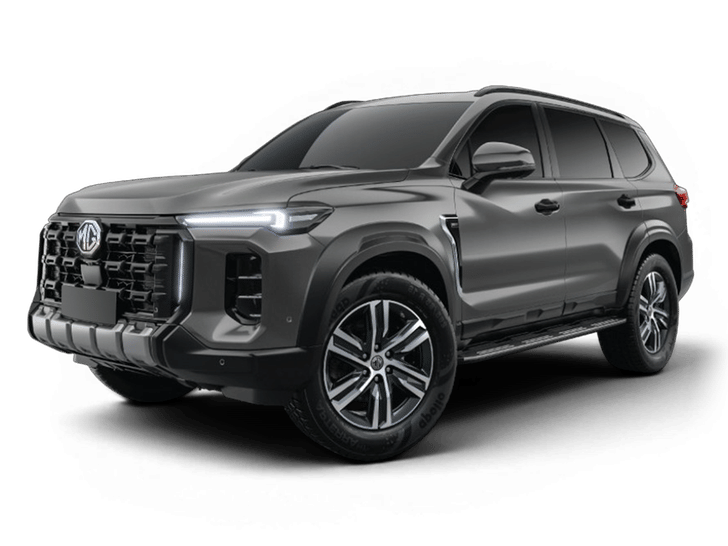
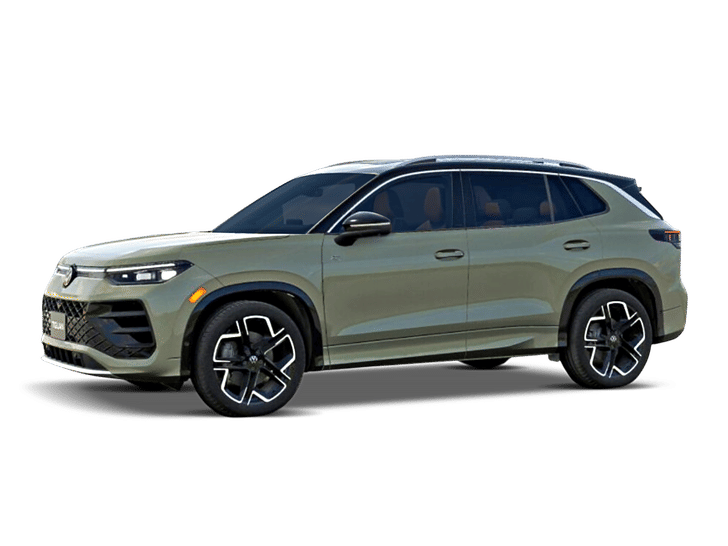
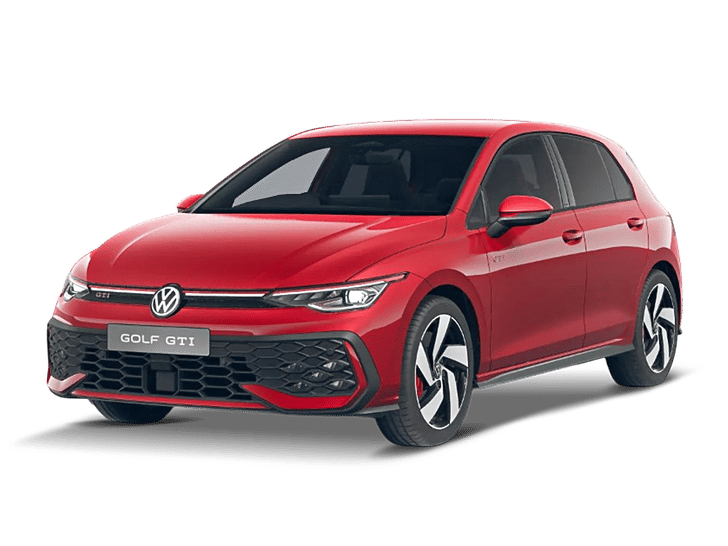
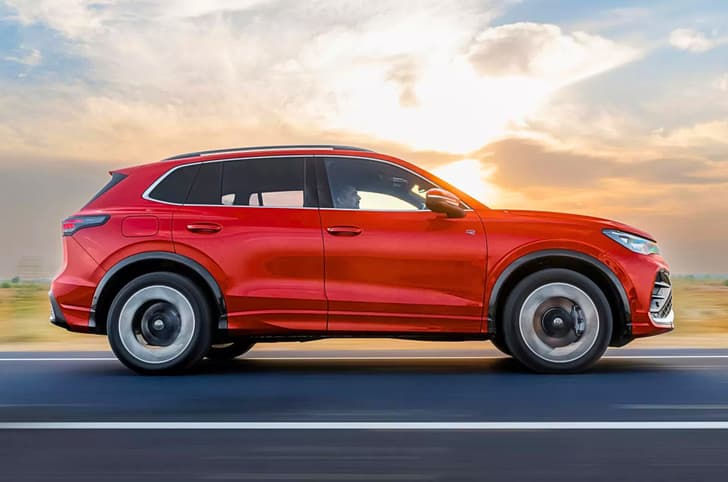
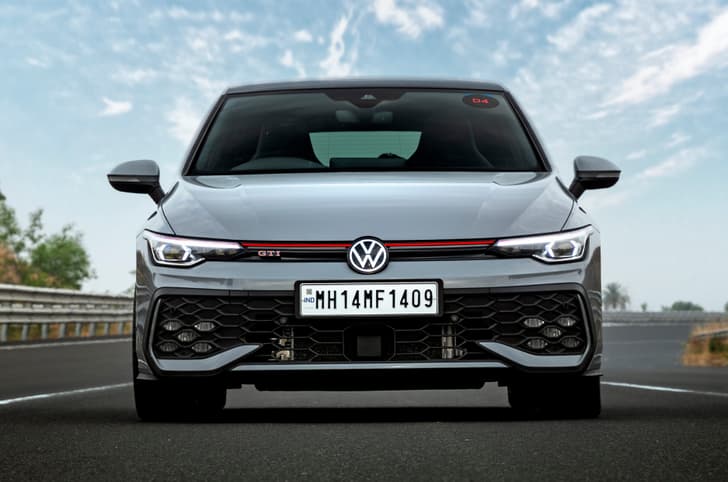
The Volkswagen car price starts at ₹10.50 lakh and goes up to ₹50.91 lakh. As of March 2026, the Volkswagen cheapest car is the Virtus, while the Golf is the costliest car. Currently in 2026, there are 7 Volkswagen cars in India, out of which 5 are on sale, and 2 are upcoming. The Volkswagen cars that are currently available for sale are the Virtus, Taigun, Tiguan, Golf, and the recently launched Tayron.
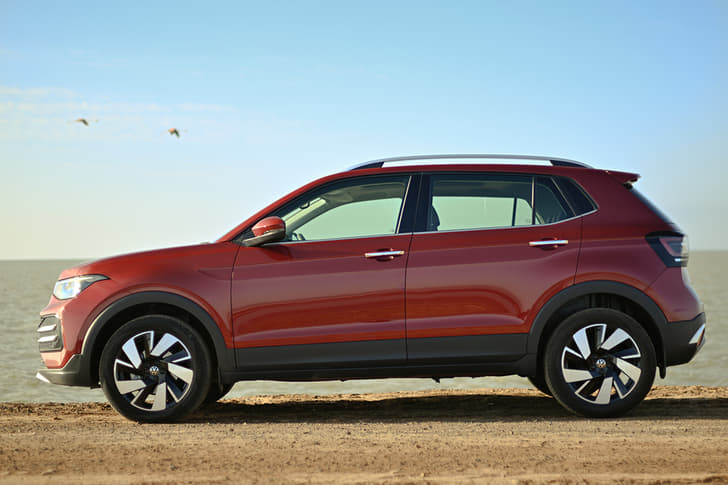
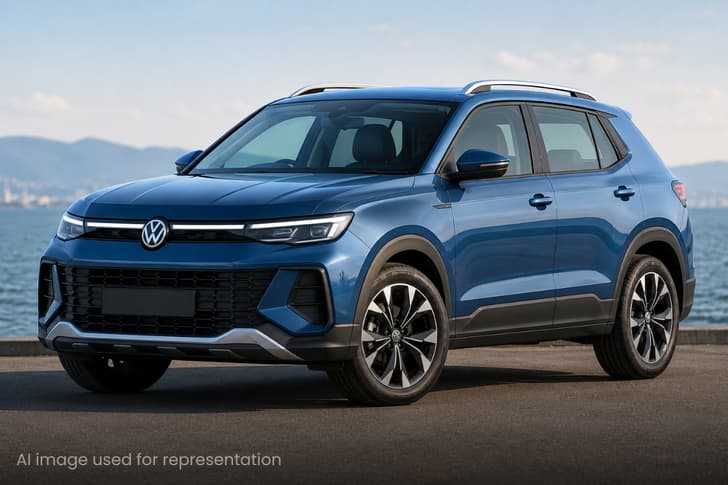
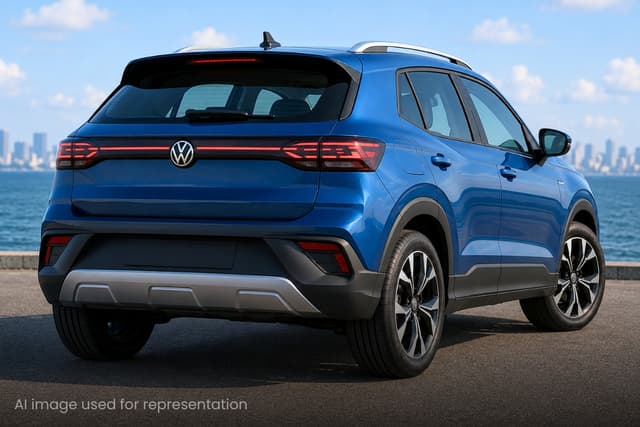
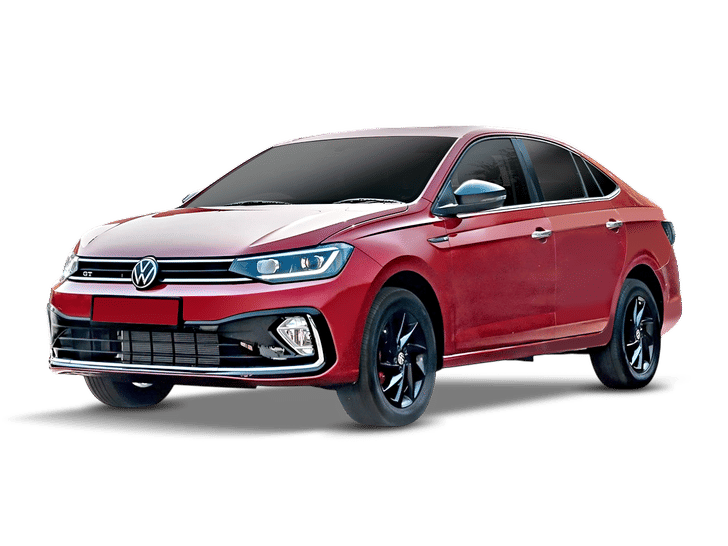
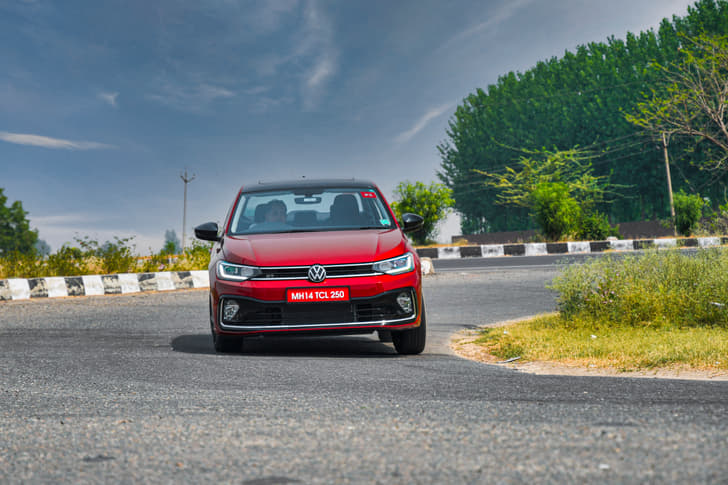
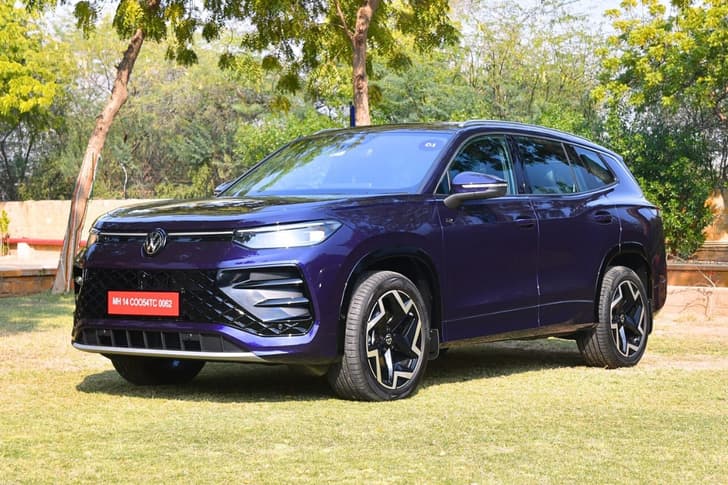
The Virtus is the only Volkswagen sedan car that’s presently offered in the Indian market. The Volkswagen SUV cars list includes Tiguan, Tayron and Taigun, which rival the Kushaq and the Hyundai Creta. The Taigun is a sister product to the Skoda Kushaq, and both models are built alongside each other at Volkswagen’s Chakan plant near Pune.
After Skoda, the German brand Volkswagen is the second mainstream car from the VW Group to launch its cars and SUVs in India. Over the years, Volkswagen cars sold in the country have included the Polo, Vento, Touareg, Phaeton, Passat, and Jetta.
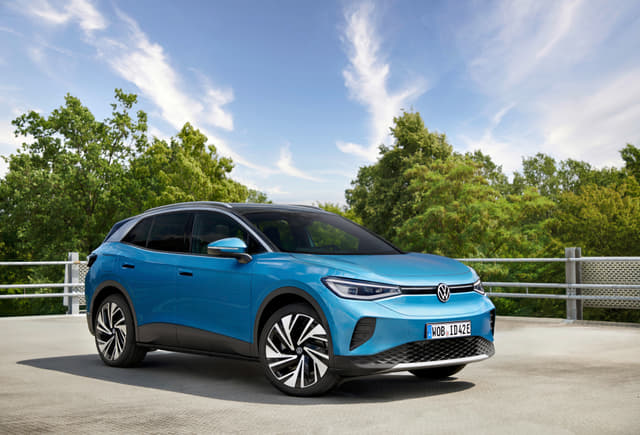
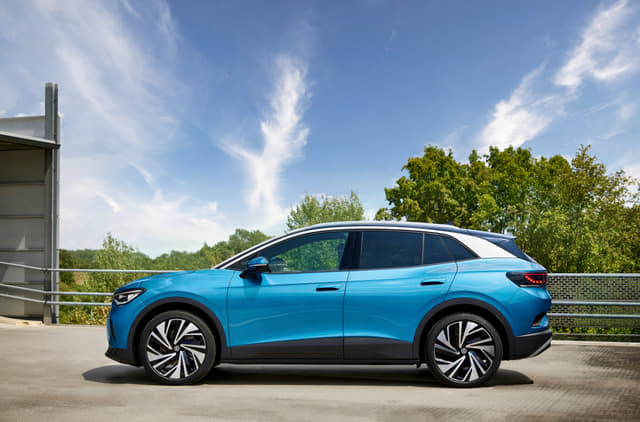
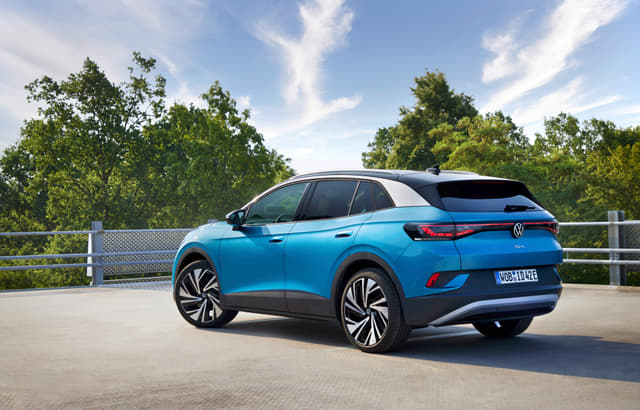
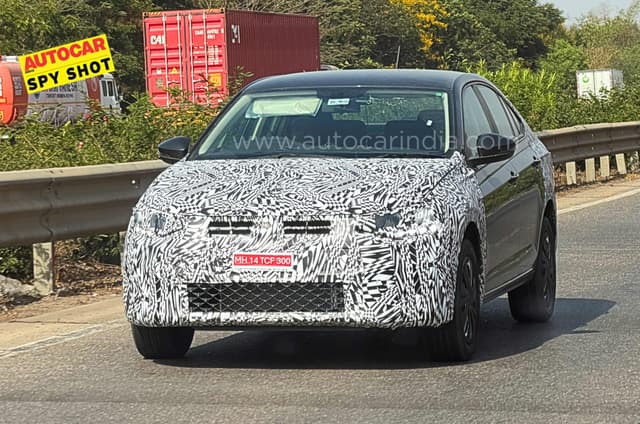
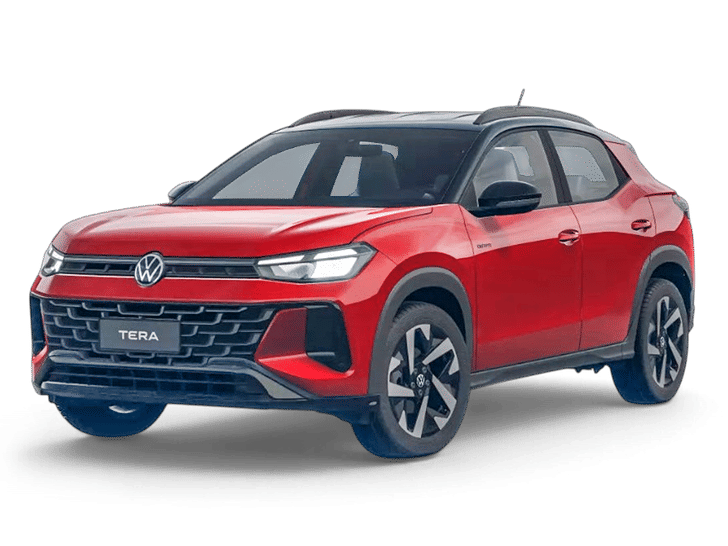
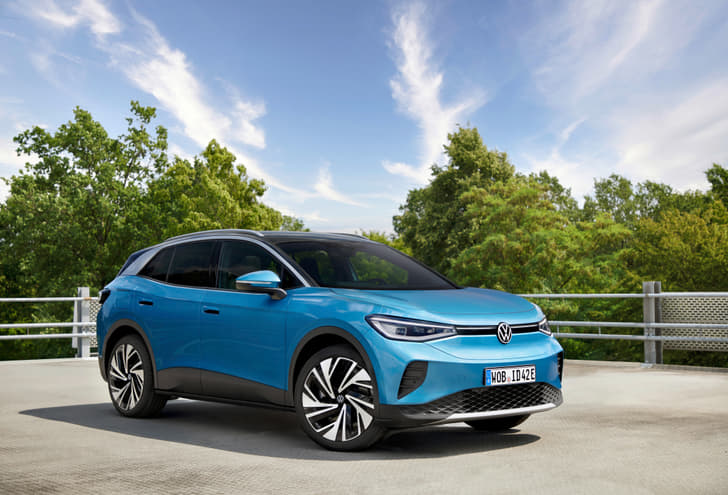
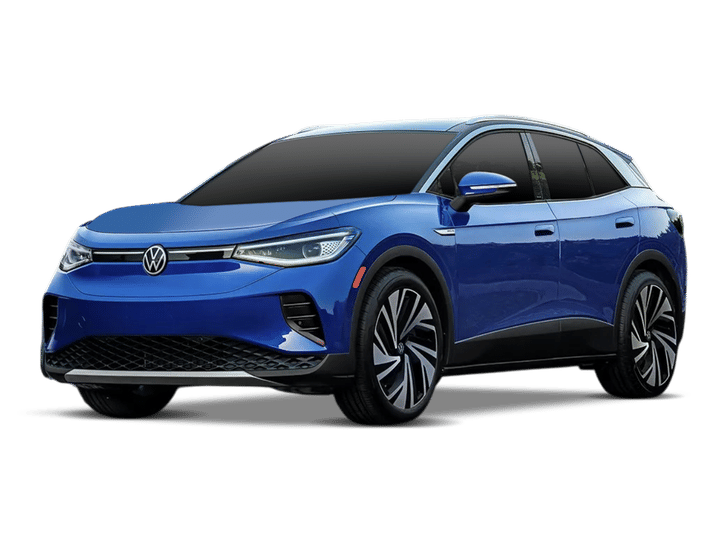
Volkswagen new car launch includes the Taigun facelift and ID 4, which are expected to launch in late 2026. The upcoming Volkswagen electric car, the ID 4, will rival the BYD Sealion 7. At present, there are no Volkswagen 7 seater cars on sale in India.
Volkswagen Car Price List (March 2026)
The price of Volkswagen cars in India starts at ₹10.50 lakh for the Virtus and goes up to ₹50.91 lakh for the Golf. View the latest Volkswagen car prices of all models available for sale in India in the table below:
Model | Price (Ex-showroom) |
Volkswagen Virtus | ₹10.50 lakh - ₹19.00 lakh |
Volkswagen Taigun | ₹10.58 lakh - ₹19.19 lakh |
Volkswagen Tiguan | ₹45.73 lakh |
Volkswagen Tayron | ₹46.99 lakh |
Volkswagen Golf | ₹50.91 lakh |
Upcoming Volkswagen Cars in India
In 2026, Volkswagen upcoming models in India include two vehicles:
1. Volkswagen Taigun Facelift
- Estimated price: ₹11.00 lakh - ₹19.50 lakh
- Expected Launch Date: 2026
- Fuel Type: Petrol
- Body Type: SUV
2. Volkswagen ID 4
- Estimated price: ₹50.00 lakh - ₹60.00 lakh
- Expected Launch Date: 2026
- Fuel Type: Electric
- Body Type: SUV
Volkswagen Cars - Latest Update
- 19 February 2026: Volkswagen Tayron R-Line launched in India at ₹46.99 lakh
- 7 January 2026: Volkswagen has teased the Tayron for India for the first time.
- 7 January 2026: Volkswagen offers discounts of up to ₹1.26 lakh on the Virtus and Taigun in January 2026, limited to MY2025 models.
- 5 January 2026: Volkswagen brings back physical buttons with the ID Polo, saying customer feedback drove the move across future ID EVs.
- November 2025: JSW-MG Motor India and Skoda-VW in early talks for platform and technology partnership.
- May 2025: Golf GTI bookings open exclusively via the official Volkswagen website.
FAQs
The Polo is the most popular Volkswagen car in India, but it is not on sale anymore.
The Volkswagen car price in India starts at ₹10.50 lakh for the Virtus and goes up to ₹50.91 lakh for the Golf.
The cheapest Volkswagen car in India is the Virtus. The price starts at ₹10.50 lakh.
Volkswagen SUV cars available in India include the Taigun, Tayron, and Tiguan. The upcoming ID 4 will also be an SUV.
Currently, Volkswagen does not offer any cars under ₹10 lakh in India. The cheapest Volkswagen car in India is the Virtus, starting at ₹10.50 lakh (ex-showroom).
Volkswagen cars in India currently include the Virtus, Taigun, Tayron, Tiguan, and Golf. The ID 4 is expected to launch in 2026.
The best Volkswagen cars depend on your preference. The Virtus is popular as a sedan, while the Taigun and Tiguan are preferred SUVs.
Presently, no Volkswagen diesel cars are available for sale in India.
Currently, the Golf is considered the top model of Volkswagen in India.
Yes. Both the Virtus and Taigun have starting prices under ₹15 lakh.
Trending Questions on Volkswagen Cars - Answered by Autocar Experts
I am planning to buy a compact SUV under ₹15 lakh and seek your expert advice. My usage includes daily city driving (10–15 km), monthly highway runs (~150 km), and occasional hill drives, like once‑a‑year trip to Ladakh. Key expectations are reliable power and torque for hills, good mileage, low maintenance, and long‑term reliability. I am currently considering: Kia Seltos HTK Turbo (iMT) – concerned about iMT reliability VW Taigun 1.0 TSI MT – adequacy of power/torque Skoda Kushaq 1.0 TSI MT – same concern, pricing clarity awaited Renault Duster TCe 160 MT – should I wait? Safety? Honda Elevate VX MT – NA engine performance in hills Request your recommendation on the best-suited option or any better alternatives within this budget.
We'd recommend waiting for the Renault Duster that will be launched on March 17. On paper, it could be the best suited to your requirements. The engine promises enough power for highway drives, and if the build is anything like the old Duster's, it will be ideal for your hill drives too, especially in testing environs like Ladakh.
Of the other options on the list, the Skoda Kushaq/ Volkswagen Taigun 1.0 MT could fit the bill for you. They have a robust build, punchy engines and deliver good economy when driven in a relaxed manner.
I’ve recently booked a Volkswagen Tiguan because I’m getting a very aggressive deal of around ₹45 lakh on-road. However, I’ve started liking the Skoda Kodiaq as well, which would cost me about ₹53 lakh on-road. My usage is mostly city traffic driving with occasional highway trips. Usually there are 4 people in the car and sometimes 5. The complication is that I’ve already confirmed the Tiguan booking via email and if I cancel it now I might lose around ₹2.5 lakh. Given the effective price difference (around ₹10.5 lakh when considering the cancellation loss), would the Kodiaq still be worth considering over the Tiguan? Or is it more sensible to stick with the Tiguan? My priorities are comfort in traffic, good rear seat comfort for family use, and long-term ownership satisfaction.
The Volkswagen Tiguan and Skoda Kodiaq are essentially the same SUV underneath, with the same engine, gearbox and chassis. It's just that the 5-seat Tiguan R-Line is a little smaller; something that's addressed by the recently launched Volkswagen Tayron. As such, given your requirements and usage, you should stick with the Tiguan as it is too good a deal to pass up. And for what it's worth, the Tiguan is a full CBU import, while the Kodiaq is locally assembled, but moreover, there are some feature differences between the two - the Volkswagen gets ADAS, adaptive dampers and a larger 15-inch screen, while the Skoda gets powered and ventilated front seats, rear window blinds and a 360-degree camera. The biggest difference is that the Kodiaq offers third row of seats, but they're not very spacious, and since you mostly travel with four passengers, it's better to use that space for luggage anyway - the VW loses about 130 litres to the Skoda (in 5-seat mode) but they're both very spacious. With regards to your priorities of comfort in traffic, good rear seat comfort for family use, and long-term ownership satisfaction, the two are virtually the same.
What features will be upgraded in the Volkswagen Taigun? Will it have a 360-degree camera?
I want to decide on an SUV purchase between the Honda Elevate, VW Taigun, Skoda Kushaq and Grand Vitara. I value good features but no ADAS. Lower maintenance is also important. Please suggest in order of merit.
I am planning to buy a sedan. My annual driving is less than 10,000 km, with around 80% highway usage consisting of short trips of about 30-50 km. Would it be a good decision to buy the 1.0-litre Volkswagen Virtus or Skoda Slavia? I am especially concerned about after-sales service and long-term maintenance costs.
For your needs, the Volkswagen Virtus and Skoda Slavia are good options. Both cars are mechanically identical, so it ultimately comes down to which one you prefer in terms of styling and interiors, and which brand has a service centre closer to you. Performance from the 1.0-litre TSI engine is more than adequate for your highway trips, and fuel efficiency is respectable on the highway as well. The six-speed torque converter is excellent; however, in your case, since most of your driving is on the highway, the slick 6-speed manual is a fine choice.
Volkswagen and Skoda have had a reputation for higher maintenance costs in the past. But both brands have improved things significantly with their INDIA 2.0 cars, which include the Virtus and Slavia.
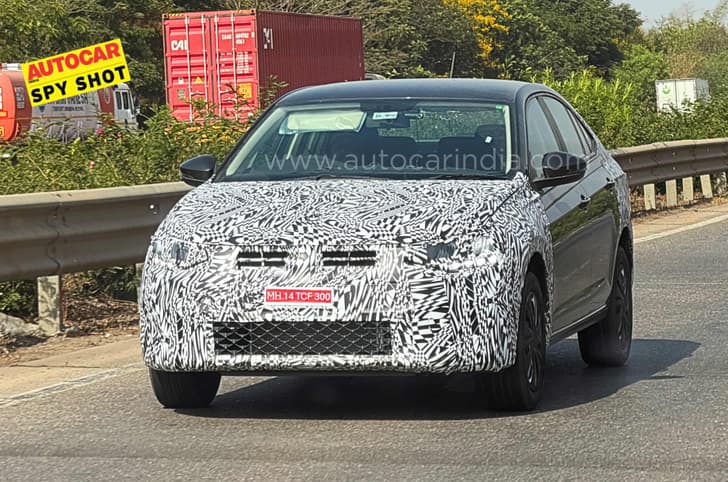
One thing to note, however, is that facelifts for both models are expected shortly. While these are likely to be relatively minor updates, similar to the one the Skoda Kushaq recently received. The 6-speed automatic is expected to be phased out and replaced by a new 8-speed unit, as seen on the Kushaq. Do consider this in your purchase decision.
Hi Autocar Team, I am planning to buy a new SUV in 2026 within a budget of ₹30-40 lakh. I want a proper off-road capable vehicle that also works well as a family car. Can we expect the Toyota RAV4 to launch in India in 2026? Please advise.
As of now, Toyota has no concrete plans to bring the Toyota RAV4 to India in 2026 or anytime soon. The challenge is cost. The RAV4 would have to be imported or assembled in small numbers, which would push its price well beyond what most buyers in the Rs 30-40 lakh bracket expect. Also, by Indian standards, it’s not a particularly large SUV, and at that price, buyers here tend to want more size and presence.
Sadly, there’s a bit of a vacuum in the Rs 30-40 lakh space, and in this range, your more practical choices are SUVs like the Mahindra XUV7XO and the Tata Harrier. Both are spacious, comfortable for family use, and capable on bad roads.
If you can stretch closer to Rs 50 lakh, options like the Skoda Kodiaq and the upcoming Volkswagen Tayron (a more affordable version below the R-Line is expected) are very strong all-rounders with a more premium feel.
Another SUV worth waiting for is the Kia Sorento, which we understand could arrive around the festive season at roughly Rs 40 lakh. That might come closest to what you’re looking for, a proper global SUV with family practicality and some genuine all-road ability.
I wish to buy a new mid range automatic petrol SUV. Had been owner of Honda Amaze for 11 yrs. Low maintenance, less service costs, happy ownership. So planned to buy Elevate CVT but found it lagging in power. Test drove Citroën Aircross/Basalt Turbo AT, found them to be more powerful. But lack confidence to buy due to other ownership reasons. Can you suggest a Automatic SUV in range of 17 to 19 with usage of 80% Bangalore city drive?
If you are looking for something with similar performance to the Citroen Basalt/Aircross, you should consider the Volkswagen Taigun or the Skoda Kushaq with the 1.0 TSI and torque converter automatic. The facelifted Kushaq now gets an 8-speed automatic replacing the old 6-speed unit, and the Taigun will get the same when it is facelifted later this year.
The 1.0 TSI makes a healthy 115hp and 178Nm, which delivers better performance than the naturally aspirated engine in the Elevate and is on par with the Basalt. The 6-speed torque converter automatic was also smooth-shifting and very convenient to use, and we expect the 8-speed to be more of the same. With 80 percent of your driving in heavy Bengaluru traffic, this transmission will be a boon.
Prices for the facelifted Kushaq will be announced later this month, and we expect our first drive reviews to drop around the same time. Before you decide, take a test drive, of course.
I am a 37-year-old self-employed male with two young kids. I loved the Virtus and decided to make it my first car. However, when I calculated the cost of ownership over 10 years, I felt I would be spending too much. My preference shifted towards the Hyundai i20 N Line after reading reviews that described it as a good driver’s car with ample rear space and decent boot space. Mileage is not a concern. My question is: will it satisfy me, or will I regret not getting the Virtus? If I choose the N Line, should I go for the manual or DCT? My usage will be 30% city and 70% highway.
I own a 2018 Honda City Manual SV Petrol version, and I am planning to buy a new car. I have been driving the Honda City for more than 10-11 years due to the comfort of a luxury sedan. I am confused, as many people are suggesting that I buy an SUV like the Kia Seltos. I did a test drive and liked many of the features, but the comfort of driving a sedan was missing. Personally, my family likes sedans. But I want to know where the Honda City stands in the market. Is it losing market share due to other SUVs and EVs? Should I stick with the Honda City for a pleasurable driving experience and forget about the tech aspect of it? Also, please advise on manual vs automatic, as I feel driving an automatic will take away the pleasure of driving. Nowadays, I have heard that no one is buying manual cars because of the trend and the ease of driving. But I want to know if there is a good driving experience without gears, or if automatics are just for people who can’t manage cars with gears. Also, is the sunroof variant just for aesthetic purposes, or does it really have any usable value, considering most of my driving is in the city? A detailed review would help.
I tried looking for the Mahindra Thar Roxx MX3 Petrol AT, but my parents refused because it hurts their backs, as both are 60+, and the Thar has noticeable body roll. I am now considering the Volkswagen Virtus 1.0L engine as an alternative. My core requirements are strong safety, a reliable vehicle, fun to drive, and good performance on a mix of highways, mountain roads, and bad roads, with very good power. My budget is below ₹18 lakh on road. Please suggest how I should go about this.
For your aged parents, the Mahindra Thar Roxx can indeed be uncomfortable. Getting in and out requires effort because of the high step-in height, and since it’s based on a body-on-frame chassis, the ride tends to be bumpy. There is noticeable body roll as well, which can make senior passengers uneasy, especially on rough roads.
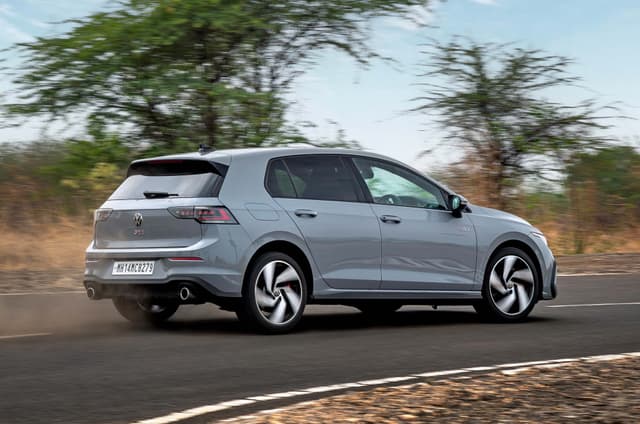
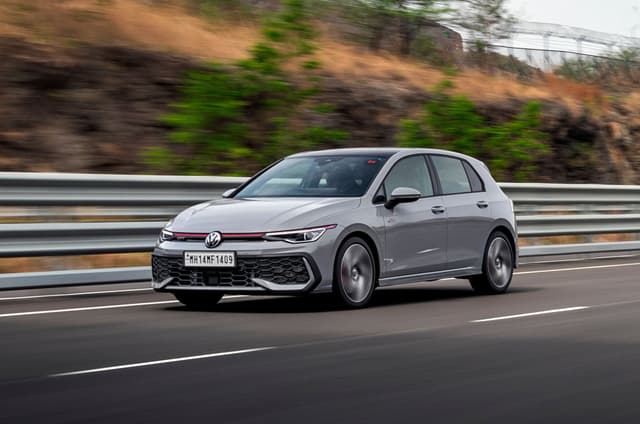
The Volkswagen Virtus 1.0 TSI is a sensible alternative within your ₹18 lakh on-road budget. It offers strong safety credentials, solid build quality and is genuinely fun to drive. The 1.0 turbo-petrol has good low- and mid-range punch, making it enjoyable both on highways and mountain roads. It’s stable at high speeds and feels planted in corners.
On bad roads, you will need to be a bit careful, as it’s still a sedan, but the ground clearance is decent enough for most situations if driven sensibly. If your usage is a mix of highways, hills and occasional rough patches, and you want a safer, more comfortable and still engaging option, the Virtus is a well-balanced way to go.
Last Updated on: 19 Feb 2026