Autocar India
•26w

I am 68 years old and still drive on highways. My annual running is less than 12,000km. I am not used to all the fancy devices in new cars. Over the last 45 years, I have always owned a petrol sedan. Now, I am looking for an SUV with a large boot and the solid feel of a German car. My current car is in excellent condition, but being a sedan, comfort on highways is a problem. If I do buy a new car, it will be my last. Considering the foreseeable future, an electric option would be preferable.

Verified
•26w
After driving your Vento for over 15 years, it’s easy to see why you value the solid, planted feel of a German car. Given your age, highway usage and preference for a large boot and higher seating, moving to a German SUV is a very logical next (and final) step.
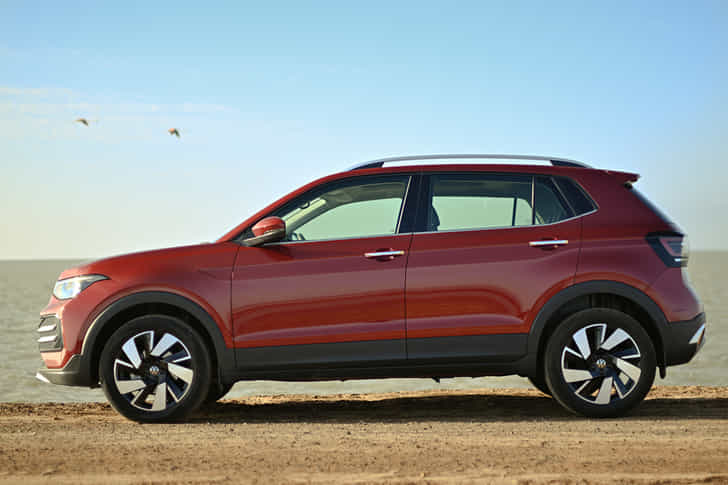
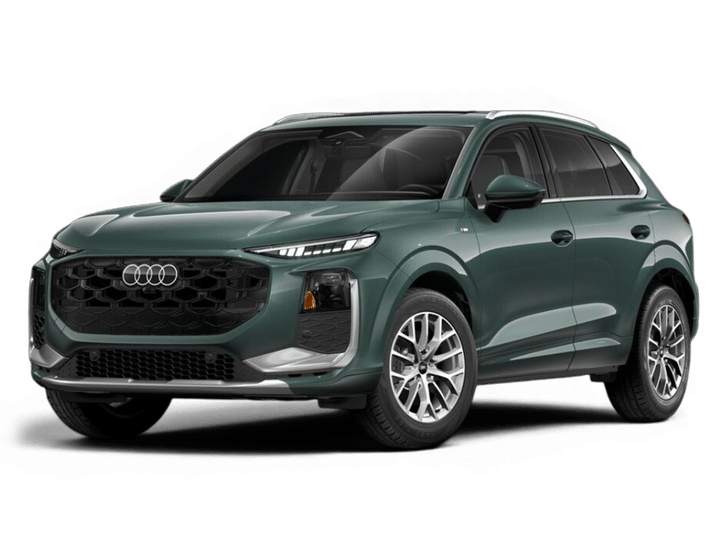
The Volkswagen Taigun remains the most straightforward upgrade. The 2026 facelift, which will be unveiled on April 9th, brings refreshed interiors and the new 8‑speed torque‑converter automatic for the 1.0 TSI, while the 1.5 TSI with DSG still delivers that strong, confident performance you’re used to. It will feel familiar enough coming from a Vento, but with better access, visibility and luggage space.
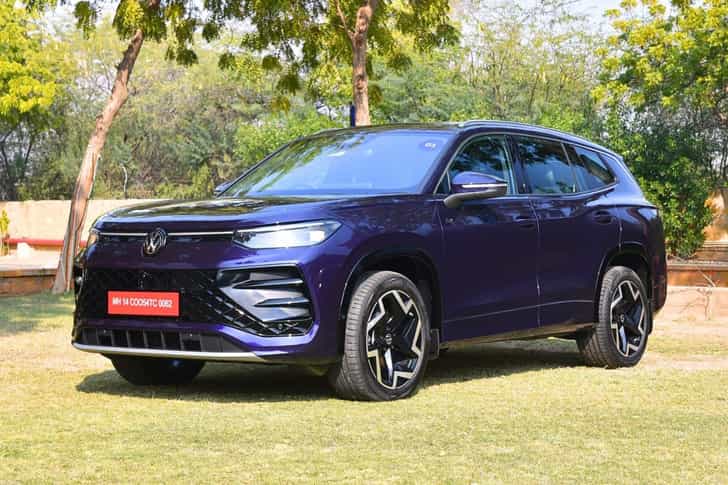
If you’re willing to stretch the budget, the newly launched Volkswagen Tayron R‑Line is the one that truly feels like a “last car”. It’s a larger, three‑row SUV positioned above the Tiguan, with a big 850‑litre boot (with the third row folded), a powerful 2.0 TSI engine, 7‑speed DSG and all‑wheel drive for outstanding high‑speed stability and safety. The cabin is modern and feature-packed, and the driving manners are very much in line with what you like about your current VW.
You mentioned electric as a preference, but given your running (under 12,000 km a year) and the state of charging infrastructure and costs, a refined turbo‑petrol like the Taigun or Tayron remains the more practical and stress‑free solution for the next 10-15 years.
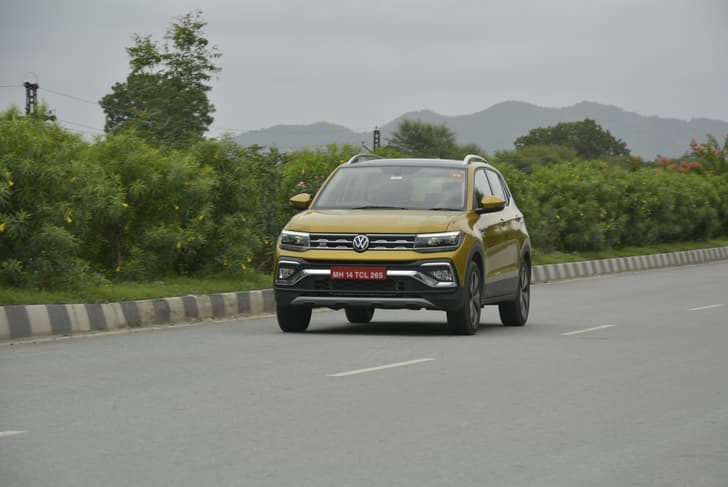
Volkswagen Taigun

Volkswagen Taigun

•26w•

Thanks, will have a look at them. Regds to your team. Would an alternative like M&M XEV 9E worth considering?

More posts on similar cars

•5d

I am planning to buy my second car, a sub-4m petrol automatic SUV, with a budget of around Rs 15 lakh. I currently own a WagonR, and my usage is primarily city driving, with occasional long trips. I am confused between the Kia Sonet, Kia Syros and Hyundai Venue. I particularly like the Syros, but I am concerned about its low sales figures and the positioning of its headlamps. I am also unsure whether a 360-degree camera is worth having, as it is available only in the top variant of the Sonet, while the Syros does not offer one. I would appreciate your guidance on which of these SUVs would be better suited to my requirements.

Verified
•5h

For a second car that will primarily see city use with occasional long trips, the Kia Syros is the most interesting choice of the three. The Syros gives you a more substantial upgrade, with a spacious cabin, excellent rear seat comfort, a 465-litre boot and a premium interior while remaining under four metres. Its 2,550mm wheelbase is also longer than both the Kia Sonet and Hyundai Venue, which is why it feels particularly roomy inside.The low sales numbers would not be a major concern. The Syros uses familiar Kia powertrains and components, and Kia's service network is already well established. The headlamp position is unconventional and does expose the units to a greater risk of damage in a minor bumper corner impact, but it should not be a deal breaker if you like the car otherwise.The 360 degree camera is useful but not essential. It is particularly helpful in tight parking spaces and narrow city lanes, but a good rear camera and sensors do most of the job. It would not be worth choosing the Sonet's top variant solely to get a 360 degree camera. The Venue is the safer conventional choice if you prefer a newer, more established package, while the Sonet makes sense if you want a smaller, sportier-feeling cabin and more familiar product. But for your requirements, the Syros offers the most meaningful upgrade from a WagonR.

VehicleKia Syros
VehicleKia Sonet
VehicleHyundai Venue
•5d

I am based in Navi Mumbai and am planning to buy an electric SUV or MPV. My daily commute is around 25km, while I typically drive 200km on weekends. I currently own a 2017 Hyundai Creta 1.6 diesel manual and have test-driven the Hyundai Creta Electric, BYD eMax 7 and Kia Carens Clavis EV. With a budget of Rs 30 lakh, which 6-seater electric SUV or MPV would be suitable for long-term ownership? I am also concerned about BYD's after-sales service and would like to understand how it compares with the other options in terms of service support and long-term reliability.

Verified
•6h

Based on your usage pattern and concerns, the Kia Carens Clavis EV is the most sensible recommendation. Your daily running of 25 km is well within the comfort zone of any modern EV, and the 200 km weekend trips are easily manageable with a car that offers a realistic range of around 400 km. The Carens Clavis EV is a well-packaged 6-seater with a spacious and practical cabin, and Kia's strong service network gives you the peace of mind you are looking for over a long ownership period.The BYD eMax 7 is a very impressive product with a large battery and strong range, but your concern about after-sales service is valid. BYD's service network is still growing, and for a long-term ownership decision, that can be a significant factor. The Hyundai Creta Electric is a good product, but as a 5-seater it does not meet your requirement for a 6-seater family vehicle.The Carens Clavis EV strikes the right balance between range, practicality, comfort and ownership confidence, making it the best fit for your needs.

VehicleHyundai Creta Electric
VehicleBYD eMax 7
VehicleKia Carens Clavis EV

Popular discussions right now

Upcoming launch buzz

Community discussions on upcoming launches
Posted on: 2 Apr 2026