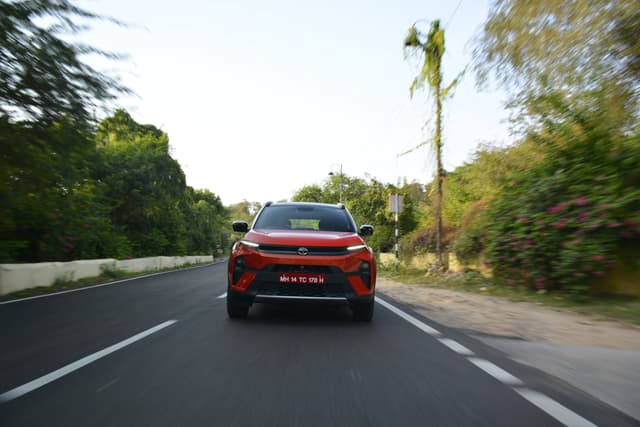
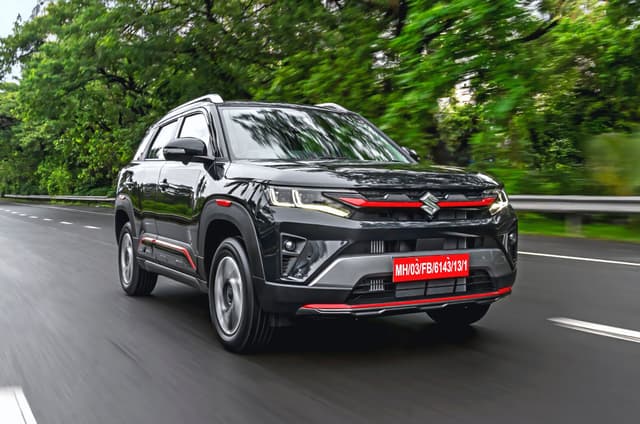
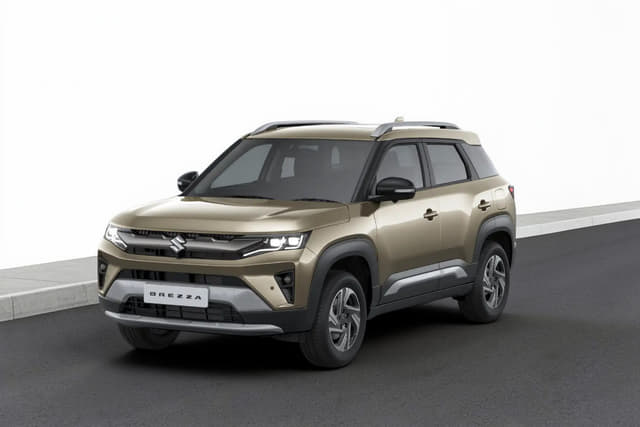
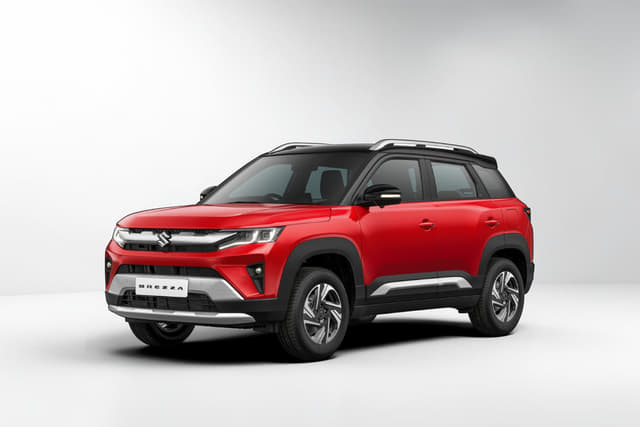
Suv Petrol Cars in India (91)
Discover the best Suv Petrol Cars. Our comprehensive guide covers detailed specifications, expert reviews, pricing information, and buying advice for Suv Petrol Cars. Find the perfect cars that matches your requirements and budget.


Find cars by transmission


Find cars by transmission


Find cars by transmission


Still have more question?
Get answers from Autocar experts and owners
- 9,000+discussions
- 20,000+users online
- 10,000+members
Trending Questions on Cars - Answered by Autocar Experts
I'm confused between the XUV 7XO diesel automatic and the Kia Carens Clavis turbo-petrol automatic. My annual usage is around 10,000km, and I want a seven-seater. With the XUV 7XO, I'm doubtful whether a diesel engine would suit my usage, and I'm not interested in the petrol version. With the Kia Carens Clavis, I'm concerned about the seven-seat configuration, although I like its practical seating arrangement. Which one would you recommend? Also, is it worth waiting for the seven-seat Renault Duster?
If third row seating is an important requirement, then the Kia Carens Clavis is the better choice. Access to its third row is more convenient thanks to the one-touch tumble-and-fold feature of the middle row seat. Further, the middle row seats can be moved forward and backward, and this enables better flexibility in terms of balancing space for second- and third-row occupants. The Mahindra XUV 7XO gets a fixed middle row seat, and third-row seating isn't ideal.This Kia car with the turbo-petrol engine and DCT gearbox combo also offers enough power to drive with a full load of passengers in comfort. That being said the performance is no match for the XUV 7XO diesel automatic, which feels stronger, especially at highway speeds. A diesel only makes sense for you if you have frequent highway runs. If you are looking primarily for a car for city use, avoid a diesel.The 7-seat Renault Duster is due to come to India in 2027. Compared to the standard Renault Duster, the 7 seat version will be slightly longer in its wheelbase and have a larger rear overhang too, enhancing space inside the cabin. We are yet to experience its third row, but it might not be quite as roomy at the very back as a Carens Clavis, which is designed as a people mover.
I’m looking to buy a compact or mid-size automatic SUV with an on-road budget of Rs 15 lakh. It should offer good fuel efficiency, performance and comfort, with minimal maintenance headache. I’m open to both petrol and diesel versions. Which car would you suggest?
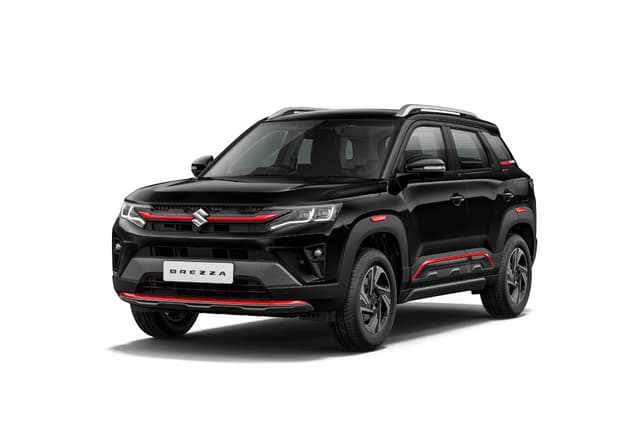
Considering you want a hassle-free SUV with good comfort, mileage and low running costs, a Maruti fits all the criteria. More specifically, the Brezza. In your budget, the top-spec ZXI Plus fits right in and gets all the necessary bits like a comfy ride, a smooth and efficient engine and an automatic gearbox that adds convenience. Being a Maruti, the Brezza has excellent reliability and after-sales support, and its cost of ownership is one of the lowest in the segment. The rear seat is spacious, there is good tech on offer, and the boot space is sufficiently large too. However, if your running is more on the highway and want even better efficiency, the Mahindra XUV 3XO with a diesel engine would be a good option. It is more efficient and nice to drive, but misses out on the smoothness of the gearbox since it gets an AMT. The AX5 will fit in your budget and has a good amount of equipment. However, out of the two, we would still recommend the Brezza for its better all-round performance.
Hi, I currently own a Renault Kiger, which I am considering replacing due to its extremely poor fuel efficiency of around 6kpl during short 5km trips in Pune city. My combined city and highway running is approximately 12,000km per year. Would you recommend switching to an EV, a strong hybrid or sticking with a conventional petrol vehicle? My budget is Rs 22 lakh, and I am also a driving enthusiast. Do you think the upcoming Kia Seltos hybrid, if launched in India, could fall within this price range? If a conventional petrol SUV makes more sense, which models would you recommend, considering long-term reliability as well as driving pleasure? I like the Honda Elevate for its reliability, but I am looking for something better in terms of driving dynamics. Any suggestions would be appreciated. Thanks in advance!
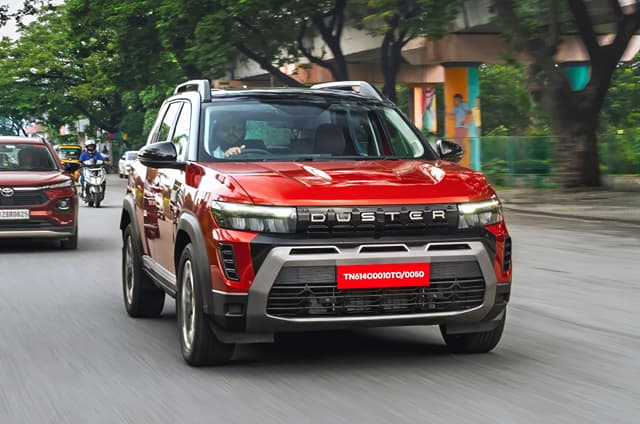
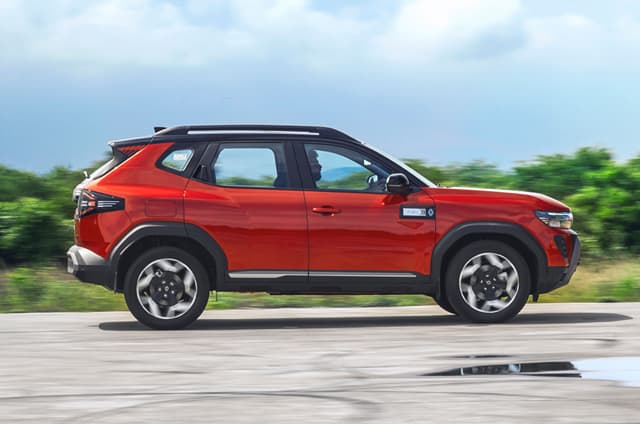
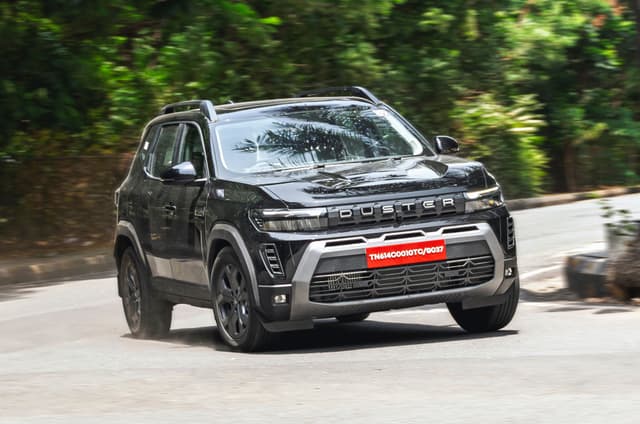
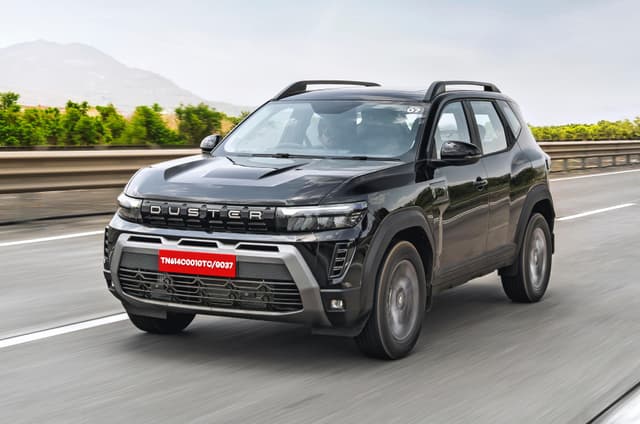
You are likely to get low, single-digit fuel efficiency from short city runs, irrespective of the car you opt for. That's because your engine takes some time to reach optimal operating temperatures, and if your journeys are very short, your engine might not perform efficiently. This holds true for strong hybrid also, although you might almost never witness single digit fuel efficiency numbers.Since you're a driving enthusiast, we'll recommend you consider the Renault Duster 1.8 Hybrid for its excellent driving dynamics and its strong yet efficient powertrain. The upcoming Kia Seltos hyrbid is still some time away, although if you're in no hurry to buy a car, it could be worth waiting for.Since you mentioned that you're open to EVs, consider a fun-to-drive option such as the Vinfast VF7, only if you have reliable home charging. The VF7's excellent driving manners and strong acceleration are certainly likely to appeal to you. The only downside being Vinfast's network which isn't very widespread, and parts availability (in case of any untoward incident) could cause unexpected delays.
My monthly running is around 1,000km, and I am considering buying the Kia Syros petrol. Is it fuel-efficient enough for my usage? Alternatively, could you suggest a feature-loaded SUV with good fuel efficiency, priced under Rs 15 lakh? I would appreciate your recommendations.
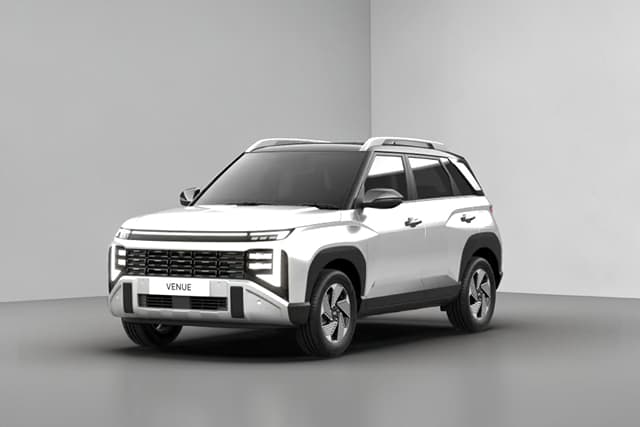
The Kia Syros turbo-petrol isn't as fuel efficient as the Venue or Sonet with which it shares its powertrain. Its higher kerb weight and boxy dimensions certainly play a role to hamper its fuel efficiency in the city and highway respectively. That said, as far as space and features go, the Syros remains unmatched in its segment, and if you can live with an efficiency that's 1.5-2kpl kpl lower than the Venue and Sonet, it worth going for.However, if you want efficiency, 1.0 turbo manual versions of the Maruti Suzuki Brezza or Hyundai Venue. The former is relatively more spacious and feels a bit more rugged, while the Venue's cabin feels more modern in comparison.
I drive around 30,000km annually and plan to keep my car for 6-7 years. I am considering a mid-size SUV like the Maruti Suzuki Grand Vitara or a larger 7-seater like the Kia Carens Clavis DCT. Given my usage, which would be the better choice: a naturally aspirated petrol automatic, a DCT or a diesel automatic? I would also like to understand which of these powertrains offers better long-term engine reliability and how many kilometres they can typically cover before requiring major repairs. Kindly advise.
The suitability of an engine and gearbox combination largely depends on the kind of driving conditions and not necessarily on the overall mileage. If your driving has a majority of heavy start-stop traffic then a naturally aspirated torque convertor or CVT gearbox is ideal as the engine will not have any turbo lag; turbos tend to produce a sudden power increase which makes des not give you a smooth drive in constantly varying traffic speeds. The torque convertor gearbox is also the smoothest type of autobox around with seamless shift, the CVT too works ok and better than DCT's and AMTs as these can be jerky shifting in traffic. If however your driving is more highway then a turbo DCT would be fine and you could enjoy a more peppy drive. As for repair expenses most modern powertrains are very reliable however a naturally aspirated engine with a torque convetor gearbox would be the most robust powertrain to have.
Last Updated on: 22 Nov 2026