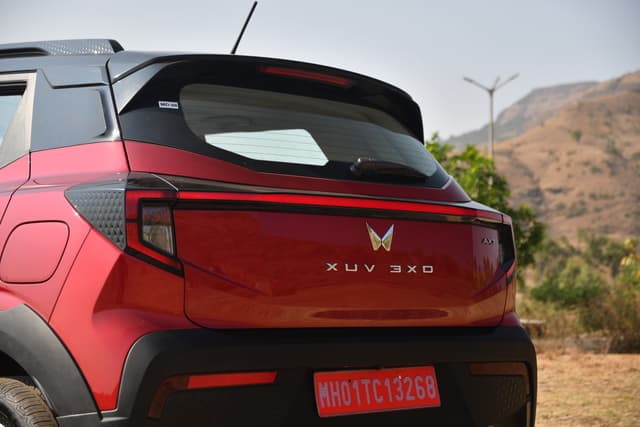
Mahindra Diesel Cars in India (9)
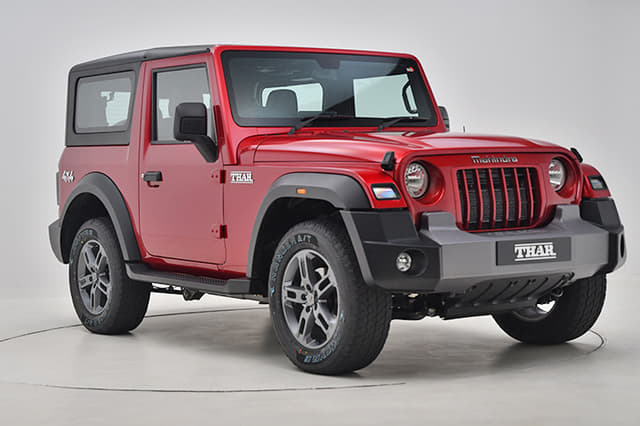
Discover the best Mahindra Diesel Cars. Our comprehensive guide covers detailed specifications, expert reviews, pricing information, and buying advice for Mahindra Diesel Cars. Find the perfect cars that matches your requirements and budget.


Find cars by body type
Find cars by body type


Trending Questions on Mahindra Cars - Answered by Autocar Experts
Hi, I am a 27-year-old first-time car buyer from Delhi NCR. My daily commute is around 25 km, including a mix of expressway and city traffic. My monthly running will be around 600 km, with an expected annual running of 7,000-8,000 km. I have access to EV charging at my apartment (Rs. 10/kWh) and at my workplace through a Statiq charger (Rs. 22/kWh). I was considering the Mahindra BE 6 Pack Two 59 kWh, as the car will mostly be used by my wife and me. I may send it to my parents in my hometown after 4-5 years, but not before that. My budget is around Rs. 21-22 lakh. The BE 6 is currently available with a Rs. 1.5 lakh discount, and a new version is expected to be announced soon. Would you recommend buying the BE 6 now, waiting for the updated version in the hope of better discounts, or opting for a Kia Seltos Diesel (Rs. 17-19 lakh) and upgrading to an EV after 4-5 years? I am not considering petrol cars because of concerns regarding E20 and future E25 fuel compatibility.
Go for the Mahindra BE 6 Pack 2 59kWh. Your usage pattern is ideal for an EV, with a mix of expressway and city traffic, and you already have affordable home charging. At Rs 10/kWh, your running costs will be significantly lower than a diesel, and the BE 6’s 59kWh battery is more than adequate for your daily needs and occasional longer trips. The current discount makes it a strong value proposition, and waiting for the next version is unlikely to yield dramatically better deals given how quickly EV technology and pricing are evolving.The Seltos is a good car, but at 7,000-8,000 km a year, buying a diesel car is harder to justify because of the higher upfront premium. You would also be looking at a replacement in 4-5 years. The BE 6, on the other hand, can be handed over to your parents after that period, making it a more sensible long-term purchase. As for E20/E25 concerns, modern petrol engines are engineered for these blends, and there is no official roadmap beyond E20, so it should not be a reason to avoid petrol cars altogether.Overall, the BE 6 fits your usage, budget and long-term plans best.
I’m a 21-year-old college student, and my family already owns a 2020 Fortuner. I’m looking for a second car for college use and outings. Should I go with the Thar, as per my father's choice, or the new-generation 2026 Hilux, which I like? Or is there any other good option? It must be a diesel SUV.
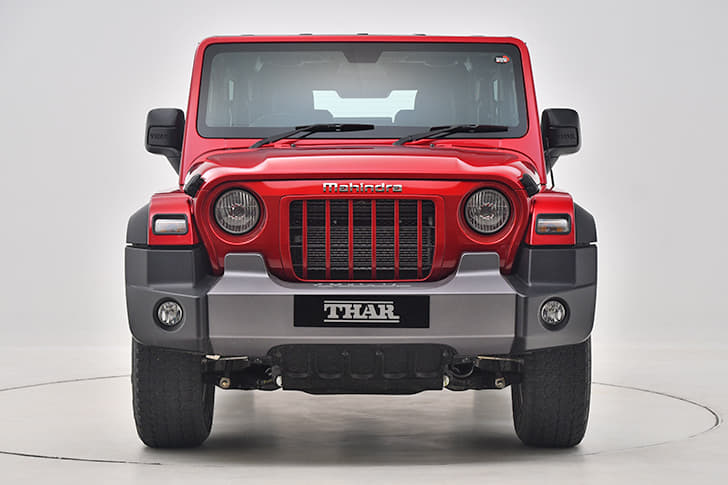
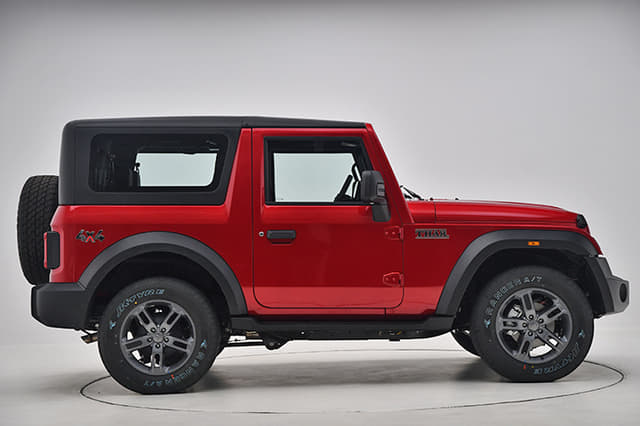
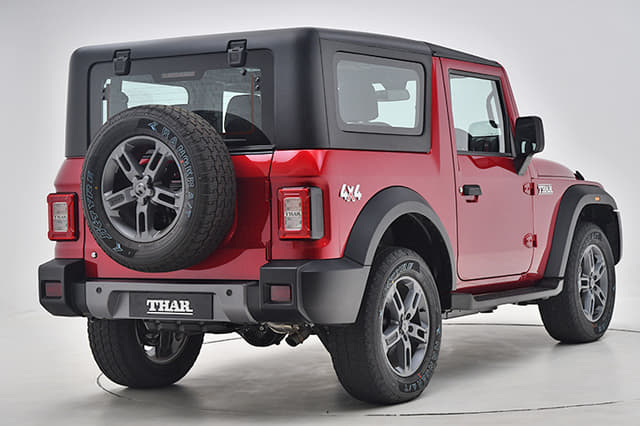
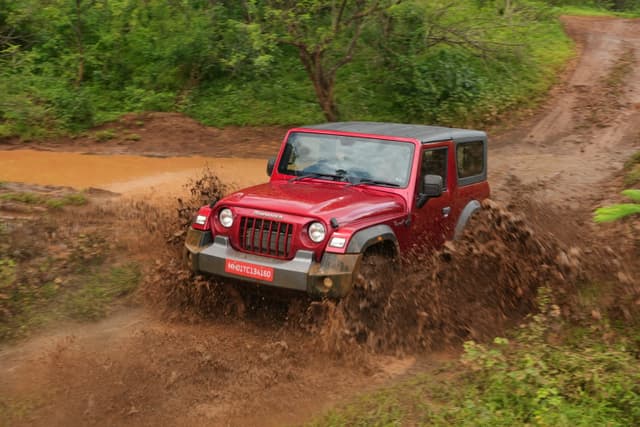
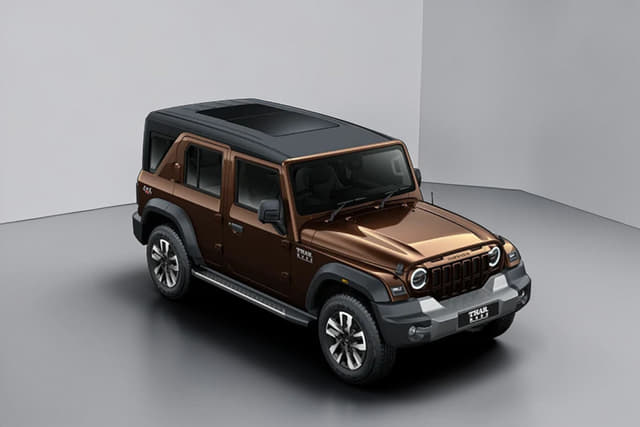
Why not consider the Mahindra Thar Roxx instead? The Thar is a good secondary car, however the absence of rear doors hampers practicality. Also, while the Thar is excellent off-road, it can feel a bit bumpy on the road. You can expect the Mahindra Thar Mileage to be around 9 to 11 kpl in the city and 13 to 15 kpl on the highway. In comparison, the Thar Roxx feels a lot more practical, usable and comfortable for daily use and long drives. The Hilux is simply too large for daily driving, especially in the city. However, if you're looking to get a vehicle purely for butch looks and stand-out road presence, then nothing will come close to the new Hilux. Be prepared to spend a lot more for it (compared to a Mahindra Thar Roxx).
Dear Autocar, I’m looking for some advice on a dilemma that I haven’t been able to resolve. I’m replacing my 2015 Audi Q3 Diesel, which has been an excellent long-distance tourer for us. I haven’t test-driven the Alcazar yet, but I plan to do so shortly. My annual running is relatively low, so this isn’t a petrol vs diesel question from a fuel-cost perspective. Our typical usage is very long road trips (Mumbai-Goa and similar), often 8-10 hours at a stretch, with two adults (my wife and me), our Beagle, and lots of luggage. We also drive through highways, ghats, villages and city traffic, so the car needs to feel effortless and confidence-inspiring in every situation, especially while climbing steep ghats with a full load. I’m considering the Hyundai Alcazar, but I’m confused between: 1. 1.5 Turbo Petrol DCT 2. 1.5 Diesel AT (Torque Converter) If the petrol had a conventional torque-converter automatic, I would probably choose it without a second thought. My dilemma exists only because the petrol comes with a DCT, whereas the diesel gets a torque-converter automatic, which is generally considered smoother and more refined at low speeds. My priorities are, in order: - Overall refinement and cabin quietness - Smoothness of the transmission in city traffic - Effortless performance while climbing ghats with a full load - Long-distance comfort and relaxed cruising - Long-term ownership experience and reliability I am not looking for maximum fuel economy or the lowest running costs. I also have another dilemma regarding the seating configuration. Should I choose the 6-seater with captain seats or the 7-seater with the bench seat? My wife almost always travels in the second row during our road trips. She normally likes sitting in the middle seat because she enjoys the forward view. However, from the videos I’ve watched, the captain seats in the 6-seater appear significantly more comfortable and supportive for long journeys. Based on my usage, which powertrain and seating configuration would you recommend, and why? Thank you.
Between the 1.5 turbo petrol and 1.5 diesel Hyundai Alcazar, the diesel is the better fit for your usage. It offers strong low-end torque and a more relaxed, effortless character on long drives. Just as importantly, the 6-speed torque converter automatic is smoother and more intuitive in city traffic. In contrast, Hyundai-Kia DCTs tend to have a sharper engagement, which can feel slightly jerky at low speeds and in stop-go conditions.Do note that while the 1.5 diesel pulls well from low revs, its top-end performance is not particularly strong. With a full load, highway overtakes will require a bit more planning compared to the turbo petrol. That said, for your kind of driving, which prioritises ease, consistency and long-distance comfort, the diesel’s overall delivery and gearbox pairing work better.On seating, the 6-seater with captain seats is the more comfortable choice. The individual seats are better contoured, offer superior support, and the addition of armrests makes a noticeable difference on long journeys. Your wife will likely appreciate the enhanced comfort over extended hours on the road. The trade-off, of course, is the loss of the exact central seating position she prefers, but in the Alcazar, the front seats are not overly bulky, so forward visibility remains reasonably good.One alternative worth considering is the Mahindra XUV 7X0 diesel. It offers stronger performance, better refinement, and feels more effortless on highways, especially when fully loaded. The ride quality is also well suited to mixed road conditions. However, it is a larger vehicle than the Alcazar and can feel more cumbersome in tight urban environments.Overall, for your priorities, the Alcazar diesel with captain seats strikes the best balance of comfort, smoothness and ease of driving
I am planning to buy the Mahindra XUV 7XO AX7 Automatic, but I am confused between the petrol and diesel variants. My annual running is around 10,000 - 12,000 km, with an even 50:50 split between city and highway driving. Most of my city drives are short trips of around 3 km one way in light traffic, such as commuting to the office or grocery shopping. Evening city drives are usually 6-8 km one way. These trips happen about three times a week. I live in a Tier 2 city, so traffic is generally not very heavy. My highway trips are usually 100-200 km one way, although they are not very frequent. Around twice a year, I undertake longer trips of about 600 km one way. I also tend to keep the engine idling occasionally while parked to use the air conditioning. I prefer the diesel because of mileage, but I am concerned about DPF-related issues. On the other hand, I am worried that E20 petrol has already reduced fuel efficiency, and E25 could lower it even further. My questions are: 1. Is diesel the right choice for my usage? Am I likely to face DPF issues frequently, and if so, how can I avoid or manage them? 2. What is the real-world fuel efficiency of the petrol automatic in city and highway conditions? Based on YouTube videos, I have seen figures of around 6-7 km/l in the city and 11-12 km/l on the highway. Are these realistic?
Go for the diesel. Your usage pattern is actually quite well suited to a modern diesel, and the Mahindra XUV 7XO diesel is a strong engine with good efficiency and refinement. The DPF concern is understandable, but your usage does not fall into the high-risk category. You are doing 10-12,000 km a year with a 50-50 city-highway split, and your city driving is in a tier 2 city with light traffic and regular 6-8 km runs. That is enough to keep the DPF healthy, especially if you occasionally take the car on a longer run. The Mahindra car diesel also has a DPF regeneration indicator, so you will know when the car needs a longer drive.The petrol automatic is a good engine, but it is not particularly efficient in a car of this size and weight. Real-world city mileage of 6-7 km/l and highway figures of 11-12 km/l are realistic. The diesel will be significantly more efficient, especially on the highway, and that will make a meaningful difference over time.E20 is not a major concern. Modern engines are designed for it, and the impact is mostly a small drop in fuel economy. There is no official roadmap for E25, and premium petrol is not required.The only reason to choose petrol would be if your usage was almost entirely short city runs in heavy traffic. In your case, the diesel makes more sense.
Hi Autocar India Team, I currently own a 2020 Ford EcoSport Titanium Diesel Manual, which has covered nearly 1,00,000 km. It continues to return around 16.5–18.5 km/l in mixed city and highway driving, and I plan to keep it for several more years. I'm now looking to buy a second vehicle and would appreciate your advice. My monthly driving is around 1,000–1,500 km, split between city and highway use. In addition, my family and I undertake a long road trip of approximately 1,500 km (round trip) or more once every three months. I live in Hyderabad, where EVs currently benefit from zero road tax, making them similarly priced to comparable diesel automatic vehicles. My priorities are value for money, comfortable long-distance touring, enough space for a family and luggage (preferably in a large SUV or MPV), reliability over the next 8–10 years, low running and maintenance costs, and strong safety, ride comfort, and resale value. Since I already own a dependable diesel manual that is well suited for long-distance travel, would you recommend buying an EV or another diesel automatic as my second vehicle? If you were making this purchase today, which large SUV or MPV would you consider the best value-for-money option, and why? I'd also appreciate recommendations across different budget ranges, if possible. Thank you!
Given your usage pattern and priorities, we would recommend going for a diesel automatic SUV or MPV rather than an EV. Since you regularly undertake long road trips with your family, a diesel eliminates the need for range planning and charging stops that electric cars require. While the Ford EcoSport can continue to handle long-distance journeys, it is now six years old and has already covered nearly 1,00,000 km. If something were to go wrong far from home, sourcing parts or repairs could be more challenging. It would therefore make more sense to use the new vehicle for family road trips, as it will be more comfortable and reliable.The Kia Carens Clavis diesel automatic is one of the strongest options for your requirements. It offers a spacious cabin with a genuinely usable third row, a refined diesel engine, and a smooth automatic gearbox. Kia cars also have a well-established aftersales network, which adds to their appeal as a long-term ownership proposition.Another excellent option is the Mahindra XUV 7XO diesel automatic. It offers a spacious cabin, a strong diesel engine, a comfortable ride, and a good balance of features and safety. The drawback is that the third row is not as roomy as the Clavis.Overall, a diesel automatic SUV or MPV is the more practical and value-for-money choice for your usage pattern, especially considering your regular long-distance travel and plans to keep the vehicle for several years.
Last Updated on: 7 Aug 2026