

The Maruti Suzuki Jimny 5-door has achieved a significant milestone, crossing 1 lakh units in exports – a testament to the global appeal of this India-made 4x4. However, the compact SUV's international success stands in stark contrast to its domestic performance, where total sales since its July 7, 2023 launch have reached just 27,812 units, barely 28 percent of the total export numbers.
- 5-door Jimny was Maruti's second most exported model after the Fronx
- 'Jimny Nomade' received over 50,000 orders in Japan within days of launch
- Total domestic sales of 27,812 units till September 2025
Maruti Jimny exports to over 100 countries
The Jimny 5-door, manufactured exclusively in India, has found customers in over 100 countries since exports began in 2023, shortly after its domestic debut. The compact off-roader now ships to Japan, Mexico, Australia, South Africa, and Chile as its top five markets.
.jpg?w=700&c=0 "maruti-suzuki-jimny-off-roading")

It received a remarkable reception in Japan, when it was launched as the 'Jimny Nomade' in January 2025. It got over 50,000 orders within days – an overwhelming response in what is arguably the world's most tasteful automobile market.
Maruti Jimny: Why Indian buyers aren't biting
The domestic market tells a starkly different story. Sales figures paint a grim picture with 296 units in September 2025, down from 599 units in the same period last year and a month-on-month drop from 603 units in August.
With a starting price of Rs 12.32 lakh (ex-showroom), the Jimny's hardcore 4x4 credentials and off-road prowess attract only a niche audience in India. The vehicle needed a lifestyle play – something that appeals to urban buyers who want the image and capability without necessarily planning weekend trail runs.
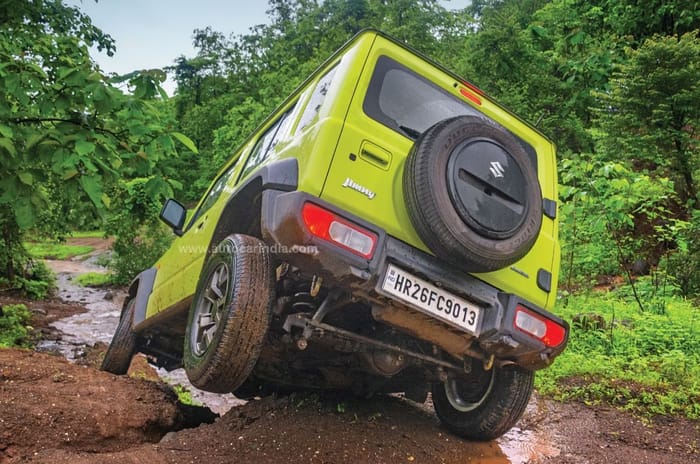
There's also the Maruti factor. Buyers approach the brand expecting stellar fuel economy, and the Jimny doesn't stand tall on those expectations. In real-world tests, the average fuel efficiency stands at 12.8kpl for the manual and 11.8kpl for the automatic. City test drives, where the engine's limitations become apparent, have led to poor conversion rates – its genuine off-road talent goes unnoticed in urban environments.
The irony is inescapable. A vehicle celebrated worldwide for its capability and character has found limited acceptance in the very country where it's built.

 Viraaj Bhatnagar
 Dipan Sur
 Dhruv Dhaka