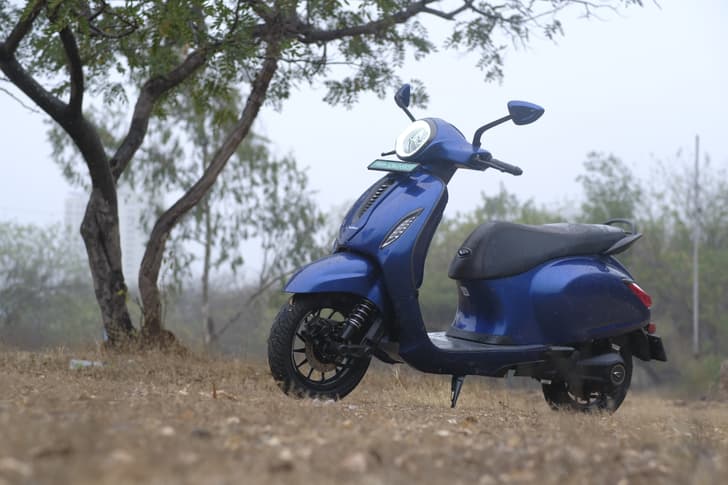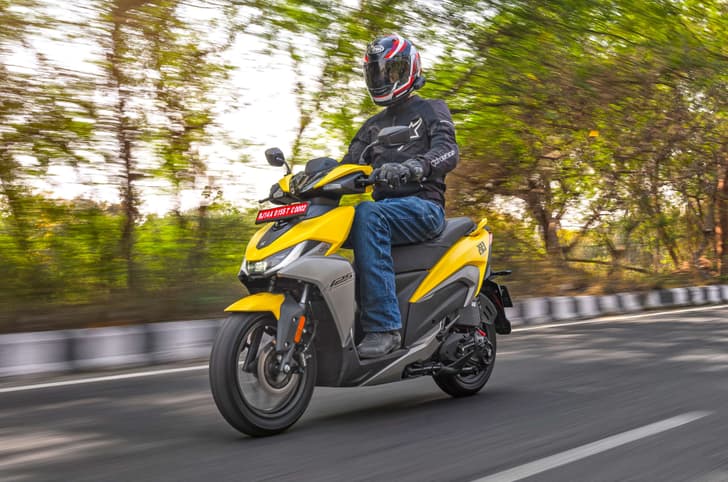

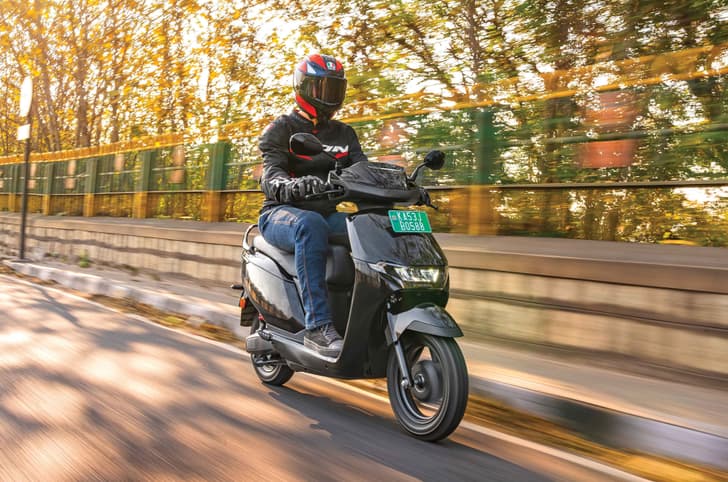
So far, below the Rs 1 lakh mark, you only had the base variants of the TVS iQube and Bajaj Chetak if you were shopping for an electric scooter. Now, the Honda QC1 has joined the fray, and it is priced lower than both the aforementioned Indian EVs. However, its relatively more affordable price tag also comes with some compromises.
Honda QC1 design and features
Basic, budget-friendly EV with no frills
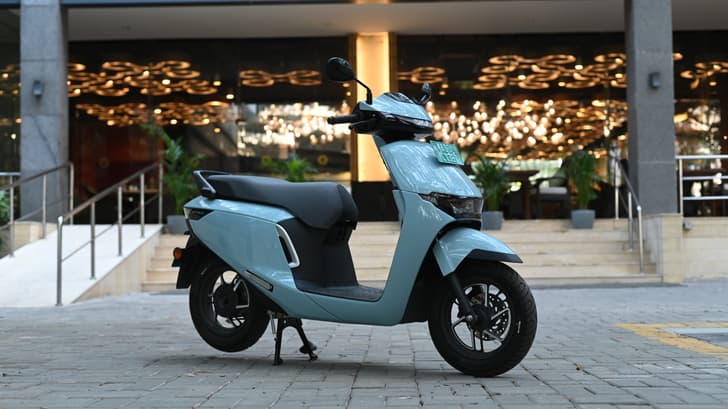
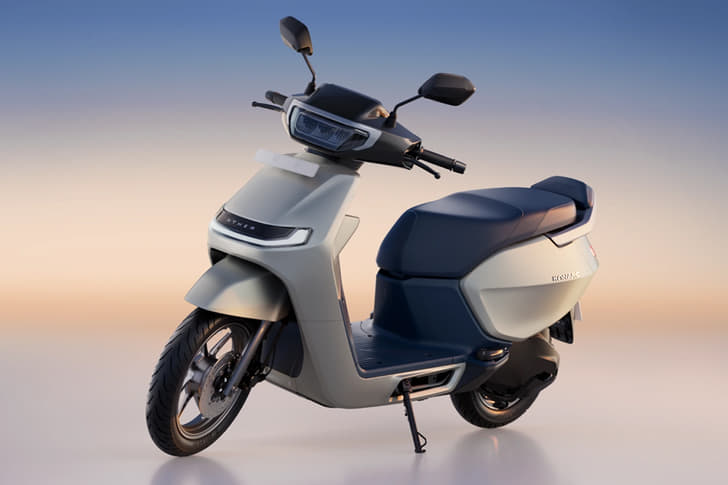
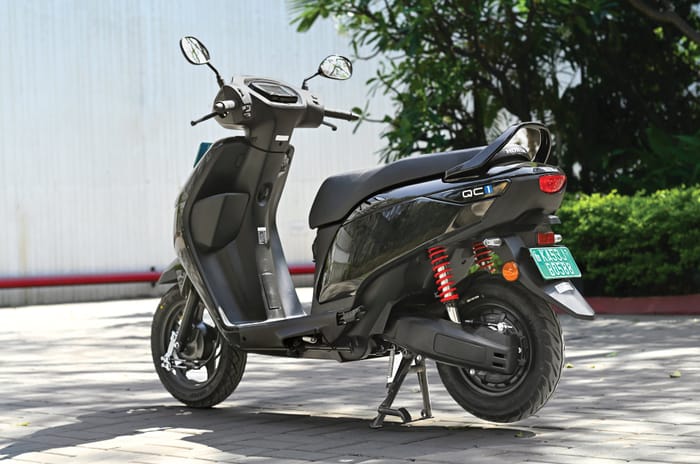
Before I tell you what the QC1 is like to ride, let’s address its design and features. From the front, the QC1 is visually very similar to the much more expensive Activa e:, and the main design differences come in the form of this unique tail-lamp setup, different alloy wheels and a few missing cosmetic touches.
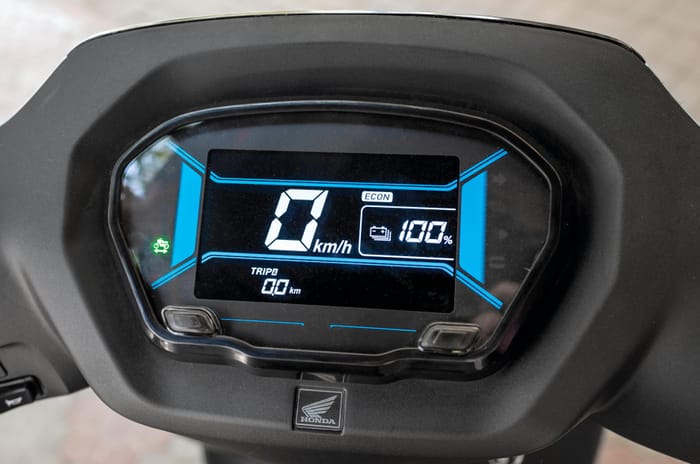
The QC1 uses a basic negative LCD screen without the now commonplace Bluetooth connectivity. The information shown to the rider includes the speed, battery SOC, odometer and two trip meters alongside the telltale lamps. The QC1 also has a side stand cutoff, and unlike other scooters where you manually need to switch the engine or motor on, once you pick it up off the side stand, the motor automatically turns back on. One thing that I find odd here is that the QC1 doesn’t come with a reverse mode, which pretty much every other electric scooter on sale today has.
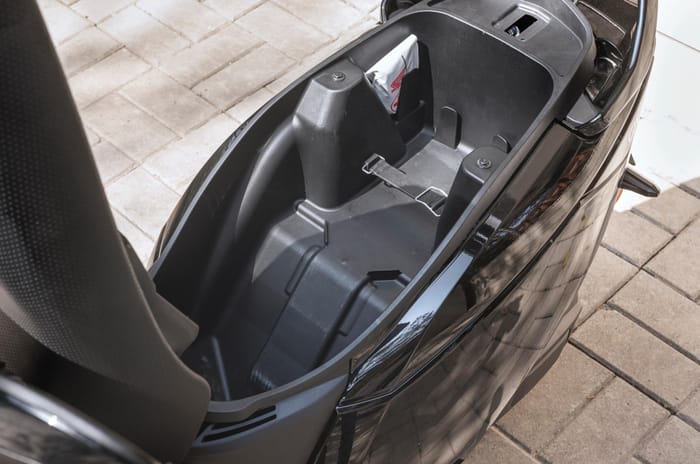
Unlike the Activa e:, which has practically no storage space, the QC1 has a reasonably spacious 26-litre underseat compartment as well as a little cubby and a bag hook on the front apron. Overall, the QC1 does have a bit of a budget feel to it, but it never feels obtrusively cheap or poorly made.
Honda QC1 ride and handling
QC1 is strictly an urban runabout; its range and charging time need improvement
With a 1.5kWh battery delivering a claimed IDC range of 80km and a claimed top speed of just 50kph, the QC1’s spec sheet is modest at best. This is no surprise because it is based on the Icon e: electric moped sold in international markets. That said, if you’re going to use it as an urban runabout for short distances in and around your home, you could make peace with its rather low performance and range ceilings.
In the 30km I rode the scooter, the battery SOC had fallen to 50 percent (we started with a fully charged one), and this was done almost exclusively in the Standard riding mode. Since we were in the heart of Bengaluru with fast-paced traffic surrounding us, Standard mode was my only option as Eco limits top speed to 30kph and is best reserved for situations where you just need to find a plug point before you run out of charge. And speaking of charging, the slow 330W charger supplied with the scooter takes a glacial 6 hours and 50 minutes to fully top up a flat battery.
It can get up to an indicated 53kph top speed without too much strain, although initial acceleration is rather sluggish. For the sort of performance it has, the braking power is acceptable, but as is the norm with drum brakes, they are rather dull and devoid of feel. You also get a parking brake clasp, which is a handy feature to have on a scooter.
At 89.5kg, the QC1 is one of the lightest two-wheelers on sale, feeling delightfully flickable, and it will be very welcoming for smaller riders. The seat and ergos are reasonably spacious, and there’s enough room to carry a pillion, too.
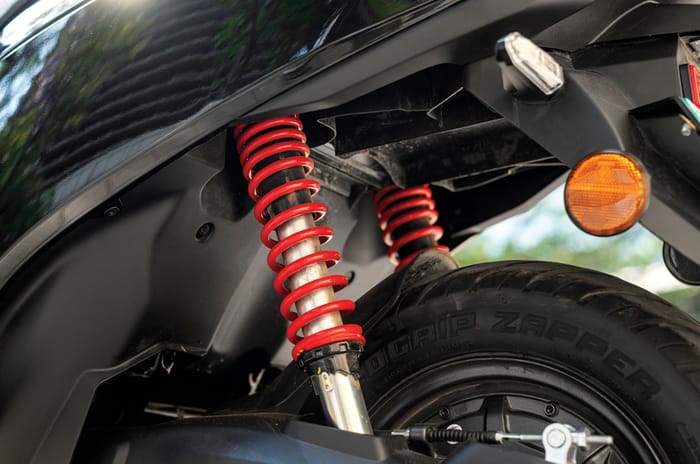
What hampers the QC1’s comfort is the glaringly obvious budget suspension. It can just about deal with small bumps, but bigger ones unsettle it quite a lot (the low kerb weight is partly responsible for this, too), and over larger bumps, you can feel the suspension crashing through its stroke quite quickly.
Honda QC1 price and verdict
Affordable urban runabout, but there are better options at a similar price point
Summing up this vehicle is a little more difficult than it usually is because while it is quite an affordable EV, it is also obviously lacking in some crucial areas. If your daily running isn’t a lot and you’re on the lookout for an electric urban runabout with Honda brand value on a tight budget, you could consider this scooter. But there are two big reasons to look elsewhere.
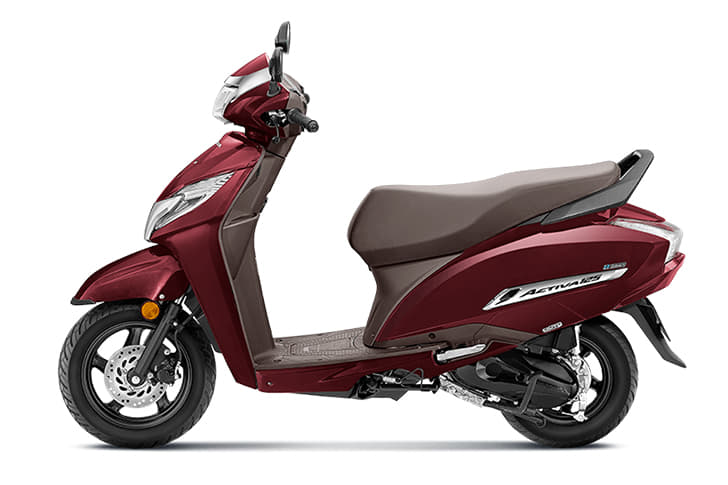
The first is that for just a little more money, you could get the base iQube or Chetak, which have a usable performance ceiling and real-world range. The second is that for a comparable or even lower price than the QC1, you can get a 110/125cc scooter from a reputed manufacturer (including Honda itself), and you’ll never have to worry about range anxiety or performance.
Ultimately, the QC1 is likely to find takers for its relative affordability, low running costs and the reputed badge it wears, but many will find that its compromises outweigh the cost savings.

 Rishaad Mody