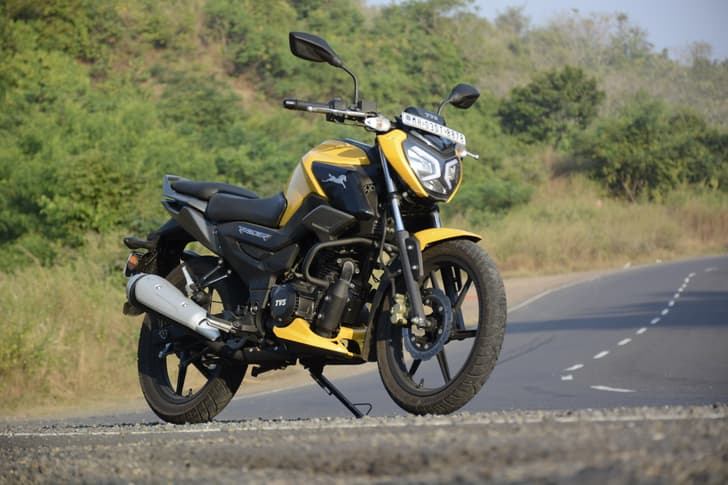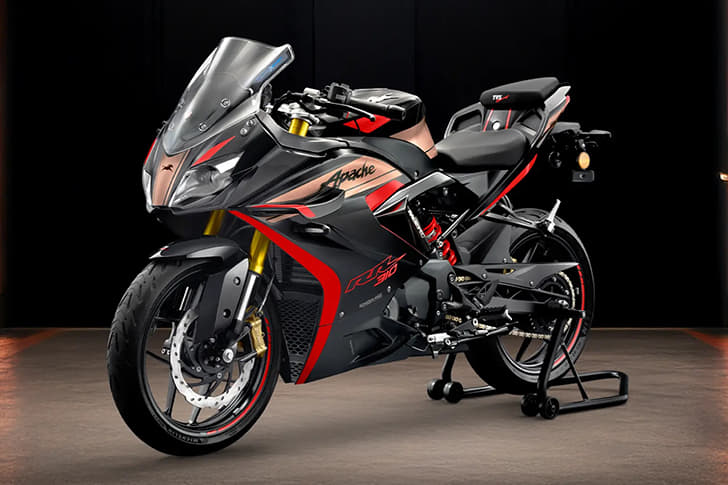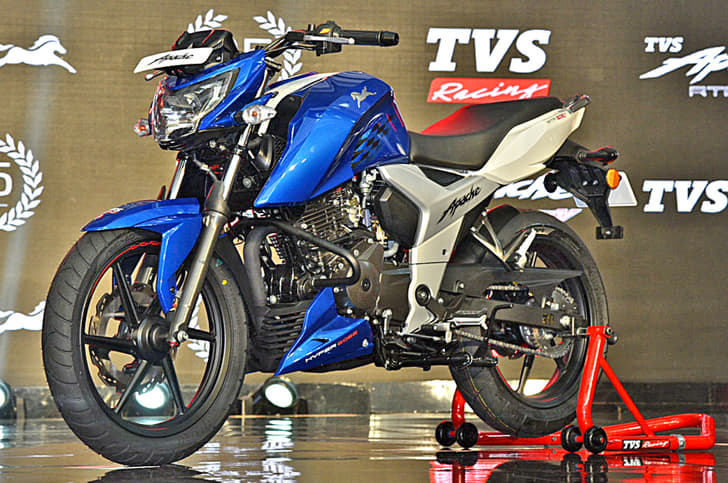
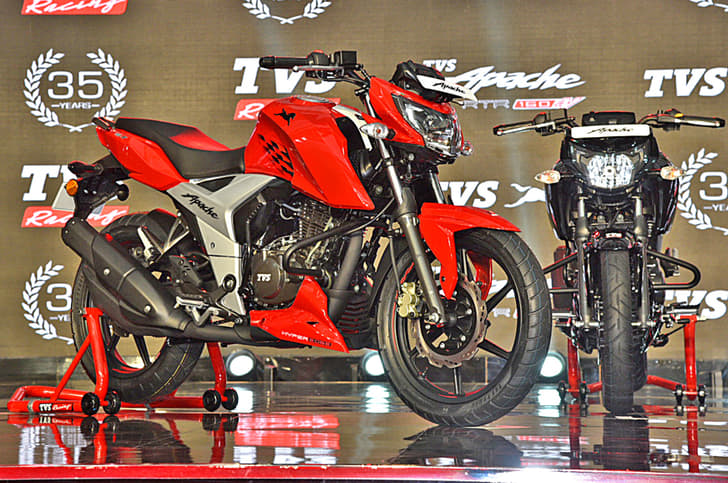
TVS has launched the thoroughly updated 2018 Apache RTR 160 4V at Rs 81,490 (ex-showroom, Delhi). As we predicted, the new RTR 160 features a number of styling and mechanical changes. In terms of styling, it is more in line with the TVS Apache RTR 200 4V. Mechanically, it gets a new frame and reworked engine, brakes and suspension. The bike is available in three variants – carb with front disc (Rs 81,490), carb with front and rear disc (Rs 84,490) and fuel-injected with front and rear disc (Rs 89,990 all prices, ex-showroom, Delhi).
The RTR 160 has received consecutive cosmetic updates since its launch, over a decade ago; but the bike has never been thoroughly updated. This new version changes that. With an overall styling heavily inspired from the RTR 200, it features a similar tank, headlight, tail-light, instrumentation and even turn indicators. The RTR 160 also features a similar ‘shotgun’ exhaust design, a fully digital instrument console and an LED tail-light, as seen on the RTR 200. However, the RTR 160 does feature a different centre panel. The bike also rides on differently designed alloy wheels. It is available in three colours – Racing Red, Metallic Blue and Knight Black.
The RTR 160 uses a new frame paired to (for the first time) a Showa mono-shock, replacing the twin shock-absorbers seen on its predecessor. The new bike's 159.7cc, four-valve, air-cooled engine also gets oil cooling for better heat management. This motor makes 16.8hp on the fuel-injected model (16.5hp on the carburettor model) and 14.8Nm of torque (on both models), which is a decent increase from the older bike’s 15.1hp and 13Nm. Transmission duties are handled by a 5-speed gearbox. The kerb weight for the motorcycle sits at 143kg for the drum variant and 145kg for the disc model. The RTR 160 has a seat height of 800mm and ground clearance of 180mm.
Unlike the Apache RTR 200, which has a slightly sporty riding position owing to the clip-on handlebars, the RTR 160 features a conventional handlebar for a more comfortable riding position. It also features a single-piece seat, unlike split-seats, as seen on its 200cc sibling.
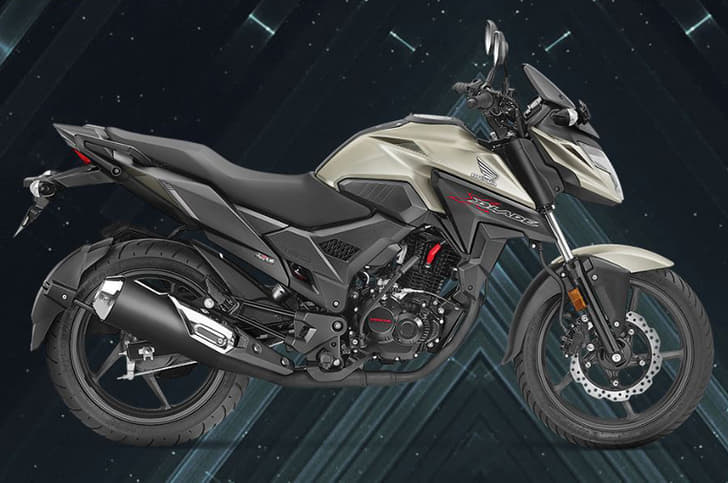
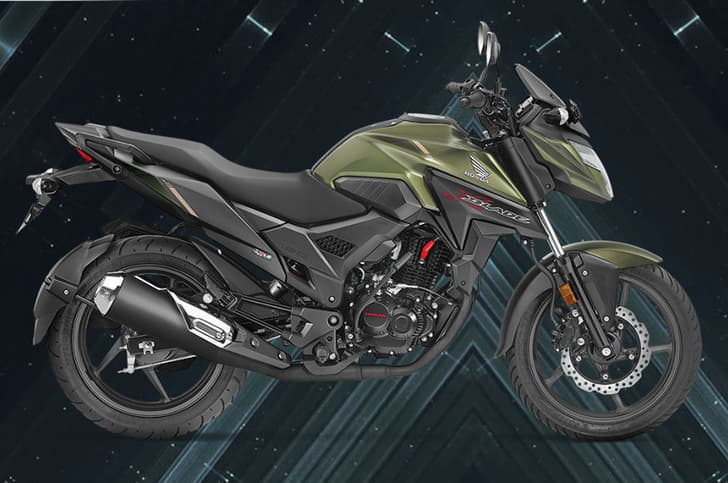
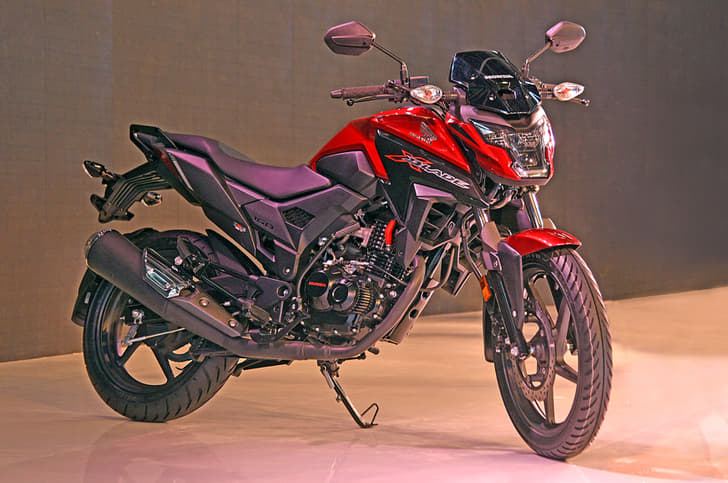
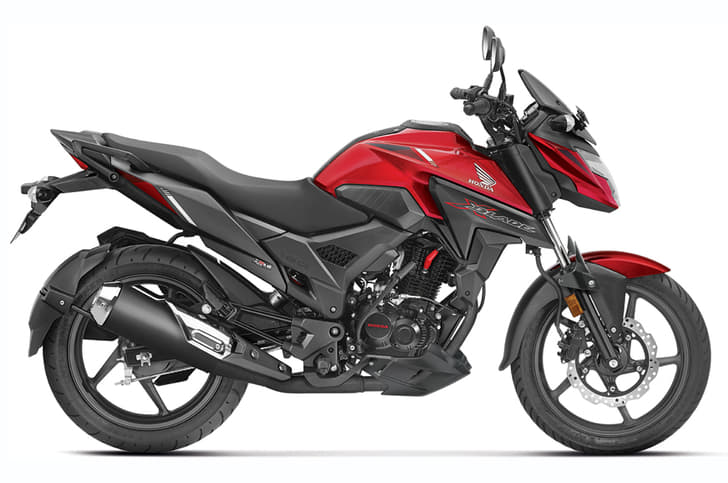
The RTR 160 used to be positioned at the lower end of the premium 160 segment, rivalling bikes like the Pulsar 150. However, with this update it is now more of a direct competitor to the new Honda X-Blade. It also comes closer to machines like the Gixxer, Pulsar NS160 and FZ FI, in terms of specifications – and the price reflects this. The base RTR costs Rs 81,490 which is at par with the above rivals. Opting for the rear disc variant (which comes with a larger 130-section tyre) takes the price up to Rs 84,490; and the range topping fuel-injected variant is the most expensive bike in the segment at Rs 89,990 (all prices ex-showroom Delhi).
 Ved Janve
 Vishal Venugopal
 Dinshaw Magol