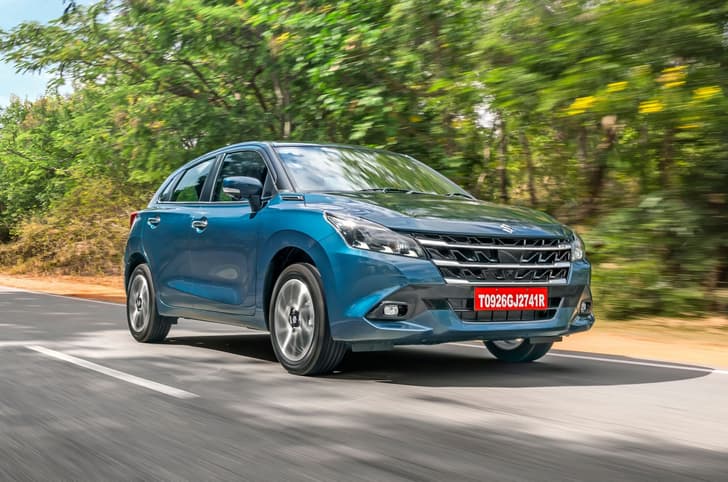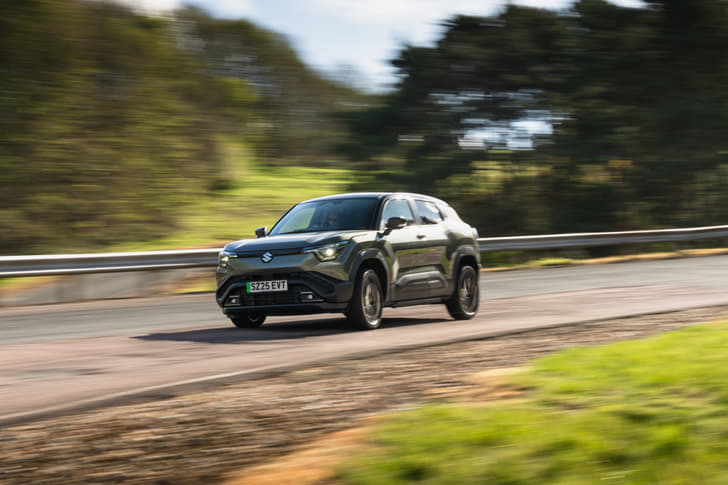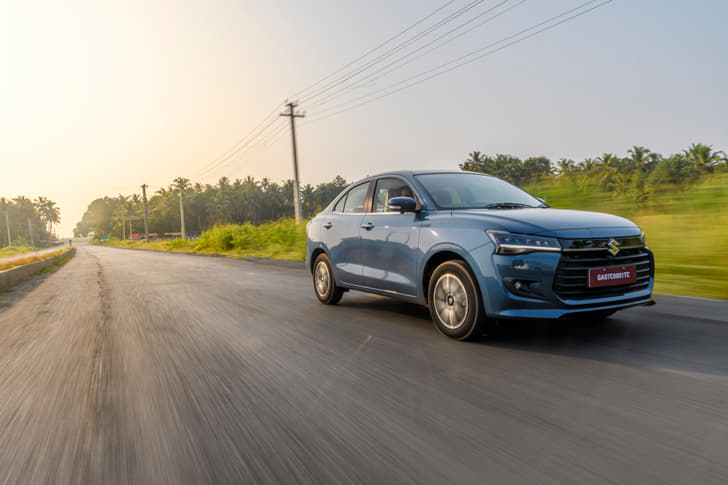

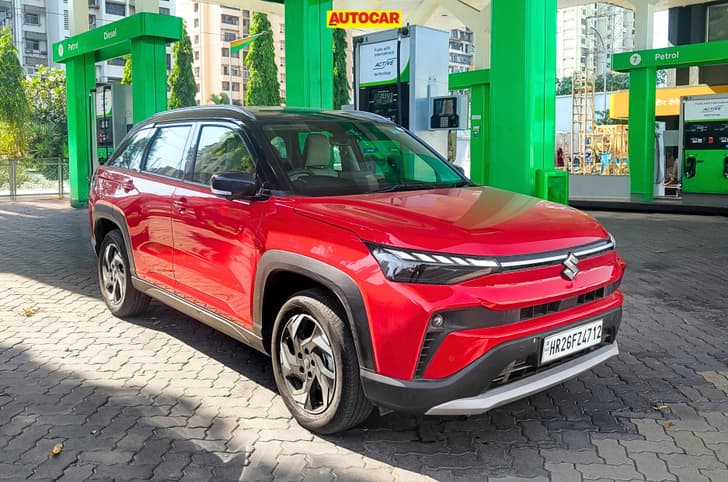
The Maruti Victoris is available with four powertrain options – a strong hybrid-eCVT combo, a CNG-manual option, a mild-hybrid petrol with 5-speed manual and a mild-hybrid petrol with 6-speed torque convertor automatic gearbox options. While most versions of the Victoris are front-wheel driven, the petrol-AT powertrain option can also be specced with all-wheel drive. To evaluate how close it comes to the company’s claimed efficiency figures of 19.07kpl, we put the Victoris AWD through our real-world fuel-efficiency test.
- Victoris AWD ARAI mileage is 19.07kpl and weighs 1,285-1,305kg
- Maruti Victoris AWD gets auto start-stop function to aid efficiency
Maruti Victoris AWD real world mileage tests
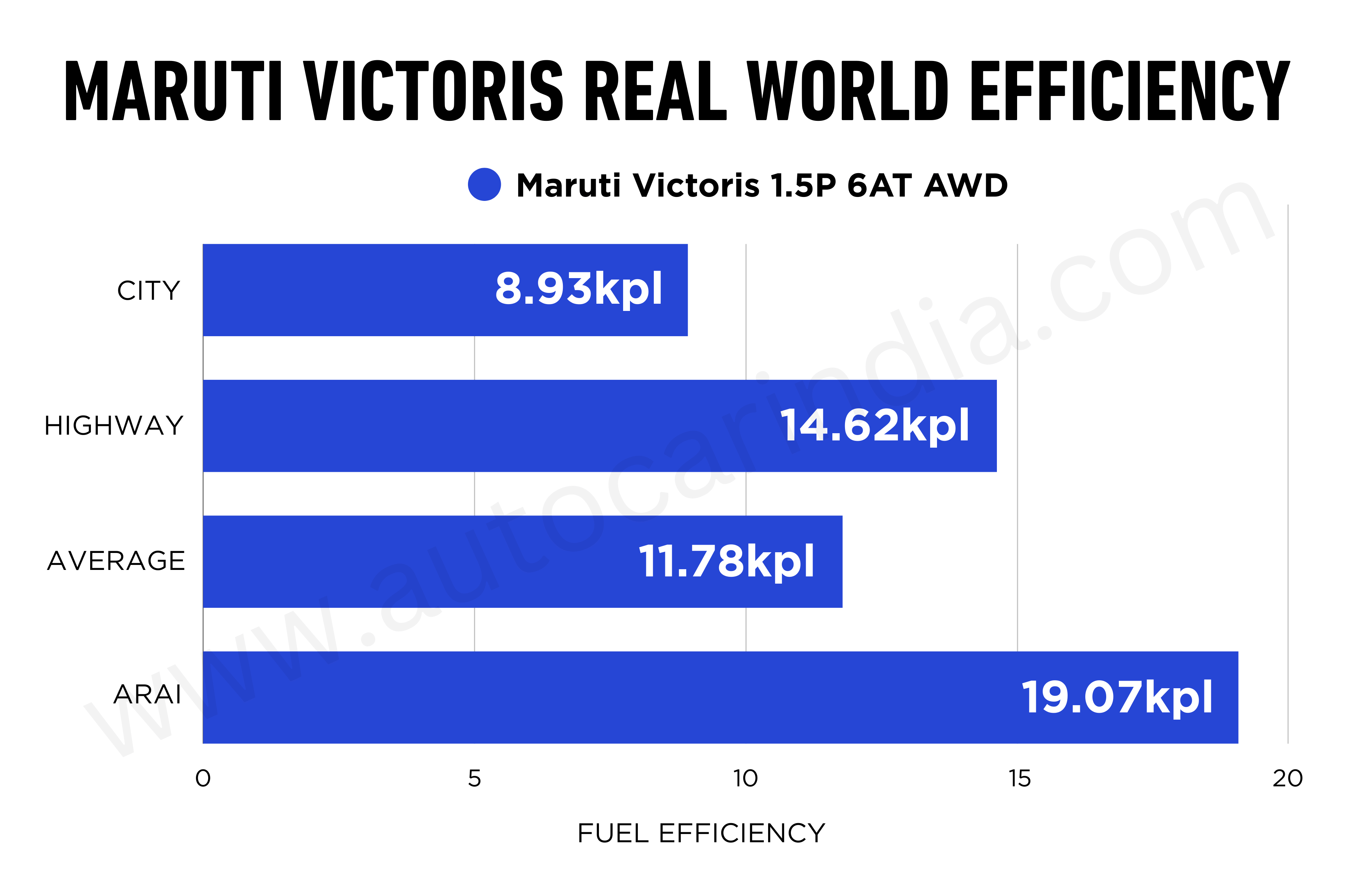
Victoris AWD has an average tested mileage of 11.78kpl
From the outset, it should be noted that the Victoris AWD (1,285-1,305kg) weighs up to 100kg more than the front-wheel-drive version, which is also why the all-wheel-drive variants’ ARAI figure is 1.99kpl less, at 19.07kpl. The 103hp 1.5-litre mild-hybrid petrol engine and 6-speed Aisin-sourced torque convertor automatic is shared between the Victoris AWD and FWD variants.
Out on the highway, the Victoris AWD managed to go 14.62km on a litre of fuel, while in the city runs, it recorded a low 8.93kpl. It should be noted that ambient temperatures ranged from 22 degrees at the start of the highway run to 37 degrees by the end of the city run. High ambient temperatures affected the Victoris’ city mileage figure, as the auto start/stop wouldn't keep the car turned off for too long in order to maintain a preset cabin temperature.
A tested average of 11.78kpl for the Victoris AWD means it is a significant 7.29kpl short of the ARAI figure. For reference, our Grand Vitara petrol-AT mileage tests saw the front-wheel-drive Nexa-retailed midsize SUV post a combined efficiency figure of 13.45kpl; the Victoris and Grand Vitara are mechanically near-identical.
Autocar India’s fuel efficiency testing
Before our real-world fuel-efficiency test, we fill the tanks of our test cars to the brim and maintain tyre pressures based on the manufacturer’s recommendations. These cars are driven in fixed city and highway loops, and we maintain certain average speeds. Throughout our test, we run the air-con and other electricals like the audio system, indicators and wipers when required, just like how a regular user would. Periodic driver swaps further neutralise variations in driver patterns. At the end of each cycle, we calculate efficiency by filling the tanks to the brim again.
With inputs from Soham Thakur




 Uday Singh

 Glenn Noronha
 Dipan Sur