

Upcoming Tata cars in India (5)



Upcoming Tata Cars - FAQs
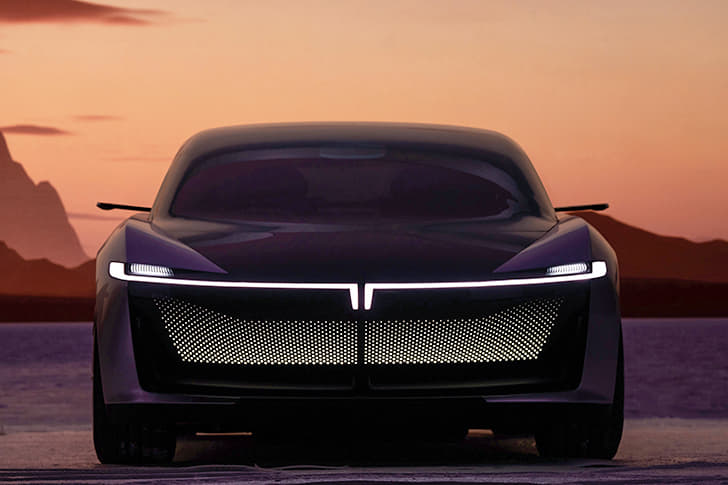
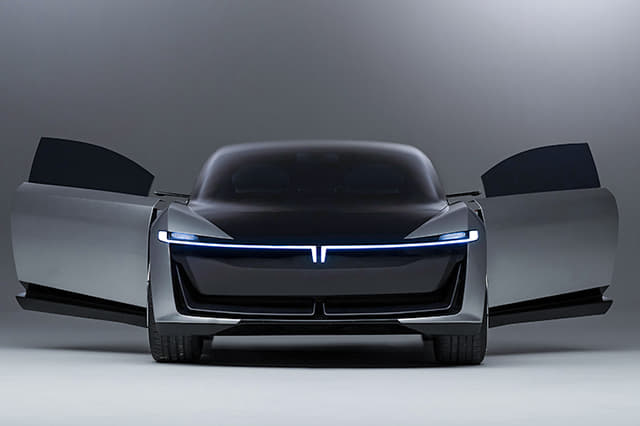
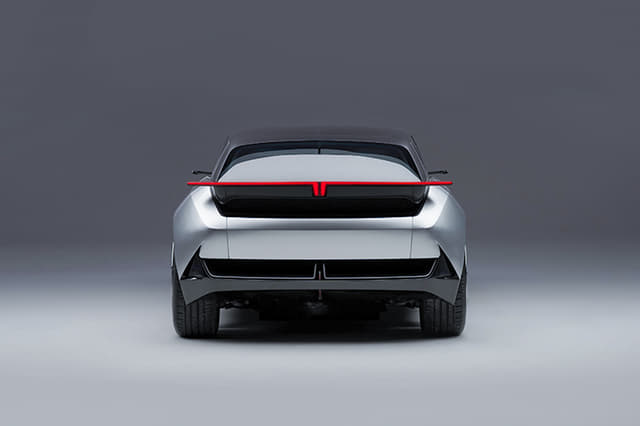
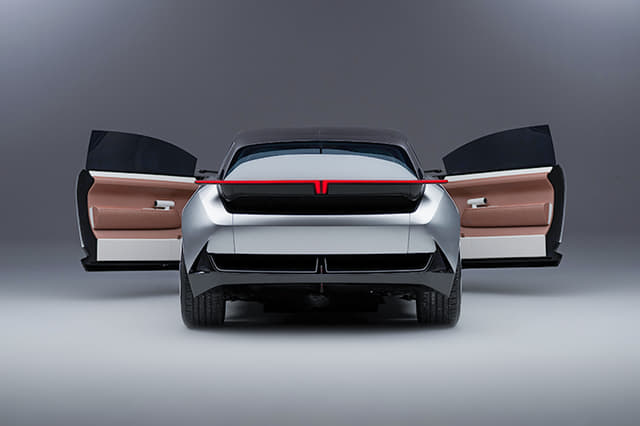
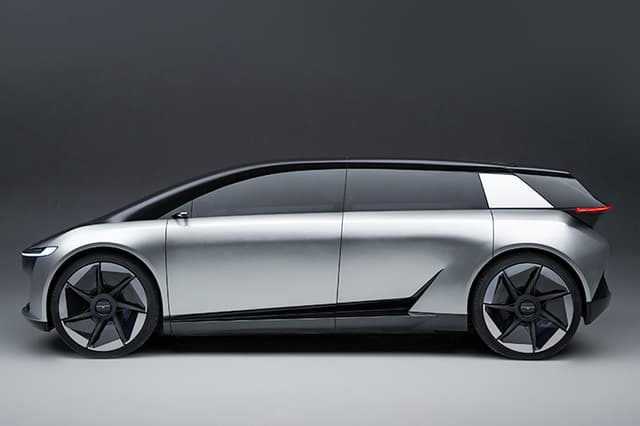
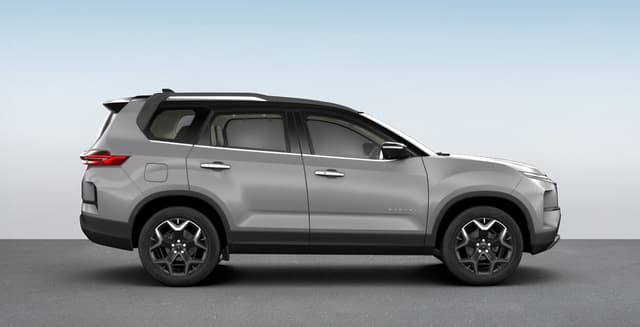
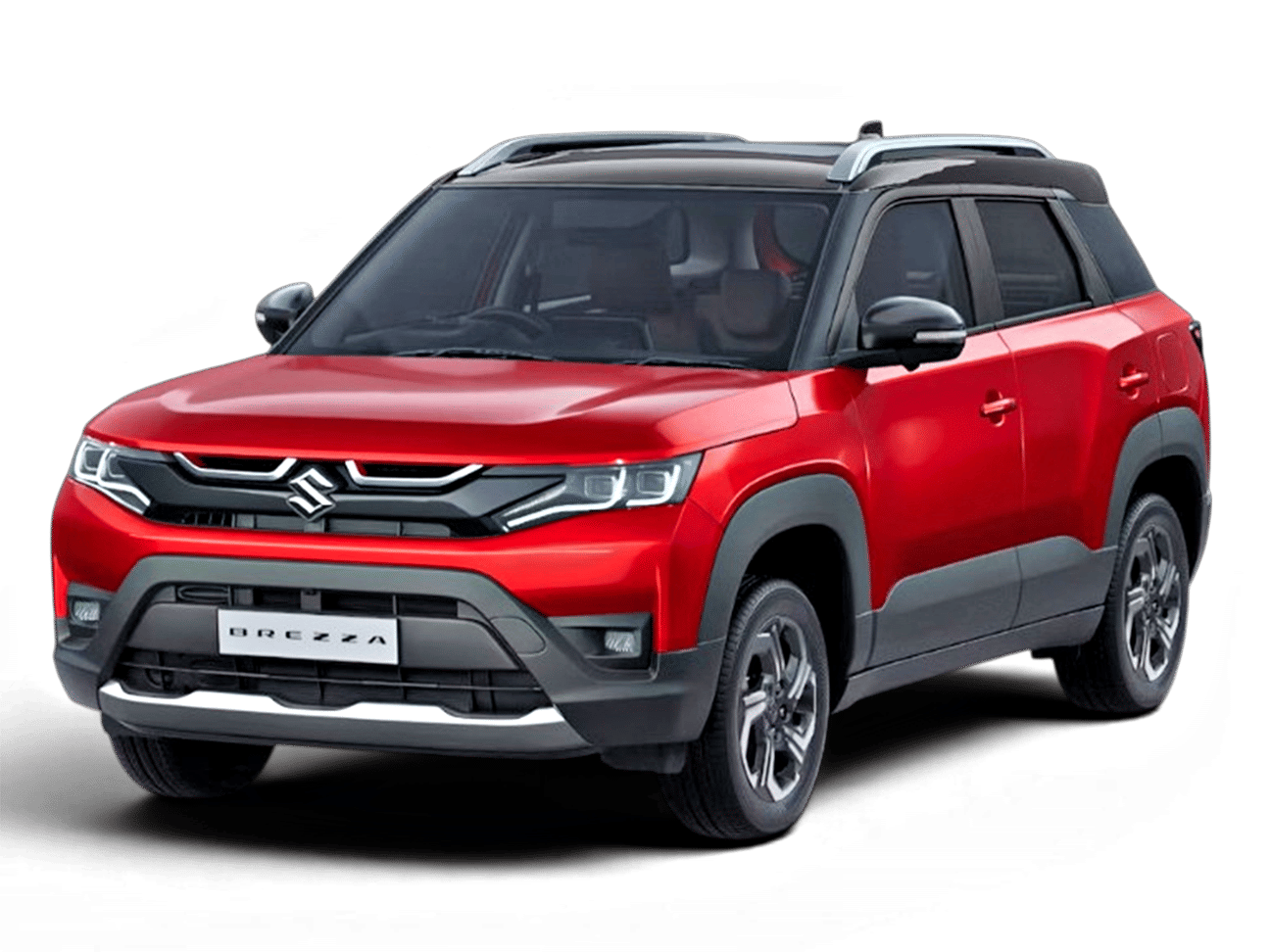
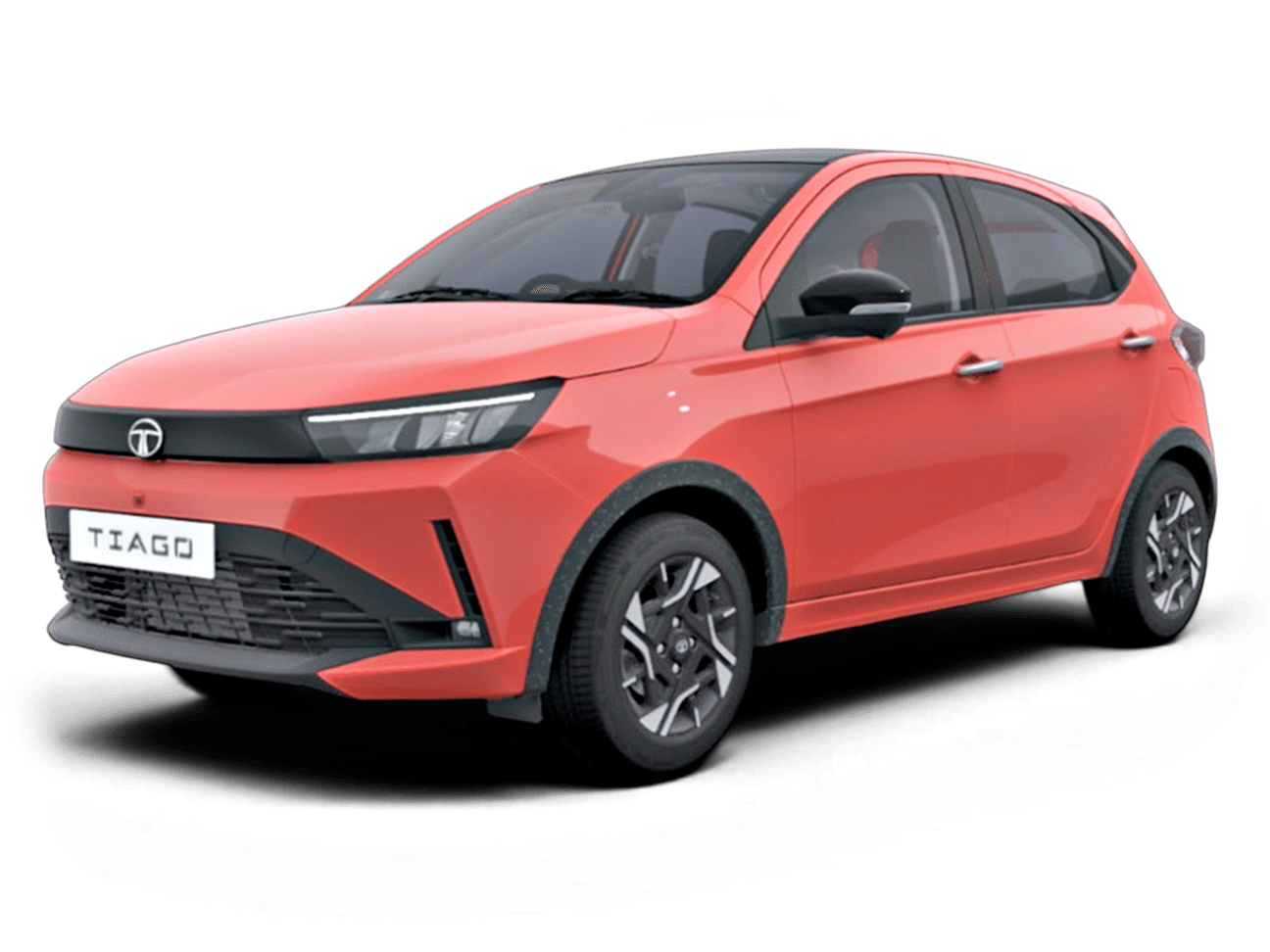
The Upcoming Tata Cars in India include the Tata New Nexon, Tata Tiago EV facelift, Tata Sierra EV and Tata Avinya.
The Upcoming Tata Cars price ranges from ₹8.00 lakh for the New Nexon and goes up to ₹40.00 lakh for Avinya.
The Sierra EV, part of the Upcoming Tata Cars lineup, is estimated to be priced between ₹20.00 - ₹25.00 lakh.
Most Upcoming Tata Cars, such as the Sierra EV is expected to be launched in mid 2026. Tata Avinya and Tata New Nexon are expected to launch in 2027.
As per Upcoming Tata Cars Price, Tata New Nexon has the lowest estimated starting price of ₹8.00 lakh.
In the Upcoming Tata Cars lineup, Tata Avinya is expected to be priced between ₹35.00 - ₹40.00 lakh.
Yes, Upcoming Tata Cars include electric SUVs like Sierra EV and Avinya highlighting Tata’s focus on electric mobility.
Among the Upcoming Tata Cars, Tata Avinya are positioned in the higher price bracket, indicating a premium SUV positioning.
Trending Questions on Tata Cars - Answered by Autocar Experts
I am planning to buy a car with an automatic transmission and have shortlisted two options: the Kia Seltos HTX IVT and Tata Sierra TGDI Adventure Plus. I am upgrading from a 2018 Maruti Ciaz 1.4-litre. Which one should I choose?

 Kia SeltosTata Sierra
The parking space in my apartment is very small. I can park a car similar in size to a Wagon R, but anything larger will be tight. I am planning to buy a small car by 2028. My budget is up to Rs 13 lakh, and I want a car with cruise control. As far as I have seen, only Maruti makes small cars, but none of its current models appeals to me because they feel too basic and do not offer cruise control. I have heard that Maruti is planning to launch small cars such as the Suzuki Hustler and a new small EV similar to the eWX. Is it wise to wait for these models? Are they likely to be available by 2028?
Tata Nexon EVTata Punch EVHi team, I booked a Tata Punch Empowered+ EV in late June in Goa and was initially told that I might get it by September. However, the dealer now says that due to high demand, the delivery could be delayed until November - December. Since I made the booking, the Punch EV’s price is now quite close to that of the base Kia Syros EV. Concerns around after-sales service and the delivery delay are also making me a bit hesitant. I was therefore considering the Kia Syros EV HTK, the base variant. Is there any way to get a 360-degree camera fitted without voiding the warranty? Alternatively, can I install a dashcam that provides at least front and rear feeds on the car’s main screen, again without affecting the warranty? If this is feasible, I feel the Syros EV base variant could be a compelling option. Could you please suggest whether I should make the switch or stick with my existing Punch EV booking?
Tata Punch EVKia Syros EVThis will be my first car purchase in Hyderabad, and I’m new to driving. I’m planning to buy an AMT car with a budget of around Rs 10 lakh. About 75 percent of my usage will be within the city, with occasional trips to the outskirts within a 100- 150 km range. Please suggest the best cars I should consider. Also, if I buy a petrol car now, will I face any issues with E20 fuel and rising petrol prices?
Maruti Suzuki SwiftTata PunchI drive around 6,000-7,000 km a year, but I’m not happy with the mileage of my Tata Altroz DCT. It averages only around 10 km/l, and with E20 petrol becoming more common, fuel costs are becoming increasingly challenging. What options or alternatives would you suggest?
Honda ElevateTata AltrozMaruti Suzuki VictorisToyota Urban Cruiser HyryderLast Updated on: 7 Sept 2026