Byd Electric Cars in India (5)
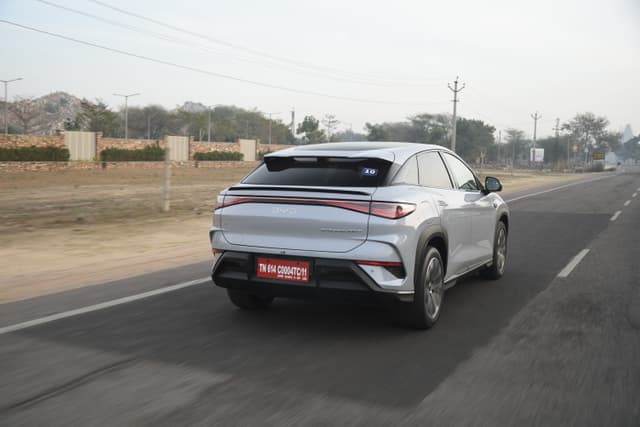
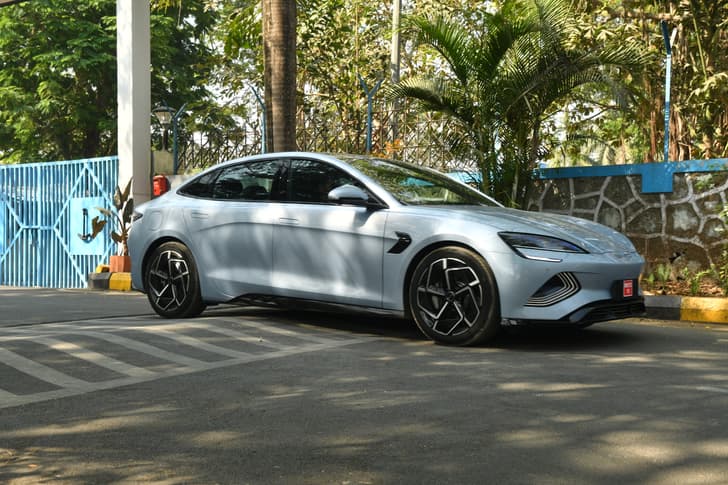
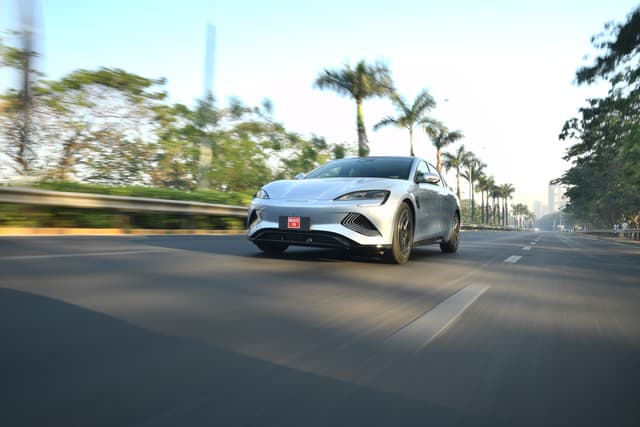
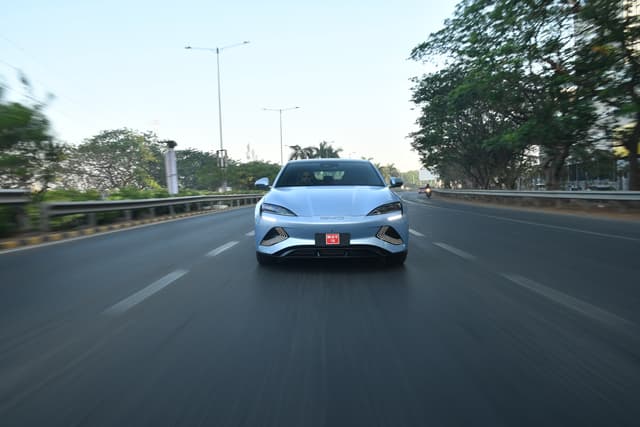
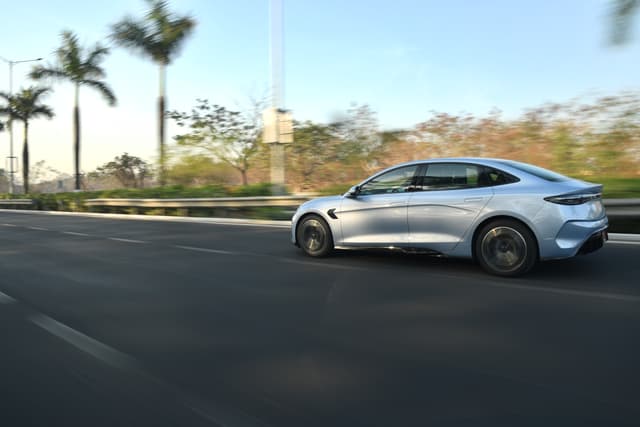
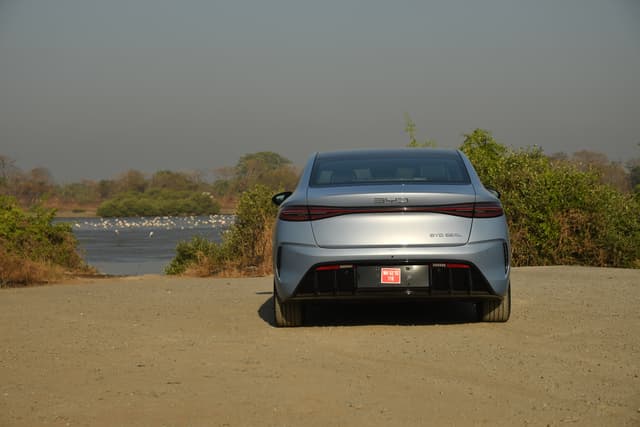
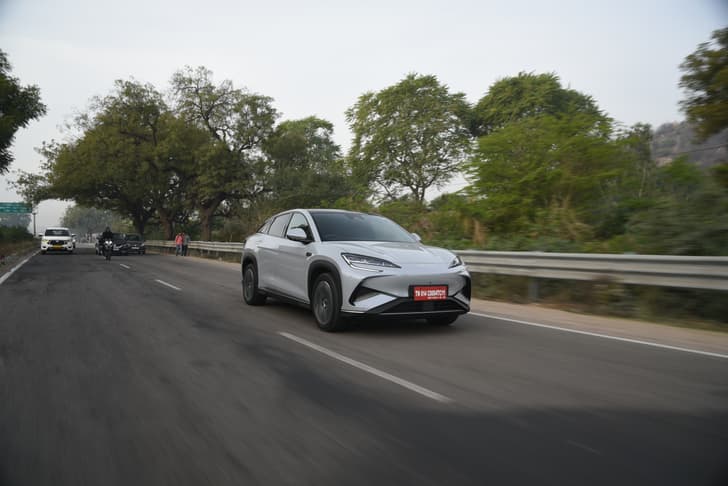
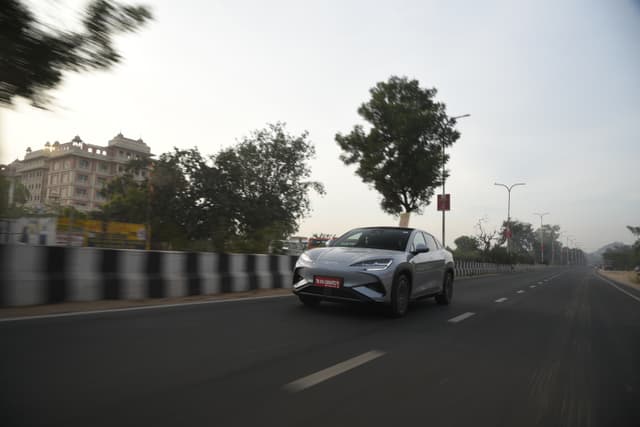
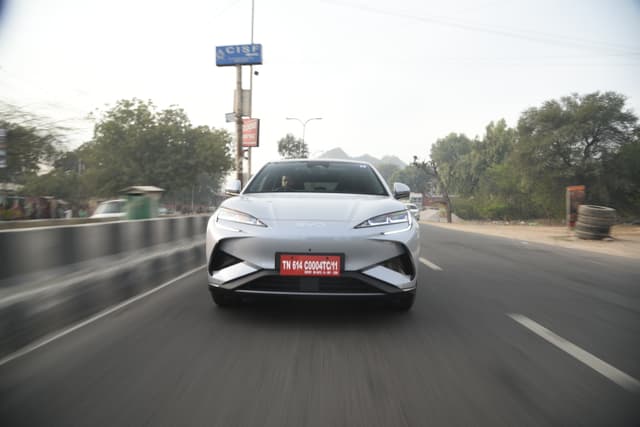
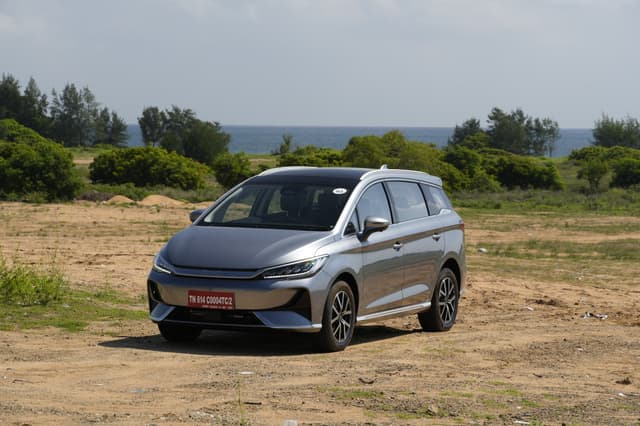
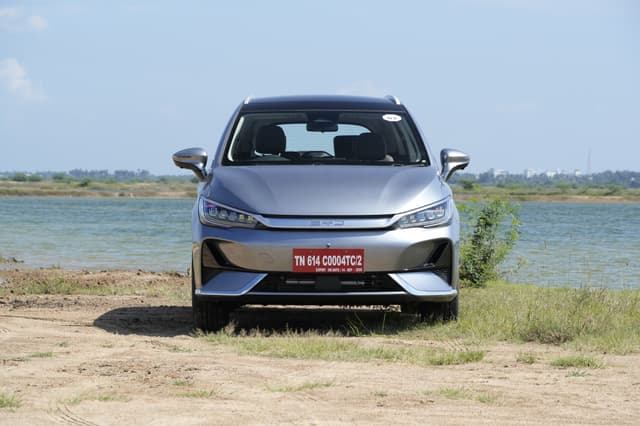
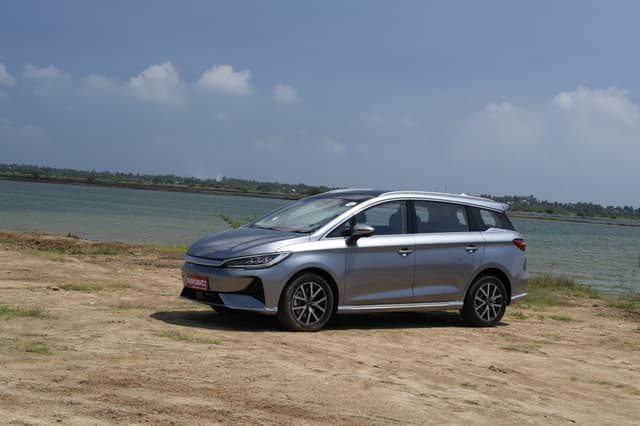
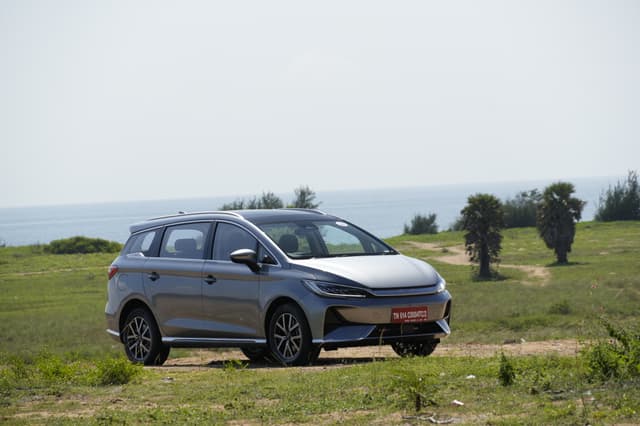
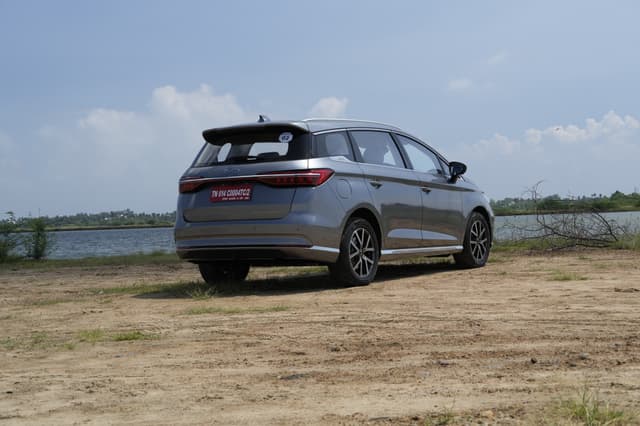
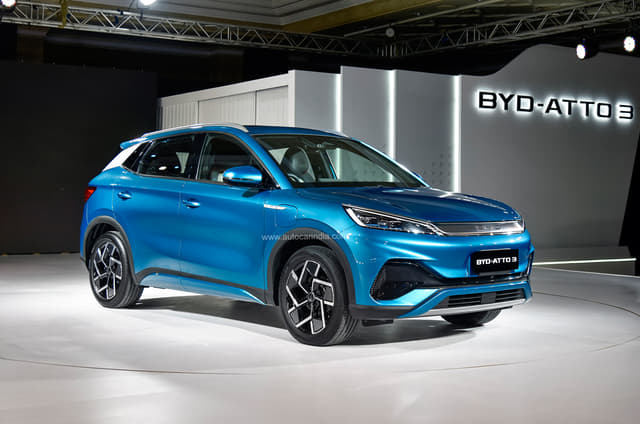
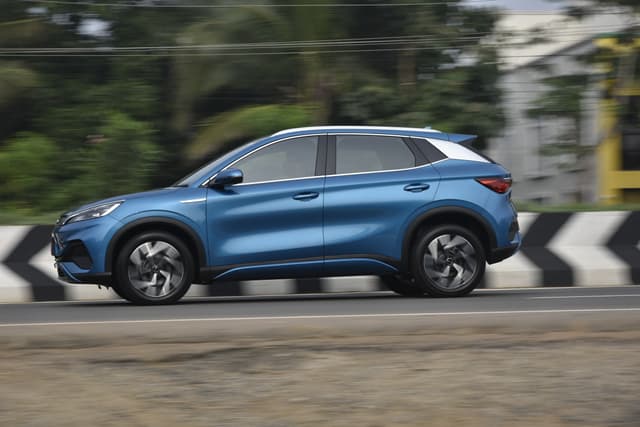
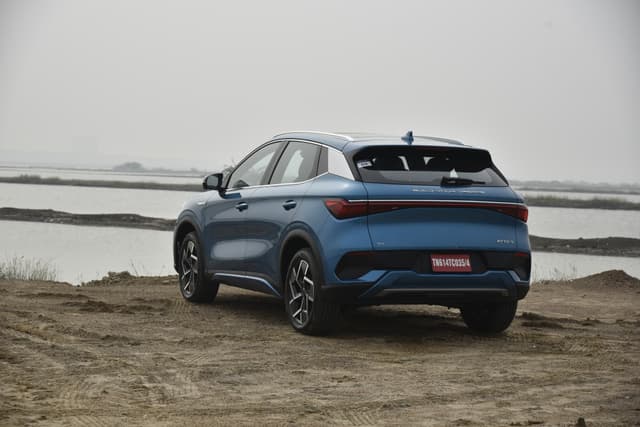
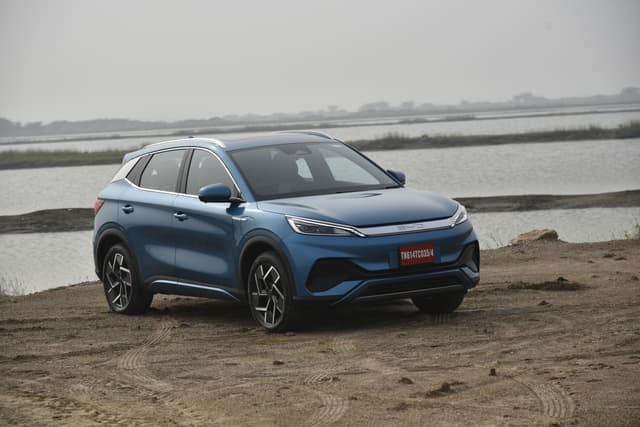
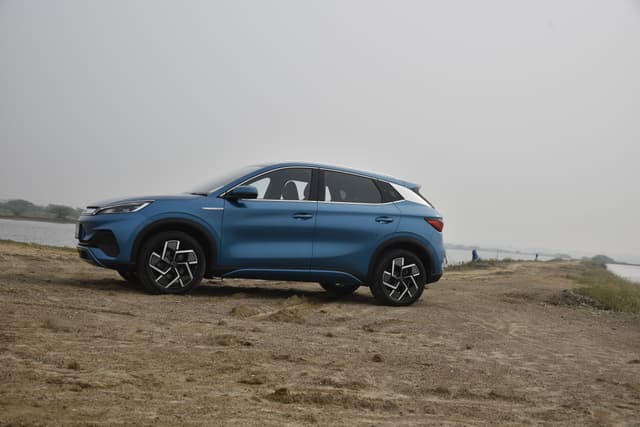
As of now, there are 5 BYD electric cars in India, out of which 4 are on sale, and 1 is upcoming. The BYD electric car price starts from ₹24.99 lakh and goes up to ₹54.90 lakh (ex-showroom). The most affordable BYD electric car in India is the Atto 3, while the Sealion 7 is the costliest BYD electric car currently on sale. BYD electric cars in India include SUVs, sedans, and MPVs.
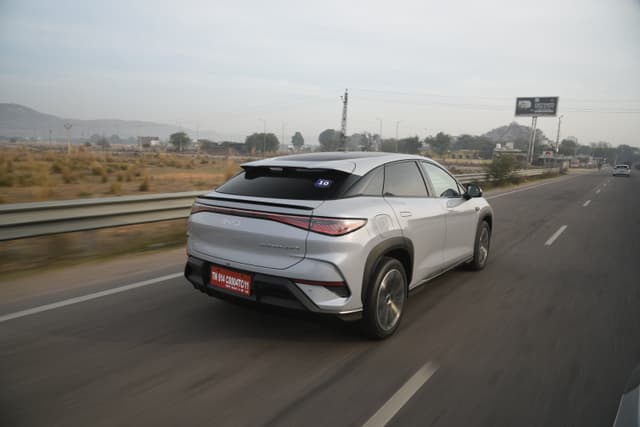
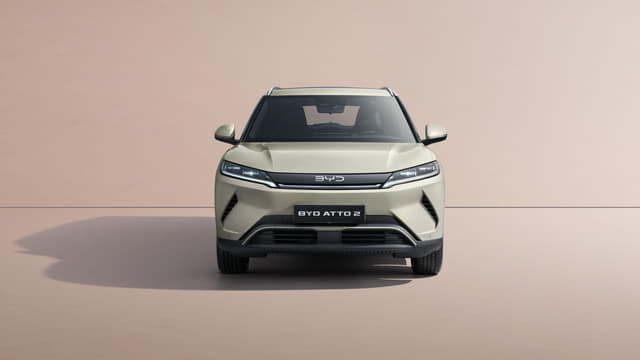
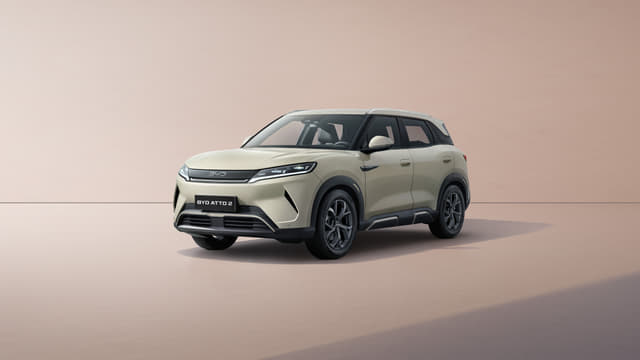
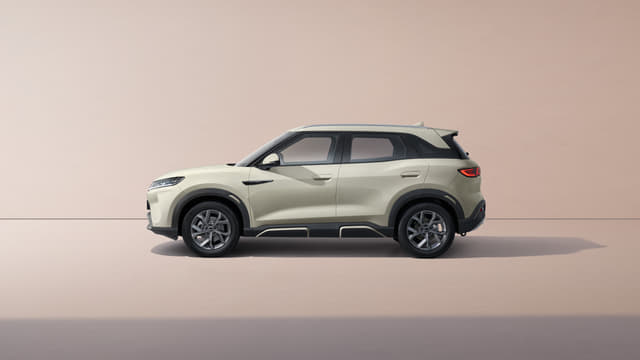
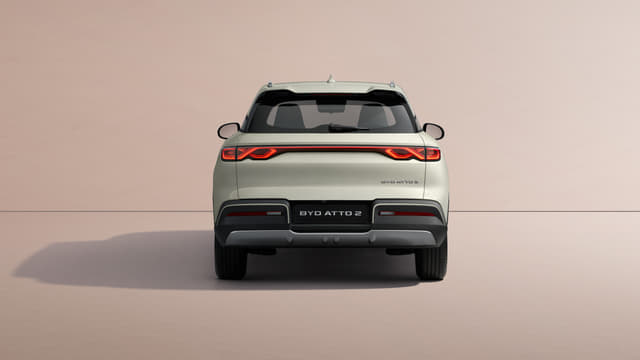
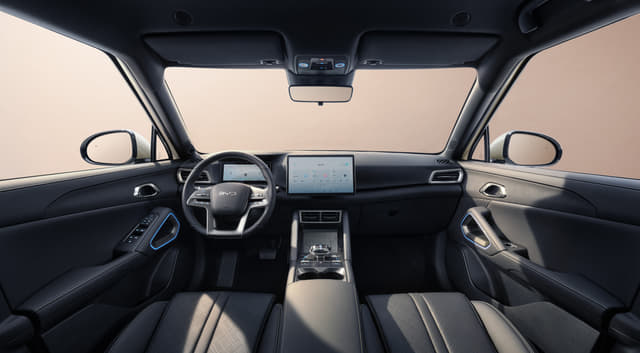
The current BYD electric car models available for sale include the Atto 3, eMax 7, Seal, and Sealion 7, while the Atto 2 is an upcoming BYD electric car expected to launch in India in 2026. As a Chinese electric car manufacturer, BYD is known globally for its EV technology and electric car batteries.
BYD Electric Car Price List in September 2026
View the latest BYD electric car prices in the table below:
BYD Electric Car | Price (Ex-showroom) |
BYD Atto 3 | ₹24.99 lakh - ₹33.99 lakh |
BYD eMax 7 | ₹26.90 lakh - ₹29.90 lakh |
BYD Seal | ₹41.00 lakh - ₹53.15 lakh |
BYD Sealion 7 | ₹49.40 lakh - ₹54.90 lakh |
BYD Atto 2 (Upcoming) | ₹18.00 lakh - ₹25.00 lakh (Estimated) |


Byd Electric Cars - FAQs
As of now, there are 5 BYD electric cars in India, out of which 4 are on sale, and 1 is upcoming.
The BYD electric car price in India starts from ₹24.99 lakh and goes up to ₹54.90 lakh (ex-showroom).
The BYD Atto 3 is the most affordable BYD electric car currently available in India.
The BYD Sealion 7 is the costliest BYD electric car currently on sale in India.
The BYD electric car models available in India include the Atto 3, eMax 7, Seal, and Sealion 7.
The BYD Atto 2 is the upcoming BYD electric car, expected to launch in India in 2026.
Yes. BYD is a Chinese electric car manufacturer, known globally for its electric vehicles and BYD electric car batteries.
Trending Questions on BYD Cars - Answered by Autocar Experts
Hello guys, I’m a 30 year old working professional and am looking to buy an EV mainly for city commute and occasional highway driving (20%). I appreciate build and ride quality, refinement and reliability. The EVs that I’m mainly looking at are the Ioniq 5, Kia EV6, BYD Sealion 7 and BMW iX1. Which do you think will be the right fit for my use case? I’m actually leaning towards the Korean cars and am not willing to spend for the iX1 just for its badge value. Thank you for the answer in advance. You guys are a great source of reliable and measured Automative content in this country. Really appreciate it!
The Kia EV6 is the most driver-focused option from the list with a sportier character and sharper handling, but it comes at a premium which might not make it justify the stretch. However, Kia dealers are offering significant discounts which could bring its price at par with the others, and only then is it a compelling buy.After its recent update, the new Hyundai Ioniq 5 no longer feels value for money, but it remains a comfortable, feature-loaded and practical option, now with more range and better DC fast charging capability. Hyundai’s service network and ownership experience are also strong, which matters for long-term peace of mind.The BYD Sealion 7 feels like a flagship offering, with a luxurious interior and a laundry list of features. Surprisingly, the two-wheel drive version is the most value-for-money option here, which makes it very compelling. However, it doesn't drive as well as the BMW, nor is its after-sales support as widespread as the others. The BMW iX1 is a fundamentally sorted car, and is relatively more compact for city usage. Its ride-handling balance are excellent and it also comes with the snob value of the BMW badge. As a 30-year old, the iX1 will speak of your success and achievements like no other. But it lacks several features, hence it might not seem value for money.In summary, get the Kia EV6 for the best drive experience provided you get a substantial discount that brings its price close to others. But if you're looking for the best bang for your buck, opt for the rear-wheel drive BYD Sealion 7.
Dear Autocar India experts, I am planning to buy a new car for my daily commute. I live in a hilly area and want my next car to be spacious enough for taking my three kids to school and for family functions. I have been waiting for the Skoda Superb for almost a year. Now that it is finally coming to India, I have heard that it may not be offered with a petrol engine, which is what I was hoping for. I am a fan of diesel cars, but I have had a bad experience with DPF issues in my Velar, so I am now hesitant to go down that route again. As an alternative, I am considering an electric car and have been looking at the Hyundai Ioniq 5 and BYD Sealion 7. I would like to know your expert opinion on these two EVs, particularly when it comes to after-sales service and ownership experience. Which one would you recommend for my requirements, or should I wait and go for the Skoda Superb anyway? I currently use a Brezza diesel for my daily commute and also have a Zen for fun drives. Kindly help me make the right choice. Thank you for your expert advice.
Given your requirements, the Hyundai Ioniq 5 is the better fit. You live in a hilly area, have three kids and need a car for school runs and family functions, so space, comfort and practicality are key. The Ioniq 5 is a large, spacious EV with a flat floor, excellent rear seat space and a big boot, making it well suited to family use. Hyundai also has a far stronger service network and EV support infrastructure than BYD, which is important for long-term ownership confidence.The BYD Sealion 7 is a very impressive EV with a larger battery and longer claimed range, but BYD's service network is still relatively limited compared to Hyundai. In a hilly area where you may need support, that matters. The Ioniq 5's range is already very strong and more than adequate for daily use, so the difference is not worth the trade-off in service confidence.As for the Skoda Superb, it is a fantastic car, but it is coming only as a diesel. Given your bad experience with DPF issues on your Velar and your preference for petrol, it is not the right choice. Modern diesels are cleaner, but DPF issues can still occur in hilly, stop-start conditions if the car is not regularly driven on longer runs.You already have a Maruti Suzuki Brezza diesel for daily use and a Zen for fun drives, so the Ioniq 5 adds a spacious, comfortable and reliable family car to your garage without the DPF concerns. It is the most sensible and future-proof choice for your needs.
Just read BYD's Denza brand is bringing the Z9 GT to India, and it's apparently making over 1,100 hp from three electric motors. That's more power than most supercars people actually see on Indian roads here.
Six months with the Windsor EV now, and the battery-as-a-service model has actually worked out cheaper than I expected on my monthly budget.
Hi, I have been using a VW Polo TDI for the last 10 years, and it has done 1,20,000 km. I am planning to exchange it for an EV and would like to know which would be a good car for my budget of Rs. 20-25 lakh. I am looking for something that offers good value for money, reliability, and hassle-free ownership. I like the VinFast VF7, BYD Atto 3, and Mahindra XEV 9S. I have shortlisted the XEV 9S because, within my budget, it seems to offer good value for money, with a 79kWh battery and 7-seat capacity. I have not considered the Tata Sierra or Tata Safari. I also feel the Creta Electric and MG Windsor have a lower range, so I have not considered them. Considering everything, including after-sales service and long-term ownership, which would be the best overall car for my budget? This is a significant investment for my family, and I plan to keep the car for at least 10 years.
The BYD Atto 3 is a well-built and reliable EV with a proven track record, but it is a 5-seater and does not offer the same level of practicality, feature set or even the performance as the XEV 9S. The VinFast VF7 is an interesting option, but you can only get the entry-level variant in your budget, and while it has strong performance, as a package, it still trails behind the XEV 9S. Since you want a 7-seater, the Tata Sierra EV is ruled out considering its 5-seater layout. The Mahindra XEV 9S is the best choice in your budget and given your requirements. It offers a large battery, good range and a practical 7-seat layout, making it a sensible family EV. However, it is worth noting that the third row is best suited for children or occasional use, and the boot space is limited with all seats up. Within Rs 25 lakh, you can get the Pack One Above variant with the bigger 79kWh battery pack and a decent feature set. Given your priorities of value for money, reliability and hassle-free ownership, the Mahindra XEV 9S is the best fit if you need a 7-seater.
Last Updated on: 23 Sept 2026