Autocar India
6d

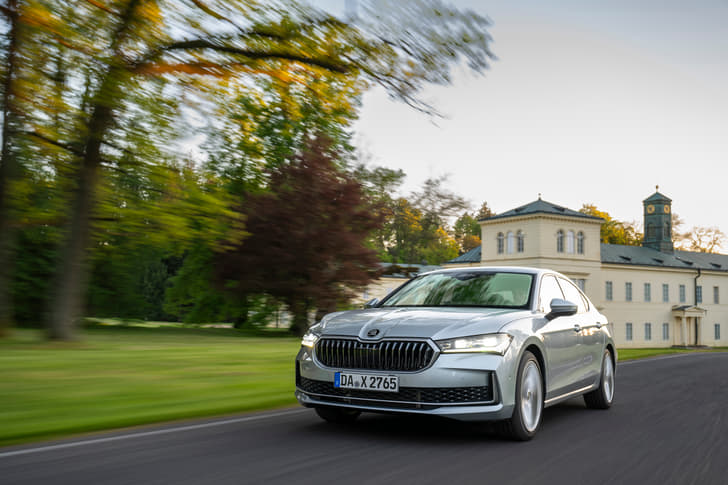
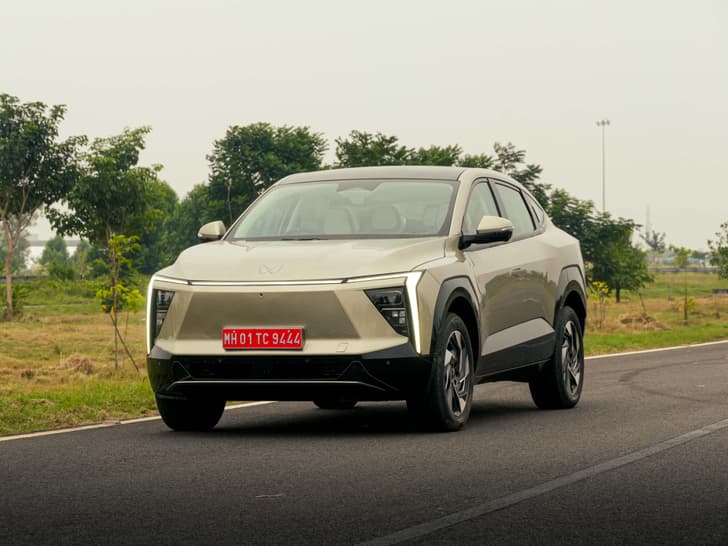
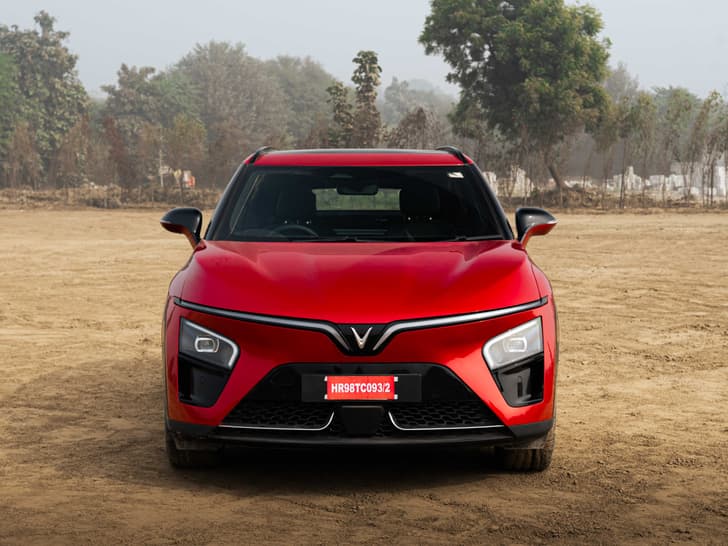
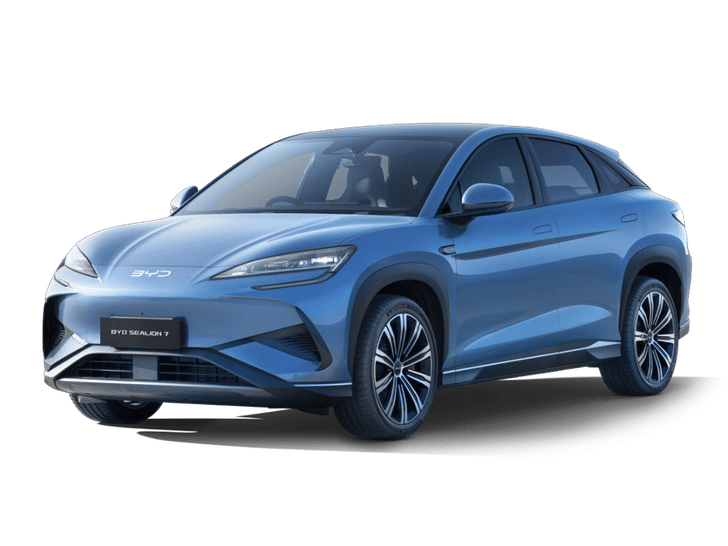
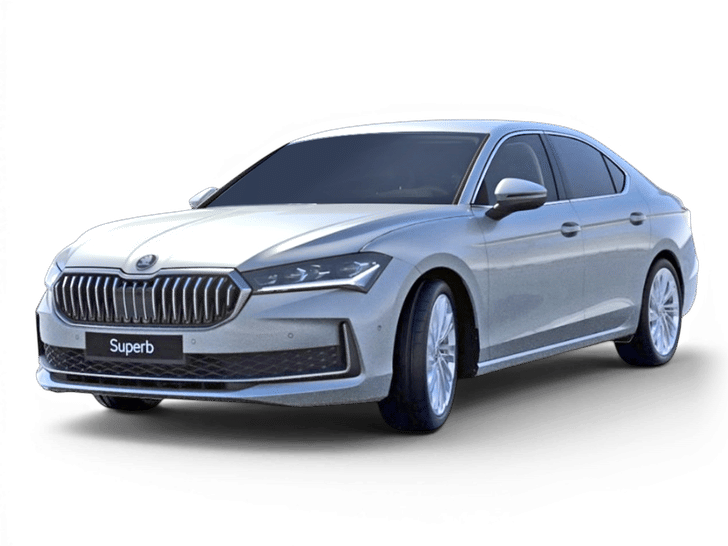
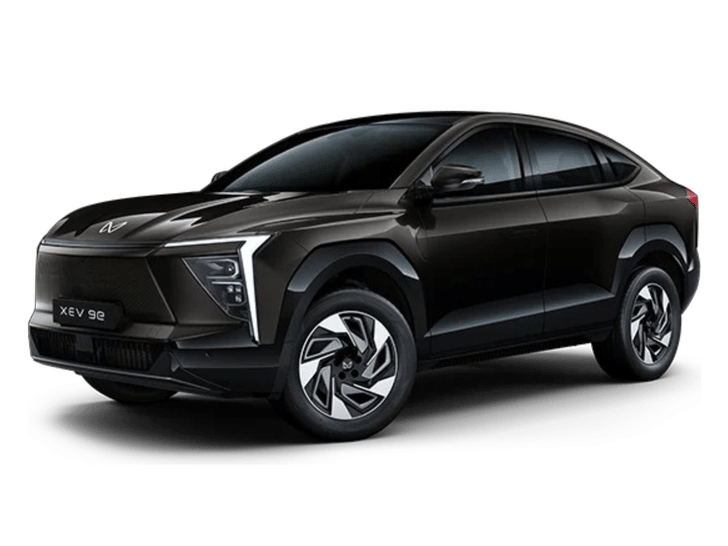
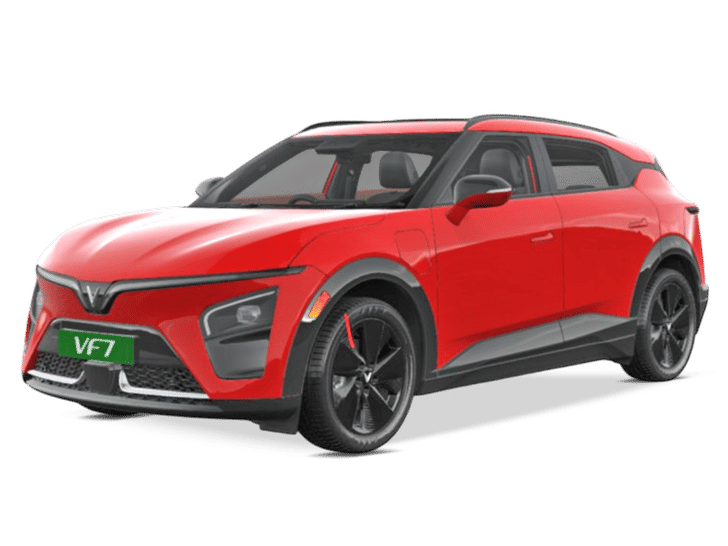
Which would be the better choice among the BYD Sealion 7, Mahindra XEV 9e, and Vinfast VF7? I currently own a Skoda Superb, which is 6 years old, and my ownership experience has been good so far. However, I am considering switching to an EV as a replacement, mainly because I am concerned about potential mechatronics-related repairs and higher maintenance costs as the car ages, even though I have not faced any issues yet. My heart says the BYD Sealion 7 would be the ideal replacement or upgrade for the Superb because of its build quality, premium cabin, and overall feel. However, my mind wonders whether it truly offers good value for money considering its premium price tag, although budget is not a major constraint for me. My daily driving is around 20-30 km, mostly within the city, with only occasional outstation trips. Considering my usage pattern and expectations, which of these EVs would you recommend?

Verified
41m

Pick the BYD Sealion 7. It comes closest to your Superb in the way it feels inside and the calm, premium way it goes down the road, and BYD’s EV tech is well proven here. For 20-30km city usage it is smooth, very efficient, and the cabin quality, quietness and ride will feel like a real upgrade that's on par with luxury cars in the same price range.

The Mahindra XEV 9e and Vinfast VF7 do sound like good value with the amount of performance and features they offer, but they both belong a size and segment down on the BYD, and that's reflected in the price too. Plus, though feature laden, their cabins will not give you the same plushness you enjoyed in your Skoda Superb. 

One catch with the Sealion 7 is BYD’s smaller network as compared to Mahindra. But with budget not being a big worry and your usage being mostly in the city, the peace-of-mind of mature EV hardware and genuine upmarket feel makes the BYD the right call for you. Charge at home and you will need to top up just once every few days.
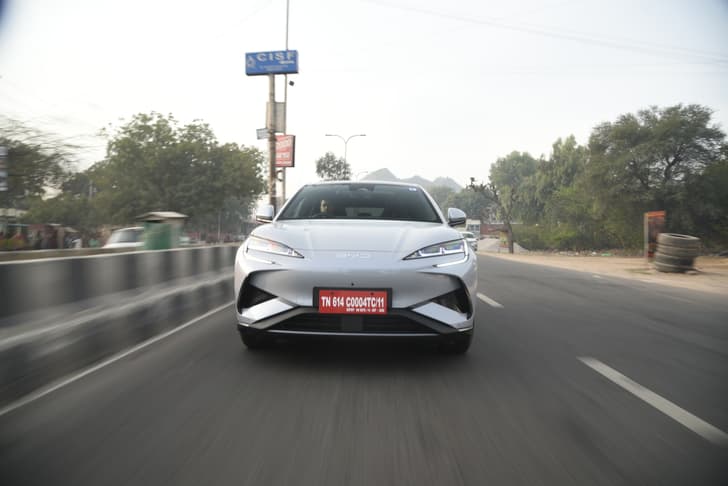
BYD Sealion 7

BYD Sealion 7

20m

@autocar.india thank you. Just needed a small push to go for it and you did it. Should at all is it worth waiting for sealion 6 or jaw jetour t2.

12m

@prakash.22 Personally, I wouldn't wait. The Sealion 7 is already a well-rounded product. The Sealion 6 and Jetour T2 may turn out to be great cars, but there are still question marks around pricing, timelines, and the overall ownership experience. If the Sealion 7 has already won your heart and fits your needs, I would say go ahead and enjoy it rather than keep waiting for the next big thing.

8m

@adarsh_paliwal30 thank u . Gonna pull up the trigger for it.

Want to sell your car?

Sell your car at the right price, without the stress.

More questions on similar cars

1d

Hi. I have been driving an i20 diesel for the last 8 years, and it has covered 1.15 lakh km. The car has been maintained well. I recently moved to Bengaluru, and the urge to upgrade has come up. I looked at the Skoda Kylaq and even booked the Signature Plus Automatic, with my i20 valued at Rs. 4.6 lakh in exchange. However, after a test drive, my family now wants me to buy the Slavia 1.0 Automatic instead. I am also concerned about the ethanol-blending issue. Should I go ahead with the purchase or continue using the i20 for a few more years? I am getting the Slavia Prestige at Rs. 18 lakh on-road.

Verified
4h

Go ahead with the Skoda Slavia 1.0 automatic. For Bengaluru traffic and family use, it will be nicer daily, and the current car is E20-compliant too.The Slavia’s 6‑speed automatic is smooth in stop‑go, the cabin and boot are a clear step up from your i20, and its high ground clearance for a sedan handles bad roads and speed humps without drama. Skoda’s 1.0 TSI is built to run on E20, so you won’t harm the engine or void the warranty. You may see a small dip in mileage with higher ethanol and, versus your diesel, expect higher fuel bills.Since you’d booked the Kylaq, know this: it drives almost similarly to the Slavia with the 1.0 automatic. Pick it only if you really want the higher seating and compact dimensions. If your running is mostly in the city and if your family prefers a sedan, the Slavia makes sense.Rs. 18 lakh on road for Prestige is fair in Bengaluru, and Rs. 4.6 lakh for your i20 diesel at 1.15 lakh km is about par. Unless you’re happy to keep the i20 another year just to save cash, there’s no strong reason to wait.

VehicleSkoda Slavia
VehicleSkoda Kylaq

Popular discussions right now

4d

I am planning to purchase a new automatic car for my daughter. She recently obtained her driving license and is currently driving an automatic Tata Nano. Now that she is comfortable and confident with it, I am considering upgrading her to a larger vehicle. I am evaluating options such as the Kylaq and the Kia Sonet. However, my wife is insisting on an electric car. I am a bit sceptical about EVs, as they are not yet fully proven to be trouble‑free, and her weekly commute is around 150 km. I am also waiting for the launch of the updated Brezza, and my preference is for a torque‑converter automatic rather than a DCT. I would appreciate your opinion on electric cars, the Kia Sonet diesel, the Brezza, and which one I should go for. This car will be mostly used for city drives since I have an Ertiga manual for long trips.

Verified
3d

Of your shortlisted cars, go for the Skoda Kylaq automatic. For mostly city use and just 150km a week, its punchy turbo petrol engine with a smooth torque converter is a great mix of fun and ease of use. Its light yet sharp steering, upright seating and compact size feel like a natural step up from a Nano, and the interior feels fresh and upmarket too.The Kia Sonet diesel automatic is quick and efficient, but a diesel engine is overkill for your daughter's limited usage. Not only is it pound-for-pound more expensive than an equivalent petrol to buy, but it also requires extra care, such as regenerating the DPF (diesel particulate filter) every so often via a high-speed run, as well as top-ups of the ad-blue tank. The Brezza is a good option thanks to its simple, naturally aspirated engine, which should deliver better fuel economy than the Kylaq. But in its current form, it's just a bit uninteresting and unenthusiastic an offering, and it's best to wait for the facelift, which is right around the corner, before making that decision.For 150 km a week, an electric car is actually ideal if you have a private parking spot with a 15A socket or a home charger. The powertrains these days are much smoother, batteries carry long warranties, and city running is silent and cheap. Upfront cost, charging access and resale value are the only real hurdles, so if you are interested, a compact EV like the Tata Punch EV is a great option.

VehicleSkoda Kylaq
VehicleKia Sonet
VehicleMaruti Suzuki Brezza
VehicleTata Punch EV

Posted on: 19 Jun 2026