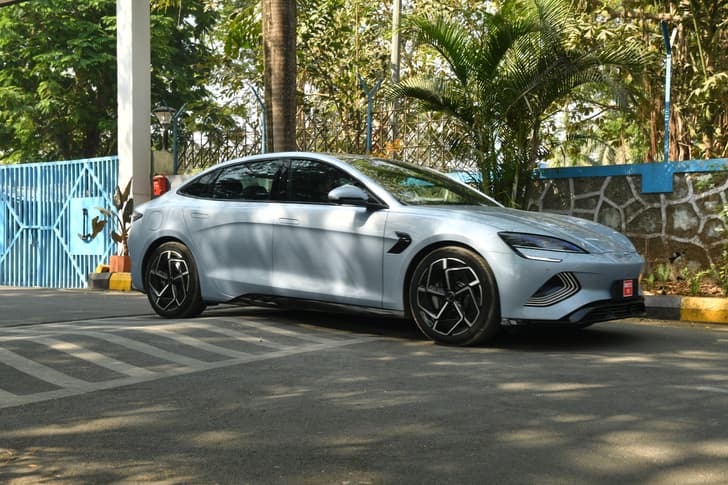
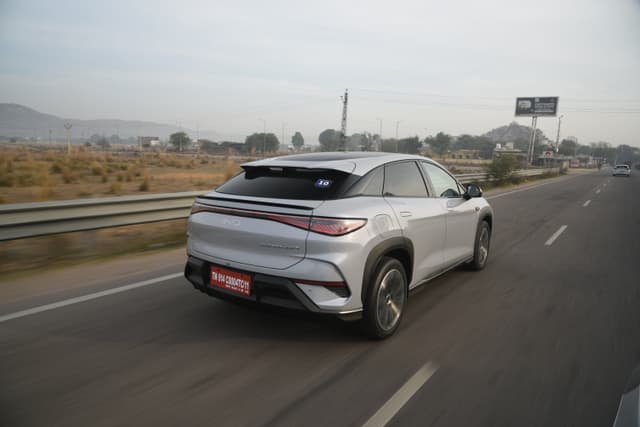
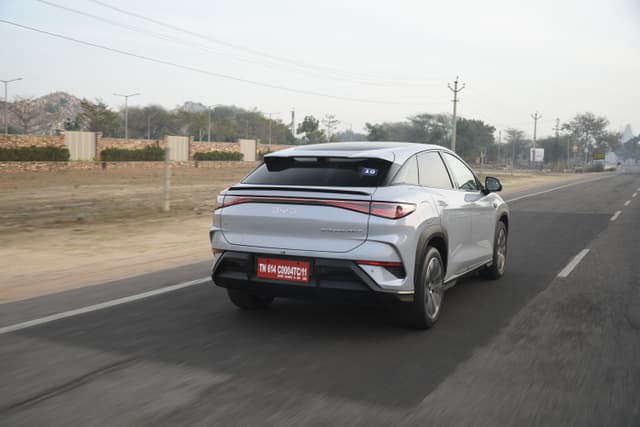
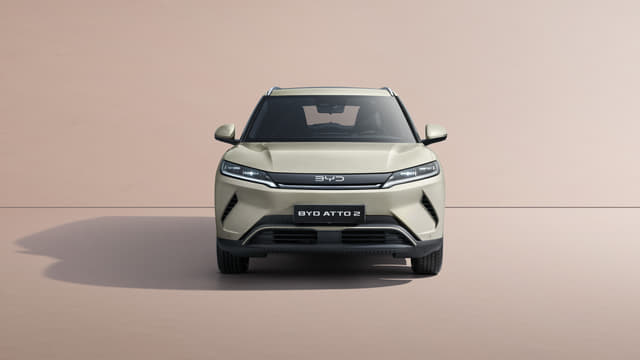
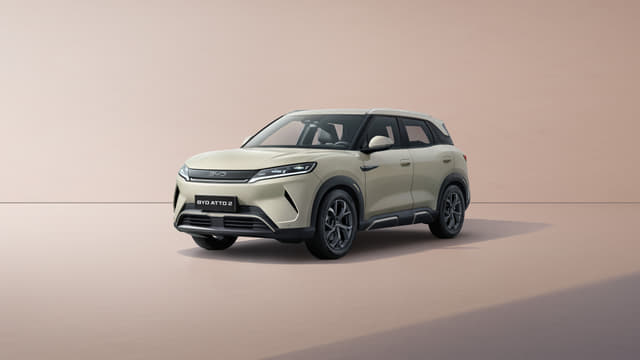
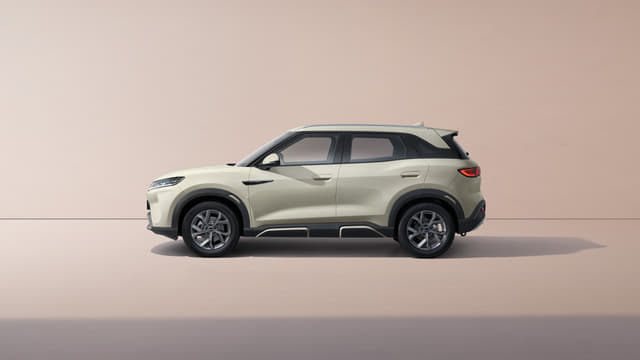
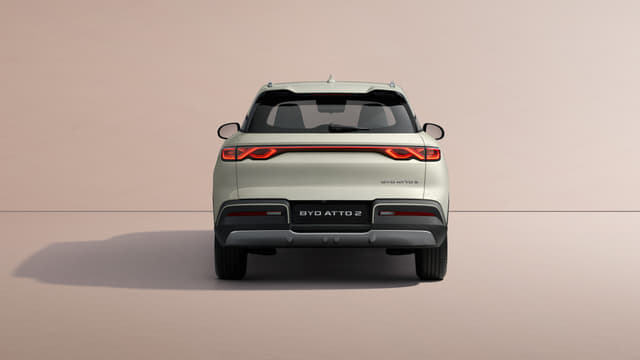
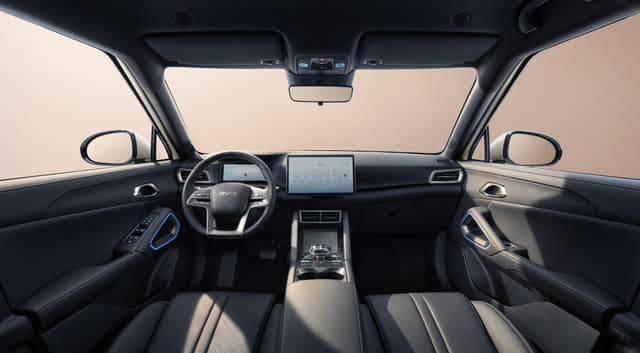
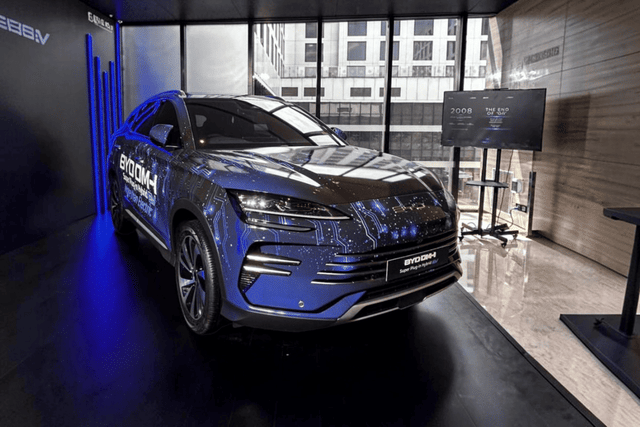
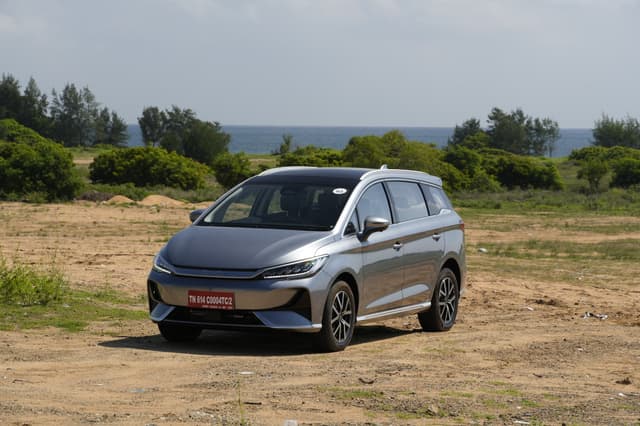
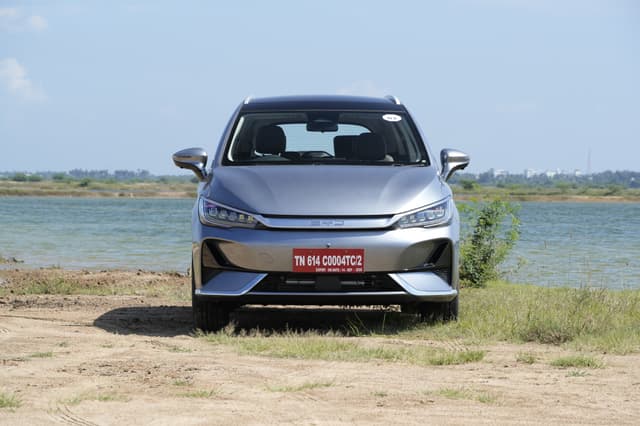
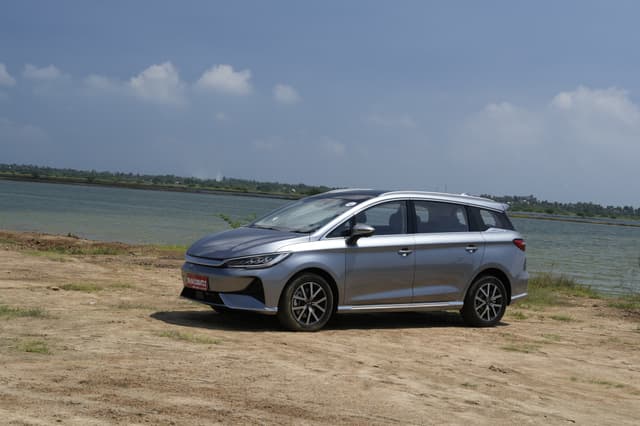
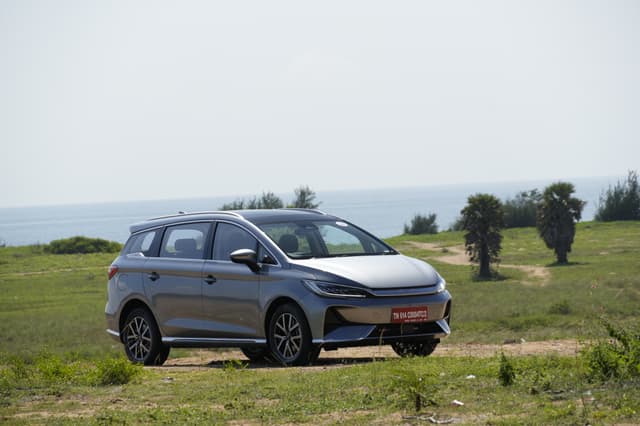
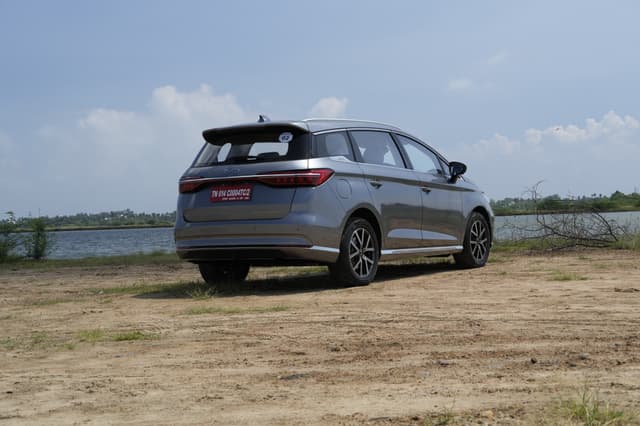
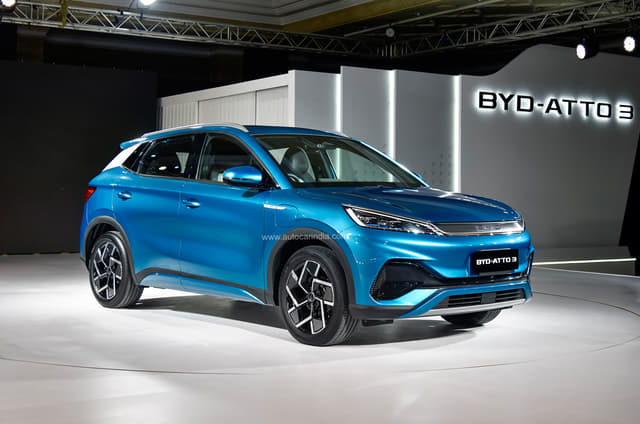
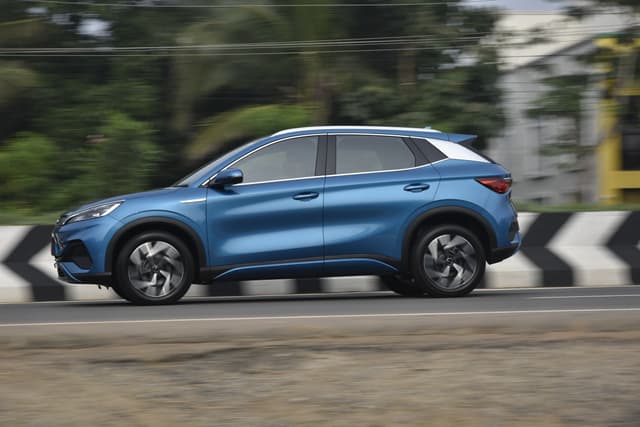
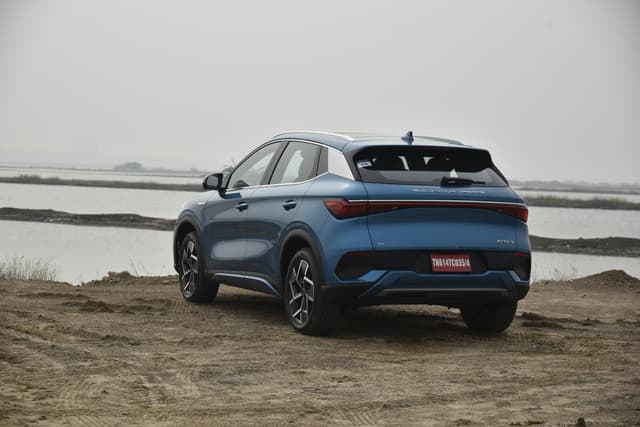
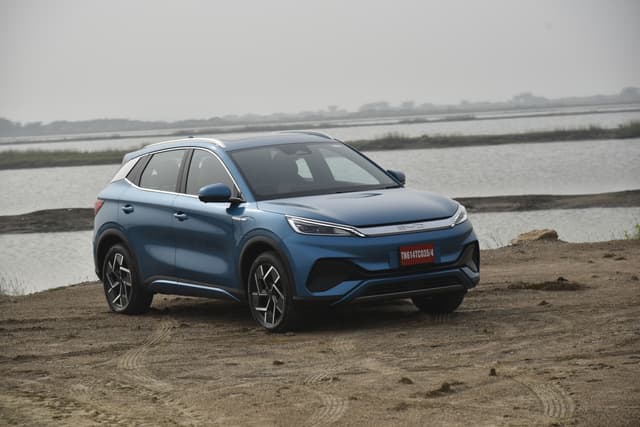
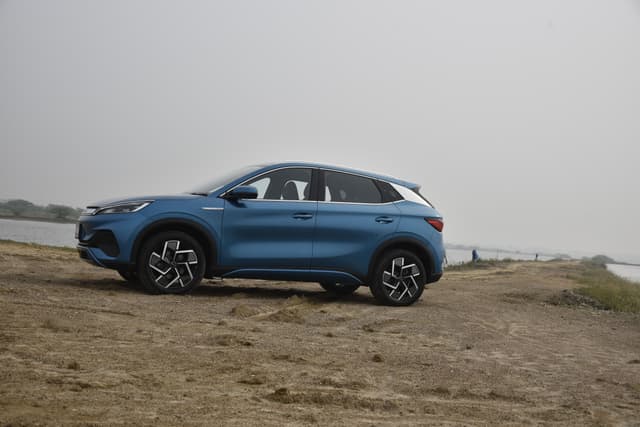
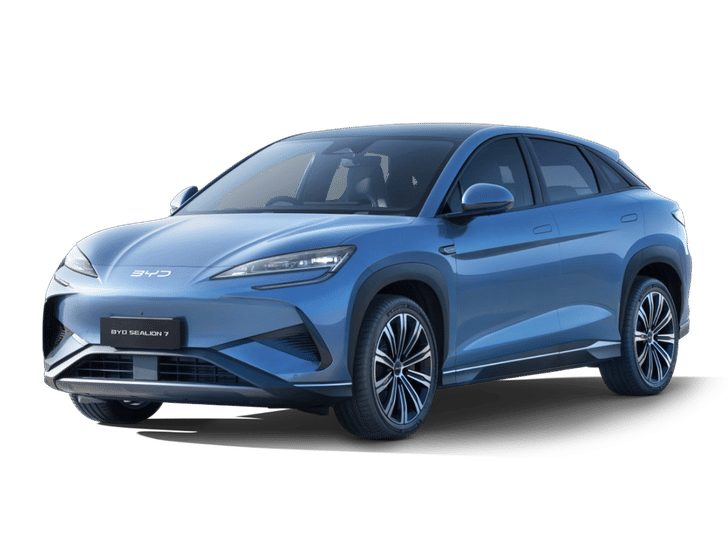
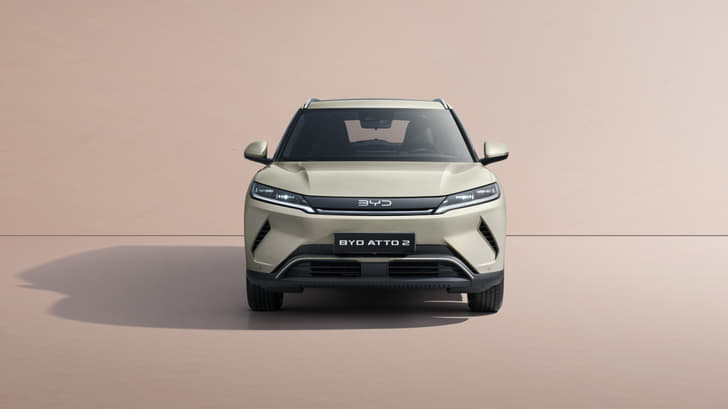
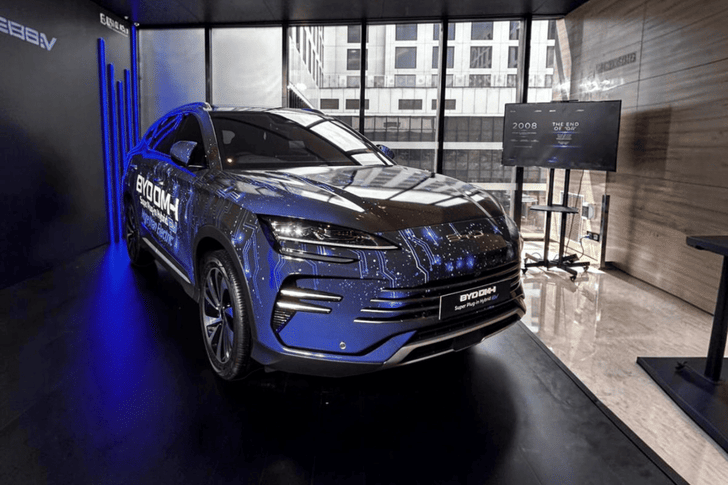
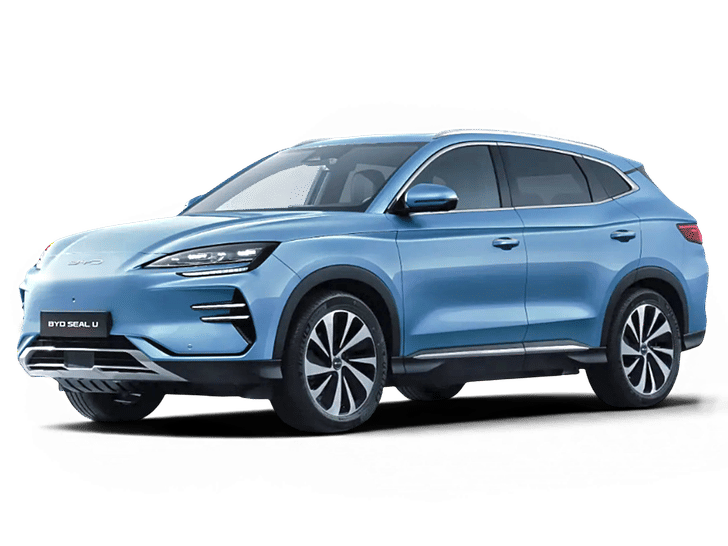
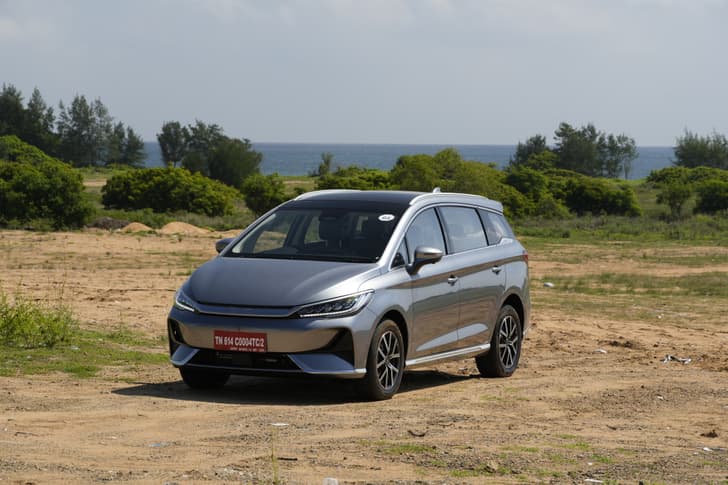
BYD stands for Build Your Dreams. The company was founded in China in 1995, initially as a rechargeable battery manufacturer. It later expanded into electronics, automobiles, renewable energy and rail transit. BYD’s automotive business has become one of the world's largest new-energy vehicle manufacturers.
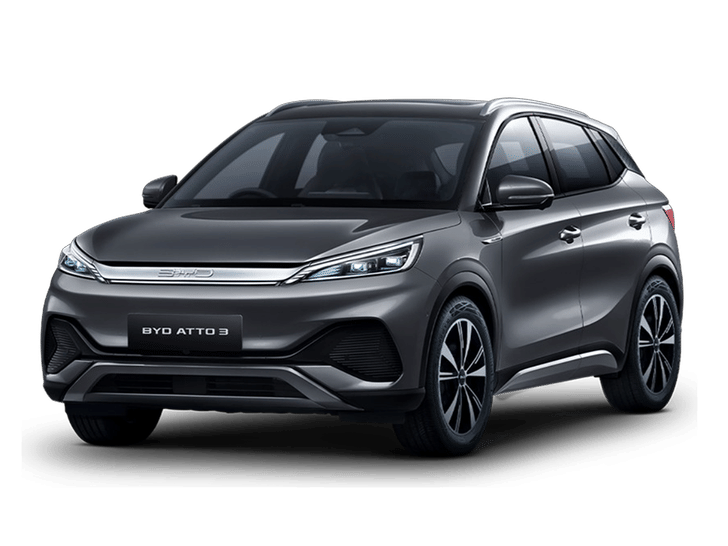
BYD cars in India currently comprise four electric models: the Atto 3, eMAX 7, Seal and Sealion 7. The range spans SUVs, a sedan and a three-row MPV, with prices starting at around Rs 25 lakh and going up to Rs 55.90 lakh (ex-showroom). BYD has built its Indian portfolio around electric powertrains, with its battery technology and strong focus on EVs being among its key differentiators.
BYD Electric Car Technology
BYD's background in battery technology has a direct influence on its electric cars. The company develops key EV components in-house, including batteries, electric motors and power electronics, as part of its vertically integrated approach to electric vehicles.
The company's Blade Battery uses lithium-iron-phosphate (LFP) chemistry and a long, blade-like cell design that allows the cells to be packaged efficiently within the battery pack. BYD also uses dedicated electric vehicle architectures across its range, integrating the battery and electric powertrain into the vehicle's structure while keeping the centre of gravity low.
This focus on electrification is reflected across the Indian range. Every BYD passenger car currently sold in India is an EV, with the models offering different combinations of range, performance, space and price.
Are BYD Cars Safe?
None of the four BYD models currently sold in India has been tested by Bharat NCAP, so there is no India-specific crash-test rating for the Atto 3, eMAX 7, Seal or Sealion 7. The Atto 3, Seal and Sealion 7 have, however, been assessed by Euro NCAP.
BYD car
Bharat NCAP
Euro NCAP
Atto 3
Not tested
5 stars (2022)
eMAX 7
Not tested
Not assessed
Seal
Not tested
5 stars (2023)
Sealion 7
Not tested
5 stars (2025)
Safety equipment varies by model and variant. All BYD cars sold in India come with electronic stability control and a Level‑2 ADAS suite, but airbag counts range from 6 (eMAX 7) to 11 (Sealion 7), with the Atto 3 offering 7 airbags and the Seal offering 9 airbags.
Things to Consider Before Buying a BYD
EV-only range: All four BYD models sold in India are electric. There are no petrol or diesel alternatives, so charging access and regular driving patterns are important considerations.
Sales and service network: BYD has expanded its presence in India, but its network remains smaller than those of established mass-market carmakers. This can be an important consideration for buyers outside major cities.
Premium positioning: The Atto 3 starts at Rs 24.99 lakh, while the eMAX 7 is positioned slightly higher. The Seal starts at Rs 41.50 lakh and the Sealion 7 at Rs 41.90 lakh, placing both in a significantly higher price bracket than the two more affordable models.
Long-term ownership data: BYD has a shorter history as a passenger-car brand in India than established manufacturers. There is therefore less long-term data on resale values and ownership costs.
BYD Cars in India: Which One Makes Sense?
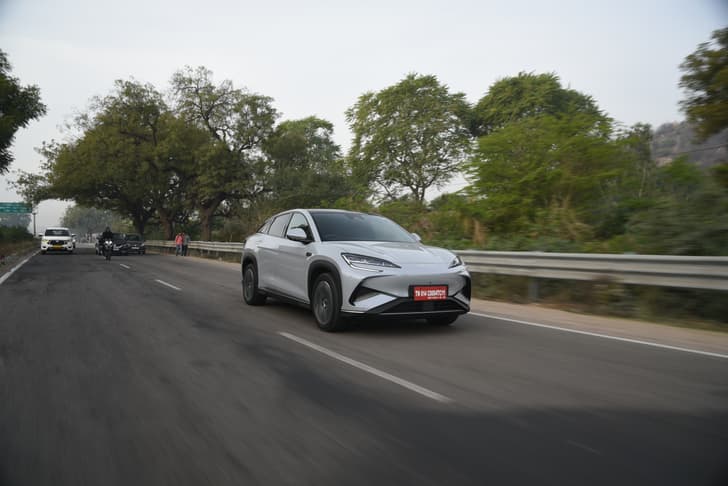
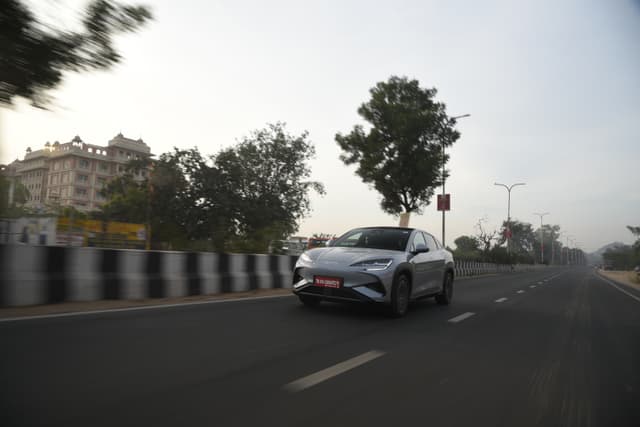
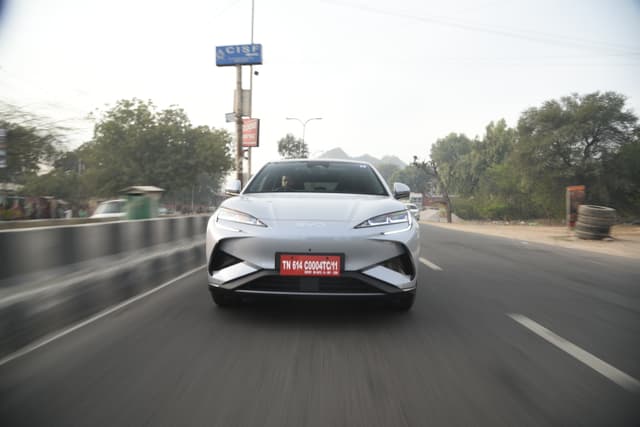
The Atto 3 is the entry point to BYD's SUV range and the most affordable way into the brand's current line-up. It is a five-seat SUV suited to buyers looking for a premium electric family car without moving to the larger Sealion 7.
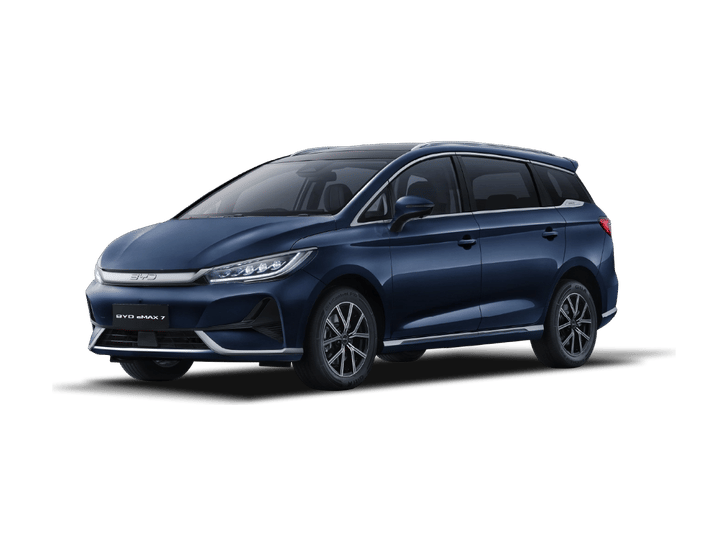
The eMAX 7 is the practical choice in the range. Its three-row layout and larger cabin make it better suited to buyers who need more seating capacity and space than the Atto 3 can offer.
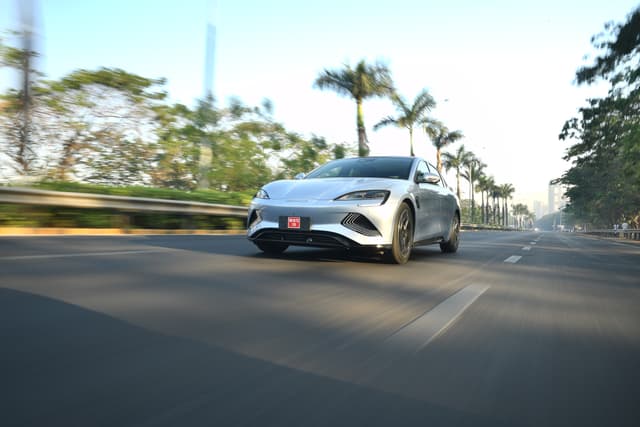
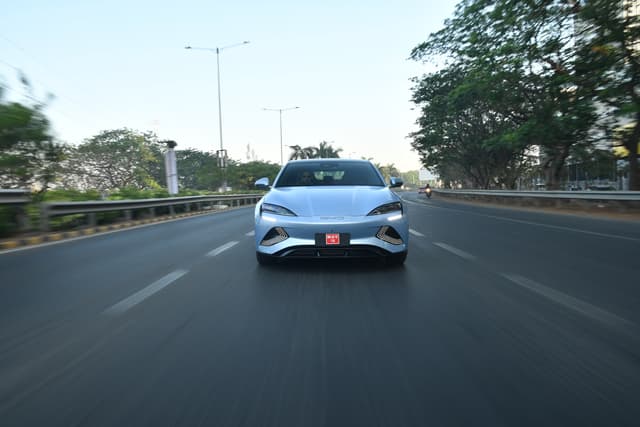
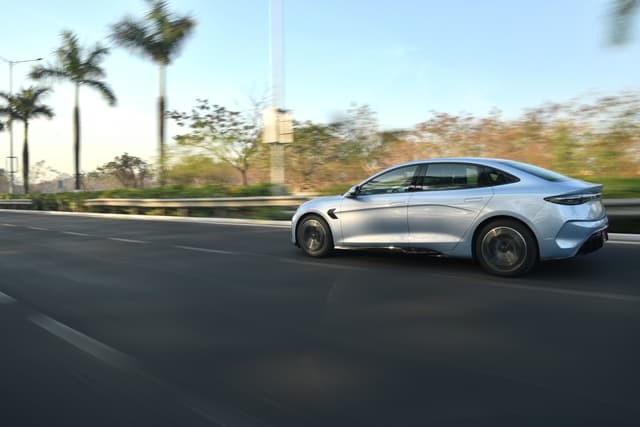
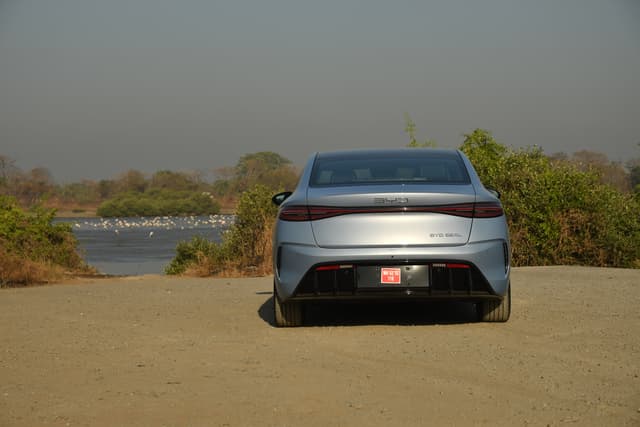
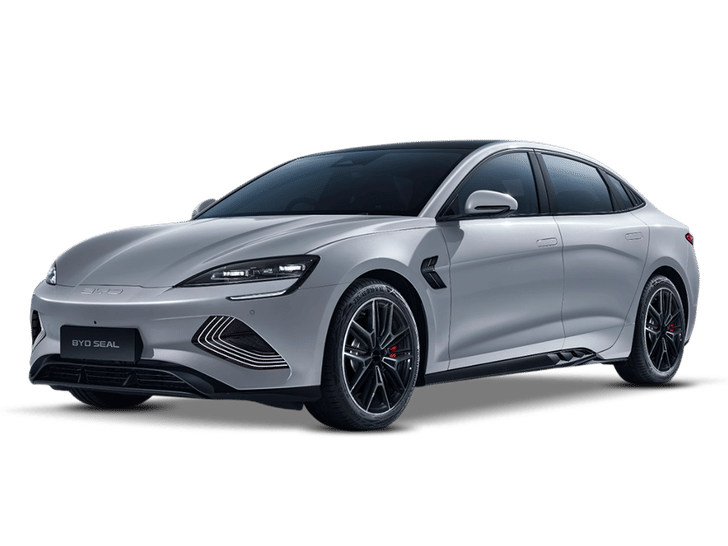
The Seal is BYD's electric sedan and sits higher in the range. Its appeal is centred more around performance and driving ability, making it the option for buyers looking for a premium electric sedan rather than an SUV or MPV.
The Sealion 7 is the largest SUV in BYD's current Indian range. It combines a more spacious cabin with stronger performance, particularly in the Performance version, and is positioned as the brand's premium electric SUV.
Trending Questions on BYD Cars - Answered by Autocar Experts
•1w
BYD has brought a limited festive edition of the Sealion 7 with only 150 units planned. For an EV around the ₹50 lakh mark, would a special edition make any difference or is range and charging what really matters?
•3w
I am based in Navi Mumbai and am planning to buy an electric SUV or MPV. My daily commute is around 25km, while I typically drive 200km on weekends. I currently own a 2017 Hyundai Creta 1.6 diesel manual and have test-driven the Hyundai Creta Electric, BYD eMax 7 and Kia Carens Clavis EV. With a budget of Rs 30 lakh, which 6-seater electric SUV or MPV would be suitable for long-term ownership? I am also concerned about BYD's after-sales service and would like to understand how it compares with the other options in terms of service support and long-term reliability.
•4w
Hello guys, I’m a 30 year old working professional and am looking to buy an EV mainly for city commute and occasional highway driving (20%). I appreciate build and ride quality, refinement and reliability. The EVs that I’m mainly looking at are the Ioniq 5, Kia EV6, BYD Sealion 7 and BMW iX1. Which do you think will be the right fit for my use case? I’m actually leaning towards the Korean cars and am not willing to spend for the iX1 just for its badge value. Thank you for the answer in advance. You guys are a great source of reliable and measured Automative content in this country. Really appreciate it!
•4w
Dear Autocar India experts,
I am planning to buy a new car for my daily commute. I live in a hilly area and want my next car to be spacious enough for taking my three kids to school and for family functions. I have been waiting for the Skoda Superb for almost a year. Now that it is finally coming to India, I have heard that it may not be offered with a petrol engine, which is what I was hoping for. I am a fan of diesel cars, but I have had a bad experience with DPF issues in my Velar, so I am now hesitant to go down that route again.
As an alternative, I am considering an electric car and have been looking at the Hyundai Ioniq 5 and BYD Sealion 7. I would like to know your expert opinion on these two EVs, particularly when it comes to after-sales service and ownership experience. Which one would you recommend for my requirements, or should I wait and go for the Skoda Superb anyway?
I currently use a Brezza diesel for my daily commute and also have a Zen for fun drives.
Kindly help me make the right choice. Thank you for your expert advice.
•5w
Just read BYD's Denza brand is bringing the Z9 GT to India, and it's apparently making over 1,100 hp from three electric motors. That's more power than most supercars people actually see on Indian roads here.
I like the BYD Seal because it has excellent features like ABS, very comfortable seats, and 9 airbags. Its mileage is impressive, and the price for the top model is quite reasonable.
I have been keeping an eye on BYD cars and the Sealion 7 looks stunning. With estimate driving range of 483 km and 309 bhp of power sounds like an amazing combination. Plus, the 15.6-inch rotating screen and 9 airbags make it a perfect mix of tech and safety.
It gives a range of about 450 km in winter and 350 km in summer. Features like ambient light, voice commands, and a 360° camera are great. The brakes are very responsive, so if you buy this car, be gentle on the brakes.
BYD car prices in India start at around Rs 25 lakh and extend to around Rs 56 lakh (ex-showroom), placing them in the upper to premium range.
Yes, BYD offers the Seal electric sedan in India.
Yes, all BYD cars are electric at the moment. However, BYD will launch its first plug-in hybrid for India by end-2026.
All BYD EVs are powered by the company’s Blade Battery, designed for higher safety and durability.
BYD cars like the Atto 3 and eMax 7 are assembled in India via the CKD route, while more premium models like the Seal and Sealion 7 are sold as fully imported CBUs.
Need an expert opinion on your car related queries?