Autocar India
13h

Dear Autocar India experts, I am planning to buy a new car for my daily commute. I live in a hilly area and want my next car to be spacious enough for taking my three kids to school and for family functions. I have been waiting for the Skoda Superb for almost a year. Now that it is finally coming to India, I have heard that it may not be offered with a petrol engine, which is what I was hoping for. I am a fan of diesel cars, but I have had a bad experience with DPF issues in my Velar, so I am now hesitant to go down that route again. As an alternative, I am considering an electric car and have been looking at the Hyundai Ioniq 5 and BYD Sealion 7. I would like to know your expert opinion on these two EVs, particularly when it comes to after-sales service and ownership experience. Which one would you recommend for my requirements, or should I wait and go for the Skoda Superb anyway? I currently use a Brezza diesel for my daily commute and also have a Zen for fun drives. Kindly help me make the right choice. Thank you for your expert advice.

Verified
6m

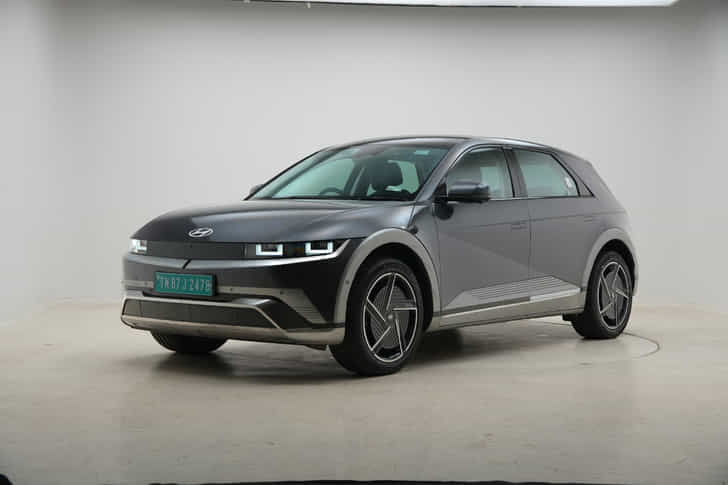
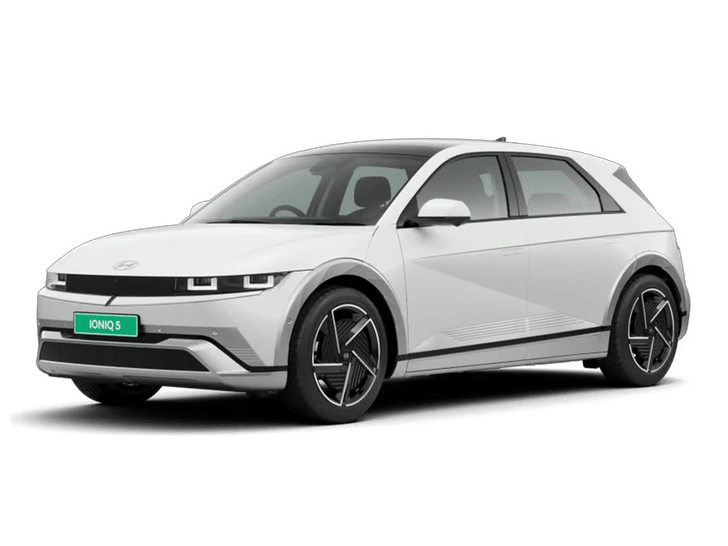
Given your requirements, the Hyundai Ioniq 5 is the better fit. You live in a hilly area, have three kids and need a car for school runs and family functions, so space, comfort and practicality are key. The Ioniq 5 is a large, spacious EV with a flat floor, excellent rear seat space and a big boot, making it well suited to family use. Hyundai also has a far stronger service network and EV support infrastructure than BYD, which is important for long-term ownership confidence.

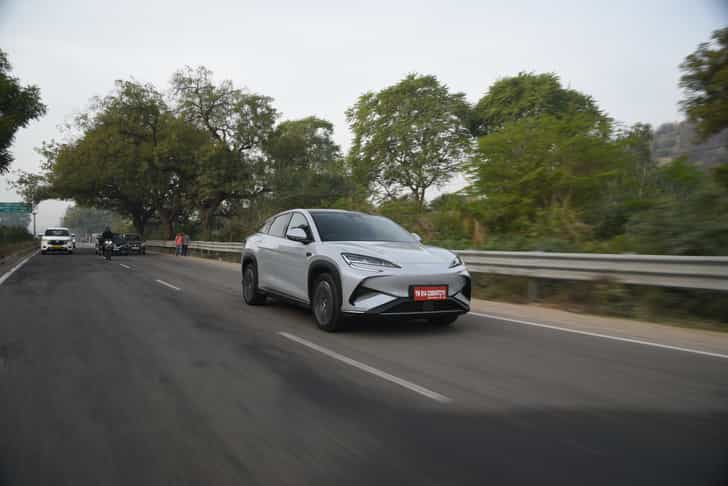
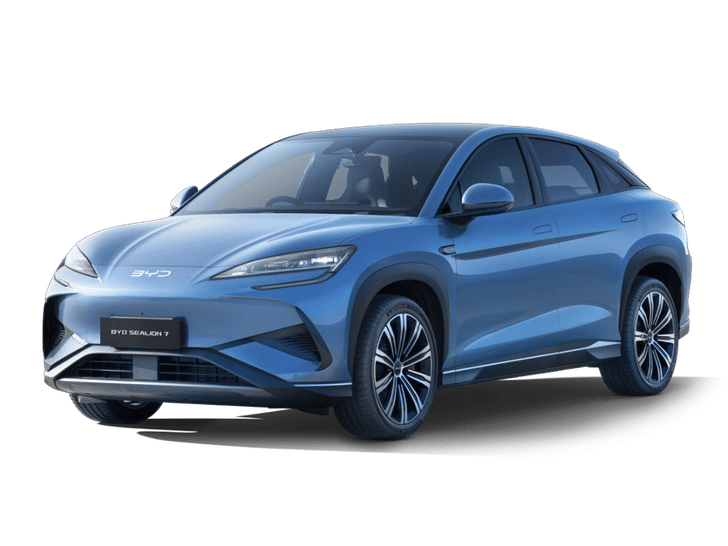
The BYD Sealion 7 is a very impressive EV with a larger battery and longer claimed range, but BYD's service network is still relatively limited compared to Hyundai. In a hilly area where you may need support, that matters. The Ioniq 5's range is already very strong and more than adequate for daily use, so the difference is not worth the trade-off in service confidence.

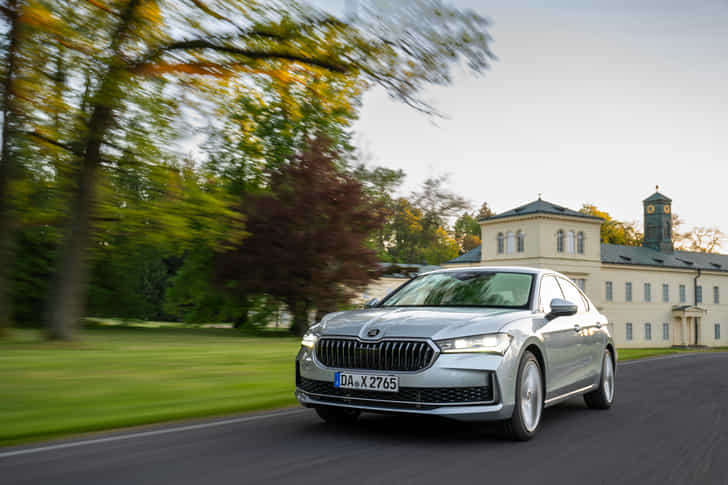
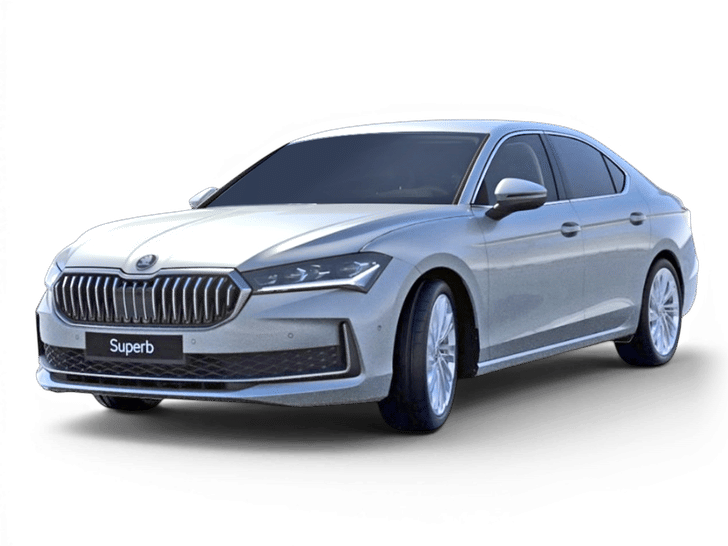
As for the Skoda Superb, it is a fantastic car, but it is coming only as a diesel. Given your bad experience with DPF issues on your Velar and your preference for petrol, it is not the right choice. Modern diesels are cleaner, but DPF issues can still occur in hilly, stop-start conditions if the car is not regularly driven on longer runs.

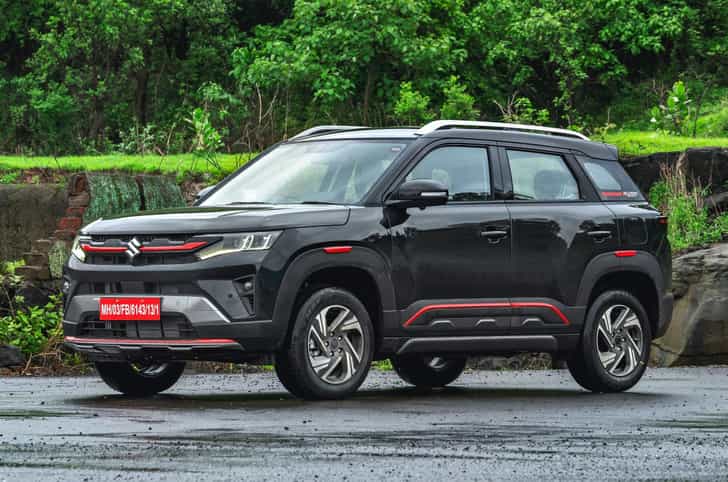
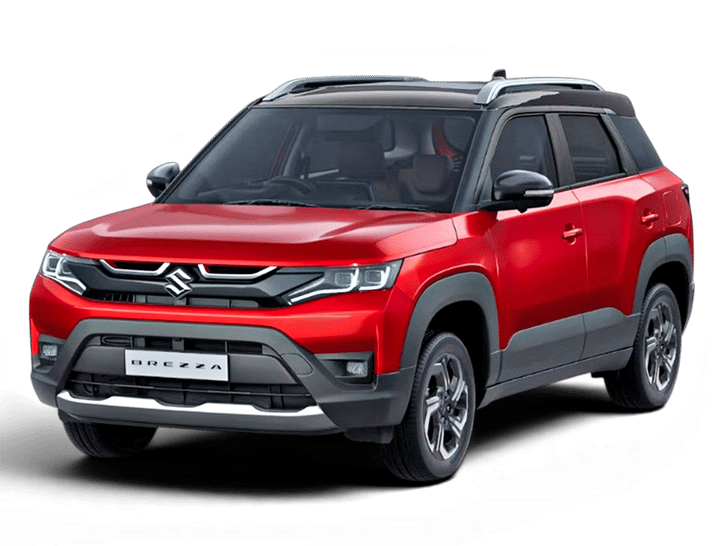
You already have a Maruti Suzuki Brezza diesel for daily use and a Zen for fun drives, so the Ioniq 5 adds a spacious, comfortable and reliable family car to your garage without the DPF concerns. It is the most sensible and future-proof choice for your needs.
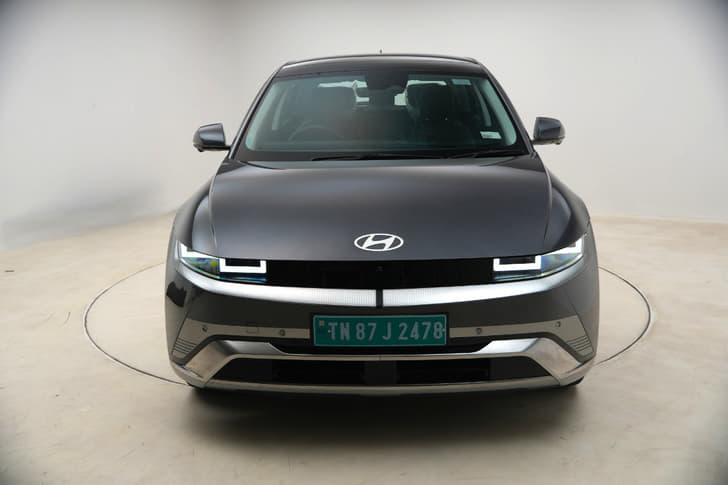
Hyundai Ioniq 5

Hyundai Ioniq 5

More posts on similar cars

1d

Help me choose the right car for my usage. Please be practical and challenge my assumptions. My situation: I am 31 and work as a software developer. I currently work from home in Balsane, Dhule, but I am moving to Mumbai around March. My wife and I are expecting a baby in February. My parents live in a village where local transport is poor. My Mumbai office is near Powai, but parking is difficult. I prefer a manual car. Usage: My current running is around 10,000 km per year, but it may increase. I travel between Mumbai and Balsane, which is around 400 km one way, around 5-7 times a year, along with Dhule/Sakri and local trips. I also drive around Mumbai on weekends. The AC is usually on, and on long trips, the car will have my wife, baby, and luggage. Budget: Rs. 6-9 lakh on-road. I am willing to spend more only if it is genuinely worth it. Shortlist: - Tiago XE Petrol - Punch Pure+/Smart Petrol - Punch Pure+/Smart CNG - Brezza LXi turbo-petrol Please tell me: 1. Which one should I buy and why? 2. Petrol vs CNG for my usage? The CNG premium is around Rs. 1 lakh, and the nearby village pump may open around Diwali, but this is not guaranteed. 3. What real-world mileage can I expect with the AC on? 4. Please consider loan interest, fuel costs, maintenance, depreciation, and resale value. 5. Is the Brezza worth the extra money? 6. Give me one final choice and tell me what I should avoid.

Verified
1d

The Brezza LXI Turbo is far superior to the Punch and Tiago as far as smoothness, performance, and cabin space are concerned. It is also backed by Maruti's widespread support network, and the ownership experience is likely to be fuss-free. The on-road cost of the Brezza LXI will fall within your Rs 9 lakh budget, and even though you might miss a few features, it still feels worth opting for. Alternatively, you could also consider the Maruti Dzire VXI MT for its large boot, comfy ride and strong fuel efficiency.

VehicleMaruti Suzuki Brezza
VehicleTata Punch
VehicleTata Tiago
VehicleMaruti Suzuki Dzire
1d

I currently drive a 2022 Tata Nexon petrol manual and am based in Delhi NCR. My daily running is around 85 km, and I spend about an hour each day in bumper-to-bumper traffic. This makes driving difficult and tiring, so I am considering exchanging my car for an automatic. My budget, after factoring in the Nexon’s resale value, is around Rs. 12-14 lakh. I need an automatic that is reliable, fuel-efficient, and maintenance-friendly. I am currently considering the Punch EV, Nexon DCA, Brezza AT, and Elevate V CVT, as discounts make the Elevate fit within my budget. I mainly use the car for my office commute of around 85 km daily, with occasional weekend trips of 500-600 km. I have a family of four, and this will be my only car. My office has free EV charging infrastructure, which makes me consider the Punch EV. However, I am concerned about its range on longer weekend trips, so I am also looking at petrol alternatives.

Verified
1d

Go for the Honda Elevate V CVT. With your 85km daily commute in Delhi NCR traffic, the CVT automatic will make a huge difference to your fatigue levels, and Honda’s reputation for reliability and low maintenance costs makes it a sensible long-term choice. The Elevate is also a genuinely comfortable family car for four, with a spacious cabin and a relaxed driving experience on both city commutes and weekend highway runs.The Punch EV is tempting given your office charging, but with regular 500- 600 km weekend trips, range planning and charging stops will add unnecessary anxiety. The Nexon DCA is a good upgrade from your current car, but the DCA gearbox is not as smooth or as proven as Honda’s CVT in heavy traffic. The Brezza AT is a solid, reliable option, but the Elevate feels like the more complete family car with better space and a larger boot.The Elevate V CVT is the car you will be happiest with after five years of ownership. It is reliable, easy to live with and well suited to your daily routine and family needs.

VehicleHonda Elevate
VehicleTata Punch EV
VehicleTata Nexon
VehicleMaruti Suzuki Brezza
2d

I recently bought a Maruti Suzuki Brezza VXi Turbo in black and have driven around 200 km in one week. The car's performance seems fine, and the AC doesn't affect its performance. However, I feel the engine requires early gear changes, and the mileage is currently low because I mostly drive in the city. I am disappointed by the mixed reviews on YouTube. Some people praise the car, while others criticize it. I want to know if the Brezza Turbo is reliable enough to last 10-12 years? Is its 3-cylinder turbo engine really bad? Did Maruti Suzuki experiment with customers by launching this turbo engine? Did I make a mistake by choosing the Brezza VXI Turbo over the Hyundai i20 Sportz 2022? What is the expected mileage? Is the 1.5L engine a better choice for long-term ownership? Is Maruti Suzuki treating its customers unfairly by offering this turbo engine? Please give me an honest opinion. I am confused because so many people say that the turbo engine isn't good.

Verified
1d

You have not made a mistake. The Brezza Turbo is a perfectly good car, and the mixed reviews are more a reflection of internet noise than of any fundamental problem with the car. The 1.0-litre turbo petrol is not an "experiment" '- it is a well-proven engine that Maruti has been selling for several years in the Fronx and Baleno RS, and it has not shown any widespread reliability issues. The early gear changes you are noticing are simply a characteristic of small turbo petrol engines - they make their power in a narrower band, so you need to shift a little earlier than you would in a larger naturally aspirated engine.As for reliability, there is no reason to believe this engine will not last 10-12 years with proper maintenance. Maruti's service network and parts availability remain among the best in the country, and that is a far bigger factor in long-term ownership than the number of cylinders. The 1.5-litre naturally aspirated engine is the safer, simpler choice if you plan to keep the car for 15 years, but the turbo is not a bad engine – it is just a different one.For mileage, the Taisor/Fronx gives a useful benchmark. The same 1.0-litre three-cylinder turbo engine, albeit in a different state of tune, returned 10.9kpl in the city and 16.7kpl on the highway in our Navi Mumbai real-world test. The Brezza is heavier, so its actual efficiency could be somewhat lower, but this gives you a reasonable indication of what to expect once the engine has run in..The i20 Sportz is a good car, but the Brezza Turbo is the better all-rounder - it is more spacious, more practical and better suited to Indian roads. Maruti is not treating customers unfairly by offering this engine - it is simply offering a different option for buyers who want more performance. Ignore the YouTube noise and enjoy your car. It is a solid, reliable product that will serve you well for years to come.

VehicleMaruti Suzuki Brezza
VehicleMaruti Suzuki Baleno
VehicleMaruti Suzuki Fronx
VehicleToyota Urban Cruiser Taisor

Popular discussions right now

5d

Hi, I am contemplating between the VW Tayron R-Line, BMW X1 LWB, MINI Countryman petrol, and Audi Q3. I like to drive myself and go on road trips every quarter. Kindly suggest which one would be better in terms of features and comfort.

Verified
4d

Of the four, the Volkswagen Tayron R-Line is the one to consider if space is a priority. It is the largest here and will suit frequent family travel best, particularly if you regularly carry rear-seat passengers and luggage. The petrol engine is smooth, though it needs to be worked hard for its best performance. Also, the R-Line’s larger wheels and lower-profile tyres can make the ride feel firm and occasionally crashy over broken roads.The BMW X1 LWB is a very capable city SUV. It has light controls, sharp handling for its size, generous rear-seat space and is superbly priced. However, its 1.5-litre petrol engine is not particularly strong once fully loaded. This BMW car is adequate for normal use, but does not offer the relaxed overtaking performance you may want on regular highway trips, and the interior doesn’t feel premium enough.The Mini Countryman is arguably the most distinctive choice. It feels well built, has a genuinely interesting interior and is enjoyable to drive, but it is not the most natural long-distance companion here. Rear-seat comfort and the overall ride quality are not quite as convincing as the Tayron or X1 for regular road trips.If you like driving and head out of town every few months, we suggest you wait for the new-generation Audi Q3. This Audi car comes with a 2.0-litre turbo-petrol engine, and the standard quattro all-wheel-drive system should give it the strongest combination of effortless performance, highway confidence and all-weather capability in this group. The new Q3 is due to launch in India on October 16 and is expected to bring a much more modern, technology-heavy cabin. It is also expected to be the most expensive of the lot, with pricing likely in the Rs 55 lakh to Rs 60 lakh range, ex-showroom. My pick would be the Q3 if you can stretch the budget and are willing to wait. Otherwise, choose the Tayron R-Line if rear-seat space and family-road-trip usability matter most, or the X1 if most of your driving is in the city

VehicleVolkswagen Tayron
VehicleBMW X1 LWB
VehicleMini Countryman
VehicleAudi Q3

Want to sell your car?

Sell your car at the right price, without the stress.

Posted on: 20 Sept 2026