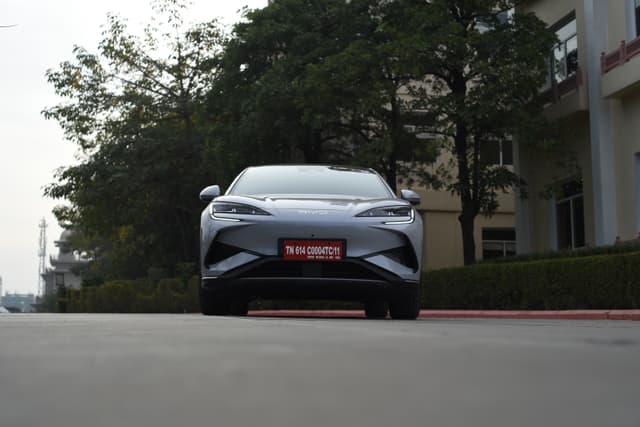
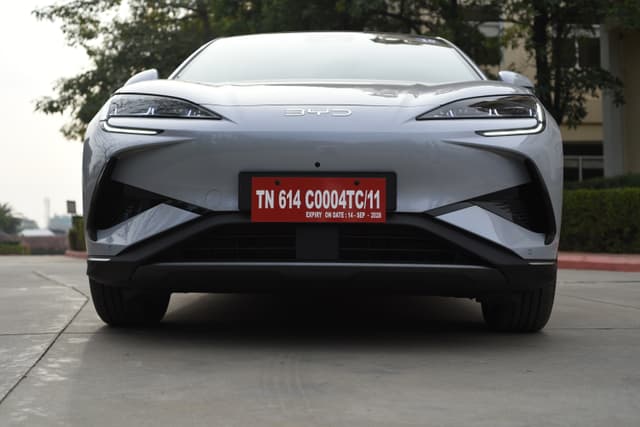
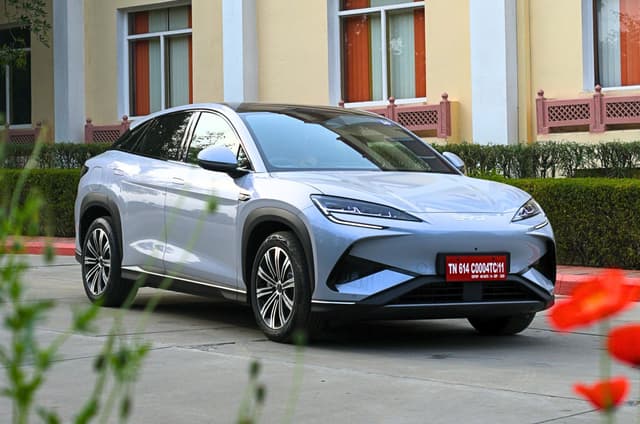
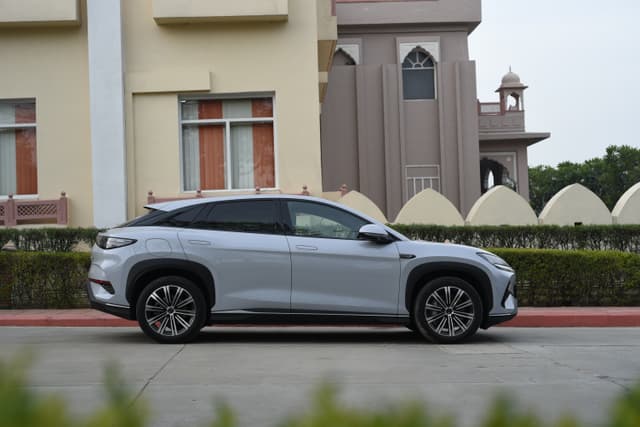
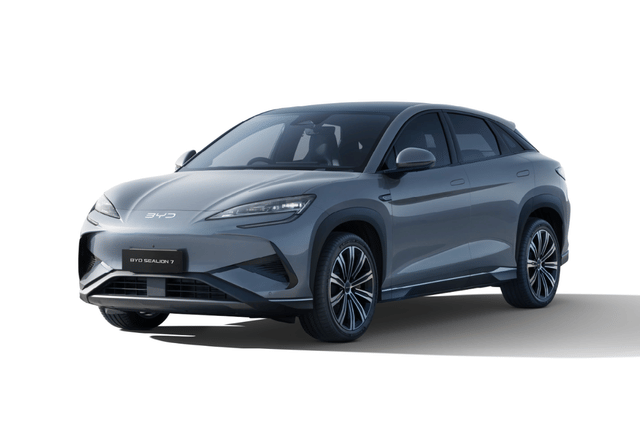
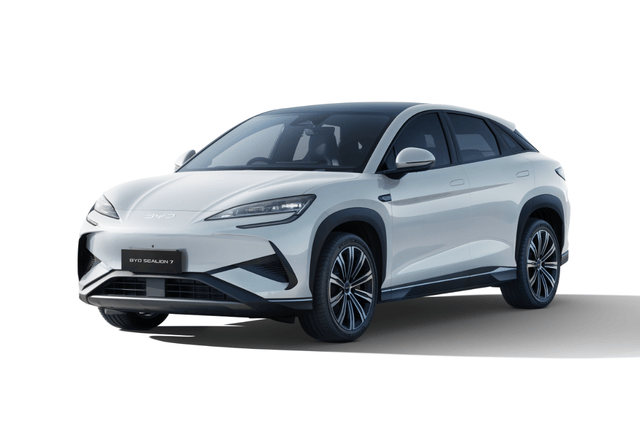
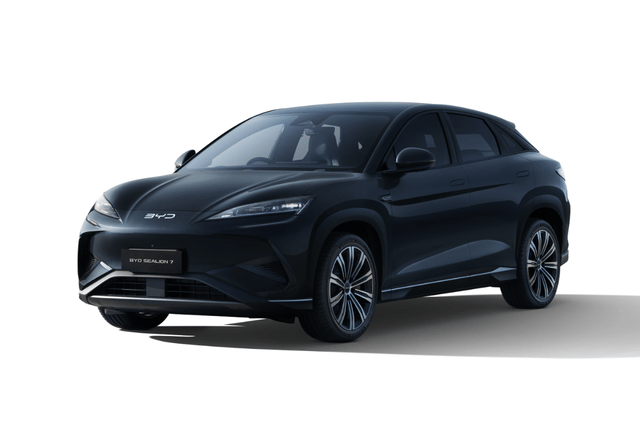
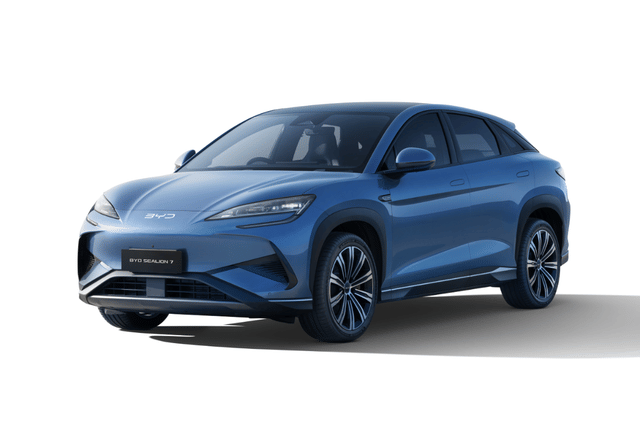
iX1 vs Sealion 7



Last Updated on: 05 Oct 2026
Tell us about your experience
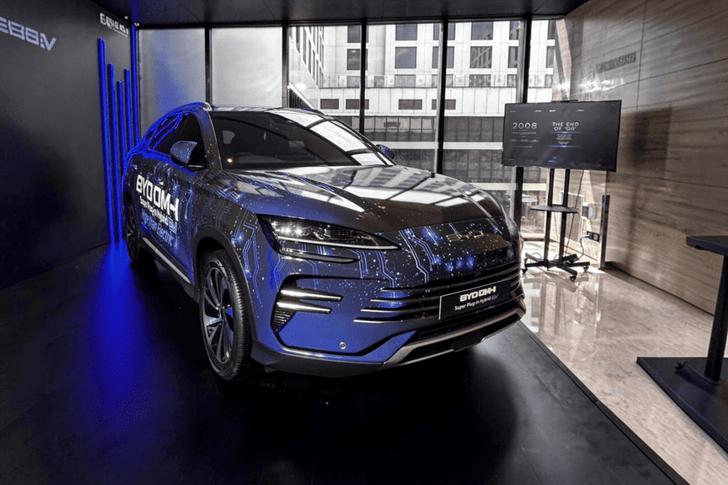
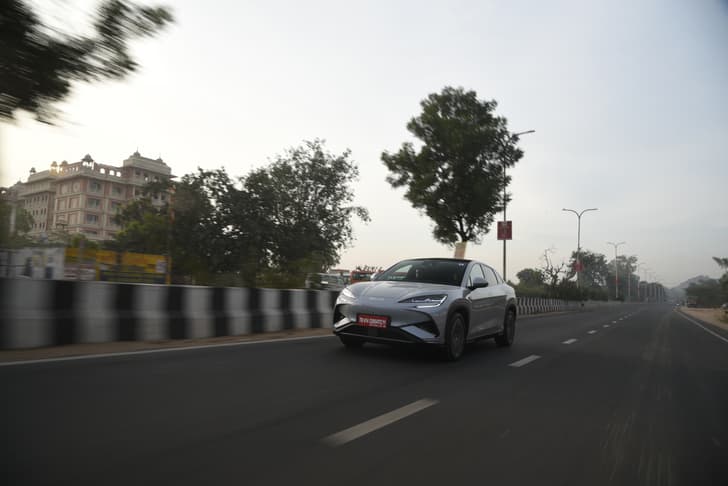
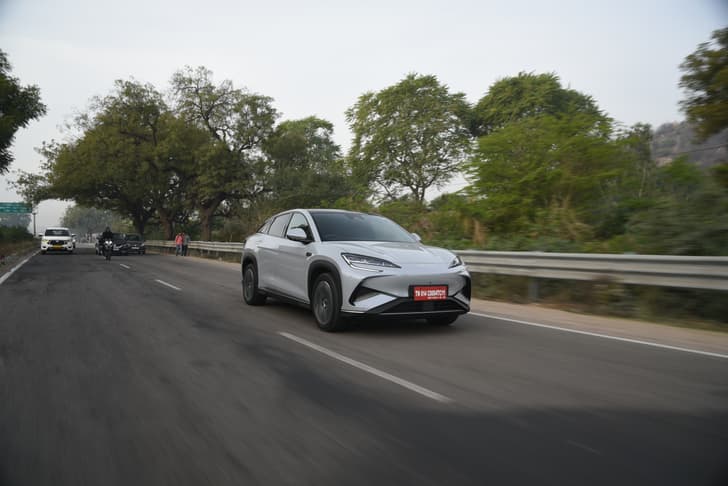
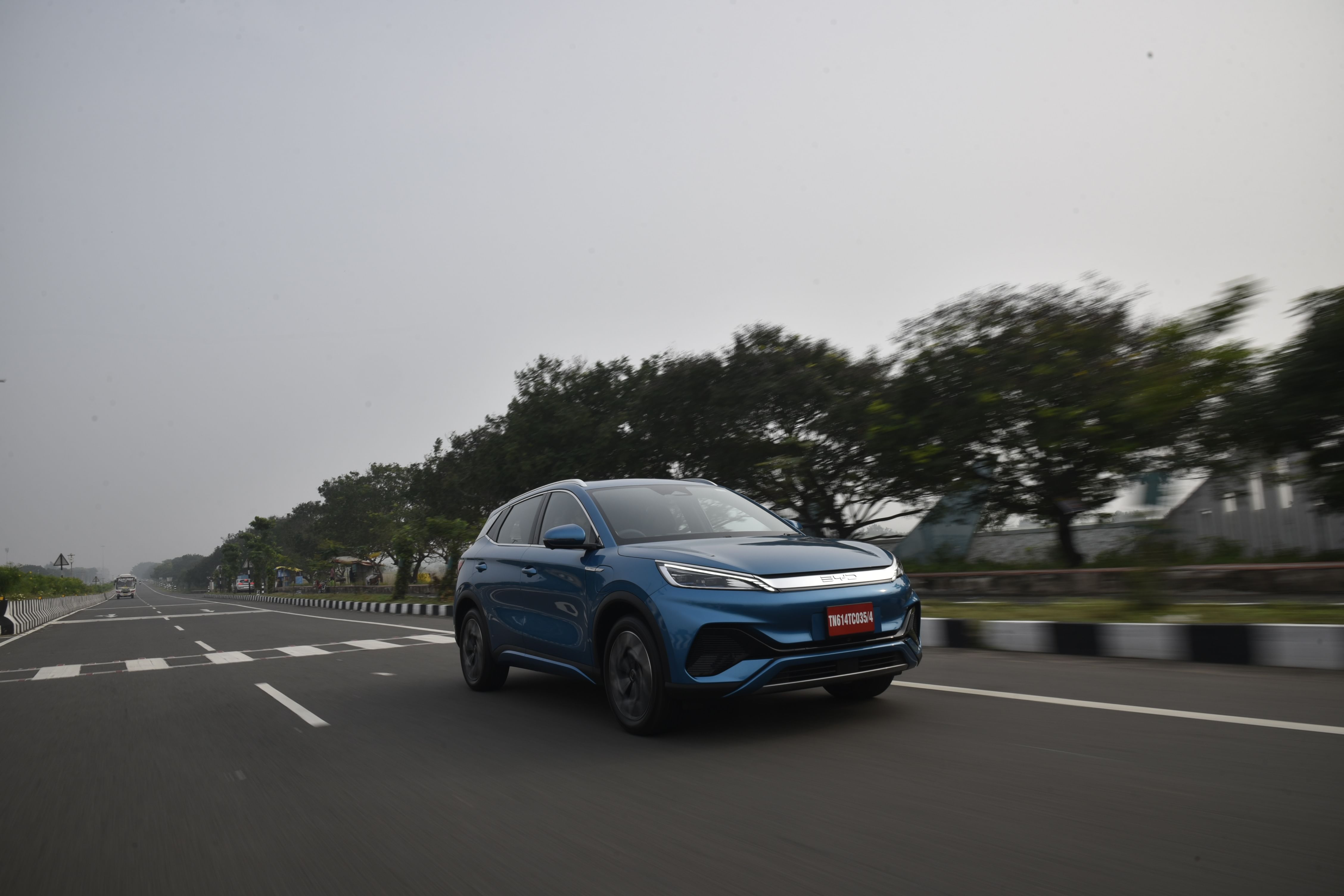
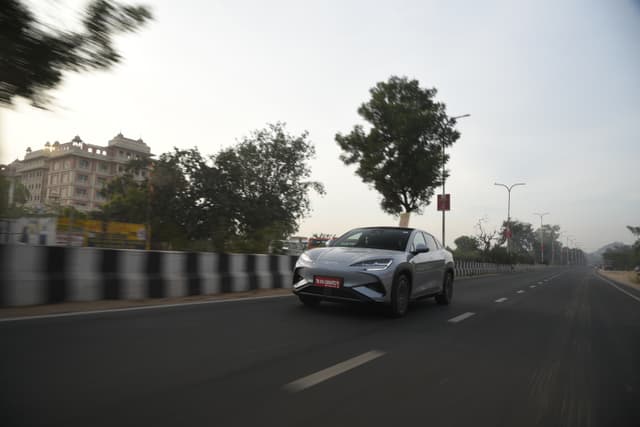
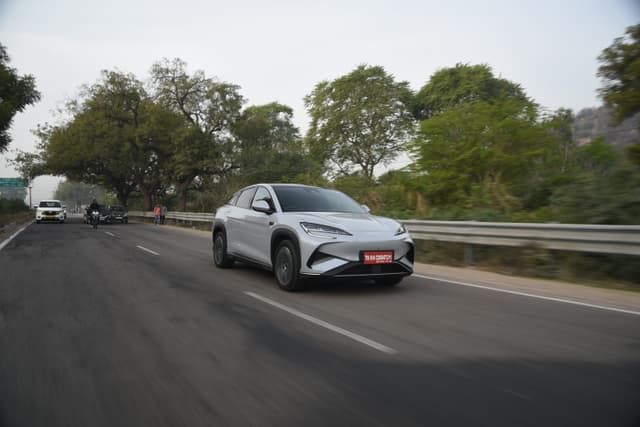
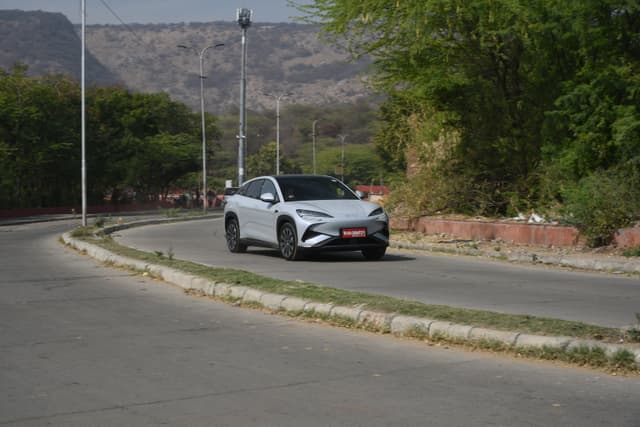
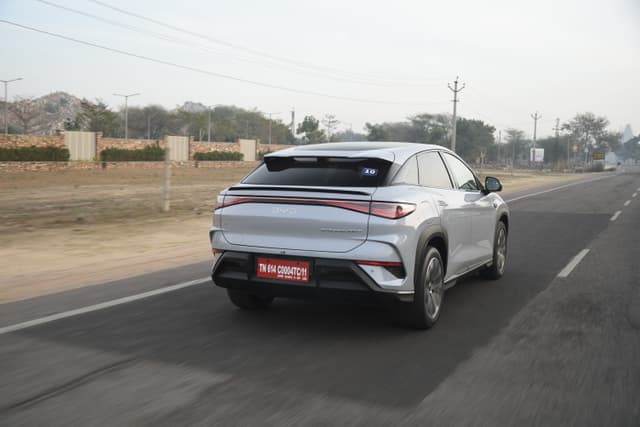
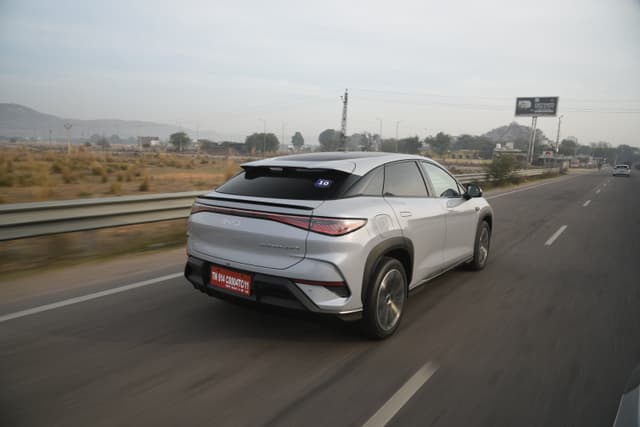
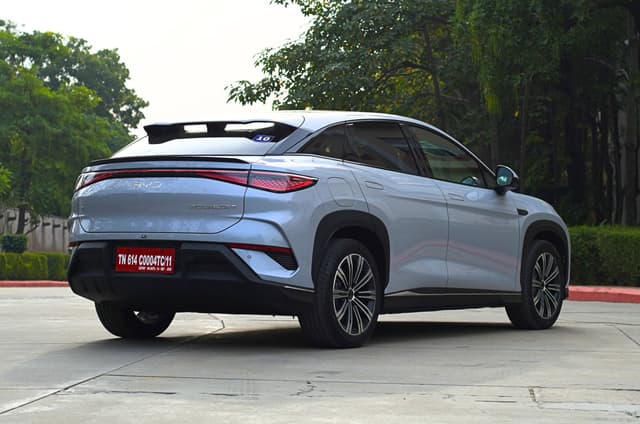
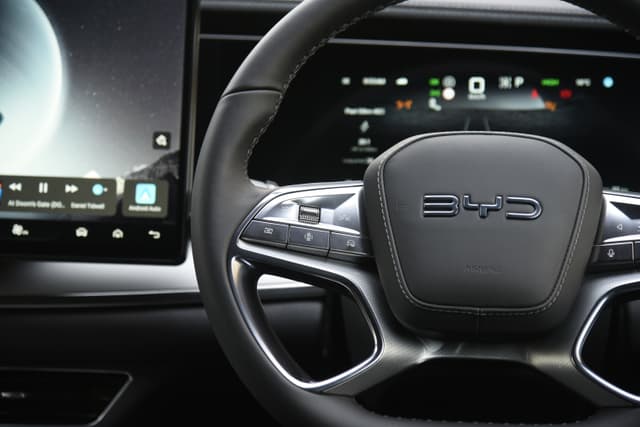
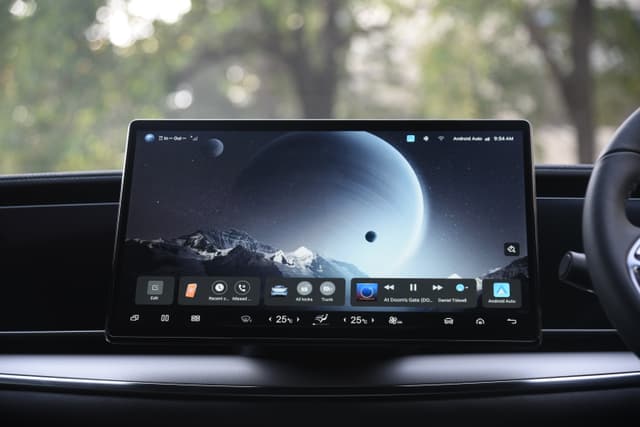
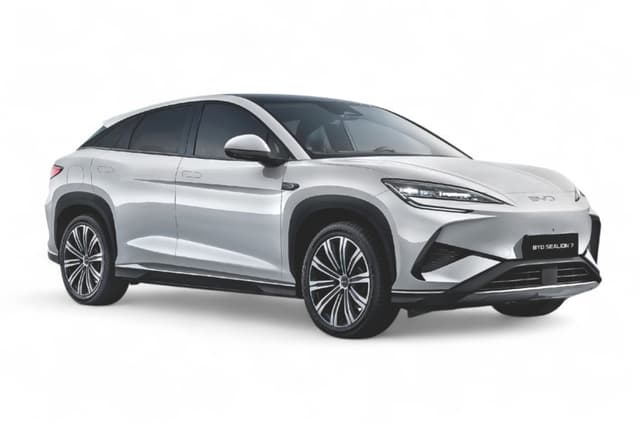
I have been keeping an eye on BYD cars and the Sealion 7 looks stunning. With estimate driving range of 483 km and 309 bhp of power sounds like an amazing combination. Plus, the 15.6-inch rotating screen and 9 airbags make it a perfect mix of tech and safety.
The Sealion 7 will surely be an amazing electric SUV. I am really excited about the advanced tech that it offers like the ADAS level 2. Coming with a price tag Rs 45 lakh, it is a premium offering, but with that big and powerful 230 kW motor and best in class luxury features, it feels worth it.
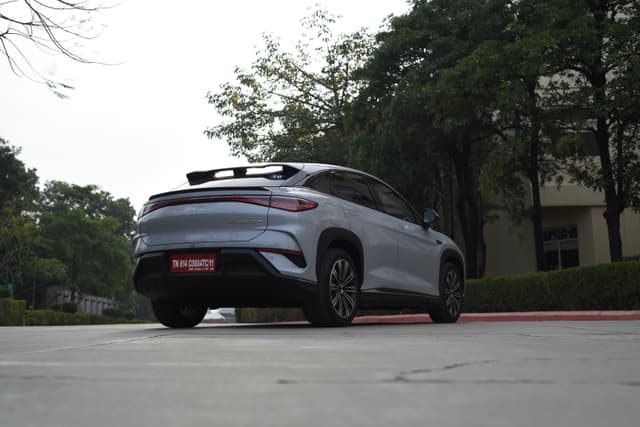
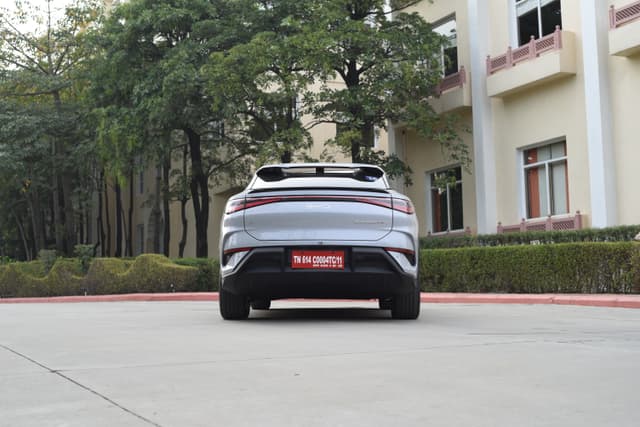
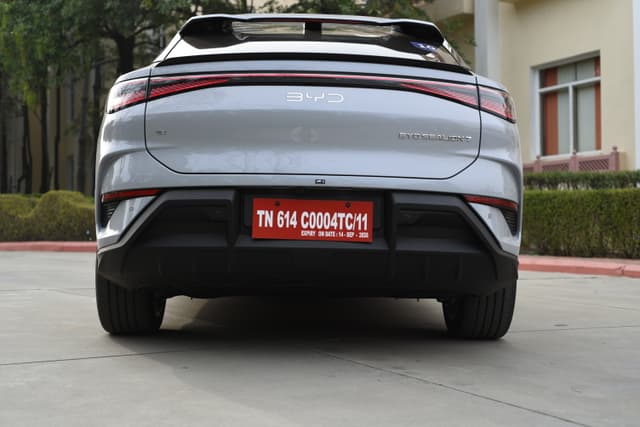
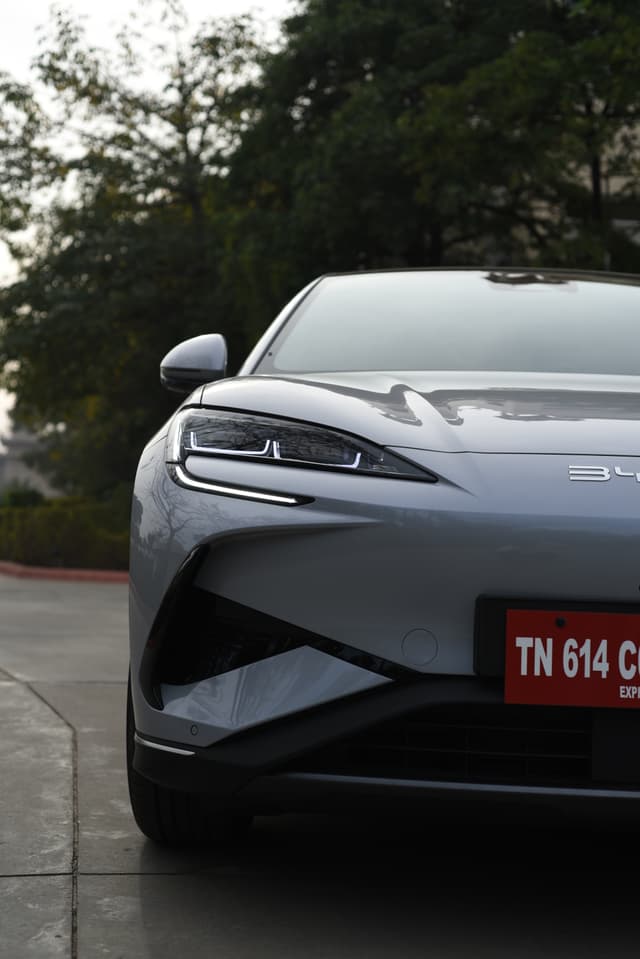
The black Sealion has flattered me in the first look itselt. It looked very premium luxury and high class standard experience for me. This has set a high benchmark for the upcoming cars in the segment. I couldn't stop me from sharing about the amount of useful features we get in the car.
I got this vehicle last month and I used to get on an average 500km range. My family loves this vehicle a lot, my children?s are die hard fan of this car, I too have other cars but they prefer BYD over any other brand. Interior of car has excellent fit and finish. Colour of car is too fab it looks stunning in every aspect.
This is a very good car. I like this car more in terms of safety and range. This is the car that all my family members like. I use it for office and sports. Drifting oh my god is awesome. I have never seen such a car before. By the way the car is awesome and very good in terms of design and safety. I like it.
The BYD Sealion 7 is hands down the best EV in the market for its price?offering premium design, up to 530 hp, long range, ultra-fast charging, and a tech-rich cabin. It rivals luxury EVs at a far lower cost, making it a smart, feature-packed choice for value-conscious buyers and to not forget the handling of the car is just too good.
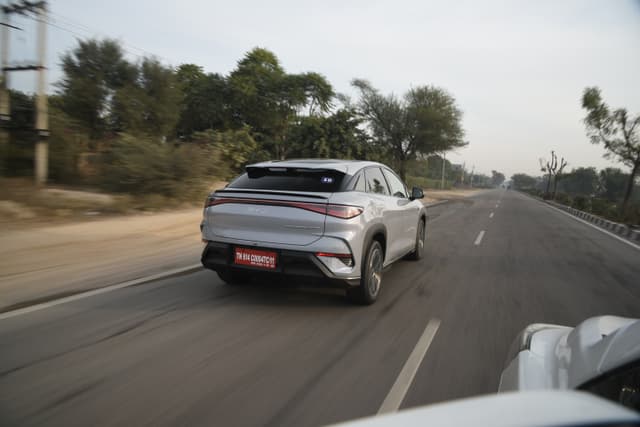
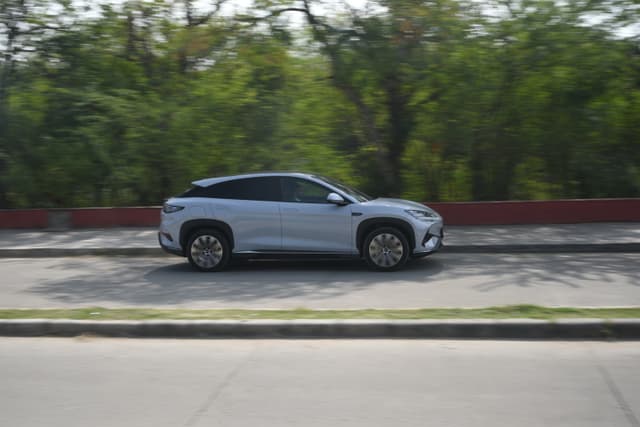
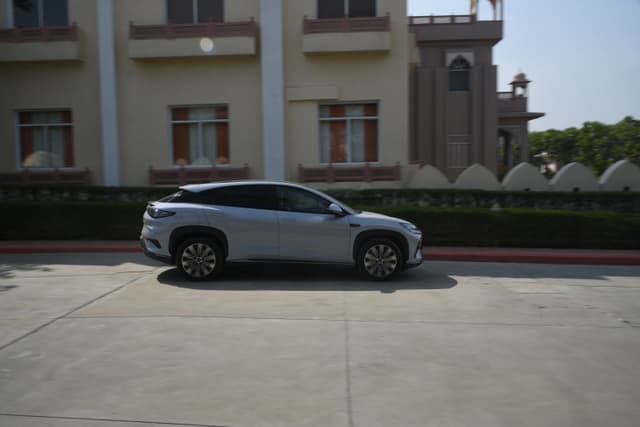
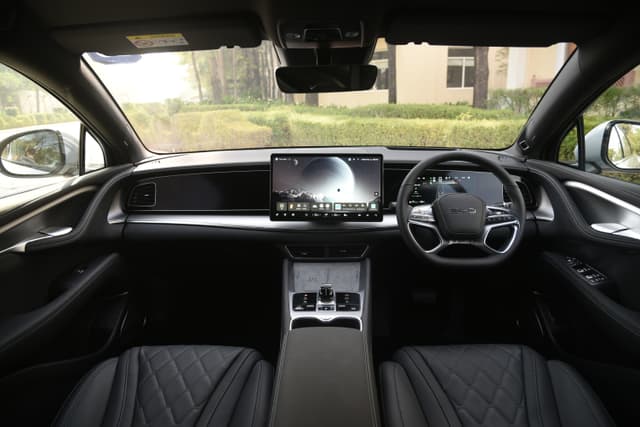
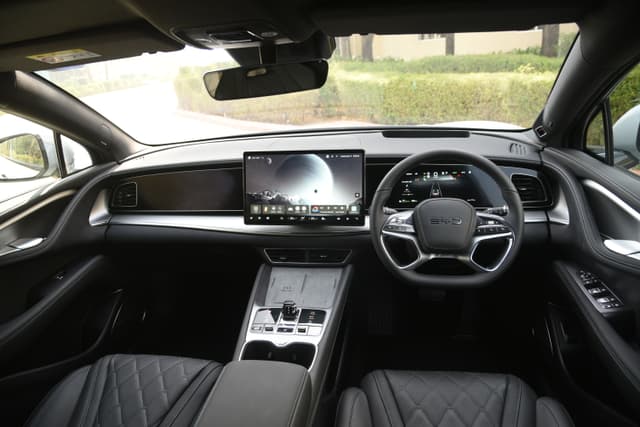
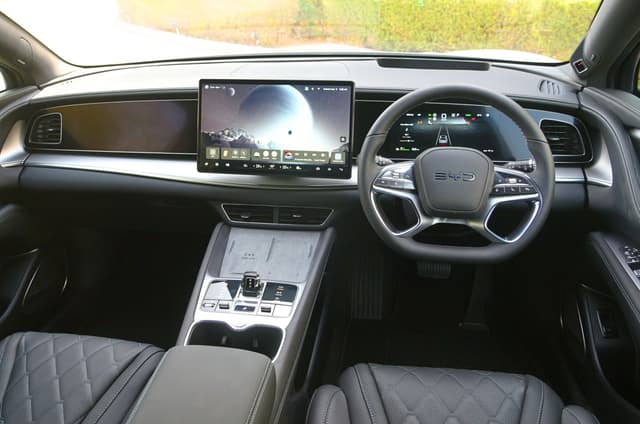
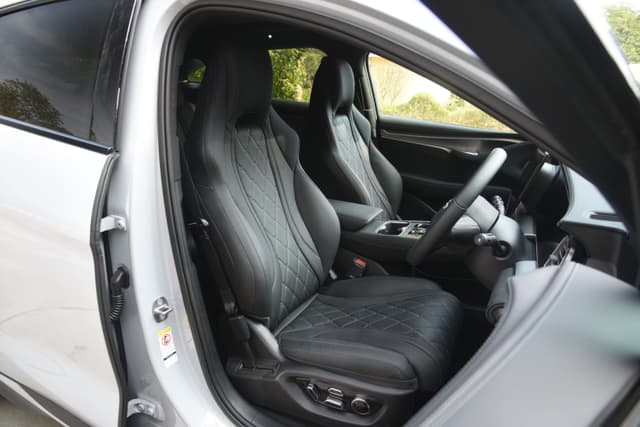
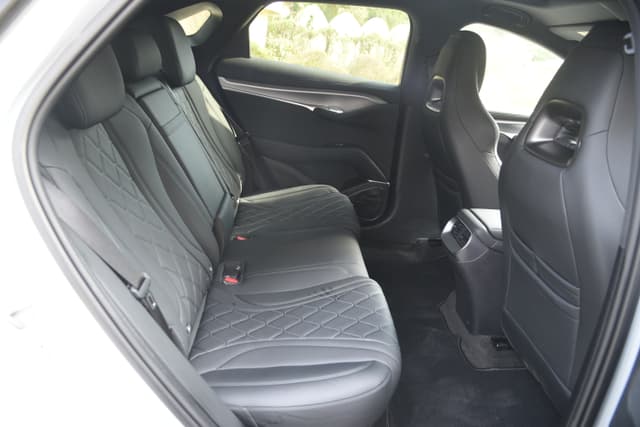
The BYD Sealion 7 feels refreshingly resolved, an EV that prioritizes calm over theatrics without shortchanging pace. Its coupe-ish stance looks upscale, while the cabin blends plush seating, generous rear space, and it's rotating touchscreen for a distinctly modern vibe. Material quality and ambient lighting add quiet luxury. On the move, power delivery is smooth and confident, making city gaps and highway merges effortless.
This car looks amazing, like something worth 1.5 crores. I really love the design and feel awesome driving it. It just makes me happy!
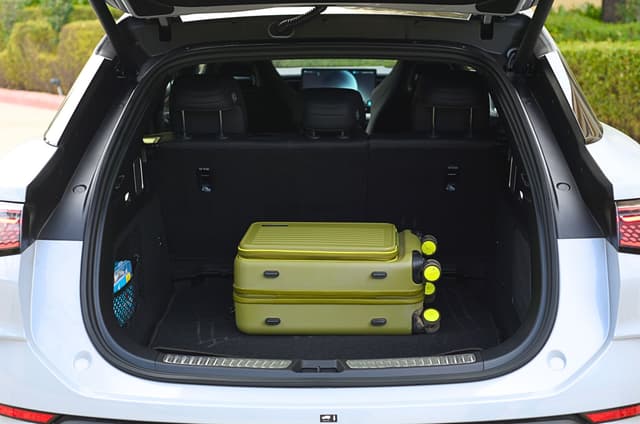
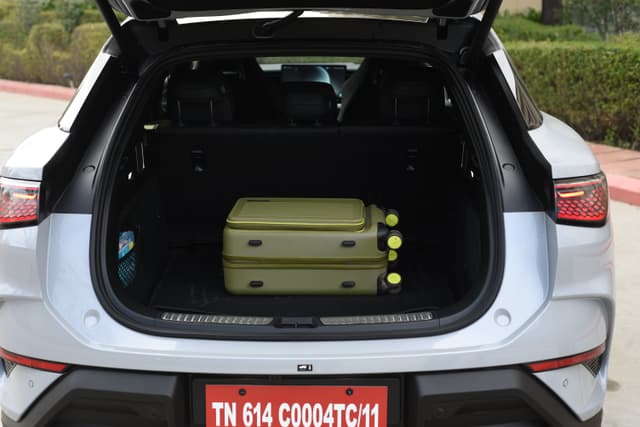
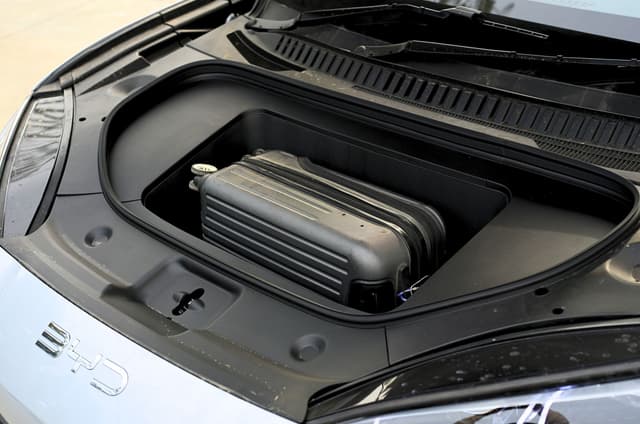
This car is beautiful and looks great. It has a strong road presence and an impressive interior. It's pricier than competitors, but it offers plenty of power without being intimidating. The cabin space is ample for five adults, and the boot is spacious too. One thing I'd suggest is improving the suspension for a more plush and stable ride at higher speeds. Overall, it's a fantastic car, and I have no regrets. It also provides a range of over 460-470 km on a full charge.
I was literally shocked by the power of this car; it goes from 0-100 in just 6.30 seconds. People look at the price, but I say, get inside and feel the premium interior first. Then you can decide if it's worth the 50 lakhs.
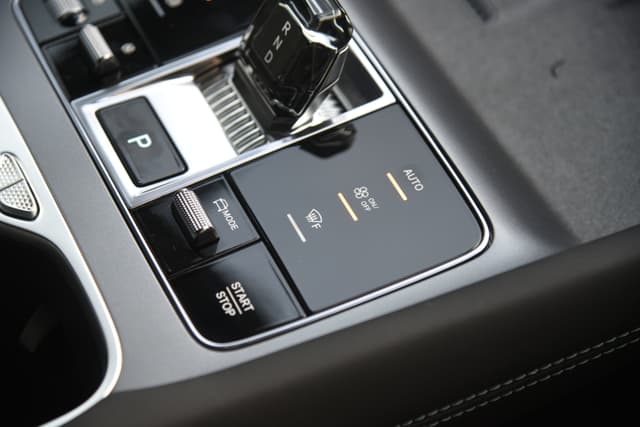
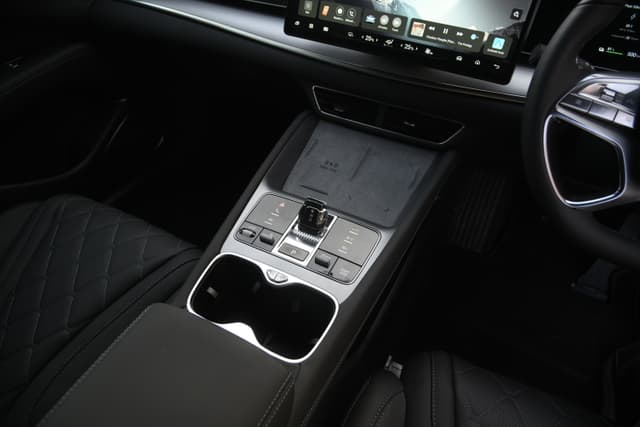
Interior design: Modern, practical, tech laden and high on quality
Powertrain: Smooth, strong and progressive, making it enjoyable
Road and wind noise can be heard in the cabin at highway speeds
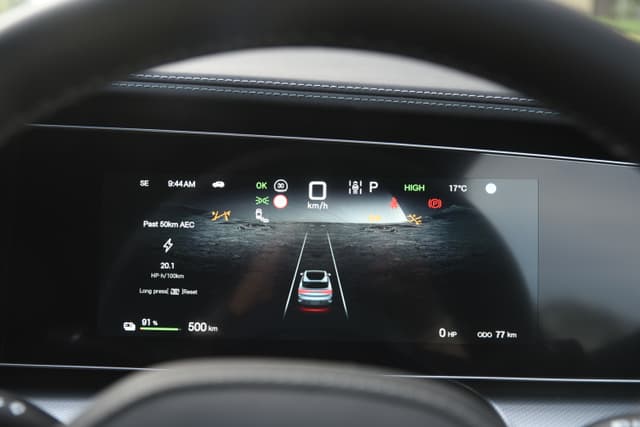
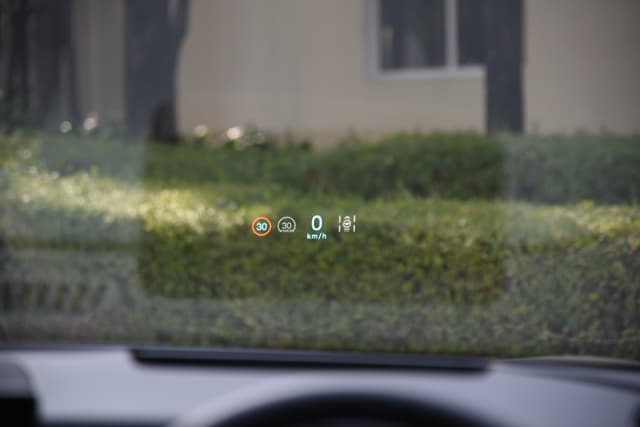
Distracting driver's display and HUD cram too much info in a small space
Join the Discussions
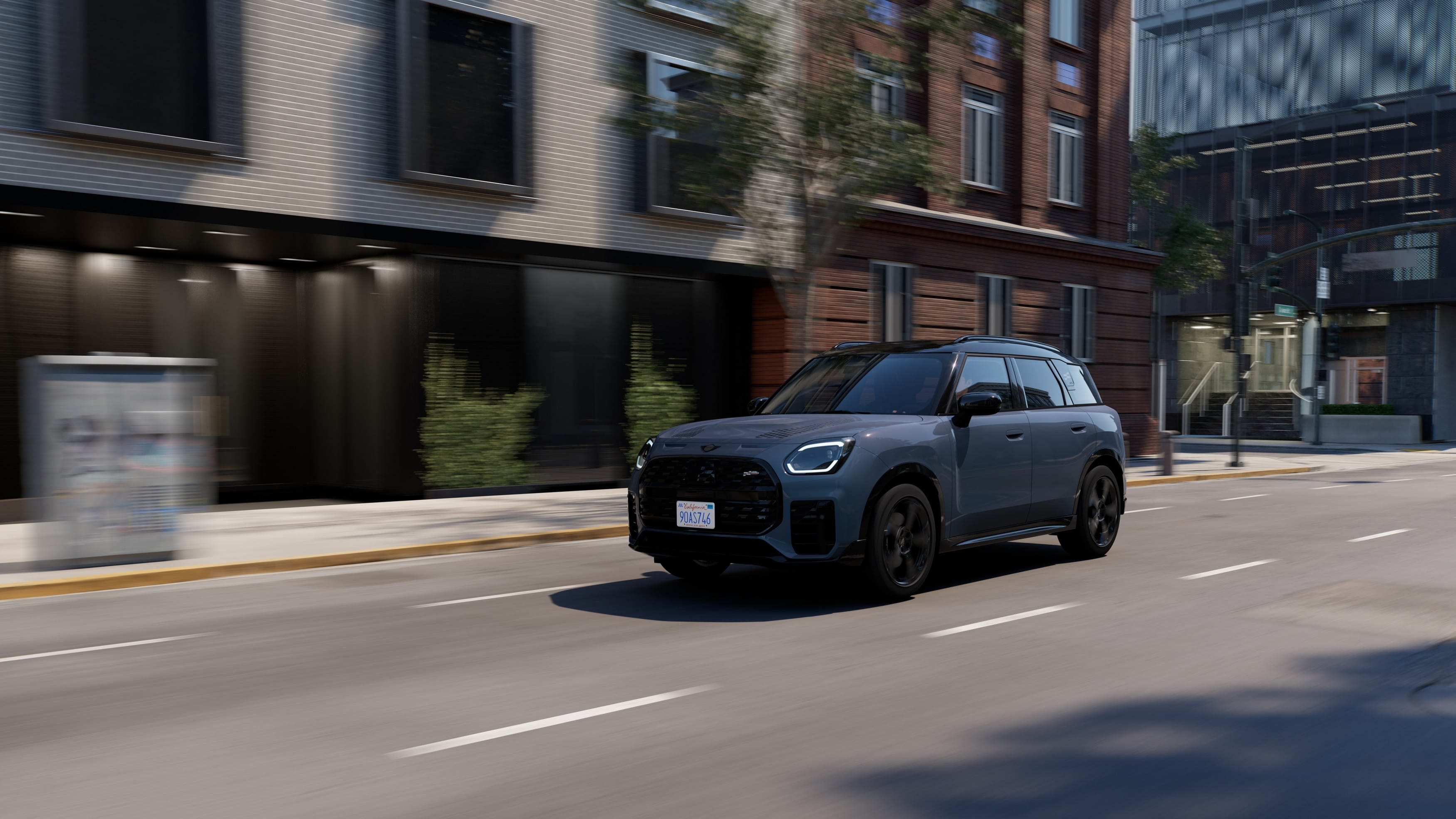
Hello guys, I’m a 30 year old working professional and am looking to buy an EV mainly for city commute and occasional highway driving (20%). I appreciate build and ride quality, refinement and reliability. The EVs that I’m mainly looking at are the Ioniq 5, Kia EV6, BYD Sealion 7 and BMW iX1. Which do you think will be the right fit for my use case? I’m actually leaning towards the Korean cars and am not willing to spend for the iX1 just for its badge value. Thank you for the answer in advance. You guys are a great source of reliable and measured Automative content in this country. Really appreciate it!

 Kia EV6Hyundai Ioniq 5BYD Sealion 7BMW iX1 LWB
Dear Autocar India experts, I am planning to buy a new car for my daily commute. I live in a hilly area and want my next car to be spacious enough for taking my three kids to school and for family functions. I have been waiting for the Skoda Superb for almost a year. Now that it is finally coming to India, I have heard that it may not be offered with a petrol engine, which is what I was hoping for. I am a fan of diesel cars, but I have had a bad experience with DPF issues in my Velar, so I am now hesitant to go down that route again. As an alternative, I am considering an electric car and have been looking at the Hyundai Ioniq 5 and BYD Sealion 7. I would like to know your expert opinion on these two EVs, particularly when it comes to after-sales service and ownership experience. Which one would you recommend for my requirements, or should I wait and go for the Skoda Superb anyway? I currently use a Brezza diesel for my daily commute and also have a Zen for fun drives. Kindly help me make the right choice. Thank you for your expert advice.
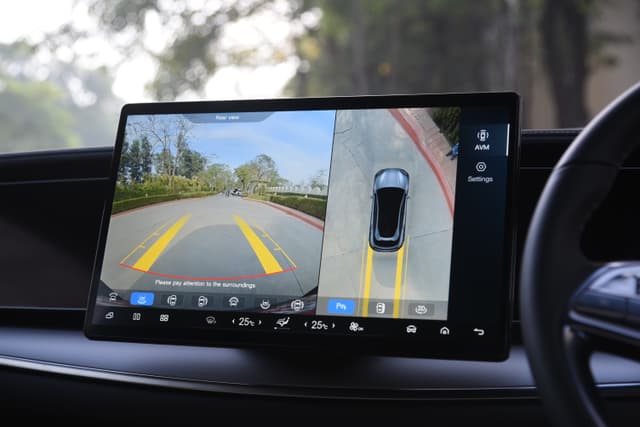
Hyundai Ioniq 5BYD Sealion 7Skoda SuperbMaruti Suzuki BrezzaHi, I currently own a Jeep Meridian and a BMW 330Li. I’m looking to trade in my BMW 330Li for a better car. The problem with the current 330Li is extremely poor ingress and egress, no ventilated seats and no 360-degree camera. My budget is 85 OTR Delhi. My current usage is a 50 km office drive three times a week and a quarter-yearly outstation trip with less than 400 km one way. Since I love driving and am the sole driver in my family, I don’t need a chauffeur. I’ve owned the Jeep for four years and driven it over 40,000 km. I’ve owned the BMW for two years and driven less than 10,000 km. I’ve seen a few options, including the Volvo XC90, BMW X3 30i, BMW 5 Series, Mercedes E200, BYD Sealion 7 and felt that the 5 Series fits best. Please suggest the best way to proceed, or if there are other options that I have missed. I’ve considered selling the Jeep as well and getting two new cars. I’m looking for expert advice.
BMW 5 Series LWBBMW X3BYD Sealion 7