.jpg?w=728&q=75&fm=auto)
Last Updated on: 21 Aug 2026
BYD Sealion 7 variants
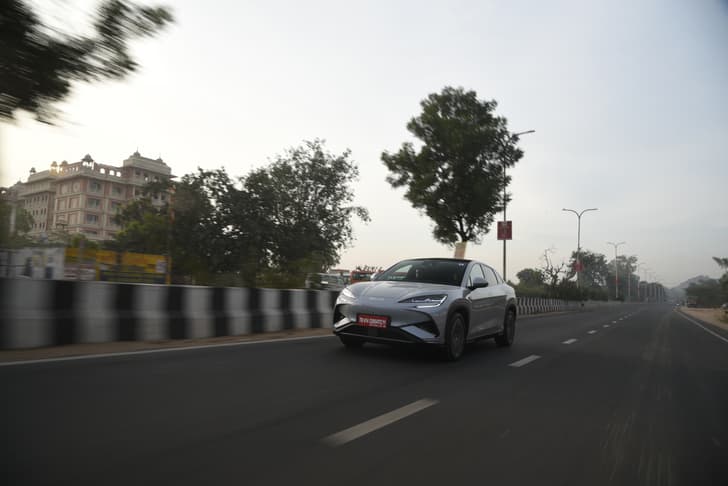
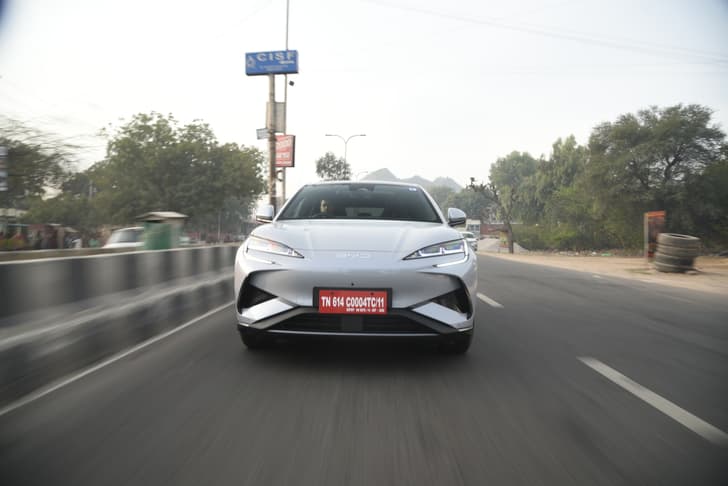
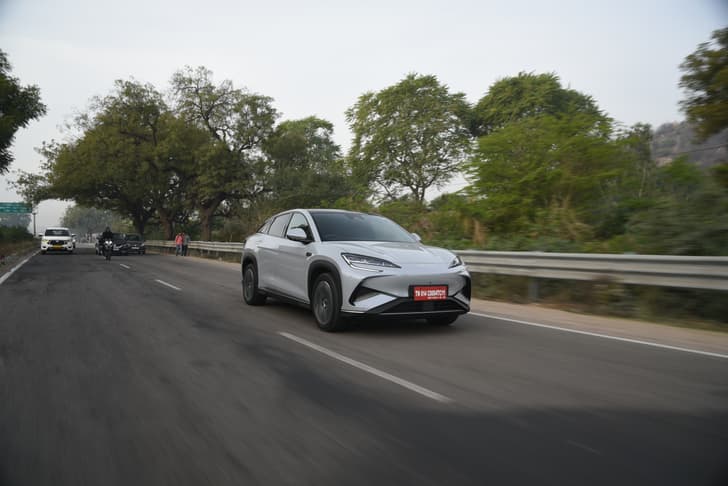
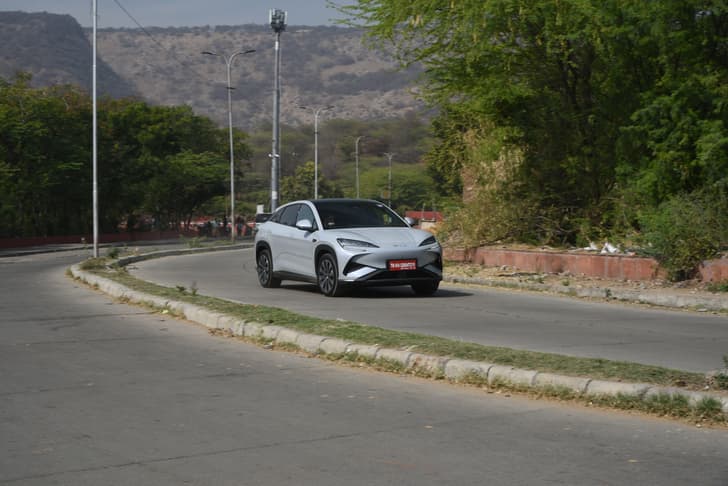
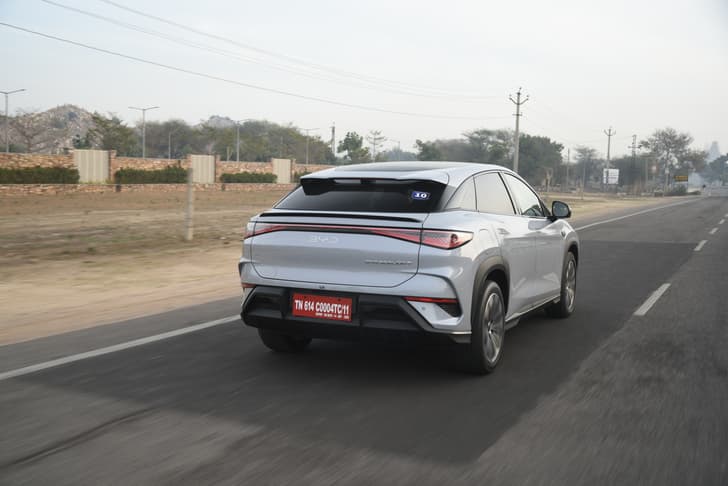
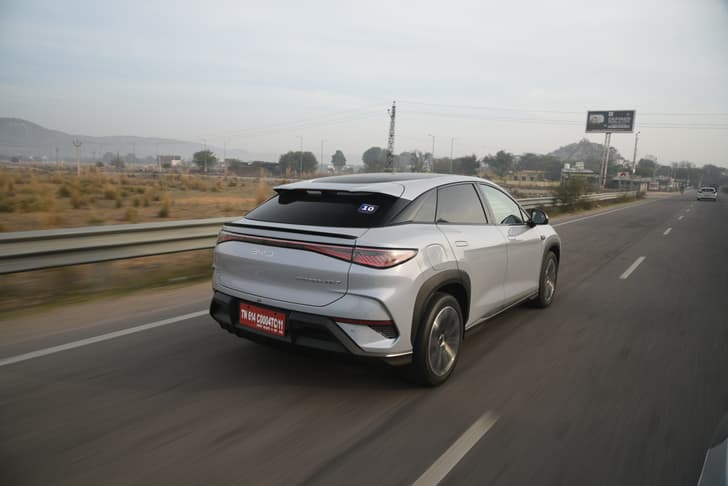
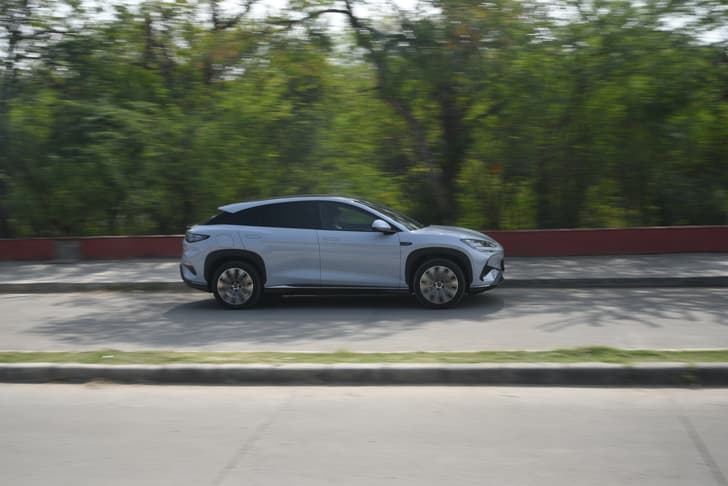
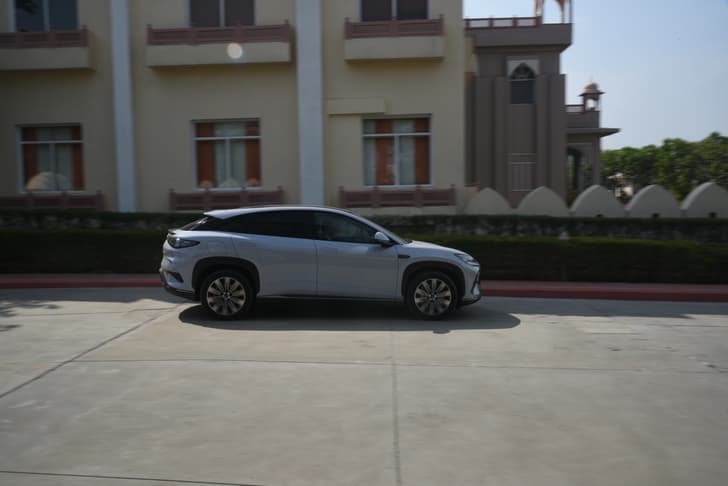
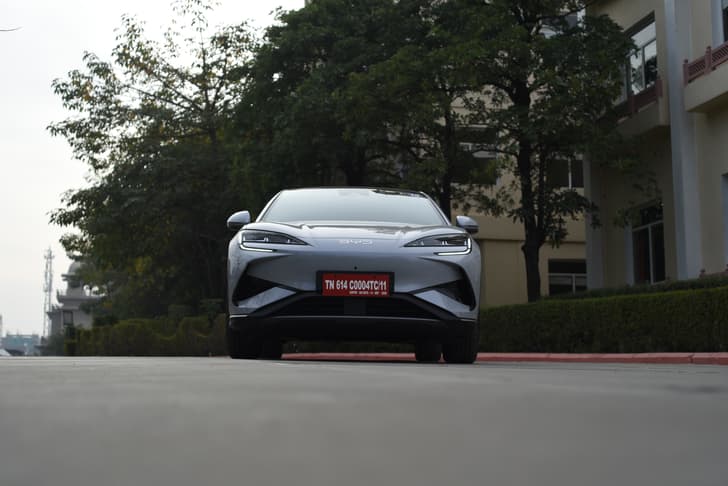
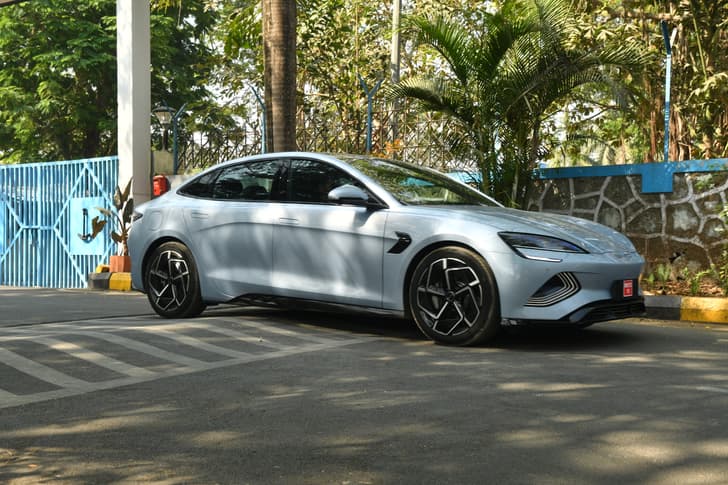
The BYD Sealion 7 in India comes in two variants: Premium and Performance. Both trims get the same 82.56kWh LFP battery pack. In the Premium variant, the Sealion 7 channels 313hp and 380Nm through its rear wheels, allowing the SUV to dispatch the 0-100kph run in 6.7 seconds with a CLTC range of 567km. The Performance variant, with AWD, takes it up to 530hp and 690Nm output, helping it sprint to 100kph from rest in 4.5 seconds. Sealion 7 Performance range is 542km (claimed).
BYD Sealion 7 variants
BYD Sealion 7 Official Brochure
Download the complete brochure with specs, features, and variants.
BYD Sealion 7 videos
.jpg?w=728&q=75&fm=auto)
Questions you may find useful
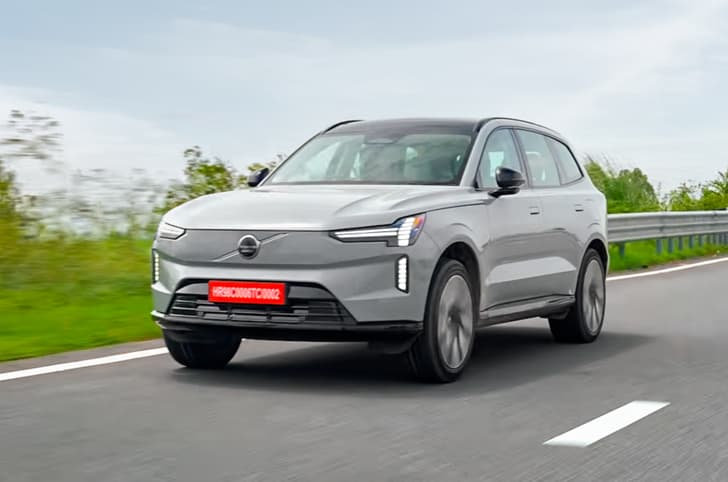
Hi, I currently own a Jeep Meridian and a BMW 330Li. I’m looking to trade in my BMW 330Li for a better car. The problem with the current 330Li is extremely poor ingress and egress, no ventilated seats and no 360-degree camera. My budget is 85 OTR Delhi. My current usage is a 50 km office drive three times a week and a quarter-yearly outstation trip with less than 400 km one way. Since I love driving and am the sole driver in my family, I don’t need a chauffeur. I’ve owned the Jeep for four years and driven it over 40,000 km. I’ve owned the BMW for two years and driven less than 10,000 km. I’ve seen a few options, including the Volvo XC90, BMW X3 30i, BMW 5 Series, Mercedes E200, BYD Sealion 7 and felt that the 5 Series fits best. Please suggest the best way to proceed, or if there are other options that I have missed. I’ve considered selling the Jeep as well and getting two new cars. I’m looking for expert advice.
You're right, the BMW 5 Series LWB is probably your best bet. For a self-driven upgrade, it delivers the best mix of performance, driving feel, luxury and long-distance comfort. The hip point is noticeably higher, and the doors open wider than your 330Li, so getting in and out is easier, and the ride is comfy over broken Delhi roads while still feeling stable out on the highway. It also has the features you're looking for, including ventilated seats.Downsides are that it is a significantly larger car and not as exciting to drive as your 330Li, and since you enjoy driving, that might feel like a step backwards. Also, while ingress and egress are better than the 3 Series, it's still a low-slung sedan, so try it out, and if it's a bother, the BMW X3 30 might suit you better. Same engine, even more features, and almost as much fun to drive. The Sealion 7 is an excellent EV alternative, but the BYD car won't be as nice to drive as the BMW car, and though a 400km trip is manageable on a single charge, range anxiety will always hang over the journey.If you're happy with the Jeep, hold on to it for a while. Diesel cars are becoming rarer these days, and you've already taken the depreciation hit, so you might as well enjoy it as long as you can.
I am confused between TESLA MODEL Y L and BYD sealion 7. There is more than 10 lakh difference in pricing. Which car is best in terms of value for money, road presence, comfort and in terms of reliabilty as well.
When it comes to outright value for money, the BYD Sealion 7 makes a very strong case for itself. It is substantially more affordable than the Tesla Model Y L, while offering a plush, well-equipped cabin, strong performance and a more conventional premium-SUV feel. It also has more road presence, thanks to its lower, wider stance and more dramatic styling.The Model Y L justifies some of its premium with a more spacious three-row 2+2+2 layout, so it is the better choice if you genuinely need to carry six people. Its cabin is also more seamless in the way the software, controls and features work together. Tesla’s charging ecosystem is still a big advantage too, especially for frequent long-distance travel, and the Model Y L’s 681km WLTP range gives it an edge on paper. That said, the third row will be useful mainly for children or occasional use, rather than as a full-time adult seating solution. The Sealion 7 is a five-seater, but it feels more premium in terms of cabin ambience and equipment, and its warranty cover is reassuring: BYD offers an 8-year/1.6 lakh km warranty on the high-voltage powertrain and a 6-year/1.5 lakh km comprehensive vehicle warranty. Reliability is harder to call conclusively at this stage because Tesla is still relatively new to India, while BYD has built a more established local presence. Both are mature EV makers globally, but BYD’s longer warranty and local dealer support give it a slight advantage for peace of mind.Unless you specifically need the extra seats, the Sealion 7 is the one to go for. It delivers better value, stronger road presence, more cabin comfort and enough performance without the sizeable price jump to the Model Y L.
Should I buy the Sealion 7 or wait for a few months for more options?
The BYD Sealion 7 is a very strong package, but whether you should wait depends on your priorities. If you need a car soon, the Sealion 7 is a safe recommendation. It offers strong performance, good range and a well-finished cabin. However, the electric car market is evolving rapidly, and several interesting models are expected over the next 6-12 months, including more affordable options and new premium EVs from established brands. If you are not in a hurry, waiting a few months could give you a clearer picture of the segment and potentially better value. If you need a car now, this BYD car is a solid choice.
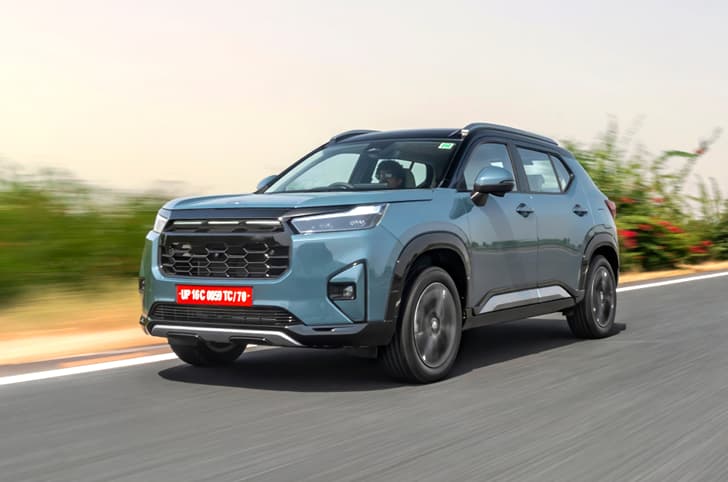
Which would be the better choice among the BYD Sealion 7, Mahindra XEV 9e, and Vinfast VF7? I currently own a Skoda Superb, which is 6 years old, and my ownership experience has been good so far. However, I am considering switching to an EV as a replacement, mainly because I am concerned about potential mechatronics-related repairs and higher maintenance costs as the car ages, even though I have not faced any issues yet. My heart says the BYD Sealion 7 would be the ideal replacement or upgrade for the Superb because of its build quality, premium cabin, and overall feel. However, my mind wonders whether it truly offers good value for money considering its premium price tag, although budget is not a major constraint for me. My daily driving is around 20-30 km, mostly within the city, with only occasional outstation trips. Considering my usage pattern and expectations, which of these EVs would you recommend?
Pick the BYD Sealion 7. It comes closest to your Superb in the way it feels inside and the calm, premium way it goes down the road, and BYD’s EV tech is well proven here. For 20-30km city usage it is smooth, very efficient, and the cabin quality, quietness and ride will feel like a real upgrade that's on par with luxury cars in the same price range.The Mahindra XEV 9e and Vinfast VF7 do sound like good value with the amount of performance and features they offer, but they both belong a size and segment down on the BYD, and that's reflected in the price too. Plus, though feature laden, their cabins will not give you the same plushness you enjoyed in your Skoda Superb. One catch with the Sealion 7 is BYD’s smaller network as compared to Mahindra. But with budget not being a big worry and your usage being mostly in the city, the peace-of-mind of mature EV hardware and genuine upmarket feel makes the BYD car the right call for you. Charge at home and you will need to top up just once every few days.
I’m keenly looking forward to the new GLC EV 2026. Just wanted to know if it will be available in a non-EV version as well, and what would be the approximate on-road price when it launches?
The Mercedes-Benz GLC EV will only be launched in India in 2027, and its ICE counterpart is expected to follow after that - perhaps in late 2027. The ICE version is expected to resemble the new GLC EV on the outside and inside, featuring new details like the illuminated grille, 3-pointed star DRLs in the headlamps and tail-lamps, and the 39-inch Hyperscreen display on the dashboard. However, while the GLC EV is newly developed on a pure-electric skateboard platform, the ICE version is expected to be a heavy facelift of the current model, built on the same platform and using the same petrol and diesel engines. With all the updates, however, expect the price to go up, and while we can't say for sure as it's a long way off, it could go up to about Rs 95 lakh, on road, in some cities. If that is too much of a jump, and too much of a wait, the current GLC remains an excellent choice, with strong engines, great comfort and a well-appointed cabin. And if you're interested in an EV but don't want to wait until the GLC EV is launched, consider the BYD Sealion 7 or Tesla Model Y L.
BYD Sealion 7 FAQs
Both the Performance and Premium trims of the BYD Sealion 7 pack a nearly identical list of features. They even share the same 82.56kWh battery pack, however, the Performance trim differentiates itself with an AWD dual-motor setup. The Premium trim is rear-wheel drive only.
The BYD Sealion 7 comes only with a fixed panoramic glass roof.
Yes, all-four disc brakes are standard on the BYD Sealion 7.
A 58-litre frunk is offered as standard with the BYD Sealion 7.
The base-spec BYD Sealion 7 comes with 19-inch alloy wheels, while the top-spec Performance trim rides on 20-inch alloy wheels.
BYD Sealion 7 On Road Price in India
Upcoming Cars


BYD Cars

Trending Cars


Latest Cars