



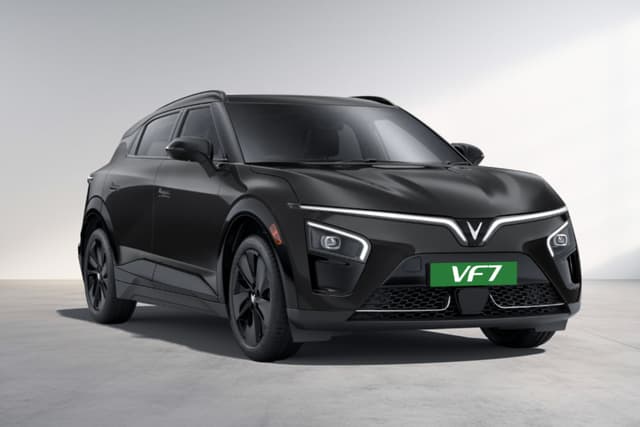
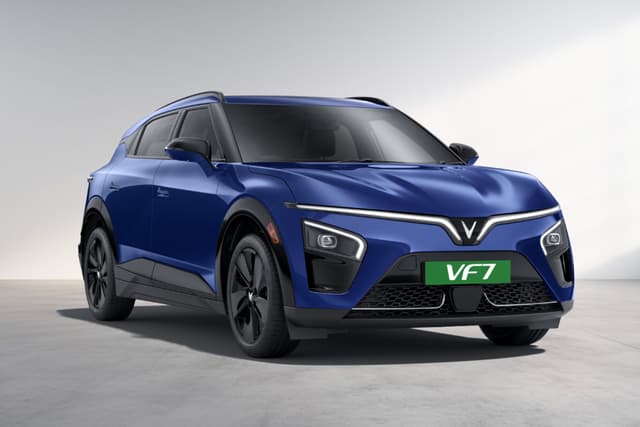
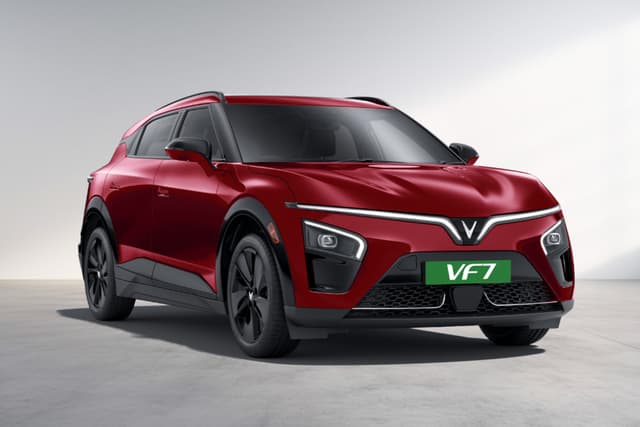
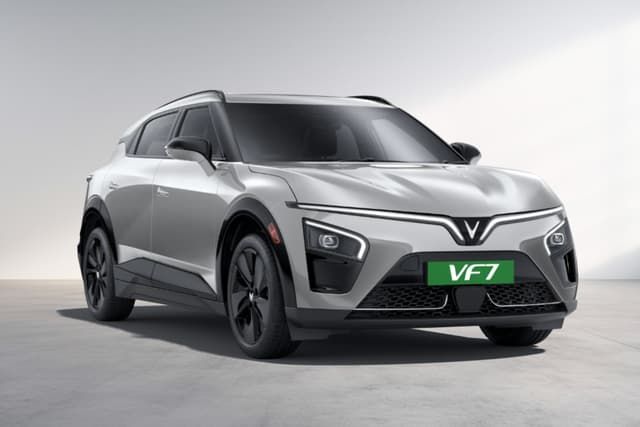
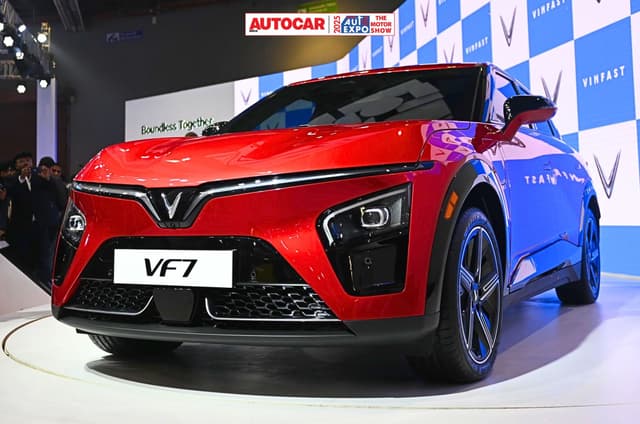

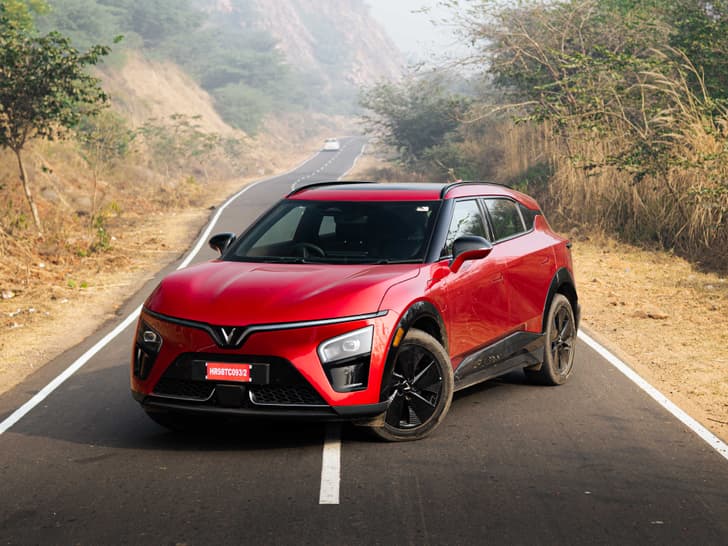
VinFast VF7, BE6, or PE?


Last Updated on: 13 Oct 2026
Tell us about your experience
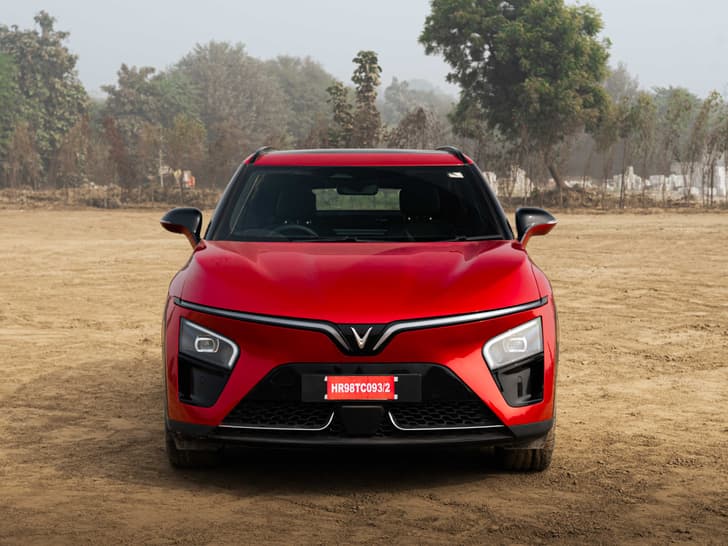
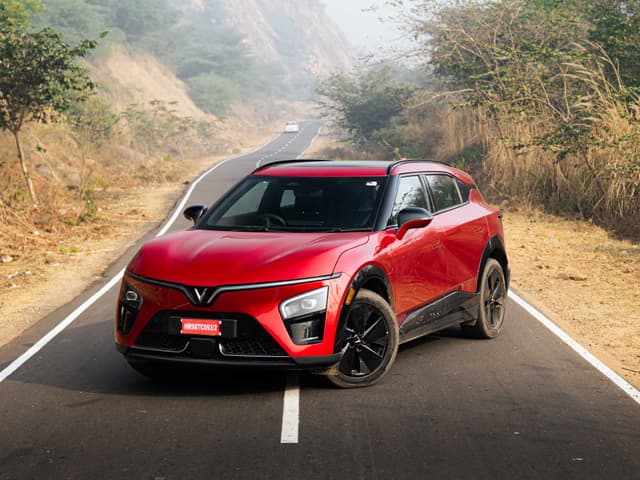
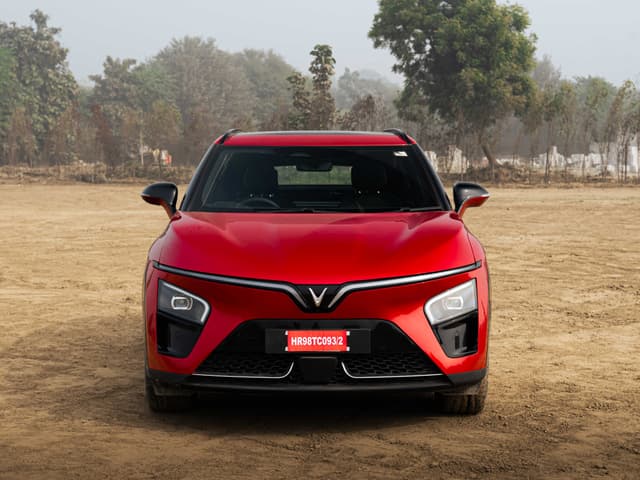
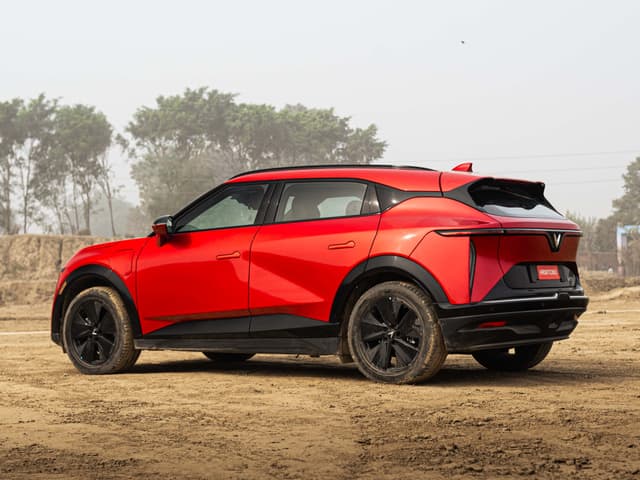
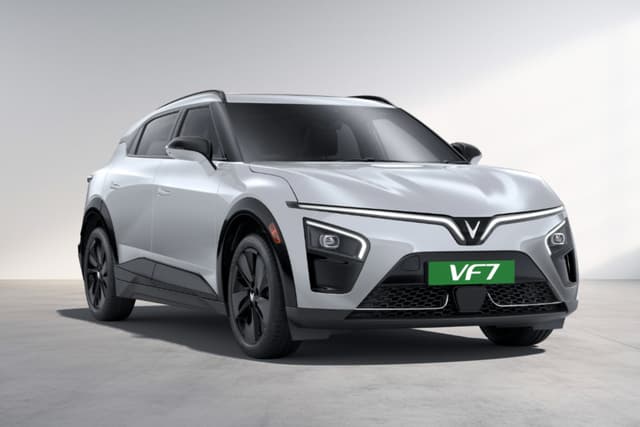
The VF7 offers outstanding performance with smooth power delivery, impressive comfort, and excellent build quality. Its competitive pricing makes it an exceptional value for anyone looking for a premium feel.
Best car in the under 25 lakh range with superb looks, style, and amazing performance. I was looking for an electric car and test drove almost all available. I was skeptical about the VF7 initially, but after two long test drives, I was convinced and bought it last week. I'm very happy with my choice.
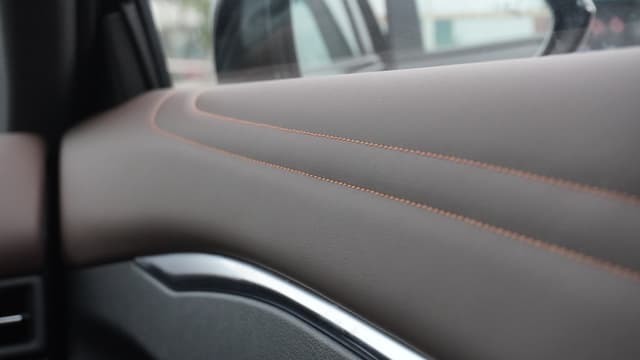
1. Buying experience was decent, just check for paint issues. 2. Riding experience has been amazing, very smooth and fatigue-free, with good power delivered in control. 3. Interior fit and finish is top-notch. Yet to go for service, so can't comment on that. Real-world mileage is around 380 km on a full charge.
The sky variant is super quick! Overtaking is effortless. The suspension is a bit stiff, but it makes cornering efficient with no understeer. Great features and awesome music speakers. I definitely recommend buying this car.
I am probably one of the first batch owners (got the car in September 2025) and have driven nearly 12000 kms. The dual motor variant is a performance beast, with actual 0-100 km/h times even quicker than what the company claimed. Fast charging is impressive too, reaching speeds of up to 116 kWh. The build feels solid and driving is reassuring. Handling is quite good, comparable to German cars. Initially, the range wasn't great, but after 2000 kms, the BMS calibrated and I now see around 420-450 km for the AWD variant. The after-sales service needs improvement; service centres lack trained staff and spare parts take time to arrive from Vietnam, but I hope the service experience will improve.
The comfort of the car is good, but the looks could be improved. Performance could also be better for the price range. We expect more appealing features too. Overall, the car is competitive in its segment, but the company needs to market it better. I think it deserves a 3.2.
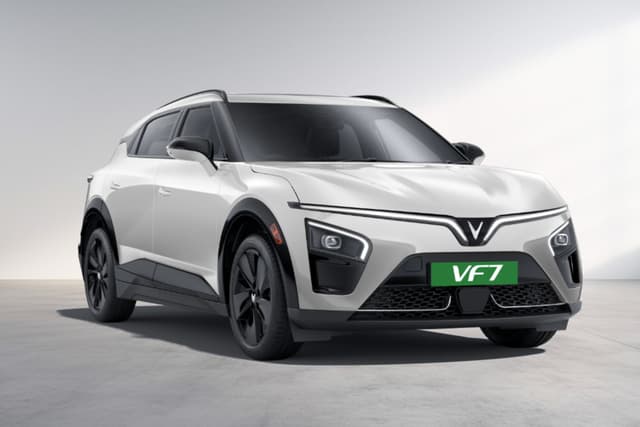
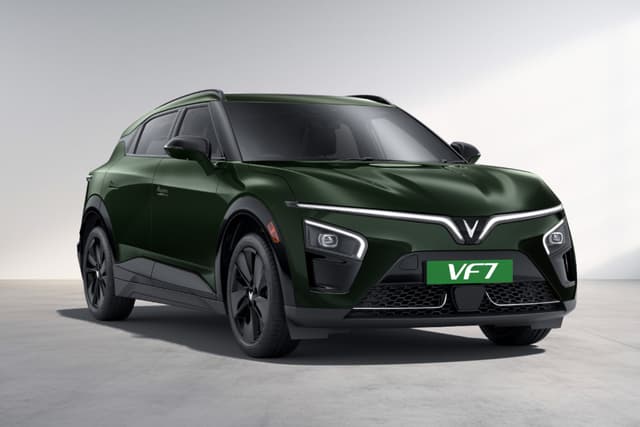
It looks pretty and is packed with features, plus there are many color options available. I think this is the best car in its range, and in the future, this company could compete with Tata Motors and Mahindra because their cars are better than others. This car at this price is really amazing.
The VF7 is a beautifully engineered machine that offers the whole package. It has everything a car should have, not just gimmicks. People looking for a better vehicle should definitely give Vinfast a shot. I absolutely love it, and if Vinfast expands across the country, it will be a major hit.
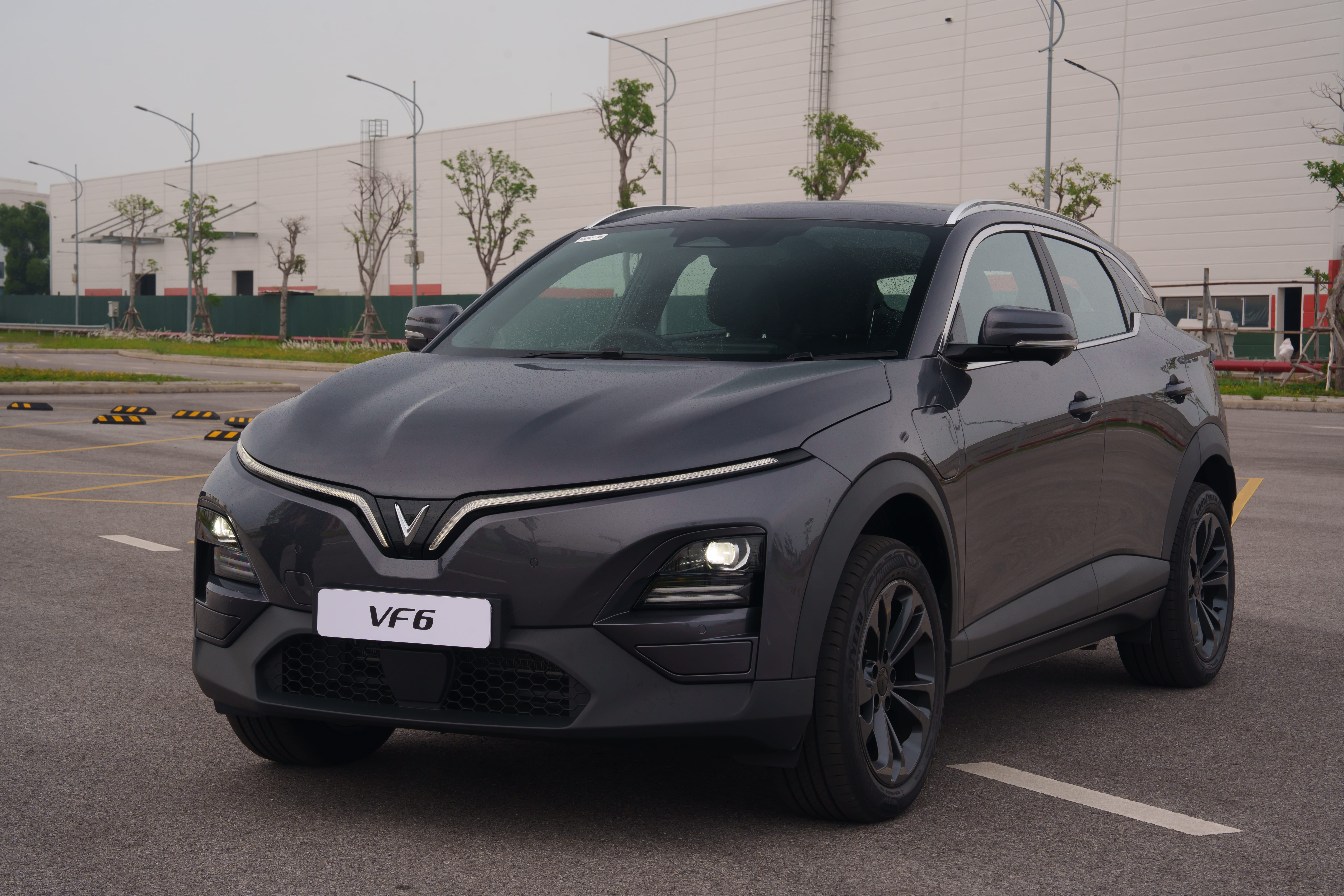
Ultimate experience with outstanding performance and good mileage. I appreciate this company. I tried test driving the VF6 and V7, which look good, and the interior design is excellent. The seating is very comfortable, with 6 airbags, a touchscreen, air conditioning, and good climate control features.
The cost is very high compared to what the car offers. The style is okay, but trusting a new brand in India is tough. If the service center and support are good, they might survive in the Indian market. Safety features are very important, and Indians are focusing more on that.
Spacious rear seat
Strong performance
Value for money
Touchscreen controls too many functions
Lacks road presence
No spare tyre
Join the Discussions
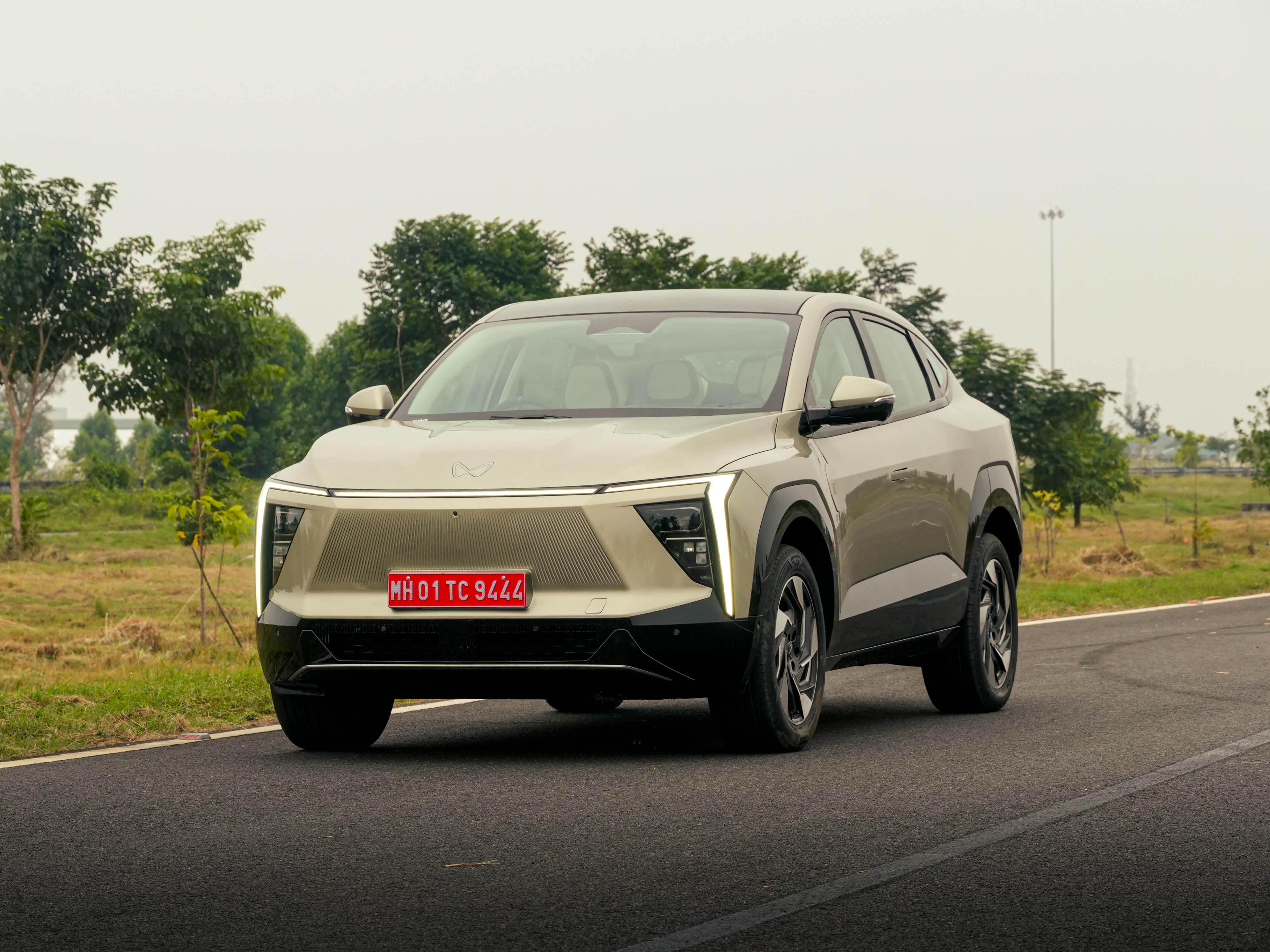
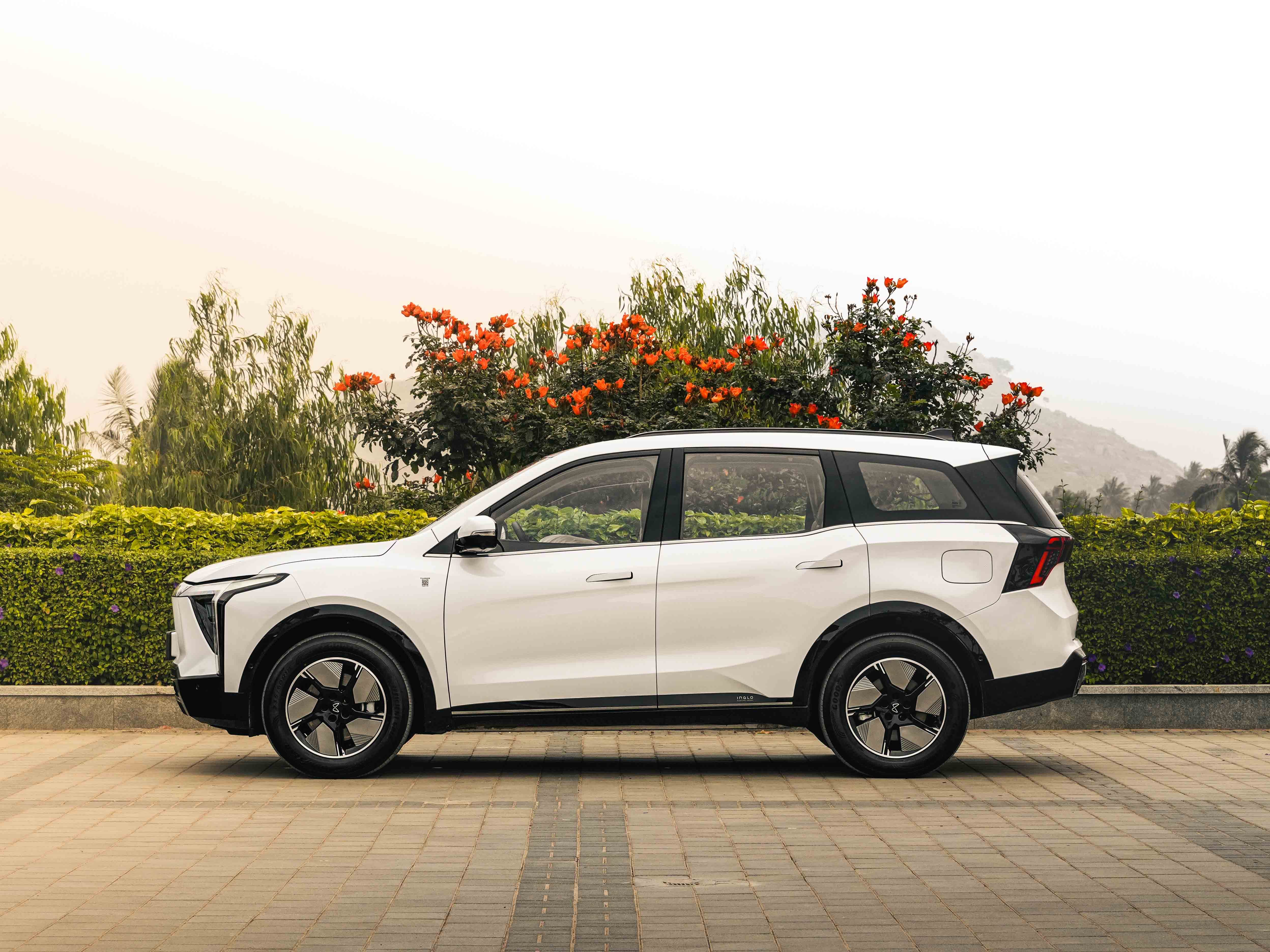
I am planning to buy a VinFast VF7 with the 70.8kWh battery pack. However, after going through various online videos of users reporting serious issues such as paint chipping, suspension leaks, dashboard cracks and inefficient service support, I am having second thoughts. The trouble is that options such as the Mahindra BE 6 and XEV 9e also have user-reported issues, particularly around software. Is buying an EV in the Rs 25-30 lakh price range risky? If not, which would you choose between the VF7, BE 6 and XEV 9e? There will be three rear passengers.

 Vinfast VF7Mahindra BE 6 SporteqMahindra XEV 9e
Looking to buy a new EV in the Rs 24-25 lakh range. I have shortlisted the Tata Sierra EV and VinFast VF7. My expected running is around 1,200km per month, with about 75% city use. Which of these is more likely to offer a fuss-free experience in terms of running and service? I am not too bothered about features, but safety and reliability are important. Both options seem sorted on the former, but I am not clear on the latter.
Tata Sierra EVTata Punch EVTata Nexon EVVinfast VF7I drive around 50-60KM AVRG per day , so what car do you recommend me , i already own a skoda rapid 1.6tdi 2013 model and a innova crysta 2.4v 2022 model , and looking into a daily driver in ev segment and needs to suit my family of 4 , the car i looked into was vf6 , vf7 , xev9e , mg zs ev. Should i go ahead with the xev9e or the the above mentioned cars or should i wait for the Tata siera launch ?
Between the VinFast VF7 and the BYD Atto 3, which would be the safer ownership choice in India, considering service network, parts availability, and long-term support?
Vinfast VF7BYD Atto 3Which would be the better choice among the BYD Sealion 7, Mahindra XEV 9e, and Vinfast VF7? I currently own a Skoda Superb, which is 6 years old, and my ownership experience has been good so far. However, I am considering switching to an EV as a replacement, mainly because I am concerned about potential mechatronics-related repairs and higher maintenance costs as the car ages, even though I have not faced any issues yet. My heart says the BYD Sealion 7 would be the ideal replacement or upgrade for the Superb because of its build quality, premium cabin, and overall feel. However, my mind wonders whether it truly offers good value for money considering its premium price tag, although budget is not a major constraint for me. My daily driving is around 20-30 km, mostly within the city, with only occasional outstation trips. Considering my usage pattern and expectations, which of these EVs would you recommend?
BYD Sealion 7Skoda SuperbMahindra XEV 9eVinfast VF7